Interview
Tamara Madramuthu
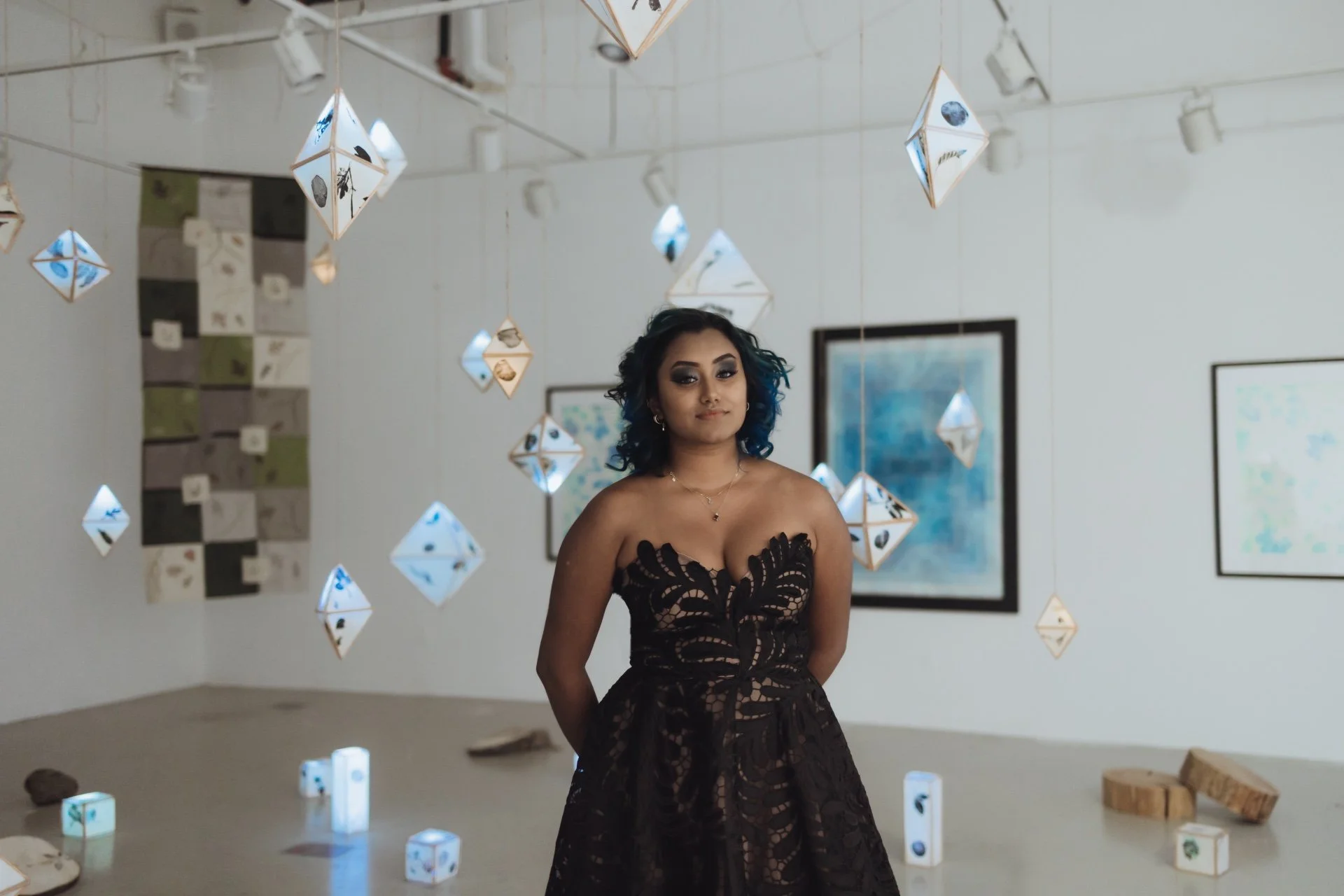
Tamara Madramuthu is a Toronto-based visual artist and printmaker whose practice explores the relationship between the body, memory, time, and the natural world. Working primarily in monoprinting, her work investigates how experiences are physically and emotionally carried, using repetition, pressure, and layering as both process and concept, while drawing parallels to how nature records time and change. Over the course of her undergraduate studies at York University, she produced over 1,000 prints, developing a deeply material and process-driven approach. Her practice has since expanded into sculpture and installation, incorporating materials such as fabric, clay, and foraged natural elements to explore spatial relationships, texture, and embodied experience. Alongside her studio work, Tamara is an Ontario Certified Teacher, graduating with her Bachelor of Education in June 2026. Her pedagogical approach strongly informs her artistic practice, as she is committed to fostering spaces that support reflection, connection, and critical engagement with identity and lived experience. She is interested in creating work that bridges art and education, emphasizing the importance of creativity, nature, and mindful engagement within everyday life.
What is your background and how did you start your journey in the art world?
“I am a visual artist and printmaker based in Toronto, and my practice really developed through my time at York University, where I completed my BFA in 2024. I specialized in printmaking, specifically monoprinting, and over the course of three years I created over a thousand prints in the Print Media Studio, which became a second home to me. My relationship with art started much earlier though. I’ve always been drawn to making, working with my hands, and expressing things that are difficult to put into words. That connection deepened when I began to understand how material, repetition, and process could hold meaning. I started with painting and drawing, and quickly fell in love with using my hands and sponges rather than brushes.
When I entered post-secondary, the world went into lockdown during COVID-19. That shift didn’t stop my practice, but it definitely challenged it. Being confined to my dining room table made it difficult to find inspiration, but I continued to create. I kept painting and drawing, even when it felt repetitive or uncertain. Looking back, that period really taught me discipline and commitment to my practice. Once we returned to in-person classes, everything changed. I took my first printmaking course in Imprints and Monoprints, and from that moment, something clicked. My practice came alive in a completely different way. I found myself drawn to printmaking not only for the process, but because it feels like a medium that deserves to be preserved and pushed forward. Alongside my studio practice, I am also a teacher candidate in my final weeks of my education degree at York University (June 2026), which has really shaped how I think about art. I don’t just see it as something to produce, but as something that builds relationships, identity, and understanding. My journey in the art world has been both personal and communal, rooted in making, but also in teaching, learning, and creating space for others.”
What inspires you?
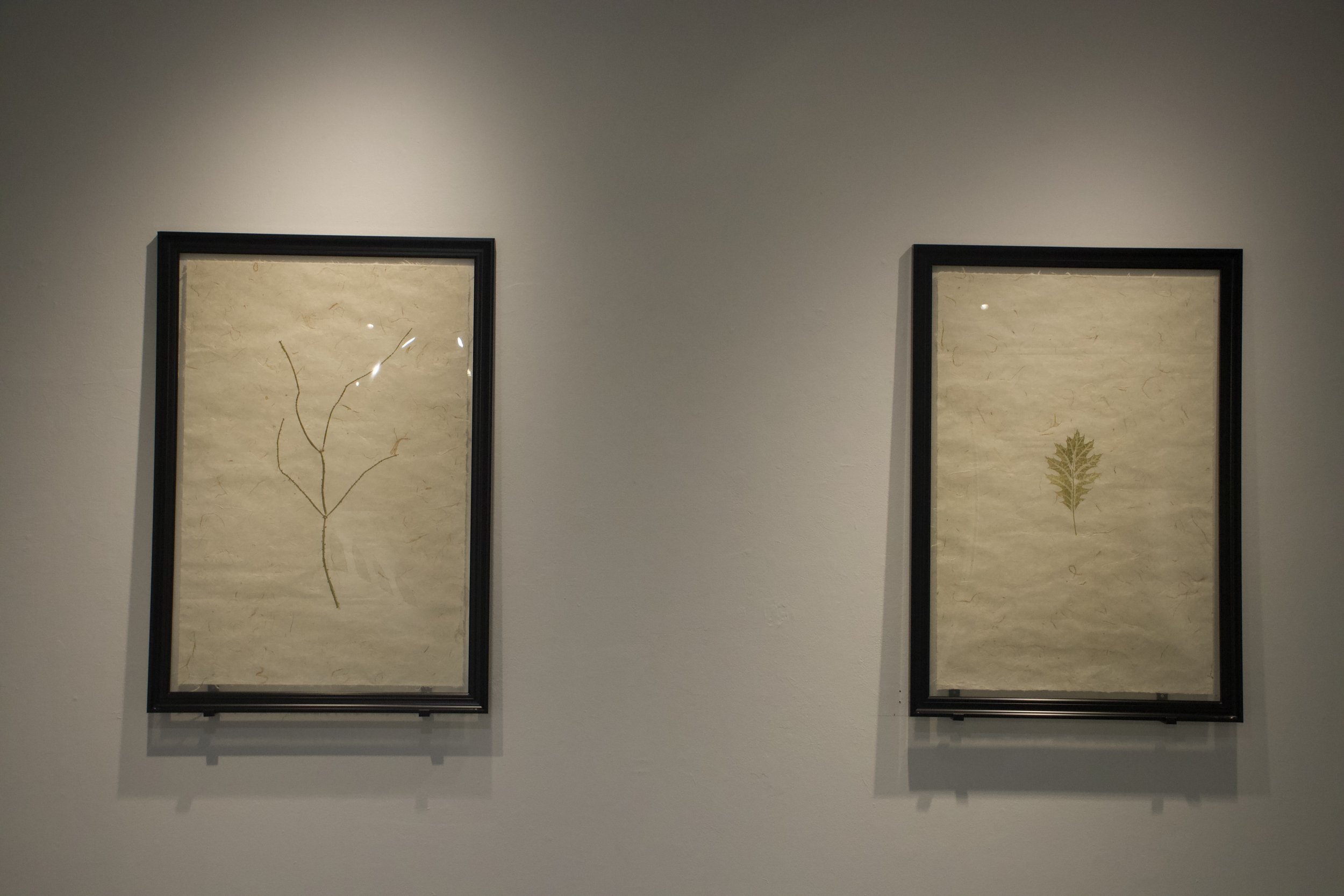
“I’m deeply inspired by the body, memory, and the idea that experiences don’t just disappear, they stay with us in physical and emotional ways. I think a lot about how the body holds onto things, even when we try to move forward. Nature is also a huge influence in my work. I see it as an archive of time. Trees, soil, erosion, pressure, all of these things record history without language. That idea really parallels printmaking for me, where pressure, layering, and repetition create an image over time. I am inspired by the natural aspects that we take advantage of on a day to day basis and i like to take a moment to slow down and see the things that we overlook. I’m also inspired by my experiences as a teacher. Being in classrooms, especially working with students navigating identity, stress, and self-expression, constantly reminds me why art matters. It keeps my work grounded in real human experiences.”
What themes do you pursue? Is there an underlying message in your work?
“My work focuses on the body, memory, repetition, and the passage of time. I’m interested in how experiences, especially difficult or formative ones, stay with us and shape who we are. I often think about how the body carries memory, how things are not just remembered, but physically and emotionally held over time. There is definitely an underlying message in my work, but it’s not something I want to make overly explicit. I’m more interested in creating space for reflection. I want viewers to feel something, to recognize themselves in the work, or to question what they’re seeing. A lot of my work also explores the idea of pressure, both physically in the printmaking process and conceptually through emotional and societal expectations. I’m interested in how these pressures leave marks on us, how they shape us over time, and how they can be both heavy and transformative. I also look closely at the natural world and how deeply intertwined we are with it. I think we often overlook nature in our day-to-day lives and take for granted the small, quiet moments it offers. My work brings these ideas together, the pressure of life and the presence of nature, to create space for slowing down, reflecting, and appreciating the small things that often go unnoticed.”
How would you describe your work?
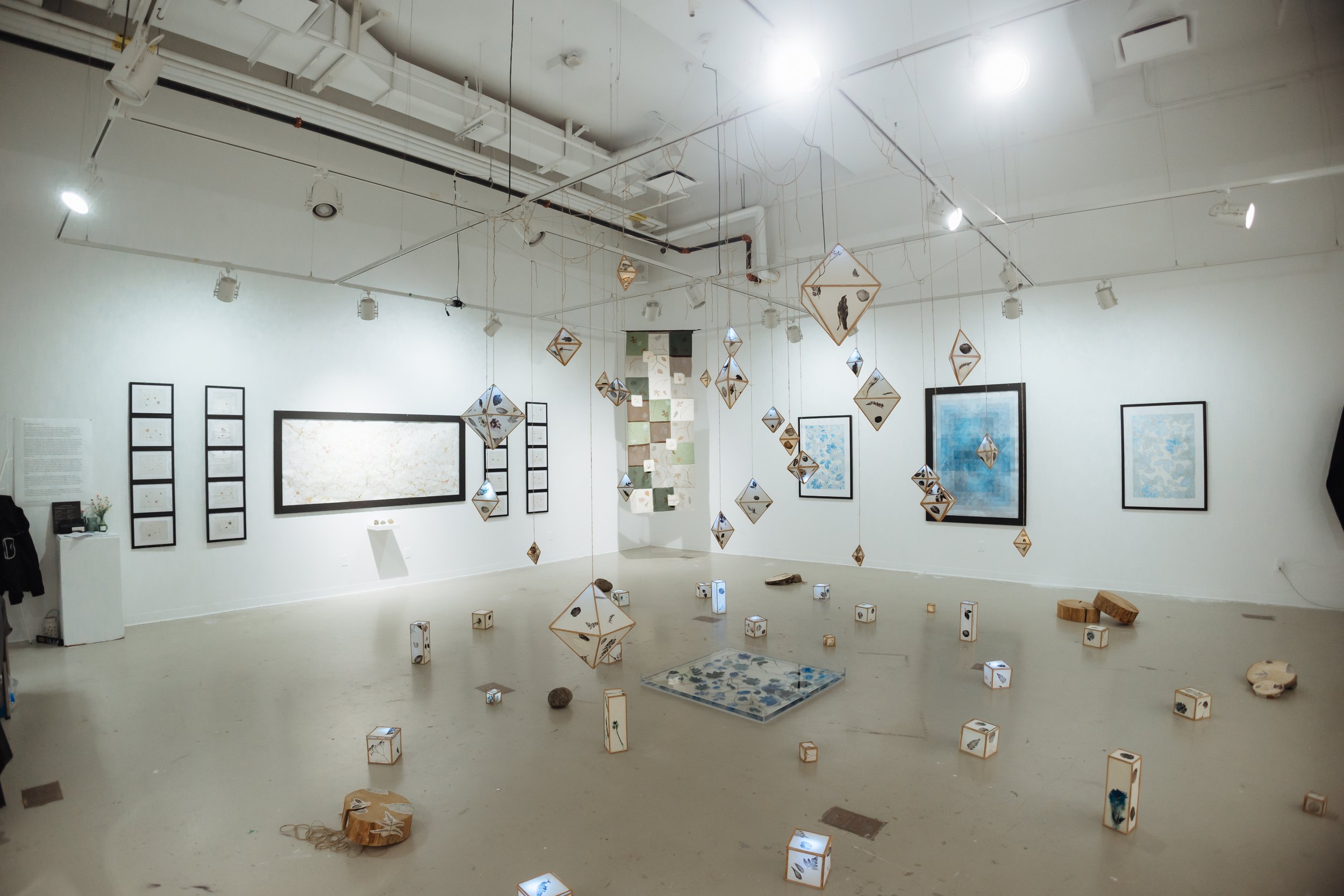
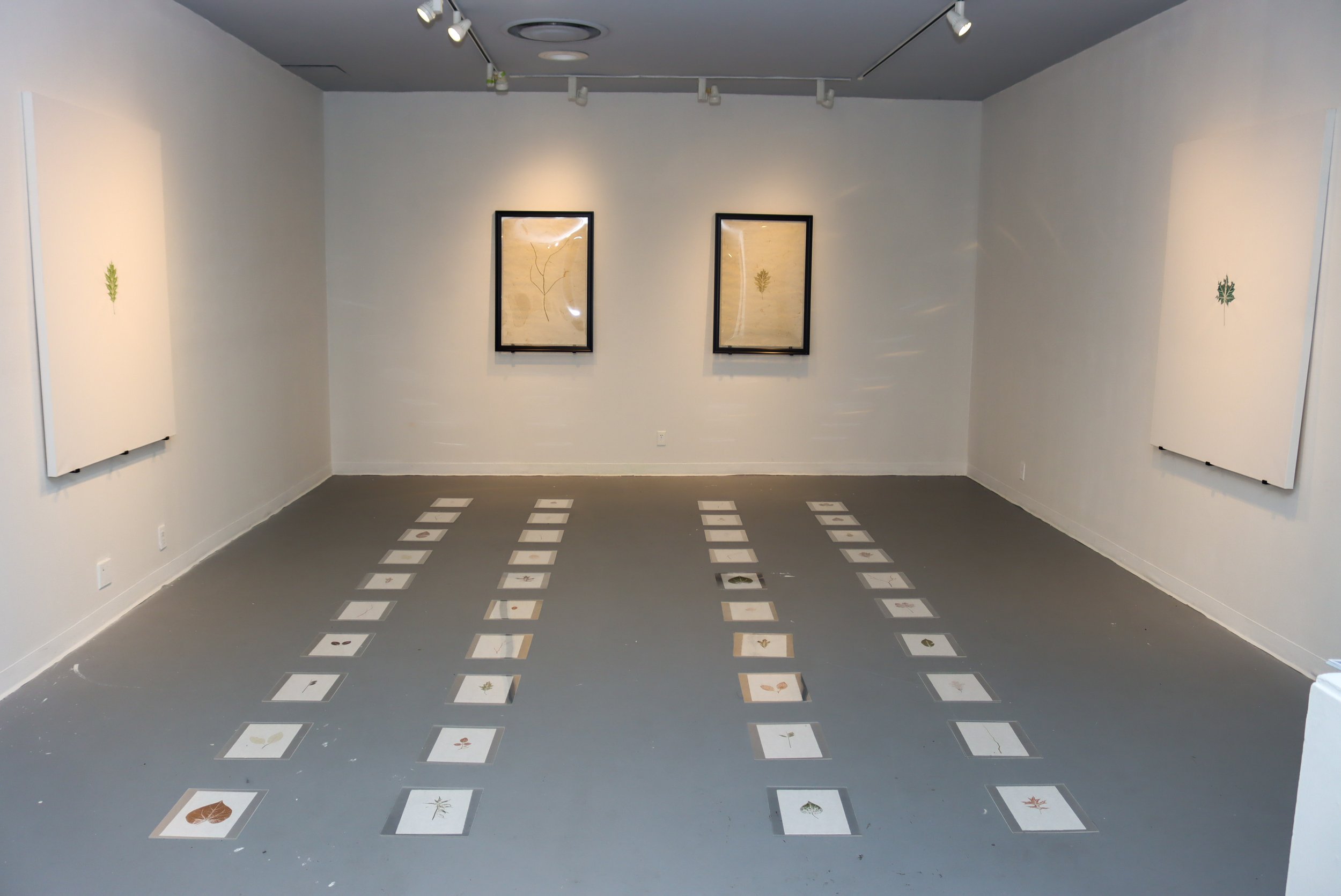
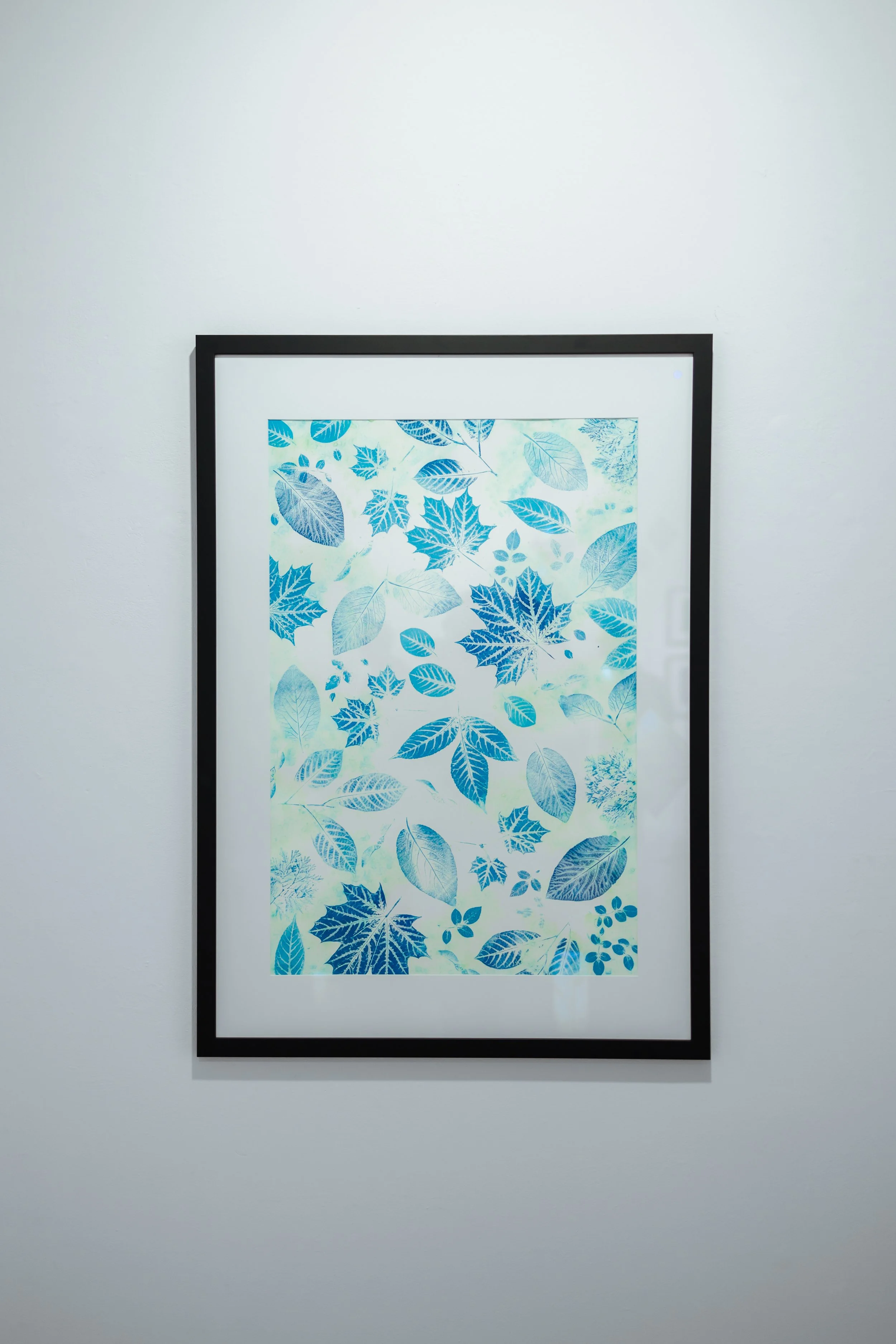
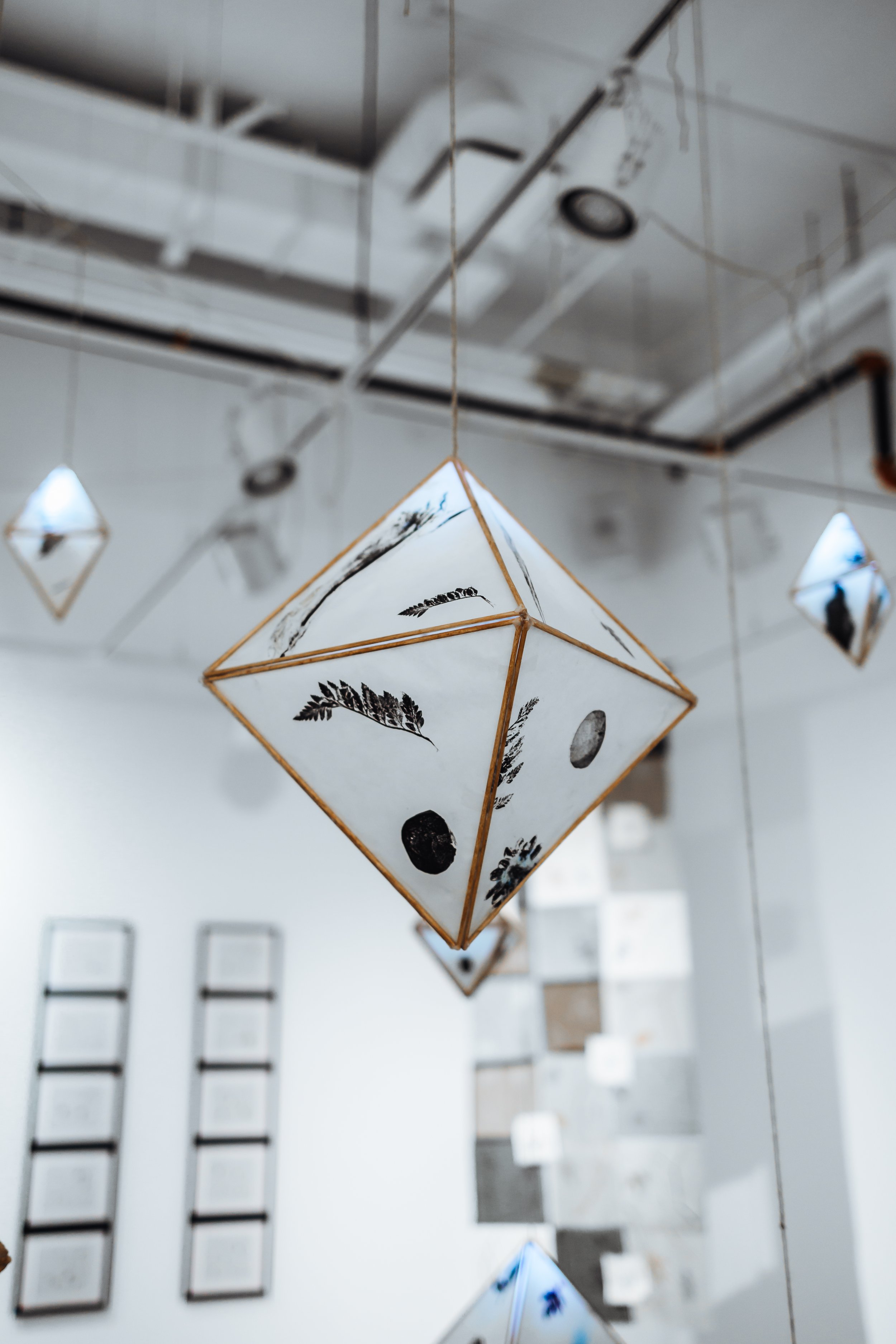
“My work is process-based, layered, and tactile. It often exists between printmaking and sculpture, as I’ve started to expand my practice beyond traditional print formats. I primarily work in monoprinting, but I incorporate materials like fabric, clay, and constructed forms to push the work into more physical space. The work often feels repetitive and accumulative, because that’s how I understand memory and experience, not as singular moments, but as layers built over time. Visually, the work can feel both delicate and heavy at the same time. There’s a balance between control and unpredictability, which is something I embrace in my process.”
Which artists influence you most?
“I’m influenced by a range of artists whose work connects to the body, nature, material, and process in different ways. Frida Kahlo has always stood out to me for how she explores the body, pain, and identity so directly. Her work is deeply personal, but also universal, and that balance is something I really connect to. I’m also drawn to artists who work closely with nature. Andy Goldsworthy is a big influence in terms of how he engages with natural materials and allows process, time, and environment to shape the work. That idea of working with, rather than against, natural forces is something I think about in my own practice. Similarly, Bryan Nash Gill inspires me through his use of natural forms, especially tree rings, as a way of recording time and memory. His work really reinforces my interest in nature as an archive. I also look to Katsushika Hokusai, particularly in relation to printmaking and how repetition, line, and composition can carry both movement and stillness. There’s something timeless about his work that continues to influence how I think about print as both a traditional and evolving medium. In my own development, working with David Scott Armstrong has also been incredibly important. His emphasis on technical skill and respect for traditional print processes has grounded my practice, while also encouraging me to push beyond those foundations in a meaningful way.”
What is your creative process like?
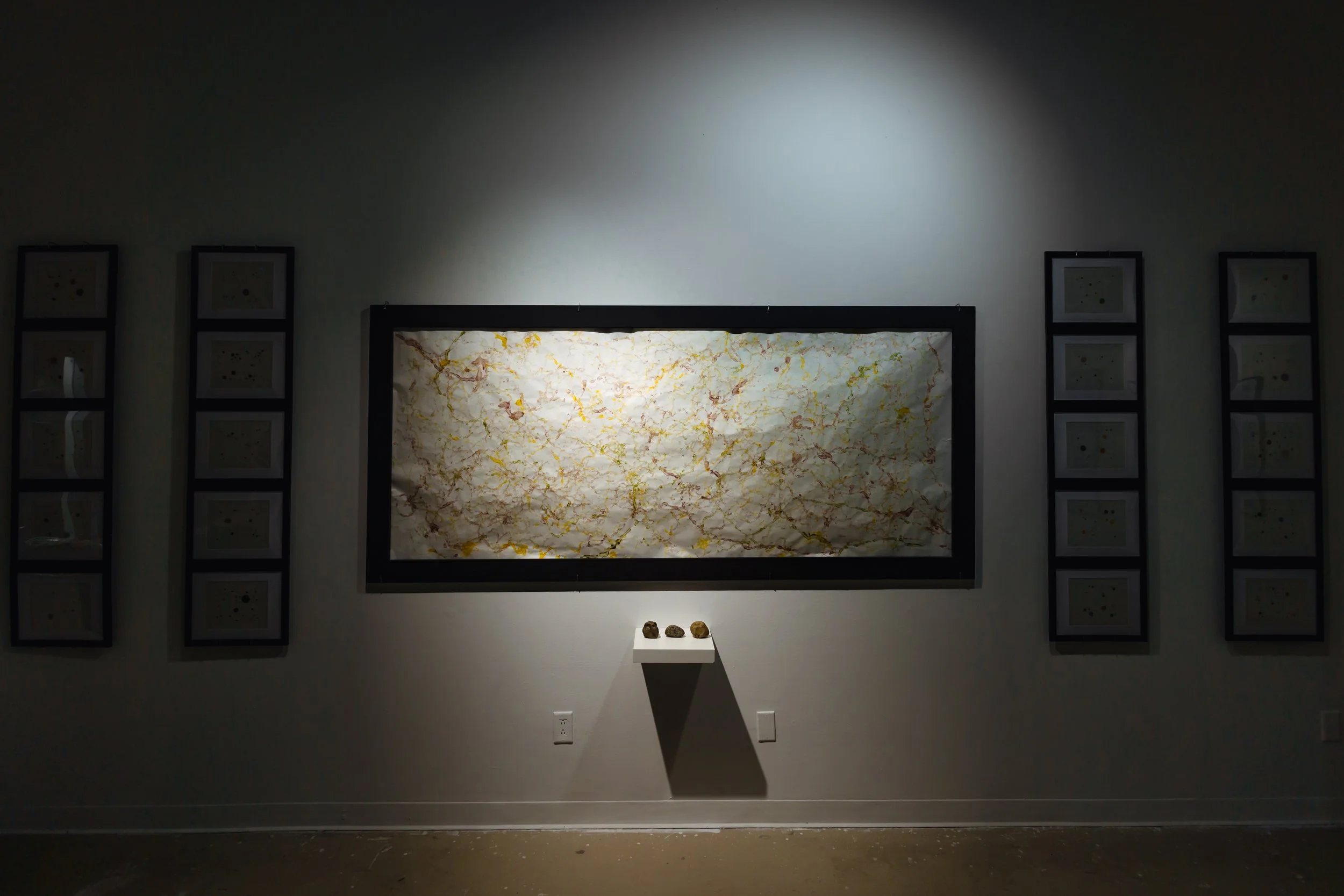
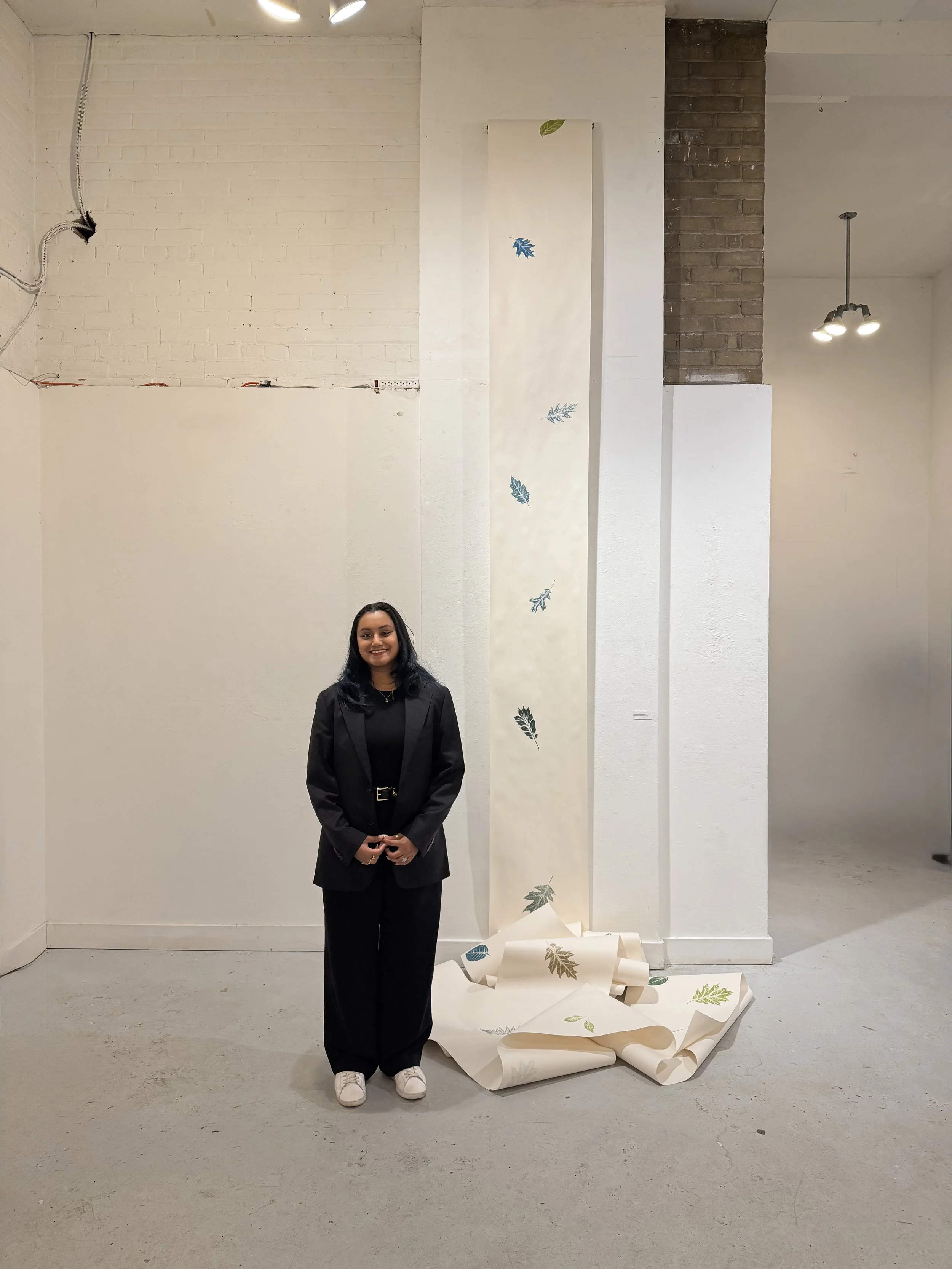
“My process is very physical and iterative. I spend a lot of time in the studio experimenting, layering, and repeating actions. Monoprinting itself is unpredictable, so I’ve learned to work with that rather than against it. I often start with a loose idea or feeling rather than a fixed outcome. From there, I build through repetition, printing, reworking, layering materials, and sometimes even destroying and rebuilding parts of the work. A big part of my process also happens outside of the studio. I often forage for my own materials from places I travel to, collecting natural elements that carry a sense of place and time. I’m not interested in perfect or idealized forms, I’m drawn to objects with character, things that feel worn, irregular, or different from the rest. I print with a lot of non-traditional materials, things that probably were never meant to go through a press. Sticks, seeds, fruits, vegetables, anything that can hold texture or leave a trace. There’s something exciting about testing those limits, not knowing exactly what will happen, and allowing the material to speak for itself. Recently, I’ve also been incorporating sculpture and installation into my process. That has shifted how I think about scale and space, not just what the work looks like, but how it exists in relation to the body and how viewers physically move through it.”
What is an artist’s role in society and how do you see that evolving?
“I think an artist’s role in society is to make people feel, question, and reflect. Art creates space for conversations that might not happen otherwise, but it also plays a huge role in how people understand themselves and the world around them. As both an artist and an educator, I see firsthand how powerful art can be for students. It gives them a way to express things they may not have the language for, to process emotions, and to build confidence in their own voice. Art creates space for identity, creativity, and connection, especially for students who may not always feel seen in other areas of school. I also think there needs to be more advocacy for art education. It’s often overlooked or treated as less important, but in reality, it’s essential. Art supports critical thinking, emotional development, and problem-solving in ways that other subjects can’t always reach in the same way. It helps students slow down, reflect, and engage with the world more thoughtfully. I see the role of the artist continuing to expand beyond just making work. Artists are educators, facilitators, and community builders. In my own practice, those roles are deeply connected. I want my work, and my teaching, to create space for reflection, growth, and a deeper appreciation for art as something that is necessary in our everyday lives, not just something we visit in a gallery.”
Have you had any noteworthy exhibitions you'd like to share?
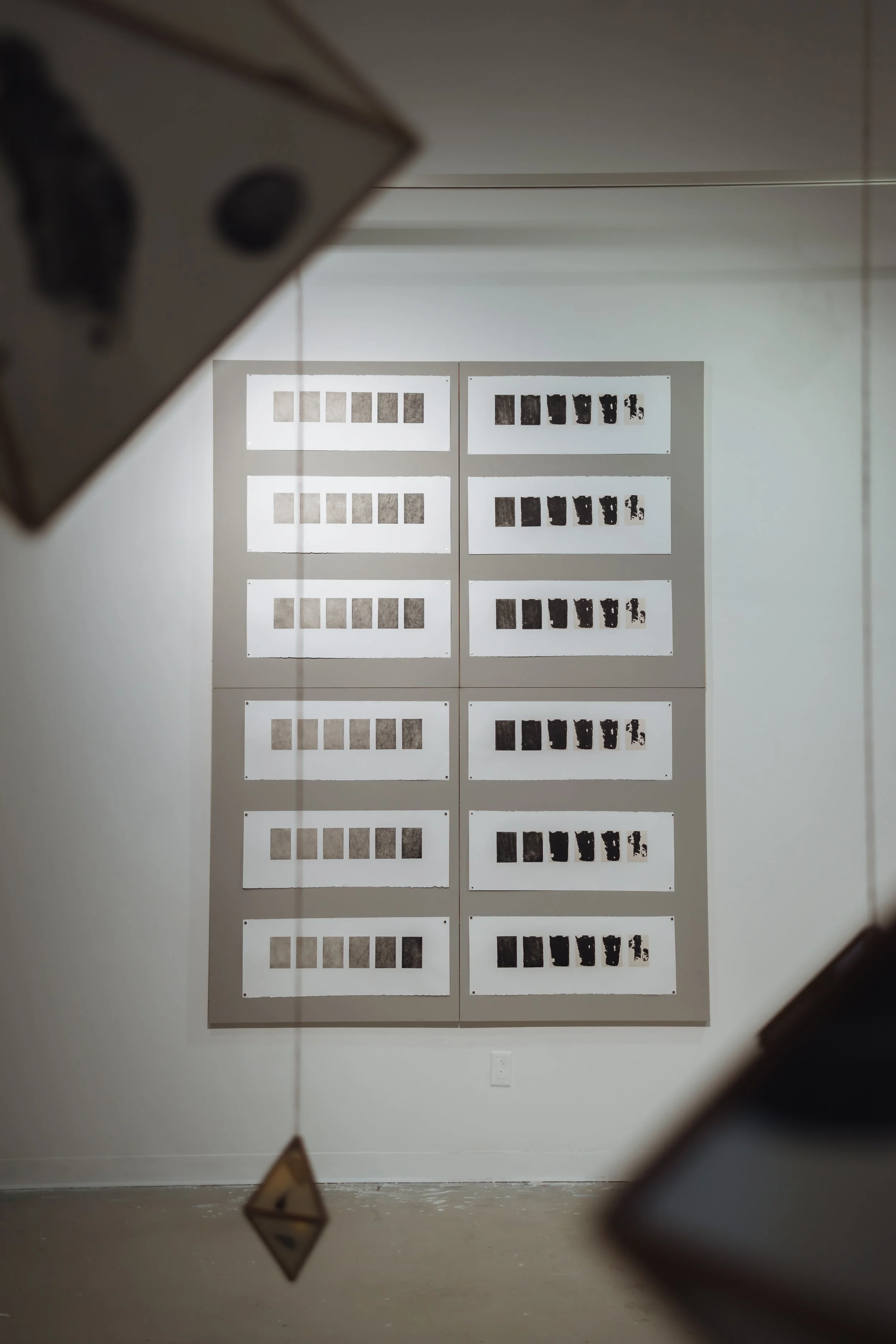
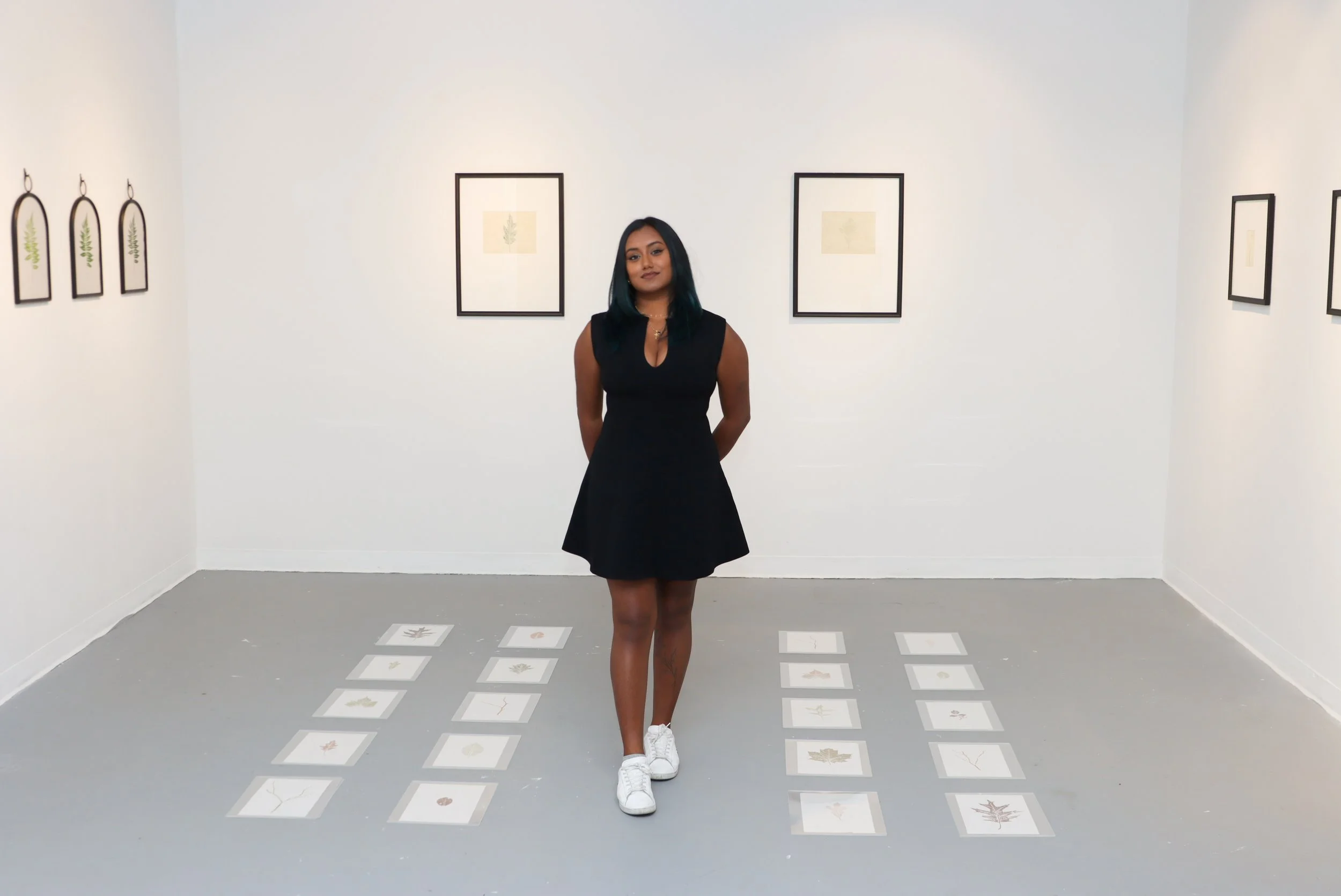
“Yes, my recent exhibitions include: Specimens, Special Projects Gallery in 2025 and York University The Luminosity of Nature's Void, Gales Gallery in 2024.”
Website: www.tamaramadramuthu.com
Instagram: @artv_ibes_wit_sarah
Brush Bio: brush.bio/tamaramadramuthu