Interview
Valkyrie Artiste Peintre
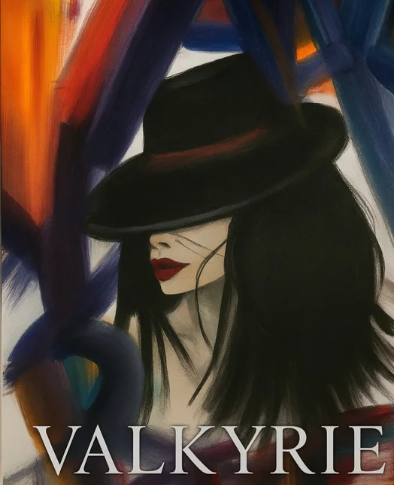
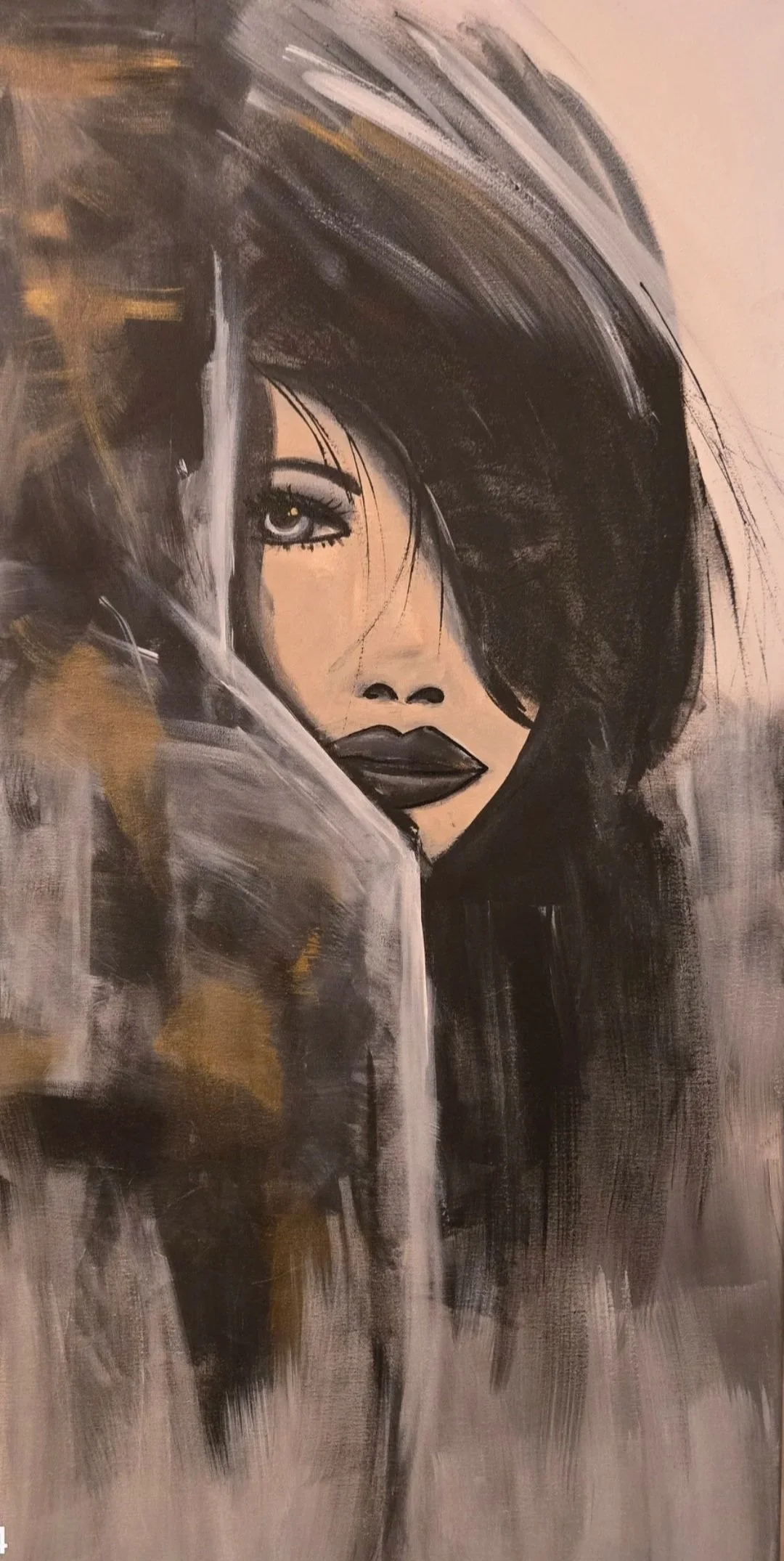
Valkyrie Artiste Peintre is a contemporary artist whose work is born from experience, struggle, and transformation. Her approach is deeply intuitive. She does not paint what she plans, but what emerges. Each piece develops through a dialogue between instinct and control, where the material becomes a reflection of an inner state. At the intersection of abstraction and figurative presence, her work reveals a femininity that is both veiled and powerful. Forms appear, transform, and rebuild themselves — like an identity in motion. Her work is not meant to decorate, but to be felt. It carries tension, truth, and strength. At the core of her practice lies a clear intention: to transform experience into power and to give art a real impact. Through her journey, she is developing a vision where art becomes more than expression — a force to influence, connect, and contribute to something greater.
What is your background and how did you start your journey in the art world?
“I am a painter based in Quebec, known as Valkyrie Artiste Peintre. My journey does not follow a traditional academic path — it was born from a deep necessity to express myself. My art is directly connected to my personal story. Following an assault, I lost everything — stability, security, and my sense of grounding. That rupture became a turning point. Art first became a way to survive, and then a way to rebuild. Shortly after, illness entered my life, adding another layer to this journey. These experiences deeply transformed my vision and artistic language. Today, each piece I create is a transformation of that lived experience — a way of reclaiming control and giving meaning to what I have been through. The figure of the Valkyrie emerged naturally in my work. She represents strength, resilience, and the ability to rise again. My art explores this constant duality between vulnerability and power. Today, my work goes beyond creation. My goal is to build, through my art, a foundation dedicated to helping women who have experienced violence rebuild their lives and regain their independence. My artistic path is raw, real, and deeply rooted in human experience.”
What inspires you?
“What inspires me above all is transformation — the human ability to go through adversity and rebuild. I am deeply inspired by what is invisible within us: contained emotions, inner tension, and silent resilience. My work emerges from this space between what we show and what we truly experience. I explore contrasts, instinctive gestures, and the balance between chaos and control. The female figure plays a central role in my practice. She is not decorative, but a strong presence shaped by experience, struggle, and the capacity to rise again. Today, my inspiration extends beyond my personal work. I want my art to become the starting point of something larger — a movement where other artists can come together around a shared purpose: supporting women in their process of rebuilding.”
What themes do you pursue? Is there an underlying message in your work?
“The themes I explore revolve around resilience, transformation, and human duality. My work investigates the tension between vulnerability and strength, between what is lived internally and what is shown externally. I am particularly drawn to those invisible spaces where emotions, wounds, and reconstruction take shape. The female figure is central to my practice. She represents a strong presence shaped by experience, yet always moving toward a form of renewal. There is an underlying message in each of my works: the ability to rise, to redefine oneself, and to reclaim one’s own story. My art is not meant to be purely aesthetic. It carries an intention — to transform even the most difficult experiences into a form of strength.”
How would you describe your work?
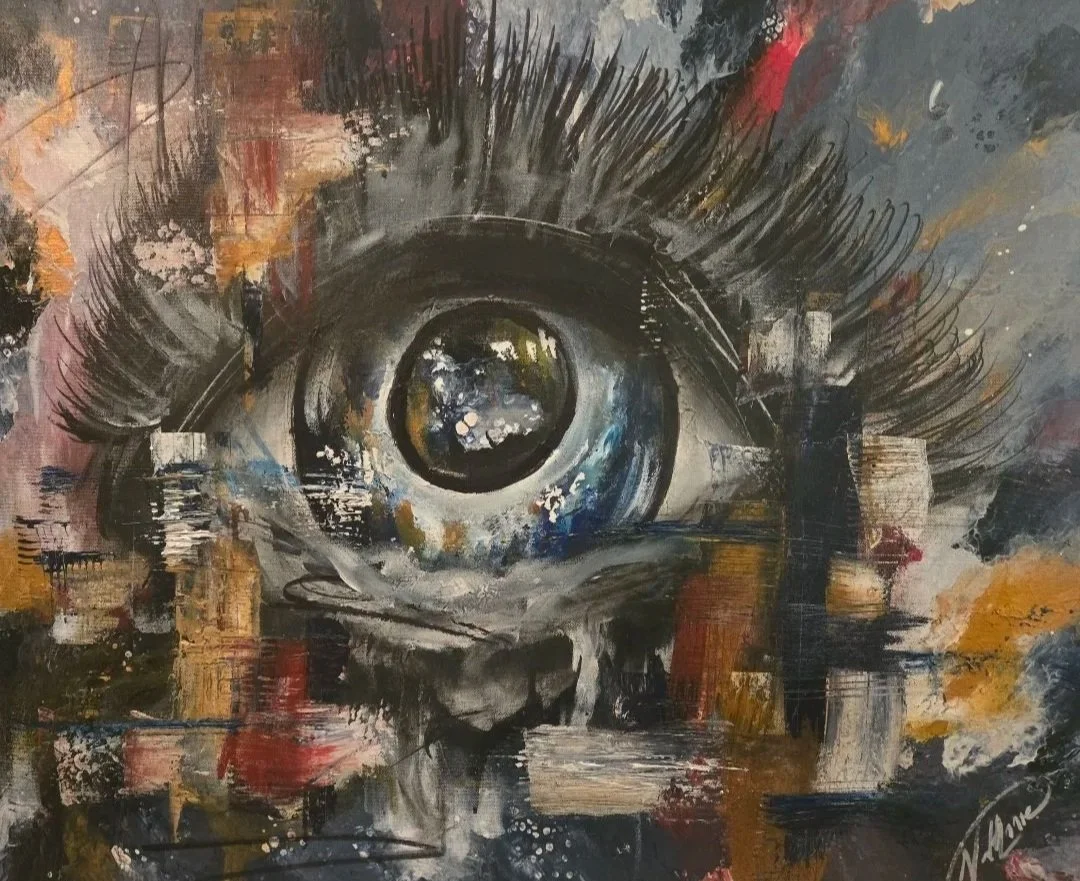
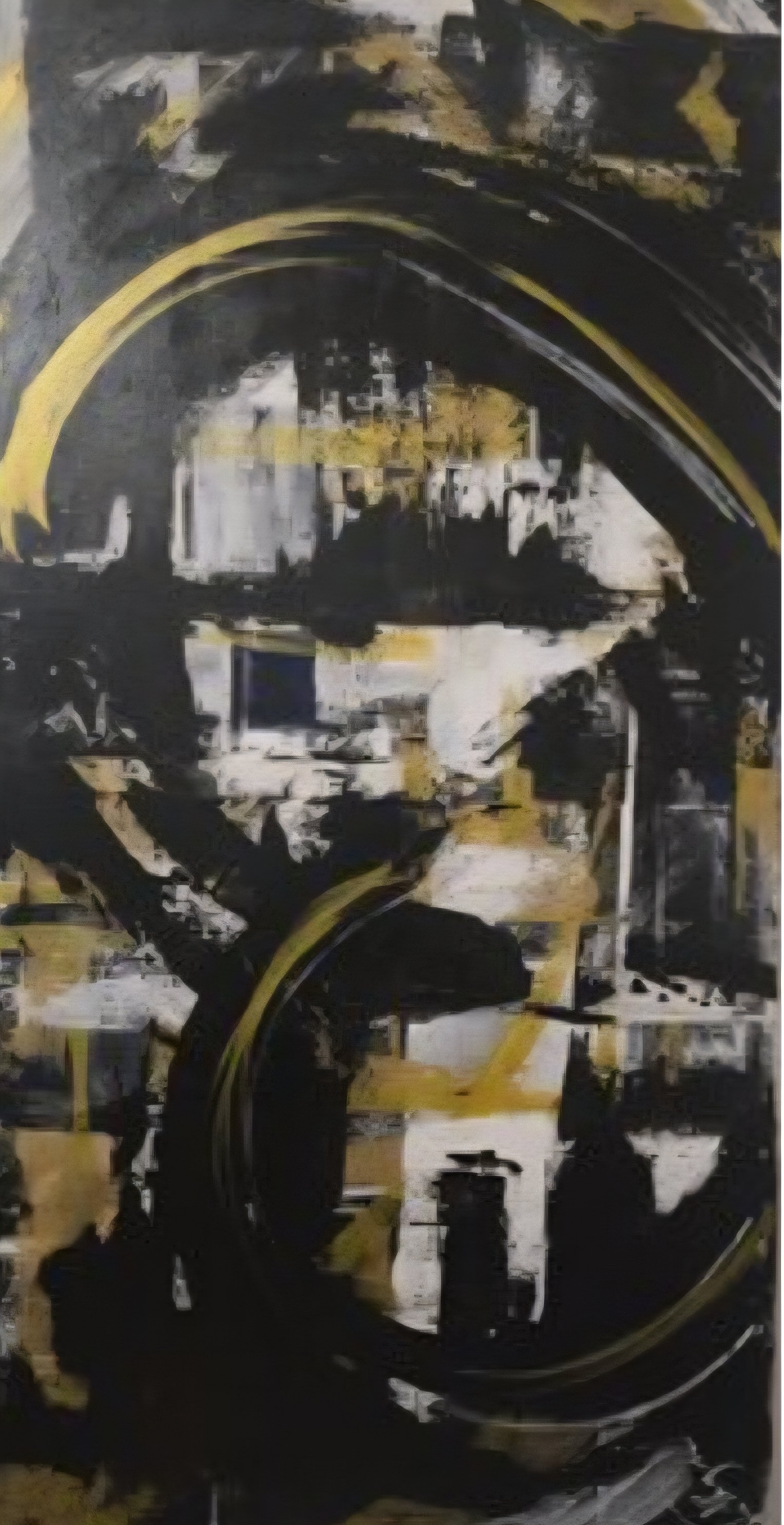
“I would describe my work as a meeting point between abstraction and figurative presence, where emotion guides the structure. My approach is intuitive yet controlled. I work with spontaneous gestures, layering, and contrasts to create a strong visual tension, always balancing between chaos and control. The female figure often appears as a central presence, but never fixed. She is fragmented, suggested, sometimes partially hidden — like an identity in transformation. My work exists between strength and vulnerability. It is not meant to represent, but to evoke. Each piece is an emotional experience — a trace of an inner state translated into material, movement, and contrast.”
Which artists influence you most?
“I am influenced by artists who have been able to express strong emotional intensity through their work. Egon Schiele inspires me through the way he explores human fragility and tension with raw honesty. Jean-Michel Basquiat influences me through his instinctive visual language, his energy, and his use of gesture as a direct form of expression. I am also drawn to gestural abstraction, where movement and material become carriers of emotion. However, beyond these influences, my work is primarily guided by my own lived experience. My artistic language has been shaped through what I have gone through, making my practice deeply intuitive and unique.”
What is your creative process like?
“My creative process is deeply intuitive. I never begin with a fixed image or a predefined idea. Everything starts with a selection of colors, guided by an emotion or an inner state. I apply these first layers freely, without trying to control the outcome. The background builds itself in this way, instinctively. From there, the canvas begins to guide the process. A dialogue emerges between what appears and the gestures I make. I never have a clear vision of what I am going to create. Forms, figures, and presences gradually emerge, almost naturally, through layering, contrast, and movement. I work within a balance between letting go and control, where the initial chaos slowly transforms into a coherent composition. For me, painting is a process of discovery. The work reveals itself as it is being created.”
What is an artist’s role in society and how do you see that evolving?
“I believe the role of the artist in society is to reveal what is not immediately visible. An artist captures emotions, tensions, and often silent realities, and brings them into form. Through this, people are able to feel, reflect, and sometimes recognize themselves within a work. Today, I see this role evolving into something more engaged. The artist is no longer only a creator of images, but can also become an agent of change. Through my work, I aim to go beyond aesthetics and give a concrete dimension to what I create. Art can be a starting point — a way to raise awareness, but also to inspire action. My vision is that artists can use their voice and visibility to create real impact, and even bring others together around meaningful causes.”
Have you had any noteworthy exhibitions you'd like to share?
“Yes, several recent milestones in my artistic journey have been particularly meaningful. My work has begun to gain recognition and has been featured on art platforms, including being selected as a ‘work of the week,’ which helped increase my visibility. I am also currently represented on Singulart, which has allowed me to reach an international audience and further develop my presence in the global art market. At the same time, I am developing collaborations and exhibition opportunities, particularly internationally, which represents an important step in the evolution of my career.”
Website: www.lavalkirieartistepeintre.ca
Instagram: @valkyrieartists