Interview
Katya Shkolnik
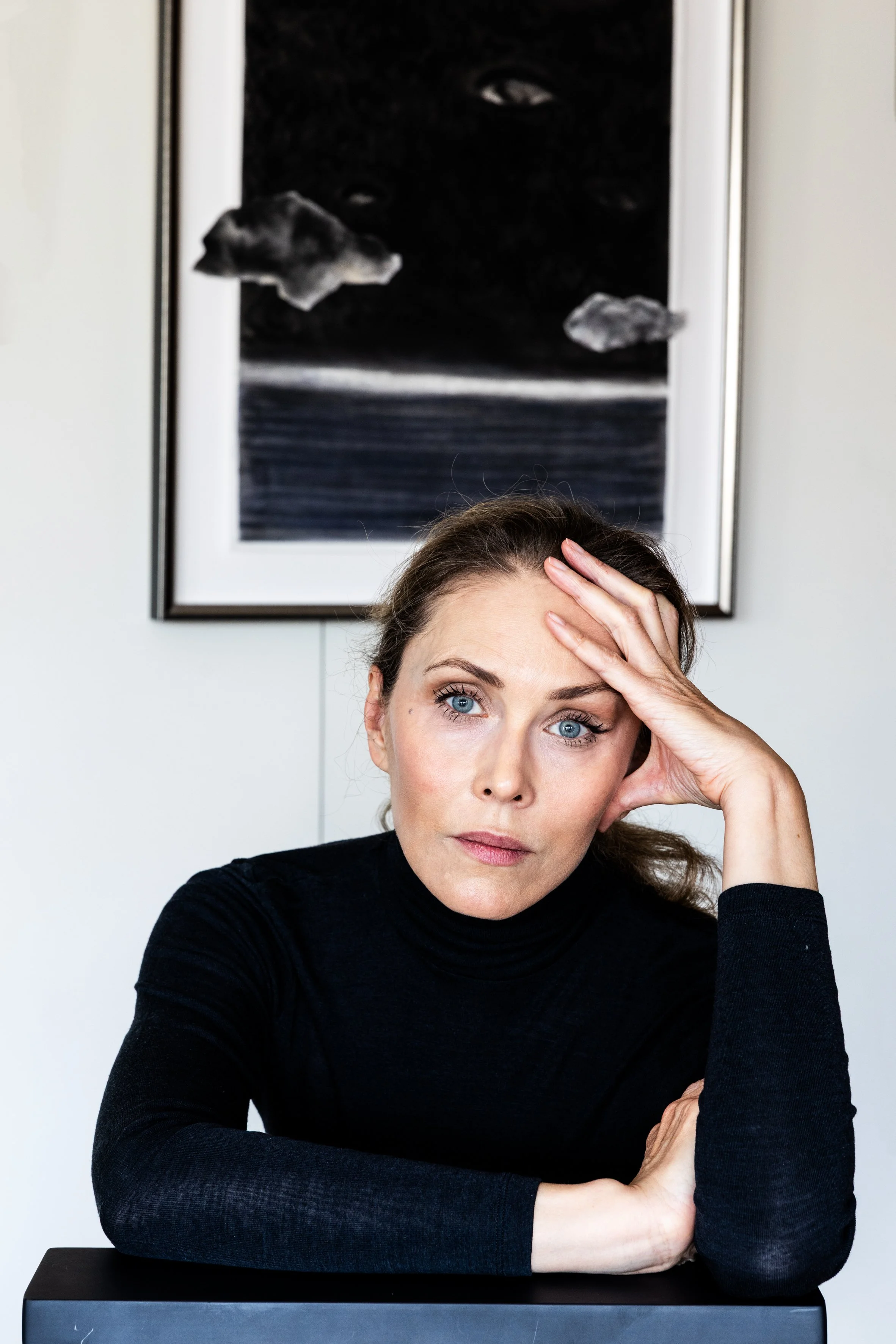
Katya Shkolnik is a Milan-based multidisciplinary artist and photographer whose work translates the unseen structures of time, consciousness, and reality into immersive perceptual experiences. With a background in nuclear engineering, she works across photography, video, sound, and large-scale installation, using the camera as a research tool to explore quantum physics, duality, and the tension between reality and illusion. Scale plays a central role in her work. As a conceptual artist, she seeks to evoke the awe and vastness of the limitless night sky, transcending the constraints of everyday experience and inviting a renewed awareness of our place within the fabric of time. Her work has appeared in international auctions, including Christie’s London and BFAMI, London, and is held in private collections across Canada, the United States, Kazakhstan, Brunei, Russia, Spain, and the United Kingdom. In 2025, she presented her solo exhibition, Manifesto on Time, at the Abilkhan Kasteev National Art Museum in Almaty, Kazakhstan.

What is your background and how did you start your journey in the art world?
“I grew up in a remote desert enclave in Kazakhstan, a scientific outpost built around the world’s first fast-breeder nuclear reactor. Although I was programmed by this environment to follow a technical path, graduating with a degree in nuclear physics, I was a quiet insurgent fueled by a hidden library of art books. My transition only began in my early thirties while raising my second daughter; a photography course acted as a catalyst that split my life into a ‘before’ and ‘after.’ This shift overrode my engineering background, revealing an intense emotional side that my upbringing had never accounted for. Today, I don’t view my scientific past as a detour, but as the essential lens through which I process the concepts of time and quantum physics in my work.”
What inspires you?
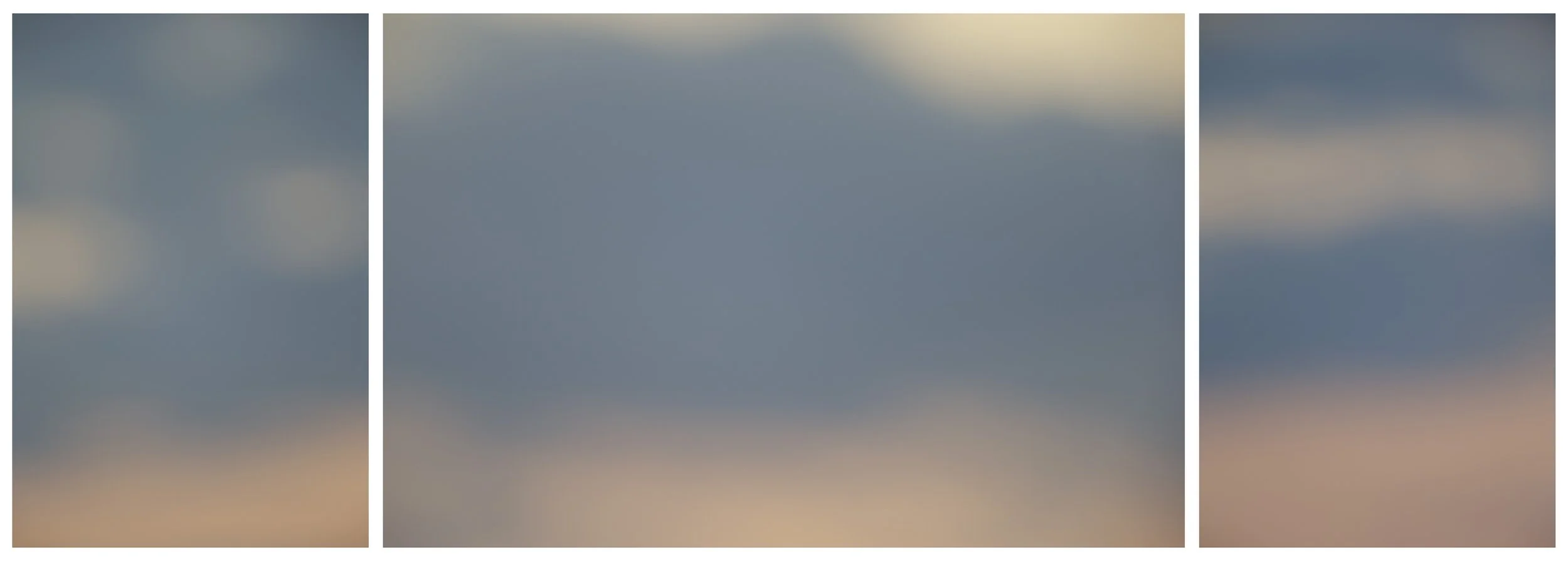
“I am inspired by the connection between modern quantum physics and ancient knowledge. Having been trained as a nuclear engineer, I naturally look for the underlying structure of the universe, but I find that logic alone cannot explain everything. Often, the most profound ideas come as ‘thoughts from nowhere’ — sudden flashes of clarity that feel more like a gut feeling than a calculation. Art is the only way I can translate these invisible concepts into something tangible that others can actually see and feel. My main goal is to share this experience of the world, specifically through my ongoing research into the nature of time.”
What themes do you pursue? Is there an underlying message in your work?
“In my work, I explore the idea that our world is a projection of a more complex, multidimensional space, and that we are far more than just physical bodies. I aim to provide a vantage point where the viewer can settle their ‘inner observer,’ as the ability to step out of the system with our attention can change the outcome of the ‘experiment’ of our lives. This theme is central to my Manifesto on Time, which examines the mechanics of harvesting time through the virtual world. The underlying message is an invitation to reach a higher level of self-awareness and reclaim the only true resource we have — time. Ultimately, I want my art to act as a trigger that helps people move from being passive participants to active creators of their own experience.”
How would you describe your work?
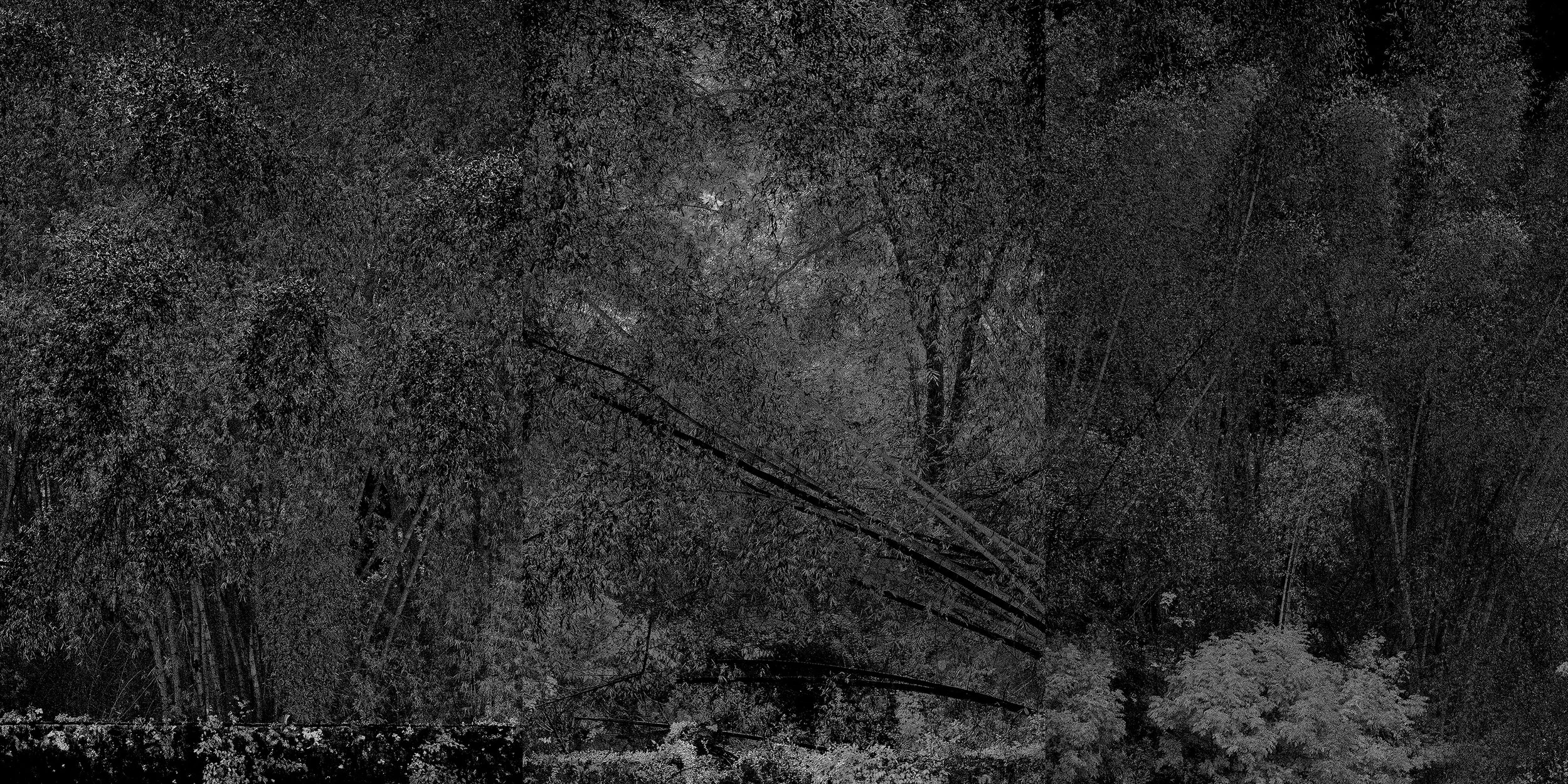
“I describe my work as an interdisciplinary exploration of the invisible mechanics that shape our reality. While photography remains my primary medium, I increasingly integrate video and AI to visualize the ‘quantum’ nature of human experience. In my projects, I focus on building large-scale installations and sensory interfaces that bridge the gap between the viewer and the underlying concept. My goal is to create immersive environments that challenge the viewer to step out of the automated ‘system’ and reclaim their role as an active observer of their own life — an approach central to my latest project, Manifesto on Time.”
Which artists influence you most?
“My relationship with influence has always been a process of tuning into specific ‘vibrations,’ much like a radio seeking a station. This was a vital part of my self-education, allowing me to live through different artistic eras to understand their internal logic. My deepest connection remains with Abstract Expressionism, particularly the works of Mark Rothko and Jackson Pollock, whose energy I have worked to translate into the language of photography. I am equally moved by Lee Krasner, finding in her work a raw, non-linear strength.”
What is your creative process like?
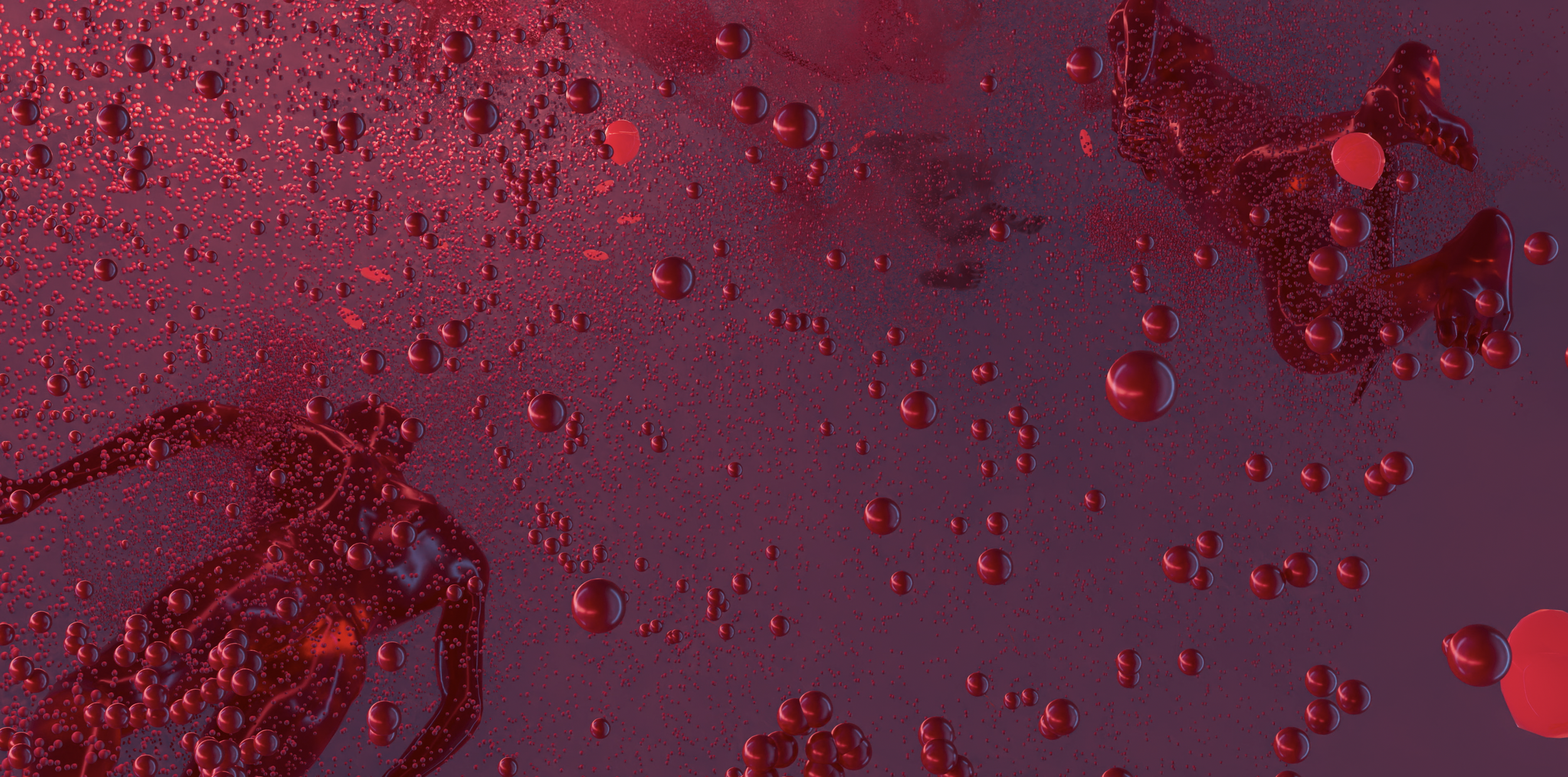
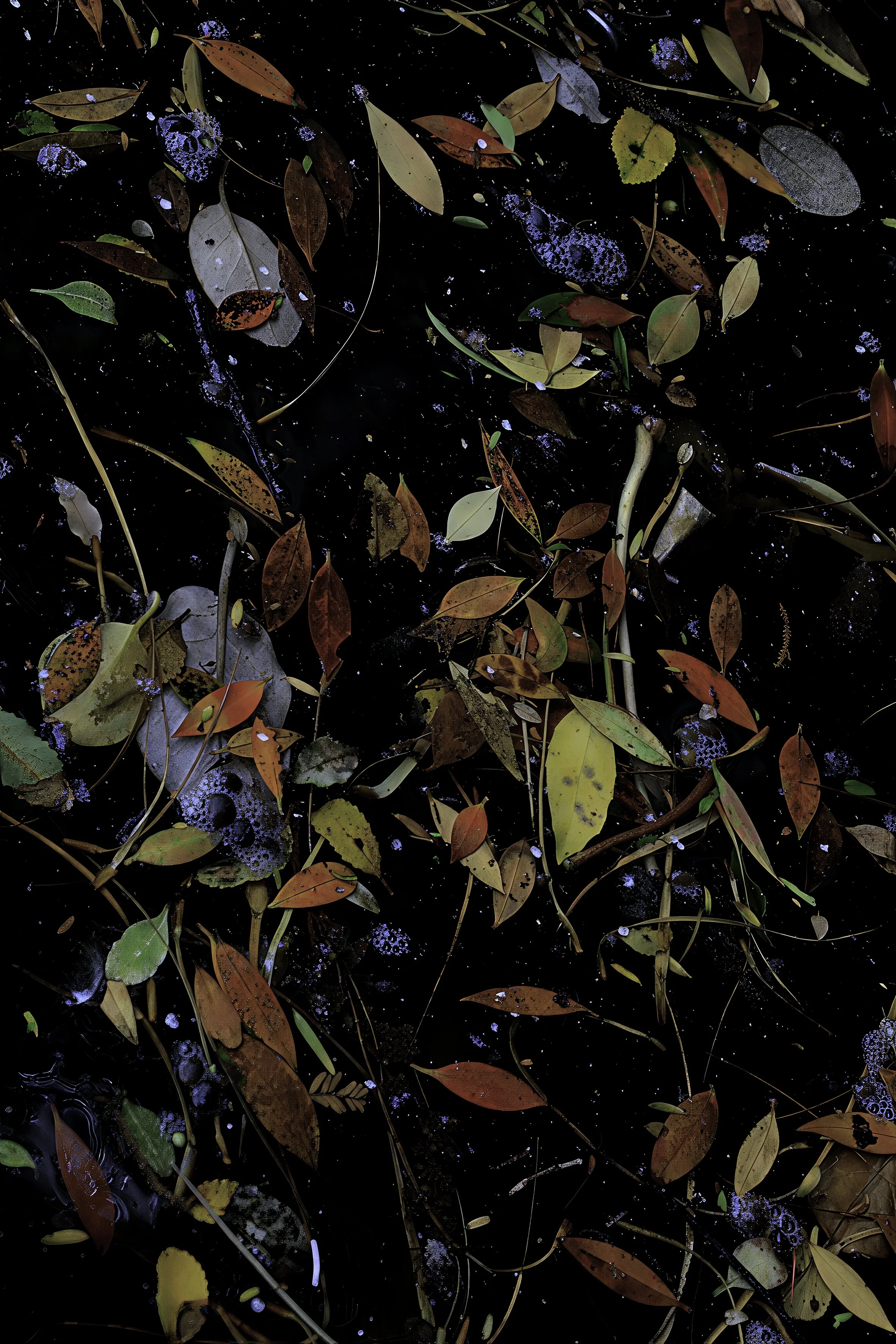
“My creative process always begins with a specific question. I spend a long time thinking and reading, essentially doing nothing until signs begin to appear through the ‘fabric of reality.’ My primary tool for this is the camera; I often find myself preoccupied with a seemingly mundane subject — a fence or a puddle — unable to leave it alone until I realise later that the image captured the answer to my question. Recently, I have integrated AI as a new tool, which I view as a bridge to the collective unconscious. For me, AI is not just a generator, but a partner in a dialogue that helps visualise the hidden layers of our shared reality.”
What is an artist’s role in society and how do you see that evolving?
“Artists serve as the barometers of their society and era. Beyond simply reflecting their time, some act as sensors for change, capturing shifts that are already occurring on a subtle level before they manifest in physical reality. While history provides us with facts and figures, art provides the ‘taste’ and emotional truth of a period. I believe the fundamental role of the artist remains constant — whether it is reflecting beauty, making a political statement, or issuing a call to action. What is evolving, however, is the accessibility of art and information. This gives art more immediate power, but it also places a greater responsibility on the artist to be intentional with the reality they choose to project.”

Have you had any noteworthy exhibitions you'd like to share?
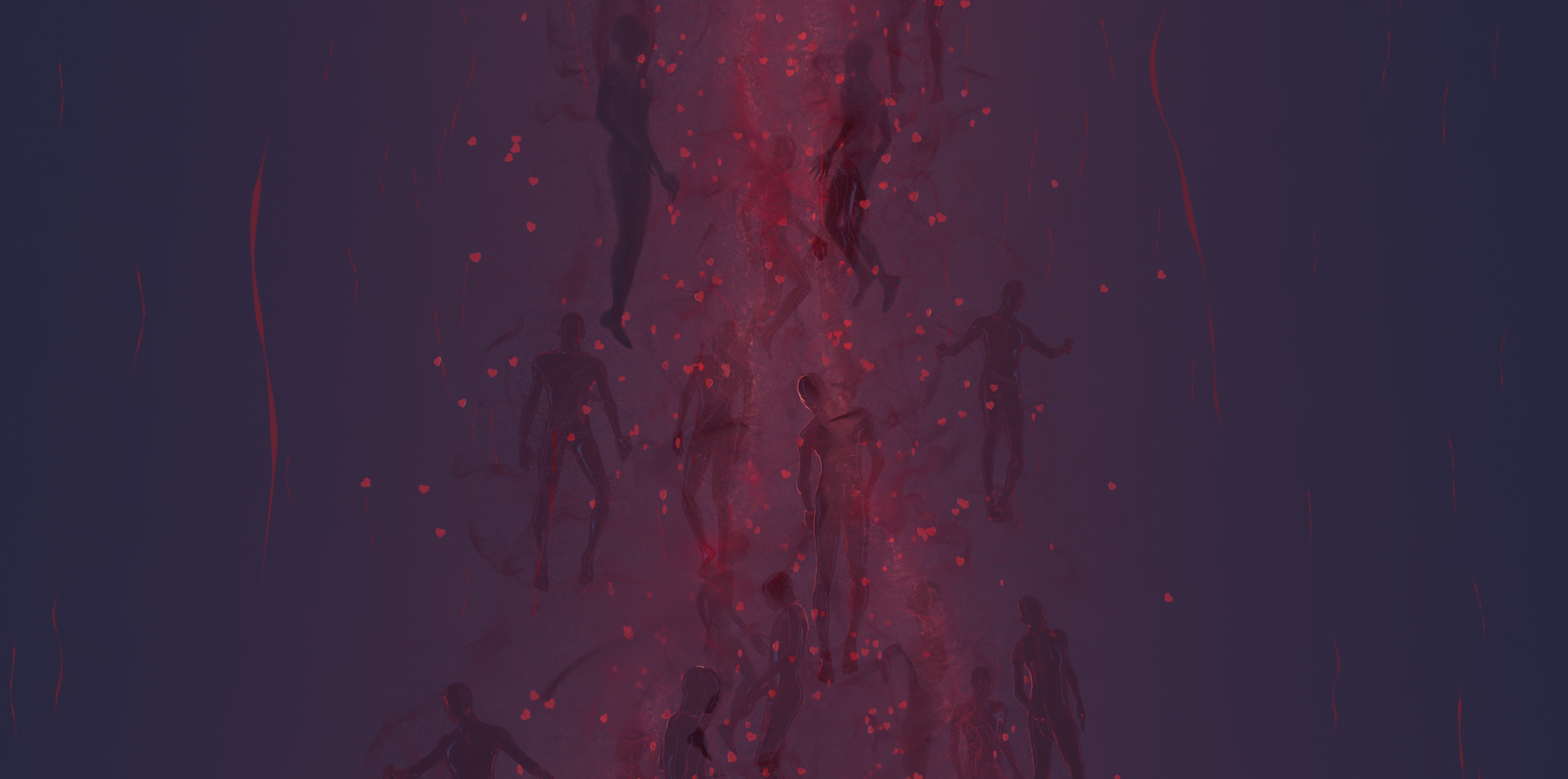
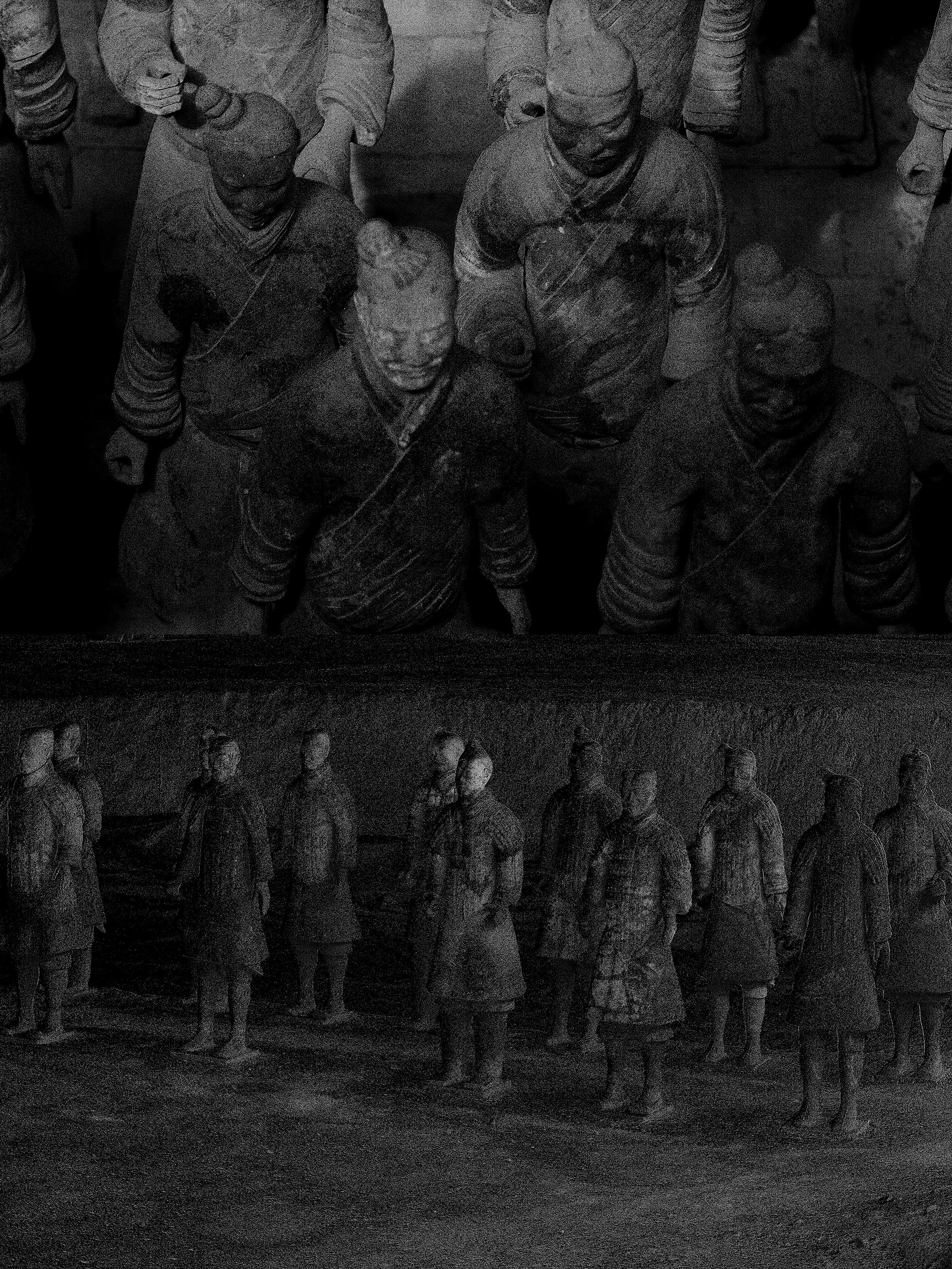
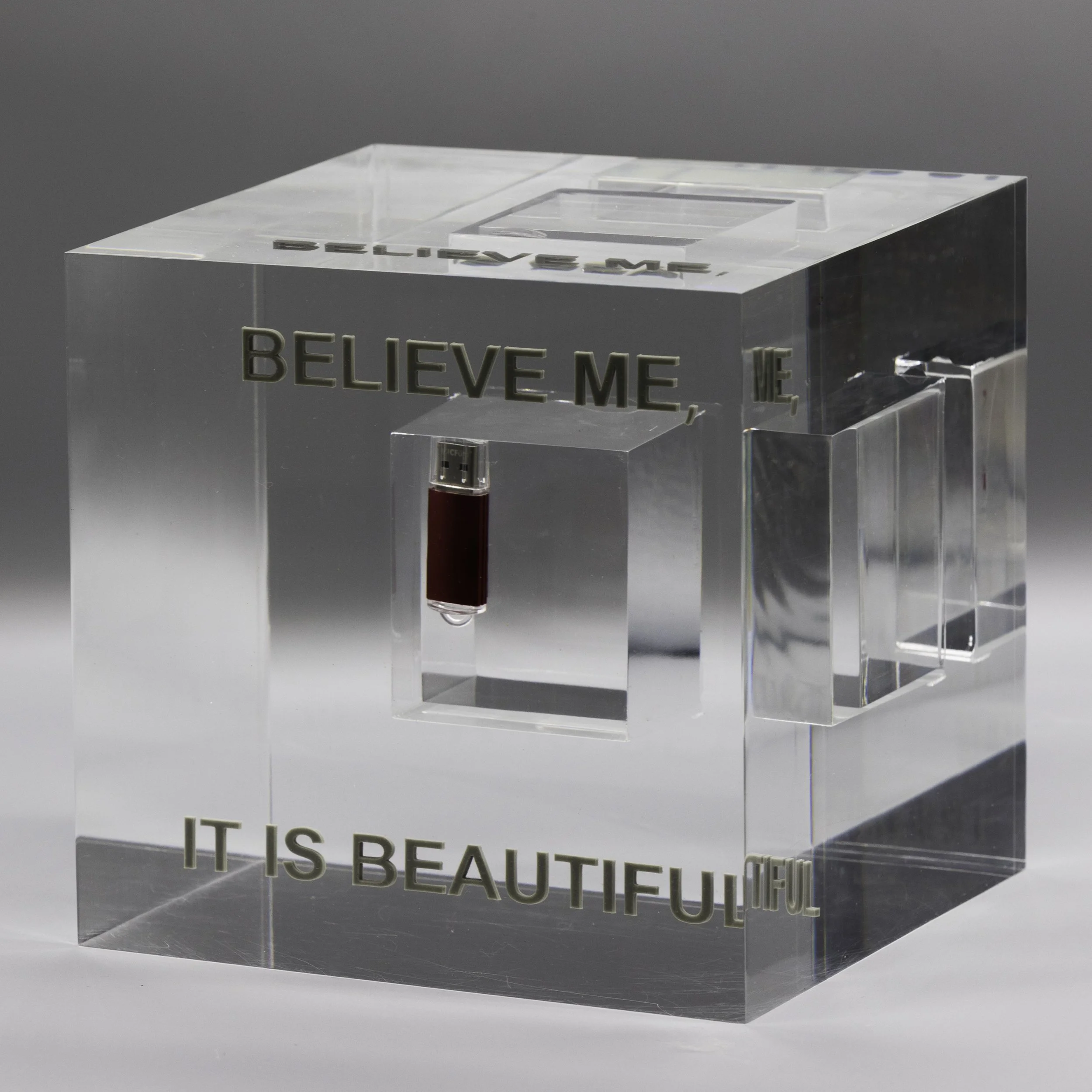
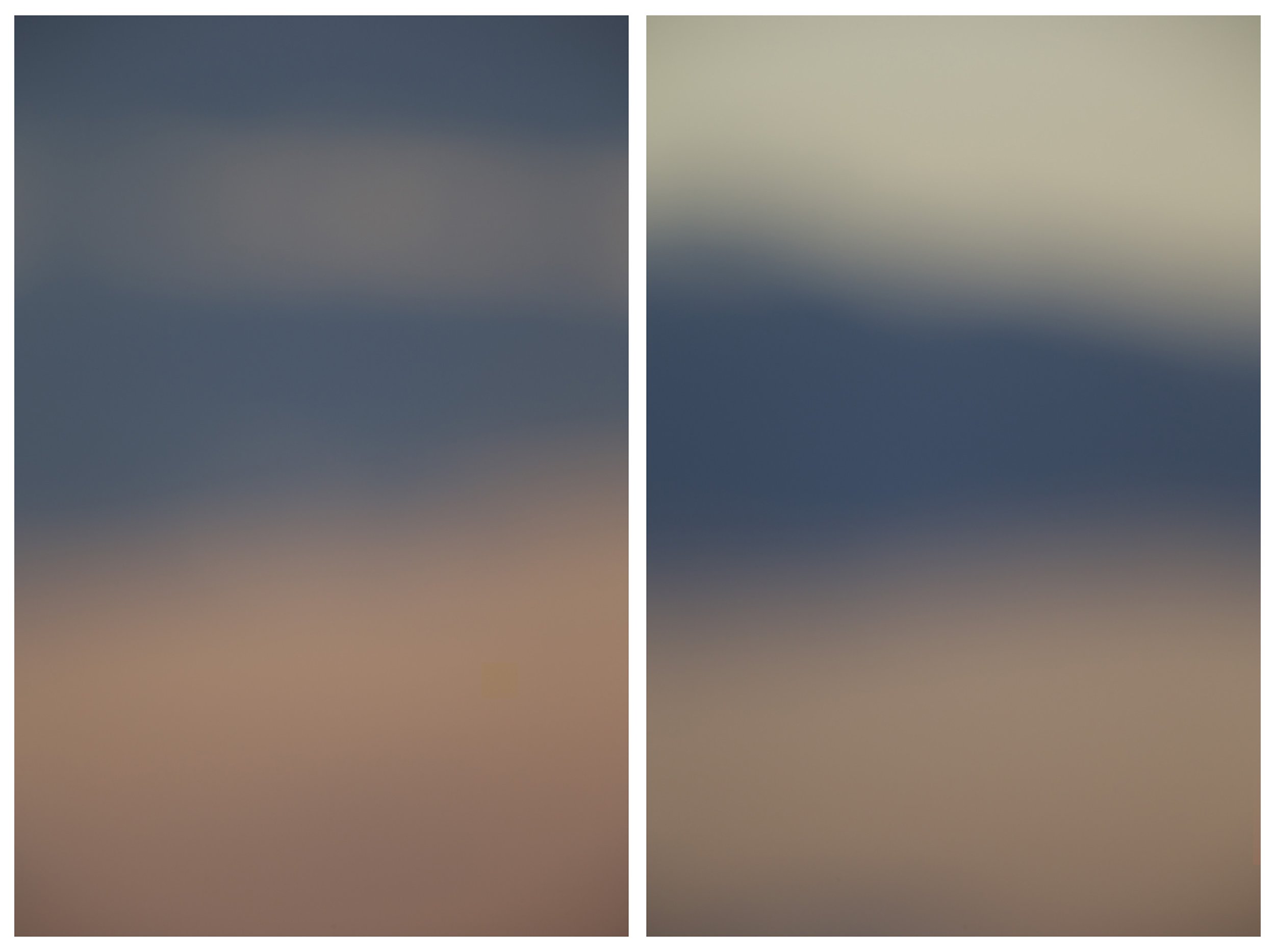
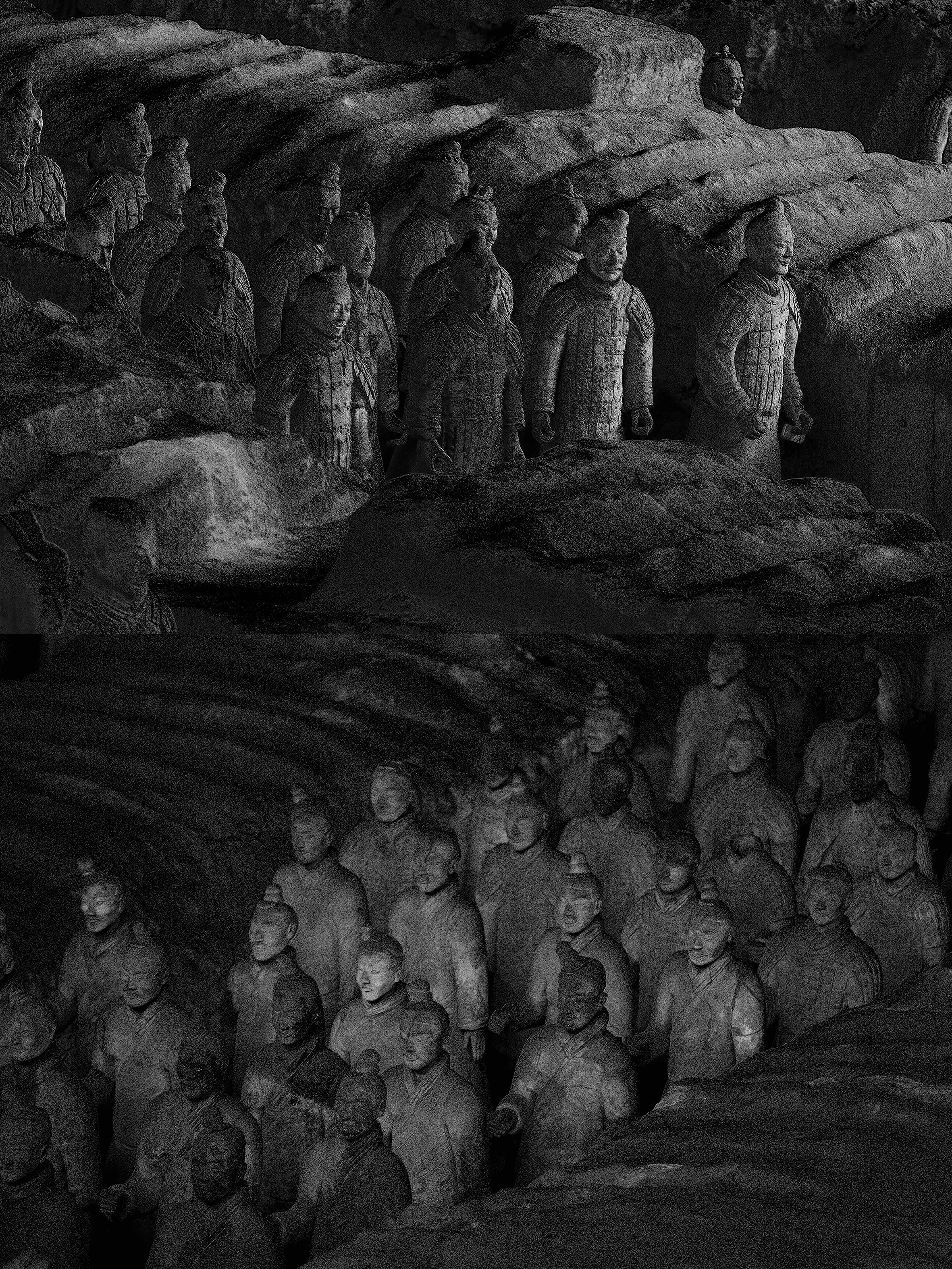
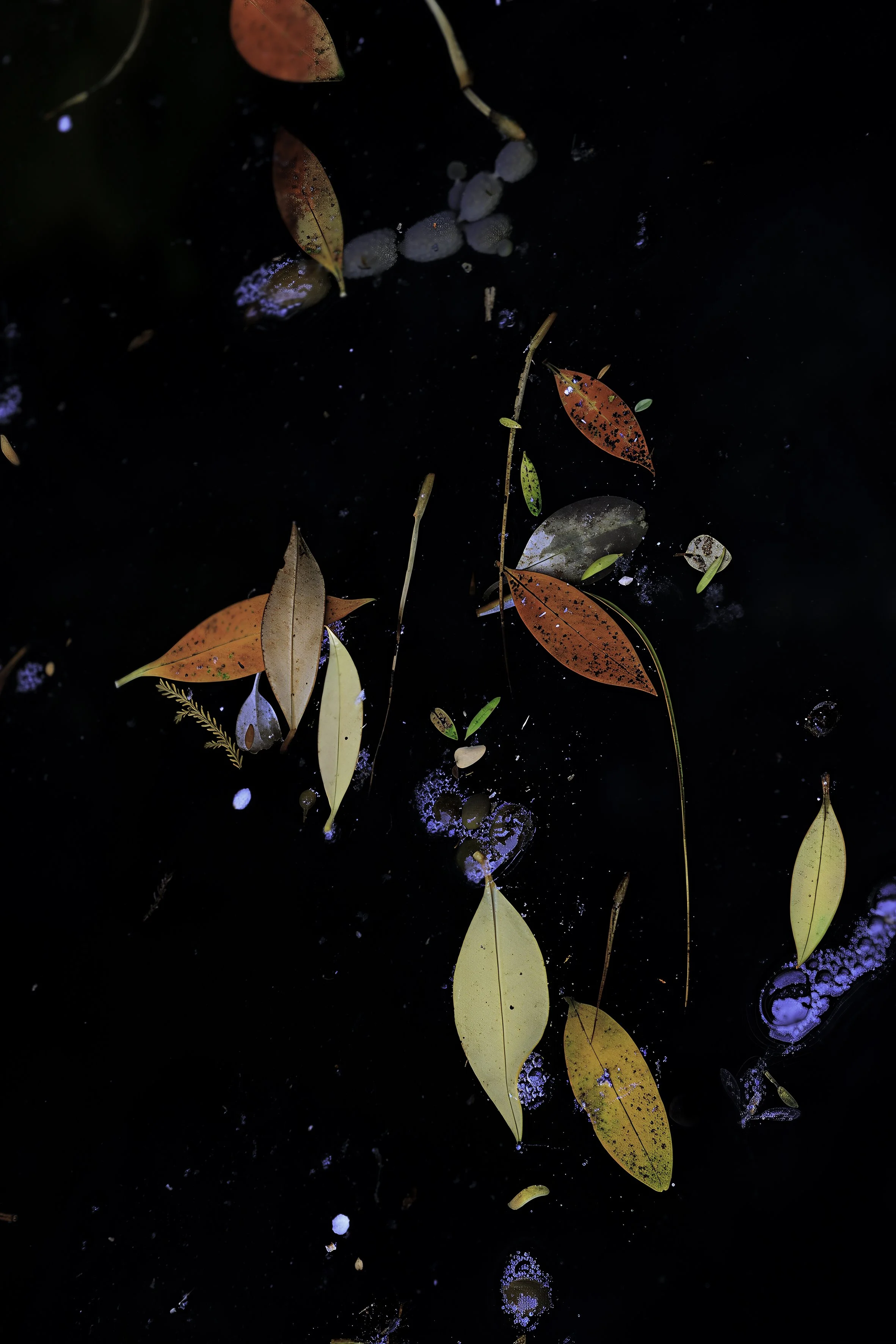
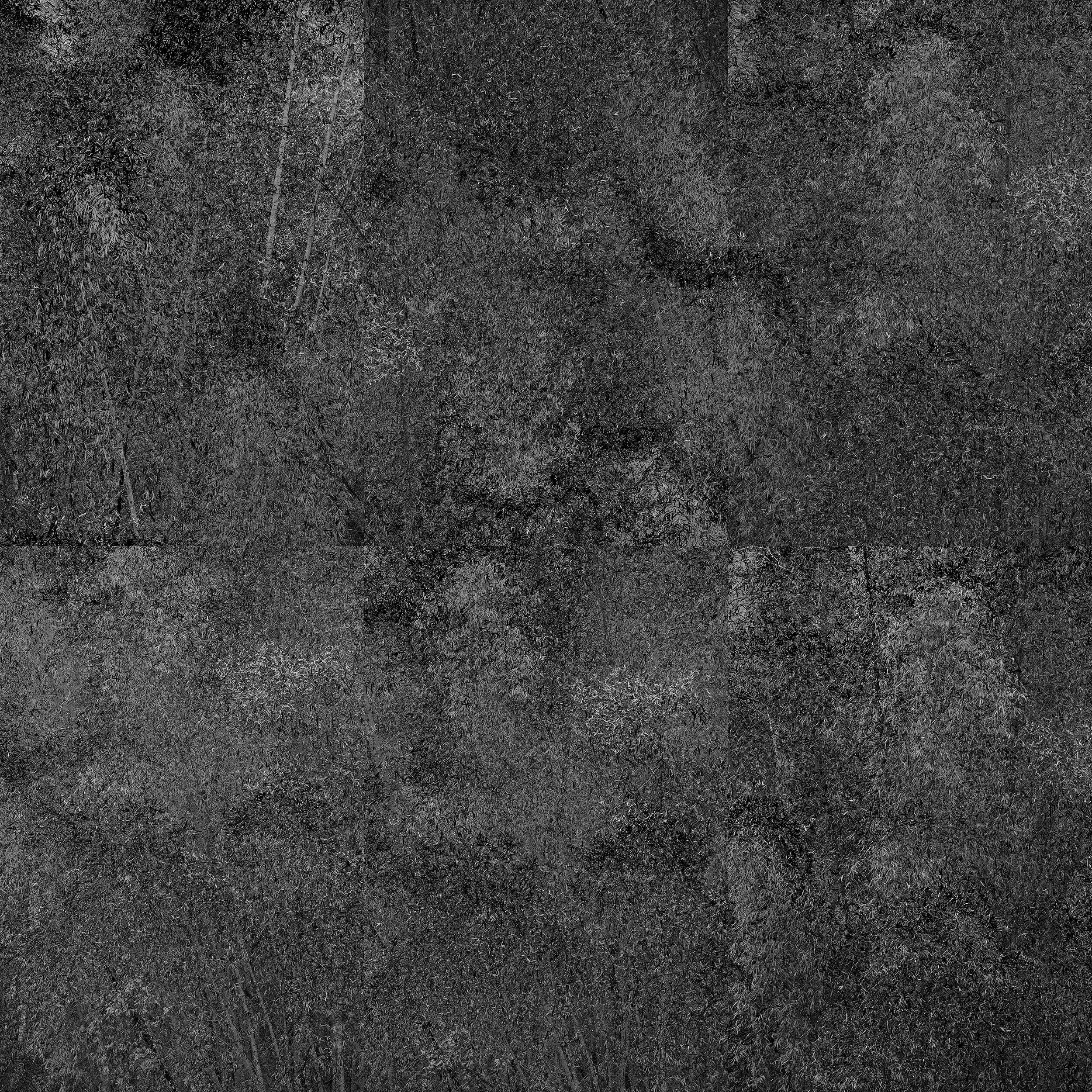
“My most recent project, ‘Manifesto on Time,’ which I exhibited at the A. Kasteyev State Museum of Arts in Kazakhstan, has been my most challenging and rewarding work to date. This project wasn't a choice; it was an urgent vision that I felt compelled to translate for others. To make it real, I had to completely overstep my own boundaries — I am a loner by nature, yet I had to lead a team and master new tools just to keep up with the scale of what I needed to share. It was truly magical how everything aligned to support the vision: the right people appeared seemingly from nowhere, the museum accepted the project at the concept stage, and a very tight installation schedule was handled seamlessly by the construction team. ‘Manifesto on Time’ isn't a political statement or a message for the masses; it is a private, one-on-one conversation held on a large scale. Today, people must make a significant effort to get others out of their ‘shells’ (their phones). My intention was to create a space where you can feel the reality of how the virtual world is harvesting your time — to feel it almost physically. The message is not that the virtual world is inherently good or bad, but rather that it demands a higher level of awareness from each of us. Judging by the feedback from visitors, I believe I managed to deliver this message, and for that, I am very happy.”