Interview
Cameron Karsten
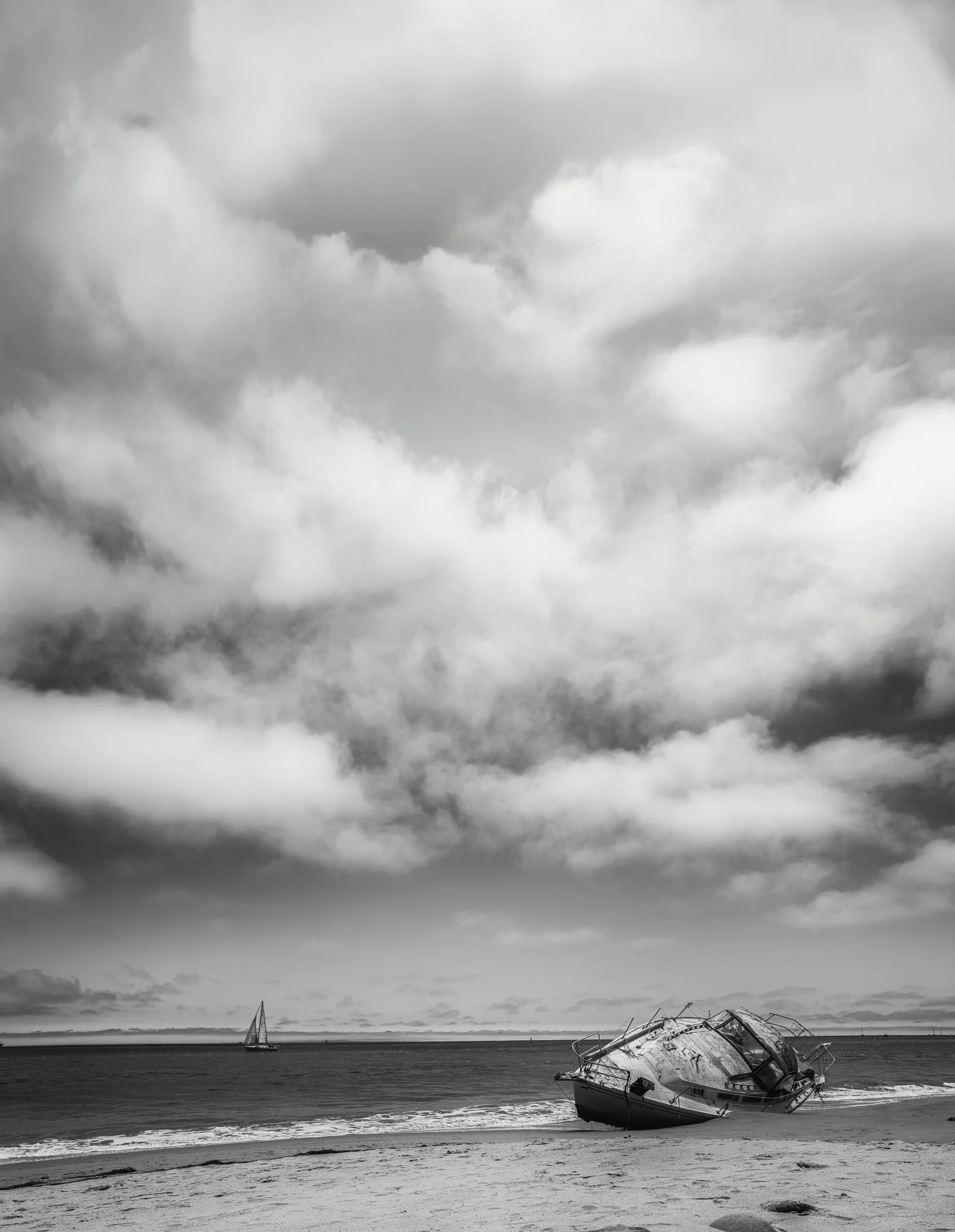
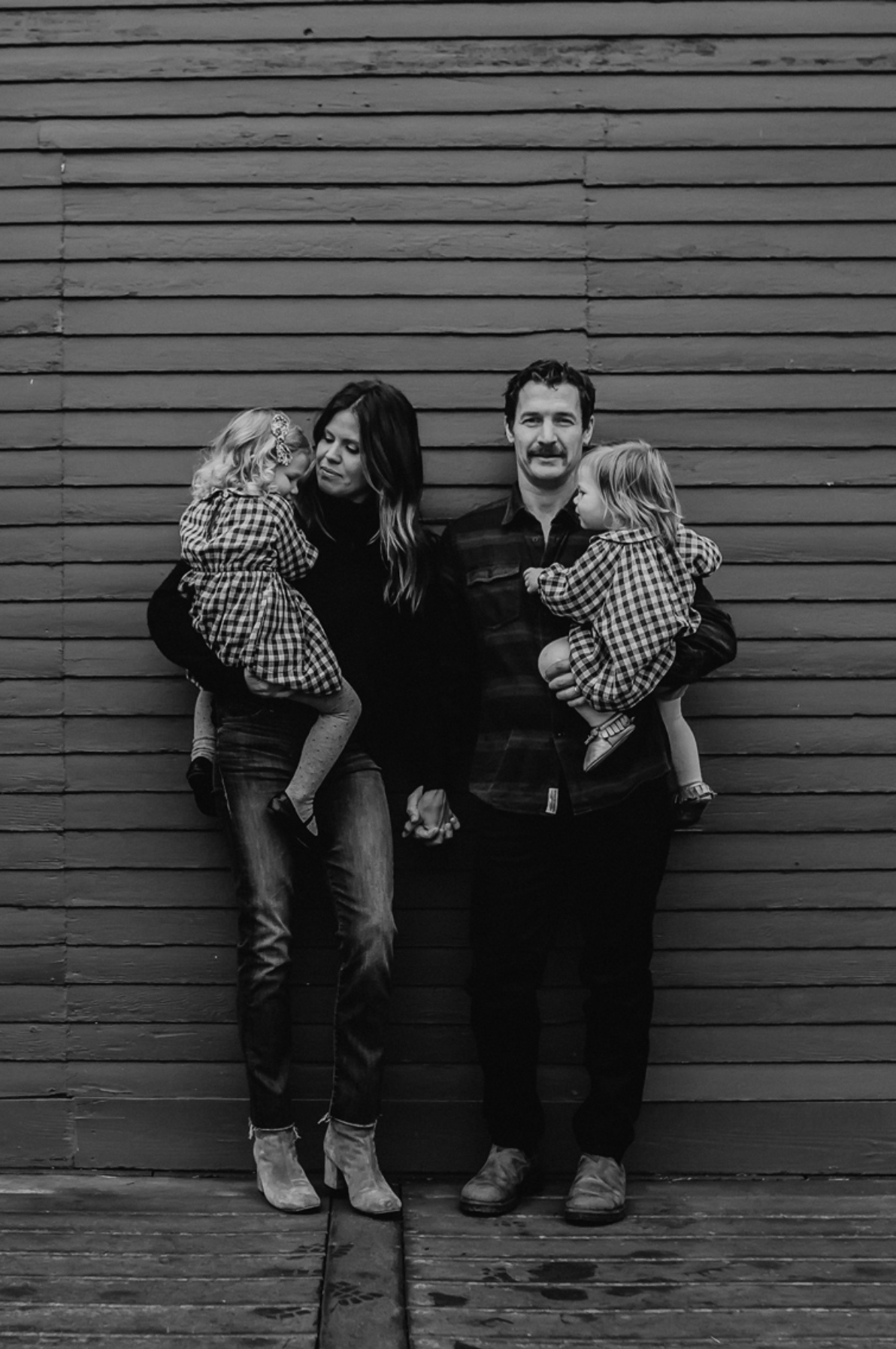
If Cameron could be anything, he’d be a beekeeper, or a wandering wave-rider, like a modern day Basho. “Time is more complex near the sea than in any other place, for in addition to the circling of the sun and the turning of the seasons, the waves beat out the passage of time on the rocks and the tides rise and fall as a great clepsydra.” - John Steinbeck.
Cameron loves bees and honey. He loves waves and water. Gold, Green, and Blue. These things he does in his spare time. So he seeks authenticity - true to one’s own personality and/or spirit. Or better said: soul.
What is your background and how did you start your journey in the art world?
“My journey as a photographer began in college at my disappointment of school and the system of learning. I chose to leave and educate myself by backpacking around the world for six years. I lived frugally. I sought the cheapest places to live and eat and travel. I wanted my experience to extend as long as possible, and so I walked, took local transportation, and met as many people as I could. With me I carried a pen and a notebook, as well as a film camera. It was through this style of living and traveling that I learned to see my surroundings and witness the world. It wasn't until many years later that a career as a professional photographer became of interest, but it did, and I went back to school to study the medium in more depth.”
What inspires you?
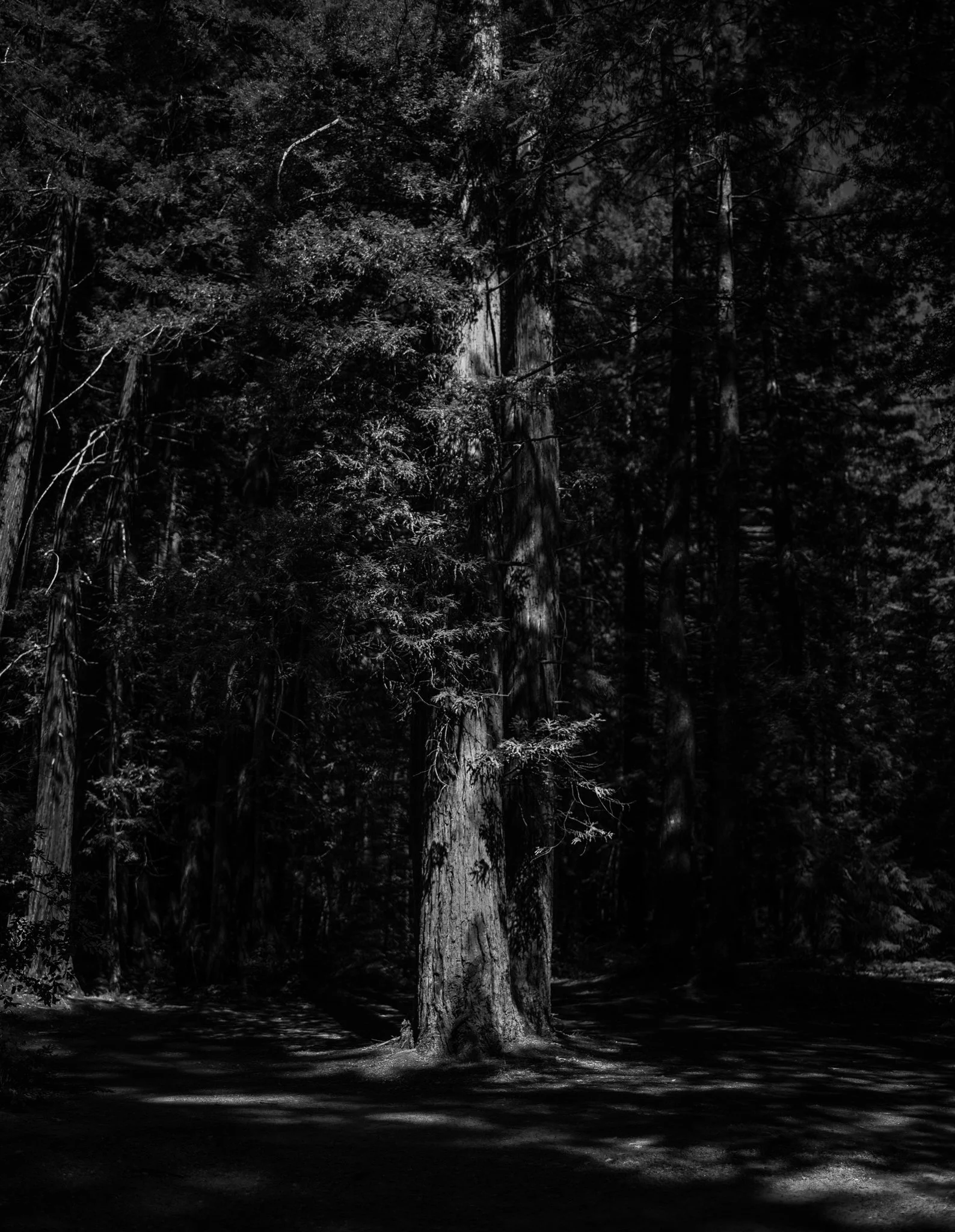
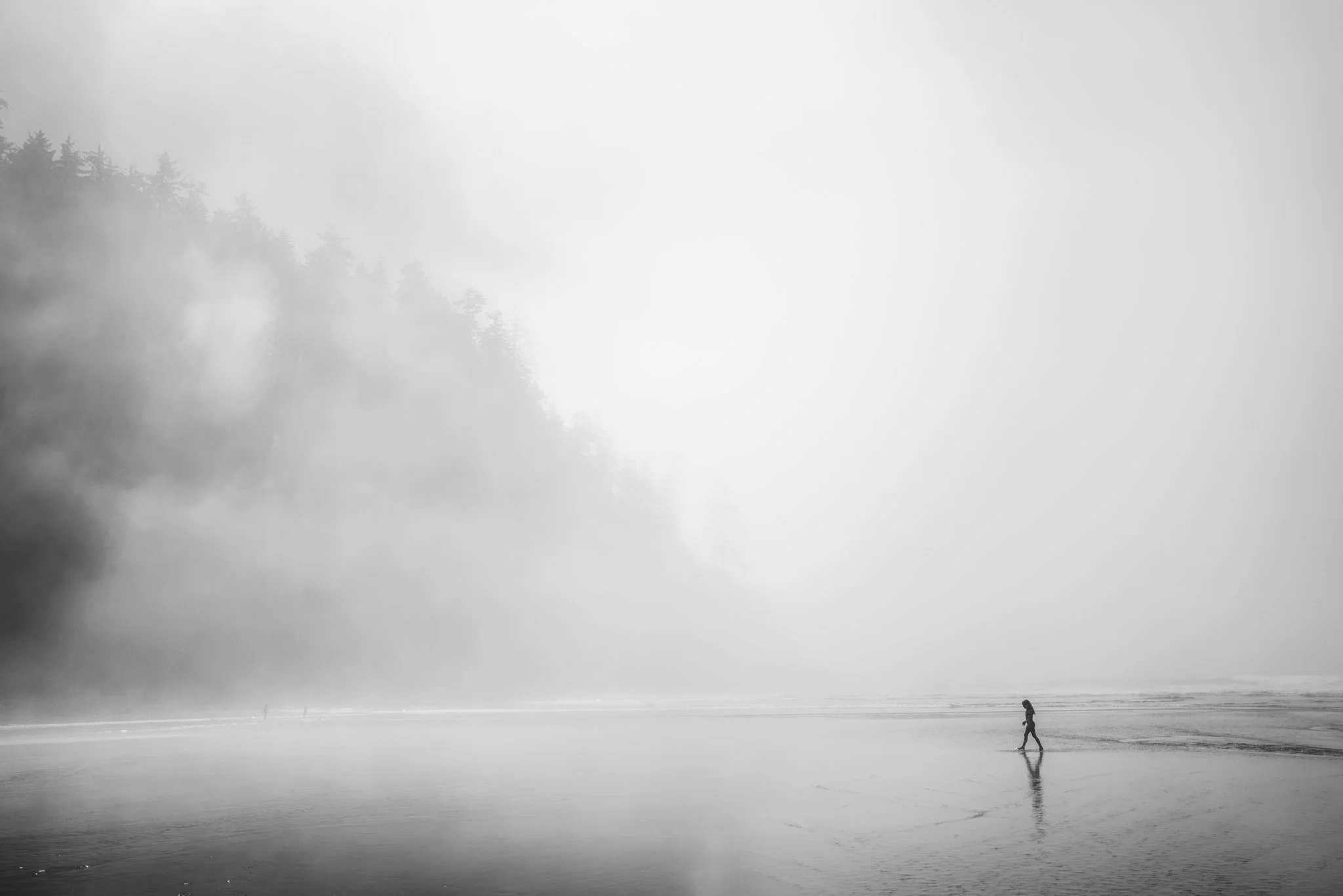
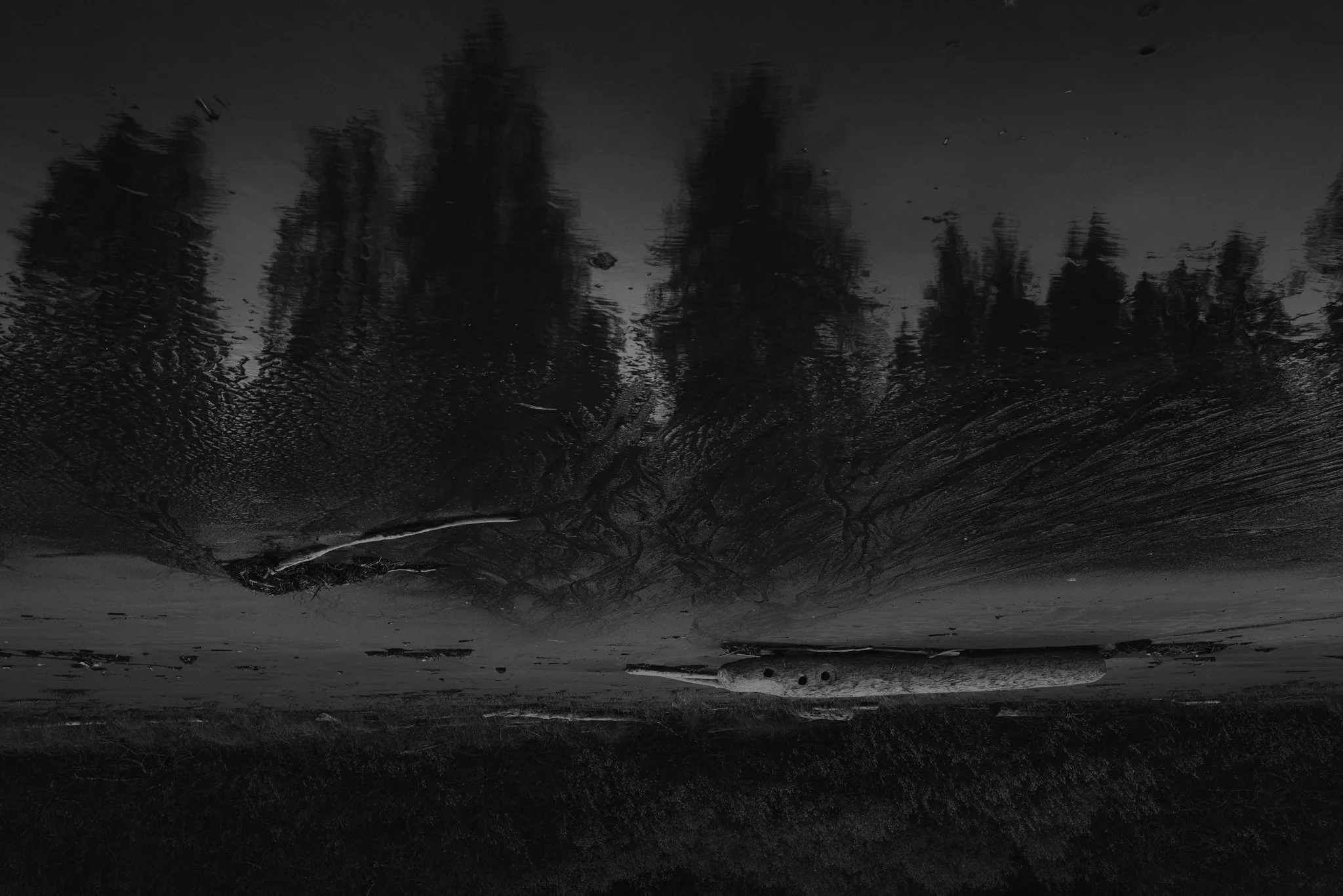
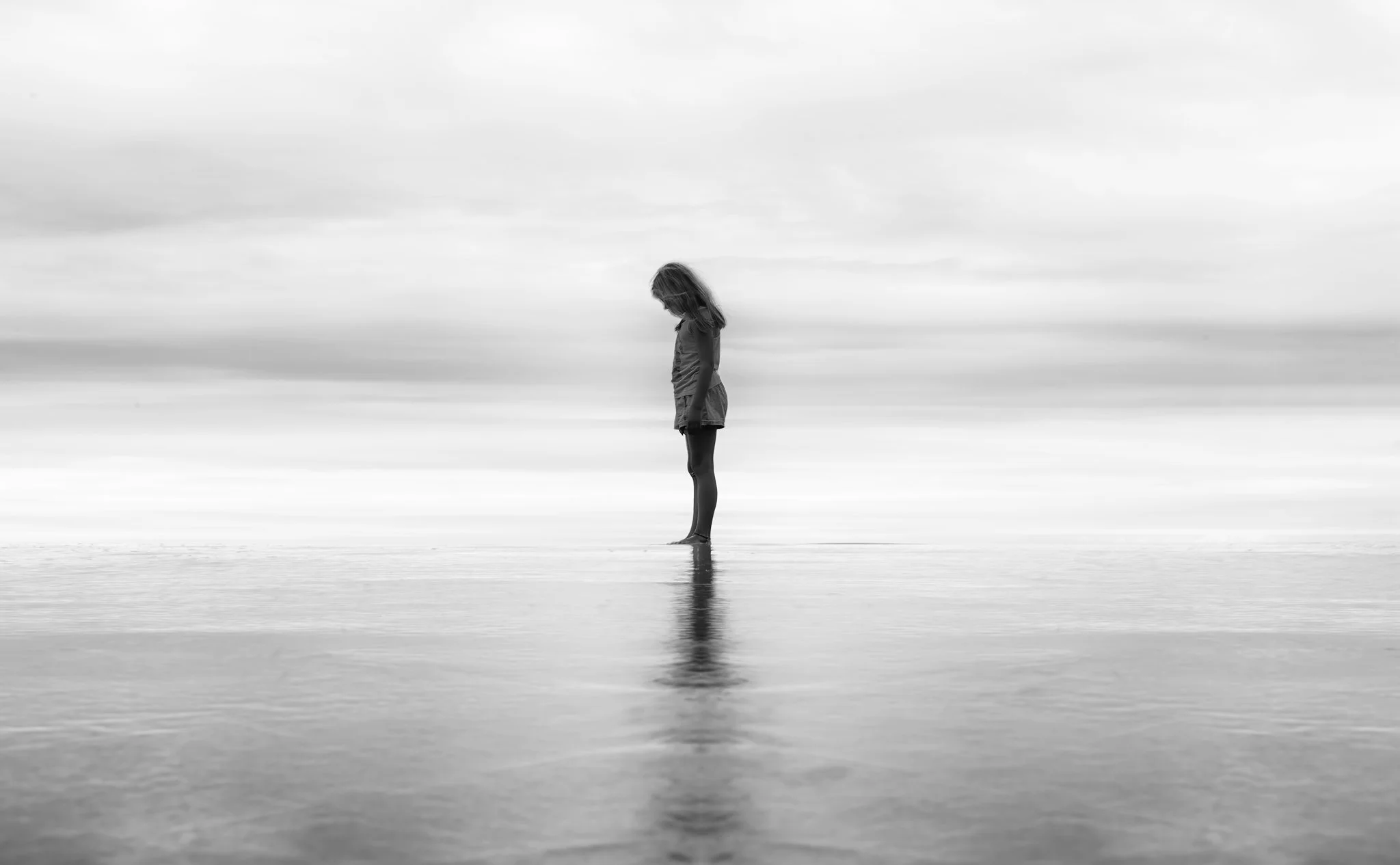
“People inspire me. Their journeys and experiences. I love listening to their stories - the what, when, where and why. And I love telling people's stories, or crafting my own from those that have come before me. And nature inspires me. The trees and fresh air. The water and how it flows through and around things. Nature's silence and the quiet within a forest. Or the roar next to the ocean. I become relaxed in nature, but at the same time energized to be myself, which is to be present and open to change and evolution.”
What themes do you pursue? Is there an underlying message in your work?
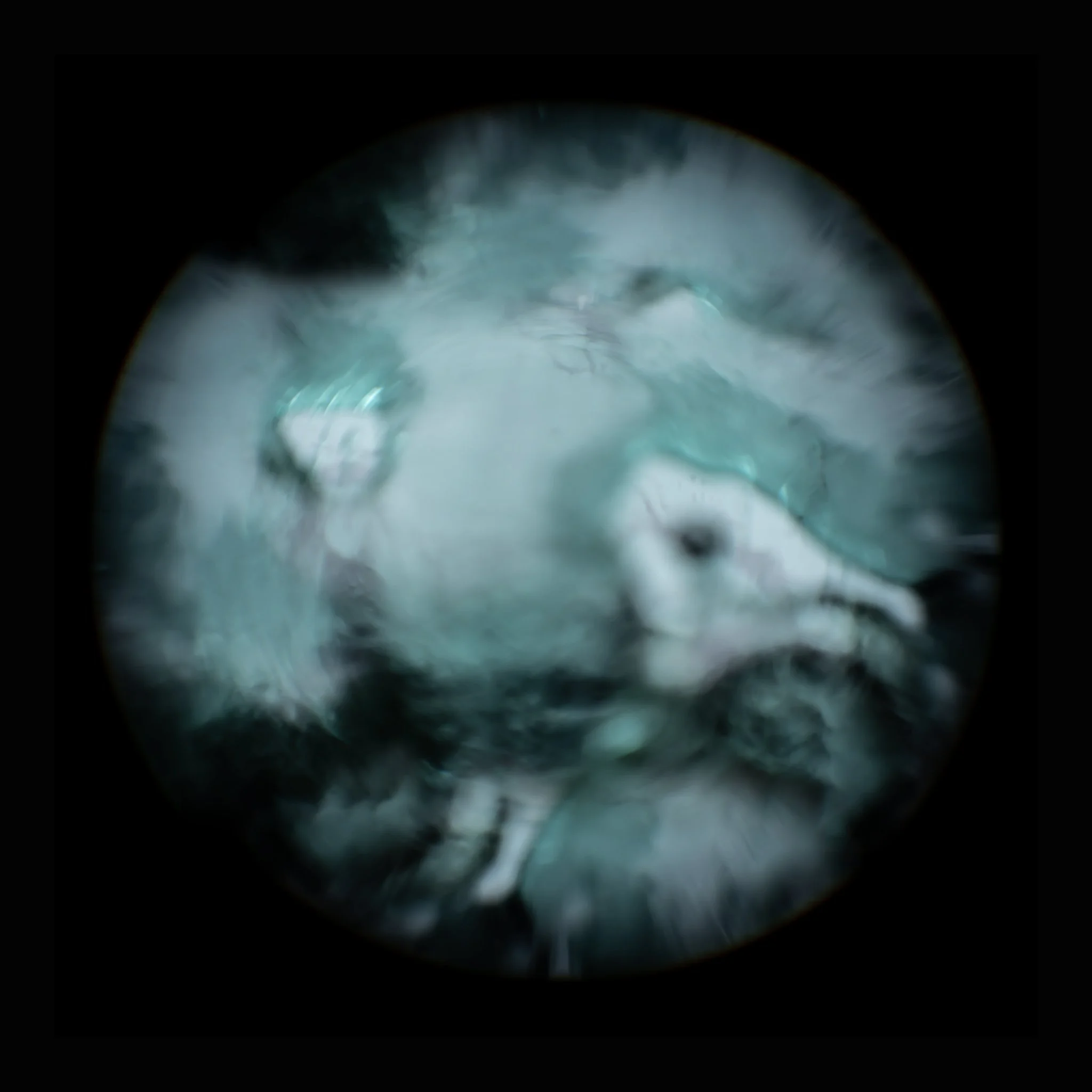
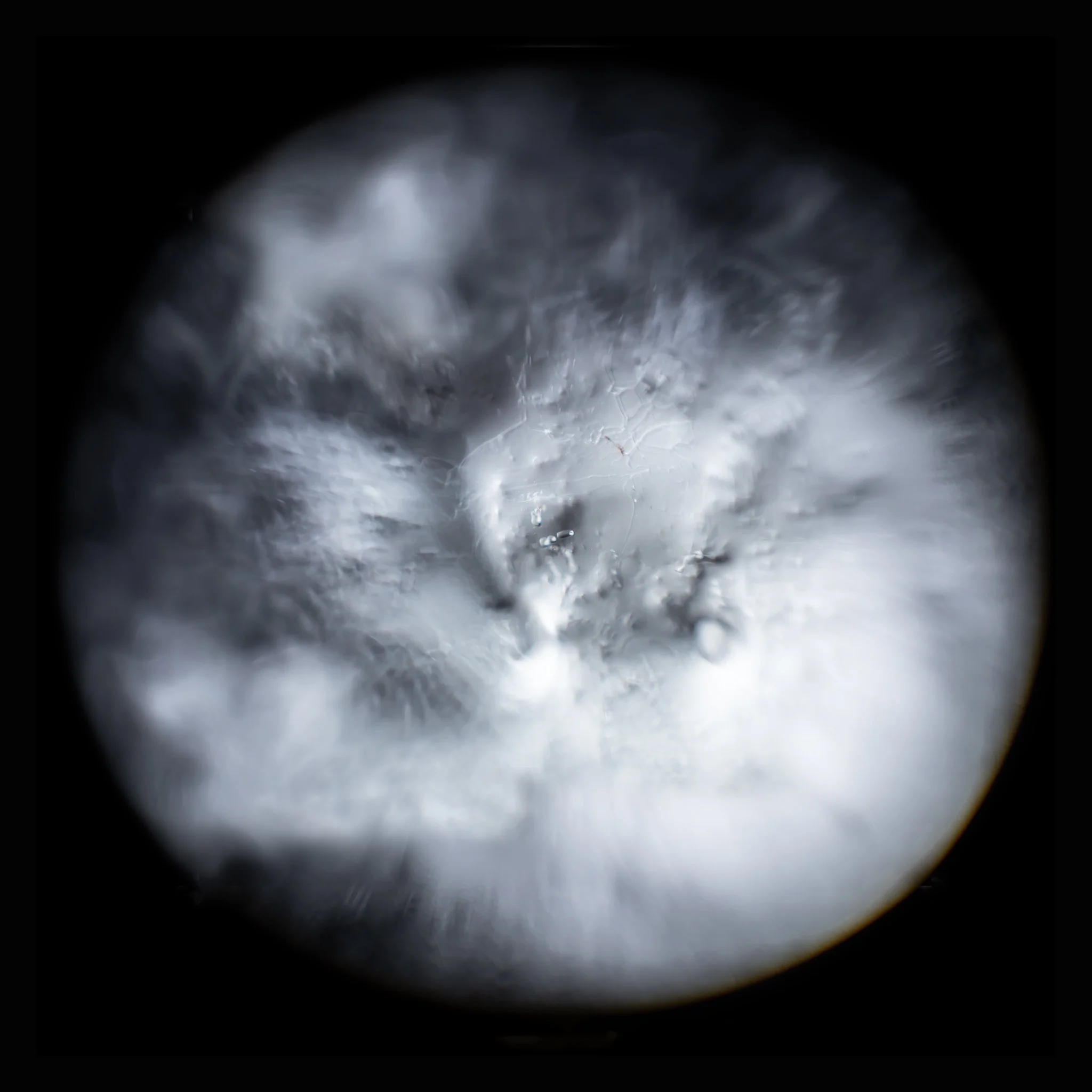
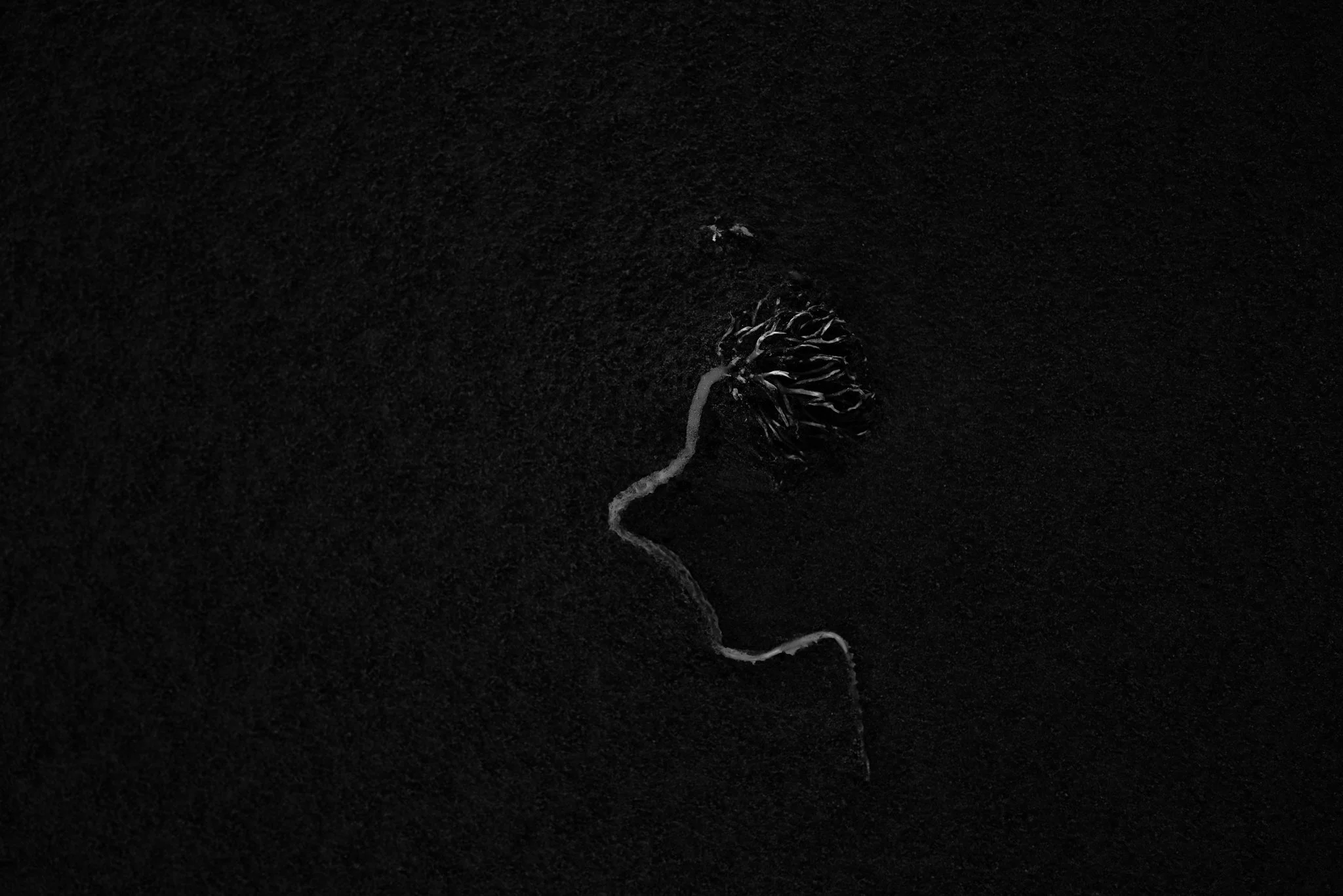
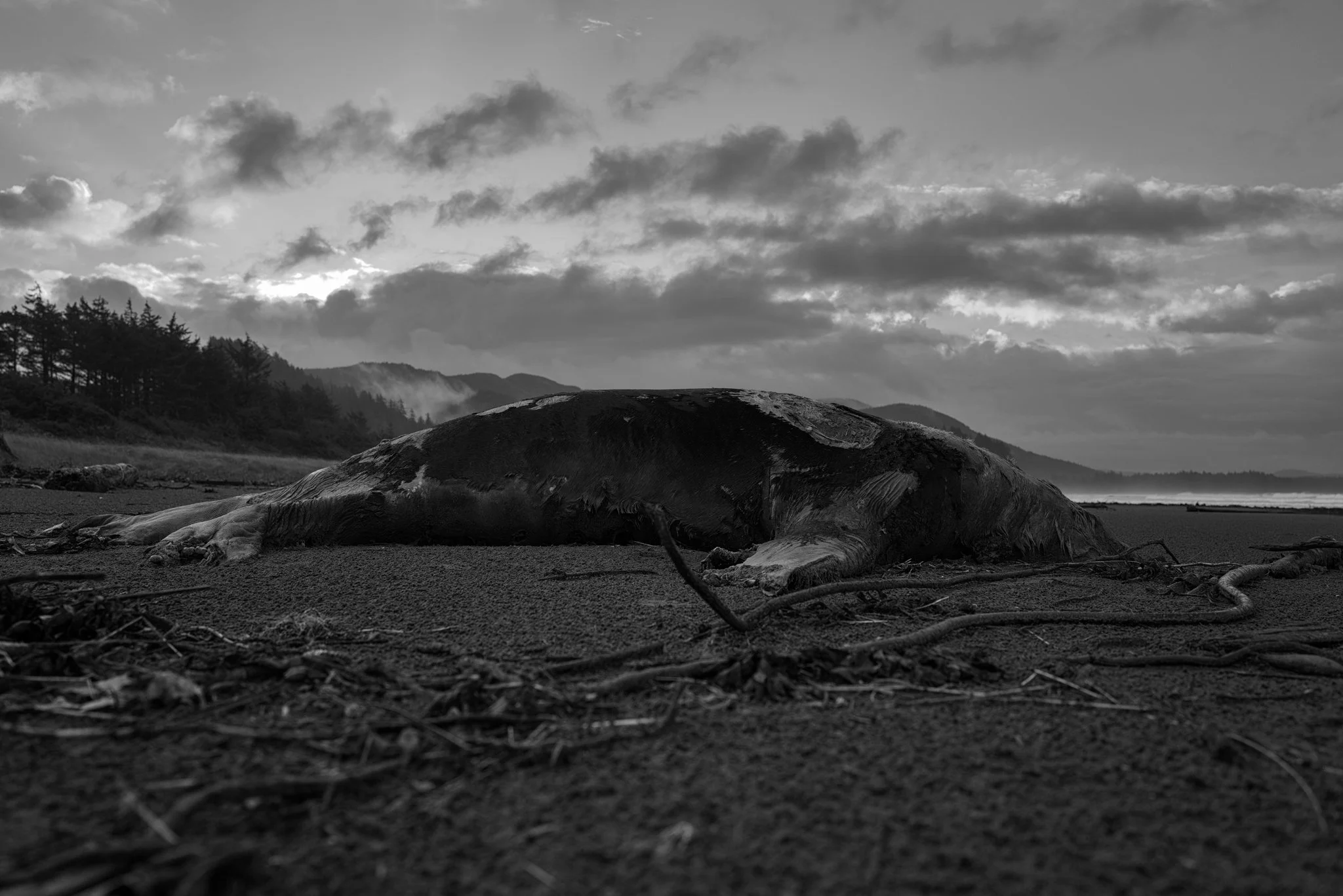
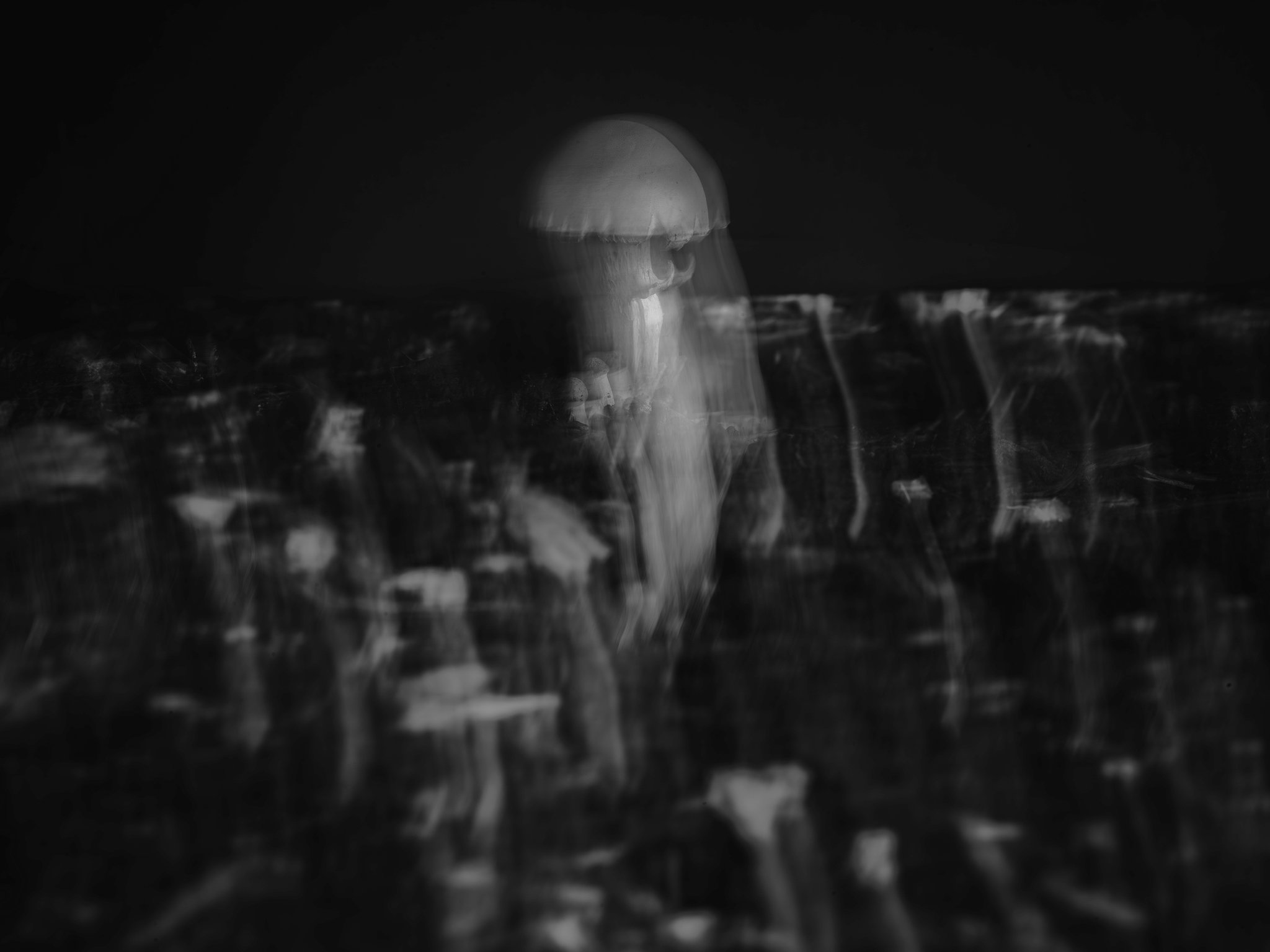
“People and nature. Combining the two and showing how and why they interact. Or on their own, in their own singular forms. And what people create. Our ingenuity within society, for the good or for the bad, is relentless. We create while we destroy. We build and knockdown at the same time. Where we've come from to the unknown of where we might possibly go. All the while nature thrives and suffers. It is always with us and without us, before us and behind us. These things are the great dichotomies of existence that are undeniable and right in front our eyes. Without one, there will be no other.”
How would you describe your work?
“Authentic. Simple. Straight-forward. Structured.”
Which artists influence you most?
“All the great photographers that have come before. As well as the musical composers that have written the music to go along with life's soundtrack. But on the top of my mind right now; Peter Beard and Burton Holmes.”
What is your creative process like?
“It's an exercise. Where I sit down to write every day, or read in the morning. Whether I'm walking the neighborhood looking for new things, different things that weren't there before. It's a constant exercise that needs to be put into practice, including the post-production phase, not just the creation phase. Sometimes I realize I haven't picked up a camera for weeks, but all these other creative processes are tied to it, to how I see and live and walk throughout my day. Other times I'll have a creative energetic surge in my whole body to do, and when that happens I will pick up the camera, or pen, or sit at my computer and begin that execution phase, letting the rush of inspiration flow out of me. All these stages of the process happen at their own times.”
What is an artist’s role in society and how do you see that evolving?
“Artists' roles are to be seen, witnessed, shared, expressed in order to inspire the rest of humanity to follow suite within their own way, as their own artist. The role is to feed the inner artist, that inner child, which was born from creation itself. This is the constant flow of evolution of our species, and this evolution effects every living cell on this planet. So through art, we either make the world a better place, or we make it worse by ignoring art and that inner artist.”