Interview
Sheen Ochavez
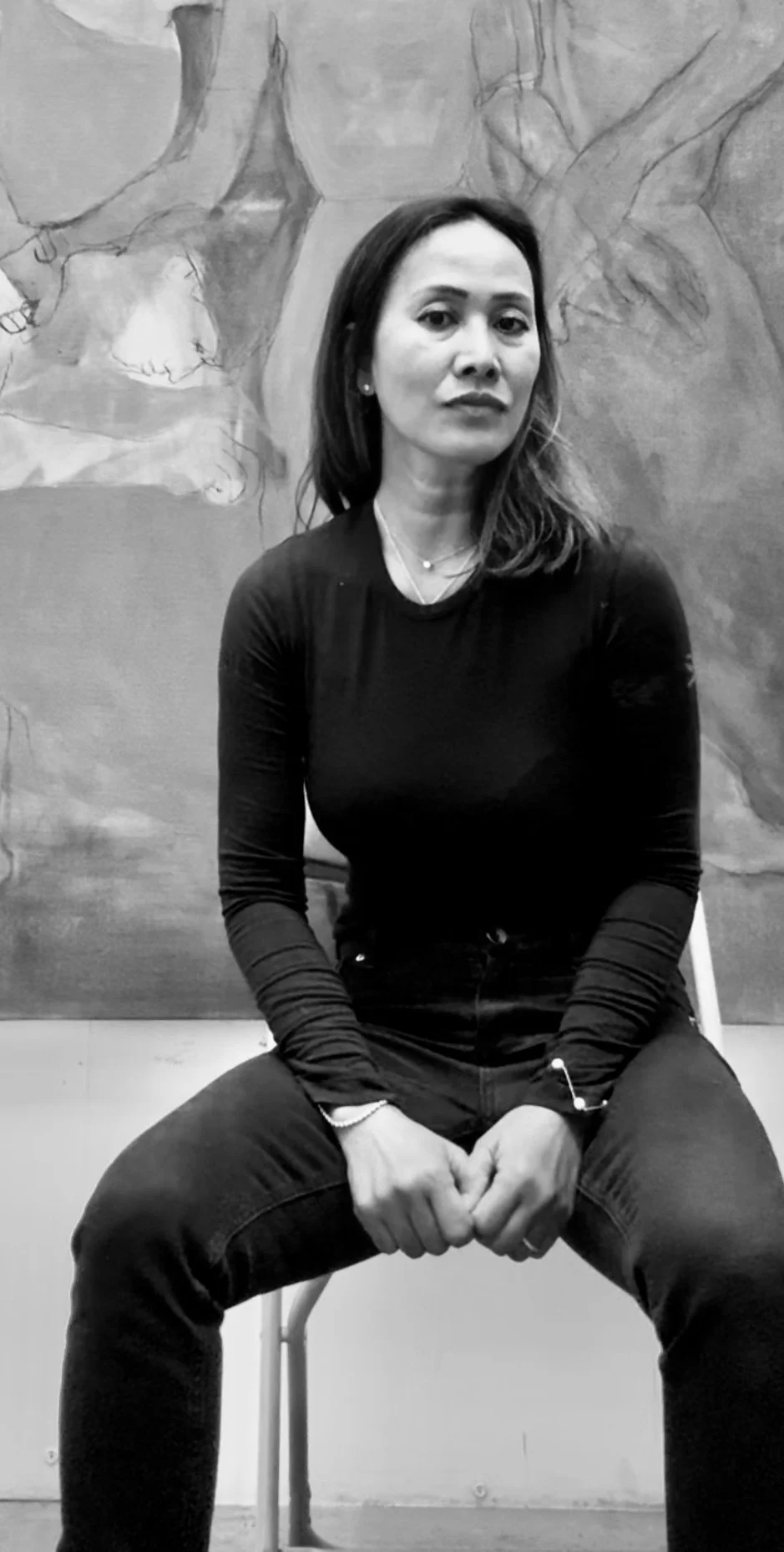
Sheen Ochavez is a British Filipino artist whose practice navigates the intersections of figuration and abstraction, drawing upon art historical painting traditions as points of departure for personal and cultural inquiry. Born in the Philippines and raised during the Martial Law regime of Ferdinand Marcos, Sheen’s work is shaped by experiences of displacement, memory, identity, and the enduring influence of history on individual consciousness. Working across painting and installation, she uses the canvas as a metaphorical map—a site where lived experiences, cultural narratives, and fragmented memories converge.
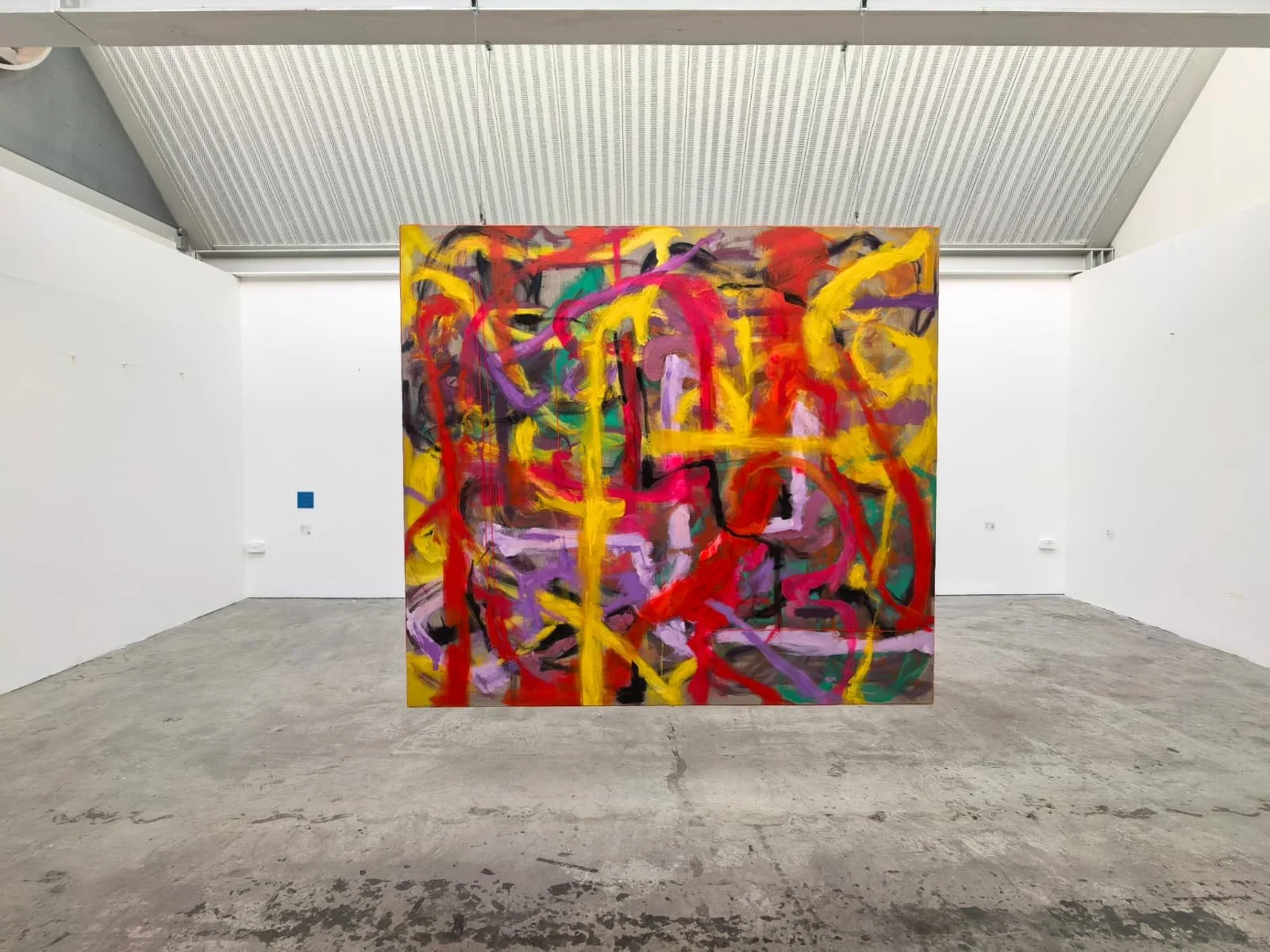
Her compositions move fluidly between representation and abstraction, allowing figures, symbols, and gestural marks to emerge and dissolve within layered pictorial spaces. Through this process, Sheen explores how memory is constructed, preserved, and transformed over time. Central to her practice is the fusion of Western art historical references with elements inspired by so-called “primitive” and indigenous visual traditions. Rather than treating these influences as oppositional, she brings them into dialogue, creating a distinctive visual iconography that reflects the complexities of her multicultural identity. This evolving visual language functions as both a personal archive and a means of examining broader questions of heritage, belonging, and cultural hybridity. Sheen’s paintings invite viewers into spaces that are simultaneously intimate and universal. By blending historical and contemporary references, personal narrative and collective memory, she creates works that resist fixed interpretation. Instead, they encourage reflection on the ways identity is continually shaped by history, migration, and cultural exchange. Through her practice, Sheen seeks to transform painting into a space of connection, where memory, culture, and imagination can coexist and generate new possibilities for understanding.
What is your background and how did you start your journey in the art world?
“My introduction to art was via patronage with several museums in the UK and as such, I learned a lot about Western art and the works of the old masters as well as contemporary art. My career as an artist began at a later part of my life when I was no longer an art patron but had accumulated enough knowledge which culminated to me wanting to paint. So instead of continuing my law studies and to be a lawyer, I decided to pursue painting instead. Later on, during Covid, I decided to get formal qualification and formal training in the technicalities of painting and drawing.”
What does your work aim to say? Does it comment on any current social or political issues?
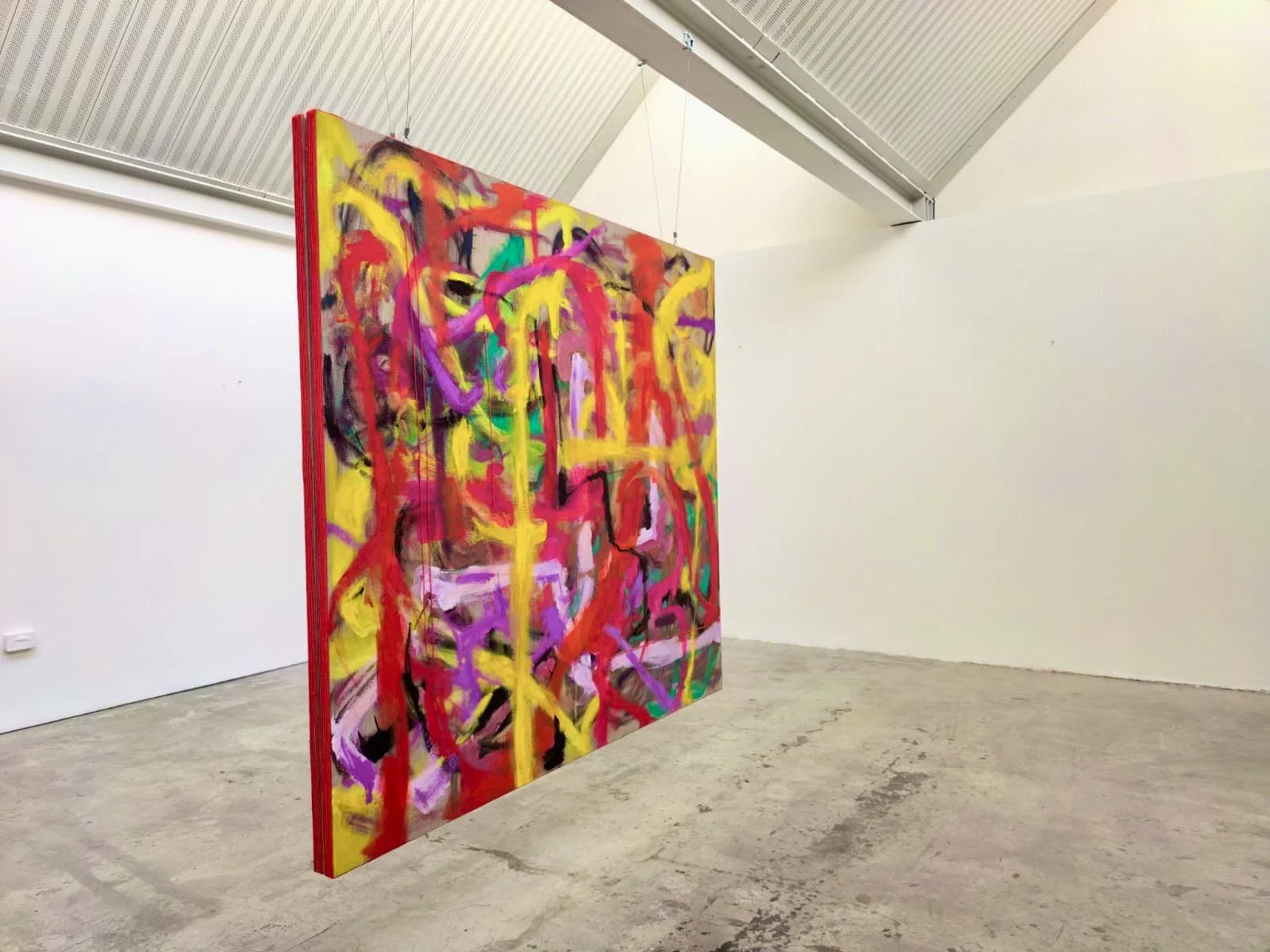
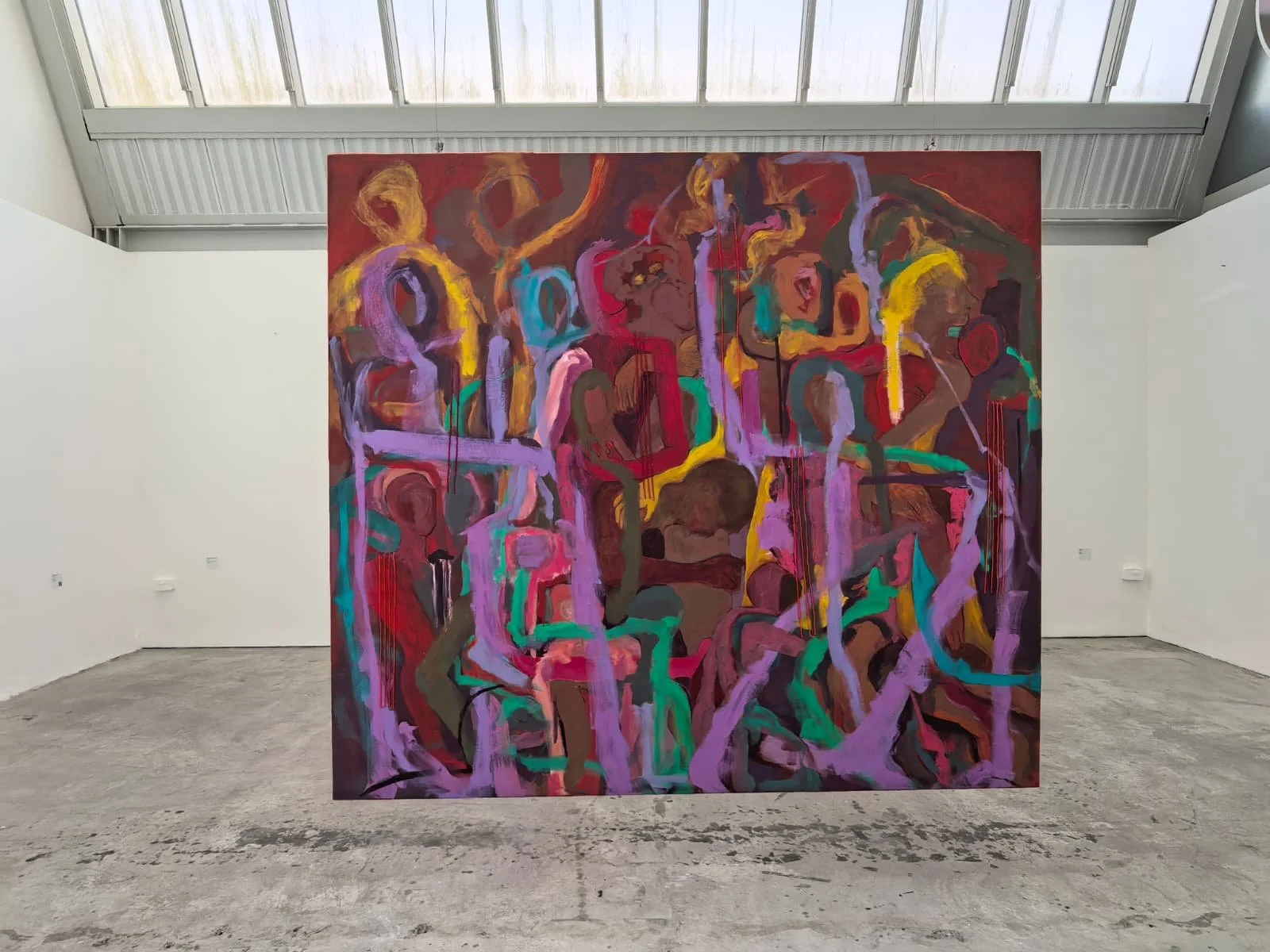
“I trained as a Portrait and Figurative painter for three years and so the technical aspect of painting is important to me. Afterwards, my love of colors and the aesthetics that one can create by being spontaneous mattered to me more than mimetic representation of images, so I started to shift from portraiture to figurative abstraction. Being able to do this allowed my work to become more interesting as painting became a tool to explore culture, memory, time and various other topics that are important to me such as the role of diasporic artist in the future of art history. I am interested in engaging with post-colonial theories and critique so as a consequence, one can argue that it is commenting on both social and political issues. Although, I do not intend to offend anyone.”
Do you plan your work in advance, or is it improvisation?
“Yes, I do plan it. I have a visual plan on the theme, subject, composition or how it should look, but I barely start with sketches. I normally start painting figuratively, and then the painting evolves into something less figurative and more abstract. I love the spontaneity of being able to move your whole body and arm across the canvas, so I prefer to paint on large canvases. I normally have several paintings on the go and I switch between paintings whilst I wait for the others to dry. I am quite impatient and so by working on multiple canvasses at the same time, I am able to contain my creative energy.”
Are there any art world trends you are following?
“I am currently finishing my MA Painting at the Royal College of Art. My time here had been instrumental in looking at painting beyond aesthetics. As a consequence, I am interested in art history, cultural studies, critical art theories and philosophy to guide my evolving iconographies. Currently, I'm exploring ways to create meaningful work that challenges the existing western-centric art historical canon. I am also exploring sustainability in my practise and ways of integrating materials sourced from the Philippines into the work that I create in the UK. I am quite a conservative painter, so I prefer my work to reflect that era in art history where the materiality of paint is given priority over digital, albeit I believe that painting on the canvas is not enough to portray the iconographies that I wish to present, hence I am exploring ways of incorporating other materials that also serves as social commentary on the distinction between what is considered as high art and low art.”
What process, materials and techniques do you use to create your artwork?
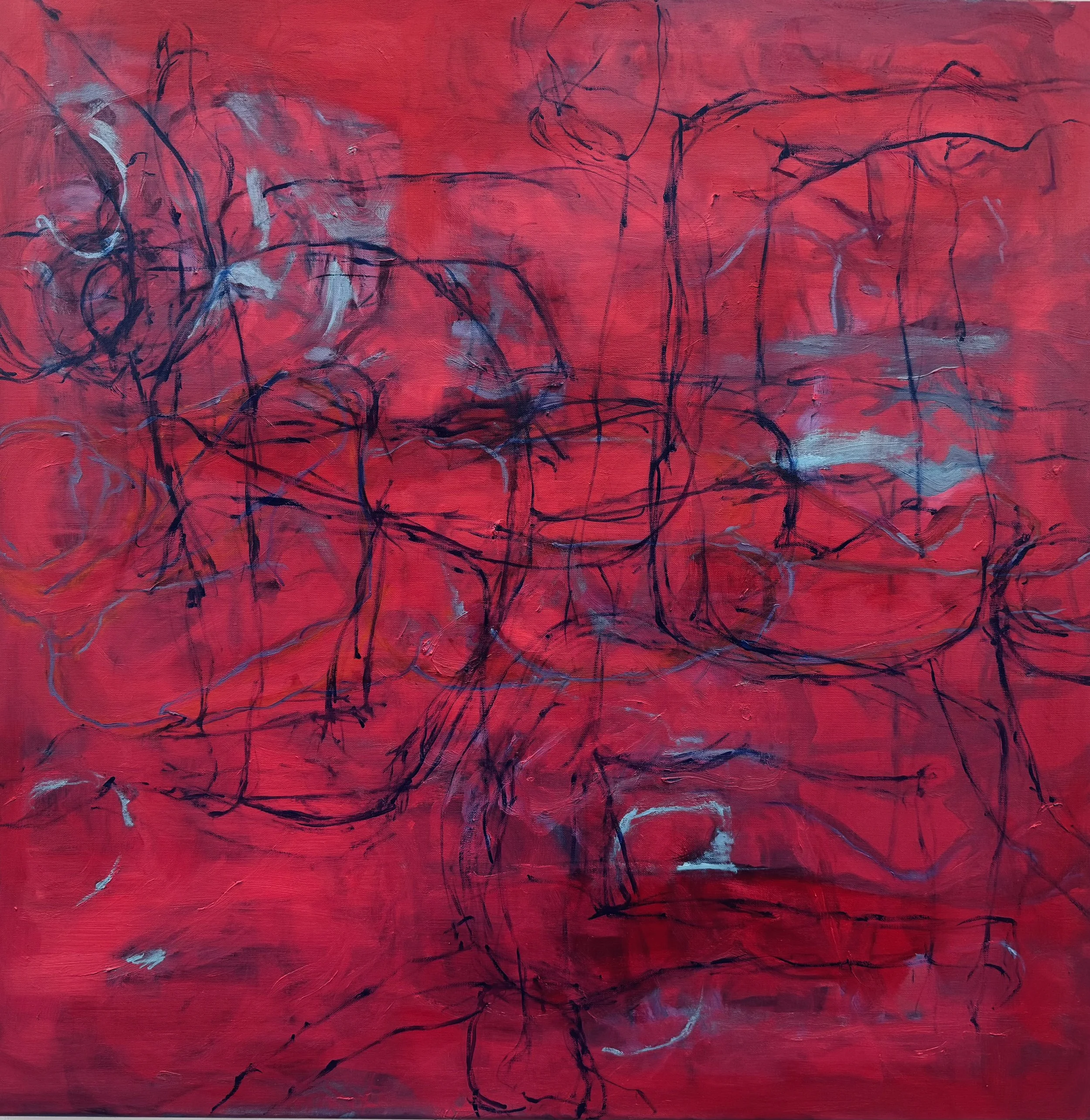
“I stretch my own canvas, I like to use raw linen as its very responsive. I seal with it rabbit skin glue. This particular method has been used by the old masters so why change? I also use homemade medium and powder pigments that I buy in France and Italy. I like to use charcoal when planning compositions and it also add characters to the finished work. Recently, I have been incorporating thread into my work which I found interesting as it becomes a symbolism for the topics that are important to me such as, resilience, hybridity, in betweenness and diasporic experiences.”
What does your art mean to you?
“My art is a reflection of my heritage, cultural memory and experiences. It is my way of engaging in the current discourses regarding postcolonial studies and art history now. It is also a means of self-empowerment. Philippine art and Filipino artists remains a huge minority in the European Art scene, so I hope that in time that will change and hopefully more institutions and collectors will start to pay more attention to South East Asian women artists, like myself.”
What’s your favourite artwork and why?
“I love the work of the Filipino Artist, Carlos 'Botong' Francisco, unlike his contemporaries, he didn't leave the Philippines, so his art remained true to depicting Philippines social issues and Filipino Struggles. I also love Wilhem deKooning for his method of abstracting the figure and dealing with space and of course, Joan Mitchell for her use of color and energetic brush strokes.”
Website: www.sheenochavezstudio.com
Instagram: @sheen_art8