Interview
Namasthay
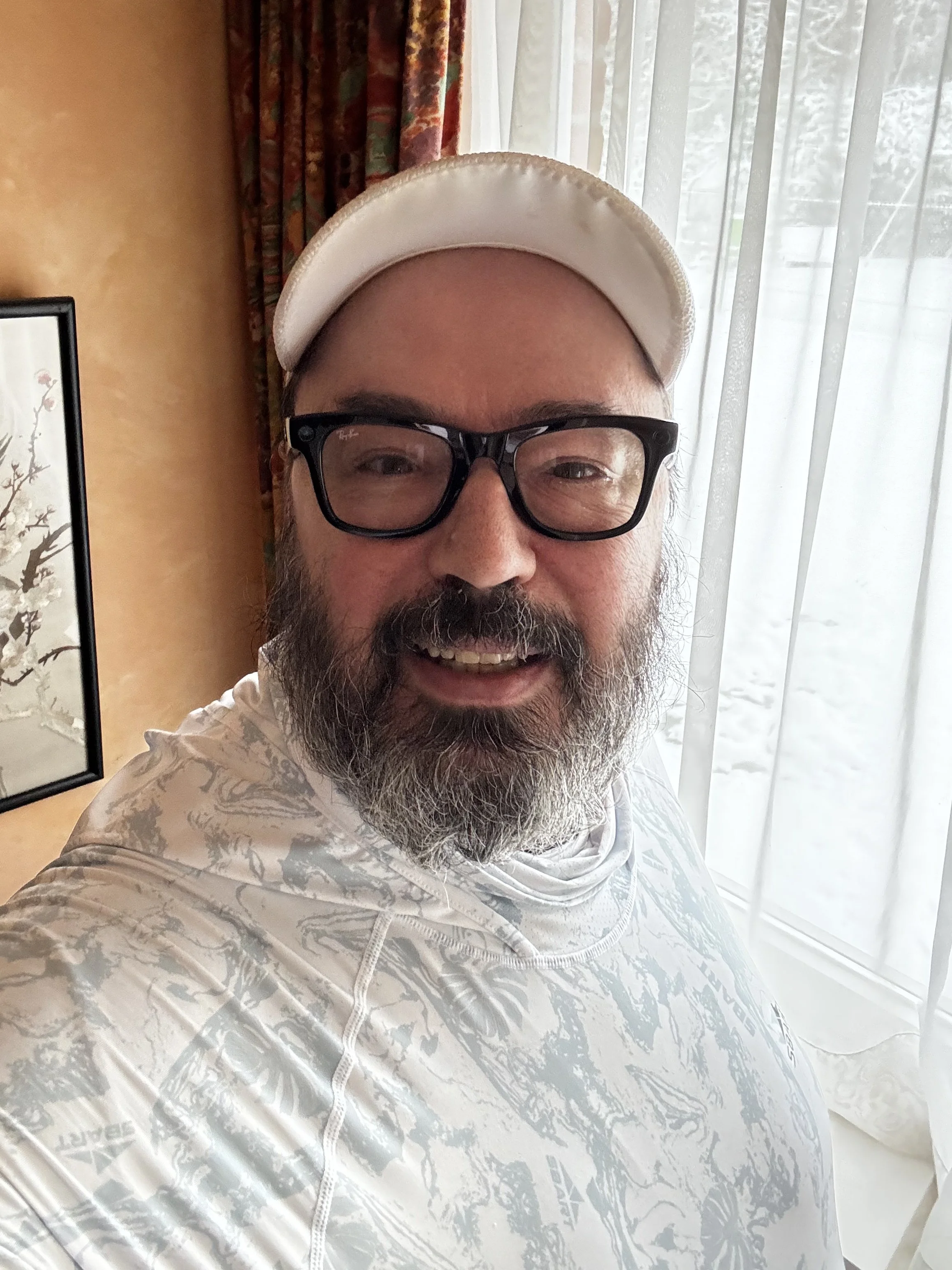
François Gabriel Wayenberg, also known as Namasthay, is a Belgian polymath artist, filmmaker, author, composer and entrepreneur whose work explores the intersections of art, science, technology and consciousness. Working across music, literature, documentary film, photography and multimedia storytelling, he has produced more than sixty music albums, published over forty-five books and created hundreds of audiovisual works. His projects frequently investigate perception, memory, symbolism, animal cognition and human creativity. He is the founder of Lurch Productions Creative Studio and Ajinomatrix.org, a sensory AI company, and continues to develop projects that bridge artistic expression, scientific exploration and technological innovation.
What is your background and how did you start your journey in the art world?
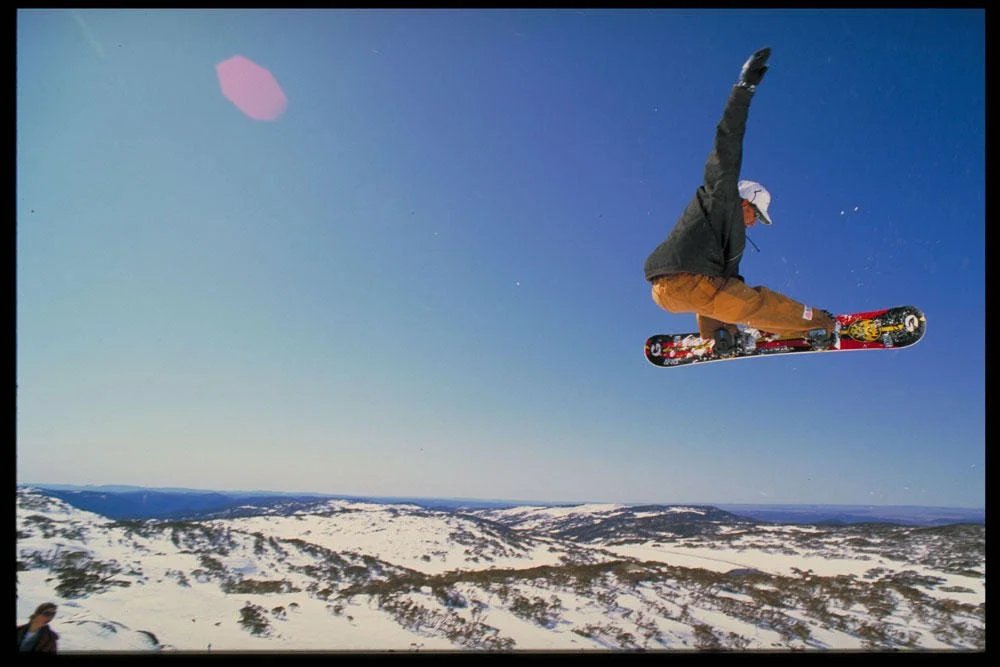
“I have always moved between disciplines rather than remaining within a single artistic medium. My journey began with extreme sports, writing, poetry and filmmaking during my teenage years, eventually expanding into music, photography, documentary production and experimental audiovisual work. Over the years I founded Lurch Productions Creative Studio as a platform for developing films, documentaries, music and multimedia projects. Parallel to my artistic work, I also became involved in science, technology and entrepreneurship through Ajinomatrix.org, a company working on sensory artificial intelligence. Rather than seeing these paths as separate, I view them as different expressions of the same curiosity about perception, consciousness and the way humans interpret the world. Today my work spans music, literature, film, documentary, photography and research-driven creative projects.”
What inspires you?
“I am inspired by patterns and connections between seemingly unrelated domains. Nature, dreams, memory, technology, mythology, spirituality, science fiction and human behavior all play an important role in my work. Travel has also been a major influence, particularly experiences in Japan, Australia, Switzerland, Hungary, USA, Israel and elsewhere across Europe. I am fascinated by moments where cultures, disciplines and ideas intersect. Many of my projects begin with a simple question: what invisible connections are we missing? Music, philosophy, cinema and scientific discovery often inspire me equally.”
What themes do you pursue? Is there an underlying message in your work?
“The recurring themes in my work are consciousness, memory, transformation, identity, perception and meaning. Whether I am creating a piece of music, writing a book or directing a film, I am usually exploring how human beings construct reality and make sense of their experiences. I am interested in the boundary between the visible and the invisible, between rational understanding and intuition. If there is an underlying message, it is that art, science and imagination are not separate territories. They are complementary ways of understanding the world.”
How would you describe your work?
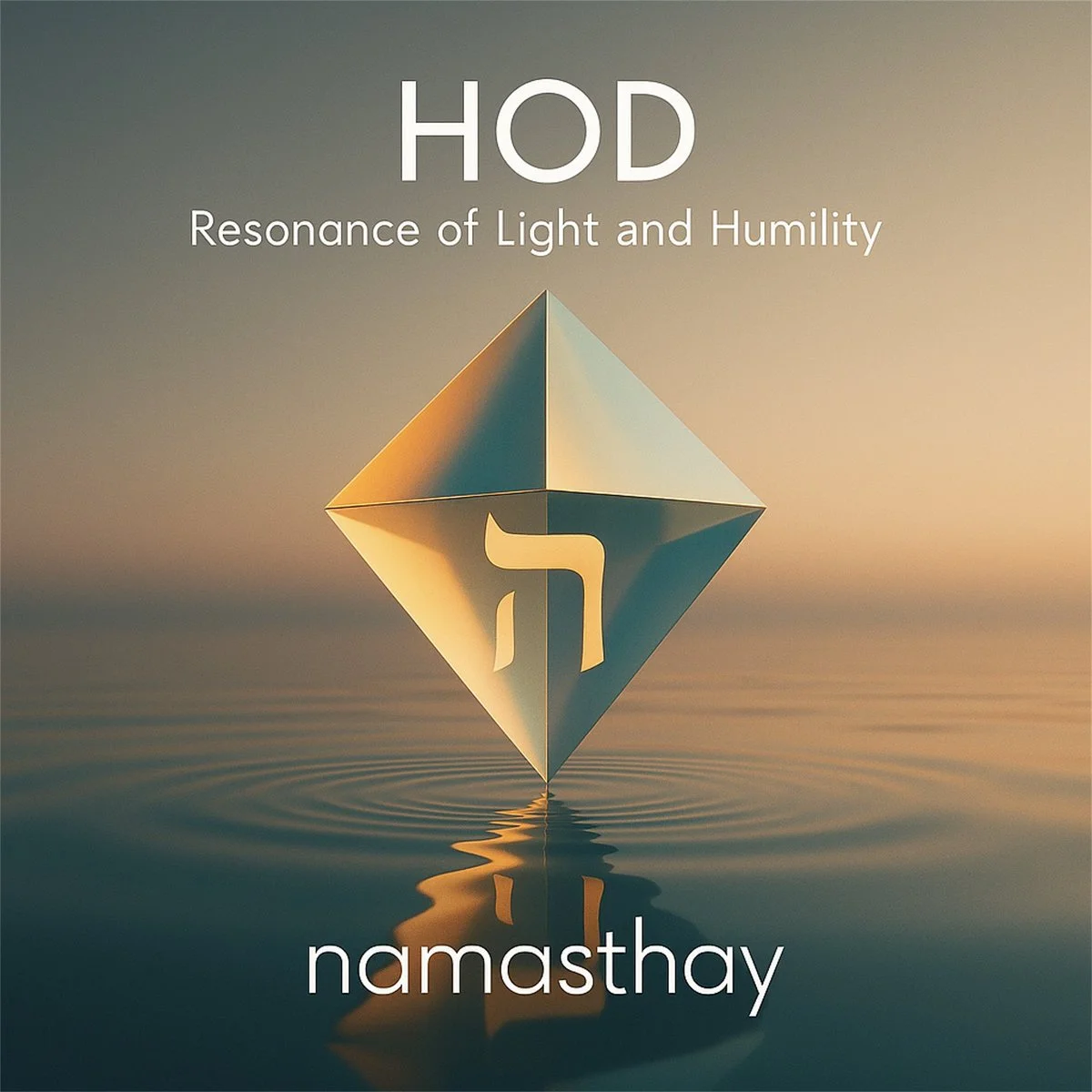
“I would describe my work as multidisciplinary and exploratory. I like to see it as experimental but it is not always so. Some projects are deeply personal and autobiographical. Others are documentary in nature or inspired by scientific research. My music ranges from ambient and cinematic compositions to experimental electronic works. My films often combine documentary, essay film and poetic storytelling. Rather than pursuing a fixed style, I am interested in developing a coherent artistic ecosystem where books, films, music and ideas can interact with one another.”
Which artists influence you most?
“Among filmmakers, I have been influenced by Agnès Varda, David Lynch, Peter Greenaway, Chris Marker, Andrei Tarkovsky and Alejandro Jodorowsky. In music, artists such as Boards of Canada, Bjork, Dead Can Dance, Aphex Twin, Nine Inch Nails and David Bowie have been important references. As writers and thinkers, I admire Boris Vian, Jorge Luis Borges, Philip K. Dick, Carl Jung, Marshall McLuhan and Joseph Campbell. Visually, I have long been fascinated by the works of Ensor, Moebius, René Magritte, Salvador Dalí, Gustave Doré and H.R. Giger.”
What is your creative process like?
“Most of my projects begin with observation. I collect notes, photographs, recordings, ideas and fragments of conversations. Over time these fragments begin to form connections. Once a pattern emerges, I start building around it, whether the final result becomes a film, a musical work, a book or a multimedia project. I often work simultaneously across different media. A poem may inspire a film. A scientific question may become a documentary. A musical composition may lead to a visual project. The process is rarely linear. It is closer to assembling a constellation than following a blueprint.”
What is an artist’s role in society and how do you see that evolving?
“Artists help society imagine possibilities that do not yet exist. Beyond creating objects or experiences, artists help people perceive differently. They can reveal overlooked connections, challenge assumptions and explore questions that are difficult to approach through conventional means. As artificial intelligence becomes increasingly present in everyday life, I believe the artist’s role will become even more important. Technology can generate content, but meaning still requires interpretation, context and human perspective. Artists will increasingly become navigators between complexity and understanding.”
Have you had any noteworthy exhibitions you'd like to share?
“My artistic activity has been distributed across multiple formats rather than concentrated in traditional gallery exhibitions. I have published dozens of books, produced more than sixty music albums, created hundreds of audiovisual works and participated in numerous documentary and media projects. Among the projects I consider significant are my experimental films, the Namasthay music project, documentary work exploring animal consciousness and communication, and more recent multimedia projects combining artificial intelligence, storytelling and sensory science. I am particularly interested in creating bridges between artistic creation, research and public engagement, and I expect future exhibitions to increasingly reflect that interdisciplinary approach. I encourage collaborations strongly and artists can contact me to propose some.”