Interview
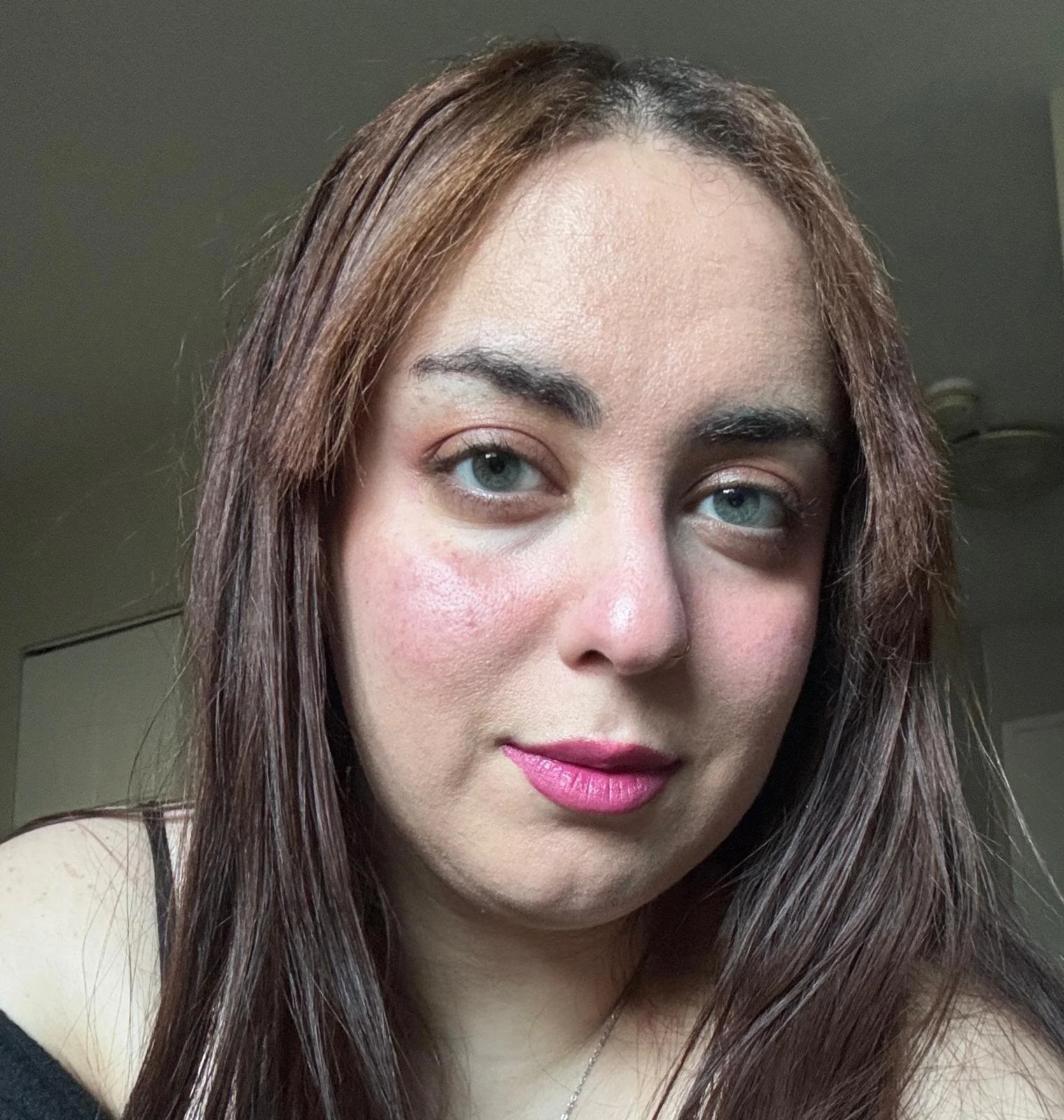
Miral Mokhtar
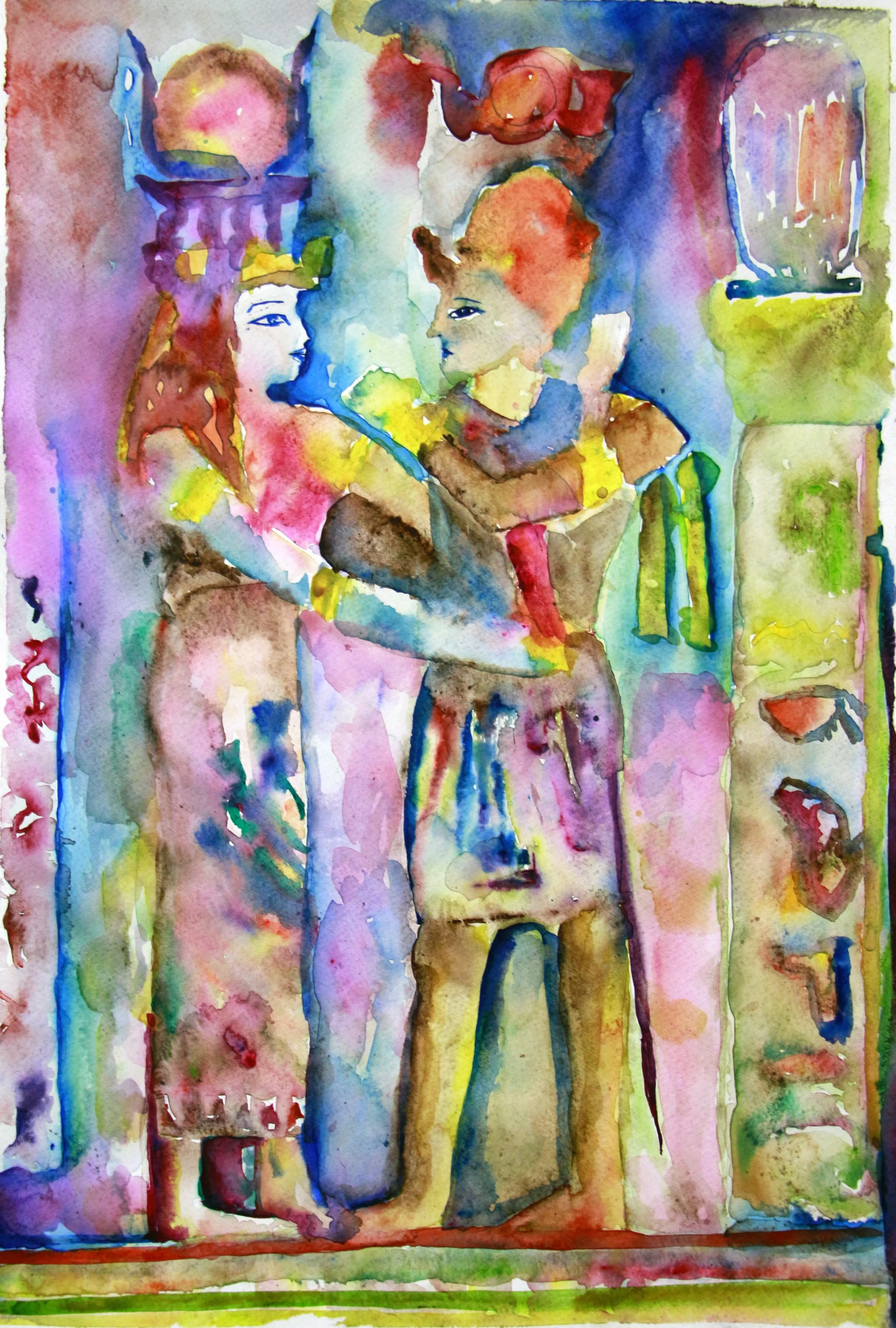
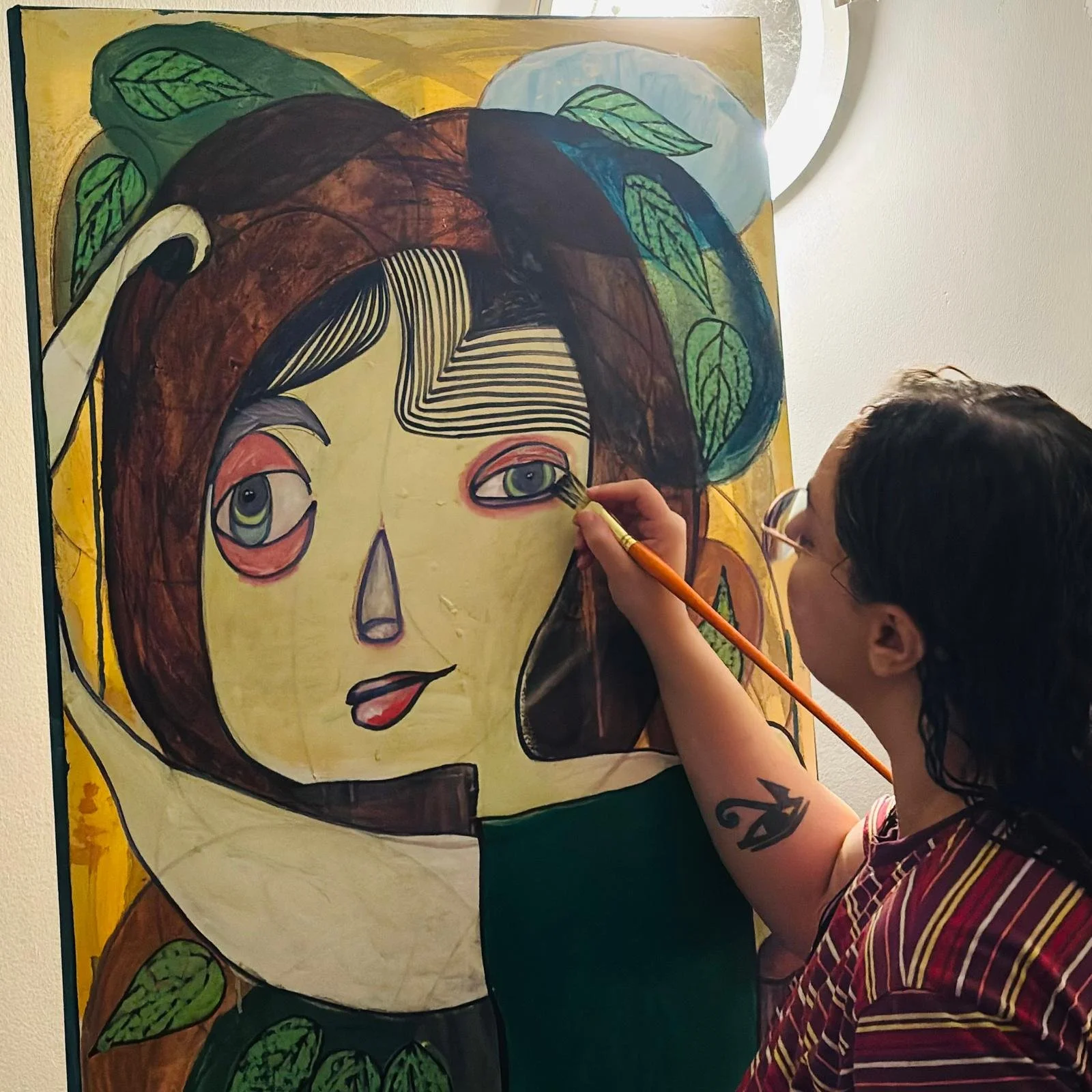
Miral Mokhtar is an Egyptian-Canadian contemporary visual artist born in Cairo and based in Toronto. She studied Art Education for several years in Cairo and maintains a full-time studio practice centred on figurative painting and mixed media. Mokhtar approaches the human figure as a space filled with human experience where identity, emotion, beliefs, and intentions can coexist. Her work moves beyond outward appearance, allowing multiple states and possibilities to inhabit a single figure without resolving themselves into one interpretation. Central to her practice is the creation of art people can sit with, work that reveals itself gradually and leaves room for the viewer. Her practice has included selected exhibitions, collaborations, projects, and recognitions in Canada and internationally, including work connected with Arts Etobicoke, Blackcat showroom, Citizen Film, the Frameline Festival, LensCulture, the holy art and Darb 1718. Mokhtar continues developing her visual language through sustained full-time studio practice in Toronto. She remains deeply grateful to God for the ability to create and continue the work.
What is your background and how did you start your journey in the art world?
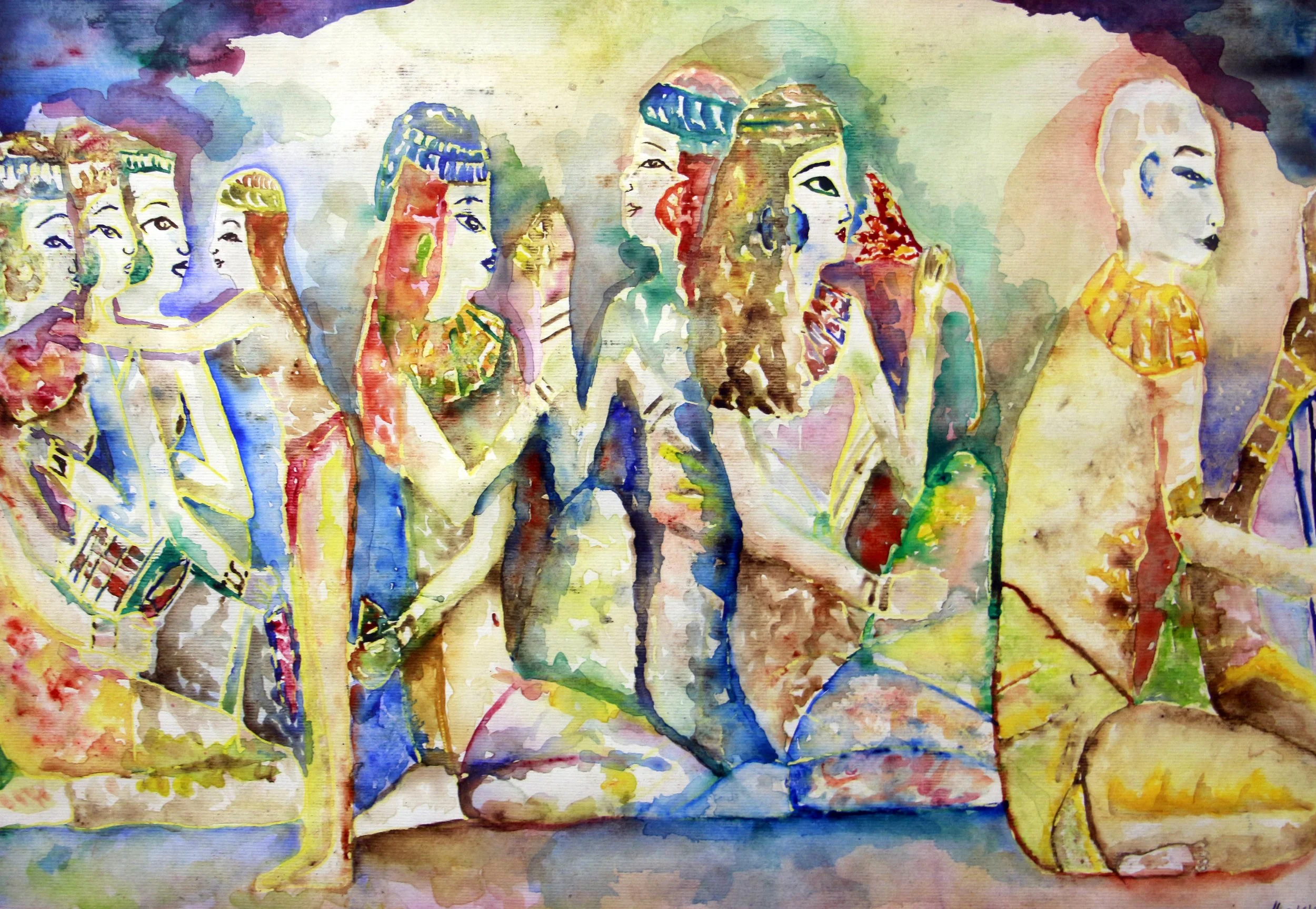
“My relationship with art began in childhood. One of my earliest memories is drawing a tiny pair of scissors on a wall at home. My family noticed the care I gave to that tiny drawing. It became one of the first moments they recognized my instinct for art. Art remained a constant in my life. I later studied Art Education for several years in Cairo, developing a multidisciplinary foundation in visual art. Today, my life is centred on a full-time studio practice focused primarily on figurative painting and mixed media. I approach the human figure as a space filled with human experience where identity, emotion, beliefs, and intentions can coexist. My work looks beyond appearance. I am interested in what becomes visible, what remains unseen, and how much a single human presence can contain.”
What does your work aim to say? Does it comment on any current social or political issues?
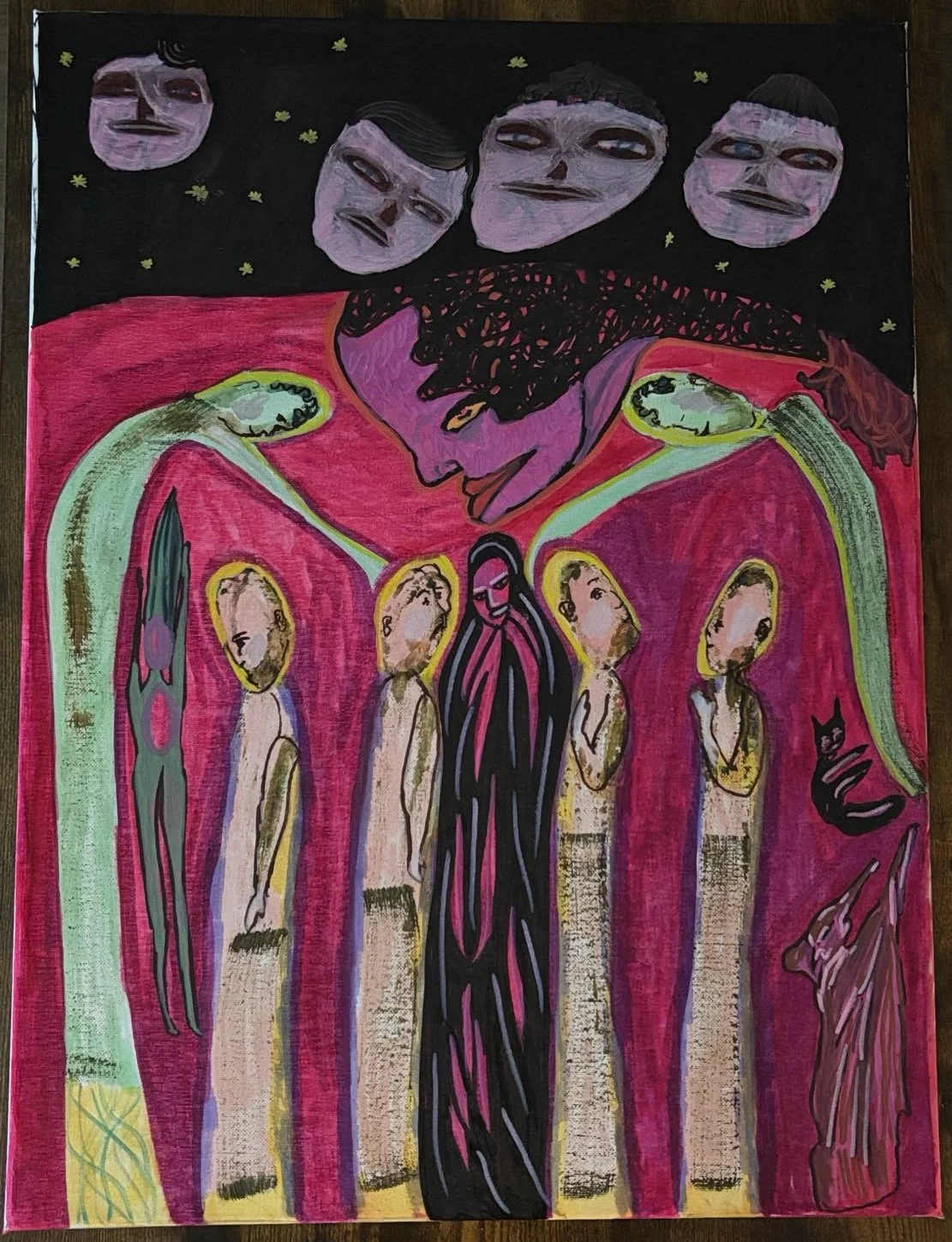
“I create art people can sit with. My work explores human experience beneath outward appearance. My figures often hold several inner states at once, allowing different parts of a person to coexist within a single image. A face can feel familiar without becoming completely explainable. My work is interested in identity, emotion, beliefs, intentions, memory, contradiction, belonging, and the ways people understand themselves and one another. Rather than commenting on one specific political event, my work engages with broader human and social questions: how people are seen, how they present themselves, what remains private, and how identity can shift across different environments and experiences. I do not want to dictate one interpretation. The work leaves room for the viewer. A painting should not finish at first glance.”
Do you plan your work in advance, or is it improvisation?
“My process moves between intention and intuition. A work may begin with an image, a figure, an idea, or an atmosphere that stays with me. I often understand the presence I want a painting to carry before I know exactly what its final form will be. From there, I allow the work to develop. Some decisions are immediate; others take time. There is room for improvisation, but I remain attentive to the overall balance and presence of the work. I stop when nothing more strengthens the piece. I do not work from a fixed formula. Each original belongs to its own moment, and once it is complete, I move forward.”
Are there any art world trends are you following?
“I stay attentive to contemporary art, particularly developments in figurative painting, personal narrative, and experimental approaches to image-making. However, my visual language is built in the studio rather than around trends. My practice evolves without abandoning its identity. Each work carries something forward while opening the possibility of what comes next. I am interested in allowing my work to remain connected to contemporary conversations while continuing to develop on its own terms.”
What process, materials and techniques do you use to create your artwork?
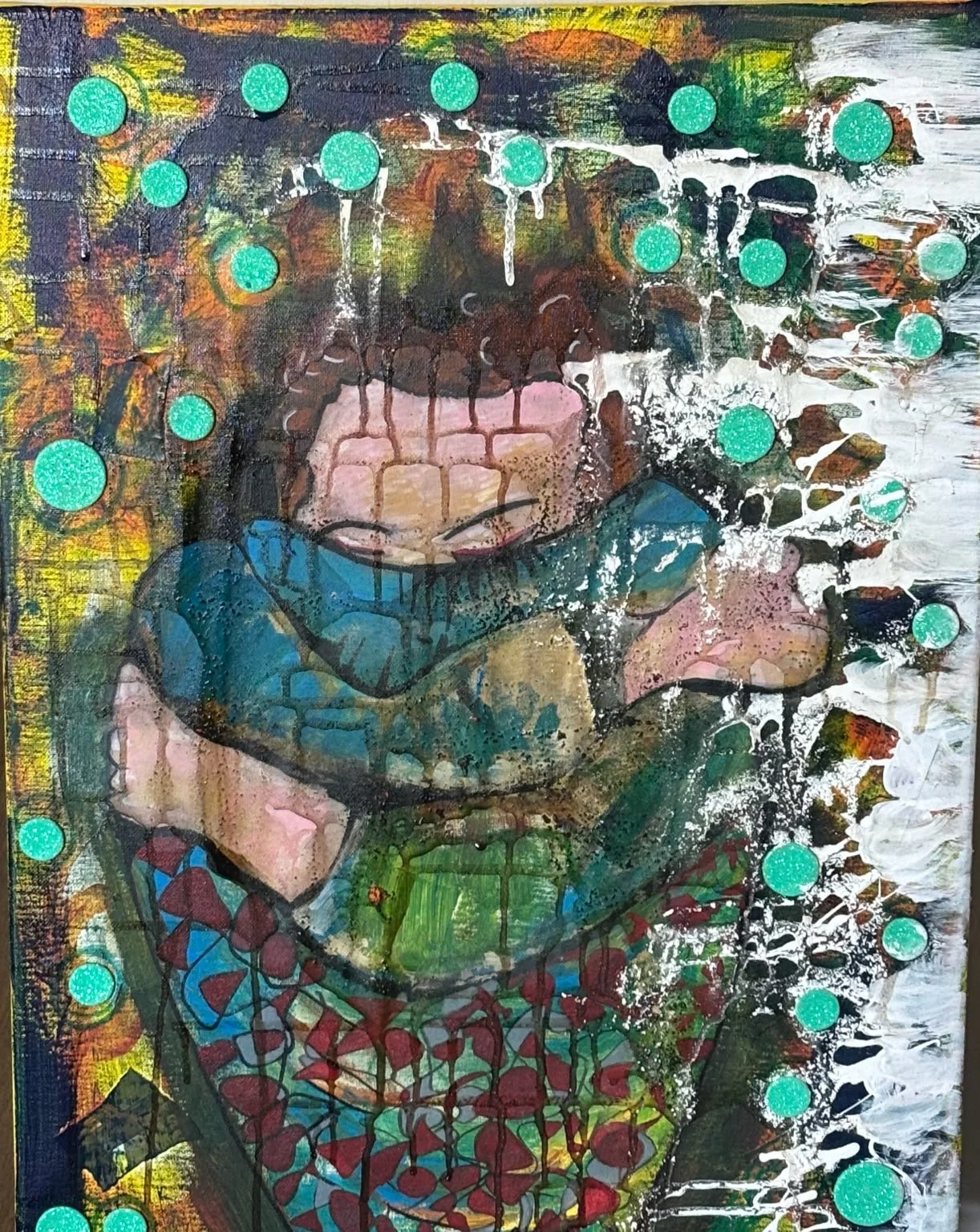
“I work primarily in painting and mixed media on canvas and paper. The materials and methods vary according to each individual work and what that particular image requires. My process allows figurative elements, different emotional states, and visual ambiguity to coexist within the same composition. Certain aspects of my process remain private. The process belongs to the studio. The finished work has to stand on its own.”
What does your art mean to you?
“Art is freedom. It allows us to imagine a world and make part of it visible. Art is also travel. Through an artwork, we can move through memory, emotion, imagination, place, and time without leaving the room. Art can take us somewhere remembered, somewhere imagined, or somewhere that may exist only through the act of creating. Art is central to the way I live. Creating is not separate from living for me. My life is centred around sustained studio practice because making art is genuinely where I want to spend my time. I am deeply grateful to God for the ability to create and continue the work.”
What’s your favourite artwork and why?
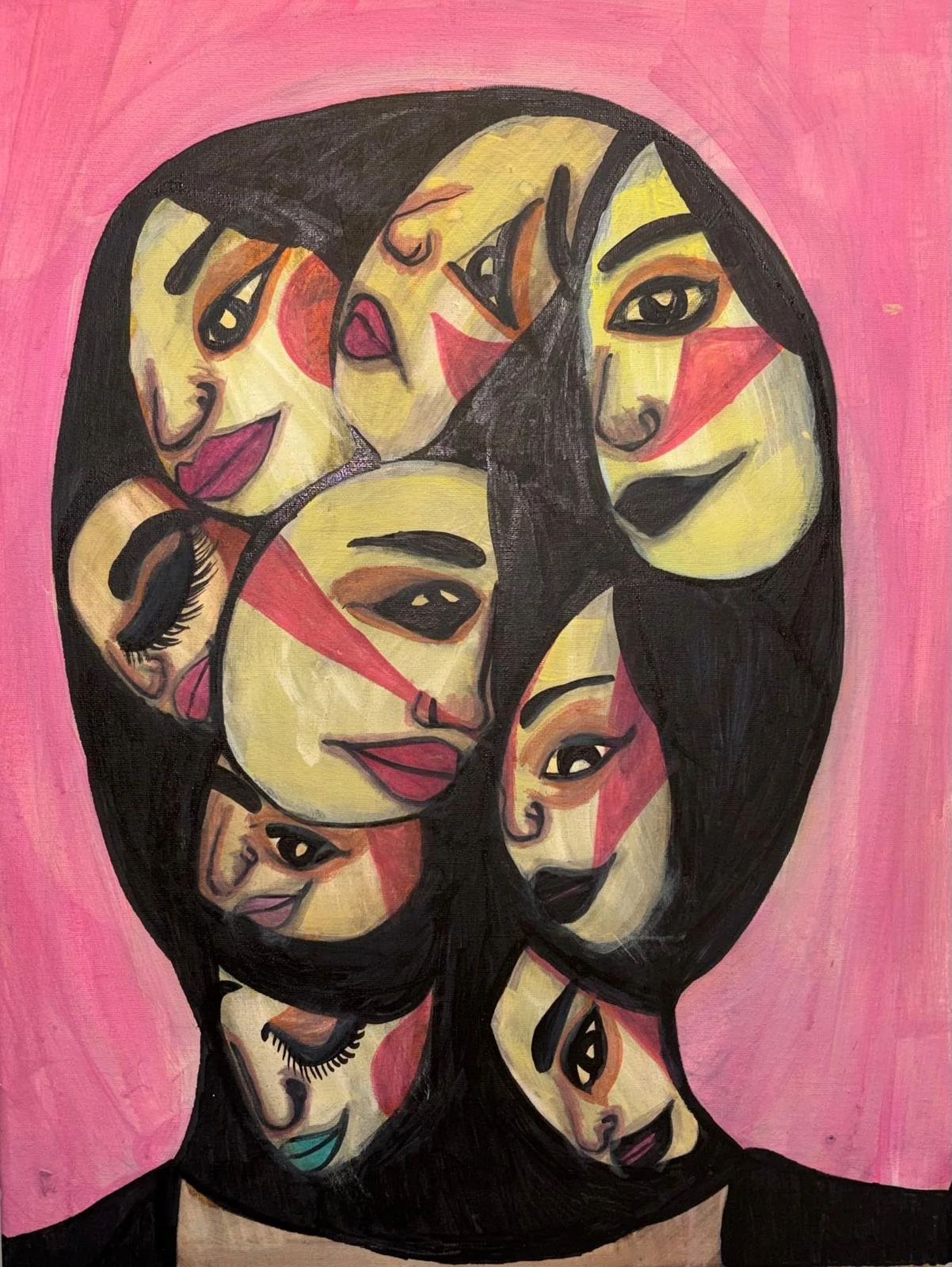
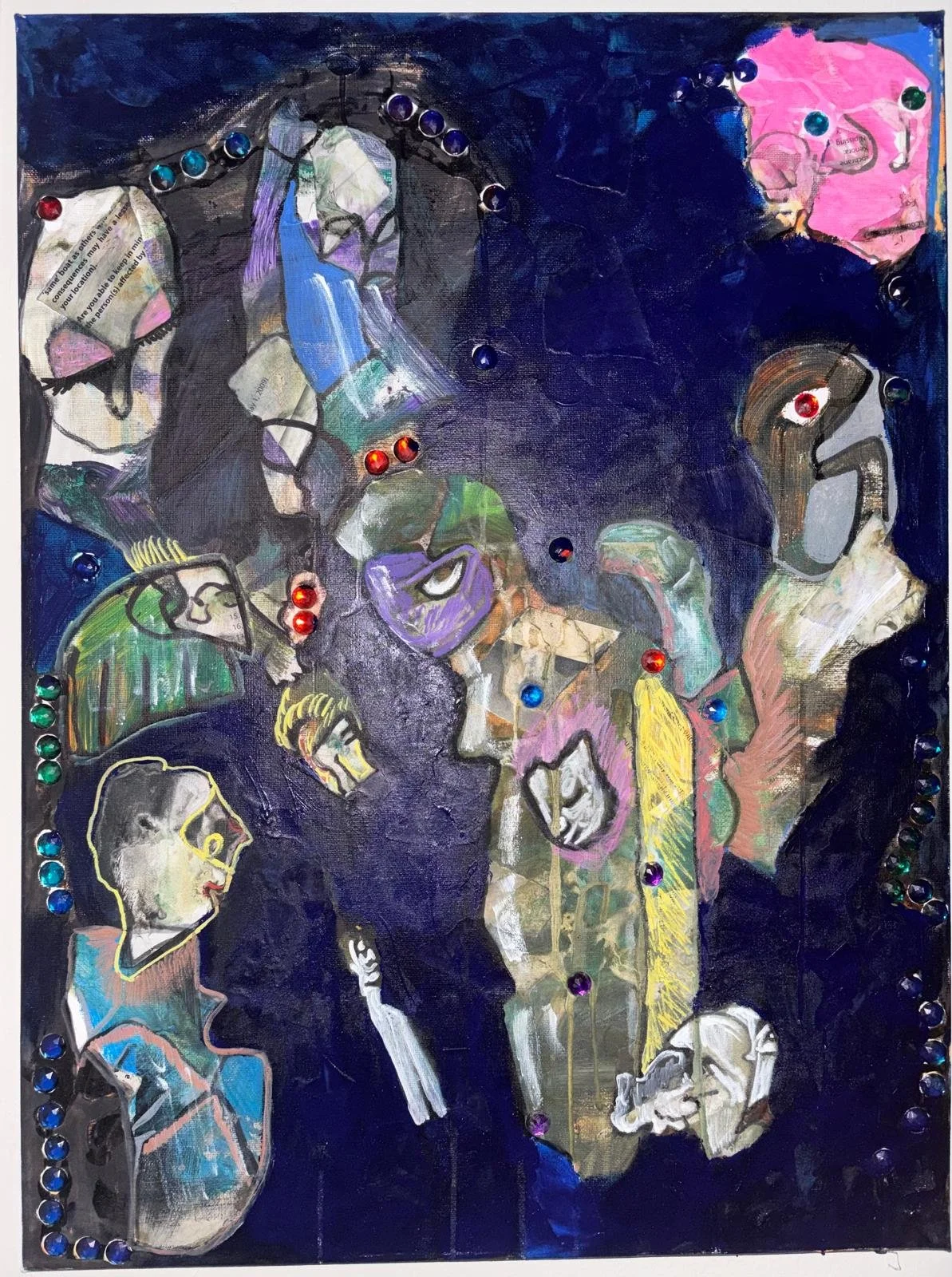
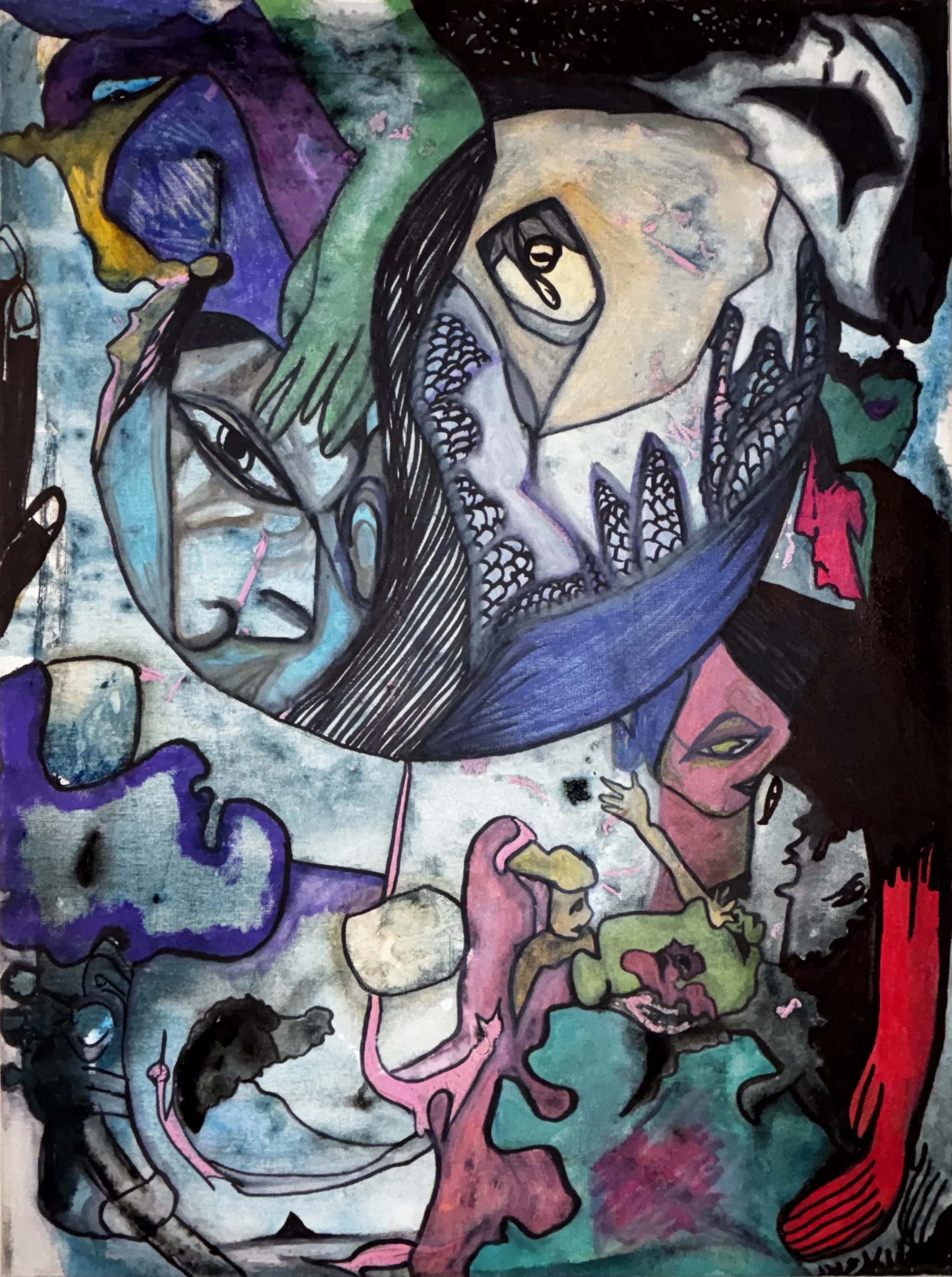
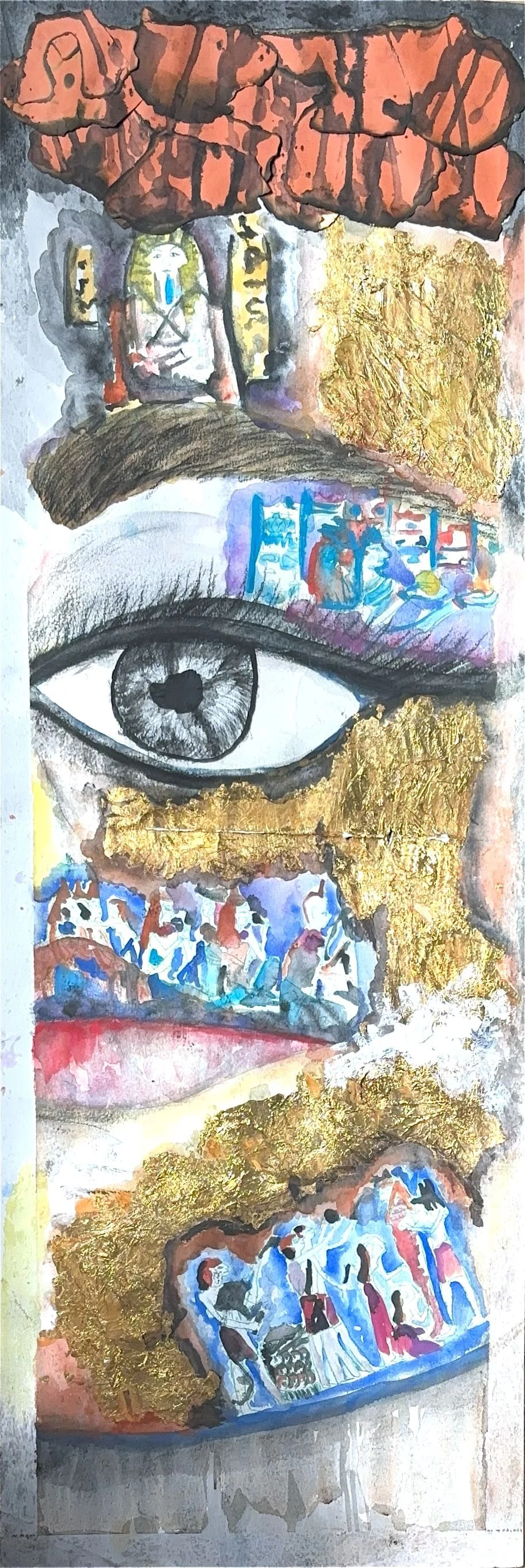
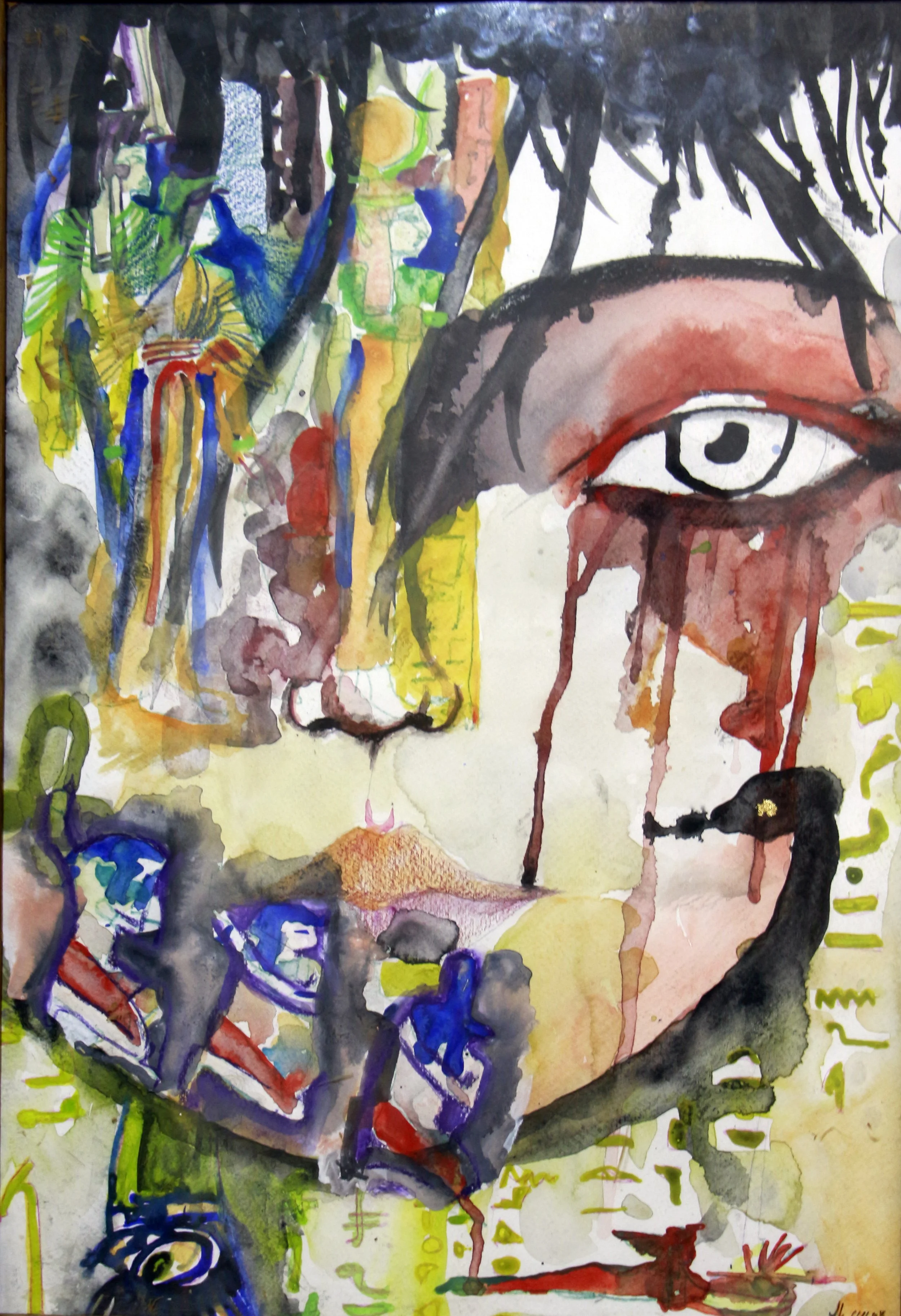
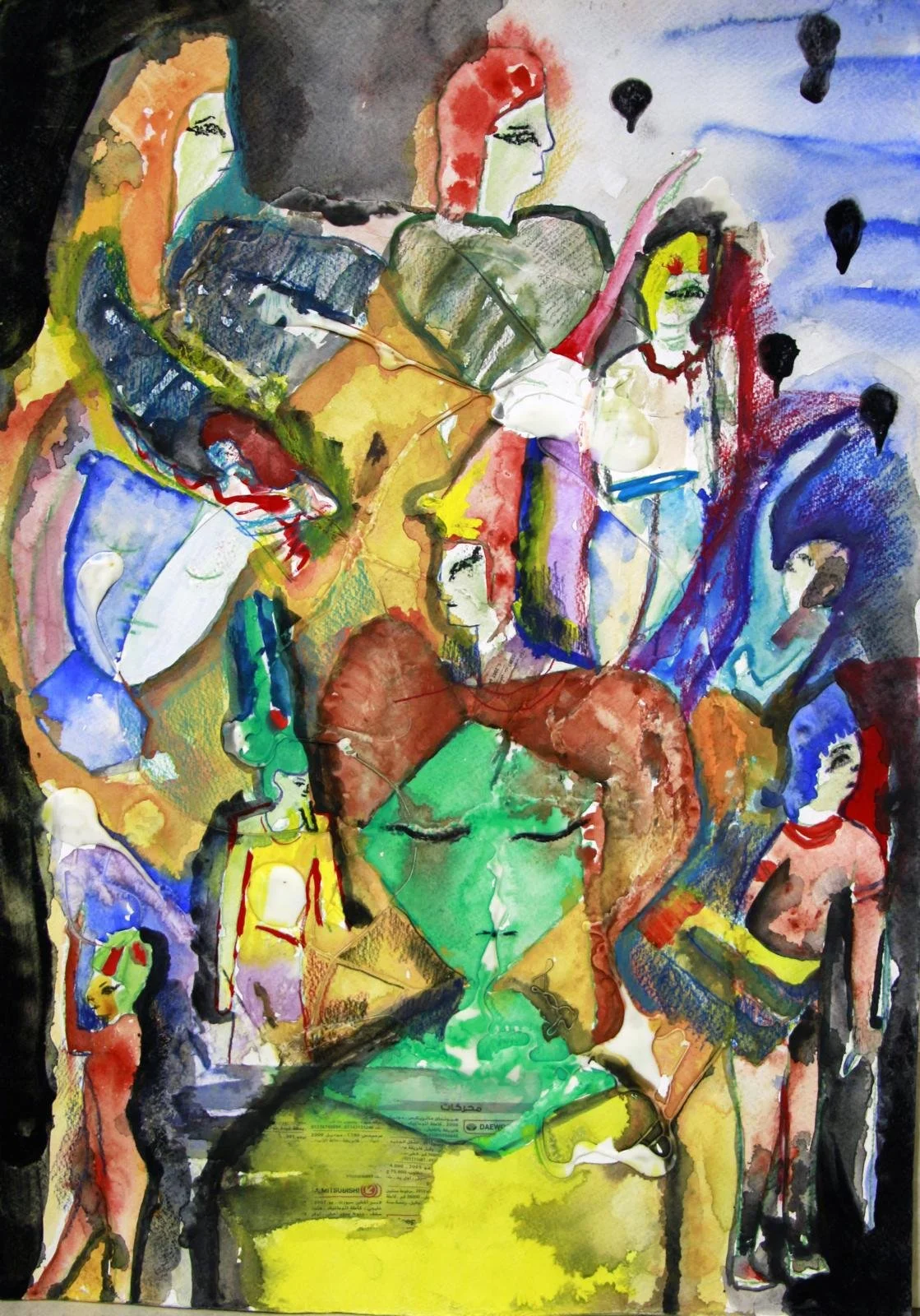
“One of the works closest to the centre of my recent practice is The Faces They Learned to Wear. Several faces exist within a larger human form. Each may suggest a different identity, emotion, belief, intention, or state of being. The title remains deliberately open. ‘They’ may refer to one person, many people, or even the viewer. The painting reflects something central to my practice: what is visible from the outside can never contain the entirety of another human being. Part of the painting belongs to what the viewer discovers. For me, the human figure is a space filled with human experience. That idea runs throughout much of my work, which is why this painting is particularly meaningful to me.”
Have you had any noteworthy exhibitions you'd like to share?
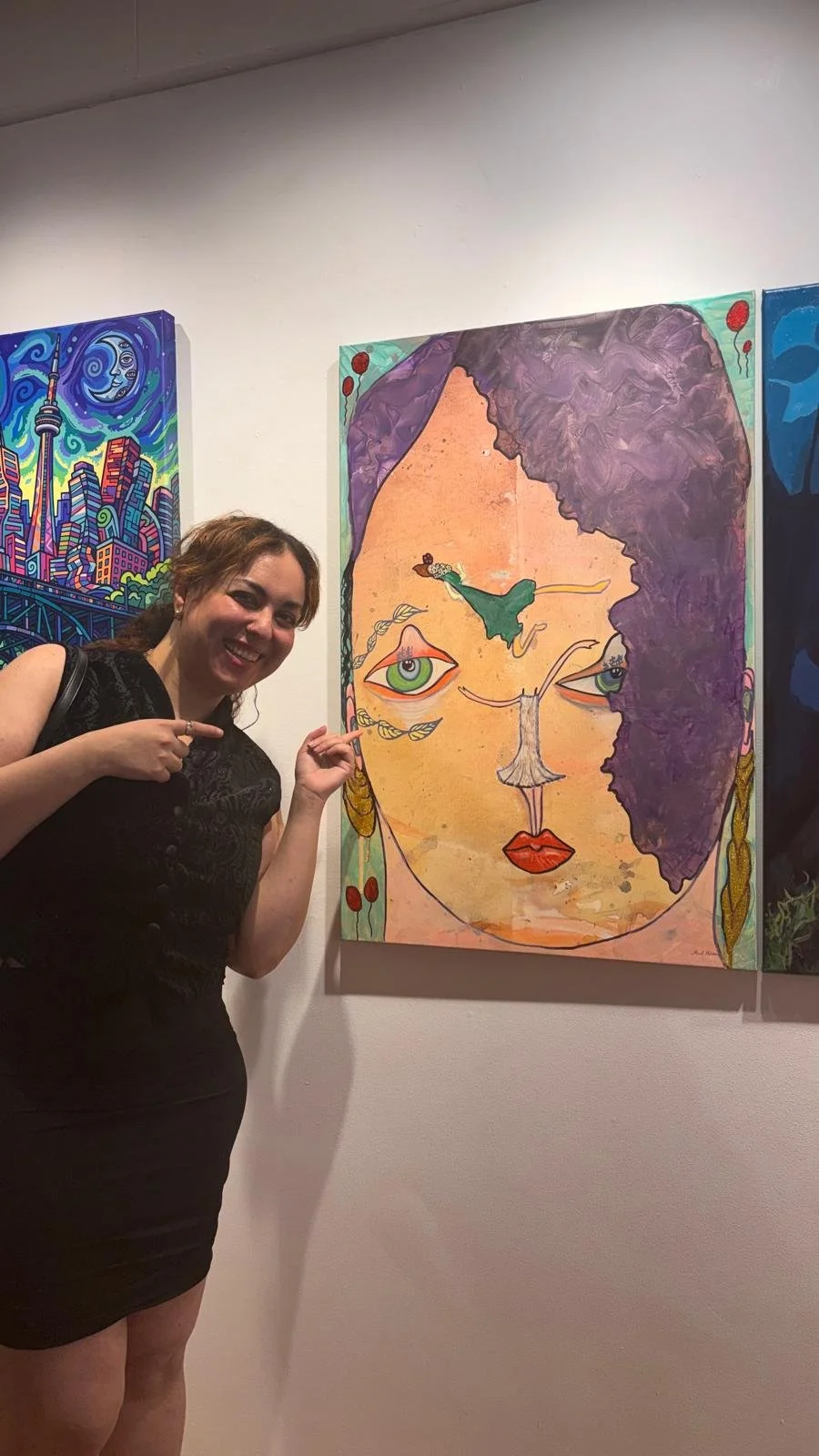
“A meaningful recent presentation of my work has been Second Act: Emerging Artists Over 30 with Arts Etobicoke at the Storefront Gallery in Toronto. My practice has also included selected exhibitions, collaborations, projects, and recognitions in Canada and internationally, including work connected with Arts Etobicoke, Blackcat showroom, Citizen Film, the Frameline Festival, LensCulture, the holy art and Darb 1718. What interests me most is what happens when a work leaves the studio. A painting can enter a gallery, collection, institution, publication, home, or another cultural context and begin a different conversation. Every viewer brings a different history to the same image. Beyond the studio, each work begins another life.”
Website: www.miralmokhtar.com
Instagram: @miralmokhtar