Interview
Heartveark Art
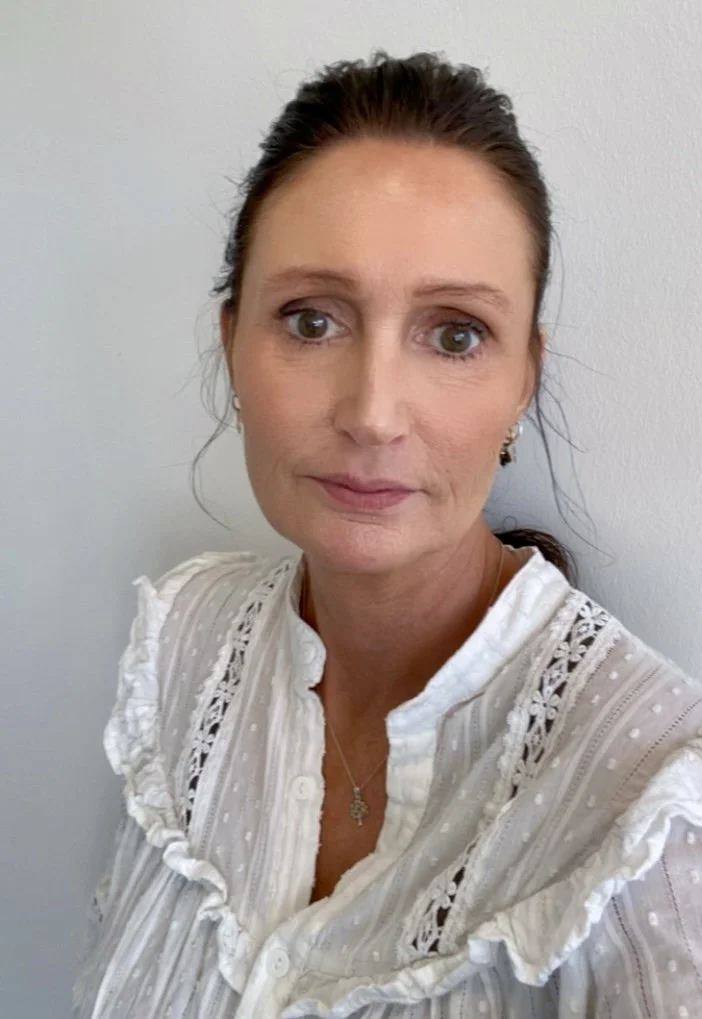
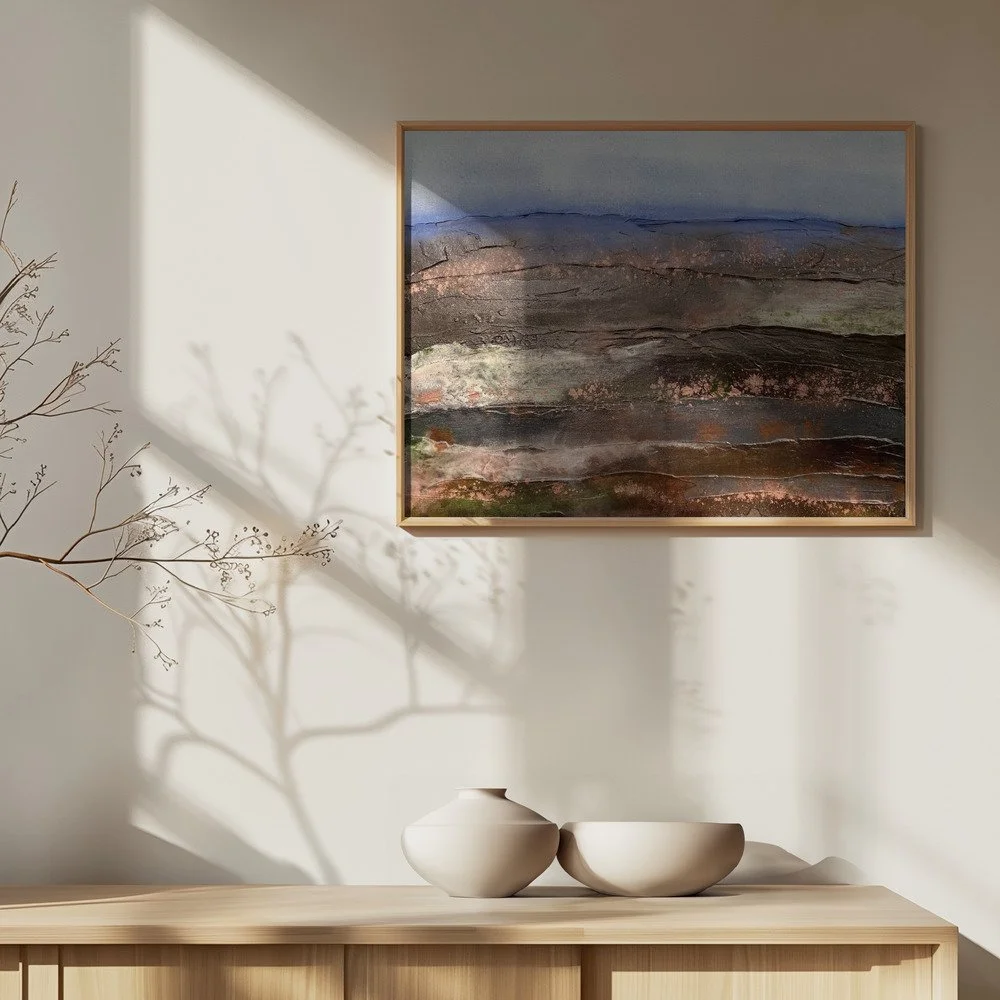
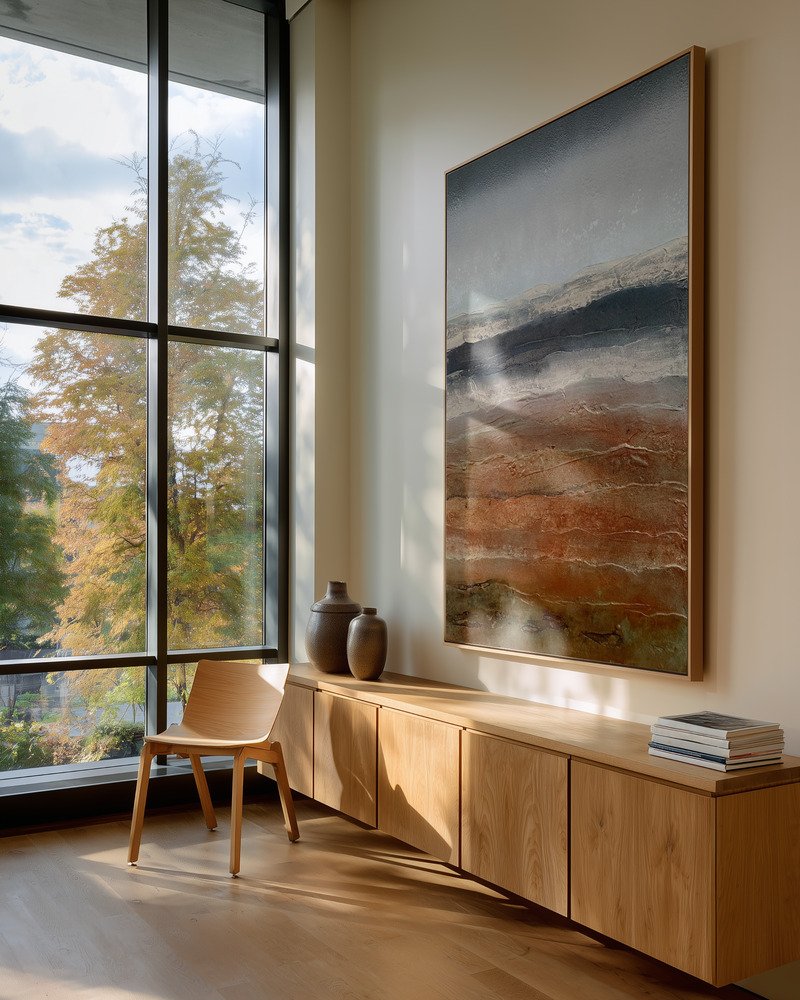
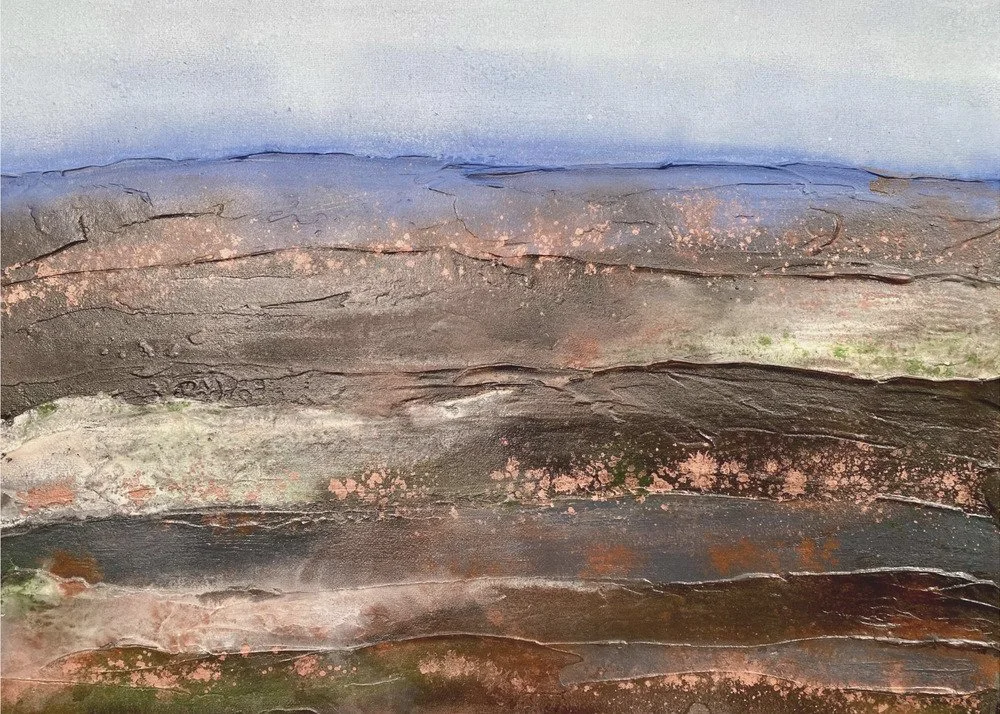
Heartveark Art is the practice of Danish self‑taught artist Berit, whose work is shaped by the natural landscapes of southern Denmark. Her paintings explore layers, erosion, and the quiet transformations found in nature, using mixed media such as sand, fabric, and collage to build tactile, geological surfaces. Working intuitively with a limited, earthy palette, Berit creates textured compositions on canvas and paper that balance matte and glossy, raw and refined. Her process mirrors natural forces — revealing what lies beneath through depth, structure, and material tension.
What is your background and how did you start your journey in the art world?
“I am a self‑taught artist whose practice is rooted in an enduring inner creative voice — a quiet but insistent presence that has shaped my life from an early age. Born and raised in southern Denmark, my artistic sensibility has been profoundly influenced by the surrounding nature, particularly the sea. Its shifting moods, colours, and rhythms have long served as both inspiration and grounding force, offering a sense of calm that continues to inform my work. Heartveark Art emerges from this intersection of intuition, environment, and emotional depth. My journey into the art world has been guided not by formal training, but by a lifelong commitment to exploring the inner landscape and translating it into visual form.”
What inspires you?
“I draw my inspiration from the natural world and the quiet, persistent stories it carries. The landscapes of southern Denmark — the coastline, the shifting skies, the raw openness of the sea — have shaped my visual language from the beginning. Nature’s layers, textures, and organic structures speak to me: the grain of the earth, the weight of stone, the softness of sand, the way wind and water carve their marks over time. Erosion, in particular, fascinates me. It is both destruction and creation — a slow, patient force that reveals what lies beneath. I see it as a metaphor for human experience: how life shapes us, wears us down, builds us up, and exposes our inner truths. My work is inspired by these natural processes and by the stories unfolding around me — the subtle shifts in daily life, the emotional landscapes we move through, and the traces we leave behind. Nature is not just a backdrop; it is an active collaborator in my practice.”
What themes do you pursue? Is there an underlying message in your work?
“My work explores themes rooted in the natural world and the emotional landscapes that mirror it. I am drawn to layers — both physical and symbolic — and to the textures that emerge when materials interact, shift, and transform. Earth, sediment, and organic structures inform my visual language, reflecting the complexity of human experience. Erosion is a central motif in my practice. I see it as a quiet storyteller: a force that reveals, reshapes, and uncovers what time has hidden. It embodies the tension between fragility and resilience, and I use it as a metaphor for the ways life marks us, softens us, and ultimately exposes our inner truths. The underlying message in my work is one of authenticity and presence. I aim to create pieces that invite viewers to slow down, to sense the depth within each layer, and to recognize the beauty in processes that are often overlooked — the gradual, patient movements that shape both nature and us.”
How would you describe your work?
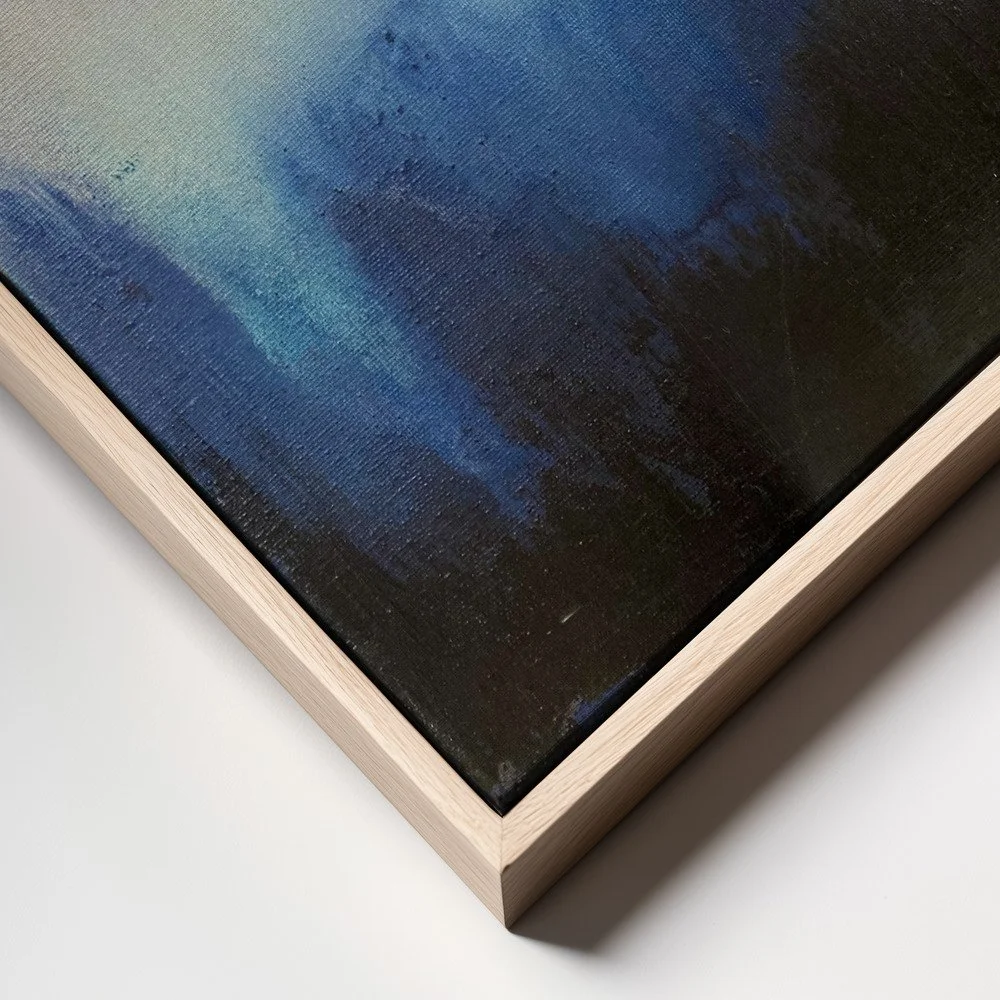
“My work is grounded in an intuitive, process‑driven approach that mirrors the natural forces inspiring it. I often work with a deliberately limited colour palette, allowing restraint to sharpen the emotional clarity of each piece. These muted, earthy tones support the themes I explore — layers, erosion, and the quiet narratives embedded in natural materials. Visually, my practice is defined by texture and depth. Surfaces are built up, broken down, and rebuilt, echoing the slow transformations found in nature. Each layer carries its own story, shaped by both intention and chance, creating works that feel organic, tactile, and rooted in the earth. Heartveark Art exists in the space between abstraction and natural process — a dialogue between material, intuition, and the quiet movements that shape both landscapes and human experience.”
Which artists influence you most?
“I am deeply inspired by artists whose practices embrace materiality, layering, and the slow transformations found in nature. Anselm Kiefer is a significant influence — his monumental use of texture, earth, ash, and sediment resonates with my own fascination for erosion and the narratives embedded in raw materials. His ability to let time, decay, and weight become active elements in the work mirrors the processes I explore within Heartveark Art. I am also drawn to artists such as Per Kirkeby, whose geological sensibility and layered compositions echo the structure of landscapes; These artists share a commitment to depth, structure, and transformation — qualities that align closely with my own practice, where layers, textures, and natural processes form the foundation of my visual language.”
What is your creative process like?
“My creative process is intuitive and rooted in material exploration. I work primarily on canvas and paper, allowing each surface to guide the development of layers and structure. Contrasts play an essential role in my practice — matte against glossy, raw against refined — creating a visual tension that mirrors the natural processes inspiring my work. I often work with mixed media, experimenting with materials that carry their own stories and textures. Sand is a recurring element, chosen for its organic weight and its connection to erosion and time. I combine it with fabric, collage fragments, and other tactile components, integrating them directly into the paint to build depth and complexity. These materials interact, settle, resist, and merge, forming layers that echo geological and emotional landscapes. My colour palette is intentionally limited, allowing subtle variations and tonal restraint to support the underlying themes of my work. This focus on reduction sharpens the presence of texture and structure, letting the materials speak for themselves. In terms of tools, I rely heavily on the palette knife and the squeegee. They allow me to carve, scrape, drag, and build — creating surfaces that feel both deliberate and shaped by chance. Through these gestures, each piece becomes a dialogue between control and natural process, between what is added and what is revealed.”
What is an artist’s role in society and how do you see that evolving?
“I see the artist as a translator of the subtle processes that shape both nature and human experience. Just as erosion reveals hidden layers within the landscape, art has the ability to uncover what lies beneath the surface of our lives — the quiet shifts, the emotional sediment, the stories carried over time. In society, the artist’s role is to slow things down. To create spaces where people can pause, reflect, and reconnect with something elemental. Art can remind us of our own depth, our fragility, and our resilience. It can mirror the natural world’s ability to transform, break down, and rebuild — offering a visual language for experiences that are often difficult to articulate. As the world becomes increasingly fast, digital, and fragmented, I believe the artist’s role will grow more vital. We will continue to serve as observers, interpreters, and material storytellers — grounding people in tactile processes, authentic expression, and the physicality of creation. Artists will remain essential in bridging the gap between the natural and the constructed, the intuitive and the analytical, the seen and the felt.”
Have you had any noteworthy exhibitions you'd like to share?
“In recent years, my work has begun to find its way into broader artistic circles. I exhibited at Weststation Gallery in December 2024, a milestone that allowed my material‑driven practice to meet a new audience. Most recently, I participated in Kunstrunden during Easter this year, an event that offered meaningful dialogue with visitors and fellow artists, and affirmed the growing interest in Heartveark Art. I am grateful for the increasing international attention as well. I have been contacted by galleries in Milan and Rome, which marks an exciting step toward expanding my practice beyond Denmark. These conversations reflect a shared curiosity for the themes I explore — erosion, materiality, and the quiet narratives embedded in natural processes. Looking ahead, I am eager to continue exhibiting both locally and internationally. I also look forward to future collaborations with artists from near and far, creating opportunities to exchange perspectives, explore new materials, and build layered, cross‑cultural dialogues through art.”