Interview
Marco Iannelli
Marco Iannelli is an architect, researcher, and visual artist based in Schwäbisch Gmünd, Germany, with roots in Molfetta, Apulia. He works as Head of Planning at Sonnentag Architektur and as academic staff at HfT Stuttgart, where his research focuses on BIM, AI-assisted design, and modular timber construction. He holds a teaching appointment in Digital Tools at HfT Stuttgart for 2026/27 and is pursuing research in architectural theory.
His formation spans continents and registers: an internship at Chora in London — Raoul Bunschoten's office, pioneers of urban research and dynamic masterplanning — sharpened his understanding of the city as a living, unstable system. He later worked as exhibition designer for the Porsche Museum Stuttgart, where precision, narrative space, and the choreography of objects became a discipline in themselves. A period of construction documentation in Switzerland immersed him in the materiality of Béton Brut — a formative encounter that never left him.
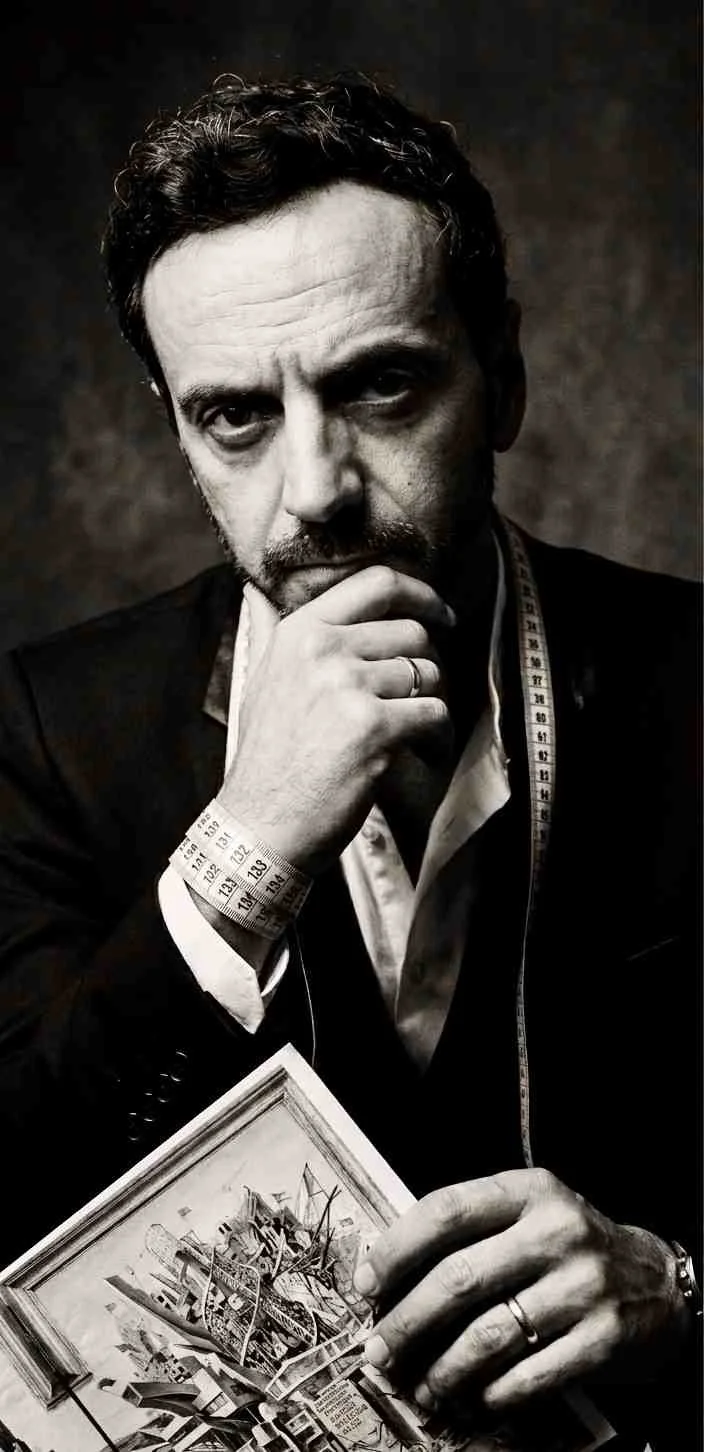
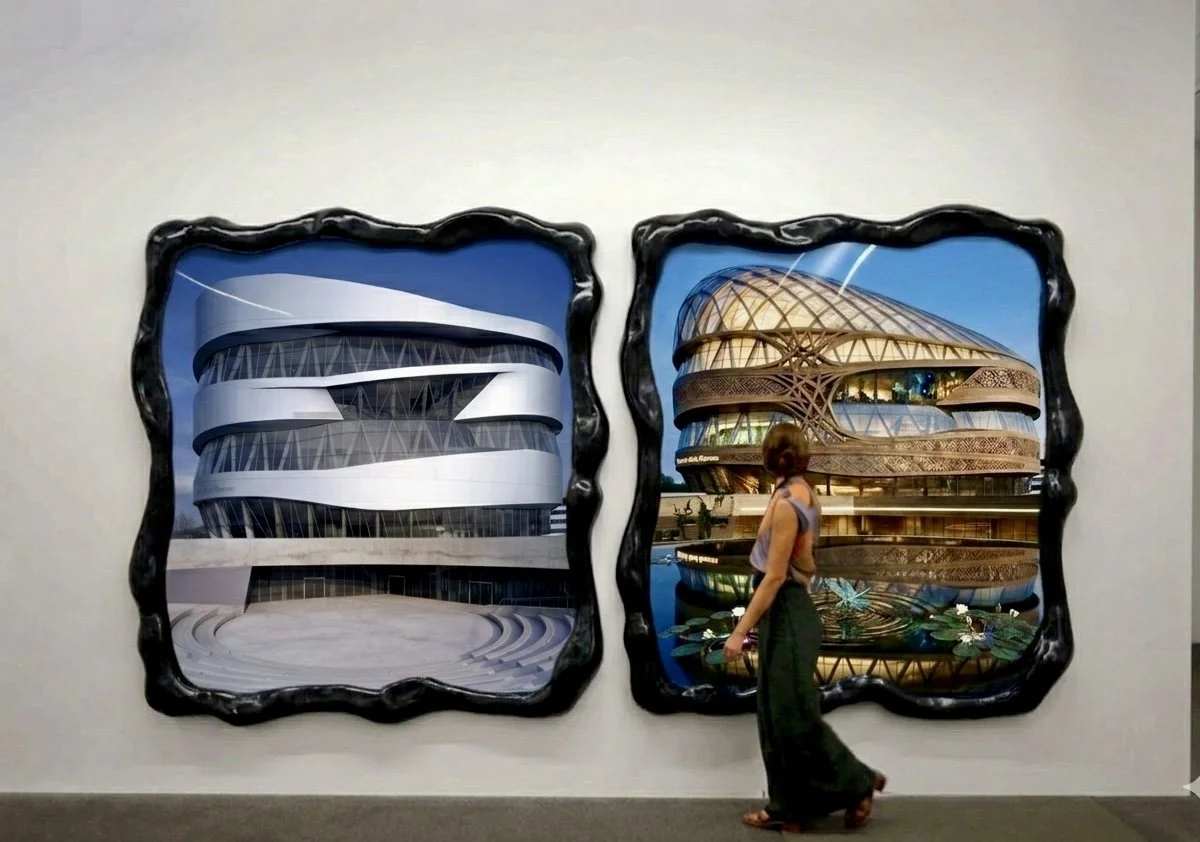
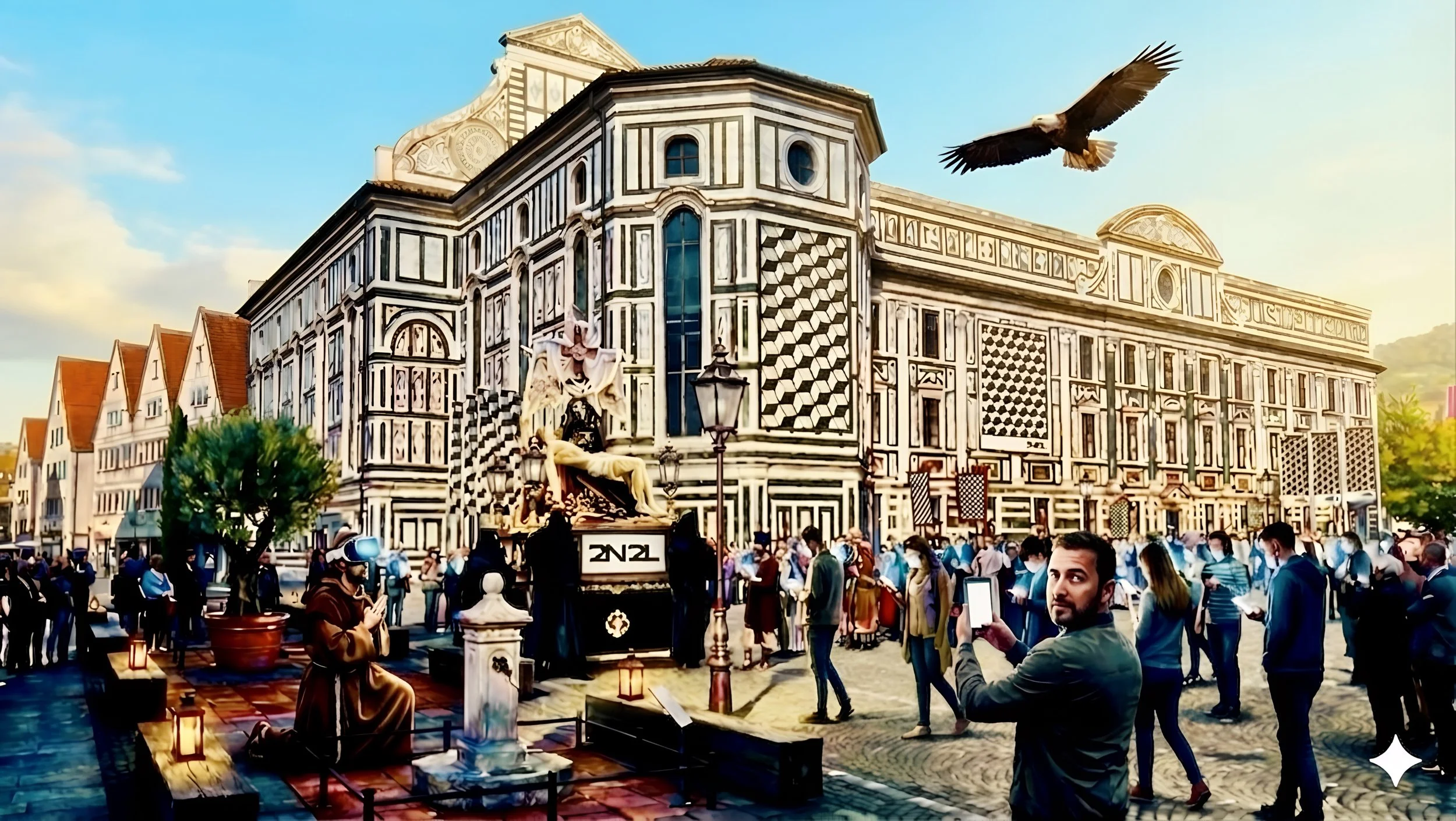
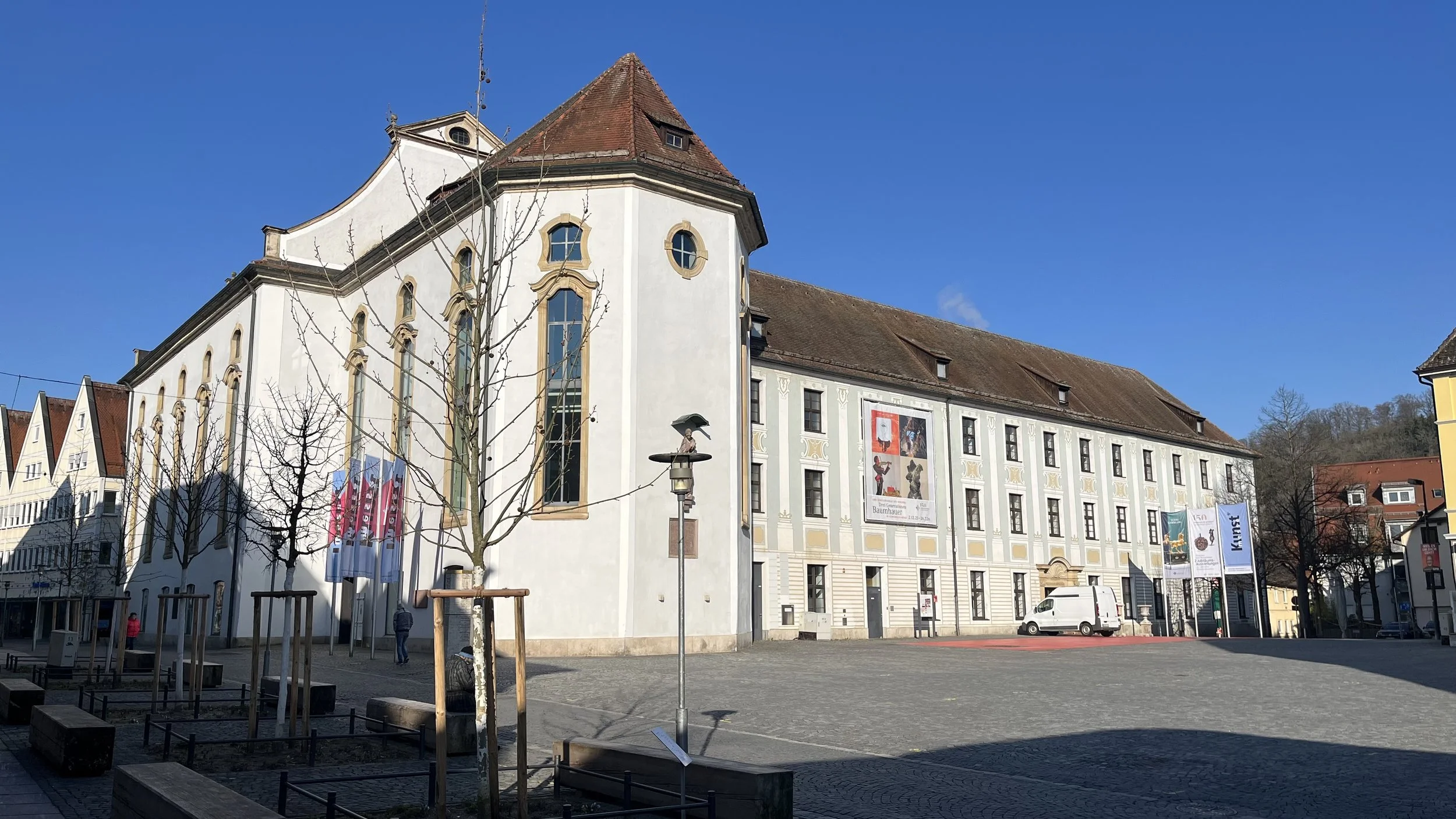
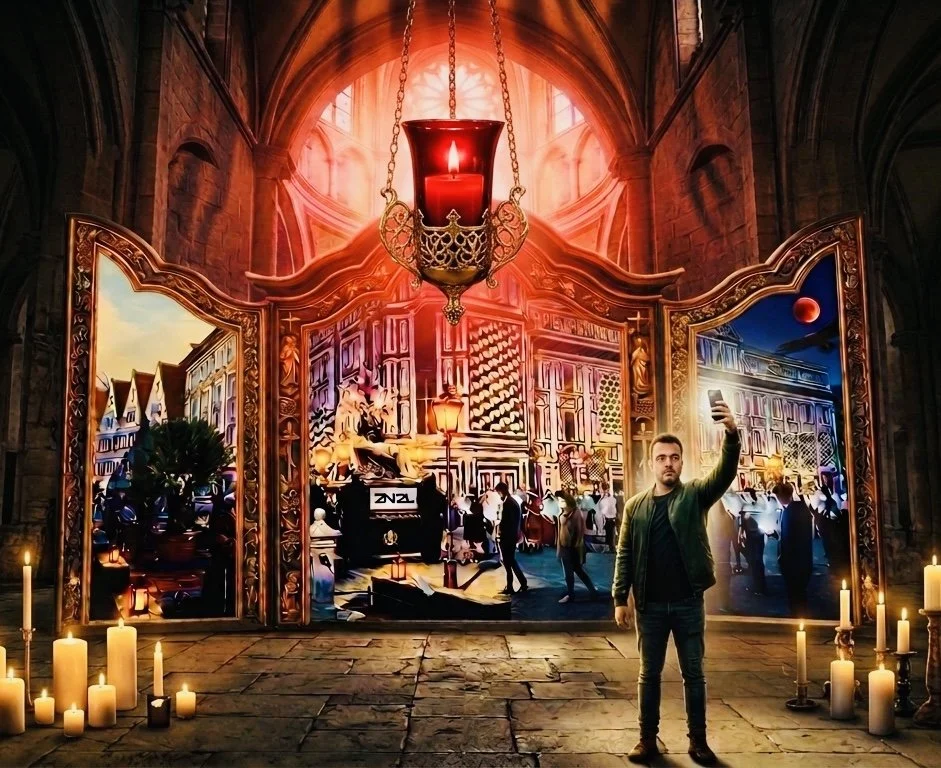
Under the identity 2N2L, Marco develops Guerilla Diptychon — an ongoing artistic project pairing documentary photography of existing buildings with AI-generated speculative counter-visions. He calls this practice Projective Fiction — a mode of visual thinking that uses the speculative image not as decoration, but as a form of argument. The concept is currently being formalized in a dissertation and an academic paper. His references are eclectic and deliberate — Beuys, Klein, Benjamin, Freud. His Catholic faith and Apulian origins are woven into the work: light, procession, the sacred in secular space are recurring themes.
What is your background and how did you start your journey in the art world?
“By training, I am an architect — Head of Planning at an architecture firm in southern Germany, and academic researcher in BIM and digital design. But the art came through a crack in the wall of the professional. And yet, if I am honest, it was always there. As a small child, I wanted to be a painter. Not an architect, not a researcher — a painter. Someone who puts feeling onto a surface and calls it true. That desire never disappeared; it simply waited for the right medium.
Digitality suited me instinctively — the logic of it, the plasticity, the speed of thought it allows. When artificial intelligence arrived as a creative tool, it felt less like a disruption than a homecoming. I had found my paint. I am, in a sense, an immaterial painter — working not with pigment and canvas but with light, code, and the tension between what exists and what could exist.
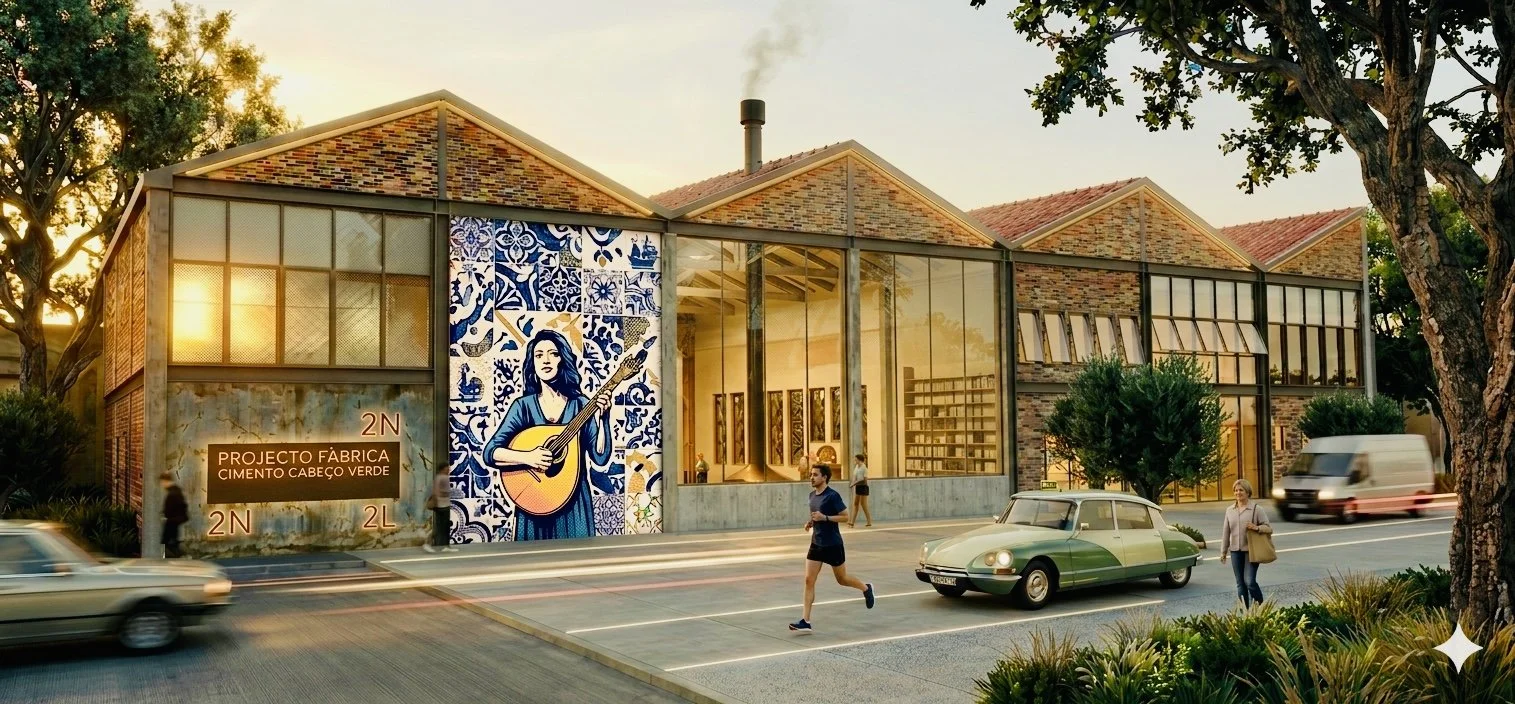
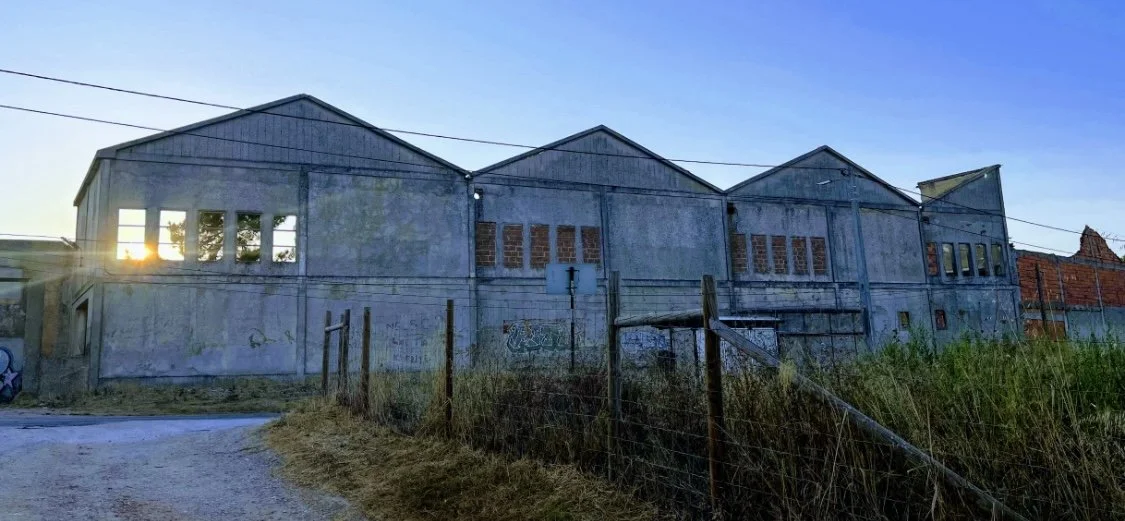
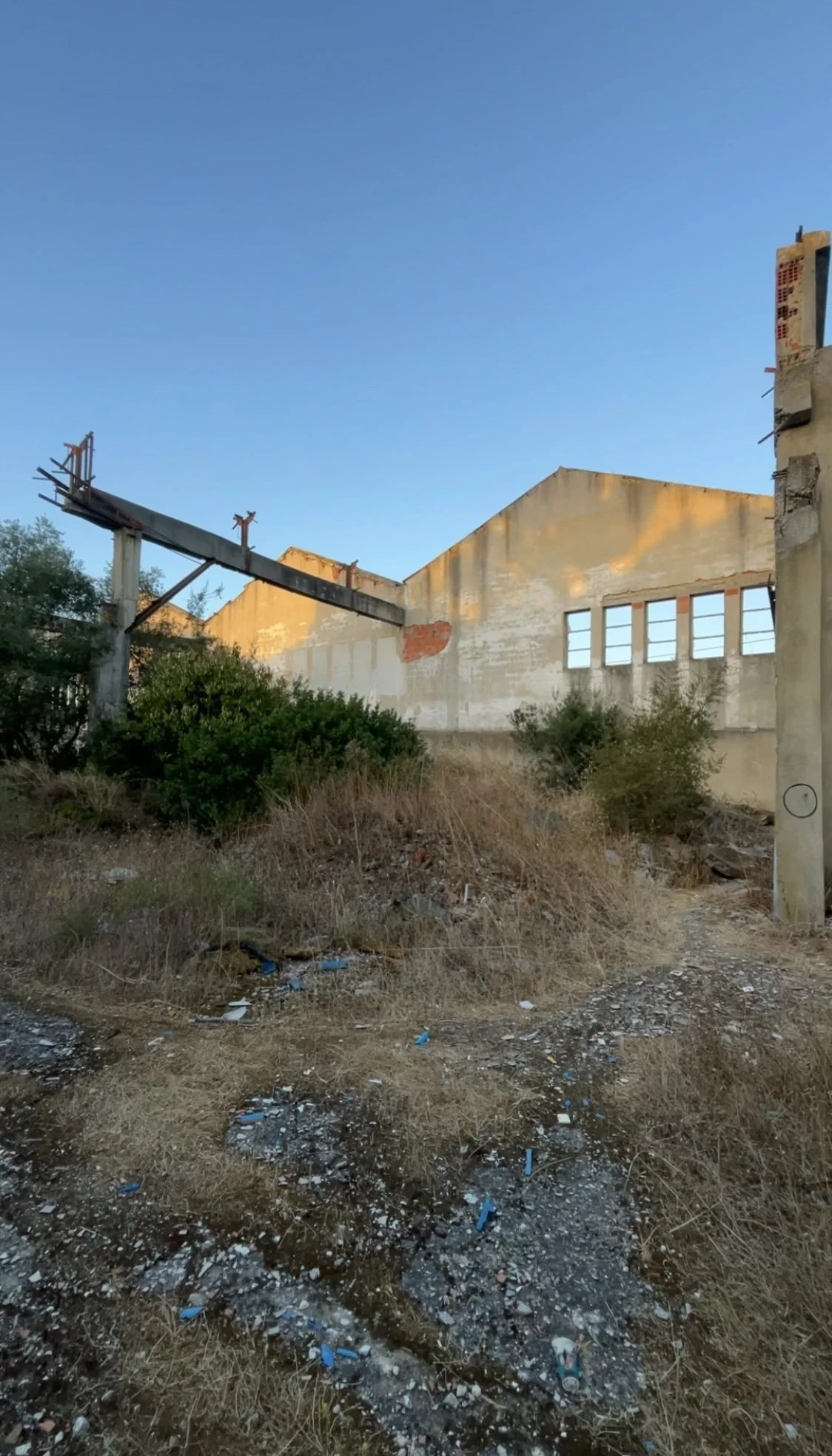
My journey into the visible art world began with documentary photography of overlooked, forgotten, or contested buildings — structures that speak without being heard. Over time, I started pairing these images with AI-generated counter-visions: speculative architectures that answer back. This dialogue became Guerilla Diptychon, my ongoing artistic project under the identity 2N2L. The decisive moment wasn't a gallery opening or an art school — it was standing in front of buildings that moved me, and realizing that the camera was not enough. I needed to speculate. I needed to project. And so architecture, photography, theology, and artificial intelligence converged into what I now call Projective Fiction.”
What does your work aim to say? Does it comment on any current social or political issues?
“Guerilla Diptychon speaks in two voices simultaneously — the documentary and the speculative — and the tension between them is the message. At its core, the work asks: what do we choose to build, and what does that choice reveal about who we are? Each diptych confronts an existing structure — often unremarkable, contested, or forgotten — with an AI-generated counter-vision. Not a utopia. Not a correction. A provocation.
The social commentary is embedded in the method itself. We live in an era of radical image production, where artificial intelligence can conjure entire worlds from a text prompt. Guerilla Diptychon refuses to use that power as spectacle. Instead, it turns it back onto the real — onto concrete, brick, bureaucracy, and neglect — and asks: if we can imagine this, why do we keep building that?
There is also a deeper layer, drawn from Walter Benjamin's concept of aura and Freud's Nachträglichkeit — the idea that meaning is not fixed at the moment of creation but resurfaces, transformed, later. The buildings I photograph were never intended as art. The AI visions were never intended as architecture. And yet in collision, something third emerges.
Politically, the work engages with the crisis of the built environment — housing, public space, sacred architecture, the aesthetics of power — without offering easy answers. It operates closer to Joseph Beuys's expanded concept of art: every building a social sculpture, every city a collective self-portrait we rarely dare to look at directly.”
Do you plan your work in advance, or is it improvisation?
“Neither — and both. The honest answer is: structured wandering. As an architect, I am professionally trained to plan. But Guerilla Diptychon was born precisely from the refusal to plan in that way. The 'guerilla' in the title is not decorative. It describes a practice of showing up — to a street, a facade, a moment of light — without a predetermined outcome. The photography happens in a state of alert openness. I do not scout locations months in advance. I encounter them. A building catches me off guard, or a quality of light stops me mid-step. The camera follows instinct.
What comes after, however, is deeply intentional. The selection of the found image, the construction of the AI counter-vision, the pairing of the two — this is a process of slow, deliberate meaning-making. I work with the images the way a poet works with language: testing combinations, listening for resonance, waiting for the diptych to become inevitable rather than merely plausible.
There is also a temporal dimension I find important. I let images rest. Sometimes weeks, sometimes months pass before I know what a photograph needs as its counterpart. This delay is not procrastination — it is Nachträglichkeit at work: the image knows something I don't yet. I wait until I catch up.
So the process might be described as: improvised collection, meditated construction, patient release.”
Are there any art world trends you are following?
“I follow them — but from a critical distance. That distance is itself part of the practice. The most significant shift I am witnessing is the collapse of the boundary between tool and author. Artificial intelligence has entered the studio, and the art world is still negotiating what that means. Most of the conversation remains trapped in anxious binaries: human vs. machine, authentic vs. generated, original vs. derivative. I find these oppositions unproductive. The more interesting question is: what kind of thinking does a human-machine collaboration make possible that neither could achieve alone?
This is where Projective Fiction becomes relevant — not just as a personal method, but as a response to a broader cultural moment. We are living through an era of unprecedented image saturation, and yet genuine visual thinking — the capacity to speculate, to project, to imagine otherwise — feels increasingly rare. AI used thoughtlessly accelerates that saturation. Used with intention, it can cut against it.
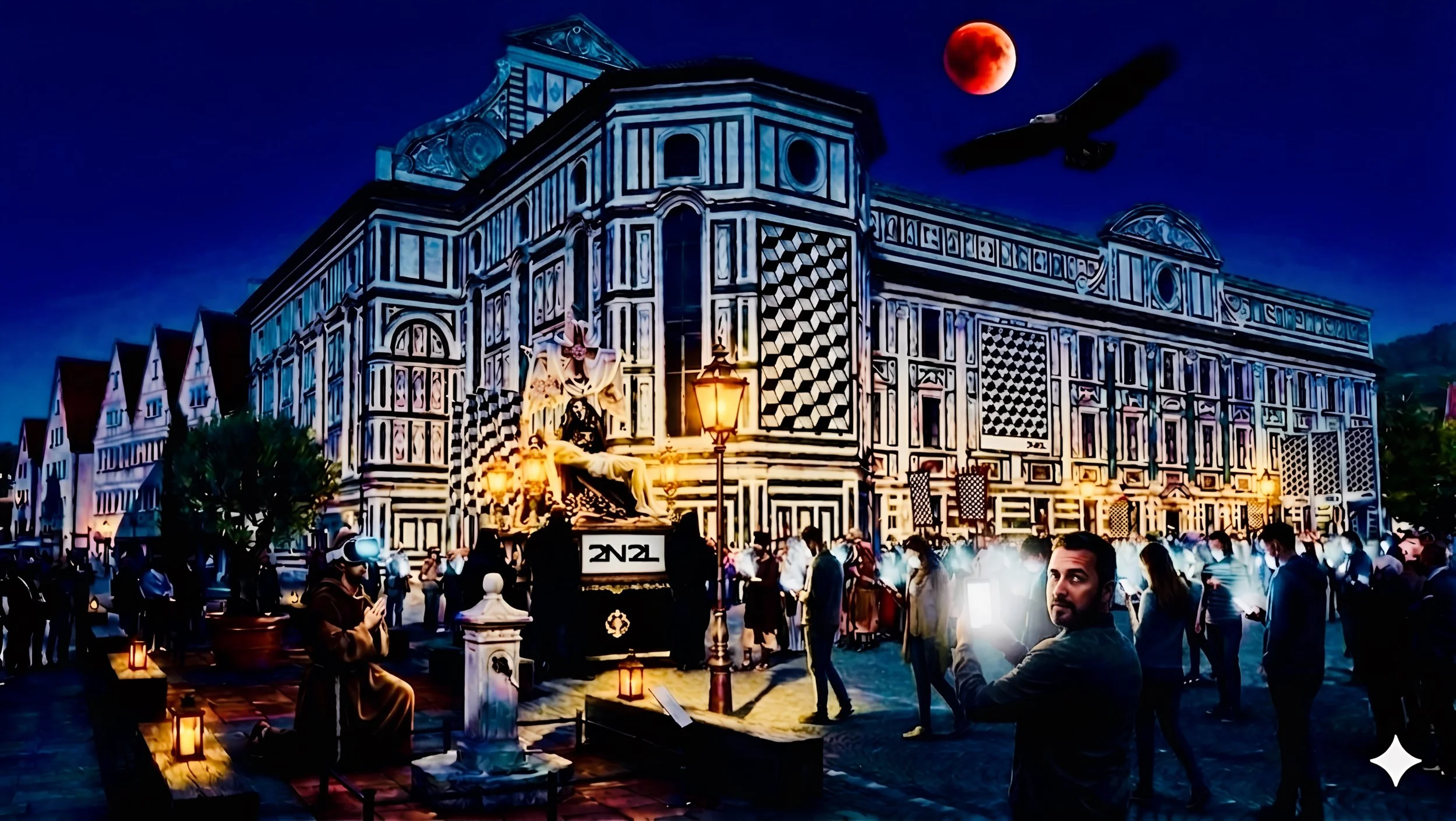
I am also watching the renewed interest in the sacred and the ritual within contemporary art — a quiet counter-movement to the dominance of irony and conceptual distance. Artists are reaching again for aura, for presence, for the unrepeatable. This resonates deeply with my Illumination chapter and its engagement with religious procession as both documentary subject and aesthetic event.
Finally, I am drawn to practices that refuse the gallery as the only legitimate frame. The street, the facade, the Instagram reel, the academic paper, the exhibition application — for me, these are all equally valid stages. The work should be able to live anywhere it finds a willing eye.”
What process, materials and techniques do you use to create your artwork?
“The material of Guerilla Diptychon is essentially light, code, and time. It begins with documentary photography. I work with a camera the way a writer works with a notebook: always present, never forced. The buildings I photograph are rarely spectacular. They are the residue of decisions — planning decisions, economic decisions, aesthetic compromises. I am drawn to facades that have absorbed history without being celebrated for it. The image must earn its place in the diptych through a quality I can only describe as resistance — it has to push back.
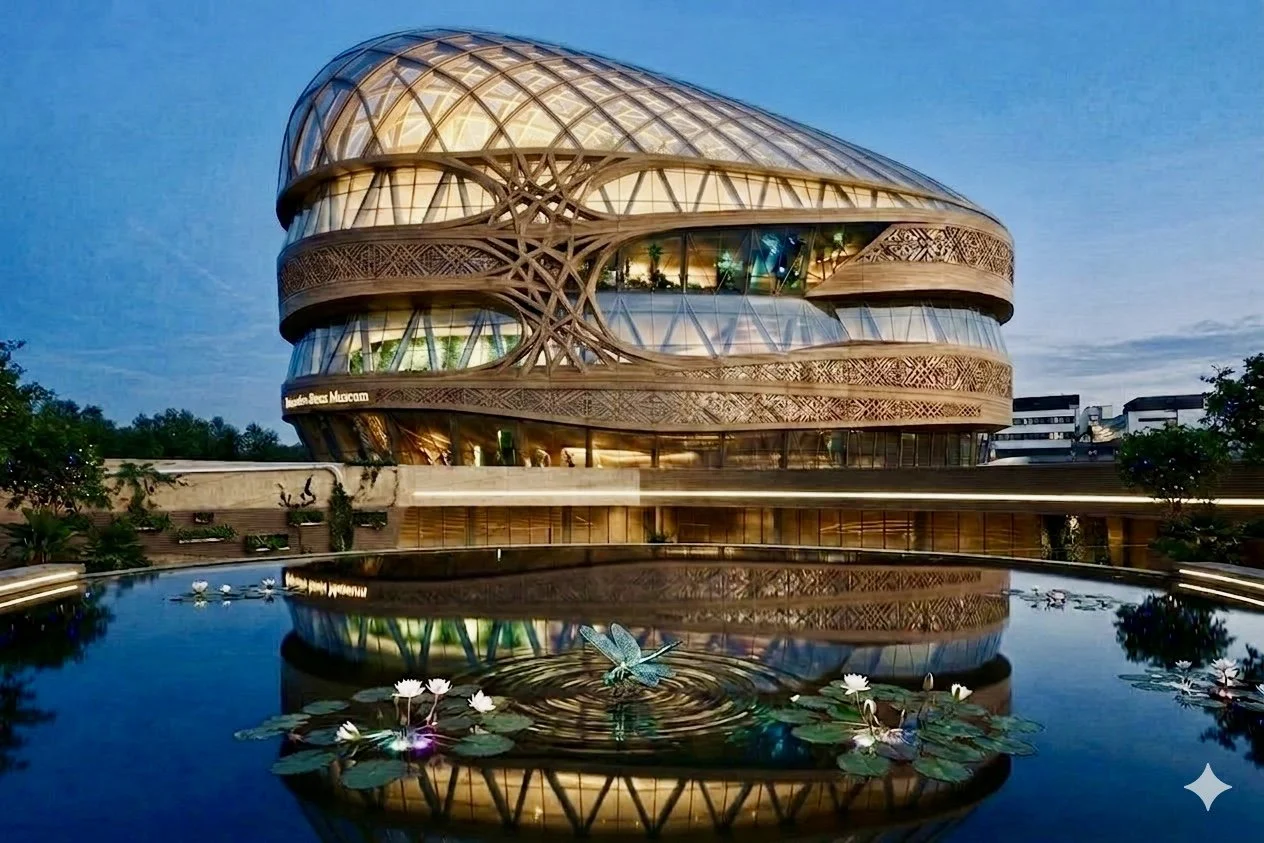
The second layer is AI-assisted image generation. I use generative tools not as filters or stylizers, but as genuine speculative partners. The prompt is a form of writing — compressed, precise, intentional. I might spend as long constructing a prompt as I do editing a photograph. The AI vision is not decoration; it is an argument. It has to be able to stand alone before it can stand beside the original.
The third layer is compositional pairing and sequencing. The diptych format is deceptively simple. Placing two images side by side creates a syntax — subject, verb, object — and I treat that syntax with the care of a sentence. Scale, color temperature, density, directionality: everything is considered.
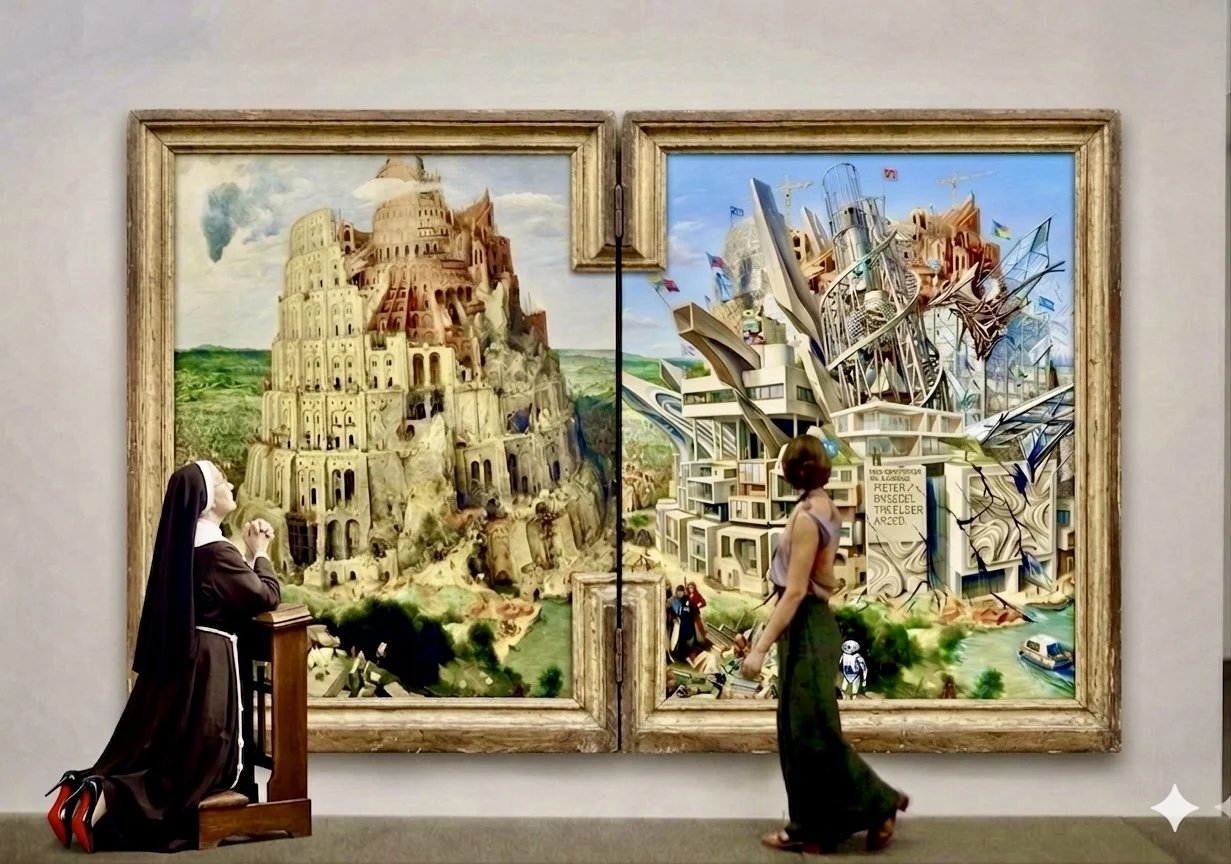
More recently, the work has expanded into moving image and sound — cinematic reels with original narration, AI avatar presenters, multilingual voiceover — and into physical installation, with triptych frames to be realized in collaboration with sculptor Alexander Knysch. The studio, in the end, is everywhere: a street corner at dusk, a terminal window at midnight, an architectural office between two project deadlines.”
What does your art mean to you?
“It means permission. Permission to think in ways that architecture alone does not allow. Permission to be ambiguous, unresolved, slow. Permission to ask questions that have no building permit, no client brief, no deadline. But above all, it means expression — in the fullest, most unguarded sense. The work is where I can place my feelings without having to justify them. Some diptychs carry the weight of grief, of spiritual longing, of things I cannot say in a client meeting. Others are quietly, stubbornly funny — a deadpan confrontation between an ugly building and an impossible dream, where the humor is part of the critique. I do not rank the serious above the playful. Both are honest. Both are necessary.
I have spent my professional life working within constraints — structural, regulatory, budgetary, temporal. I love that discipline. But Guerilla Diptychon exists in the space that discipline cannot reach. It is where I go when the question is too large for a floor plan.
There is also something deeply personal at work. I grew up between cultures — Apulian roots, German formation, a multilingual inner world — and I have always experienced that in-between not as displacement but as a threshold. The diptych is a threshold. Two worlds held in tension, neither consuming the other. The format is, in some sense, autobiographical.
My Catholic faith is not a backdrop to the work — it is woven into it. The procession, the light, the sense that matter can become luminous with meaning: these are theological convictions that happen to also be artistic ones. Tutto torna — everything comes full circle — is my personal leitmotif. The art is where that circularity becomes visible. Where the building I photographed as a stranger becomes, in retrospect, a self-portrait. It means I am still paying attention. And that, for me, is everything.”
What’s your favourite artwork and why?
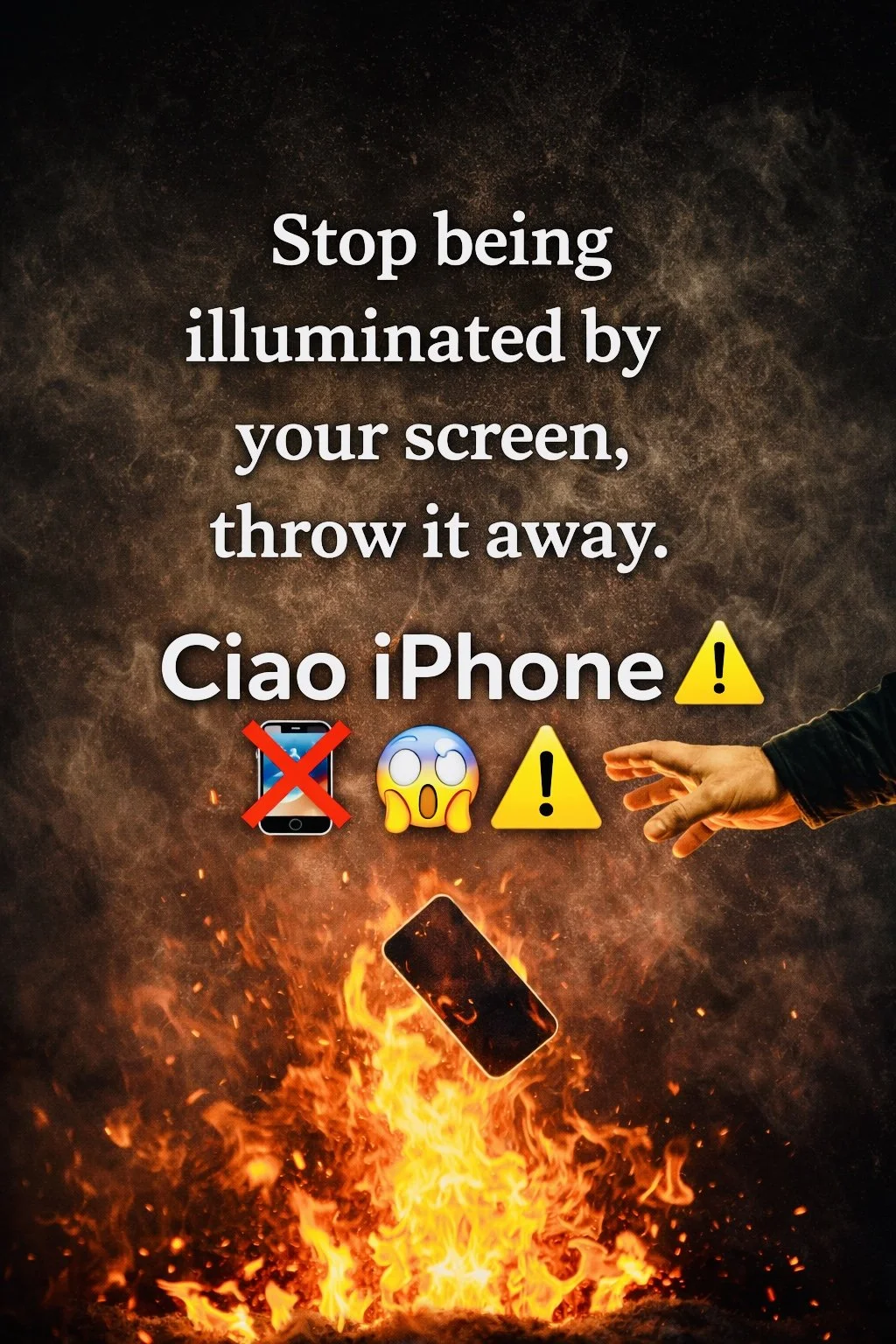
“If I am honest, my favourite artwork is often one I have not yet finished. The Illumination triptych — three nocturnal photographs of the Marcia Funebre procession at the Prediger in Schwäbisch Gmünd, taken on Good Friday — is the work that currently lives closest to me. Not because it is the most technically accomplished, but because it arrived at the exact moment it needed to. Holy Week, candlelight, a crowd moving through darkness in collective silence: I did not plan to make art that evening. I went as a witness. The camera was almost an afterthought. And yet those three frames hold something I have been circling around for years — the question of what remains of the sacred when it enters public space, when it becomes image, when it is watched by strangers who may or may not believe.
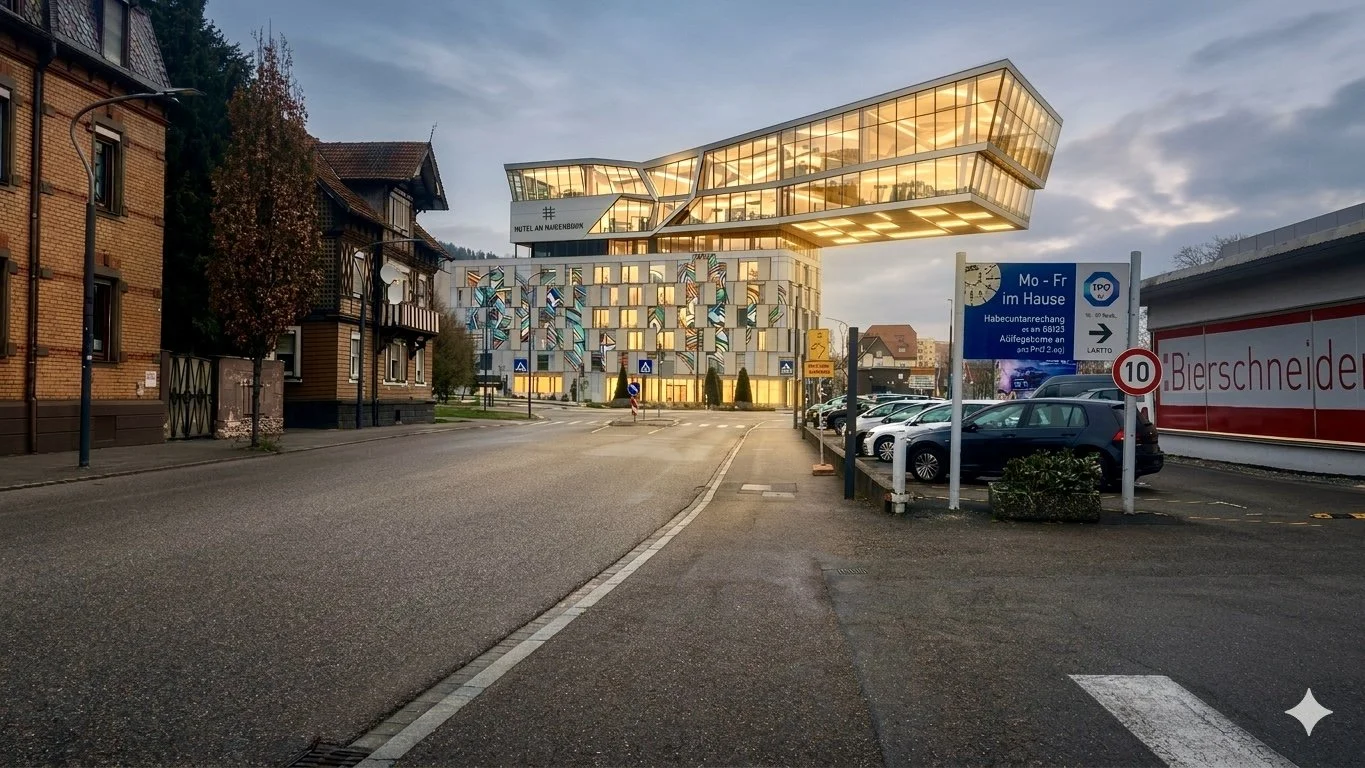
But there is another diptych still in the making that I already love: a work centred on a penthouse extension — the kind of architectural gesture that is simultaneously aspirational and absurd, hovering above the city with a strange mixture of ambition and vulnerability. That tension between elevation and exposure, between the desire to rise and the comedy of doing so in concrete and glass, is exactly the territory where Guerilla Diptychon feels most alive to me. Serious and funny at once.
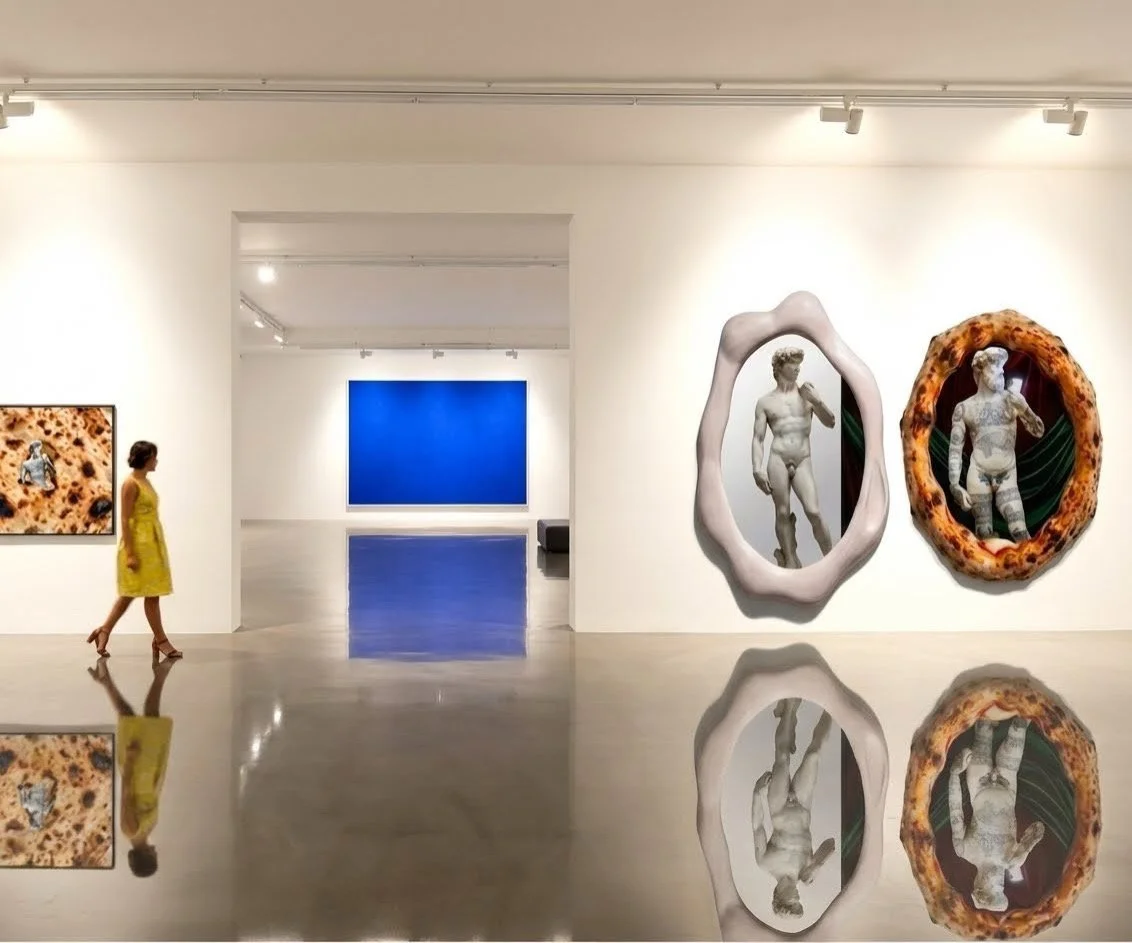
Beyond my own work, the piece I return to most is Yves Klein's Le Vide — the 1958 exhibition where he emptied a gallery entirely and declared the void itself the artwork. That audacity has never left me. It is behind every diptych I make: the conviction that the gap between the two images — the silence between document and speculation — is where the actual work happens. The void is not nothing. It is the most charged space in the room.”
Have you had any noteworthy exhibitions you'd like to share?
“Guerilla Diptychon is a young project, and I have deliberately chosen to build it with patience — the work is not yet ready for every wall, and I would rather wait for the right context than rush toward visibility for its own sake.
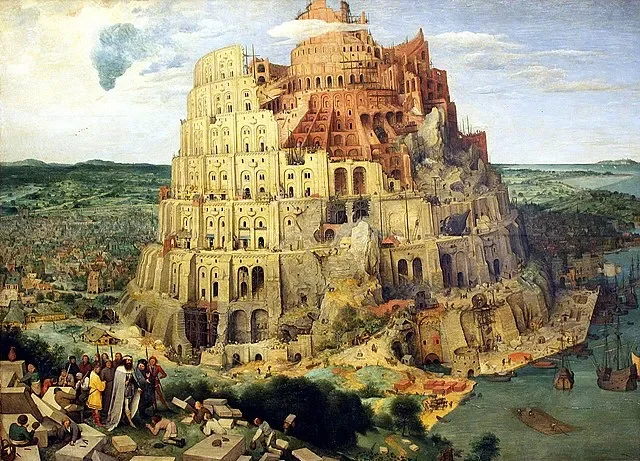
That said, the project has already found significant public presence. The Holy Week 2026 campaign — ten simultaneous Reels launched across multiple languages, invoking an inverted Babel concept — reached audiences across Instagram in German, Italian, English, Portuguese, French, and Spanish. The Illumination chapter, released on Good Friday, generated strong and immediate response. The digital space has been, from the beginning, a genuine exhibition venue for this work — not a placeholder for a future gallery show.
I am actively exploring submission to the Time Space Existence exhibition in Venice for 2027, one of the most significant parallel programs to the Architecture Biennale. And a physical exhibition at the Johanniskirche in Schwäbisch Gmünd is already confirmed for autumn 2026 — a space that carries its own quiet logic: the exact perspective from which Guerilla Domus was born is visible from there. A home within a home. The work returns to where it first saw.”
Website: www.2n2l.de
Instagram: @marco.iannelli.2n2l