Interview
Maartje Martisan
Based in the Netherlands, Maartje works at the intersection of lens-based art, spatial installation, and systemic psychotherapy. Her practice investigates how unseen relational patterns and transgenerational trauma shape human connection. By combining photography, poetry, video, and physical media, Maartje constructs spaces where personal psychology becomes a shared sensory experience—inviting reflection, reconciliation, and emotional resonance.
What is your background and how did you start your journey in the art world?
“As a child, my mother and I spent countless hours drawing together; she was deeply creative. Growing up, I was also always the one holding a camera when I was with my friends. I have always felt an innate, deeply rooted urge to create, and that has never stopped—I feel a continuous drive to make things. In the past, this manifested in everything from drawings to 3D work. During my orientation year at the HKU University of the Arts Utrecht, followed by four years at the New Academy Utrecht, I found myself creating almost exclusively self-portraits through photography. To further develop both my technical skills and my unique visual identity, I enrolled at the Photo Academy in Amsterdam. It was during my graduation there that everything clicked into place, revealing the true essence of why and what I create.”
What inspires you?
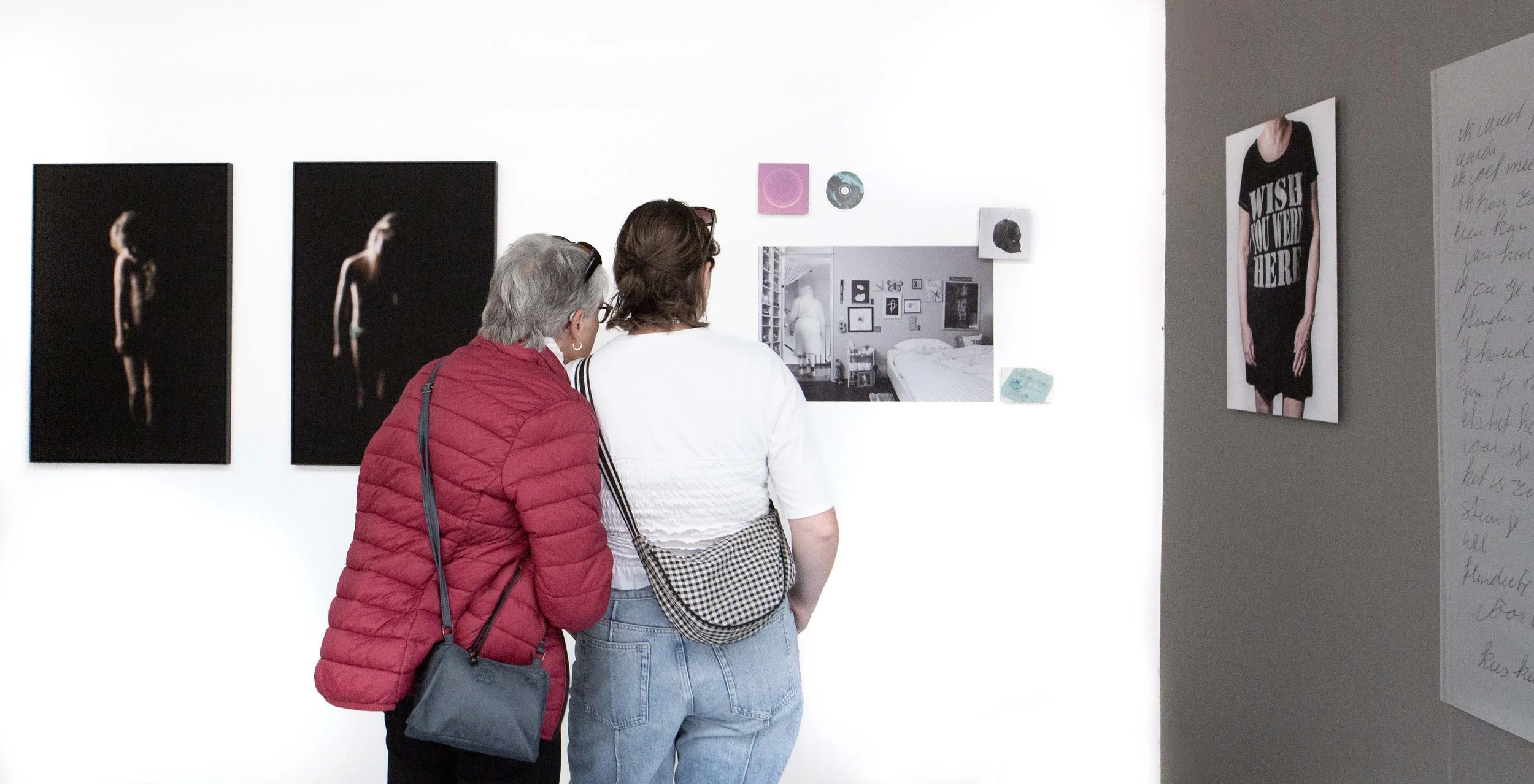
“I am deeply inspired by the intersection of psychology and art. It completely fascinates me how easily human beings can lose and find themselves. Conversely, in my work as a therapist, witnessing people transition from a state of disconnection to connection moves me profoundly. Which is why I named my art practice (dis)connect. I draw a lot of inspiration from scientific and therapeutic research papers exploring human behavior—the how and why behind what we do. Furthermore, simply observing, experiencing, and immersing myself in art is a constant source of inspiration.”
What themes do you pursue? Is there an underlying message in your work?
“My work heavily explores systemic thinking and what truly fosters healing in yourself and in relational dynamics. To make a living, I started working in healthcare at the age of 19. My career evolved from nursing and pedagogy to eventually becoming a systemic therapist, shifting my perspective from a traditional medical model to a systemic way of thinking. Working systemically started to feel like a personal mission, as I am convinced it contains the vital elements that allow people to feel more balanced in their lives. After numerous courses and specialized training—including the Photo Academy Amsterdam—I stepped forward as an active artist three years ago. My goal was not only to propagate this systemic vision within my therapeutic practice, but to allow people to actually experience and feel it through the medium of art.”
How would you describe your work?
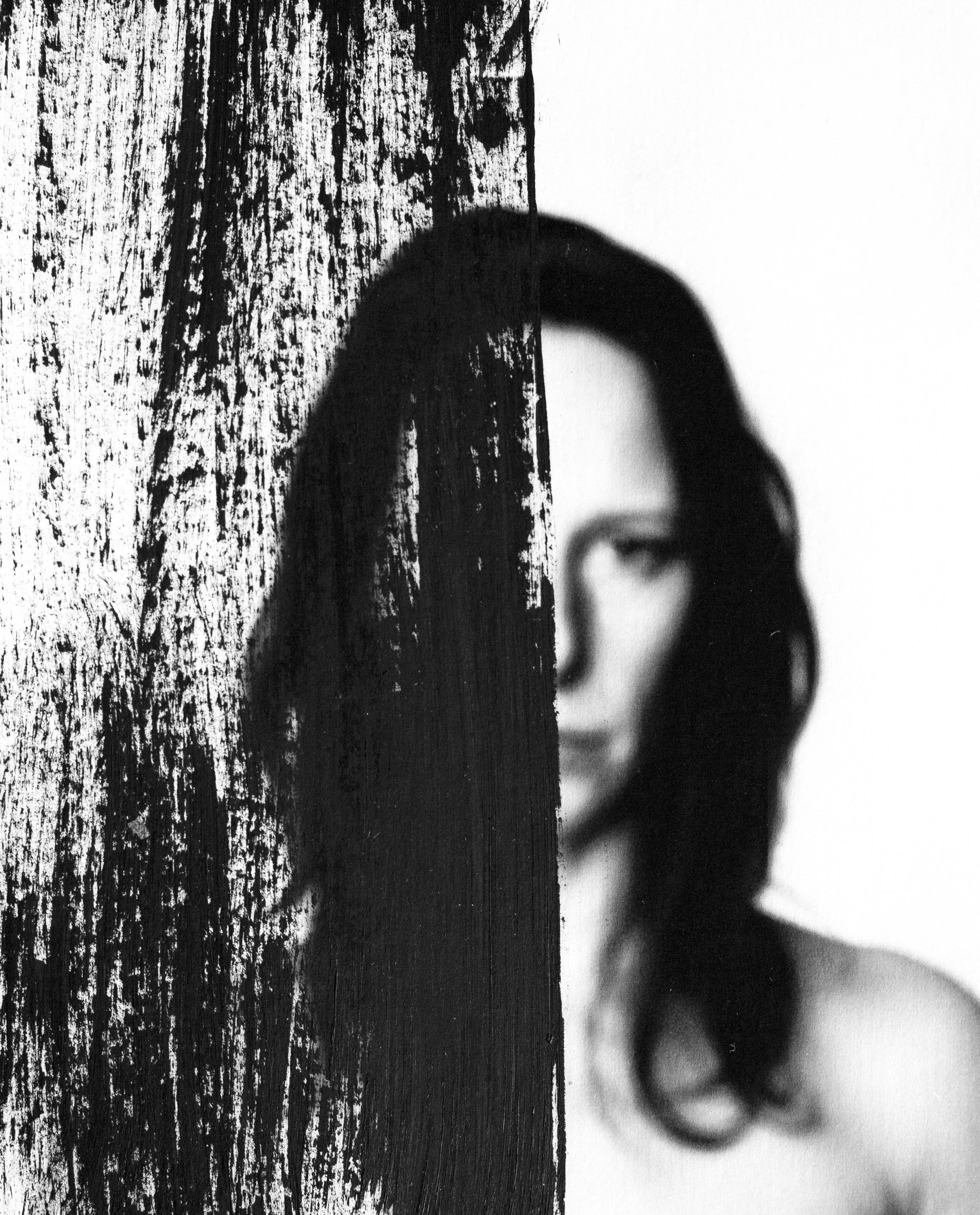
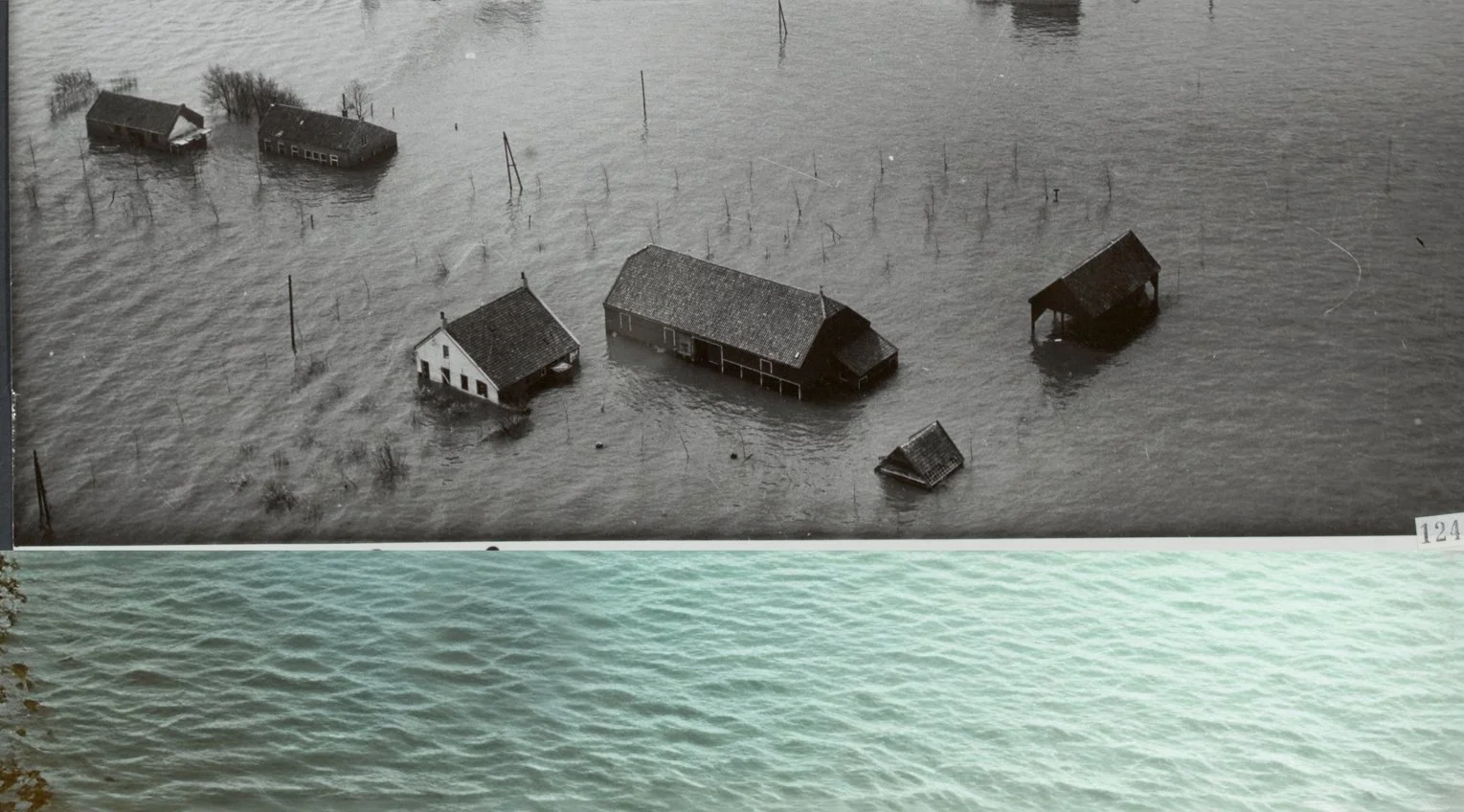
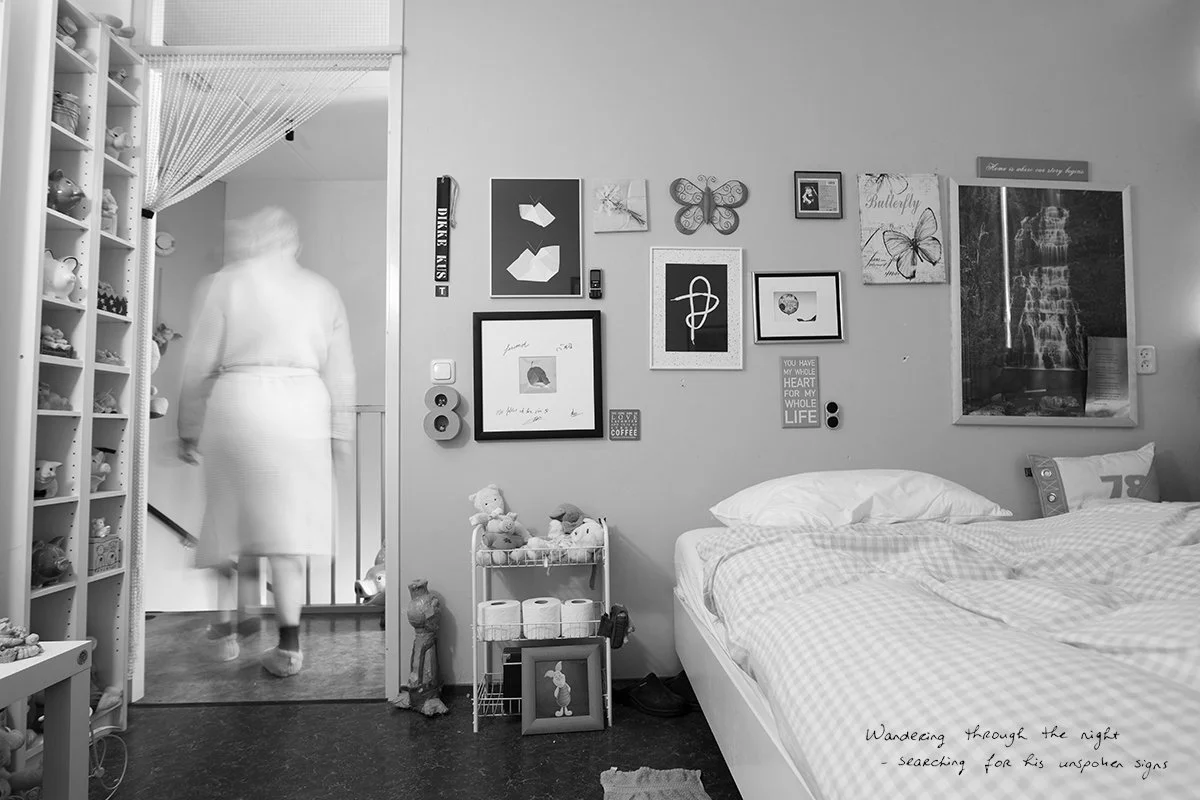
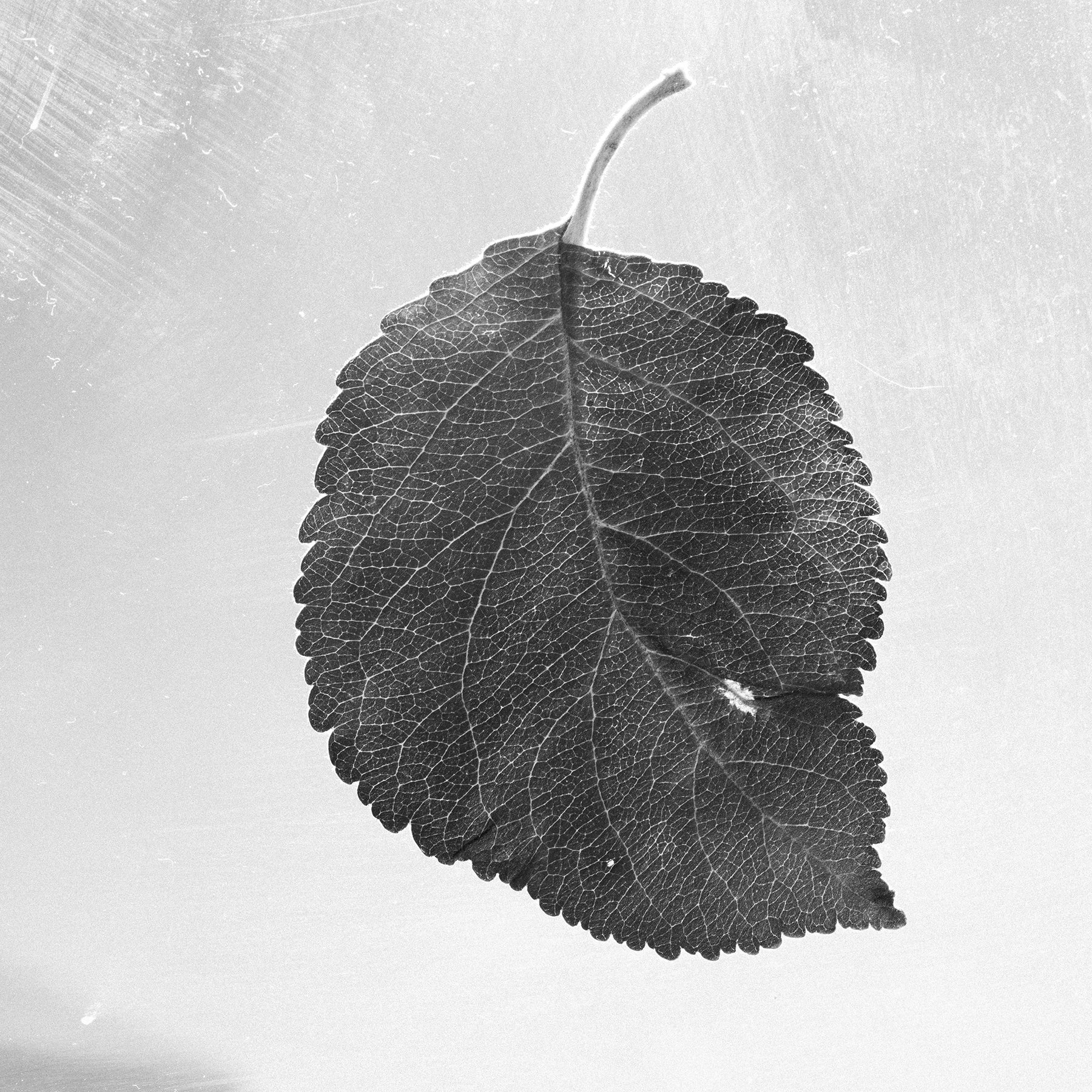
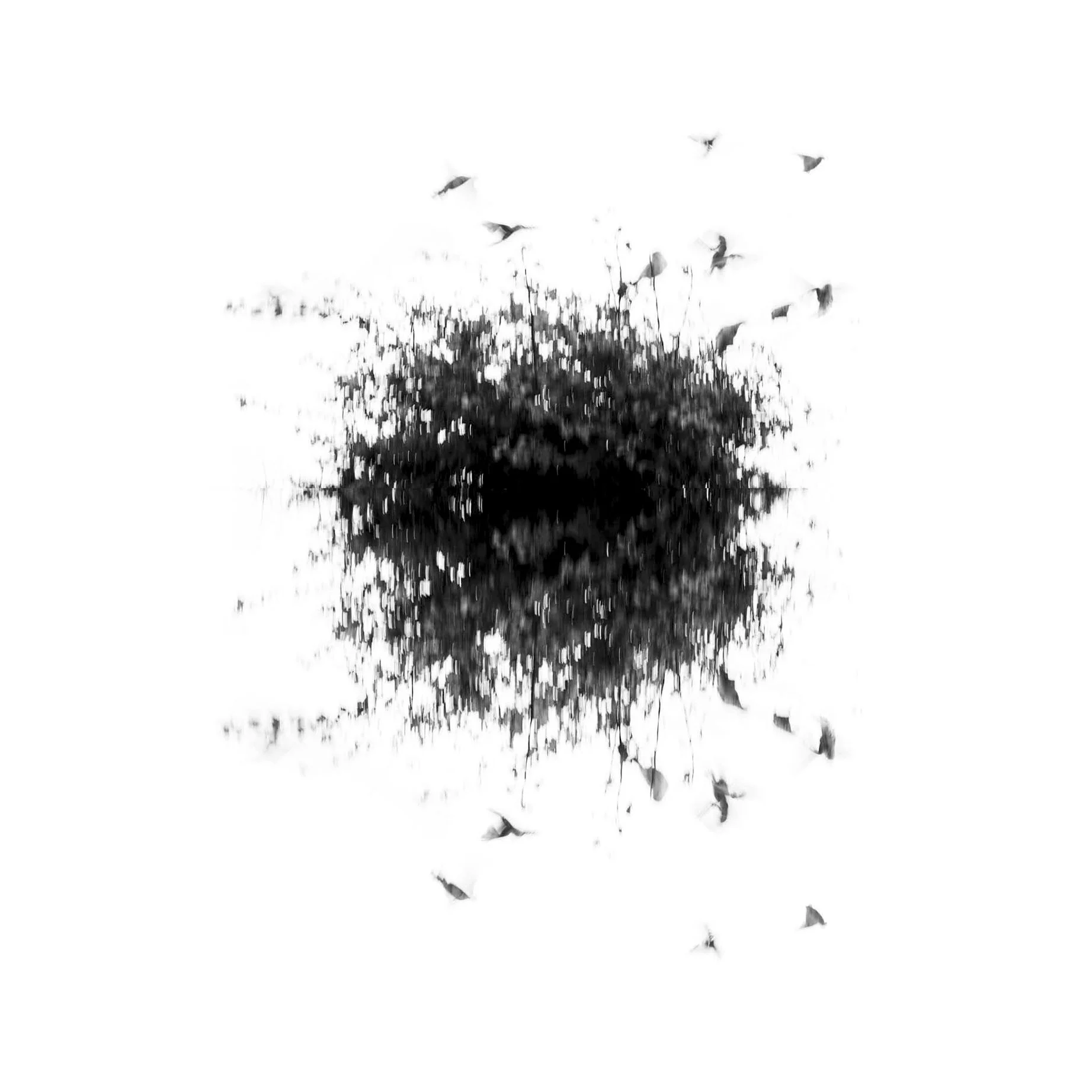
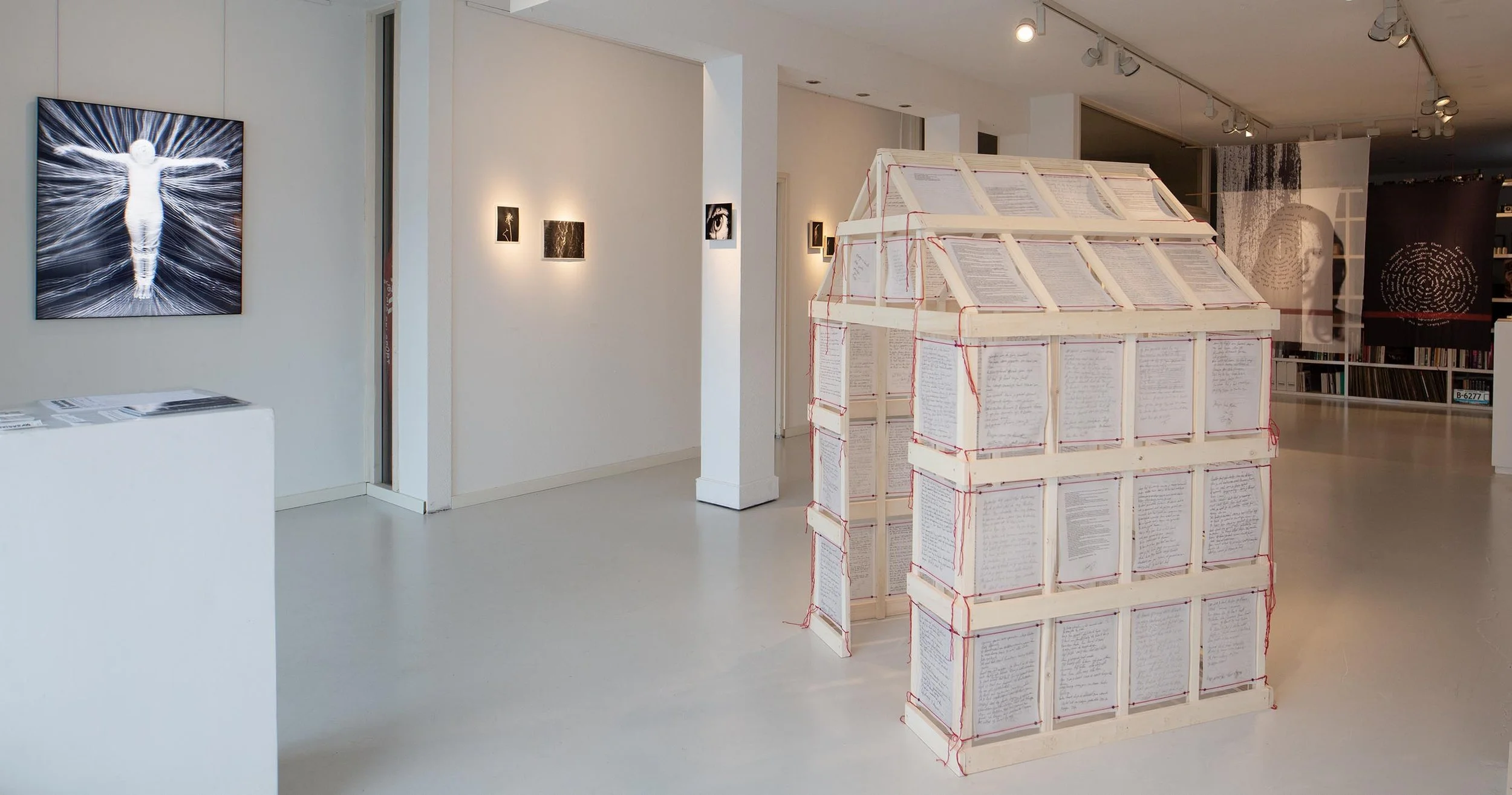
“‘By making the unconscious visible, we find our way to connection.’ My work explores the space between connection and disconnection. I investigate the dynamics we feel but rarely see: Where does the connection with the other begin, and where do we lose ourselves? I make extensive use of photography, sometimes blending poetry and paint, while also experimenting with other media (such as video or alternative materials) to create installations. Images emerge intuitively from my subconscious that, in turn, bring the unconscious back into conscious awareness.”
Which artists influence you most?
“Marina Abramović, for her continuous quest to explore and push personal and psychological boundaries through performance art. Louise Bourgeois, whose monumental installations directly address trauma processing. Her work evokes a deeply visceral, emotional response the moment you experience it in person.”
What is your creative process like?
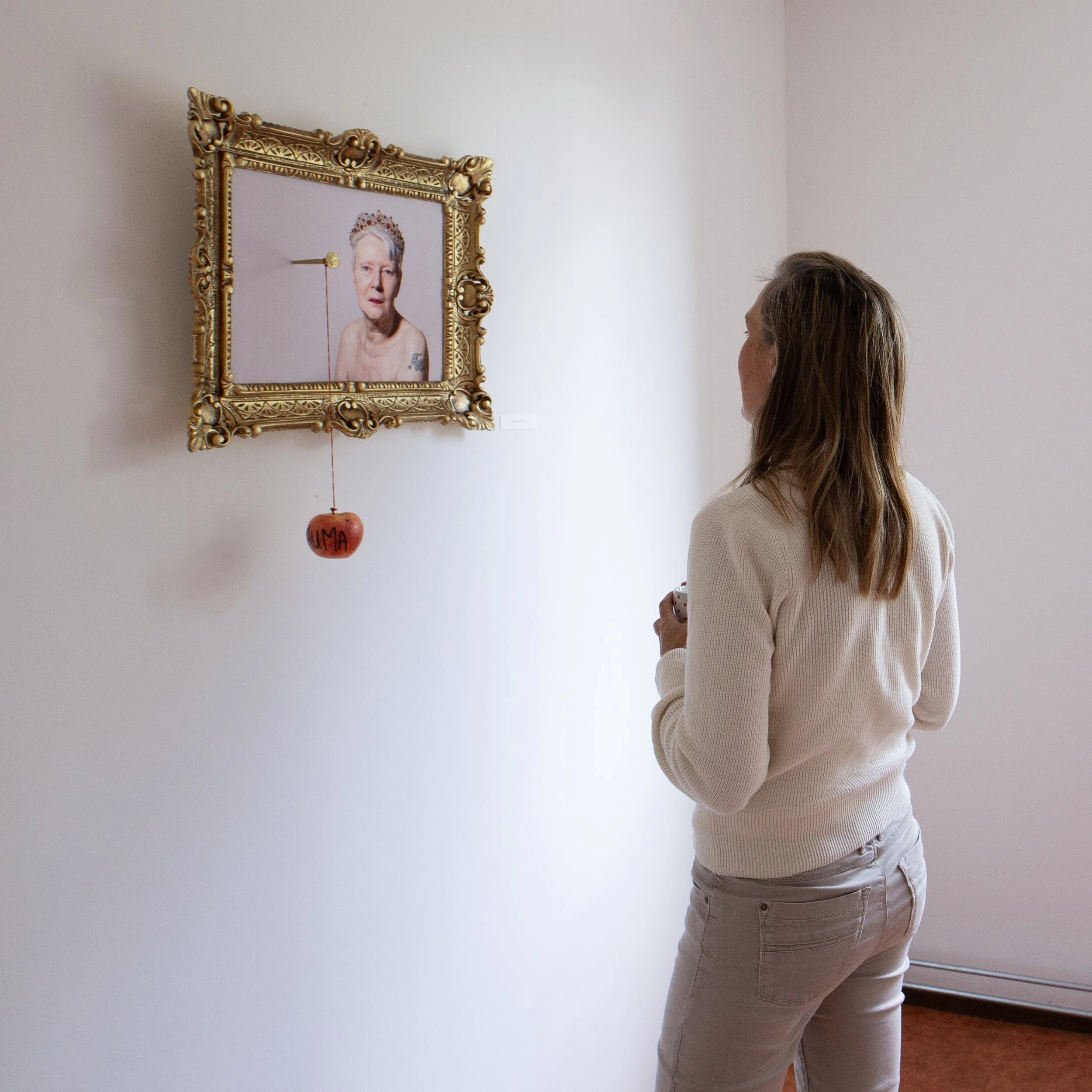
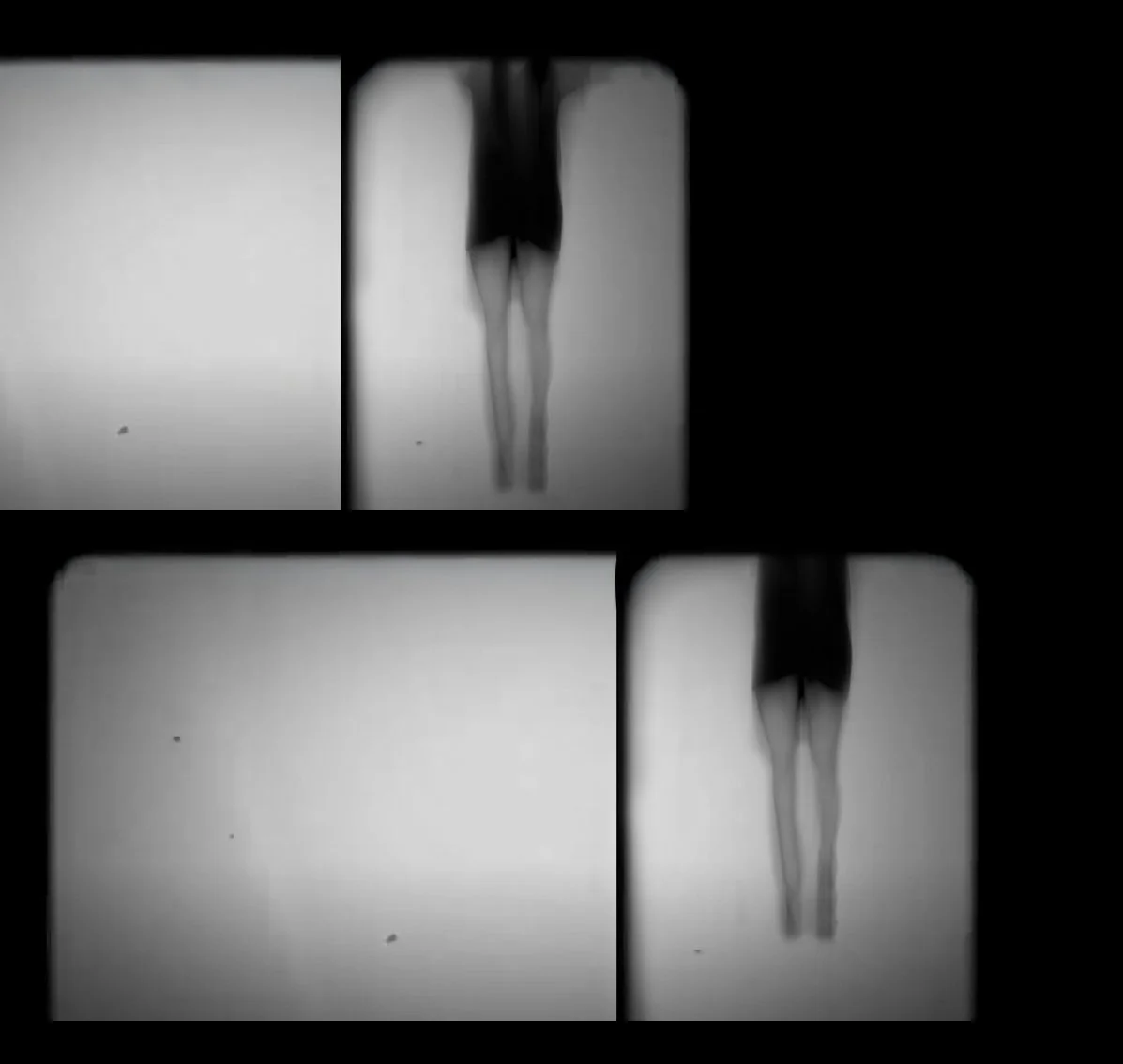
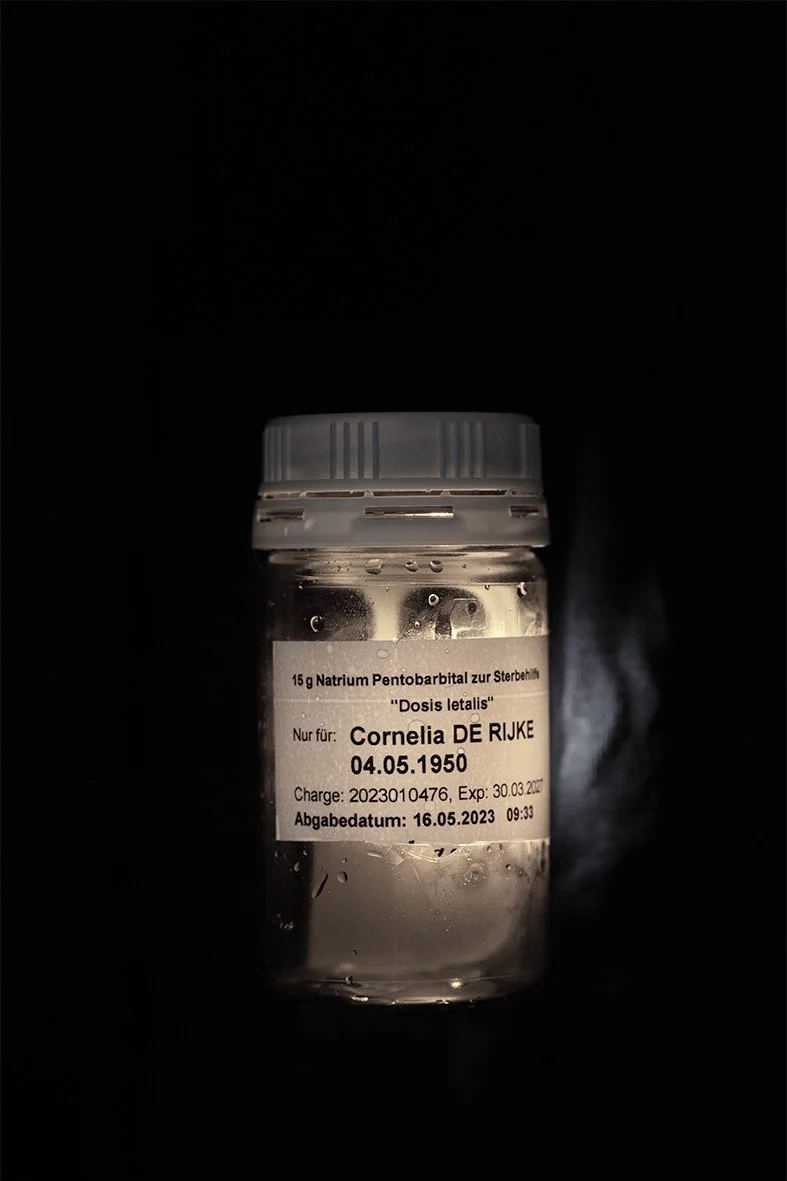
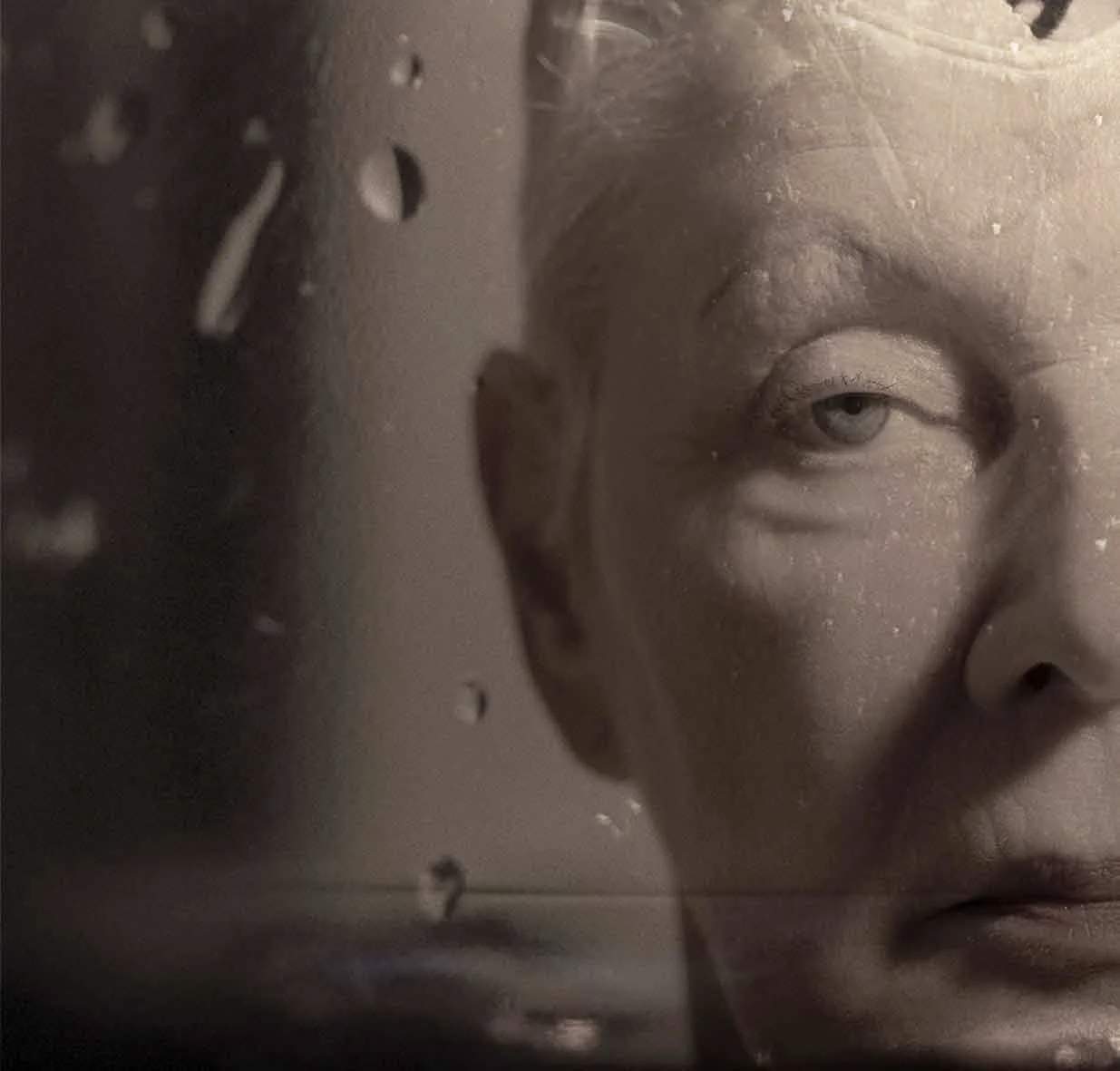
“I work intuitively, guided by my subconscious. Sometimes an image manifests itself instantly in my mind—often in the middle of the night—and I build upon that vision. These images are always very vivid and strong. Other times, I experiment freely in my studio, allowing images to emerge naturally. In those moments of creation, I often only fully comprehend what the work signifies much later. Eventually, the pieces of the puzzle fall into place, forming a cohesive project that slowly takes shape over time. These projects can span several years, during which I conduct ongoing research rooted in systemic therapy, linking theoretical frameworks to my visual work. Once the core of a project becomes clear, I begin to deepen and expand it. Currently, I am working on three projects. The first is Neverending End, an autobiographical body of work in which I attempt to break the cycle of transgenerational family trauma. I eventually realized that all those self-portraits I made during my time at the art academy were actually a way to give shape to my search for identity and to break through this trauma—something my mother unfortunately could not achieve. She tried to find connection by contacting a spirit, ultimately choosing death to be with him. Through my studies in healthcare and my self-portraiture, I managed to find a deeper connection with myself. Now, my journey continues as a mother, aiming to allow my children—the next generation—to live a more free life. This first project is still ongoing, gaining more depth after years of dedication. The other two projects are in their early stages, where I am currently shaping their foundational concepts.”
What is an artist’s role in society and how do you see that evolving?
“The role of the artist is vital in a society that relies heavily on cognition and rationale. Art speaks directly to emotion, and bridging the gap between the mind and our feelings is essential for us to feel whole as human beings. When we achieve that sense of wholeness, we move closer to true health. We fundamentally need our emotions to make decisions, to feel empathy, and to build and maintain relationships in all the roles we fulfill—whether as a partner, parent, friend, or colleague. Together with a fellow systemic therapist Téo Visser, I developed a workshop because we noticed the profound parallels between art and therapy when it comes to psychological healing. Both practices tap into and work with the subconscious, facilitating trauma processing and recovery. By stimulating the senses, art bypasses political and intellectual defense mechanisms to touch the shared emotional core of humanity. You cannot easily argue with a powerful melody or a poignant image; you can only feel it. In this way, art and therapy stimulate the senses and invite a shift in perspective. We transcend our immediate selves and integrate unconscious behavior into conscious awareness, allowing it to gain meaning within its context. We need this synthesis to achieve and maintain our well-being. Even with the rise of new technologies like AI, the role of the artist will remain paramount—perhaps even becoming increasingly essential as a human counterweight. As Alain de Botton beautifully framed it: ‘Art is a therapeutic instrument whose function is to help guide and seduce us into better states of being.’”
Have you had any noteworthy exhibitions you'd like to share?
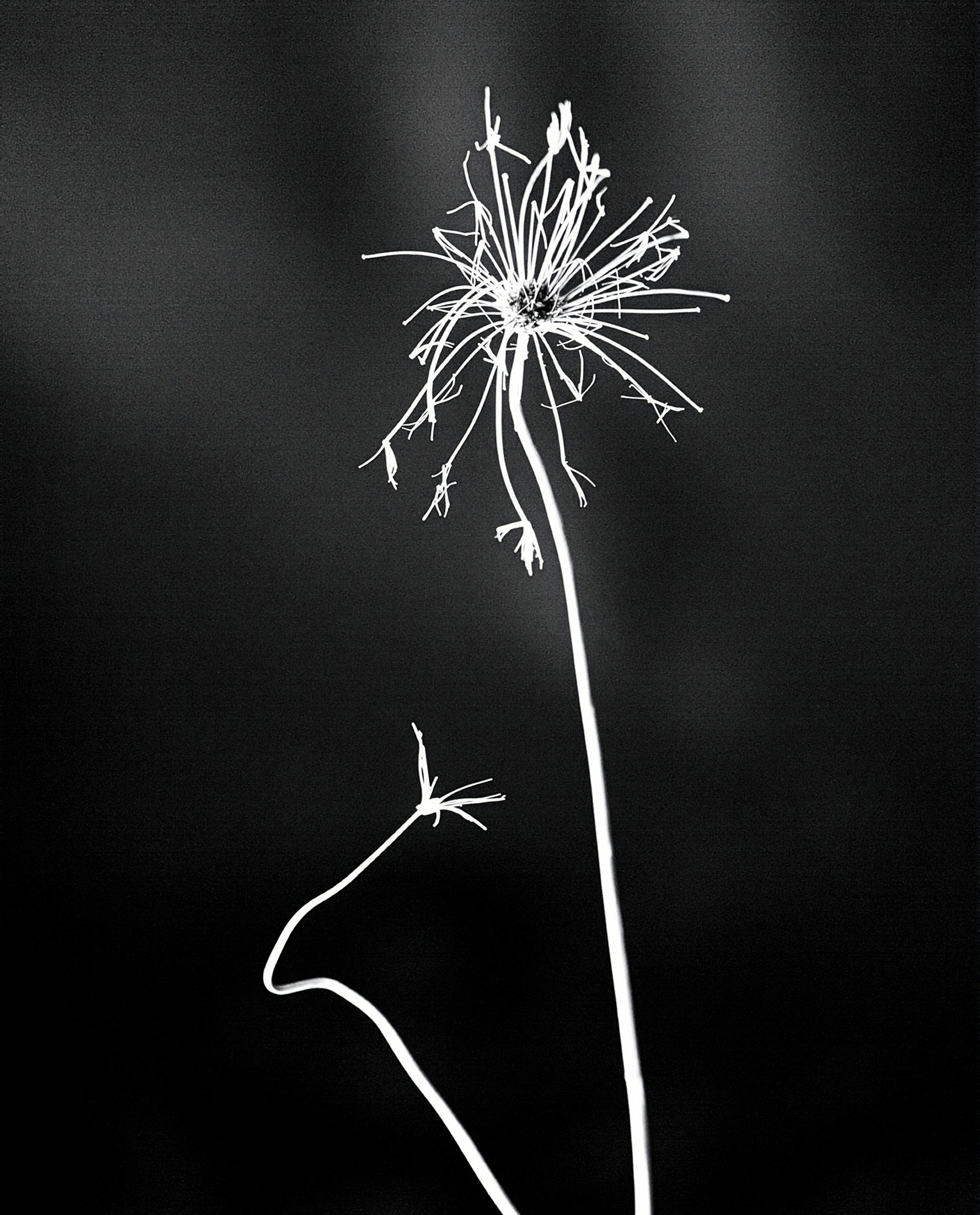
“My recent exhibitions include a group exhibition, Worlds in View, Profifoto, Arles, FR (2026); a group exhibition, Förderzimmer, Berlin, DE (2026)'; a group exhibition, Foto Event Nijmegen, Nijmegen, NL (2025); a group exhibition, Apeldoorn Photo Festival, Apeldoorn, NL (2025); and a group exhibition, Future What Future?, Wiesbadener Fototage, Wiesbaden, DE (2025) as well as a solo Exhibition: Hedendaags Kunstkabinet, Den Bosch (2025).”