
Interview
Joseph Cavallaro
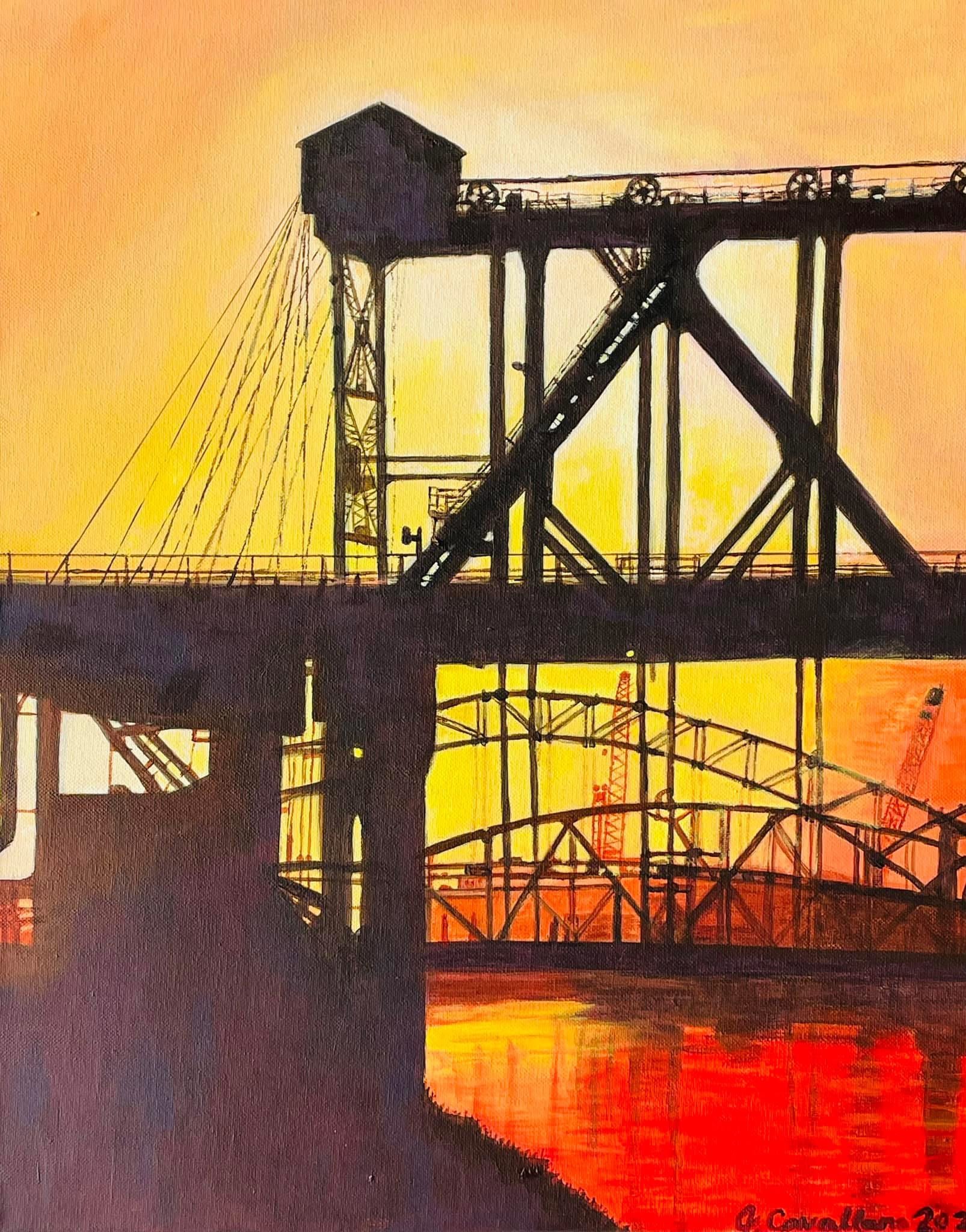
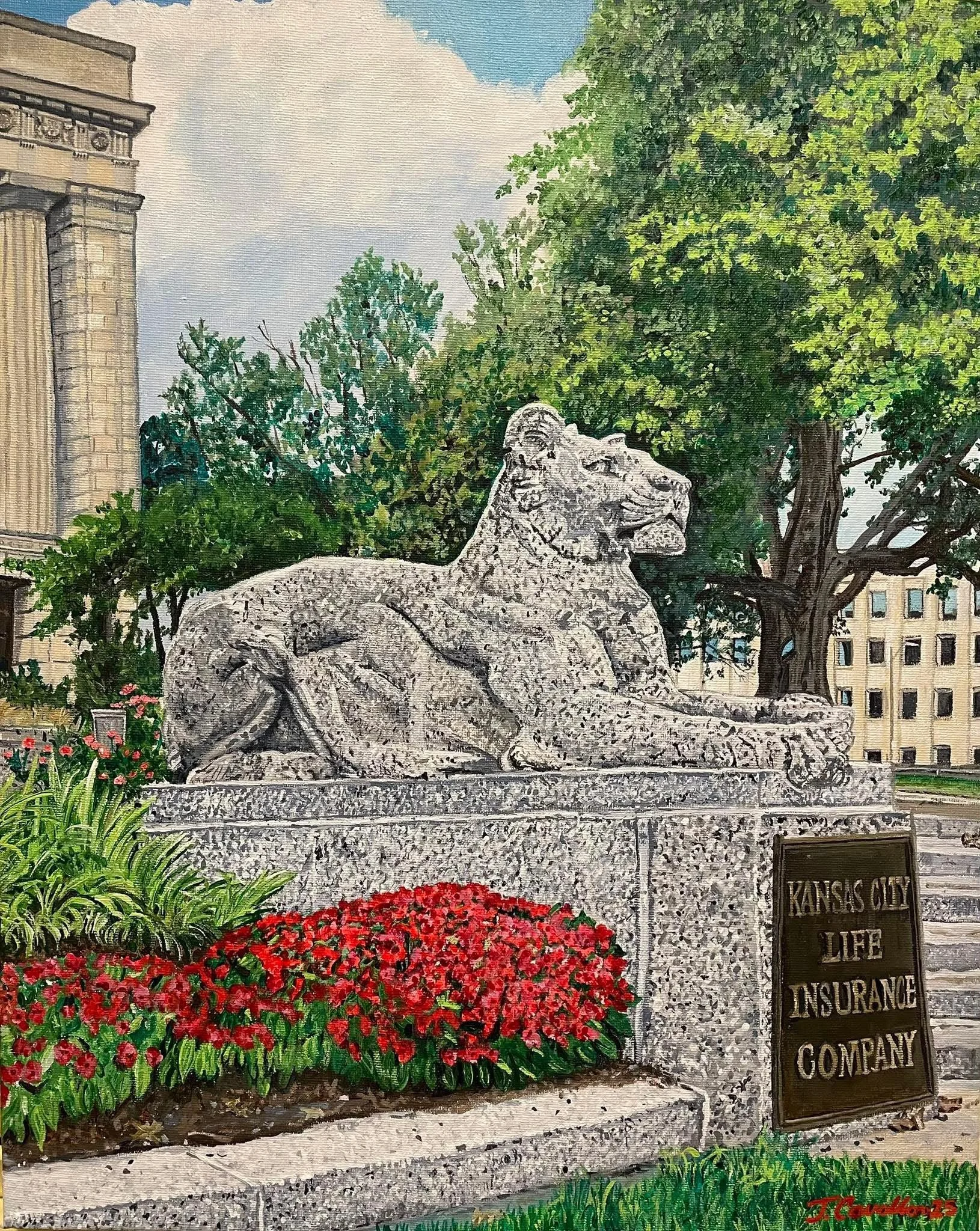
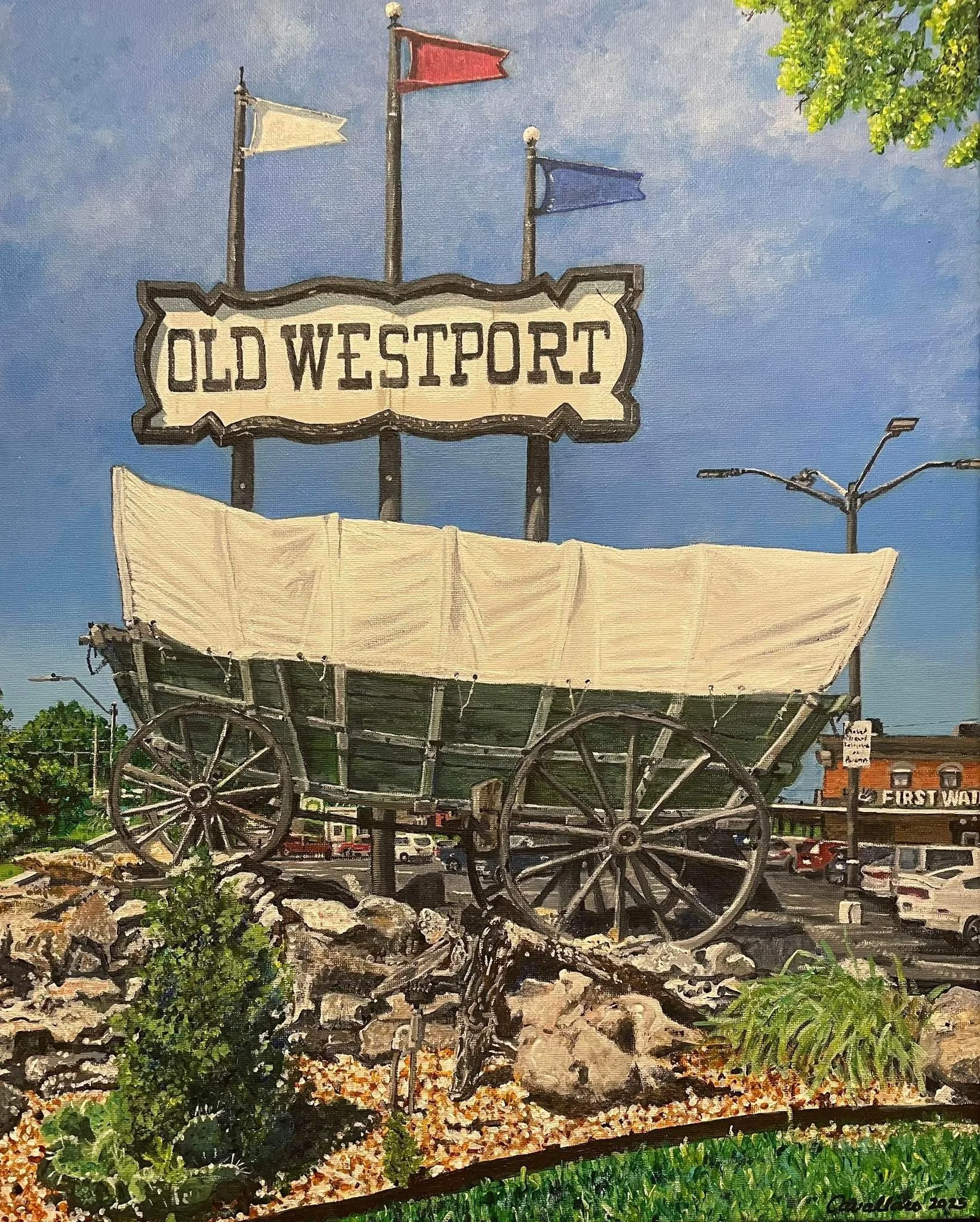
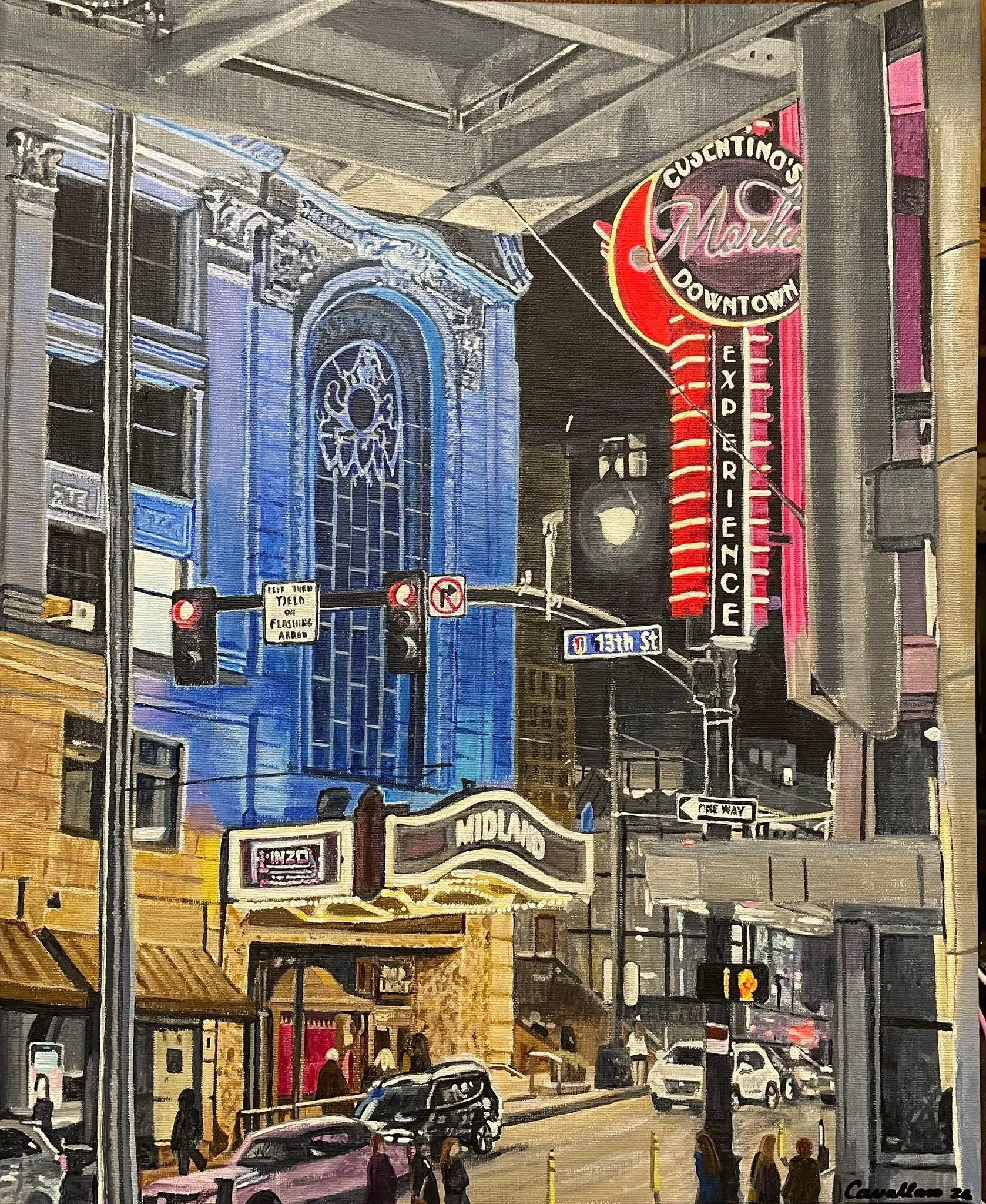
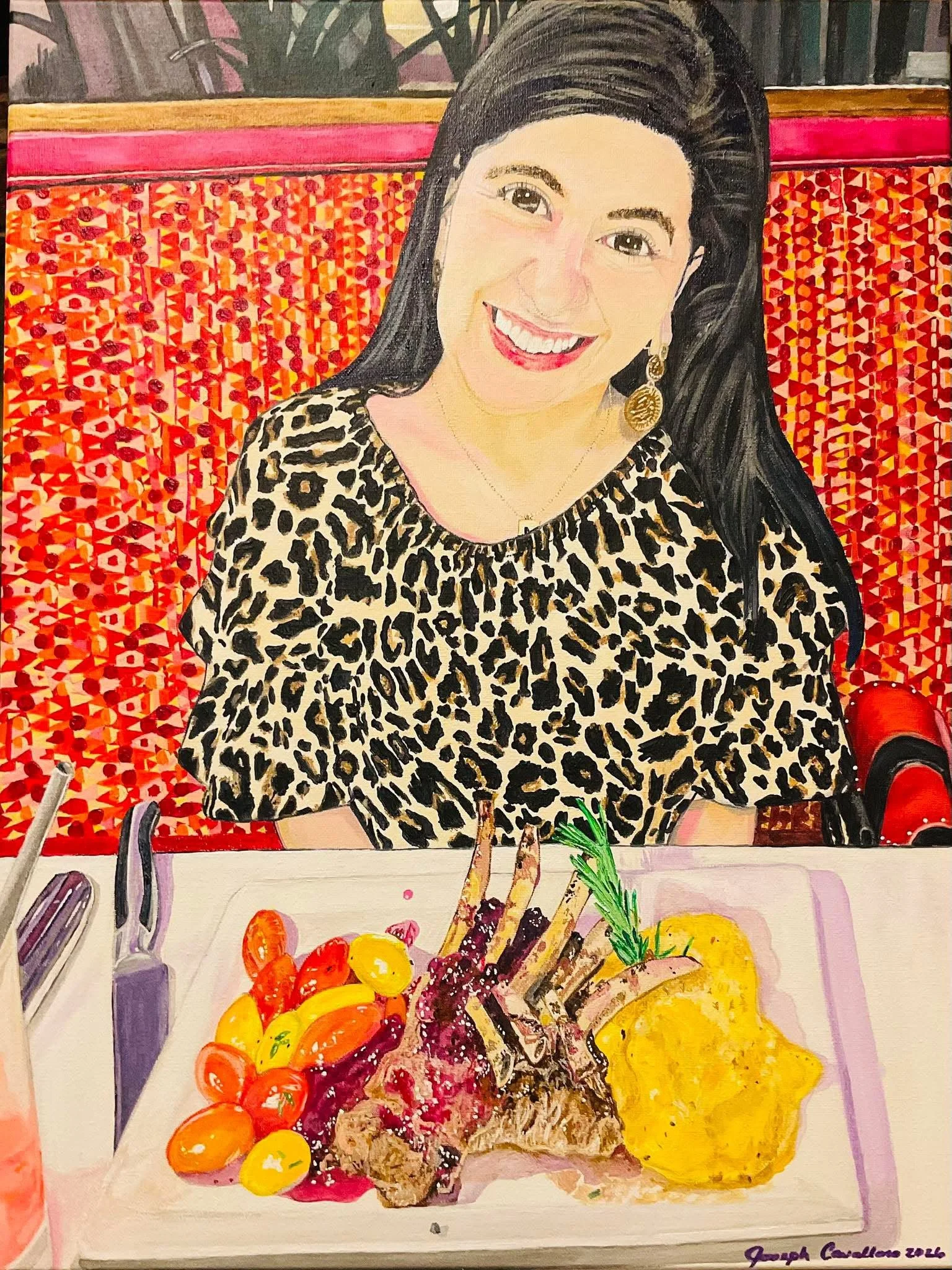
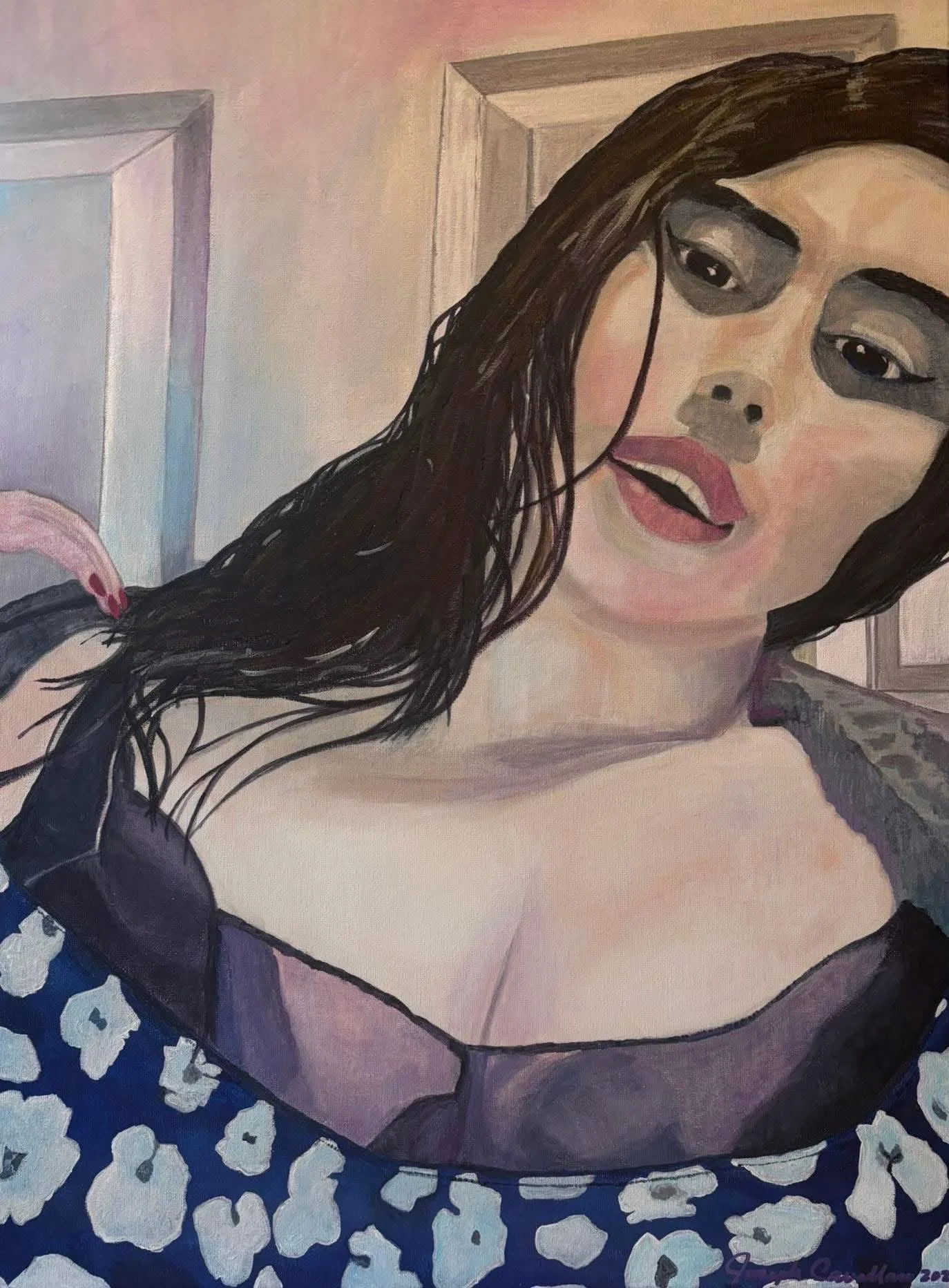
Joseph Cavallaro is an emerging artist based in Kansas City, Missouri, who enjoys both collecting art and creating colorful artworks. He is known for his city and regional themed paintings as well as figurative works too. He is an artist working largely in the acrylic medium on canvas. Cavallaro views his personal art portfolio as a visual documentary of his beautiful city and the rural areas surrounding it. His figurative works are meant to show simple everyday actions and behaviors that are relatable to the lives of most people. Joseph Cavallaro was born and raised in Kansas City, Missouri, was educated in the KCMO School District where he later taught for 28 years before retiring in 2020. He is a graduate of Northeast High School, William Jewell College in Liberty, Missouri, and received Masters Degrees form the University of Kansas City, Missouri. His love of art began as a child growing up in a house full of history and art books. He later attended summer art classes for children at the Nelson-Atkins Museum of Art where he developed an early love for creating art.
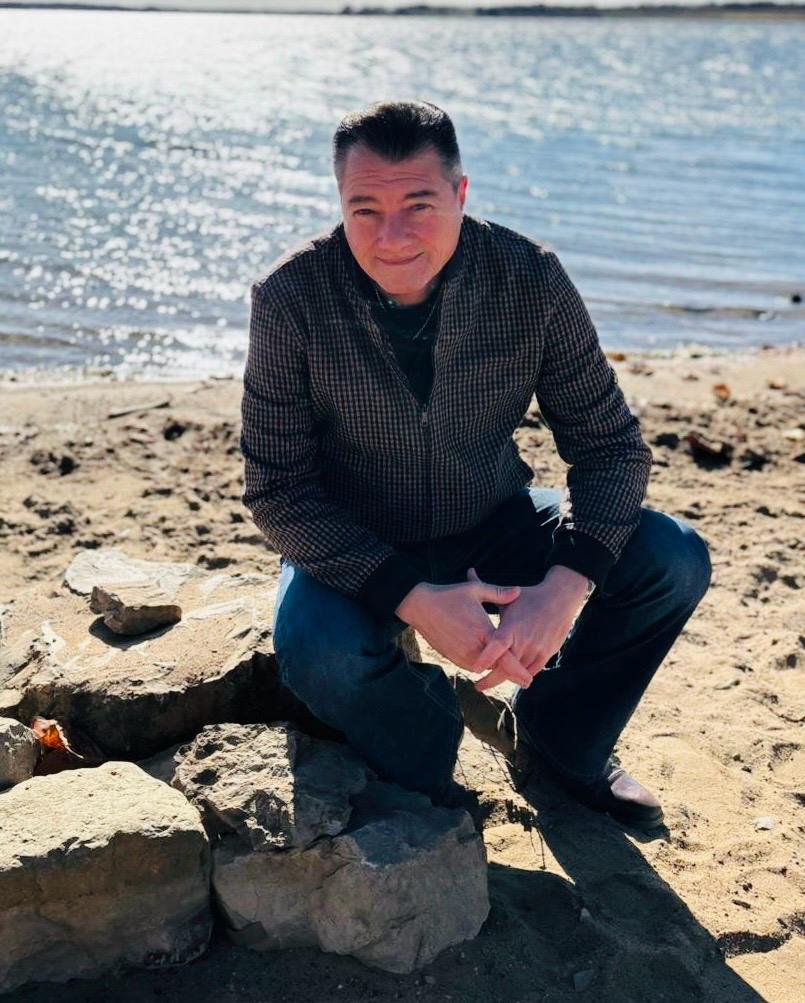
Upon retirement from teaching, Joseph took private art courses in early 2024 with Michael Schliefke, a Kansas City professional artist and a graduate of the Kansas City Art Institute. It was Michael who encouraged Joseph to KEEP PAINTING and that is exactly what he has done - producing, on average, one painting a month since March of 2024. After being reluctant to show his art, Joseph only recently submitted work to an international juried show and received a talent prize - his first recognition of any kind. He is currently working on a new artwork combining his love of figurative painting with a well-known historic landmark in his city. His artistic mission is to create art that will instantly draw the curiosity of onlookers and perhaps invoke memories of their own life experiences.
What is your background and how did you start your journey in the art world?
“I grew up in a home that had a large library of history and art history books and as a child, I always enjoyed looking at the photos and reading the captions. That was my first introduction to famous paintings and artists. My parents were both art lovers and my dad was actually very good at both drawing and painting. He had wanted to attend art school after high school but financially, that was impossible for my grandfather. I think I received any talent that I have as a painter from my father. My family was fortunate to live in Kansas City, Missouri - a city that arguably has one of the finest art galleries in the country and probably in the world - the Nelson-Atkins Museum of Art. My mom took my sister and I there often to see the paintings and the special exhibits and since she didn't drive, we made the trip across the city by bus. The Nelson offers art classes for children so my mom enrolled us in those classes for several years during our elementary school year summer breaks. The art classes would focus on a theme and as students, we were taken to special areas of gallery to see examples and to learn a little about what we would be asked to create once we returned to the classroom. Our finished artworks would be exhibited in the lower halls for everybody to see. That was always exciting.
When I was in elementary and high school, art classes were still very important and I had a lot of very good art teachers. I didn't think much about this in college because other than two art history classes that I took just because I loved art, my studies focused mostly on history and art was only addressed as a means to identify social and cultural life of different historical periods. Eventually, I became a teacher and worked in urban public schools for 28 years before retiring in 2020. I kept my art skills rather mute during my teaching career because if a staff got wind of your abilities, they would ask you to work on special decorative projects for the school or for a school event. Teaching was exhausting enough. A few years before retiring, I decided to start building a personal art collection. At first, I bought what I loved but in time, I focused on collecting listed American and European artists of the 20th century - basically regional artists that were affordable to buy. I discovered a lot of my works in antique malls and online auctions. At the same time, I started to build an art library too which I now realize has been very inspirational for me as a painter.
It was after doing this a few years that I seriously started thinking about painting myself. I could draw and sketch rather well and I had even worked a little with clay and in watercolor but I didn't know how to paint with other mediums. Once I retired, I had time to try. My wife surprised me with a birthday gift in December 2023 - eight sessions of art classes with a professional artist and Kansas City Art Institute grad - Michael Schliefke - a very talented artist. His studio is located very close to my house. He taught me how to paint with acrylic paints and on the day of my last class, he told me to keep painting - never stop - and that is what I did. I have painted at least one painting every month since that last class with Michael. When I think about this, I realize that I should have been painting many years ago and that drives me to paint as much as I possibly can today. I feel that my parents, a home library, museum visits and classes, school teachers, my personal collection of art and art books, the brief time I spent learning from a professional artist, and my willingness to learn and to continue painting have all been part of a long journey that has taken me to a place that I never actually expected to be.”
What inspires you?
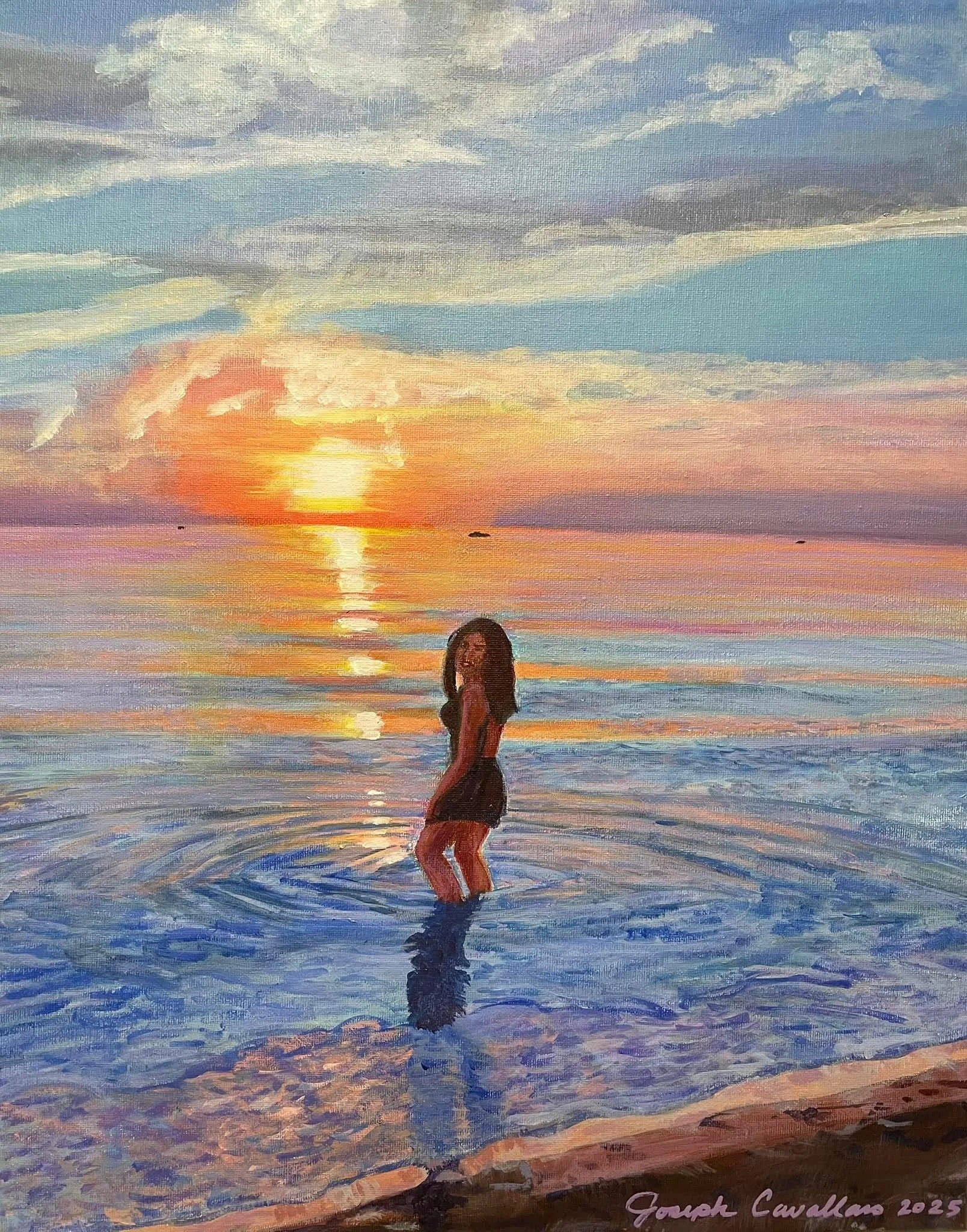
“I draw much of my inspiration from my daily observations of the world around me - from color and how it changes in light, from the beauty of the human form, from the natural world, from old buildings and structures, and from the clouds in the sky. Whenever something catches my eye, I will photograph it several times from different angles with the intent of perhaps painting it in the future. Many of the scenes I use in my paintings are from photographs I personally took and that are connected to the inspirations I mentioned above. I am also greatly inspired by the artistic works of other artists - both contemporary and from the past. You can learn so much just by looking at the work of other artists and I do this a lot - either by looking at books or by visiting galleries and I am lucky to have several really nice galleries in my city and nearby - St. Louis, Omaha, Tulsa, Oklahoma City, Denver, and in Bentonville, Arkansas, to name a few. Finally, I read a lot of art biographies and I am always very much inspired by the stories of so many of the world-renowned artists that are today household names.”
What themes do you pursue? Is there an underlying message in your work?
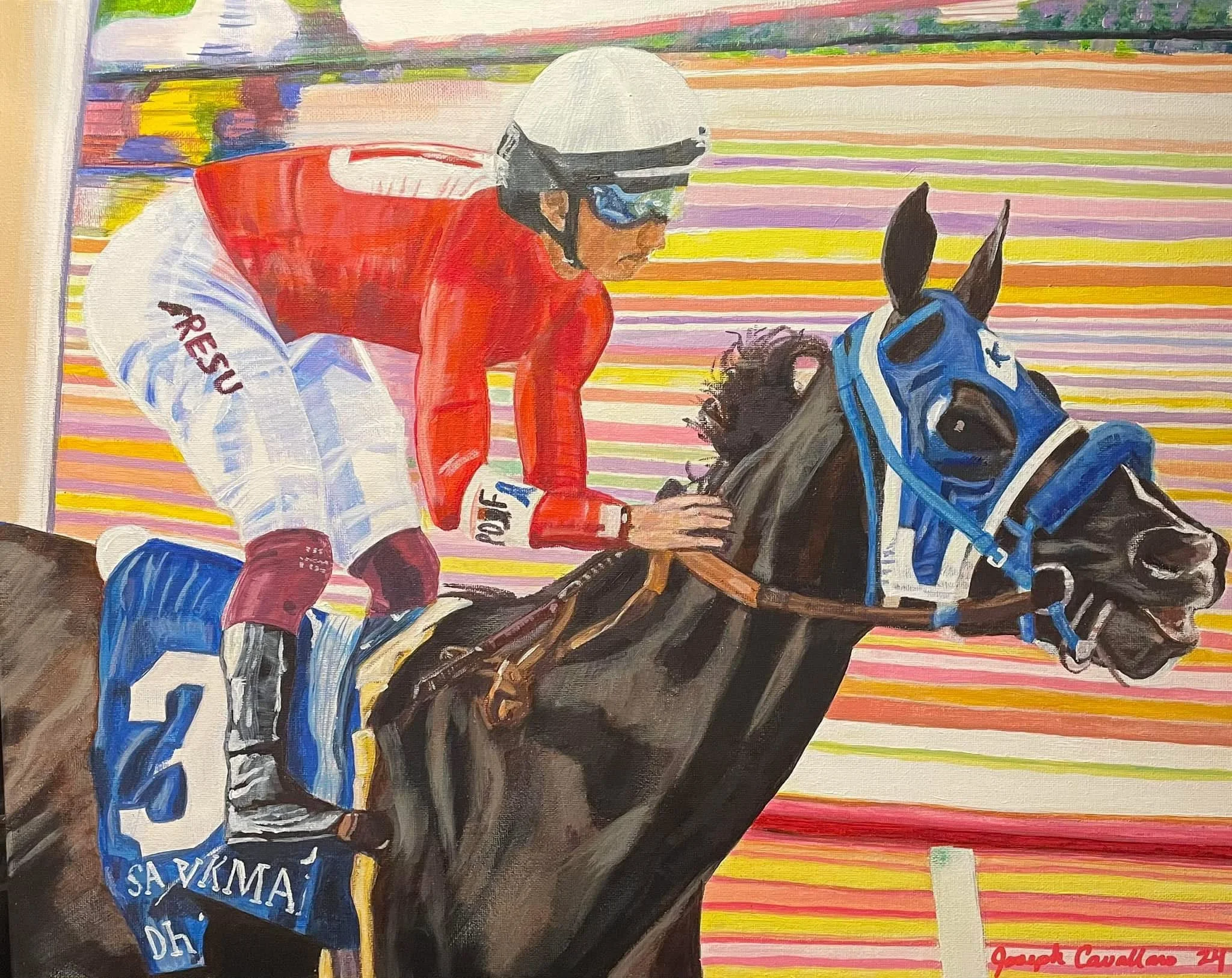
“I purposefully have tried to paint a variety of themes for two reasons. First, I enjoy challenging myself and I learn a lot about technique when doing so. Second, I don't want to define myself as an artist that only paints one theme or subject. For this reason, I have painted scenes of my city, a landscape, paintings featuring water, horses on the run, figurative works, abstract works, and the beauty of the female face and figure. I have ideas for a painting with a societal message and that might come in the future but at this point in time, it only exists as a debate inside my head. For now, I want people to just be able to enjoy my work for the color, the detail, the subject, the effort, and the connection to the contemporary world and perhaps to their personal lives. An underlying message to the works that I have produced in the last couple of years would be that there is absolute beauty in the very colorful world that we live in and that it can be found almost everywhere if we just take the time to look for it.”
How would you describe your work?
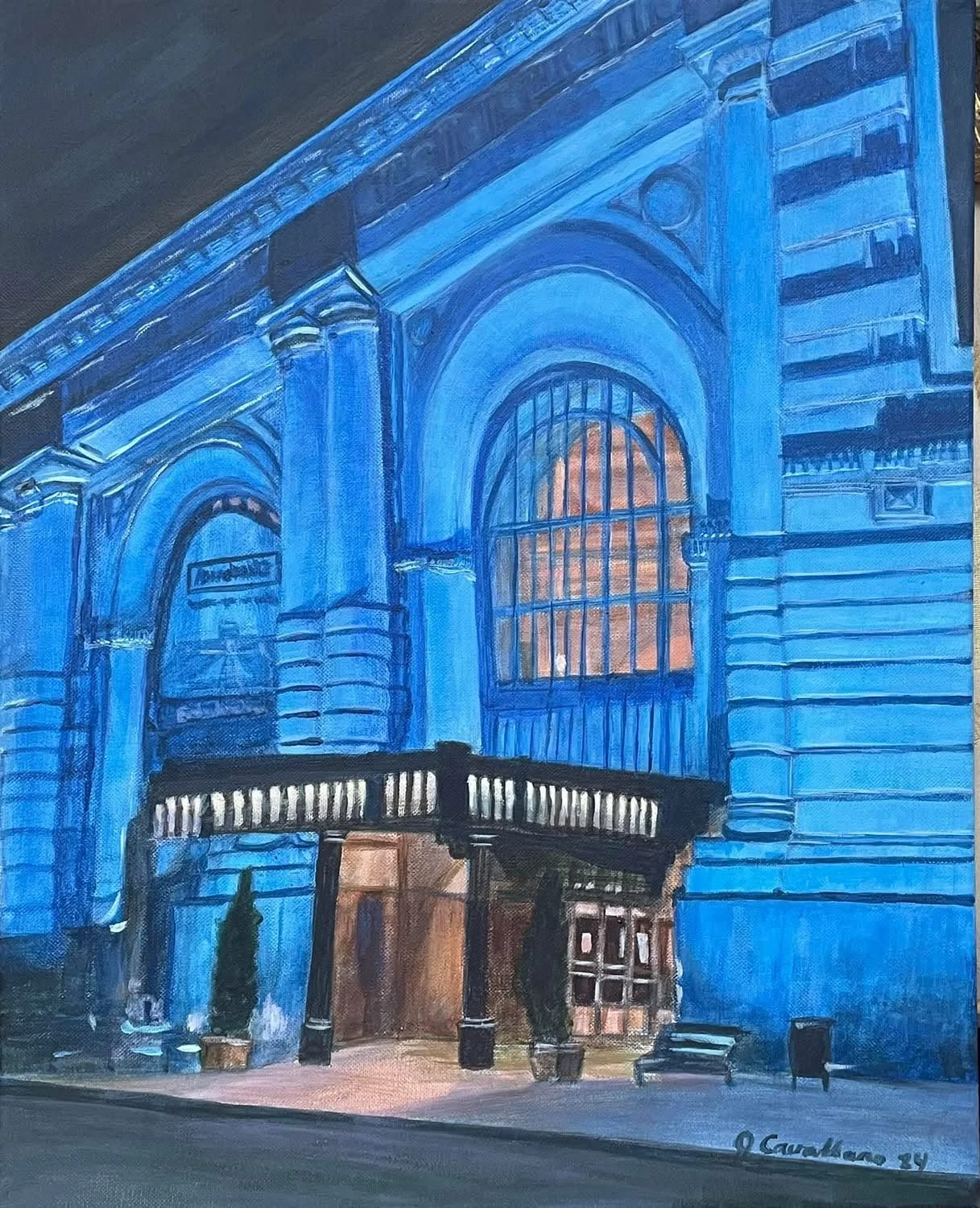
“I would describe most of my work as a combination of realism and modernism blended with some impressionistic qualities through the use of brilliant color and detail. Like most artists, I have a fascination with color and even though I was trained to mix colors and I enjoy doing so, I find myself often applying paint straight from the tube. I also tend to paint with a lot of detail and sometimes I think that is directly connected to my years painting military models with my father. I would also describe a lot of my work as a contemporary documentation of my hometown, region, and social setting, - paintings for future generations much like the works of the WPA artists working throughout the country during the Great Depression and the early years of WWII. I have always admired their works and much of what they painted, no longer exists today. I would be happy if my work can someday help future generations understand a little about my city, region, or society, as it exists right now.”
Which artists influence you most?
“This is such a difficult question. I feel inspired by so many of the modernists - from the Impressionists to now. I love so many artists and as I have said, I look at their works to learn and gain ideas for my own paintings probably on a daily basis! I am greatly influenced by the works of Edward Hopper and my hometown artist, Thomas Hart Benton. I also feel influenced by the works of American Regionalist John Steuart Curry. The colorful early works of self-taught Fauvist Maurice De Vlamink and of course the amazing paintings created by Van Gogh are a huge influence - the colors! I also feel influenced by the social scenes of American painter Guy Pene du Bois and the colorful and abstracted scenes of the great Jacob Lawrence. Frida Kahlo is another influence. Her portraits are incredible.”
What is your creative process like?
“My creative process usually involves observing something that catches my eye, forces me to pull out my camera, and snap several pictures that I later crop in order to focus on a particular area. Things that often draw my attention are architectural elements, light reflections, the sky, clouds, an intensity of color, neon lights, skylines, and female beauty which is always challenging to paint (at least to me). I freehand sketch all of my works onto the canvas without the use of a grid, outline, color block and then build up layers of paint. I usually work at night and into the early hours of the morning and I often do so listening to music. I spend a lot of time working on detail, shading, and outlining in order to make my subjects stand out. If I don't like something, I will spend a lot of time making corrections that will satisfy me. I enjoy working on larger canvases rather than smaller canvases. Lately, I have begun creating my own works from imagination or I have added figures to my works that were not in my original photograph. In this sense, I am finally beginning to experiment with my work. I varnish all of my paintings to enhance color and to protect the works. I sign all of my paintings front and back and date them as well.”
What is an artist’s role in society and how do you see that evolving?
“I can't even begin to stress how important artists are to society - an importance in my mind so critical as to make them absolutely ‘essential workers.’ The role of the artist in society is manifold. Artists have always been storytellers and they continue in that role today. The are creators of beauty but, many chose to purposefully point out the ugly in our world and that is both necessary and important because we need to be reminded of the dark too through art! Artists are also historians and educators in the sense that they often tell the story of their contemporary time period through their work and through that work, we are helped to understand the past more clearly. Artists are innovators that have the power of showing people the possibilities that can be achieved through artistic mediums - whether through painting, drawing, illustrating, sculpting, collage, design and graphics. They encourage people to try and that no time is too late to do so. I also feel that artists are people who are always curious about the works of their peers and often willing to impart sound advice or critique, encourage, and teach new ways of doing or seeing things. I would think that the many roles of the artist that I have mentioned would continue to evolve and strengthen as we move into the future but I also see many challenges - whether it be with the advent of AI or with the expansion of ideas that suggest art is a threat rather than something that can unite people around the world.”
Have you had any noteworthy exhibitions you'd like to share?
“Until very recently, I have only shown my work to family and friends on social media and to followers on my social media accounts. I recently submitted works to TARAVARNA's 11th Color International Juried Art Competition and won a talent prize. The online exhibit runs from July 23 to August 31, 2026. This is my first exhibit for any painting.”
Instagram: @the_artchaeologists_gallery
Brush Bio: brush.bio/josephcavallaro