Interview
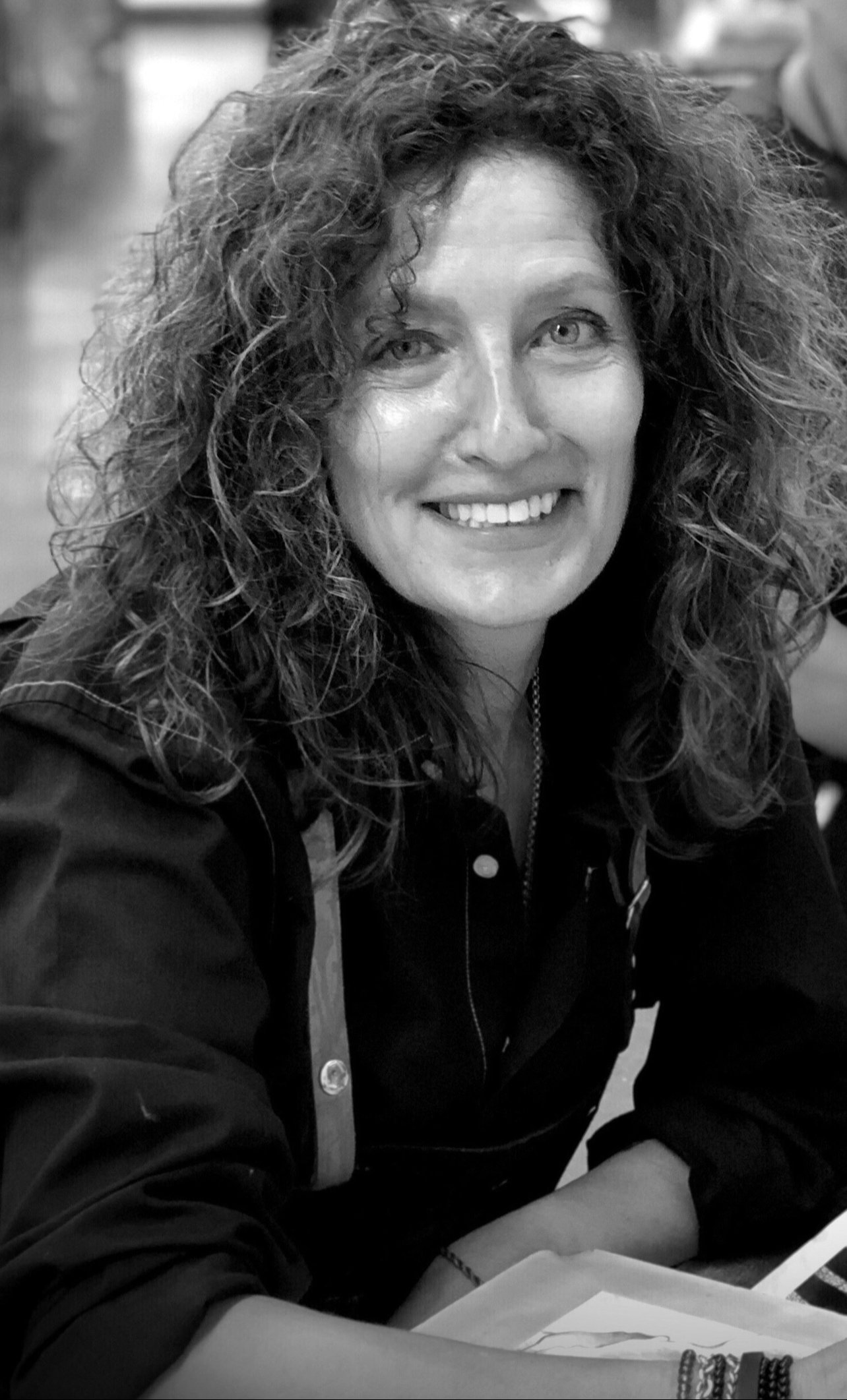
Lize Krüger
Lize Krüger is a South African-born visual artist based in rural North Wales. She graduated with a BA in Fine Arts from North-West University in 1988 and returned to active practice through a 2018 commission for The Lost Gardens of Heligan. Working with her own photography, drawing, textures and digital collage, she creates layered images that explore memory, loss, displacement and resilience. Her work has been shown at the Florence Biennale and in exhibitions in Lecce, Italy. She is currently extending her practice into wallscapes for interior spaces.
What is your background and how did you start your journey in the art world?
“I was born and educated in South Africa, and I graduated with a BA in Fine Arts from North-West University in 1987. Before moving to the UK in 2014, I taught art to people with quadriplegia and to young survivors of abuse. Those experiences deepened my belief in art as a way to express things that can be difficult to put into words. I stepped away from my own practice for a time. A commission for The Lost Gardens of Heligan brought me back to it in 2018, and I began exploring new ways of working. Today I combine my own photography, drawing and textures in layered digital collages. My work often touches on memory, loss, place and resilience. I now live in rural North Wales. The landscape here, particularly its shifting light and textures, has slowly found its way into my work.”
What inspires you?
“I’m inspired by the things that stay with us: memories, places, people we’ve lost, and stories that have gone unheard. My own photographs or older works often give me a starting point, but an image can also begin with a colour, a texture or a feeling I can’t quite explain in words. Living in North Wales has made me more attentive to changing light, weather and the details of the landscape. At the same time, I’m deeply affected by what happens beyond my immediate surroundings. Art gives me a way to respond to beauty and to suffering, sometimes within the same piece.”
What themes do you pursue? Is there an underlying message in your work?
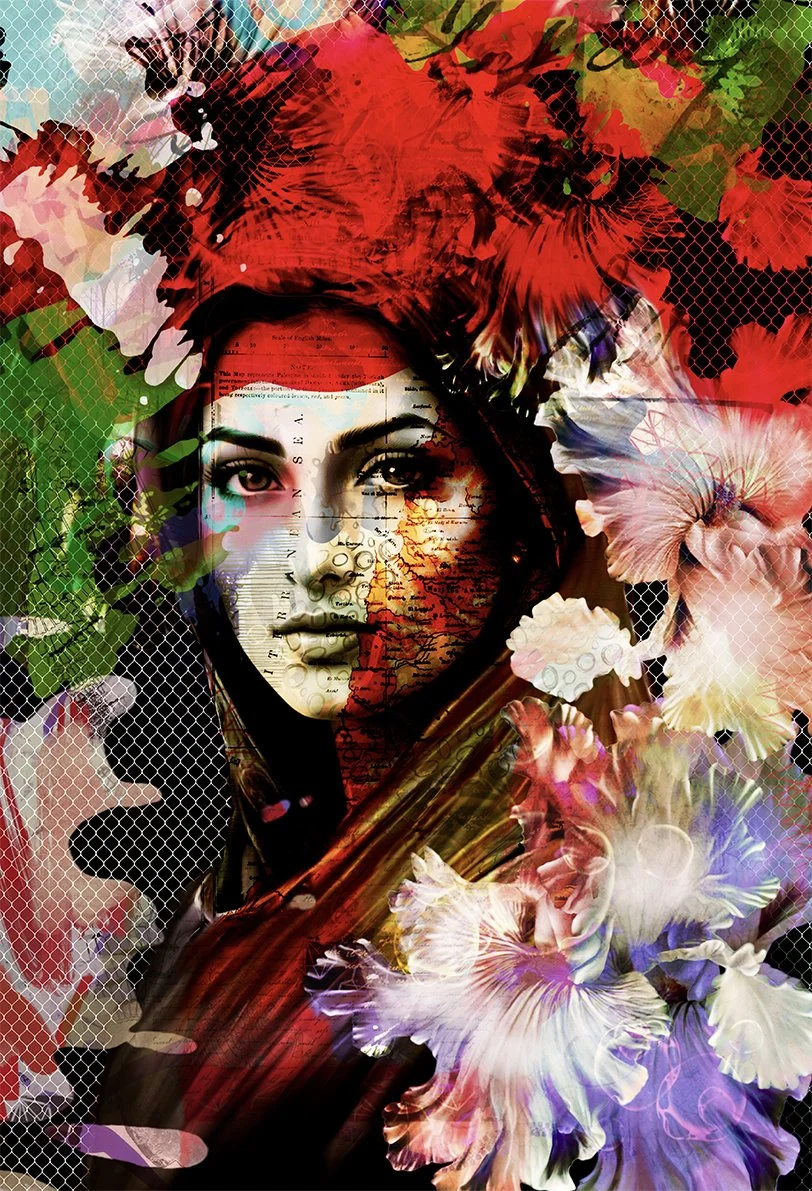
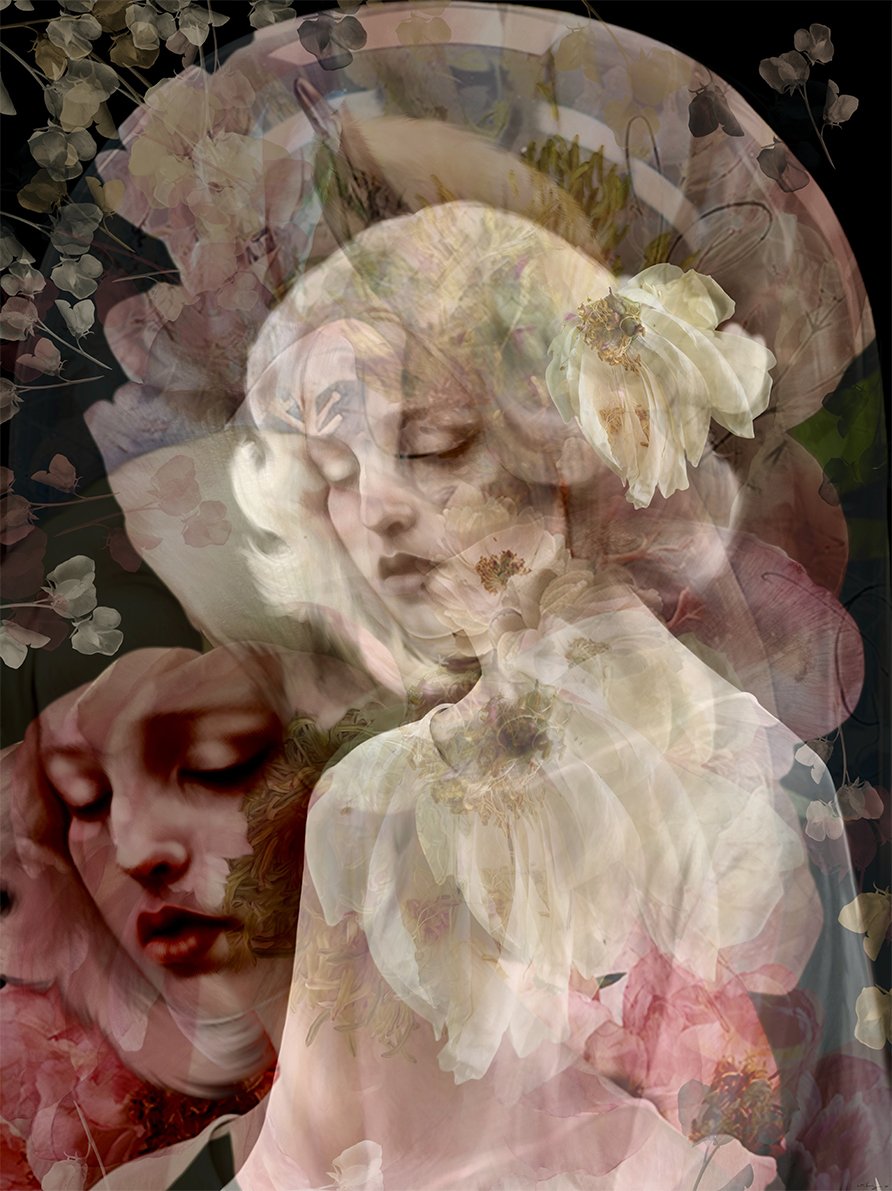
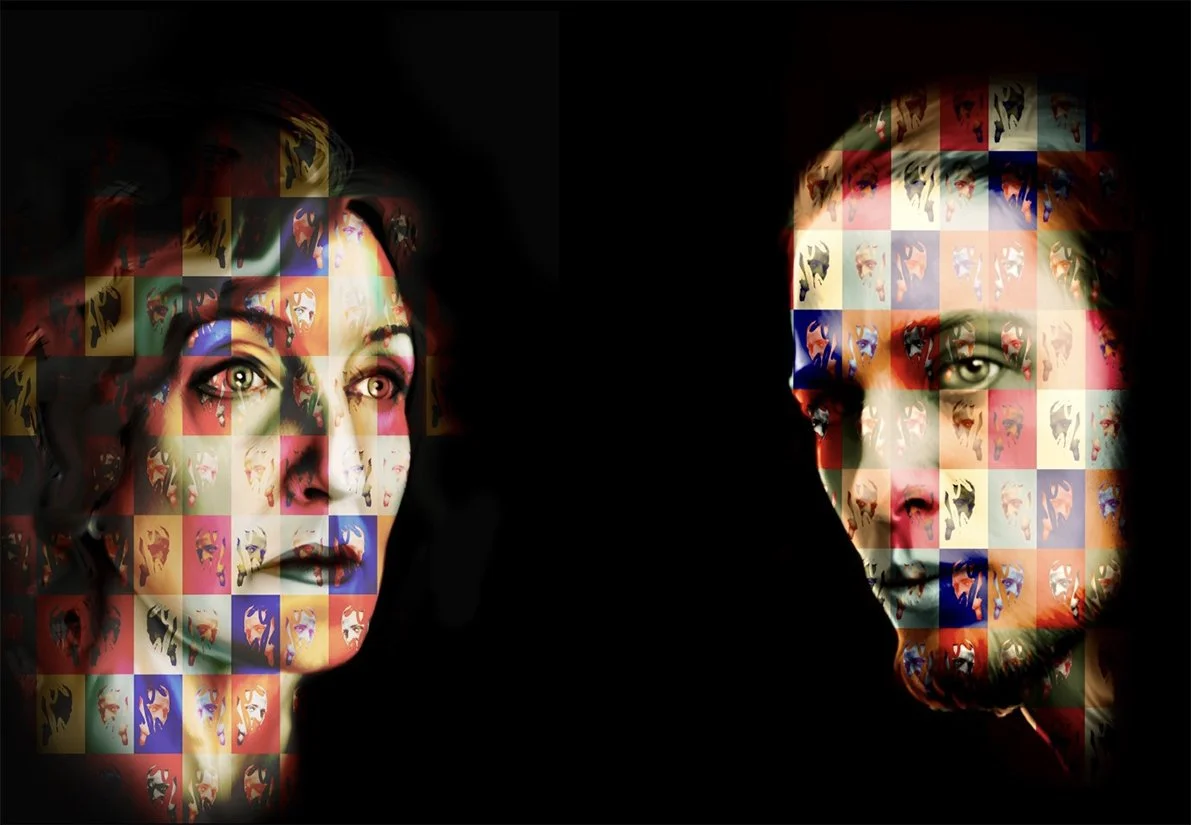
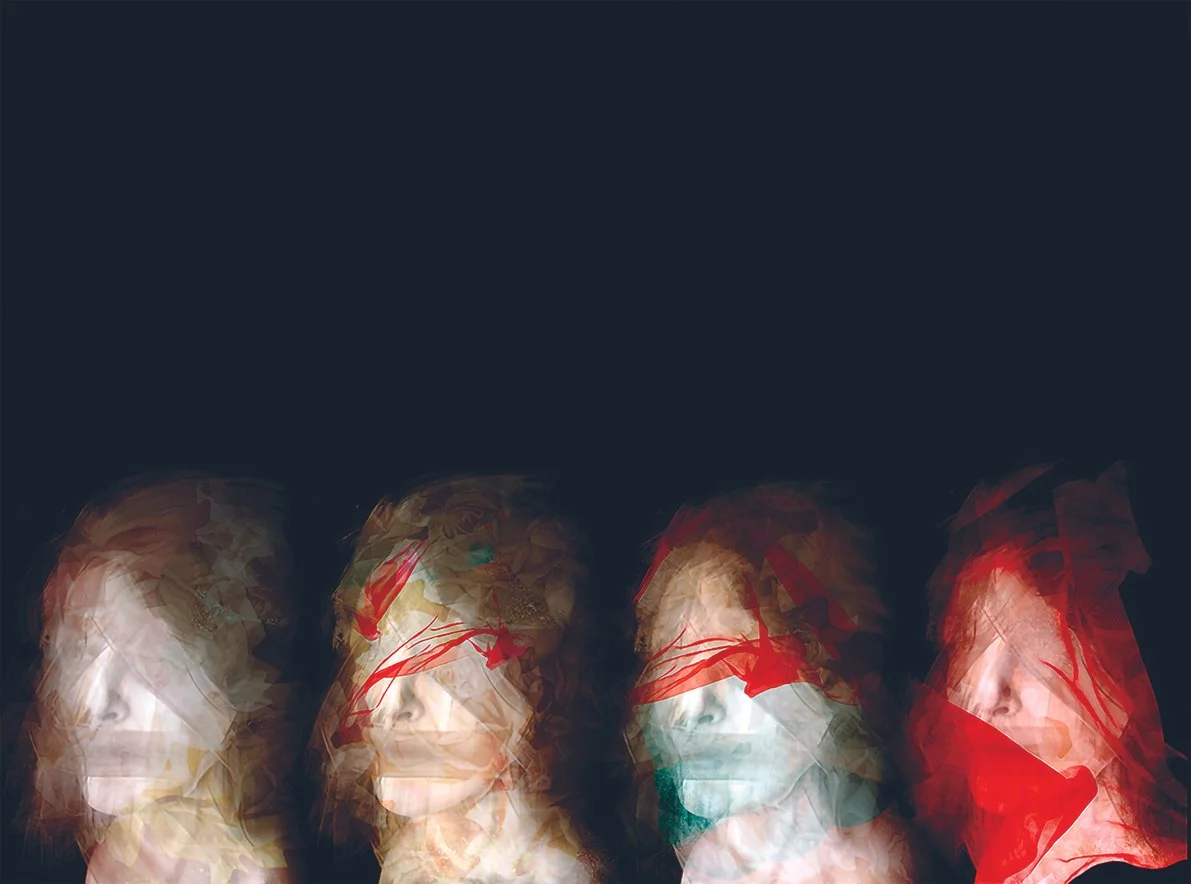
“My work explores memory, loss, displacement and resilience. I’m drawn to the traces people and places leave behind, and to stories that are too easily overlooked. Flowers, faces, fragments of photographs and drawn marks appear repeatedly in my work. They allow me to hold beauty and vulnerability in the same image. I think of myself as a visual commentator. Some pieces respond directly to injustice and human suffering; others offer a place to pause and breathe. The underlying message is that people’s lives and stories matter. I want the viewer to look closely, feel something, and perhaps carry a little more compassion into the world.”
How would you describe your work?
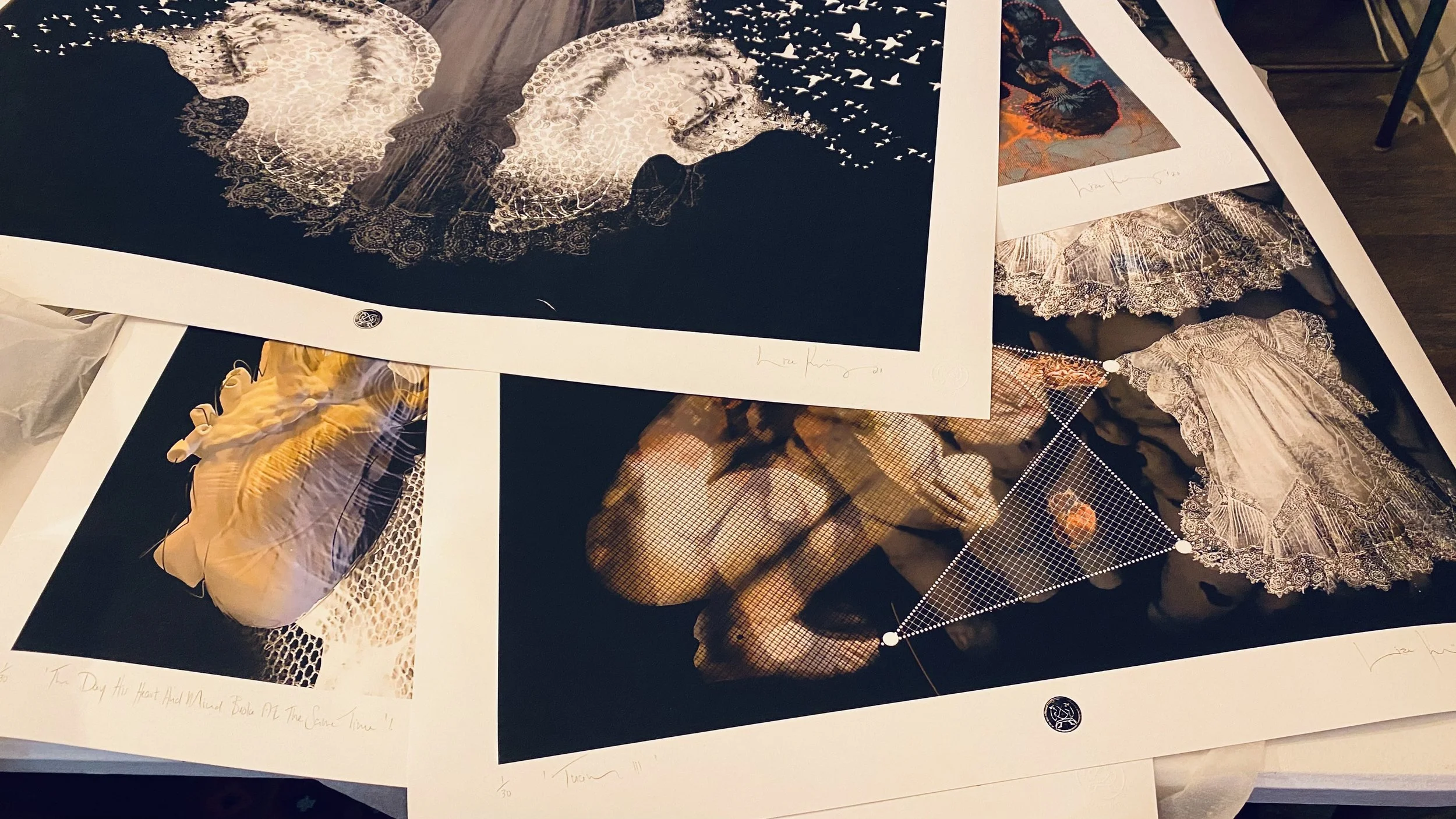
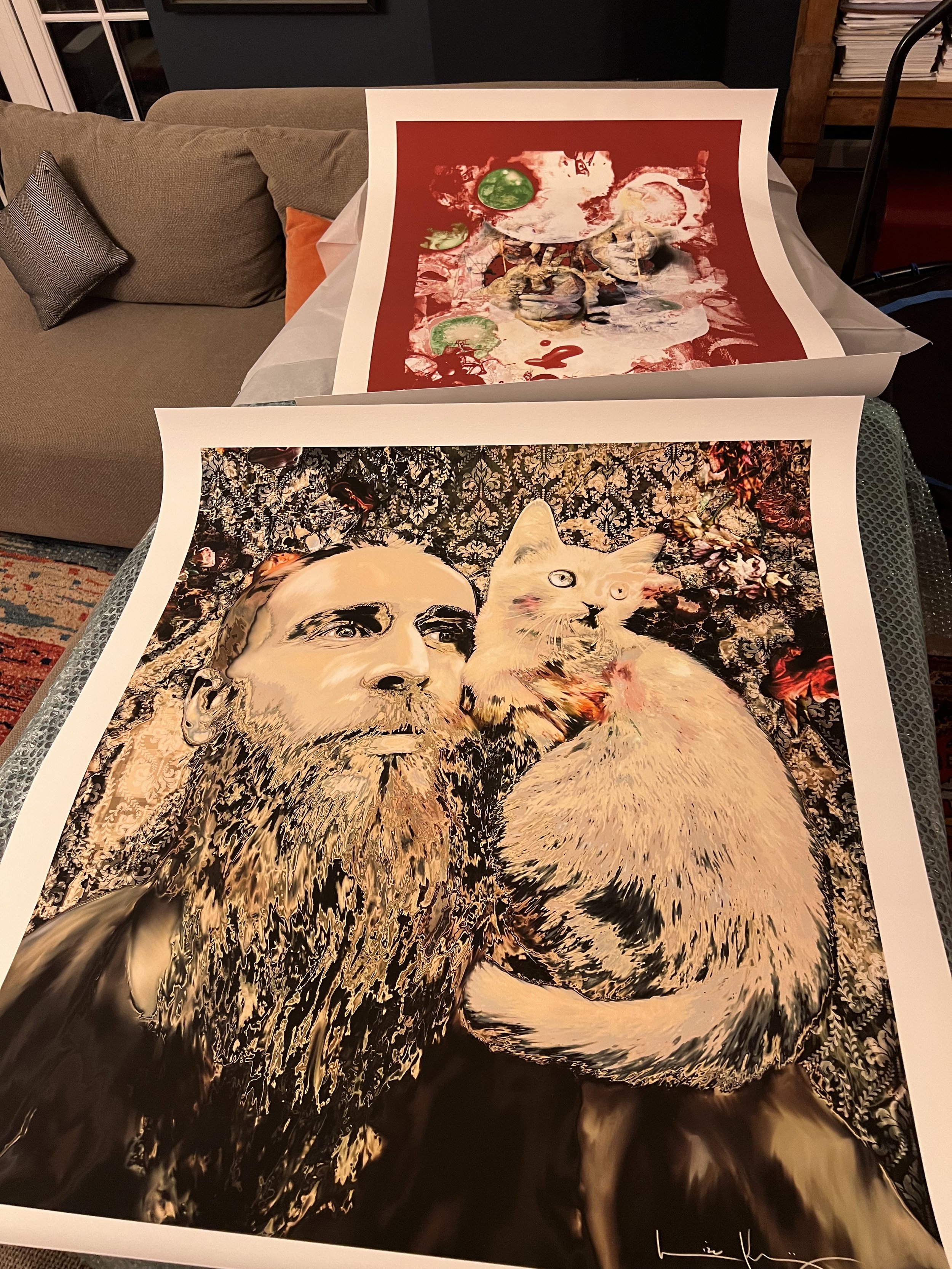
“I would describe my work as layered visual storytelling. I bring together my own photographs, drawing and textures through digital collage, allowing an image to develop as I respond to it. Some works are intimate and reflective; others speak more directly to the world around us. There is often a tension between beauty and unease in what I make. I’m interested in images that draw you in at first glance, then reveal something more complicated the longer you look.”
Which artists influence you most?
“The South African artist Judith Mason, born on 10 October 1938 and who died on 29 December 2016, was especially influential during my formative years. I was drawn to the emotional force of her work and the way she engaged with difficult human realities. My own practice has taken a different path, particularly through photography and digital collage, but her example has stayed with me: art can bear witness while remaining deeply personal.”
What is your creative process like?
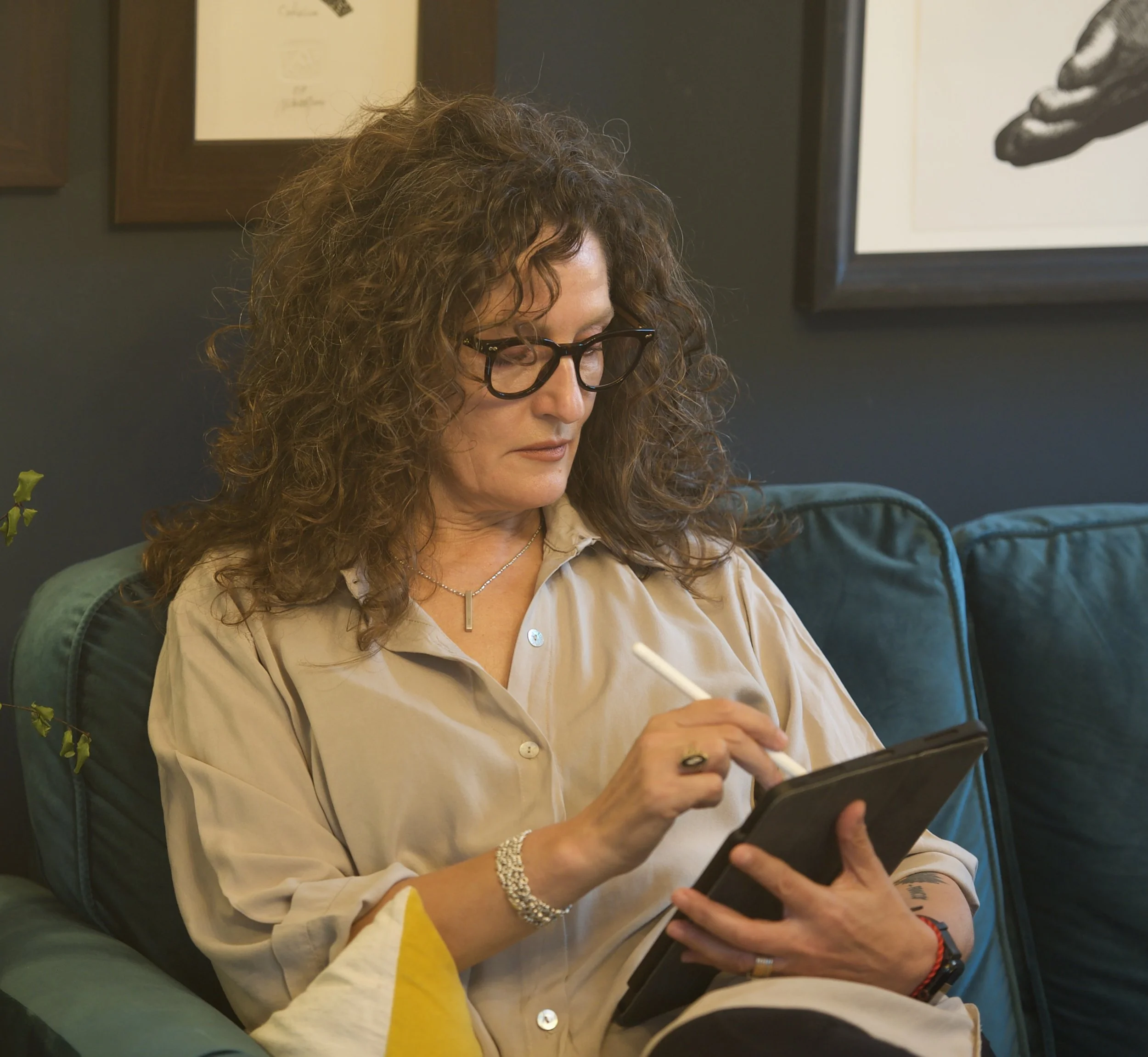
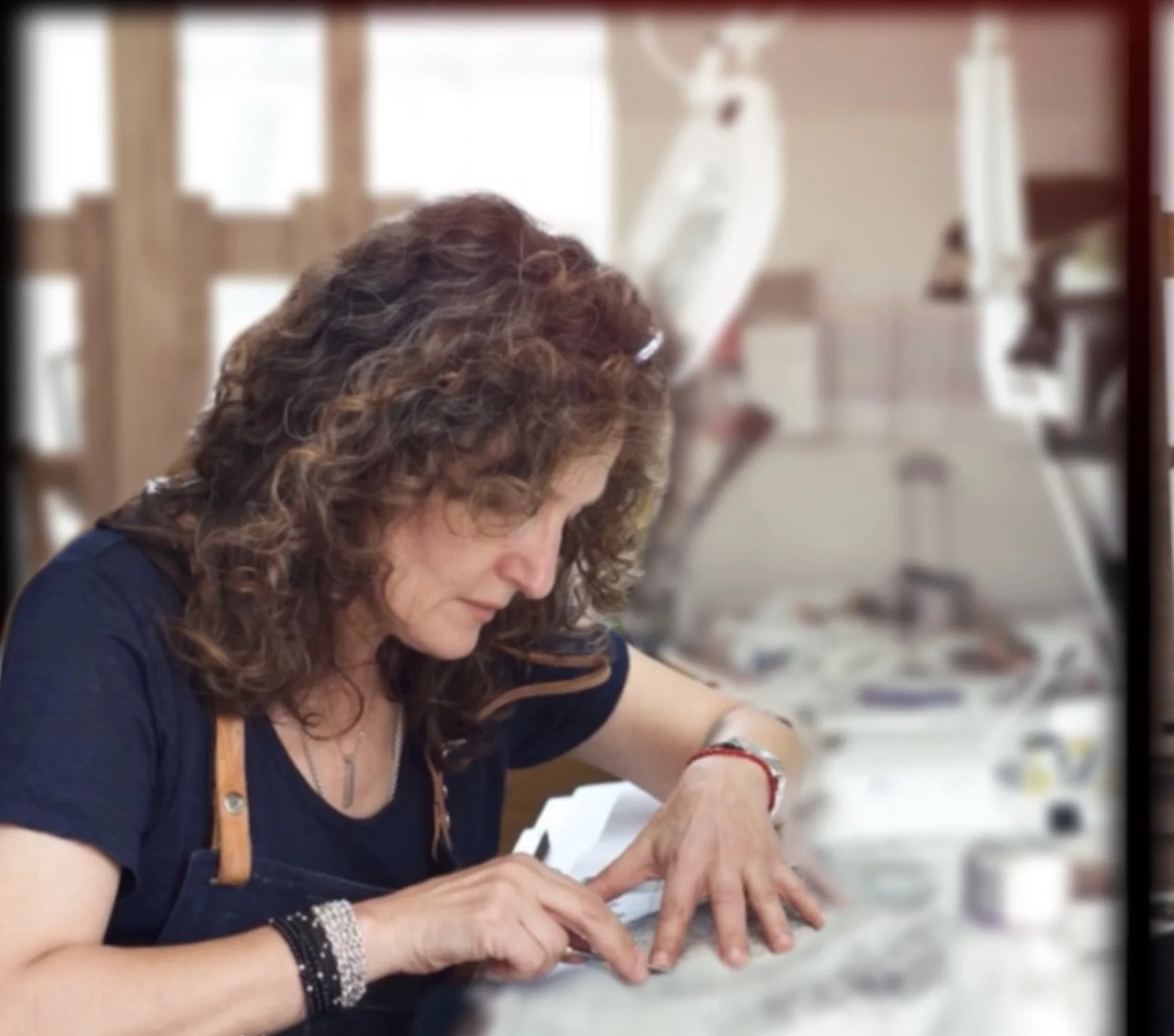
“My process usually begins with an image, a memory or something I feel compelled to respond to. I often start with my own photographs, then bring in drawing, textures and fragments that add another layer of meaning. I work intuitively in Procreate, building the image up, taking parts away and moving things around until it begins to say what I want it to say. I rarely know exactly how a piece will look when I start. I follow what catches my eye and keep working until the layers feel connected, both visually and emotionally.”
What is an artist’s role in society and how do you see that evolving?
“I think an artist’s role is to pay attention, to ask questions and to make people feel something they might otherwise pass by. Art can bear witness to injustice, preserve overlooked stories, offer comfort or simply give us space to see the world differently. I don’t believe every artwork has to carry a political message, but I do believe artists are part of the world they live in. As images become quicker to produce and easier to consume, I think that role becomes more urgent. We need artists who bring their own lived experience, judgement and care to what they make. I hope art will continue to slow people down, open conversations and remind us of one another’s humanity.”
Have you had any noteworthy exhibitions you'd like to share?
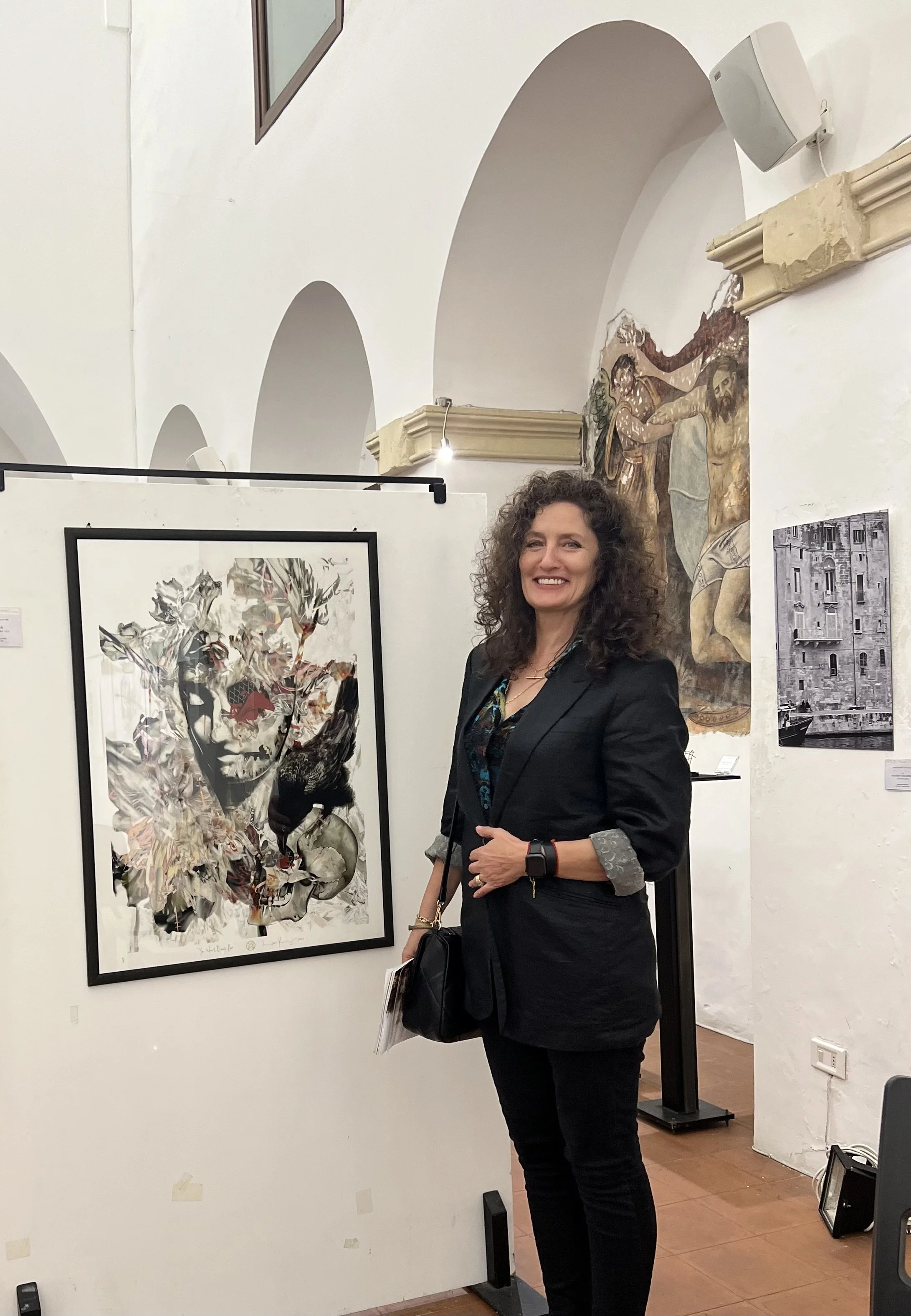
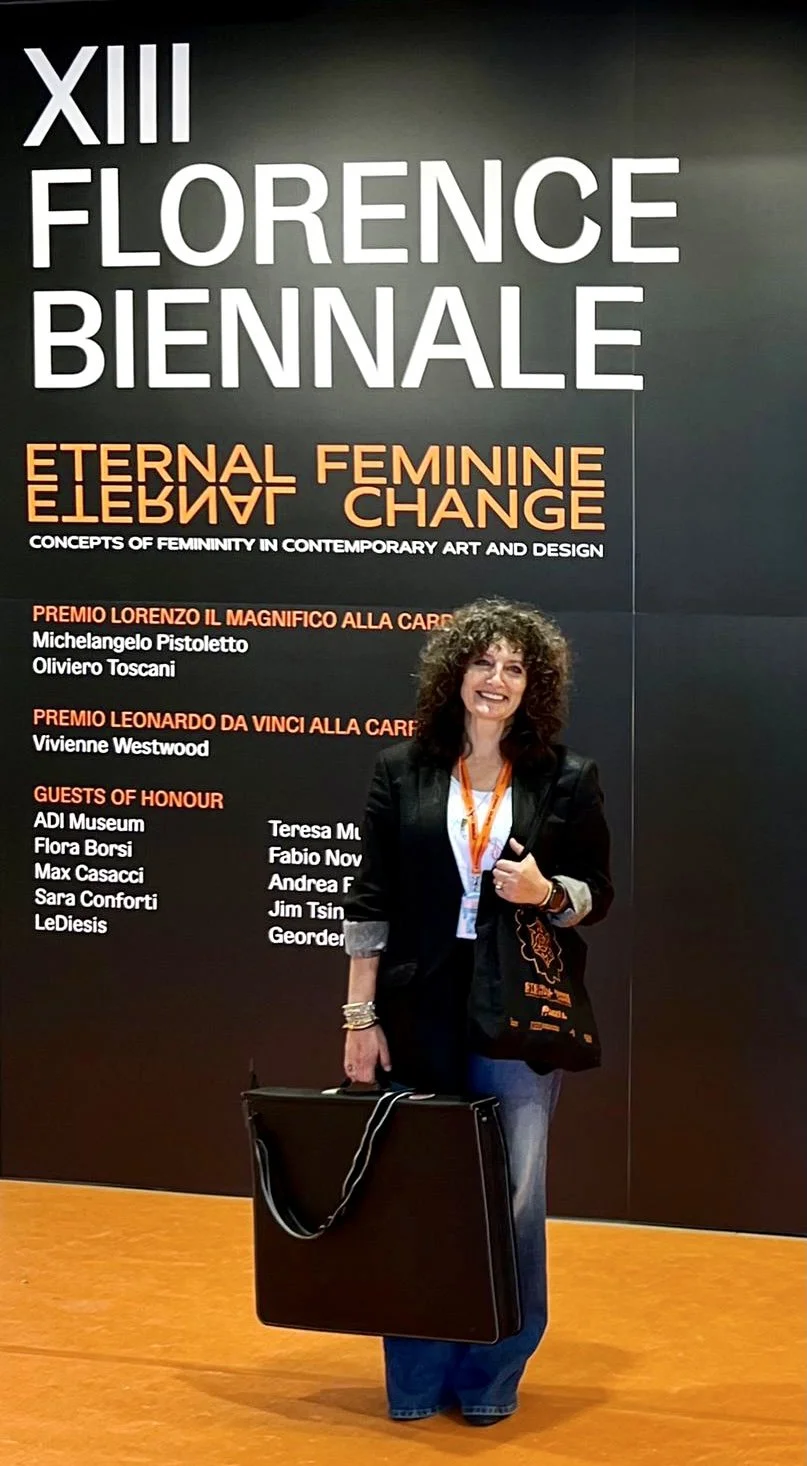
“My return to exhibiting began with a 2018 commission from The Lost Gardens of Heligan in Cornwall. I created In Their Name: Don’t Come Here to Sleep or to Slumber in response to the history of Heligan’s gardeners who went to war. The work was first exhibited at Heligan and the three installations are now permanently housed at All Saints Church in St Ewe. In 2023, I participated in two group exhibitions at Fondazione Palmieri in Lecce, Italy: Venus Effect: The Otherness of the Reflected Gaze from 25 February to 8 March, and Traces of Time from 20 May to 2 June. Both organisers’ pages name me among the exhibiting artists. My work was also included in the XIII Florence Biennale in 2021. That year, Exploring My Resilience appeared in the Sweet Little Nothings exhibition catalogue, which records its Popular Vote Award.”
Instagram: @lizekruger_studio