Interview
Lena Sabadina
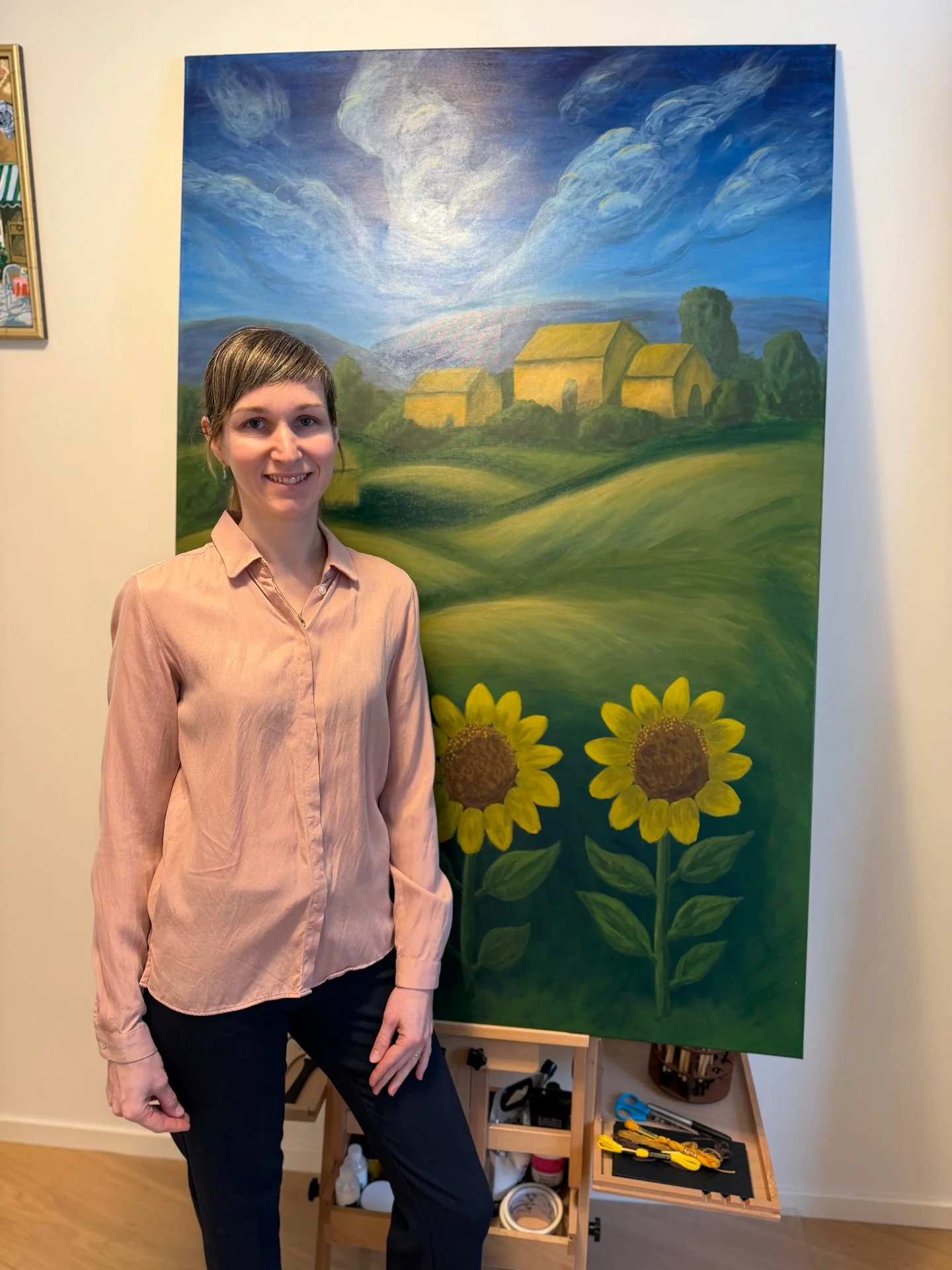
Lena Sabadina is a Ukrainian-born, Sweden-based artist known for her striking mixed-media paintings that merge acrylic painting with traditional Ukrainian cross-stitch embroidery—stitched directly into the canvas. Born in Enerhodar in 1988 and living in Sweden since 2014, her work explores resilience, memory, and the emotional impact of war, transforming heritage, motherhood, and the experience of migration into powerful visual narratives. Through this unique fusion of contemporary painting and centuries-old craft, Lena offers a deeply personal yet universal voice to the ongoing story of Ukraine.
What is your background and how did you start your journey in the art world?
“I was born in Enerhodar, Ukraine, in 1988 and moved to Sweden in 2014. I am Ukrainian by birth and heritage, and I became a Swedish citizen in 2020. My journey into art did not begin through formal education, but through life itself. For as long as I can remember, embroidery has been part of me. It was something I learned early, something passed through generations, a quiet and intimate language connected to home and memory. When I moved to Sweden and began building a new life here, I found myself deeply connected to nature, family, and the rhythm of everyday moments. Painting entered my life slowly, almost gently, as a way to explore those feelings. When the war in Ukraine began and my family was forced to leave our hometown, art became something more urgent. Being far away, unable to help in practical ways, I turned to painting as a form of survival—an emotional space where grief, fear, love, and hope could exist together. That is when my artistic journey truly began.”
What does your work aim to say? Does it comment on any current social or political issues?
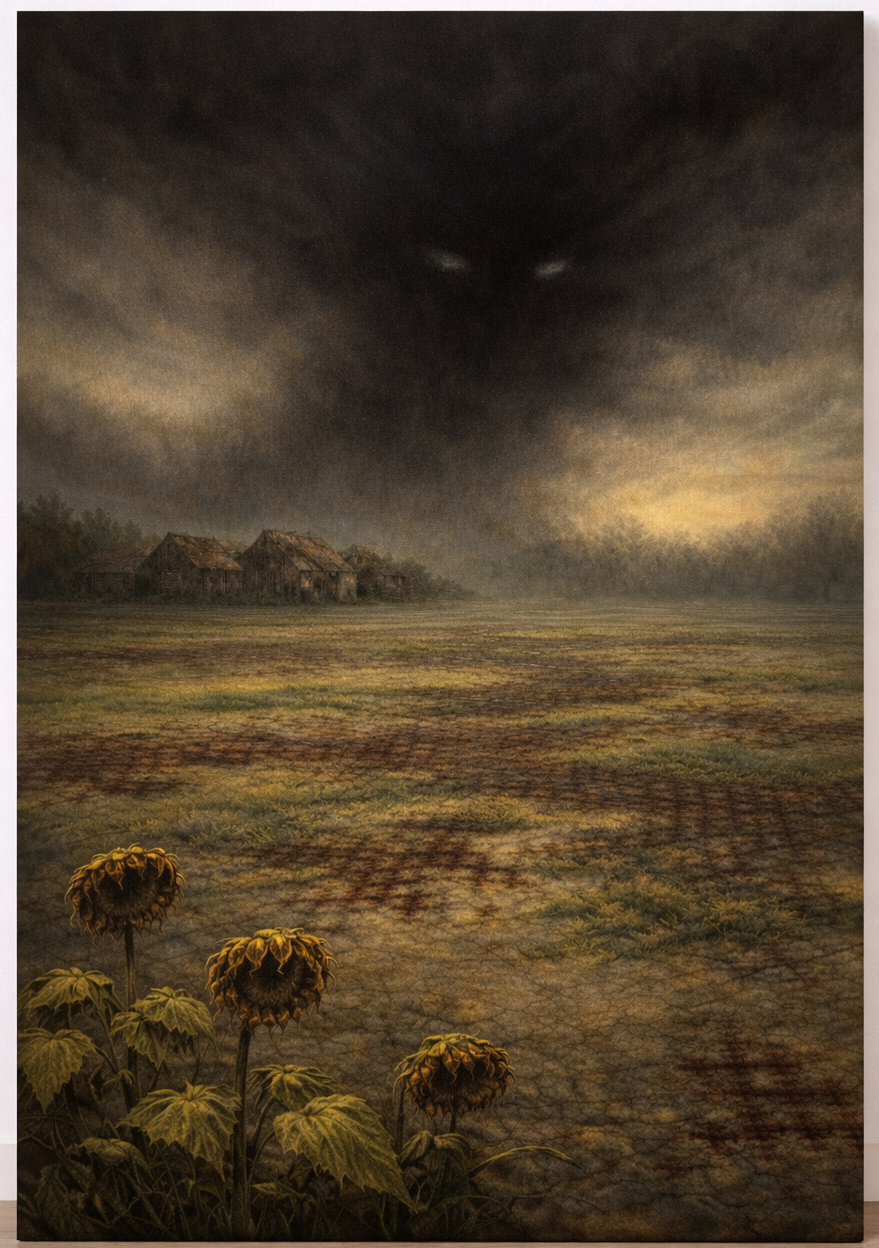
“My work is deeply personal, but it is inseparable from the political and social reality of our time. It speaks about war, displacement, and what it means to witness tragedy from a distance while still carrying it inside you every day. I do not aim to illustrate events directly. Instead, I explore the emotional landscapes created by war—the silence, the rupture, the waiting, the fear for loved ones, and the resilience that continues despite everything. My paintings are about memory and survival, about what is broken and what still holds. In this sense, my work is both documentation and resistance. It bears witness to the ongoing war in Ukraine, but it also insists on dignity, endurance, and humanity. I want my paintings to hold space for grief without surrendering to despair.”
Do you plan your work in advance, or is it improvisation?
“My process is a balance between intention and intuition. I usually begin with a strong emotional direction or concept, but I allow the painting to evolve organically. Improvisation plays a large role, especially in how layers interact and how embroidery enters the surface. The act of stitching is slower and more deliberate than painting, and it often becomes a moment of reflection within the process. Sometimes the thread responds to what the paint has already expressed; other times it interrupts it. I trust this dialogue between control and surrender.”
Are there any art world trends are you following?
“I’m particularly drawn to the renewed interest in nature-focused and contemplative painting. I follow artists who explore landscapes, animals, and rural environments in a quiet, poetic way — works that slow the viewer down and invite reflection rather than spectacle. I’m interested in how contemporary painters are re-embracing traditional subjects while giving them a personal, emotional, and slightly dreamlike atmosphere. This return to intimacy, storytelling, and a deep connection with the natural world resonates strongly with my own practice.”
What process, materials and techniques do you use to create your artwork?
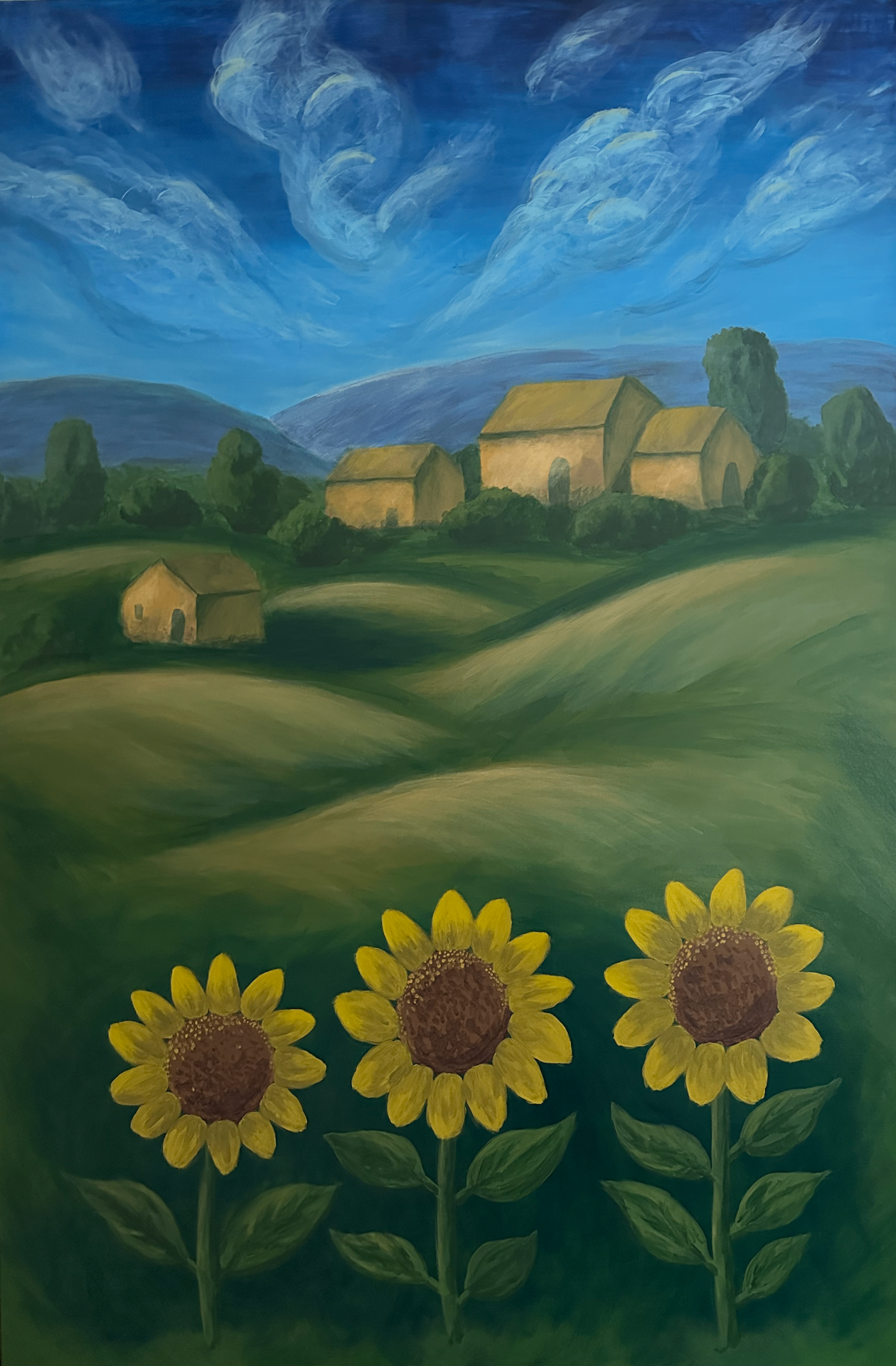
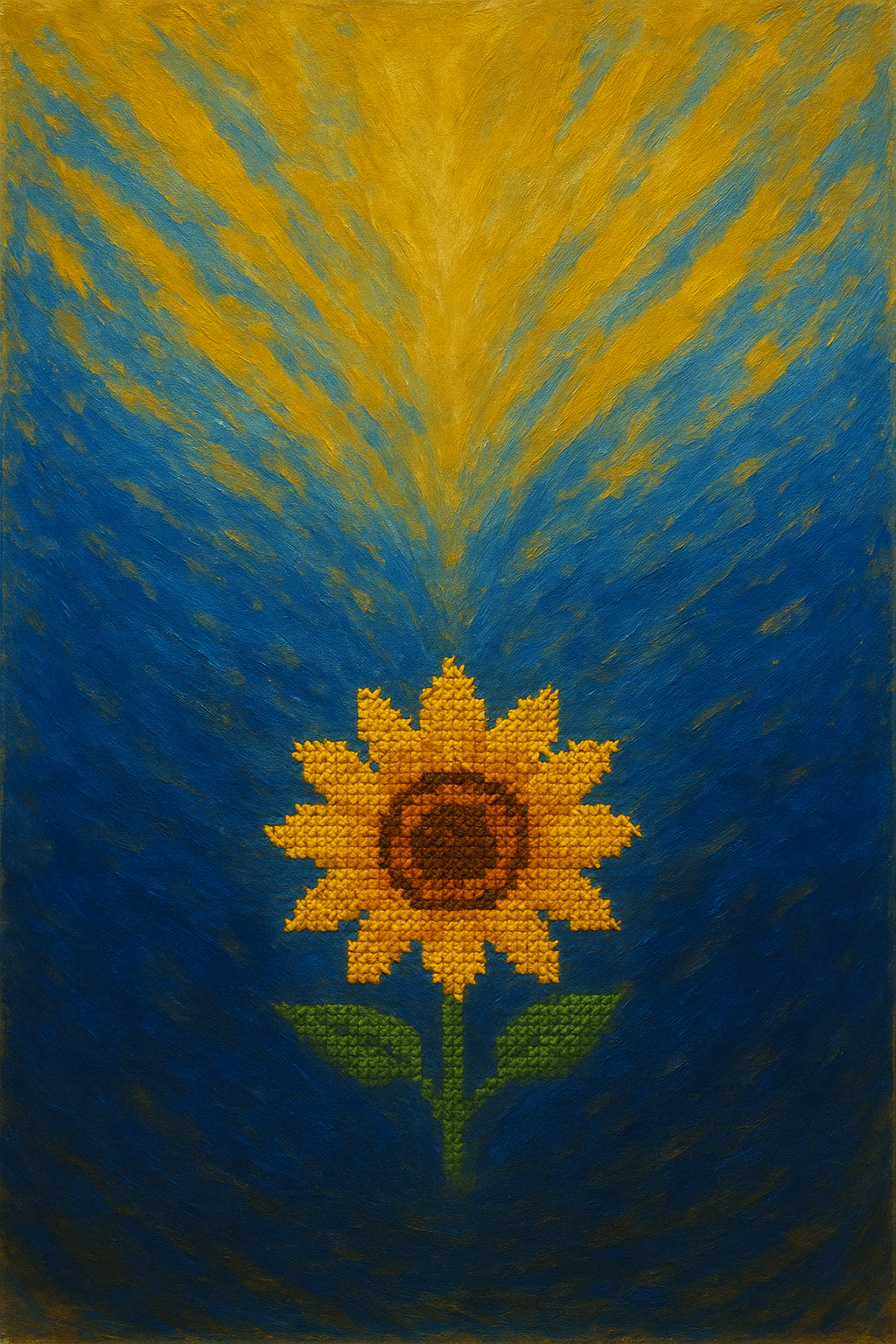
“I work primarily with acrylic on canvas, combined with traditional Ukrainian cross-stitch embroidery stitched directly into the surface. The paintings are built in layers—paint applied, scraped, fractured, and rebuilt—before the embroidery is introduced. The thread becomes a structural and symbolic element. It can represent scars, borders, roots, pathways, protection, or connection. Stitching into the canvas is both a physical and emotional act; it slows the process and introduces vulnerability. The canvas resists, just like memory does. This combination of painting and embroidery allows me to merge contemporary abstraction with cultural tradition, creating a language that feels both personal and collective.”
What does your art mean to you?
“My art is a place where everything I cannot control can exist safely. It is how I stay connected to my family, my homeland, and my own sense of identity. It allows me to transform fear into form, grief into color, and distance into something meaningful. Painting is not something I do to escape reality—it is how I face it. Each work is an act of remembering, holding, and refusing to forget.”
What’s your favourite artwork and why?
“My relationship with my work is constantly changing, but I am especially drawn to pieces where destruction and hope exist side by side. Works where the tension remains visible often feel the most honest to me—particularly those from my Ashes and Sunflowers series, where the embroidery became a way of stitching something broken back together. These paintings remind me that healing is not about erasing pain, but about carrying it forward in a different form.”
Have you had any noteworthy exhibitions you'd like to share?
“I am currently developing several interconnected series—from Ashes and Sunflowers to Beyond Borders—each exploring different dimensions of war, displacement, memory, and resilience. My focus right now is on building depth and emotional integrity within this body of work while actively preparing for upcoming exhibitions in Sweden and internationally. It’s an exciting time—I’m looking forward to sharing this work with a wider audience very soon.”