Interview
SORI.Frame
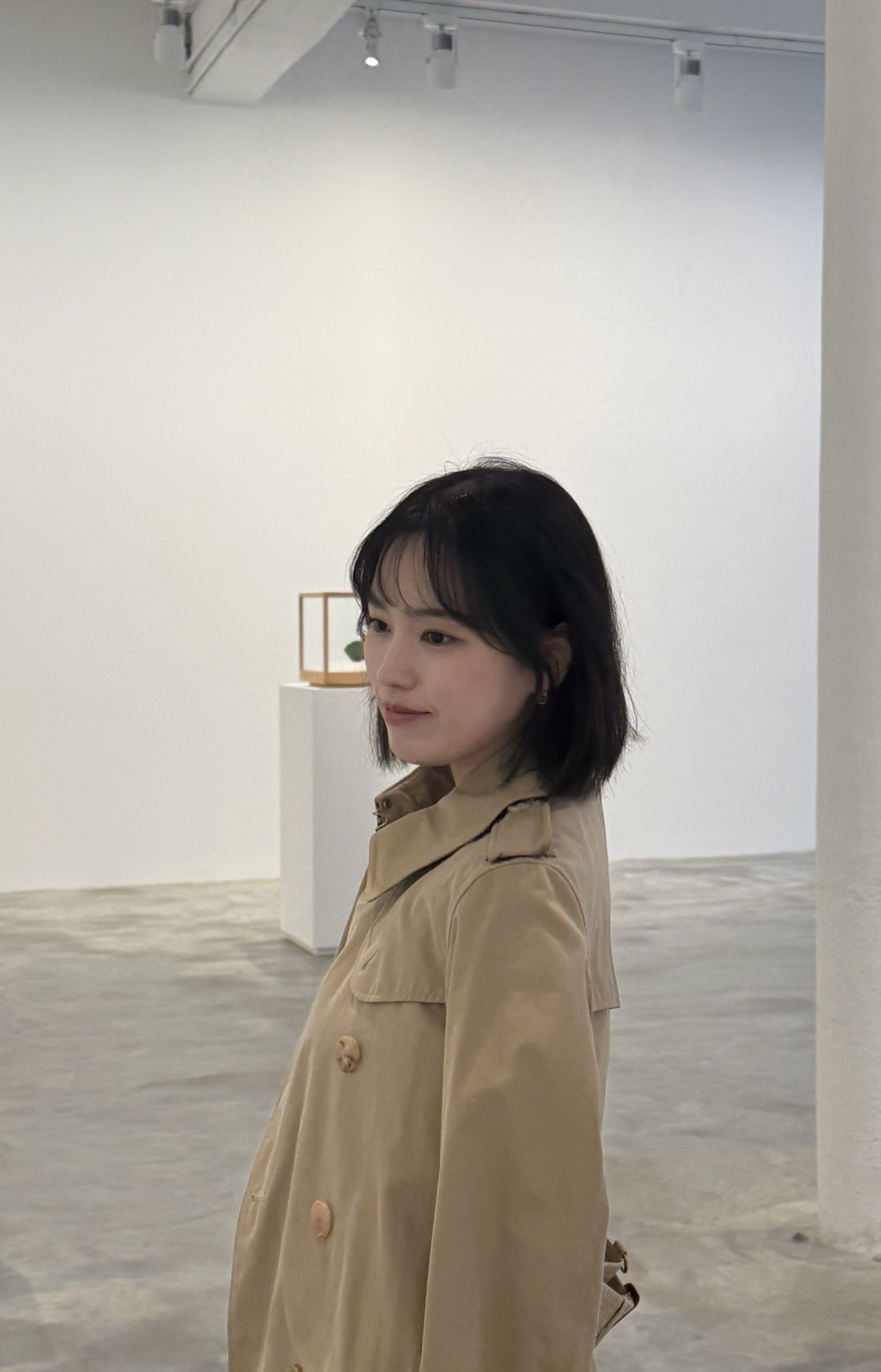
SORI.Frame is a New York City–based digital artist working with AI-generated imagery. Her practice focuses on creating emotionally guided visual experiences through surreal imagination and gentle storytelling. Using technology as a creative tool, she builds dreamlike worlds filled with warmth, quiet humor, and a sense of wonder—inviting viewers to pause, smile, and drift into moments of fantasy.
What is your background and how did you start your journey in the art world?
“I’m a New York–based artist with a background in design, having studied at the School of Visual Arts. While I work professionally as a digital designer, I’ve always carried the quiet ambition to become an artist. As AI began to emerge as a creative tool, I became drawn to generative imagery and prompt writing. What started as curiosity quickly evolved into a practice—one that allowed me to merge design, technology, and personal expression. Through AI, I found a new entry point into my artistic journey.”
What inspires you?
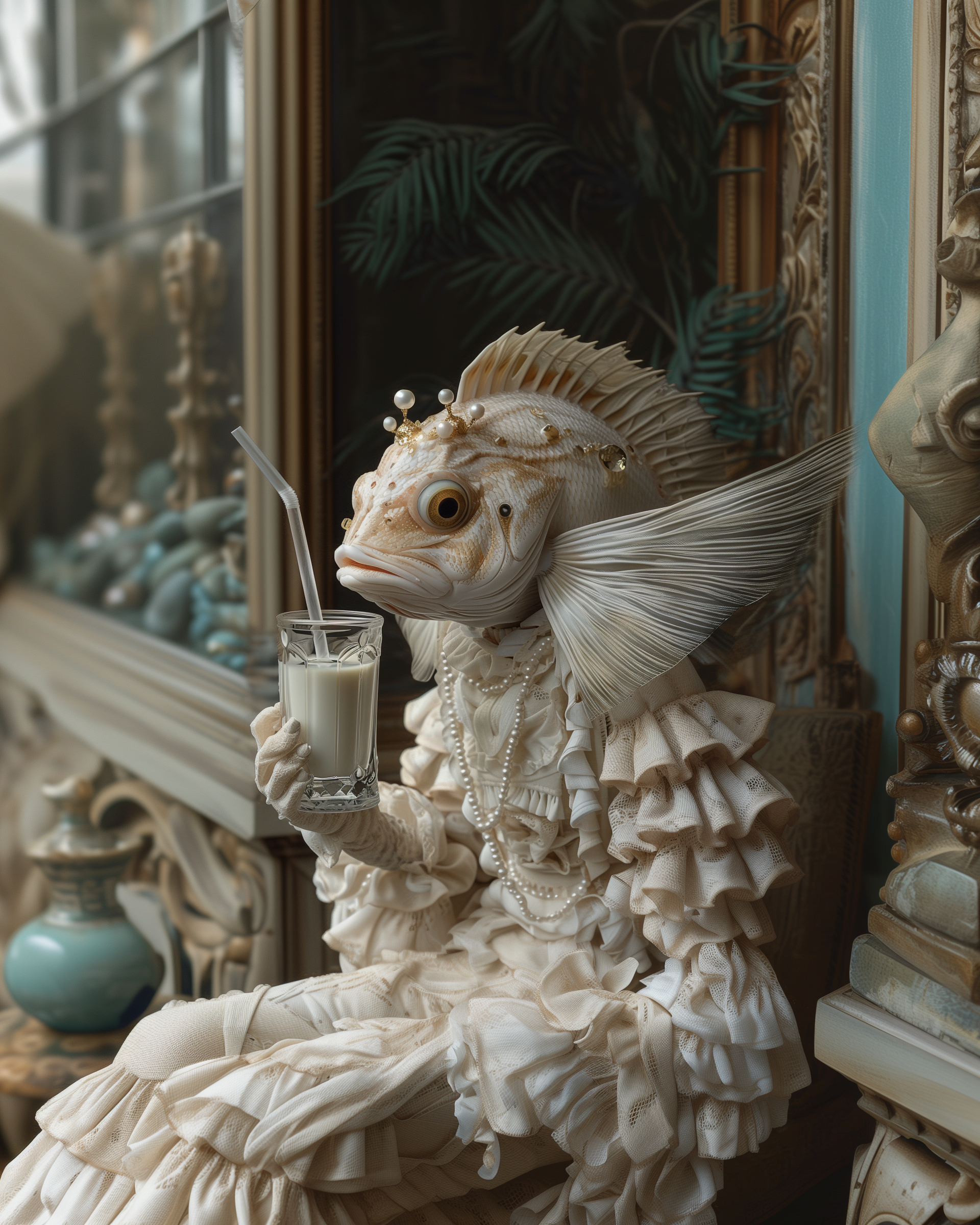
“The name Sori.Frame comes directly from what inspires my work. ‘Sori’ means sound in Korean. I’m inspired by the idea that inspiration doesn’t come only from grand moments, but from everyday sensory experiences—music, small bird sounds, ambient noise, fragments of conversations, and the subtle rhythms that surround us. Often, sound shapes emotion before an image forms, and that emotional response becomes the starting point of my work. ‘Frame’ is inspired by cinema and scenes—moments paused in time. It represents my interest in isolating fleeting experiences and giving them space to exist. A frame doesn’t simply capture what is visible; it holds atmosphere, memory, and feeling. Together, Sori.Frame reflects my desire to translate abstract, sensory experiences into visual moments. My inspiration lives in the invisible—sound, emotion, and passing moments—and my work is about framing those elements so they can be quietly felt.”
What themes do you pursue? Is there an underlying message in your work?
“In a time when images and videos have become so realistic that it’s often difficult to distinguish what is AI-generated and what is not, I find myself less interested in imitation and more drawn to what AI uniquely makes possible. I focus on work that embraces the unreal—dreamy, fantastical, and slightly unfamiliar, yet never uncomfortable. My goal is to translate abstract emotions and personal experiences into visual forms that feel calm, playful, or quietly curious. AI allows me to explore these spaces in ways that wouldn’t be possible otherwise.”
How would you describe your work?
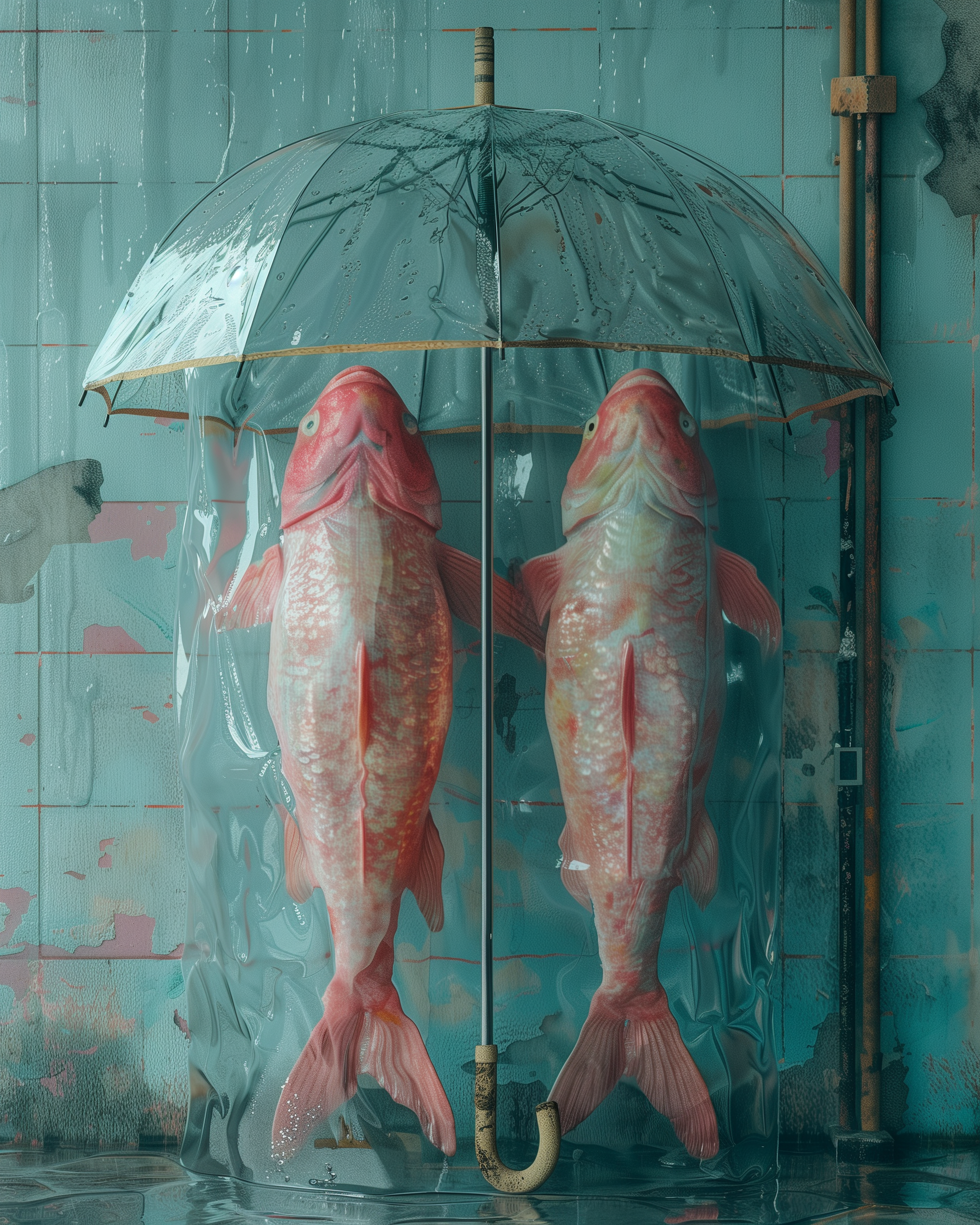
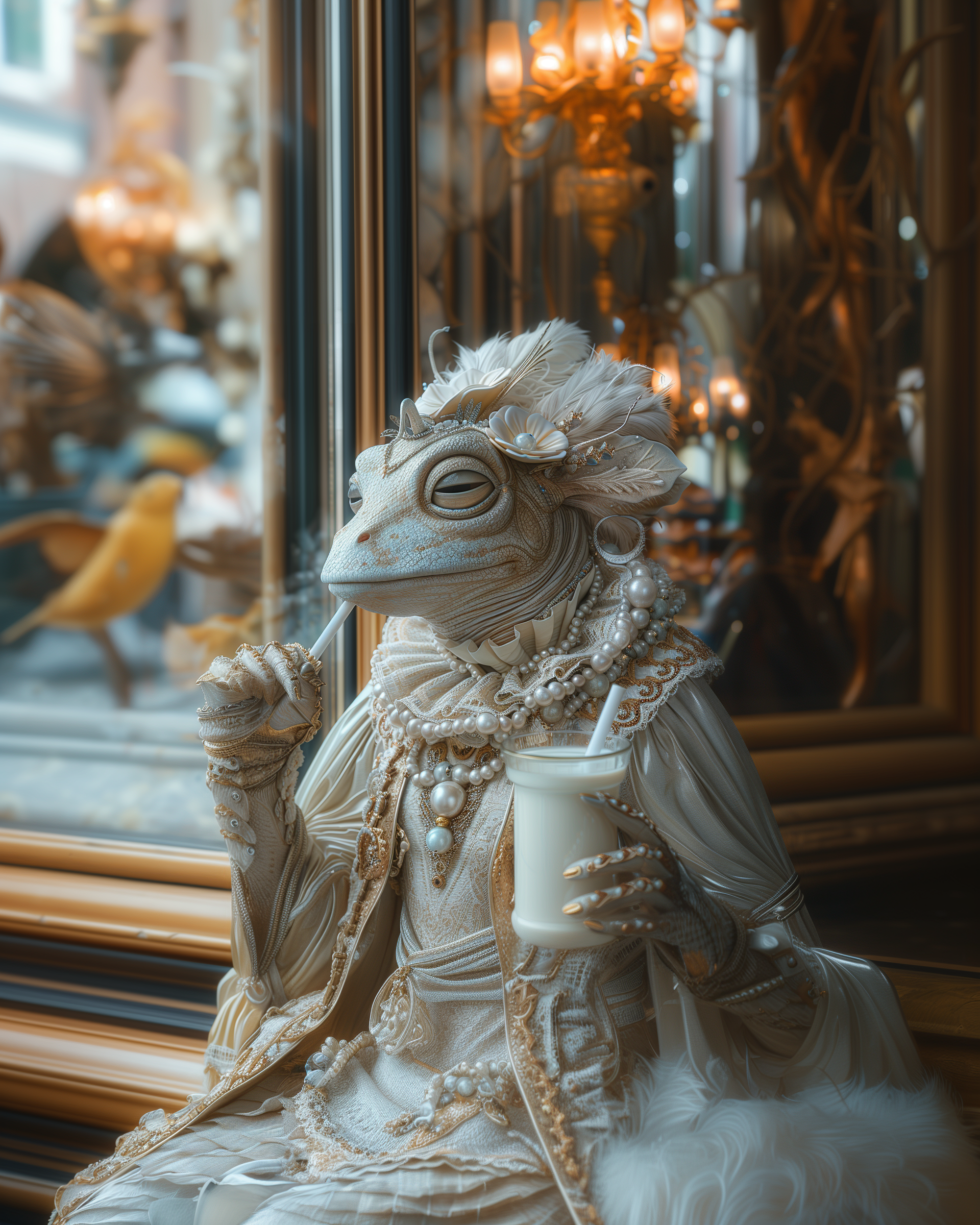
“My work often feels as though it belongs in a modern fairytale. I’m drawn to nature as a recurring subject—animals, flowers, clouds, cactus, waves, fruit, and other living forms appear frequently throughout my work. Through personification, these elements take on gentle emotions or subtle gestures, creating a dreamy, fantastical atmosphere that feels both soft and imaginative. While my subjects come from everyday life, I intentionally present them in unfamiliar or unexpected ways. I often place contrasting symbols and emotions side by side—such as a fish with an umbrella, flowers paired with weapons, or sweetness existing alongside discomfort. These juxtapositions allow familiar imagery to feel new, playful, and quietly surprising, inviting viewers to experience ordinary subjects through a fresh emotional lens.”
Which artists influence you most?
“Rather than being influenced by specific artists alone, I’m inspired by creators who work across disciplines and blur boundaries between mediums. I’m drawn to artists, filmmakers, and musicians who rely on atmosphere, restraint, and emotion rather than overt narratives. Everyday visual culture also plays a large role in my influence—screens, reflections, interfaces, and fragments of urban life.”
What is your creative process like?
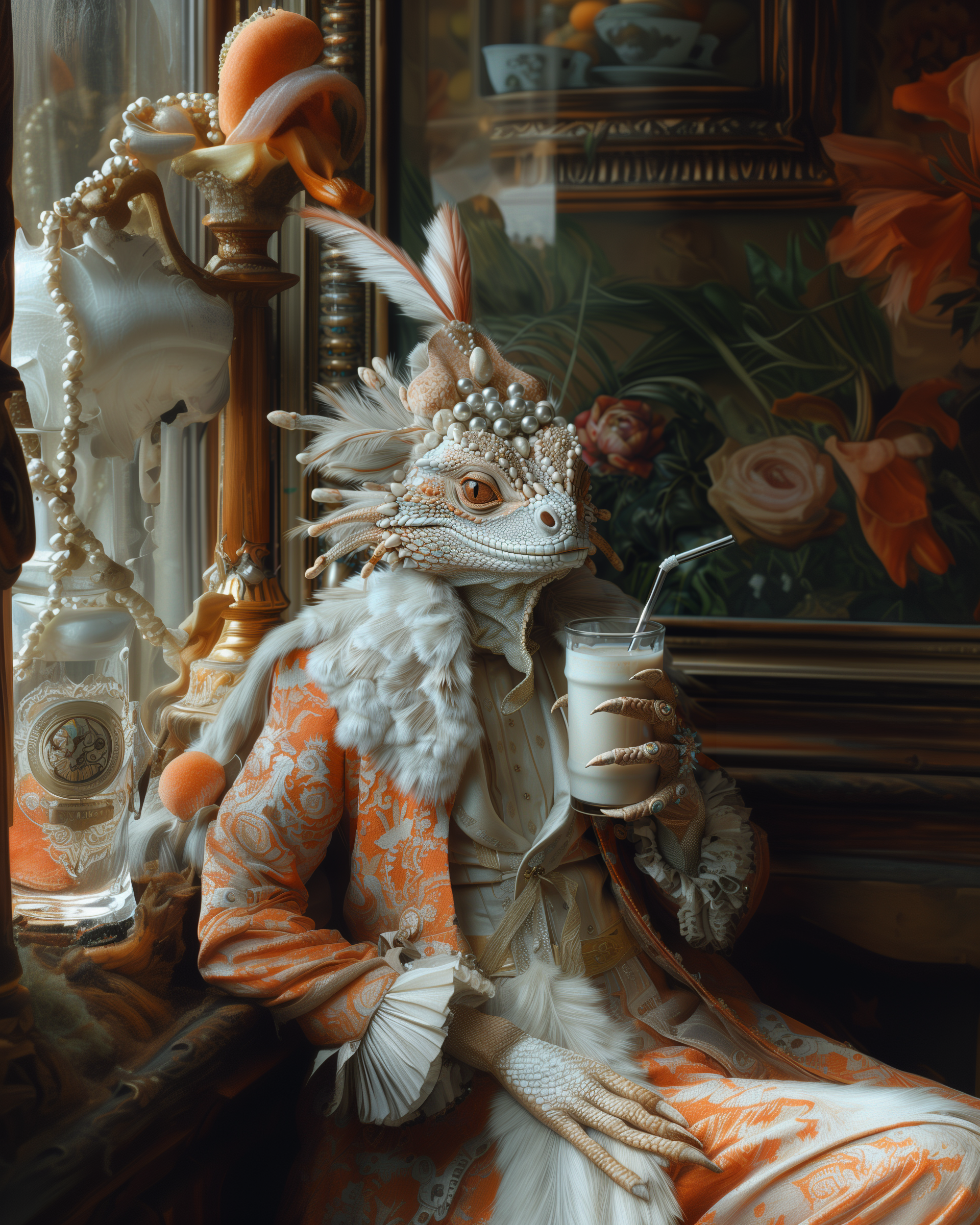
“My process usually begins with a feeling or a sound rather than a clear concept. I collect fragments—sounds, phrases, images, memories—and allow them to guide the direction of the piece. I work intuitively, experimenting and refining until the work feels emotionally honest. AI tools are part of my process, but I treat them as collaborators rather than creators. They help surface ideas more quickly, but the concept, direction, and intention always come from me.”
What is an artist’s role in society and how do you see that evolving?
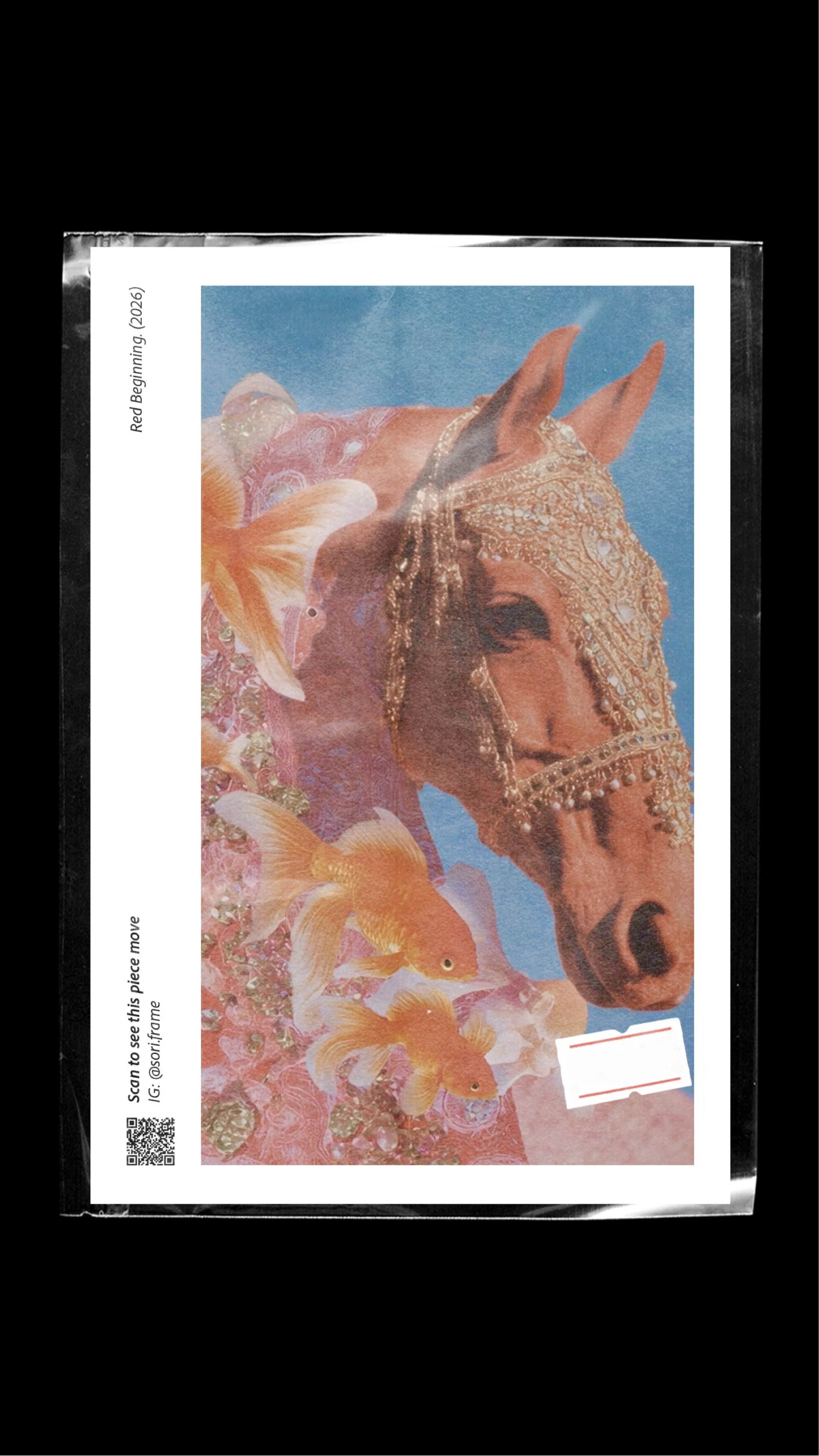
“I believe an AI artist’s role today is to act as a bridge—especially when people feel hesitant or defensive toward unfamiliar technologies. I’m personally drawn to analog mediums such as postcards, stickers, and hand-drawn imagery—objects that people encounter in everyday life and instinctively feel comfortable with. By combining these familiar formats with digital and AI-driven work, I want to create experiences that feel approachable rather than intimidating. For me, working with technology doesn’t mean confining art to digital screens. I’m interested in how digital-origin ideas can exist through tactile, human-scale mediums, allowing people to engage with them in physical and emotional ways. I see AI as simply another tool—a new brush or camera—and the role of the artist is to shape how that tool is experienced. By blending analog sensibilities with emerging technologies, I hope to help create a middle ground where new tools feel less foreign and more connected to everyday life.”
How do you approach prompt-writing and authorship in your AI-based work?
“Prompt-writing is not a technical step for me—it’s a form of authorship. I approach it the same way one might approach directing a scene or composing a frame. The prompt reflects my emotional intent, visual intuition, and the atmosphere I want to create, rather than a literal description of an image. I see AI as a collaborator that responds to direction, not as the source of the work itself. The decisions—what to include, what to exclude, when to stop, and what feels emotionally honest—are entirely mine. I hope viewers see my work not as something “made by AI,” but as something shaped by human intention, where technology becomes a tool for translating imagination into form.”
Instagram: @sori.frame