Interview
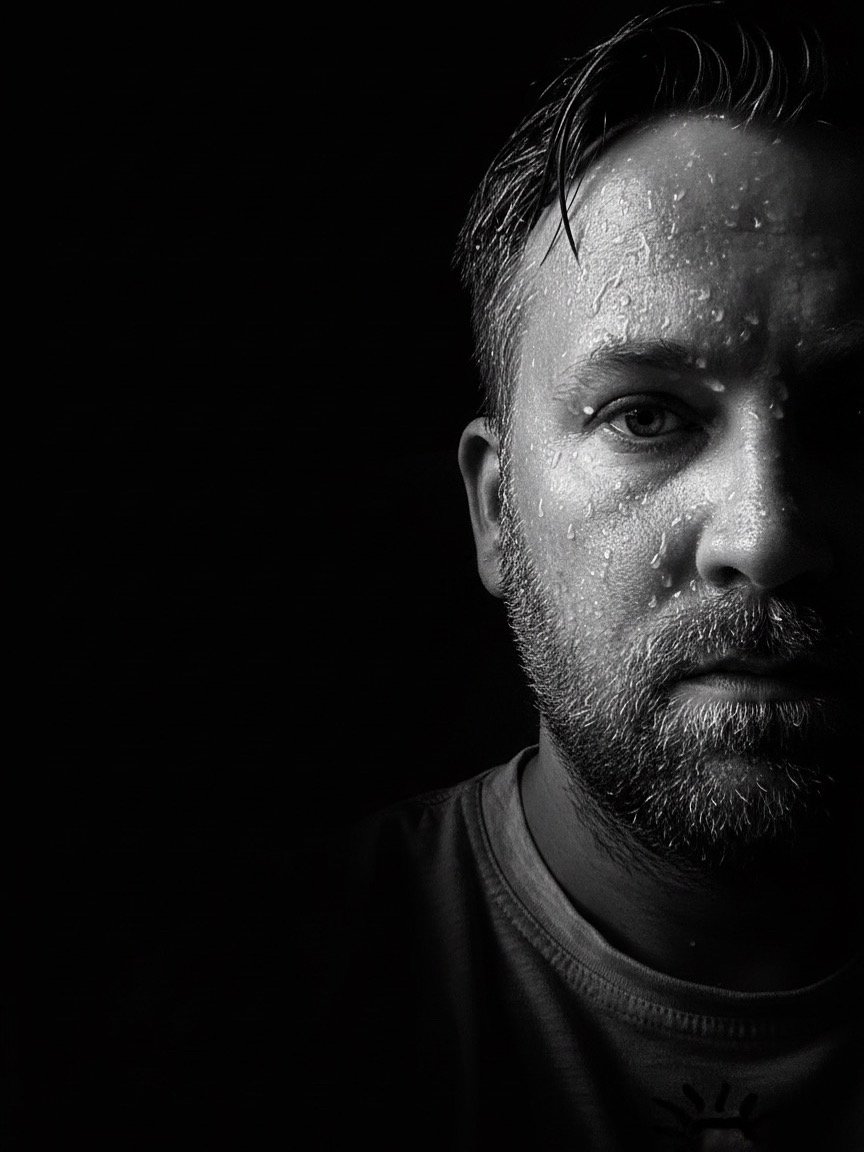
Jostein Saethre
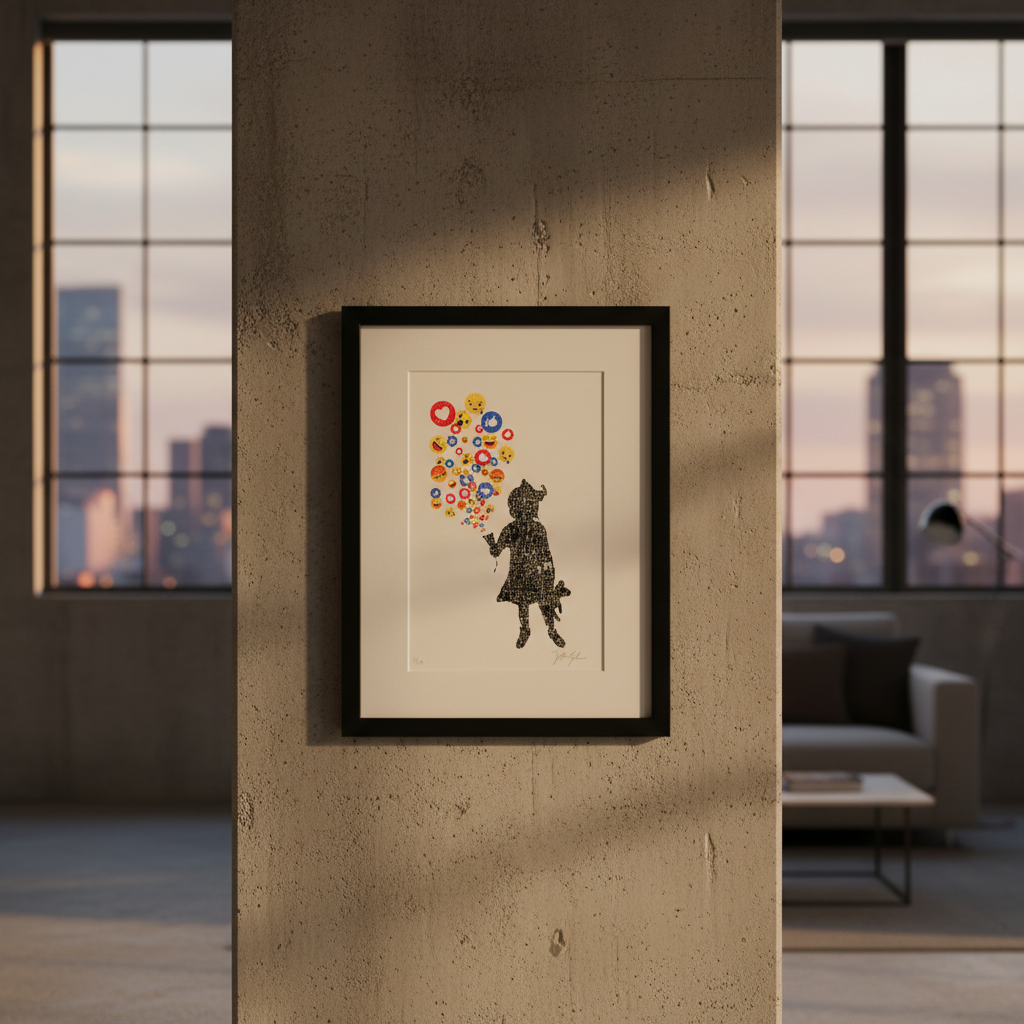
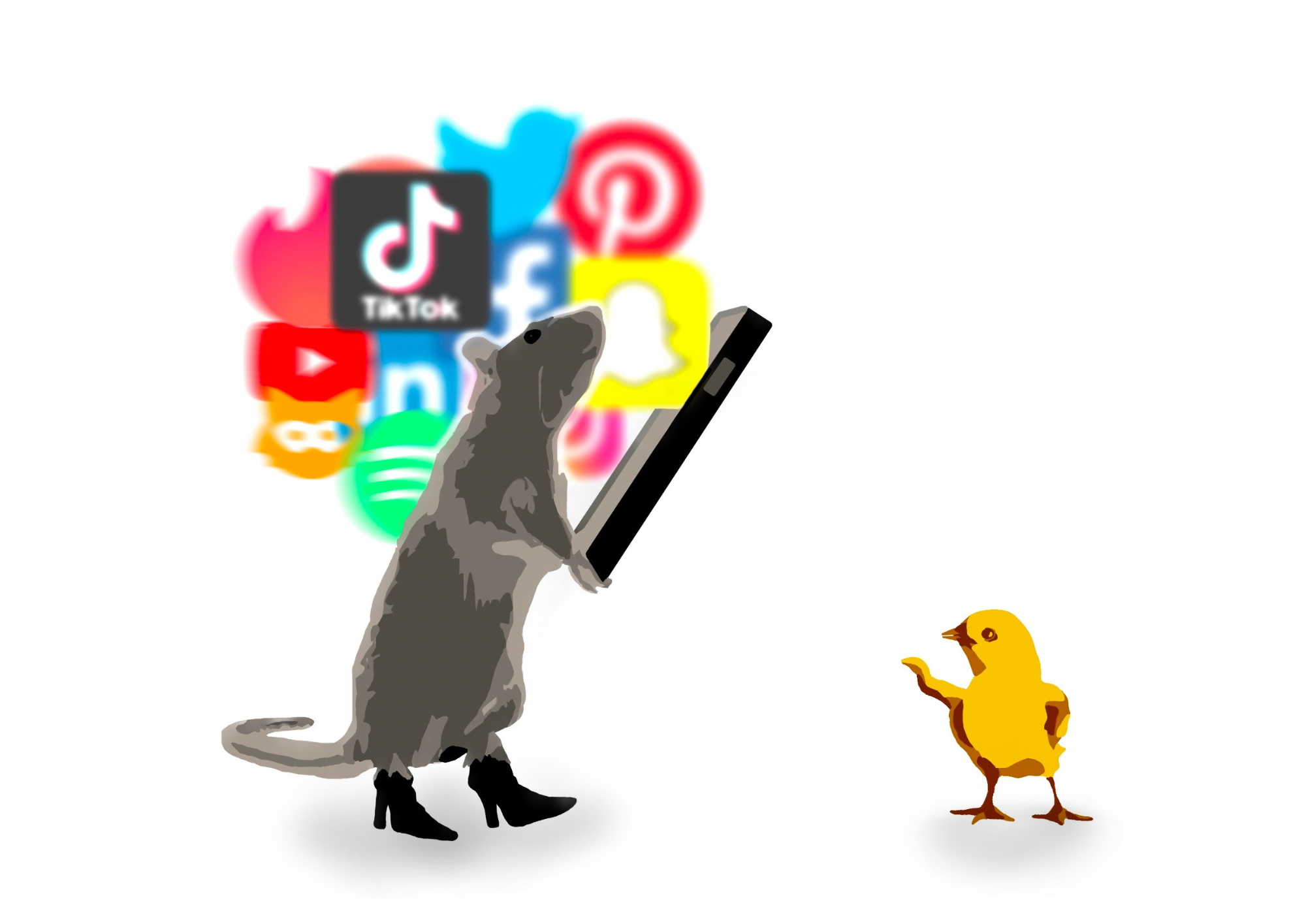
Jostein Sæthre is a visual artist based in Oslo. He holds three years of art education from Nydalen Art School and a bachelor’s degree in marketing. He primarily paints with acrylics on canvas, often combining various techniques where custom stencils, airbrush, spray paint, and mixed media create a distinctive visual expression. His work moves between the abstract and the figurative, with clear references to both street art and contemporary art. Sæthre also has extensive experience in digital art and design, producing digital graphic artworks (DGA) that are often combined with hand-coloring and printmaking techniques. A recurring theme in his artistic practice is openness about mental health. In his solo exhibition ‘Too Little – Too Much,’ he explores bipolar disorder as a central thread through both motifs and expression — an honest and personal meeting between control and chaos, light and darkness. Sæthre is an editor and subject specialist for Store norske leksikon (The Great Norwegian Encyclopedia) and has published two books with Kagge Forlag. As a content creator, he works at the intersection of art, communication, and visual storytelling.
What is your background and how did you start your journey in the art world?
“Creativity has always been a constant in my life, even when art itself wasn’t the obvious destination. I grew up drawing and painting, instinctively using images as a way to explore ideas and emotions. Still, pursuing art professionally didn’t feel like a natural or inevitable path. Instead, my creative drive first found expression through other disciplines. My background spans several creative and entrepreneurial fields. I’ve worked as a brewer and entrepreneur, building projects from the ground up, and as a writer and content creator, shaping narratives through words, concepts, and visual storytelling. In all of these roles, creativity has been central—whether through experimentation, craftsmanship, or communication. Everything shifted after I hit a wall—hard and unexpectedly. Burnout and personal collapse forced a complete reset. In that space, art stopped being something I returned to occasionally and became something essential. Painting became a way to process vulnerability, identity, and emotional weight at a time when language no longer felt sufficient.
During this period, I also discovered how vital artistic community can be. Meeting other artists, sharing experiences, and seeing how differently creativity could be lived and practiced brought both joy and renewed inspiration. Those encounters helped transform isolation into connection, and struggle into momentum. This growing commitment eventually led me to three years of formal training at an art school, which accelerated everything. The structure, critique, and exposure to new perspectives gave my intuitive practice a stronger foundation. It didn’t replace instinct—it sharpened it. The combination of lived experience, community, and education allowed my work to evolve with greater clarity and confidence. Today, my art carries traces of all these layers. My background outside the traditional fine art path informs how I think about storytelling, process, and intention, while the period of collapse—and the recovery that followed—gave the work its emotional core. Art is no longer something I step into; it is where everything converges.”

What inspires you?
“My greatest source of inspiration comes from community. Conversations with other artists, shared exhibitions, and being part of a creative environment where ideas are exchanged openly mean more to me than any single reference or aesthetic movement. There is something deeply energizing about standing in a room with people who are driven by the same need to create—learning from one another, challenging each other, and growing together. These shared spaces continually remind me why art matters. On a more personal level, inspiration is inseparable from how I experience the world. I live with bipolar disorder, something I’ve learned to understand and work with rather than fight against.
Over time, I’ve come to see it as part of my artistic sensitivity. It heightens perception, emotion, and awareness, making inspiration almost unavoidable. Most of what I see, hear, or feel can become a starting point for a painting. Periods of depression are especially complex, but I’ve learned to transform them rather than suppress them. I try to use the heaviness as material—to slow down, observe more closely, and let honesty guide the work. Many of my paintings emerge from this space, where the emotional tone may be dark, but the intention is not. I often find myself painting toward a sense of hope, even when the starting point feels hopeless. In that way, inspiration doesn’t come from escaping reality, but from engaging with it fully. Whether through dialogue with other artists, shared experiences, or my own internal landscape, inspiration is constant—rooted in connection, vulnerability, and the quiet belief that something meaningful can emerge even from difficult states of mind.”
What themes do you pursue? Is there an underlying message in your work?
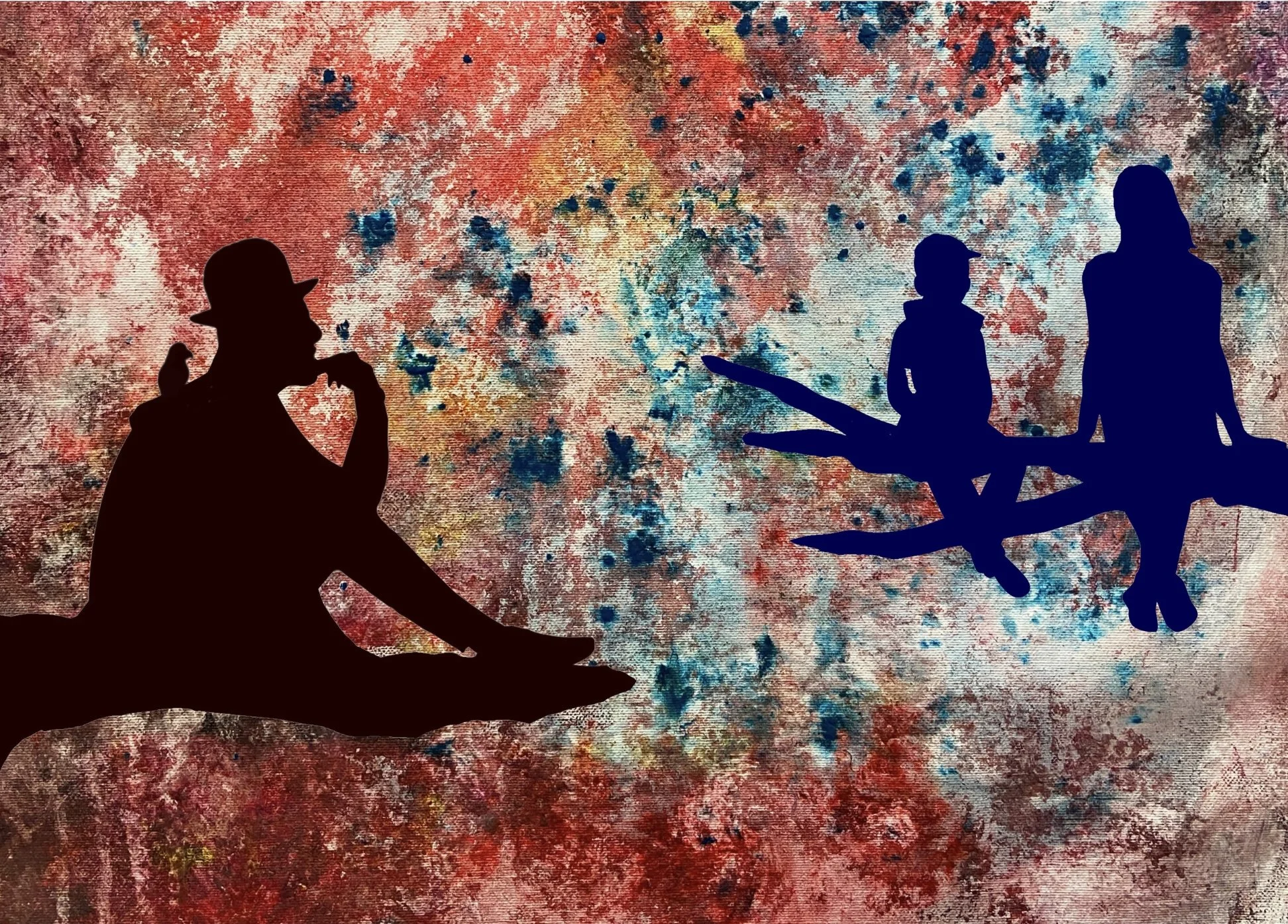
“My work consistently revolves around the human condition—especially vulnerability, identity, and emotional contrast. I’m drawn to moments where strength and fragility coexist, where innocence meets experience, and where silence can be just as expressive as confrontation. Rather than telling a fixed story, I aim to create spaces where emotions linger and viewers are invited to reflect on their own inner landscapes. A recurring theme in my work is tension: between hope and despair, control and chaos, presence and absence. These opposites mirror how we move through life, often carrying conflicting emotions at the same time. Figures in my paintings may appear isolated, restrained, or caught in quiet moments of pause, yet there is usually an element that suggests resilience—a gesture, a color choice, or a subtle disruption in the composition.
There is an underlying message, though I prefer it to remain open rather than didactic. At its core, my work speaks about endurance and connection. I’m interested in how people carry invisible struggles, how we learn to live with them, and how meaning can emerge even in emotionally difficult terrain. This perspective is deeply personal, but intentionally universal. I often try to paint hope into places where it doesn’t immediately belong. Not as optimism in a simplistic sense, but as something fragile, tentative, and real. For me, hope is not loud—it exists quietly, sometimes almost hidden. If my work communicates anything, it is that vulnerability is not weakness, and that even in states of darkness or uncertainty, there is room for empathy, reflection, and forward movement. Ultimately, I want my paintings to feel honest rather than resolved. If a viewer recognizes something of themselves in that honesty—something they may not have words for—then the work has done what it needed to do.”
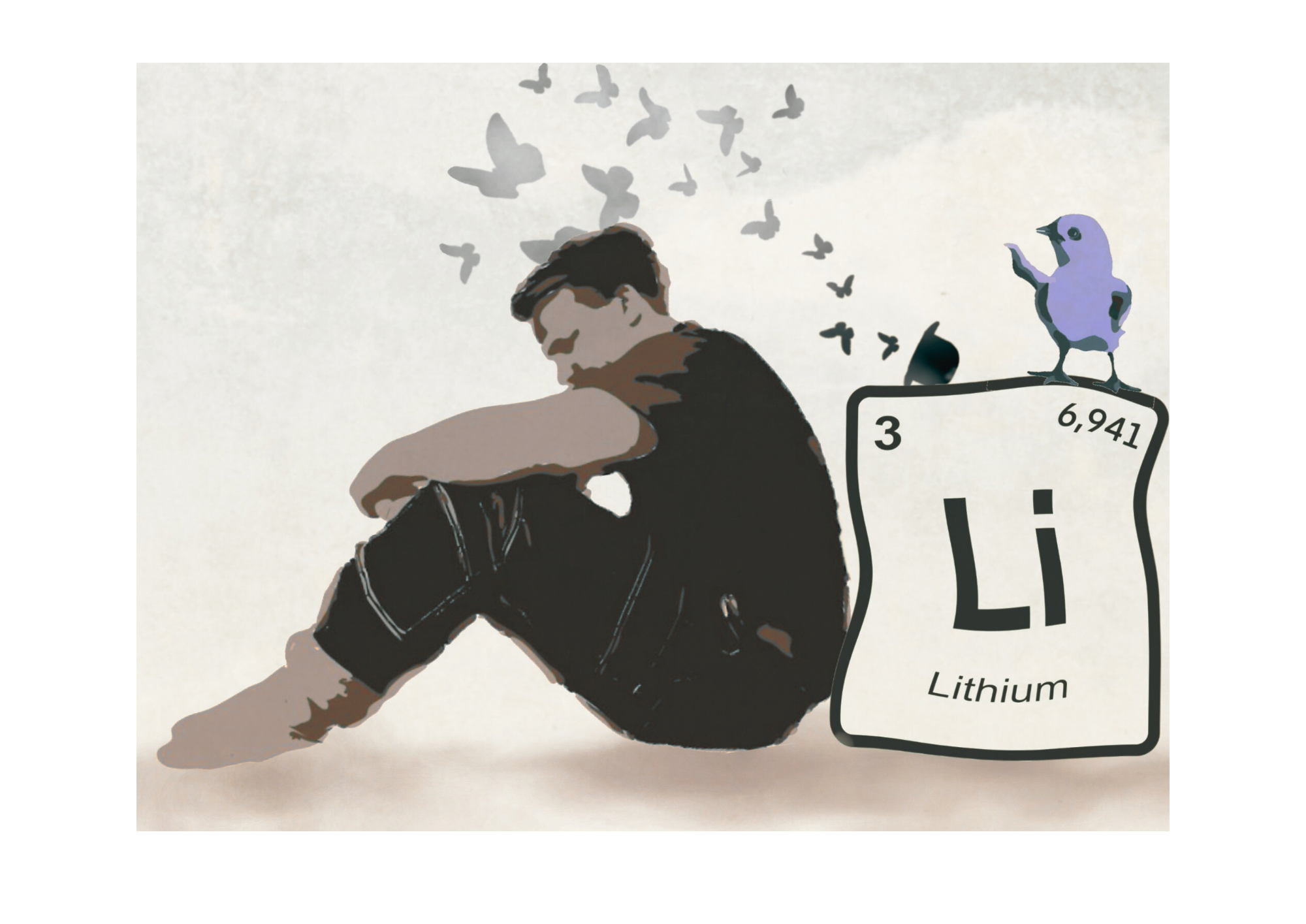
How would you describe your work?
“I would describe my work as emotionally layered and stylistically hybrid. It exists somewhere between control and spontaneity, clarity and fragmentation—a balance that closely reflects how I experience the world while living with bipolar disorder. Rather than trying to separate my mental landscape from my practice, I allow it to inform the rhythm, intensity, and shifts within the work.
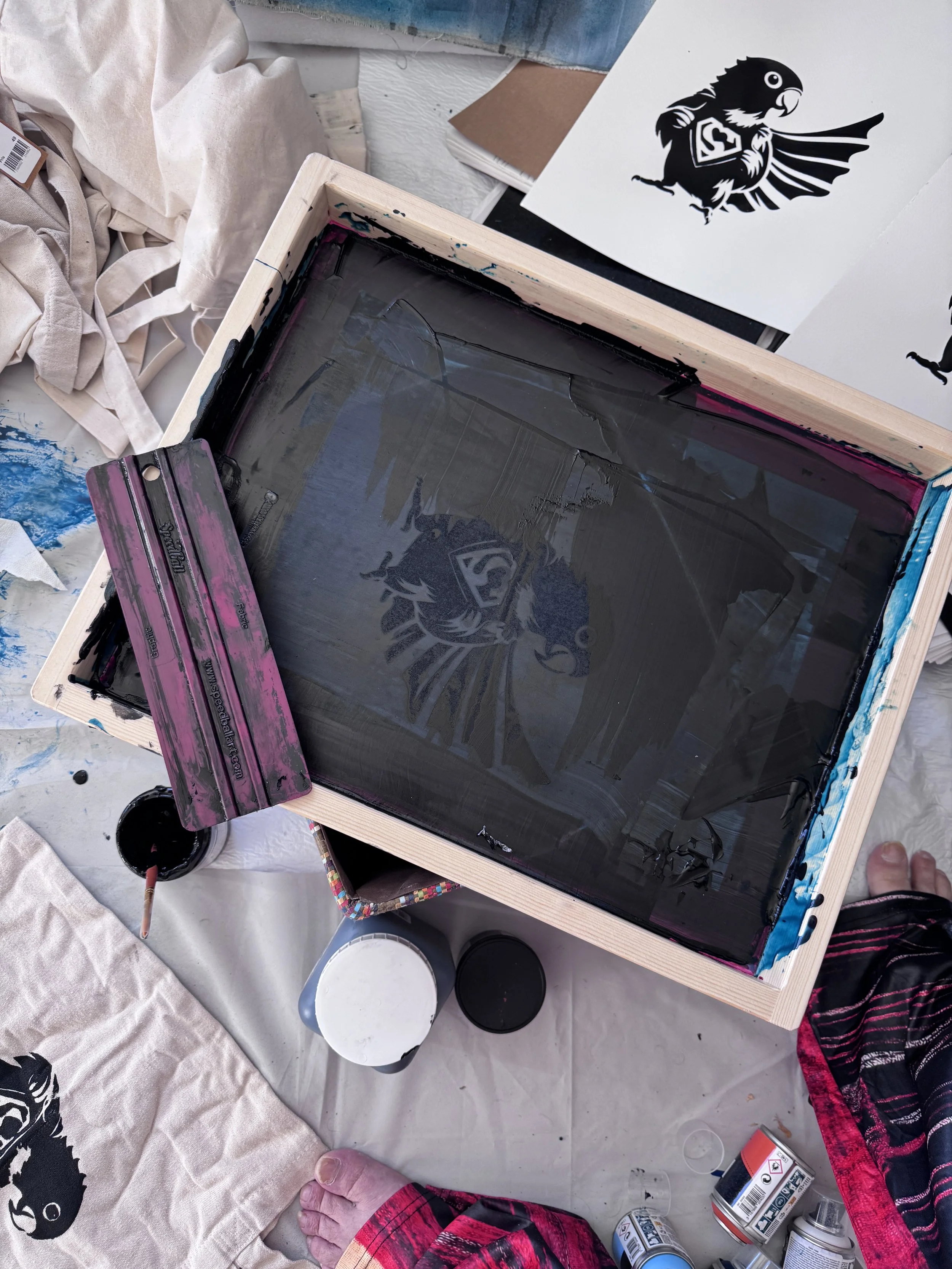
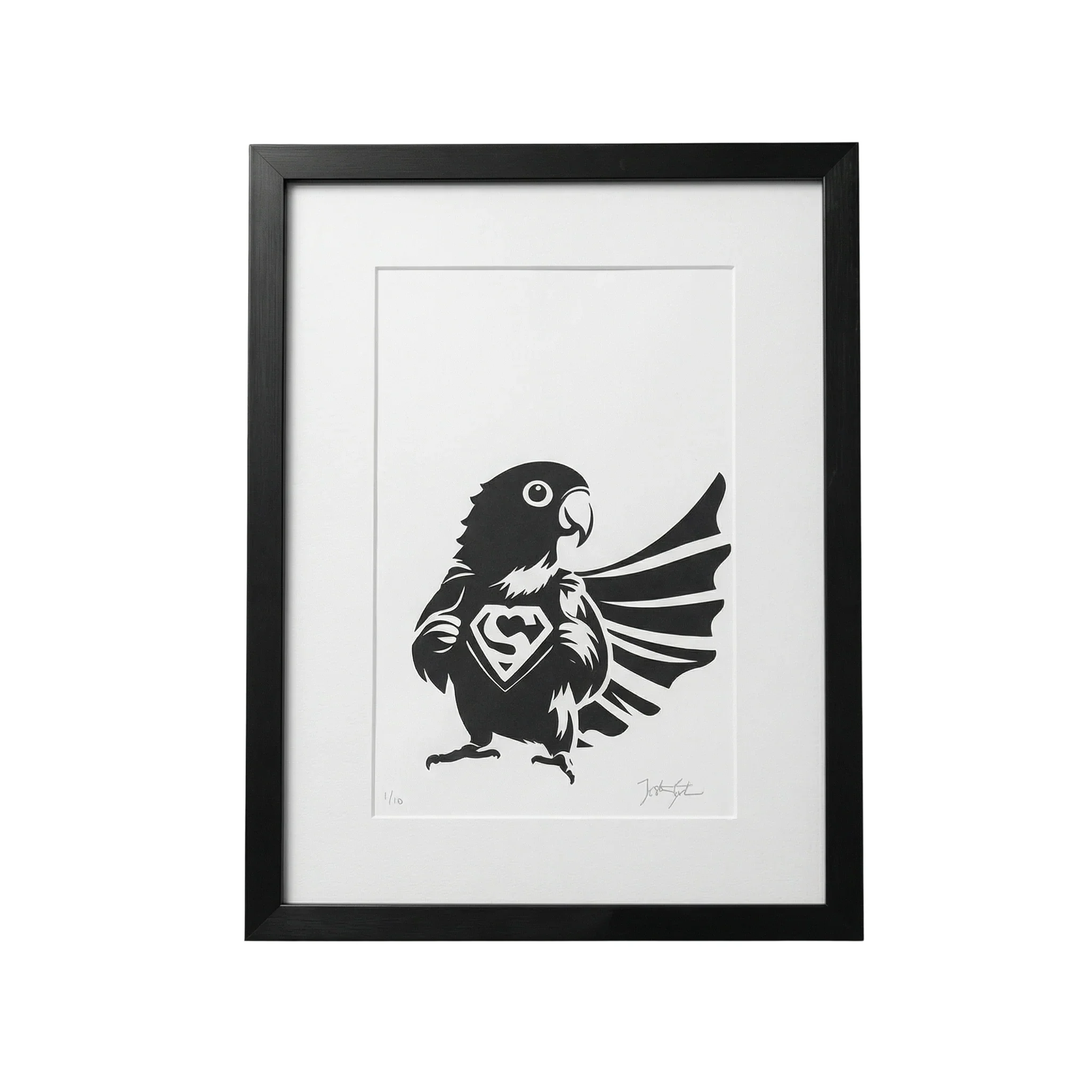
Visually, my paintings move within a mixed style where urban street aesthetics meet contemporary acrylic painting. I combine expressive brushstrokes with airbrush, stencils, and layered textures, allowing different techniques to coexist within the same surface. The rawness of street art brings immediacy and honesty, while more painterly elements introduce sensitivity, depth, and emotional nuance. This combination mirrors the contrasts I live with daily—moments of intensity and momentum alongside periods of stillness and introspection. Some areas of the canvas are direct and bold, while others are subtle, almost fragile. I’m interested in how these opposing energies can exist together without canceling each other out. Ultimately, my work is not about a single style or fixed expression, but about movement—between states, emotions, and identities. The layered process is essential: each mark, whether sprayed, brushed, or stenciled, carries intention and experience. Together, they form images that are grounded in urban visual language but driven by emotional honesty and personal narrative.”
Which artists influence you most?
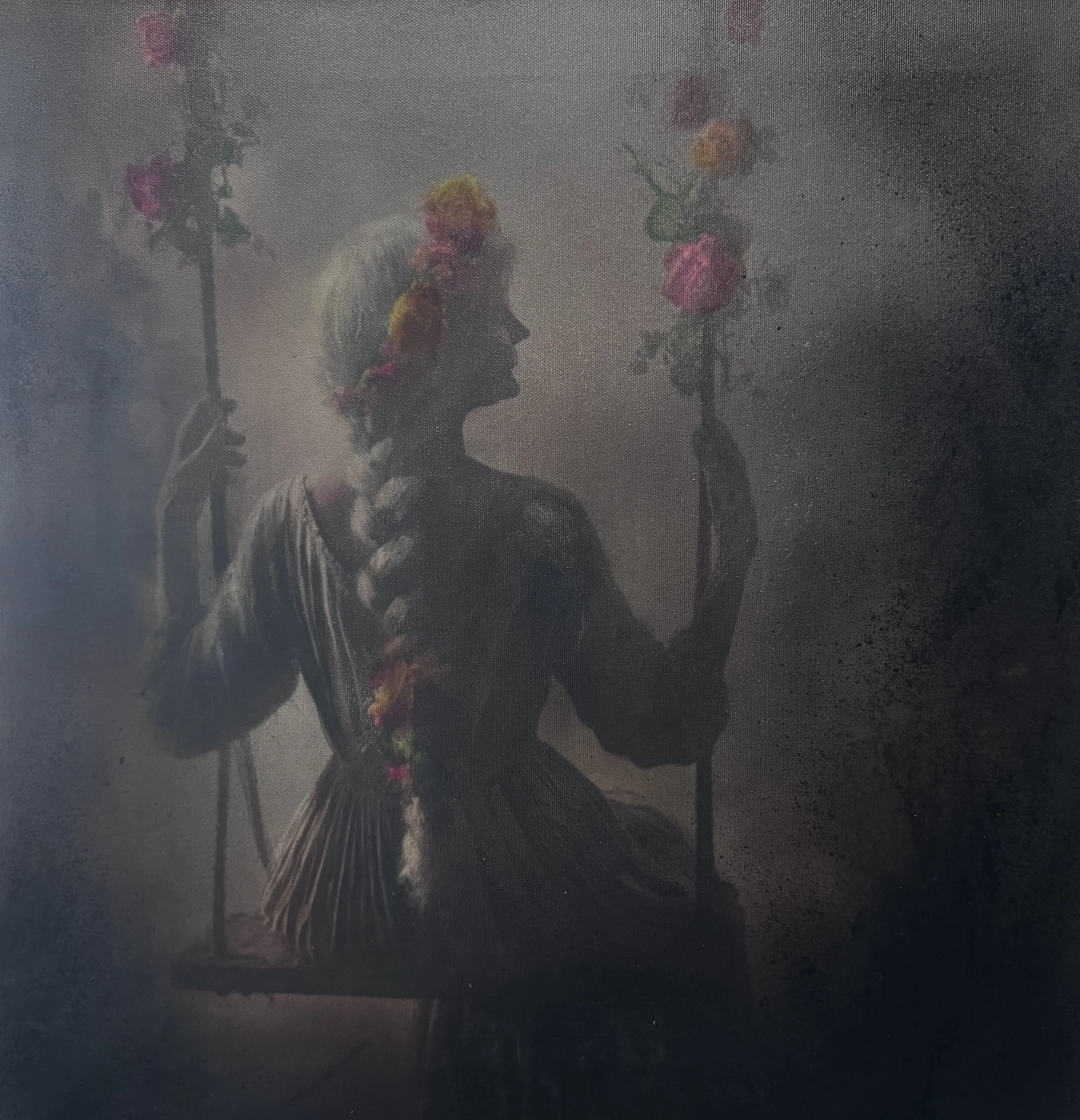
“This is a difficult question, because I don’t experience influence as something fixed or hierarchical. Every artist has a unique way of seeing and translating the world, and my own sources of inspiration tend to shift over time. I’m less interested in following specific artists than in absorbing certain qualities—moods, structures, or ways of thinking—that resonate with me at different stages. If I were to name a few, Edvard Munch has been a lasting presence. There is a darkness and psychological depth in his work that feels timeless. His ability to visualize inner states—anxiety, longing, isolation—without overexplaining them continues to feel deeply relevant. I’m also drawn to the surfaces, structures, and quiet magic in the work of Elisabeth Werp. Her paintings have a tactile sensitivity and an atmosphere that feels both grounded and otherworldly. The way she builds space and emotion through texture and restraint is something I find very inspiring.
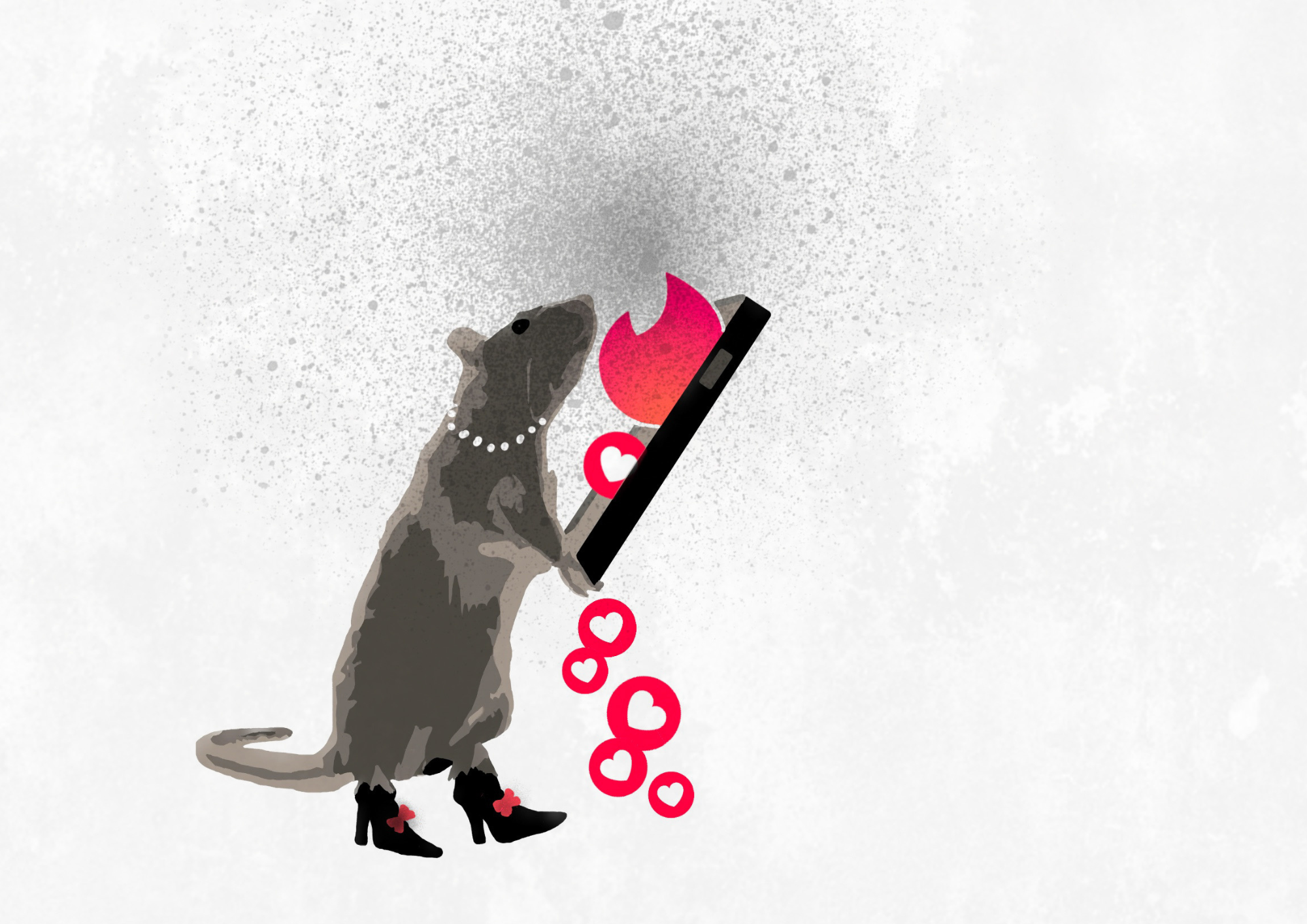
On the opposite end of the spectrum, Mark Rothko fascinates me—despite his work being very different from what I do. There is something powerful in how his paintings operate almost entirely on feeling rather than form or narrative. The emotional weight carried by simplicity and color alone is something I deeply respect. Beyond these references, I’m constantly influenced by contemporary urban expression. I follow a wide range of street art, stencil graffiti, and independent artists through social media, especially Instagram. That environment is fluid, immediate, and constantly evolving, and I inevitably absorb ideas, energy, and visual language from it—sometimes consciously, sometimes without realizing it. Ultimately, influence for me is less about imitation and more about dialogue. I allow different voices, aesthetics, and emotional registers to pass through my work, shaping it subtly over time while still leaving space for my own experience to remain at the center.”
What is your creative process like?
“My creative process is constant and mentally active—it rarely switches off. There are usually many threads running through my mind at the same time: images, emotions, fragments of ideas, things I want to express or resolve visually. Because of this, the process often moves at a high pace, driven by intuition rather than a fixed plan. Ideas can surface anywhere and at any moment, so I tend to respond quickly. Sometimes I sketch to give structure to a thought, but just as often I move directly onto the canvas. That immediacy is important to me—it allows emotion and instinct to guide the first layers before overthinking has a chance to interfere. I typically work on several paintings simultaneously, often four or five at once. This way of working reflects how my mind operates. When I need distance or a pause from one piece, I can step into another without losing momentum.
Each painting becomes part of a larger conversation, influencing the others in subtle ways through color choices, textures, or emotional tone. This approach also creates a natural rhythm between intensity and reflection. Some moments are fast and physical, others slower and more contemplative. I allow the work to develop organically, letting layers build, shift, or sometimes be erased entirely. The process is rarely linear, but it is always honest. For me, creating is less about reaching a predefined outcome and more about staying present in the flow. The paintings tell me when they need space, when they need action, and when they are finished. That dialogue—between thought, emotion, and material—is where the work truly takes shape.”
What is an artist’s role in society and how do you see that evolving?
“Artists have always played a vital role in society—as mirrors, witnesses, and sometimes as challengers. Throughout history, art has reflected the spirit of its time, capturing collective emotions, cultural shifts, and unspoken tensions. At the same time, artists have an important responsibility to question, to provoke reflection, and to draw attention to issues that might otherwise be overlooked or ignored. What makes art especially powerful is that it speaks a universal language. It doesn’t rely on shared nationality, politics, or ideology. Images, colors, and emotions can cross borders instantly, reaching people on a deeply human level. In a world that often feels increasingly fragmented and polarized, this ability to connect across differences is more important than ever. I believe the artist’s role is evolving alongside society. Today, artists are not only observers but active participants in public discourse. Through exhibitions, digital platforms, and shared spaces, art can create dialogue rather than division. It can slow people down, invite empathy, and open conversations that feel difficult but necessary. Ultimately, art has the potential to be unifying. Not by offering simple answers, but by reminding us of shared vulnerability, complexity, and humanity. In times of uncertainty, that reminder becomes a quiet but powerful form of resistance—and a way of bringing people together when it matters most.”
Have you had any noteworthy exhibitions you'd like to share?
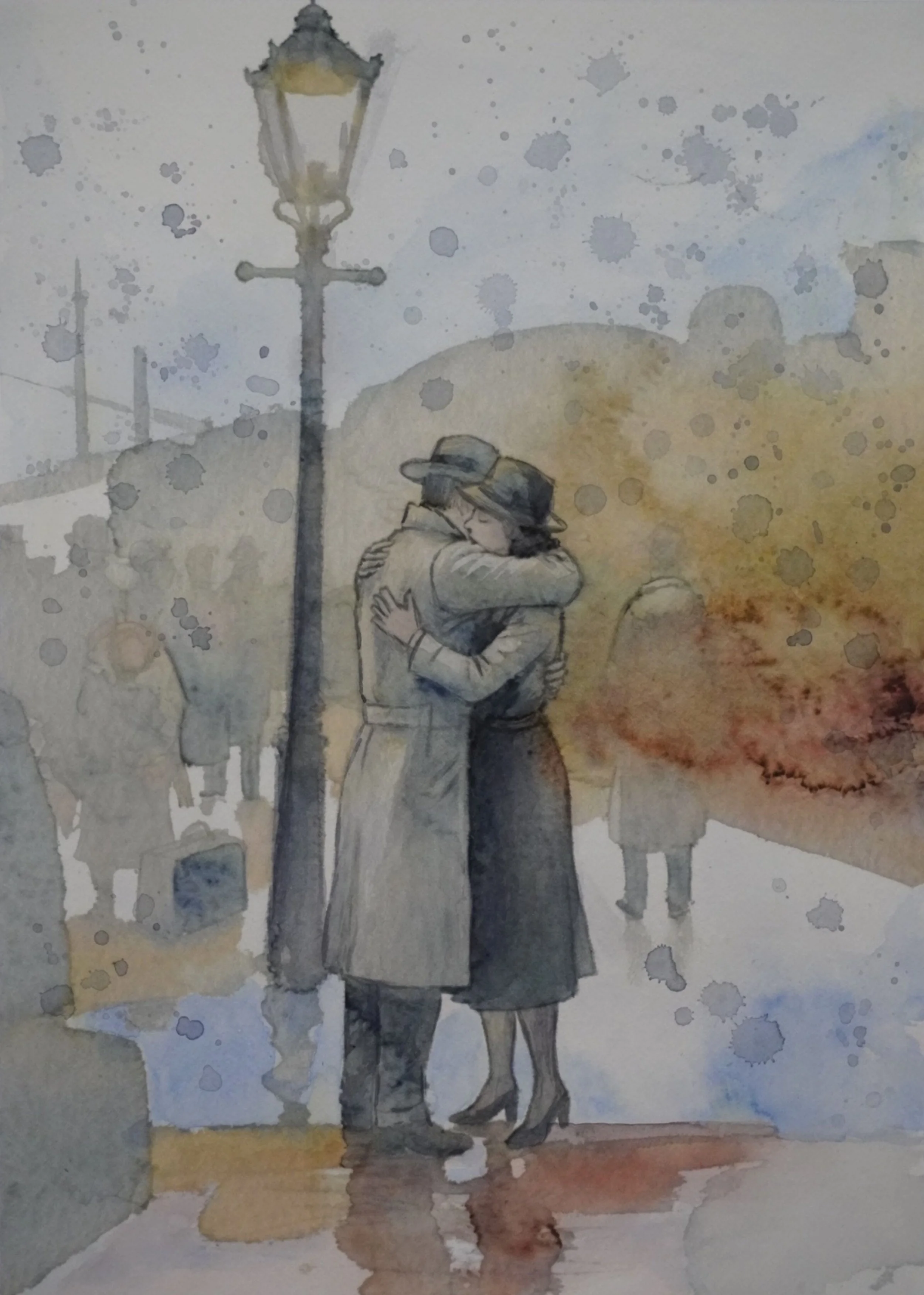
“I’ve participated in several group exhibitions over the years, which have been important in shaping both my confidence and my relationship with audiences. Sharing space with other artists—seeing how different practices coexist and interact—has been an essential part of my development. In 2025, I held my first solo exhibition, which marked a major milestone for me. The exhibition was titled Too Little Too Much and centered around bipolar disorder—its contrasts, intensity, vulnerability, and lived reality. The work explored emotional extremes and the space in between, using both visual tension and quiet moments to reflect that experience. The response to the exhibition exceeded all expectations. The engagement from visitors was strong and deeply personal, and many people reached out afterward to share their own experiences or to express how the work resonated with them. Since then, I’ve been asked multiple times whether I plan to restage the exhibition, which has been incredibly encouraging. That dialogue has also sparked new ideas. I often joke—only half seriously—that my next exhibition might be titled Bipolar 2. Whether or not that becomes a reality, Too Little Too Much opened a door for a more open, honest conversation through my work, and it set the direction for where I want to take my practice next.”
Website: josartsy.no
Instagram: @josartsy