
Interview
Dominika Białas
Dominika is a Polish visual artist working primarily in drawing and painting. Her work focuses on psychological portraiture and the emotional depth of the human condition. Through expressive line, contrast, and detailed observation, she explores themes of marginalization, vulnerability, and social invisibility. Her background in visual arts and film informs her narrative sensitivity and attention to inner states. She has exhibited internationally, including a group exhibition at Expometro in Rome, and her work has been published in international art magazines.
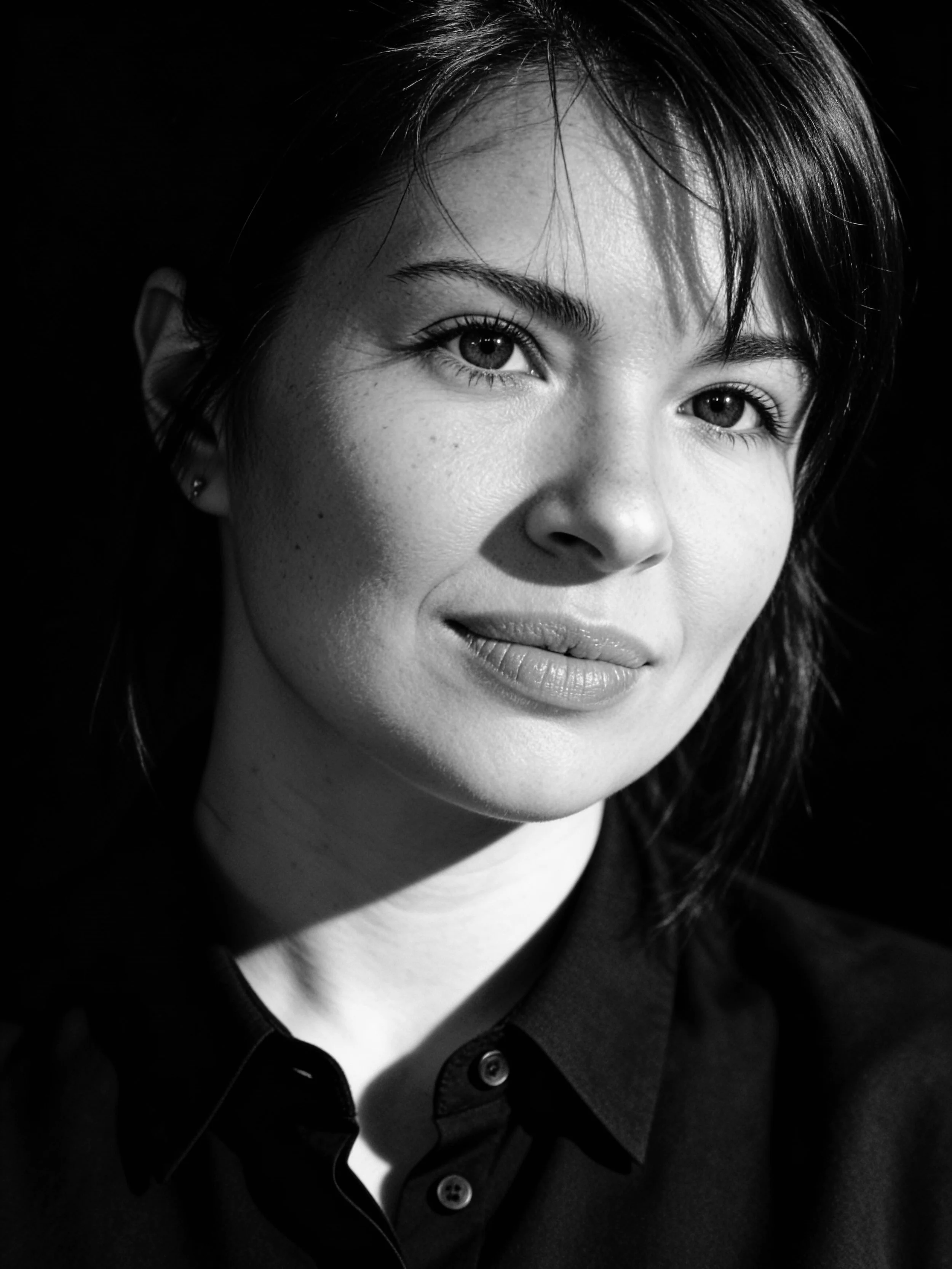
What is your background and how did you start your journey in the art world?
“I graduated from the State Secondary School of Fine Arts in Warsaw and later completed directing studies at the Academy of Film and Television. I have continued developing my practice through advanced academic studies in drawing and painting. Art has always been a natural language for me. I began drawing at a very young age as a way of observing and understanding the world around me. Over time, this instinct evolved into a conscious artistic path. My background in visual arts and film has shaped my sensitivity to narrative, emotion, and psychological depth, which now strongly influence my portrait work.”
What does your work aim to say? Does it comment on any current social or political issues?
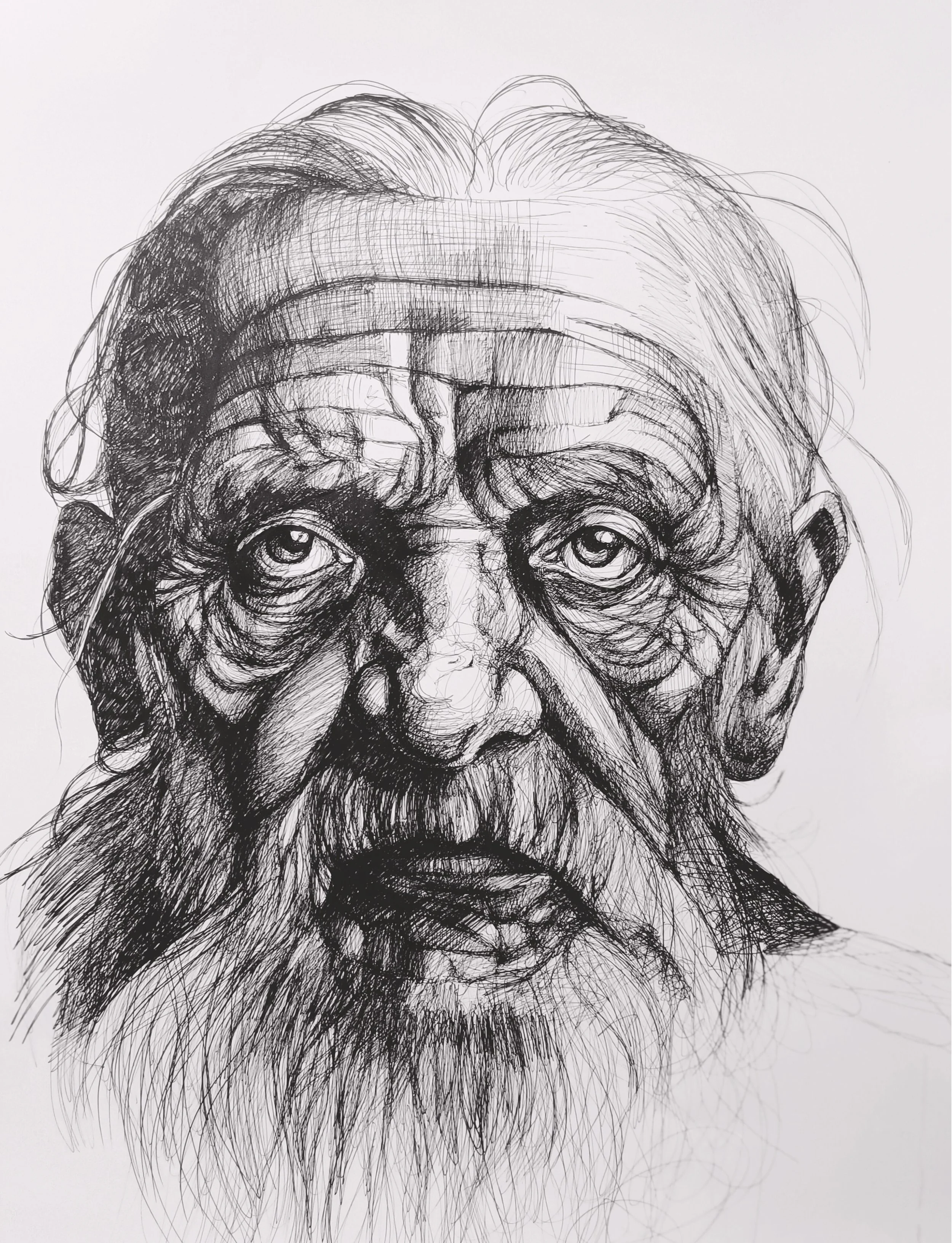
“My work aims to restore visibility and dignity to those who are often overlooked. Through portraiture, I focus on the human presence rather than labels or statistics. While my art touches on social realities such as homelessness and marginalization, it is not political in a direct sense. Instead, it invites reflection, empathy, and a pause — encouraging viewers to truly see the person in front of them.”
Do you plan your work in advance, or is it improvisation?
“My work usually begins with a clear emotional intention rather than a strict visual plan. I rarely create detailed sketches beforehand. Instead, I start with a feeling, a psychological state, or a silent inner image. The composition evolves gradually through observation and intuitive decisions. In portrait work, I allow space for improvisation — the lines respond to each other, and the face slowly reveals itself through the process. This balance between control and intuition is essential to me. The structure may be deliberate, but the emotional depth emerges organically during the act of drawing.”
Are there any art world trends are you following?
“I observe contemporary art movements, but I try not to consciously follow trends. I am more interested in timeless human themes than in what is temporarily fashionable. That said, I notice a growing return to figurative art and psychologically intense portraiture, as well as a stronger focus on social vulnerability and marginalized identities. These directions resonate with my own artistic concerns. Rather than adapting to trends, I prefer to stay attentive to the emotional and social undercurrents of our time. My work develops from observation and inner necessity rather than from the dynamics of the art market.”
What process, materials and techniques do you use to create your artwork?
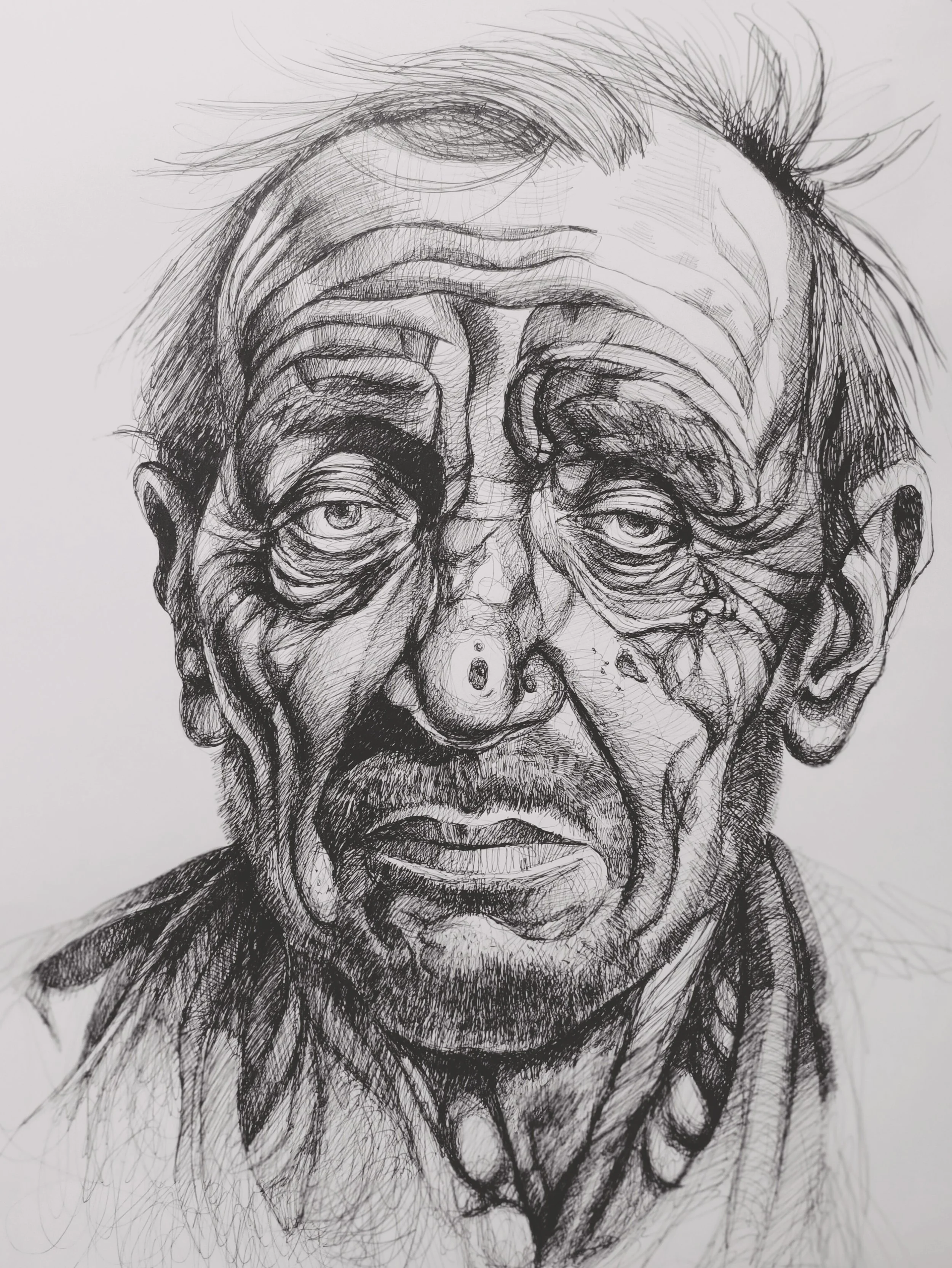
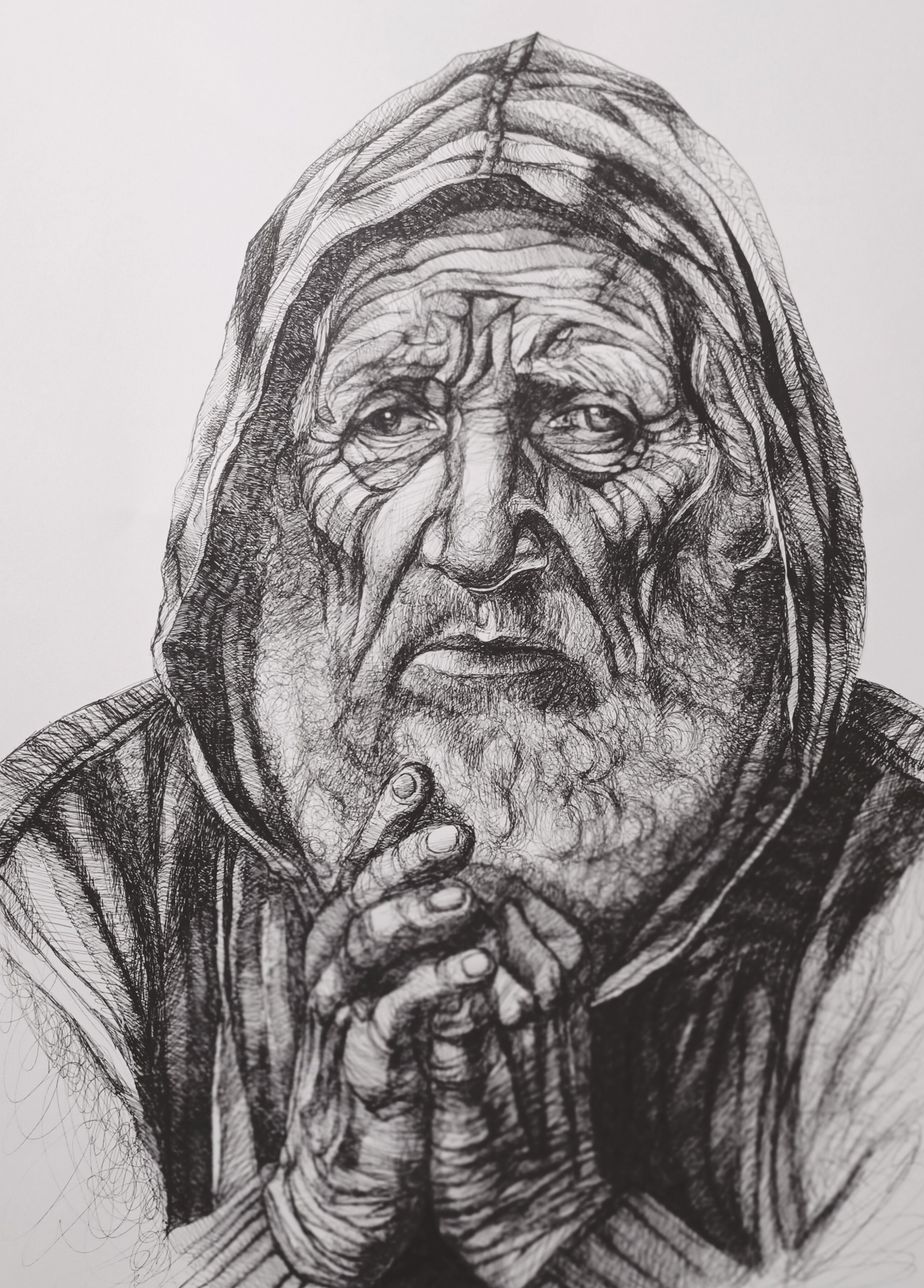
“My process begins with observation. I spend time studying faces, expressions, and subtle emotional tensions before I start drawing. I usually work from photographic references, but I reinterpret them intuitively, allowing the line to evolve freely. In this series, I work primarily with technical pens (micron pens) on paper. The fine line allows me to build depth through layering, cross-hatching, and controlled repetition of marks. I focus on contrast, texture, and the rhythm of lines to shape psychological intensity. I work slowly and deliberately. The process is almost meditative — each line becomes a way of entering the inner world of the portrayed person. Through accumulation of detail, I aim to reveal vulnerability, dignity, and emotional presence.”
What does your art mean to you?
“Art is my way of understanding the world and my place within it. It allows me to process emotions that are often difficult to express in words. Through drawing, I can slow down, observe deeply, and give attention to what is usually overlooked. My work is also an act of empathy. Especially in my series focused on people experiencing homelessness, art becomes a space where I can restore visibility and dignity to those who are often ignored. It is not about illustrating suffering, but about revealing presence, humanity, and inner strength. On a personal level, art is both silence and dialogue — a quiet space where I reflect, and at the same time, an invitation for others to look closer and feel more consciously.”
What’s your favourite artwork and why?
“I do not have one fixed favourite artwork, because each piece marks a different stage of my inner journey. However, the works from my ‘Without an Address’ series feel particularly close to me. In this series, I explore faces shaped by time, hardship, and silence. These portraits required patience, emotional presence, and deep observation. While working on them, I felt a strong sense of responsibility — not to aestheticize suffering, but to honour the individual behind the label. If I had to choose, I would say that my favourite work is always the one that challenged me the most emotionally. The piece that made me uncomfortable, slowed me down, and forced me to look longer — that is the work that stays with me.”
Have you had any noteworthy exhibitions you'd like to share?
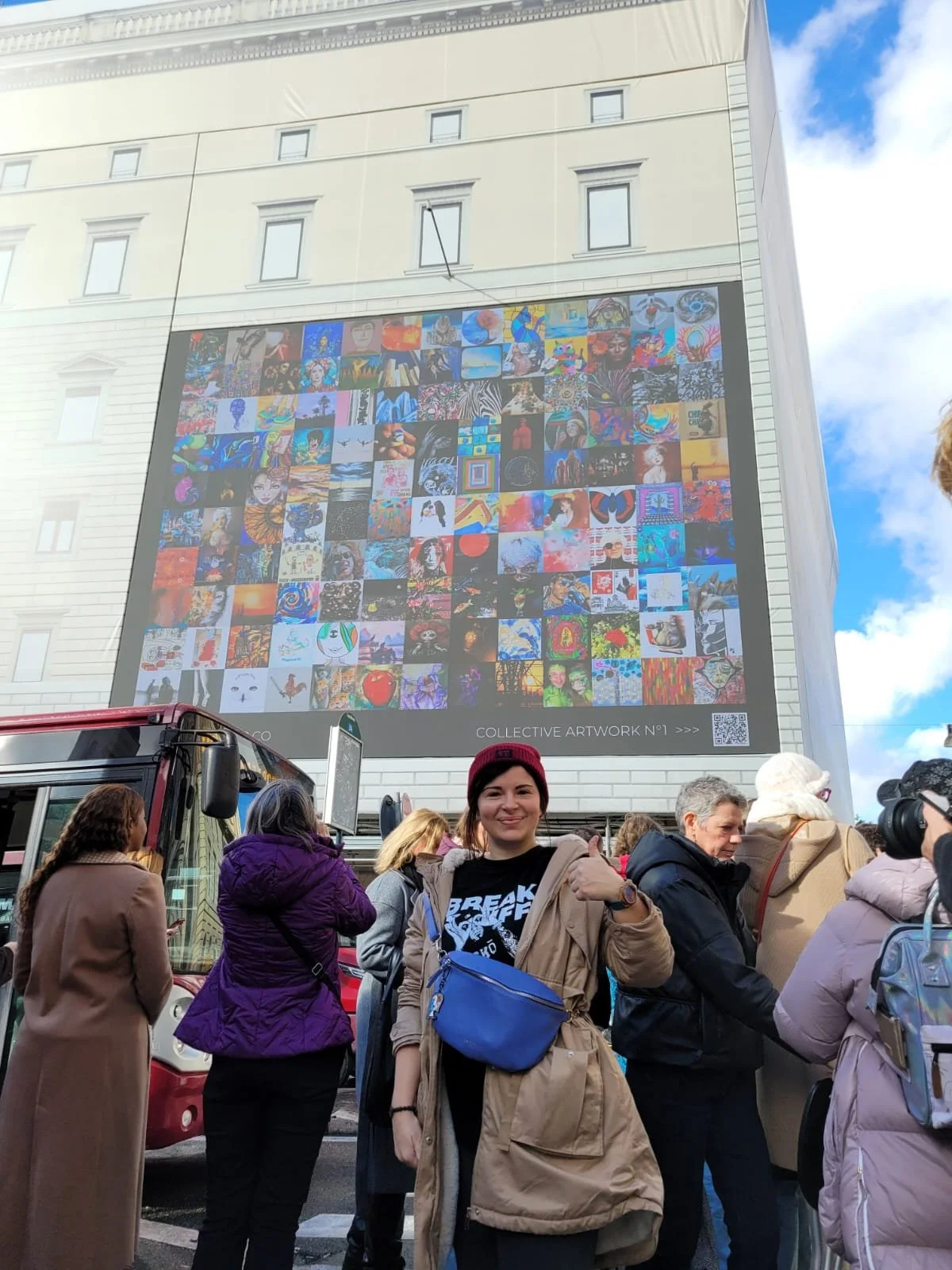
“In recent years, my work has been exhibited internationally, including a group exhibition at Expometro in Rome. My portraits have also been displayed on Times Square in New York City. I have been published in international art magazines such as Artist Talk and Visual Art Journal, where I was featured as a cover artist. My work has received international juried selections and honorable mentions, and I am an internationally published visual artist.”
Instagram: @ciszaifarba