Interview
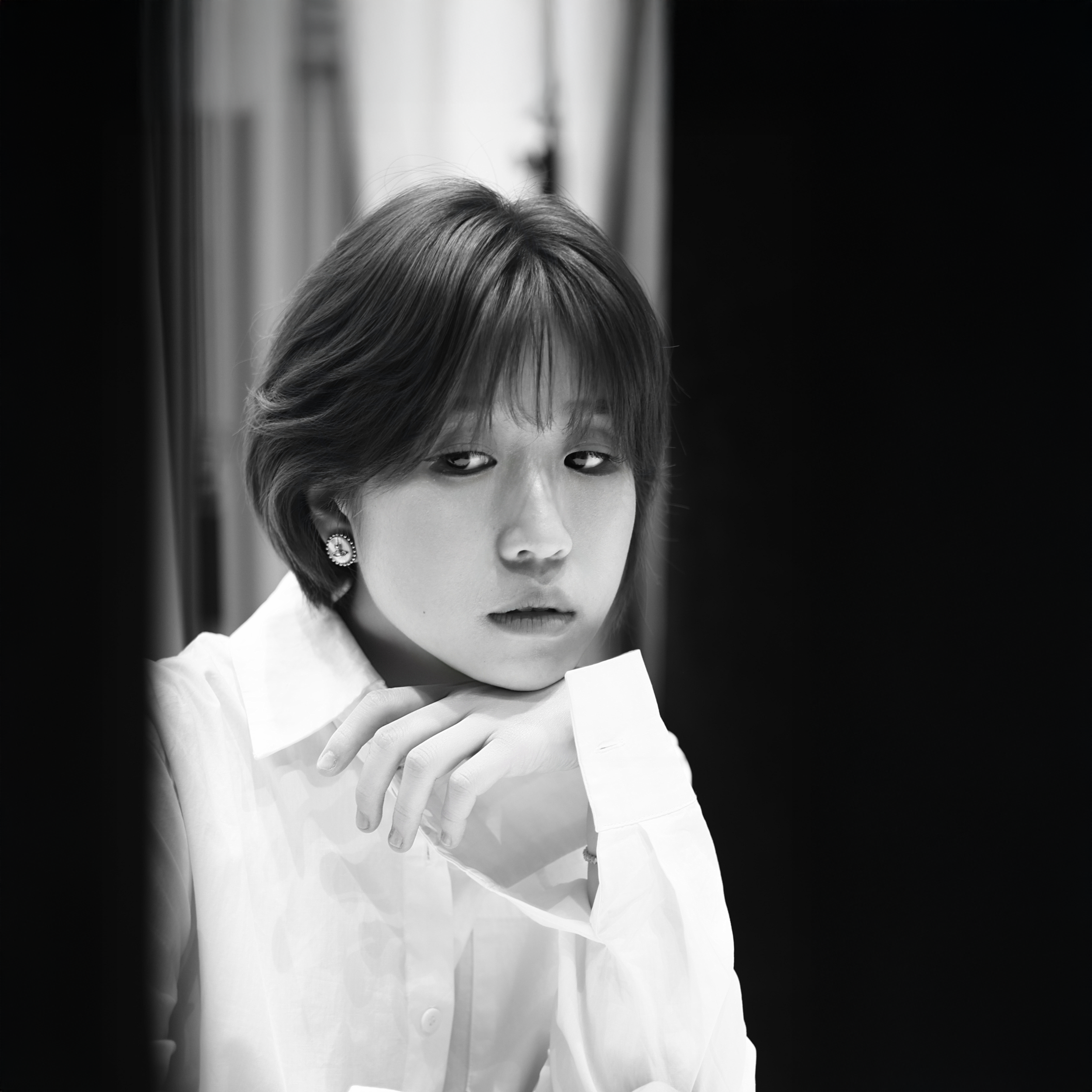
Jesseter Wang
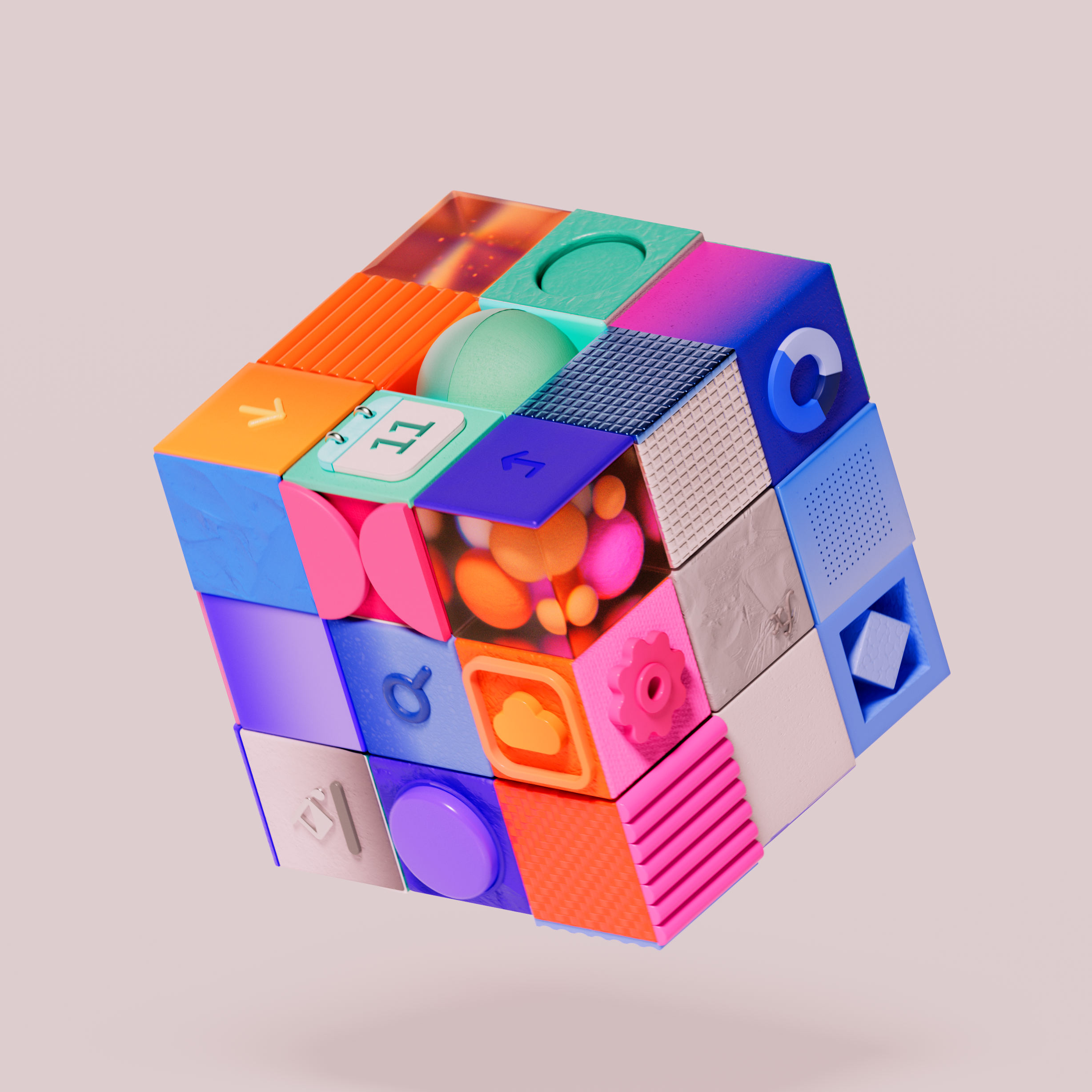
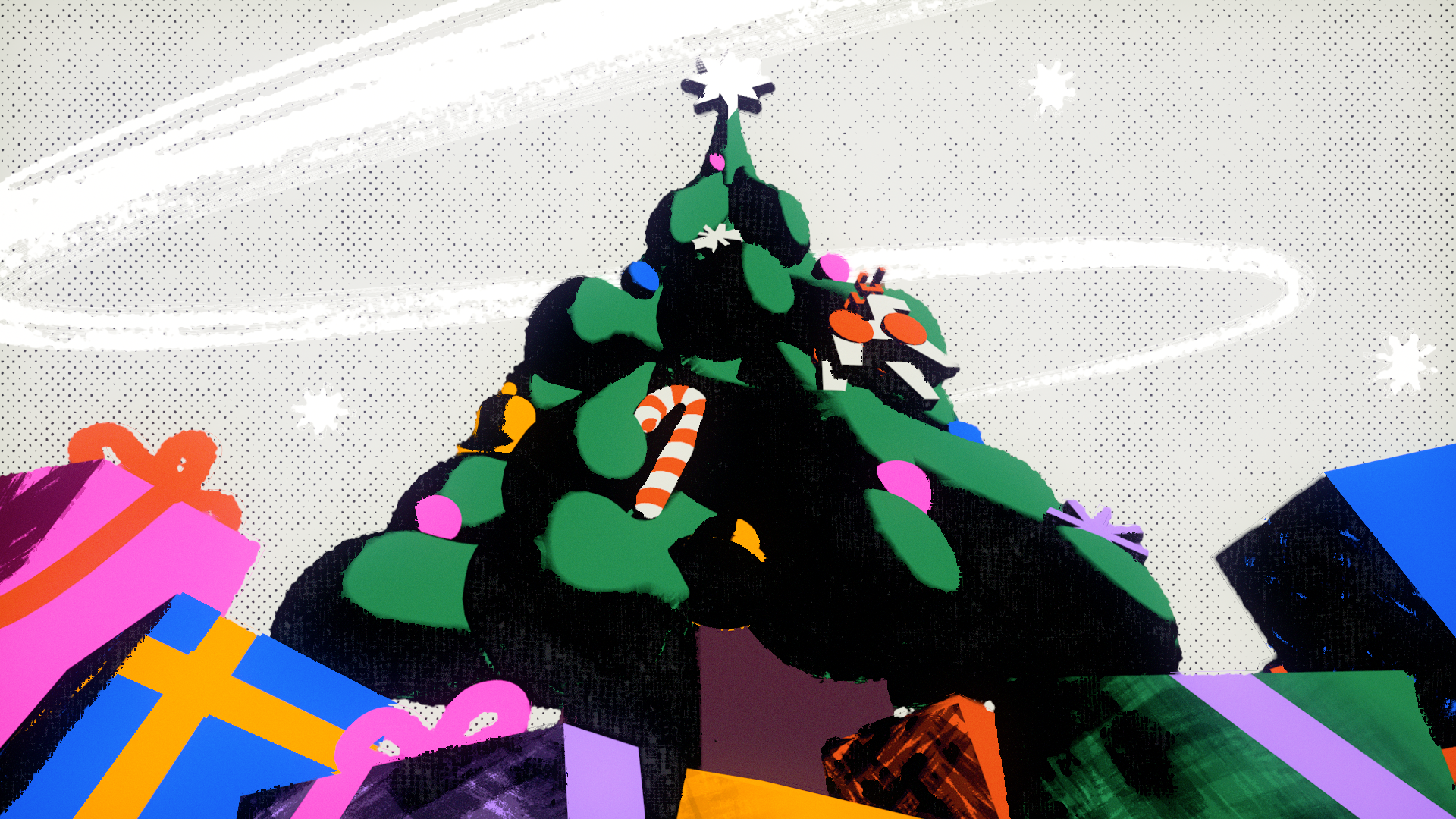
Jesseter Wang is a New York based visual designer and animator working at the intersection of design, technology, and visual storytelling. She currently works at BUCK, contributing to projects for global clients such as IBM, Microsoft, and Stripe. Her work has received international recognition across multiple award platforms, including Communication Arts, Applied Arts, Indigo Design Award, MUSE Creative Awards, and NYX Awards. Her personal projects Year of the Rabbit and Starry Merry have been recognized across several of these competitions. With a background in architecture, her practice is shaped by a strong sense of structure and systems thinking. She focuses on translating complex ideas into intuitive and engaging visual experiences, often within technology driven contexts. At the same time, she explores more personal and emotional narratives through motion, drawing from her cultural background and lived experience. Jesseter’s practice reflects an ongoing interest in how design can make abstract systems more accessible, while maintaining a sense of clarity, rhythm, and atmosphere.

What is your background and how did you start your journey in the art world?
“I didn’t start in a very direct way. I originally studied architecture, but realized pretty early on that it wasn’t what I wanted to do long term. Around that time, I started teaching myself 3D and animation, and it gradually became something I was much more drawn to. Eventually I shifted fully into visual design and motion design, and since then I’ve been focusing on using movement to make complex ideas feel more intuitive and engaging.”
What inspires you?
“I’m inspired by a mix of everyday observations and more abstract ideas. Things like architecture, photography, product design, or even light and materials can spark something. I’m also really drawn to how complex systems are communicated, and how motion can make them feel intuitive. And then there’s the more personal side, emotions and small life experiences that slowly find their way into the work.”
What themes do you pursue? Is there an underlying message in your work?
“I tend to be drawn to themes around complexity and clarity: how abstract or technical ideas can be translated into something more intuitive and human. At the same time, there’s a more subtle layer in my work that comes from personal experience. Things like transition, pressure, or the feeling of being between different contexts often shape the tone. I wouldn’t say there’s a single fixed message, but I’m generally interested in making things feel more understandable, and sometimes more relatable, whether that’s through structure, movement, or emotion.”
How would you describe your work?
“I’d say my work sits between structure and emotion. I’m often translating complex ideas into something more intuitive, but I also care a lot about mood, like how something feels, not just how it reads.”
Which artists influence you most?
“I’m actually less influenced by specific artists and more by different disciplines. I look a lot of amazing works from the design and animation industry, but outside I also look a lot at film, illustration, and installation art. I’m really drawn to work that feels structured but still has a strong point of view, especially when it can make complex ideas feel intuitive.”
What is your creative process like?
“I usually start by trying to understand the core idea, what really needs to be communicated. Once that feels clear, I move into visual exploration, testing different ways to translate it into motion and form. It’s pretty iterative, going back and forth between thinking and making until things start to click.”
What is an artist’s role in society and how do you see that evolving?
“I think an artist’s role has always been to help people see and feel things differently, whether that’s making something complex more understandable, or giving form to experiences that are harder to articulate. Artist is becoming more intertwined with technology, not just creating images, but shaping how people interact with systems, information, and environments. As tools become more accessible, I think the role shifts less toward execution and more toward perspective: how you frame ideas, what you choose to emphasize, and how you connect things in a meaningful way.”