Interview
Finnigen Rynehart
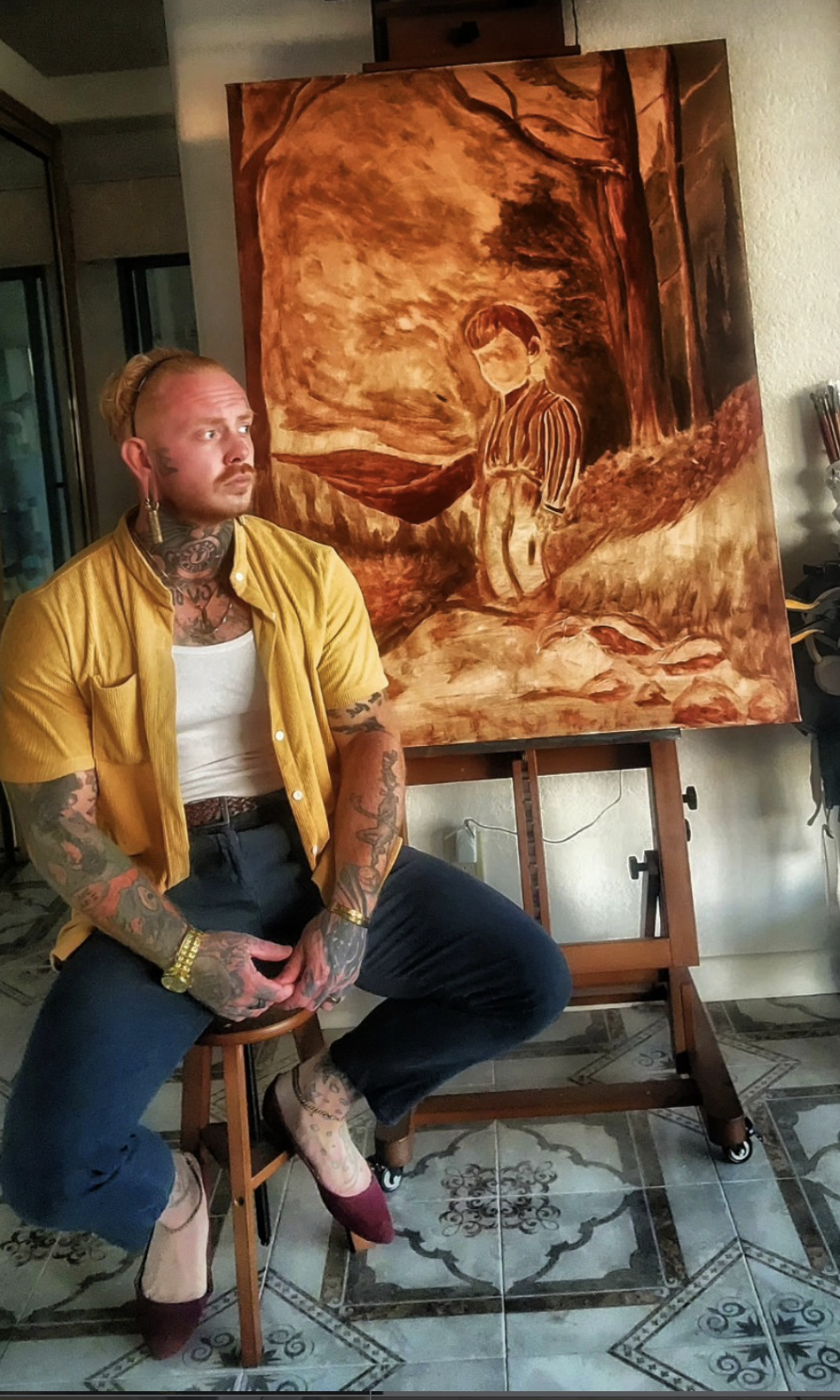
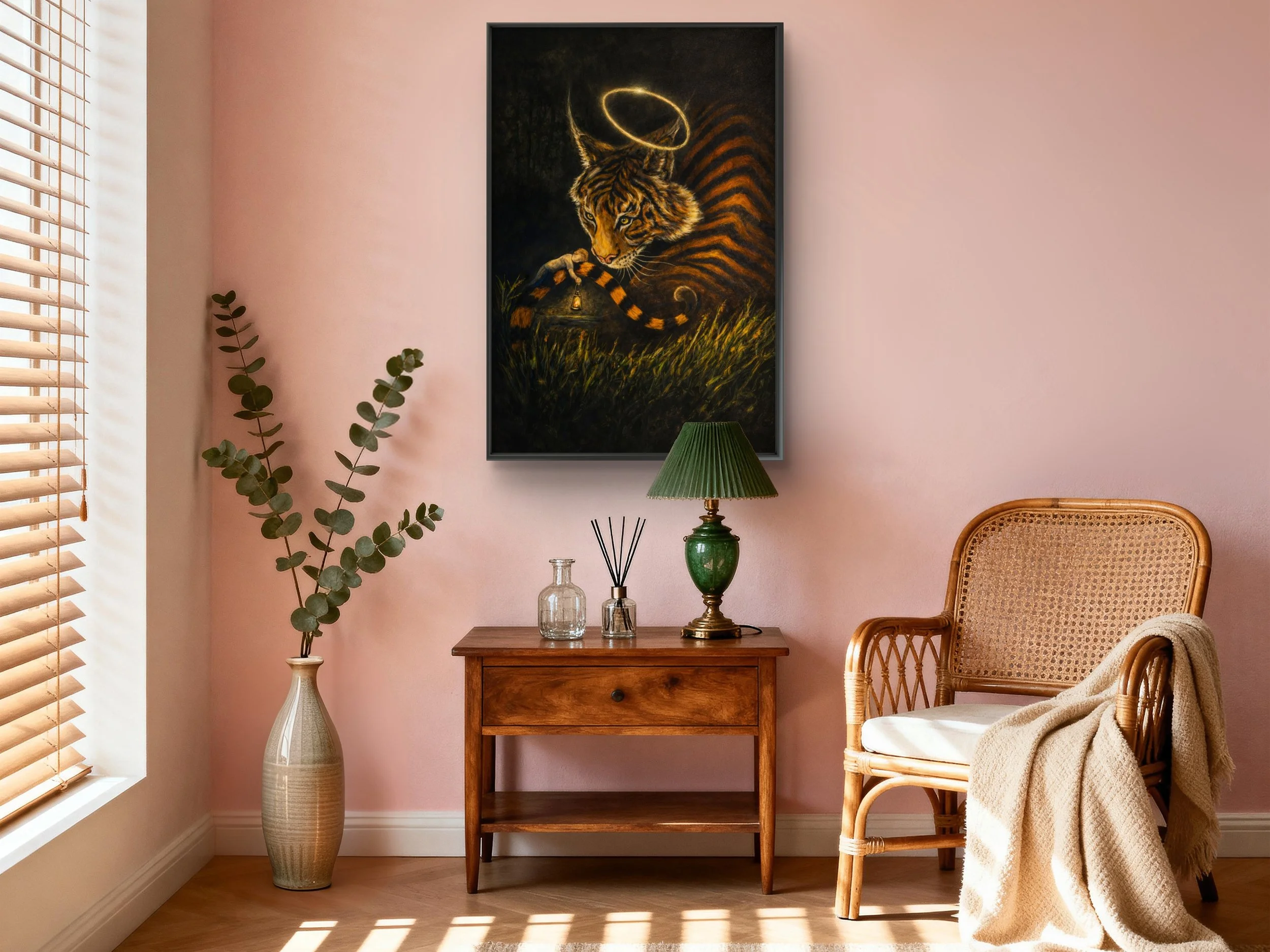
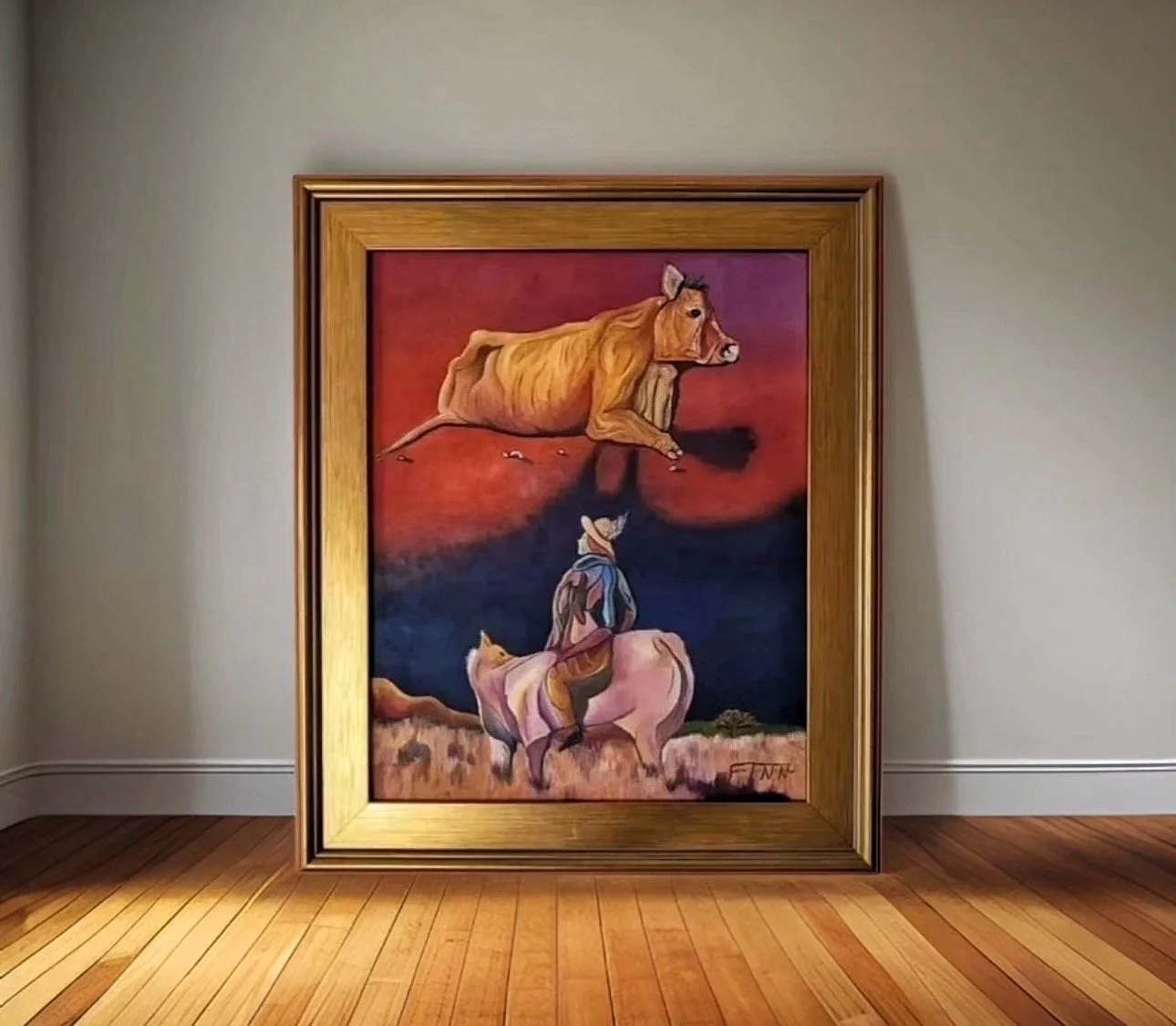
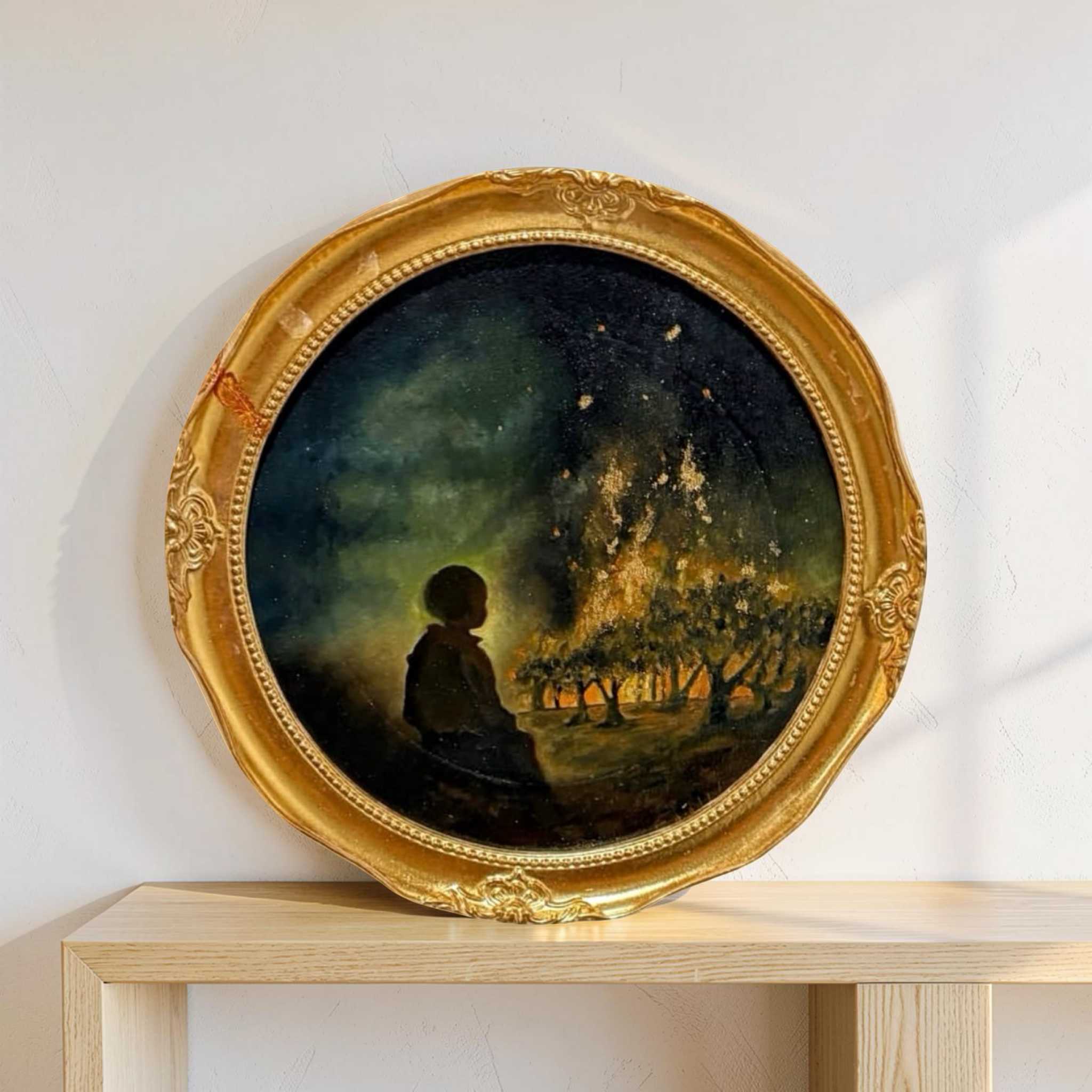
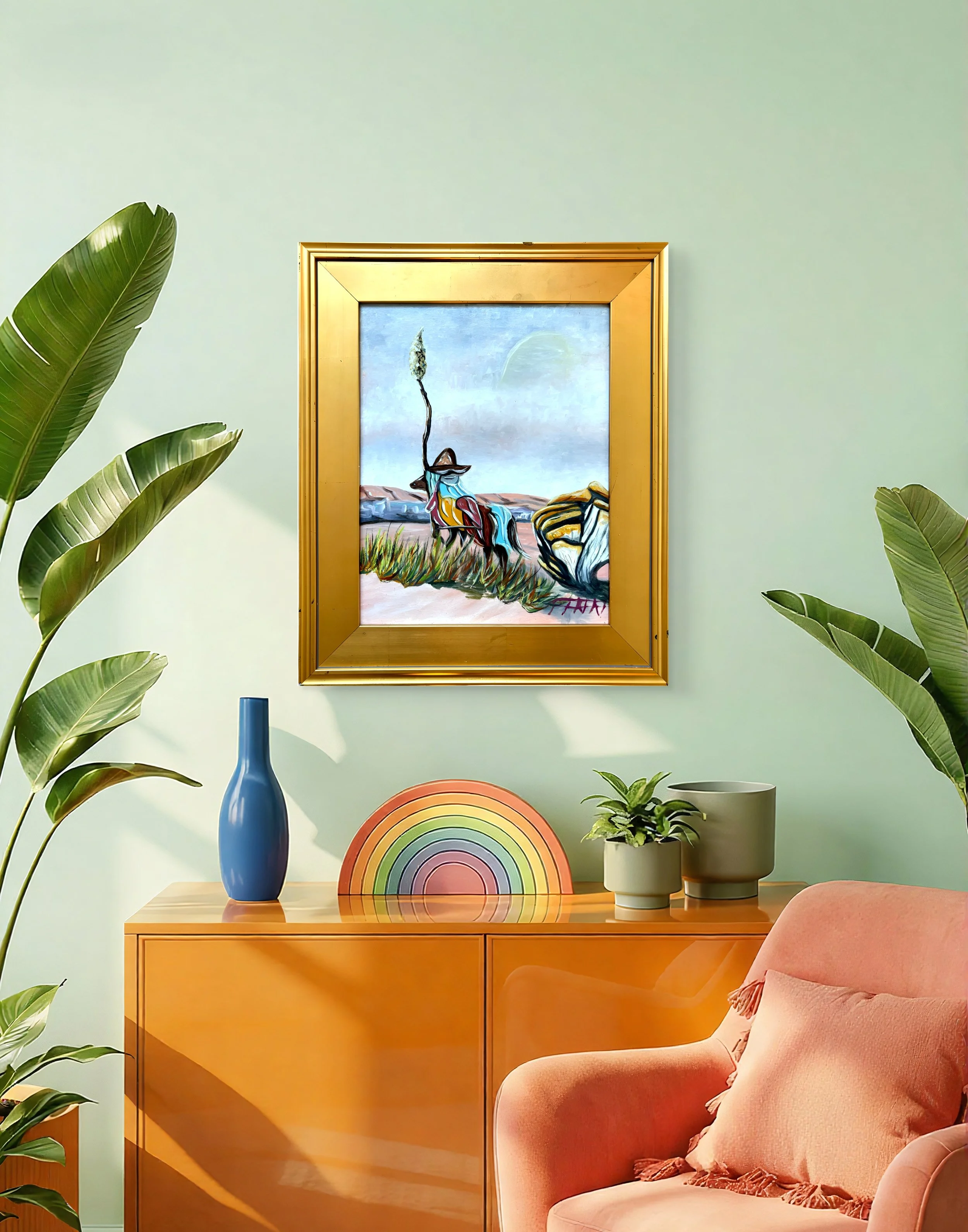
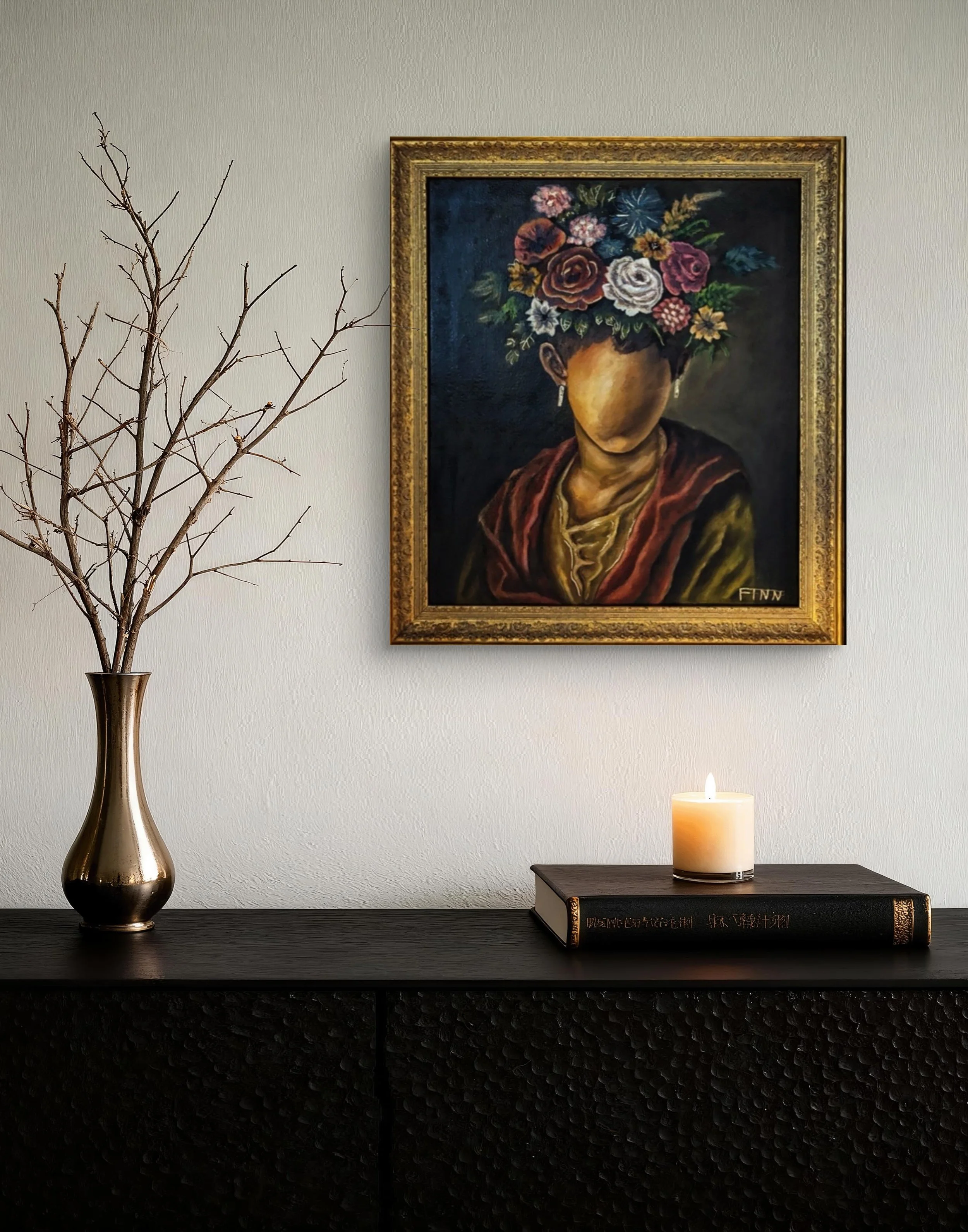
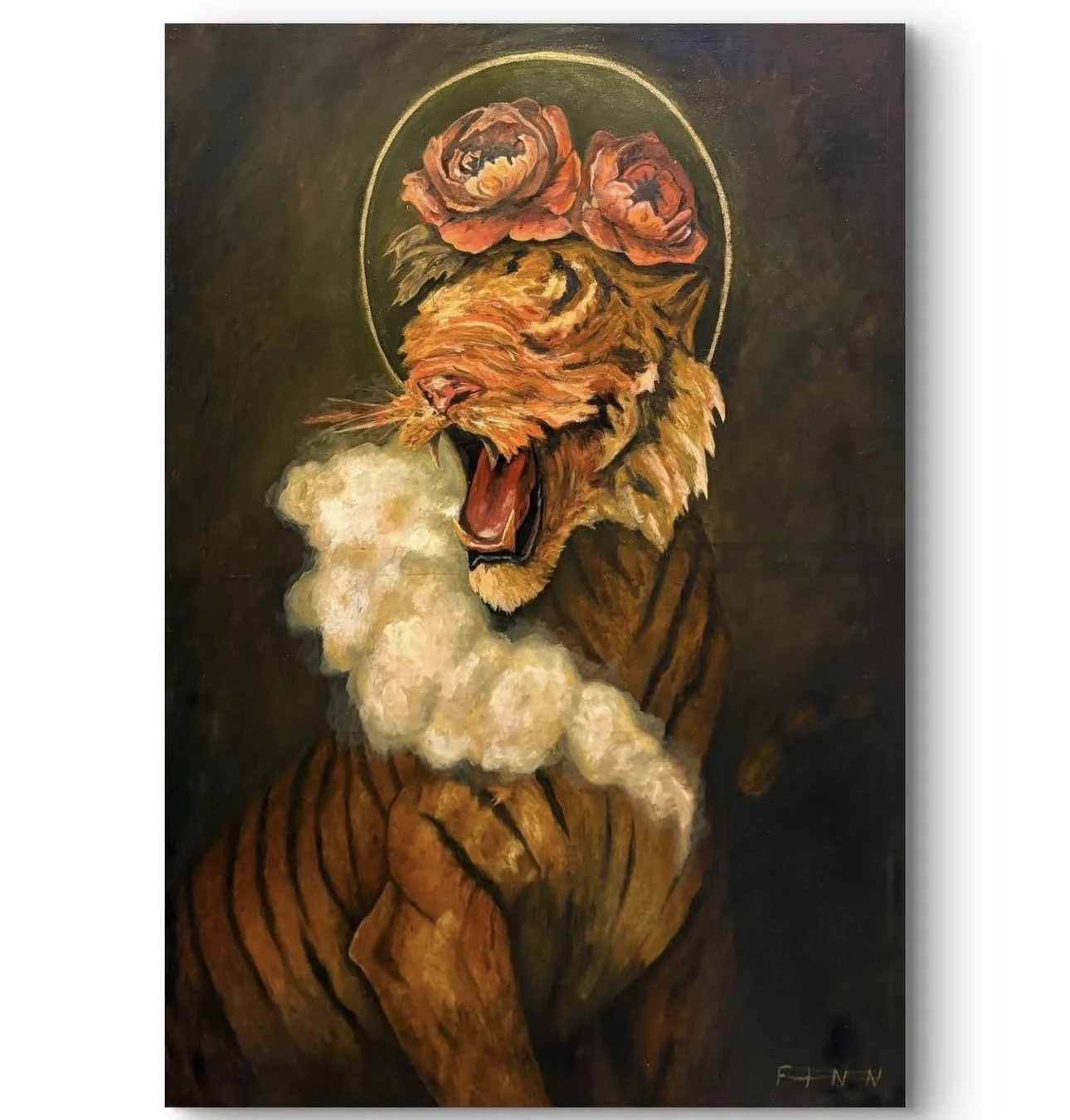
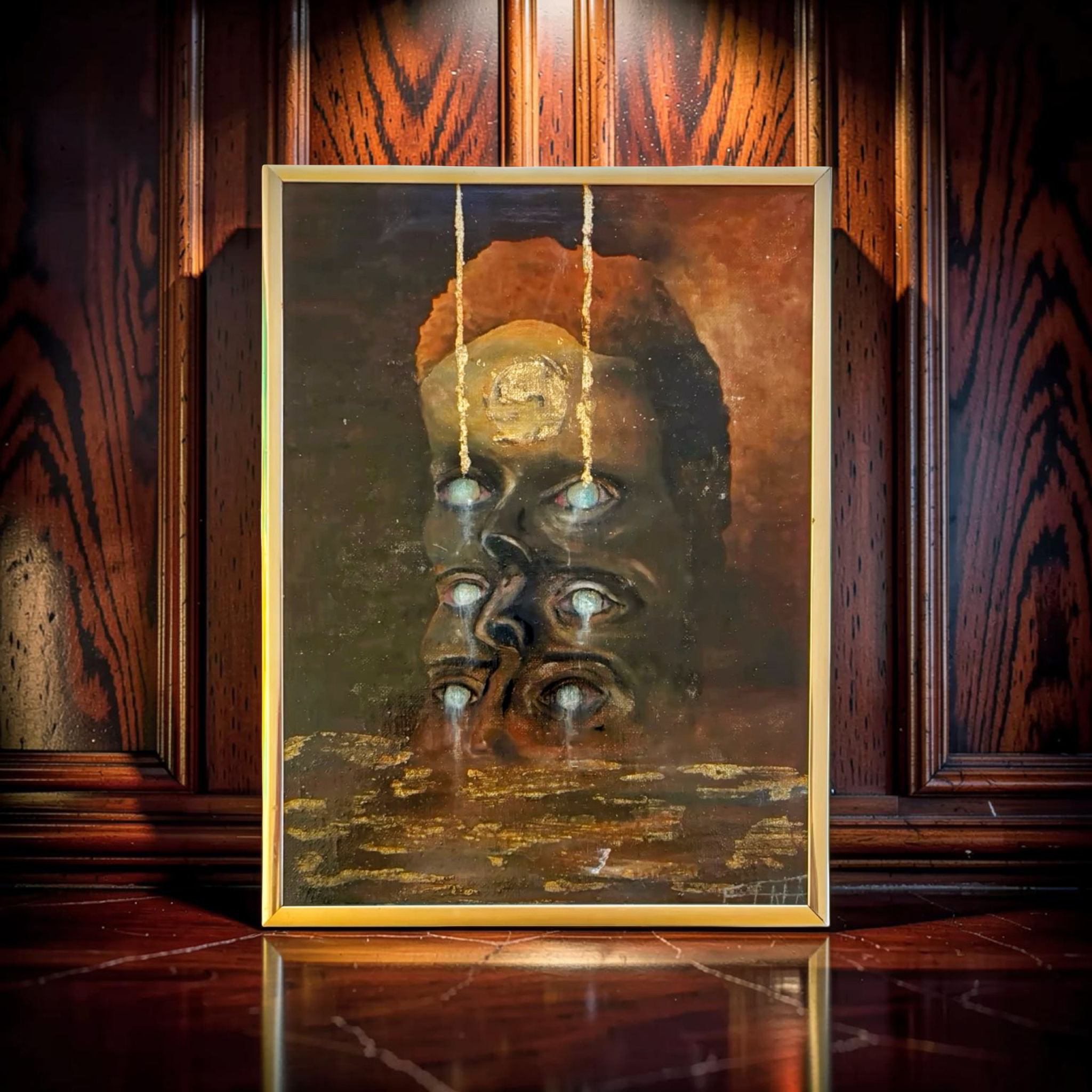
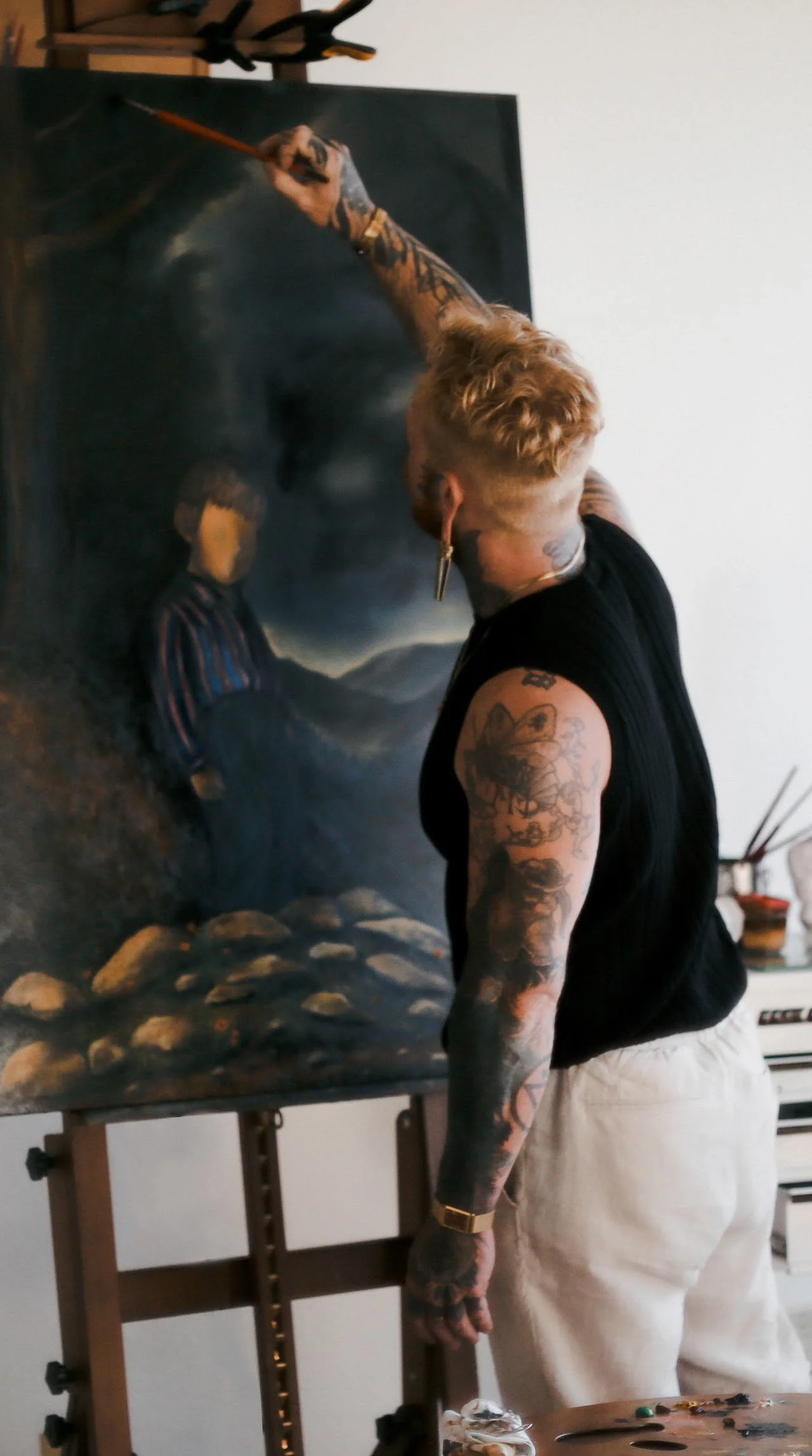
Finnigen Rynehart is an oil painter, musician, and engineer, though painting is where he is most honest. His work is rooted in feeling more than explanation—built from memory, instinct, and moments that are difficult to put into words. Drawing from Baroque intensity, surrealism, and the natural world, his paintings exist somewhere between reality and something more internal. They are not meant to explain, but to be felt. Recurring symbols move through his work—tigers as protectors, faceless figures as a sense of being lost, birds as chaos, and oranges as something small but sacred to hold onto. These elements are less about narrative and more about emotional truth. A key part of his process is synesthesia, where sound, emotion, and thought take on color. This shapes the way he paints—color isn’t chosen, it’s experienced. At its core, his work is an attempt to hold onto something fleeting—to take a feeling and make it visible. Not to define it, but to share it.
What is your background and how did you start your journey in the art world?
“I’ve been creating art for as long as I can remember. Some of my earliest memories are of drawing, and growing up surrounded by imagery that felt immersive and alive—like the jungle scene my mom painted across my wall as a child. That sense of wonder and storytelling is something that has stayed with me and continues to shape my work. My journey into the art world has been largely self-driven. Over time, I developed a visual language built around symbolism and emotion rather than strict realism. My work often includes recurring elements—tigers as protectors, faceless figures representing a sense of being lost or searching, birds as chaos, and oranges as quiet moments of hope or miracles. I’m drawn to creating pieces that feel like fragments of a larger story—something intimate and open to interpretation. For me, art is about translating internal experiences into something visual, so that others can connect with it in their own way.”
What inspires you?
“I’m inspired by emotion, memory, and the quiet moments that feel difficult to explain in words. A lot of my work comes from personal experiences—feelings of being lost, searching for meaning, or finding small moments of peace within chaos. Nature plays a big role in my inspiration as well, especially animals and organic environments. I’m drawn to the presence they carry—something instinctive and honest. That’s where elements like tigers, birds, and foliage begin to enter my work, not just visually, but symbolically. I’m also inspired by storytelling—both my own and the kind that’s left open-ended. I want each piece to feel like a moment within a larger narrative, where the viewer can bring their own meaning into it. Ultimately, I’m inspired by the idea of creating something that resonates on a deeper, emotional level rather than just being seen.”
What themes do you pursue? Is there an underlying message in your work?
“My work revolves around themes of protection, loss, chaos, and quiet moments of hope. I’m interested in that space between feeling lost and being guided—where things are uncertain, but there’s still something watching over you. I use recurring symbols to explore these ideas. The tiger often represents a kind of silent protector or guardian presence. The faceless figure reflects identity, or the feeling of being lost or searching. Birds bring in a sense of chaos or unpredictability, while oranges act as small, almost sacred moments of hope or something to hold onto. There isn’t always a single, fixed message in my work. Instead, I try to create pieces that feel open—like fragments of a larger story. At its core, my work is about connection and reflection, allowing viewers to find their own meaning within it and relate it back to their own experiences.”
How would you describe your work?
“I would describe my work as symbolic and emotionally driven, with a strong focus on atmosphere and storytelling. It sits somewhere between realism and surrealism, where familiar forms are used to express something more internal and abstract. My pieces often feel quiet and contemplative, almost like paused moments within a larger narrative. I’m drawn to rich, natural tones and layered compositions that create depth, both visually and emotionally. There’s also a balance in my work between tension and calm—chaos and stillness, being lost and being protected. Overall, I aim to create images that feel intimate and open-ended, allowing the viewer to step into them and form their own connection.”
Which artists influence you most?
“One of the biggest influences on my work is Caravaggio. His use of light and shadow, and the way he creates emotion through contrast, has had a lasting impact on how I think about composition and atmosphere. I’m also influenced by Walton Ford, especially in the way he combines detailed, almost naturalistic imagery with deeper narrative and symbolism. His work showed me how animals can carry meaning beyond just their form. More broadly, I’m drawn to Baroque painting and surrealism—the balance between realism and something more internal or symbolic. Those influences come together in my work through the use of strong lighting, layered compositions, and recurring symbolic elements.”
What is your creative process like?
“My creative process usually starts with a feeling rather than a fully formed idea. It’s often something I can’t quite explain yet—just a mood or a moment that stays with me. From there, I begin sketching loosely, letting the composition reveal itself instead of forcing it too early. As the piece develops, I start introducing symbolic elements—figures, animals, and objects—and focus on how they interact within the space. I spend a lot of time adjusting composition and balance, making sure everything feels intentional but still natural. Once I move into painting, the process becomes more layered and intuitive. I build the image gradually, focusing on depth, light, and atmosphere. There’s a constant back-and-forth between control and letting things happen, which is where the piece really starts to come alive. Overall, it’s a mix of structure and instinct—starting with something emotional and refining it into something visual and tangible.”
What is an artist’s role in society and how do you see that evolving?
“I think an artist’s role in society is to reflect, interpret, and sometimes challenge the world around them in a way that goes beyond words. Art has the ability to capture emotions, questions, and experiences that people may not know how to express themselves, and in that sense, it creates a kind of shared understanding. Artists also act as storytellers and observers. They preserve moments, ideas, and perspectives—both personal and collective—and turn them into something others can connect with. Sometimes that role is to confront, and other times it’s simply to offer stillness or beauty in a fast-moving world. As things evolve, especially with technology and the speed of content, I think the role of the artist is becoming even more important. There’s so much noise now that work which feels intentional, honest, and human stands out more than ever. I see the role of the artist continuing to shift toward creating deeper, more meaningful connections—something that isn’t just consumed quickly, but actually felt and remembered.”
Have you had any noteworthy exhibitions you'd like to share?
“I was able to show my work in Florence Italy at the XV Florence Biennale. It was a beautiful event that showcased many artists worldwide including Tim Burton.”
Website: www.finnigenrynehart.com
Instagram: @finnigenrynehart