Interview
Jess Park
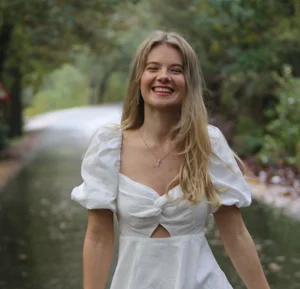
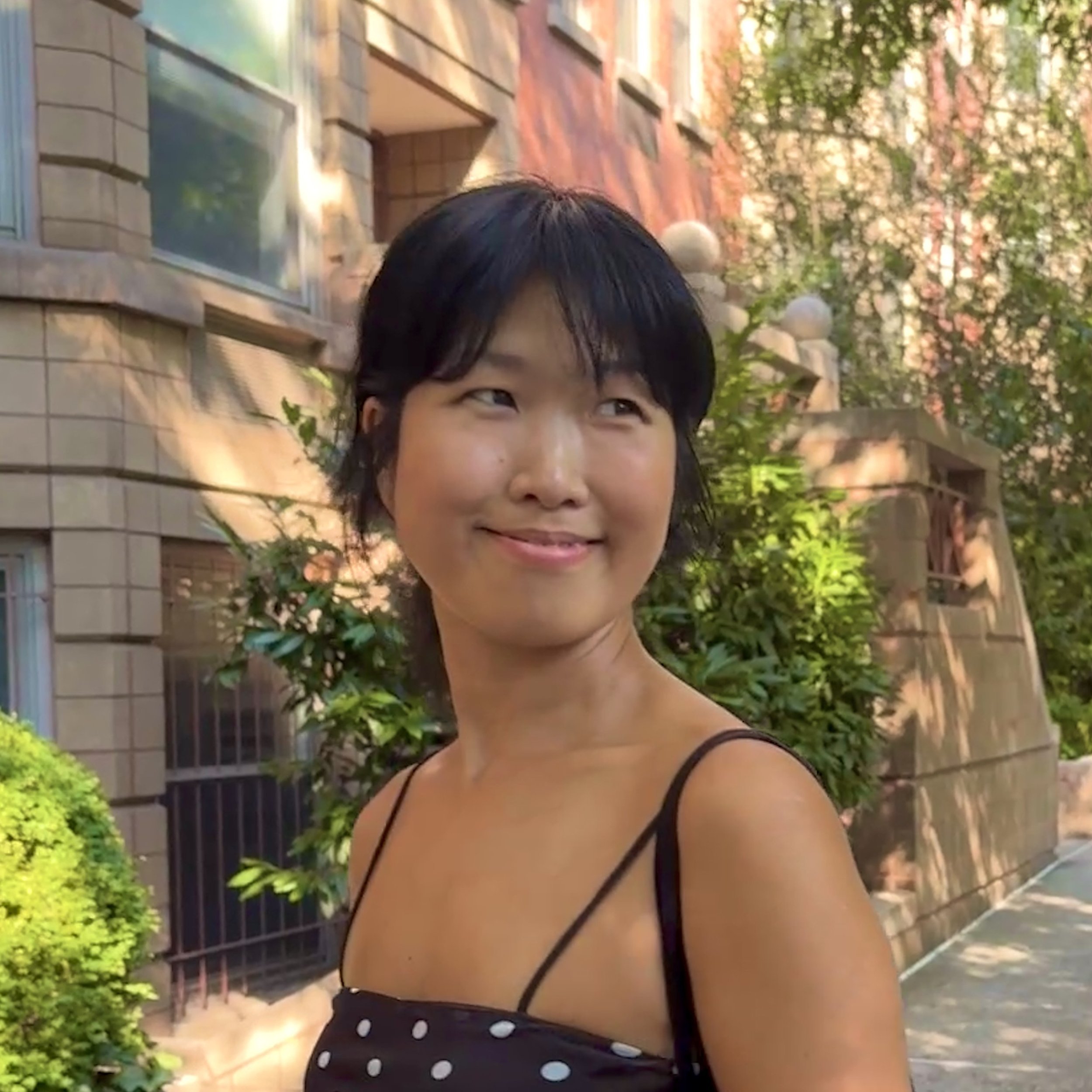
Jess Park is a New York based industrial designer working across consumer products, material exploration, sustainability, and accessibility driven design. Her practice moves between professional work, research, and education, focusing on objects that respond to everyday life in thoughtful and inclusive ways. She is interested in how familiar materials and forms can be rethought to improve how people live with objects over time. Jess’ work considers function, accessibility, and emotional connection, as well as how things age, wear, and carry memory. She holds an MFA in Industrial Design from Parsons School of Design, where she developed a focus on sustainability, material innovation, and socially responsive design. Jess is also the founder of Le Motif Design Studio, where she explores material driven approaches to product and furniture design. Alongside her practice, she teaches industrial design at Pratt Institute, where she guides students through research, prototyping, and critical design thinking grounded in real world constraints.
What is your background and how did you start your journey in the art world?
“I’m a New York based industrial designer working across consumer products, material exploration, and sustainability driven design. My path was not linear. I first pursued medical research because I wanted to improve people’s quality of life, but I realized I wanted to work in a more immediate and tangible way. That led me to study product design and later industrial design at Parsons School of Design. I have always been making things, clothing for toys, cardboard furniture, small objects. That instinct gradually became a design practice. After my MFA, I began working in home product design while also developing independent work and teaching.”
What inspires you?
“I am inspired by everyday life and the objects that quietly shape it. I pay attention to how people use things, what they keep, what they discard, and what becomes meaningful over time. These observations often become starting points for my work. Nature, the city, people, and visual culture all influence me. I am also drawn to artworks and references that stay with me and resurface over time. I often begin from observation and material curiosity rather than a fixed idea. My background of moving between cultures and disciplines also shapes how I see things, encouraging me to question assumptions, especially around sustainability and production. Teaching is part of my practice as well. Working with students constantly introduces new ways of thinking that keep my work evolving.”
What themes do you pursue? Is there an underlying message in your work?
“I work around sustainability, material exploration, cultural context, and everyday use. I am interested in how objects exist over time, how they are used, valued, and eventually discarded. This leads me to think about longevity, responsibility, and cultural perception. Material is central to my practice. I explore how materials carry meaning through process, history, and texture, and how that can be translated into contemporary design. It is not only about sustainable materials, but about understanding what they represent. Accessibility and real life applications are also important. I want my work to function in everyday contexts while holding a deeper layer of meaning. Overall, I aim to create objects that are responsible, culturally aware, and long lasting, things people connect with and keep over time.”
How would you describe your work?
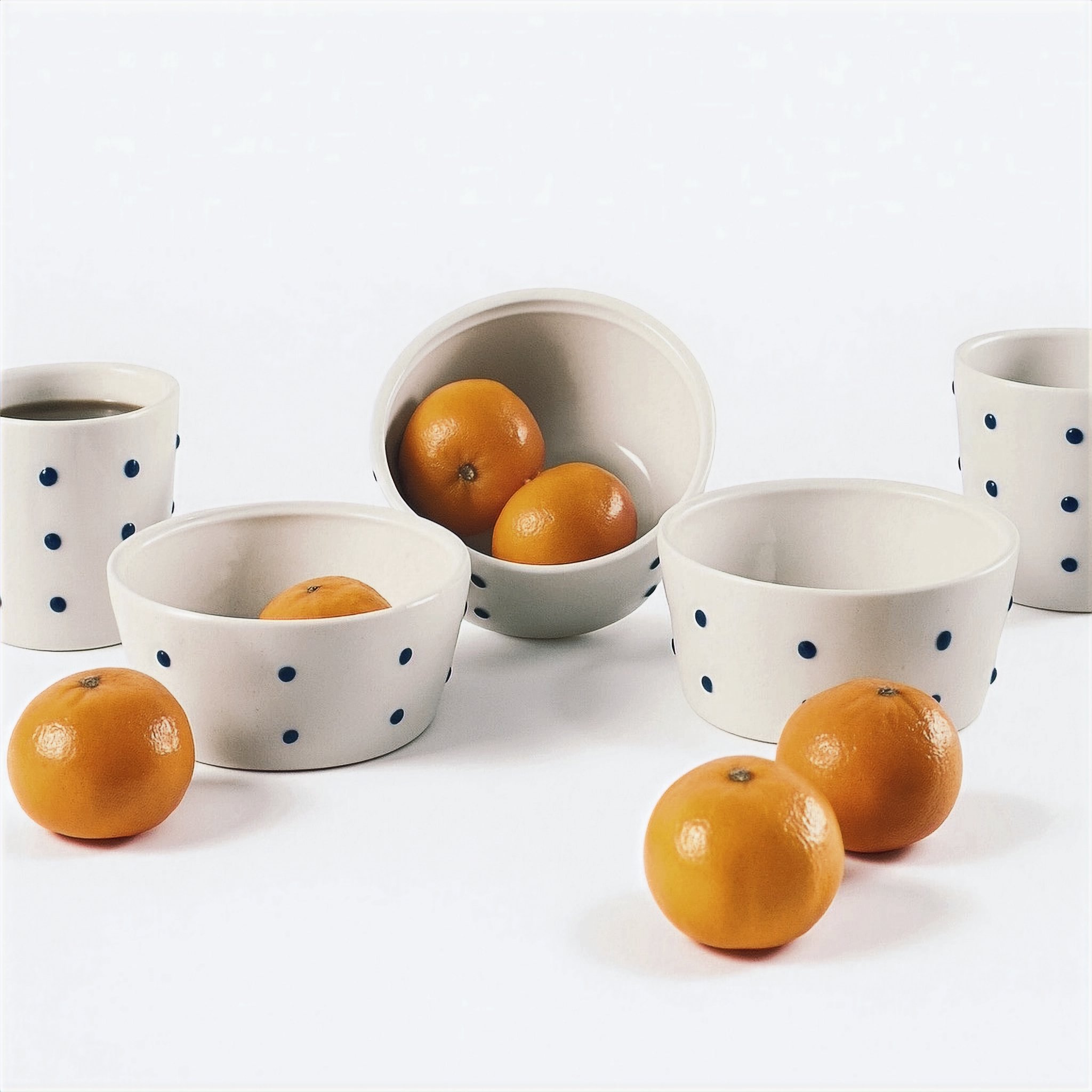
“My work comes from everyday experience and observation. I do not begin with fixed outcomes, but work through making and testing. The process is open and evolves as I move through it. There is also a cultural layer in my practice. As a designer working across cultural contexts, I think about how materials and processes carry history, and how that can be translated into contemporary forms without being literal. I aim to create work that feels grounded, sensory, and intentional, objects people connect with through use, touch, and memory.”
Which artists influence you most?
“I am influenced by artists and designers who work closely with process and allow making to shape the final form of the work. I am drawn to practices where materials are treated as active, and making becomes a way of thinking. I am also influenced by designers who move between craft, industry, and research without strict boundaries. Their work often feels both grounded and experimental, which aligns with my own practice. More broadly, I look at practices that hold cultural awareness and sensitivity, where objects carry physical presence and subtle references to history, place, or labor. Rather than a single influence, my references come from this broader field of process driven practices where making generates meaning.”
What is your creative process like?
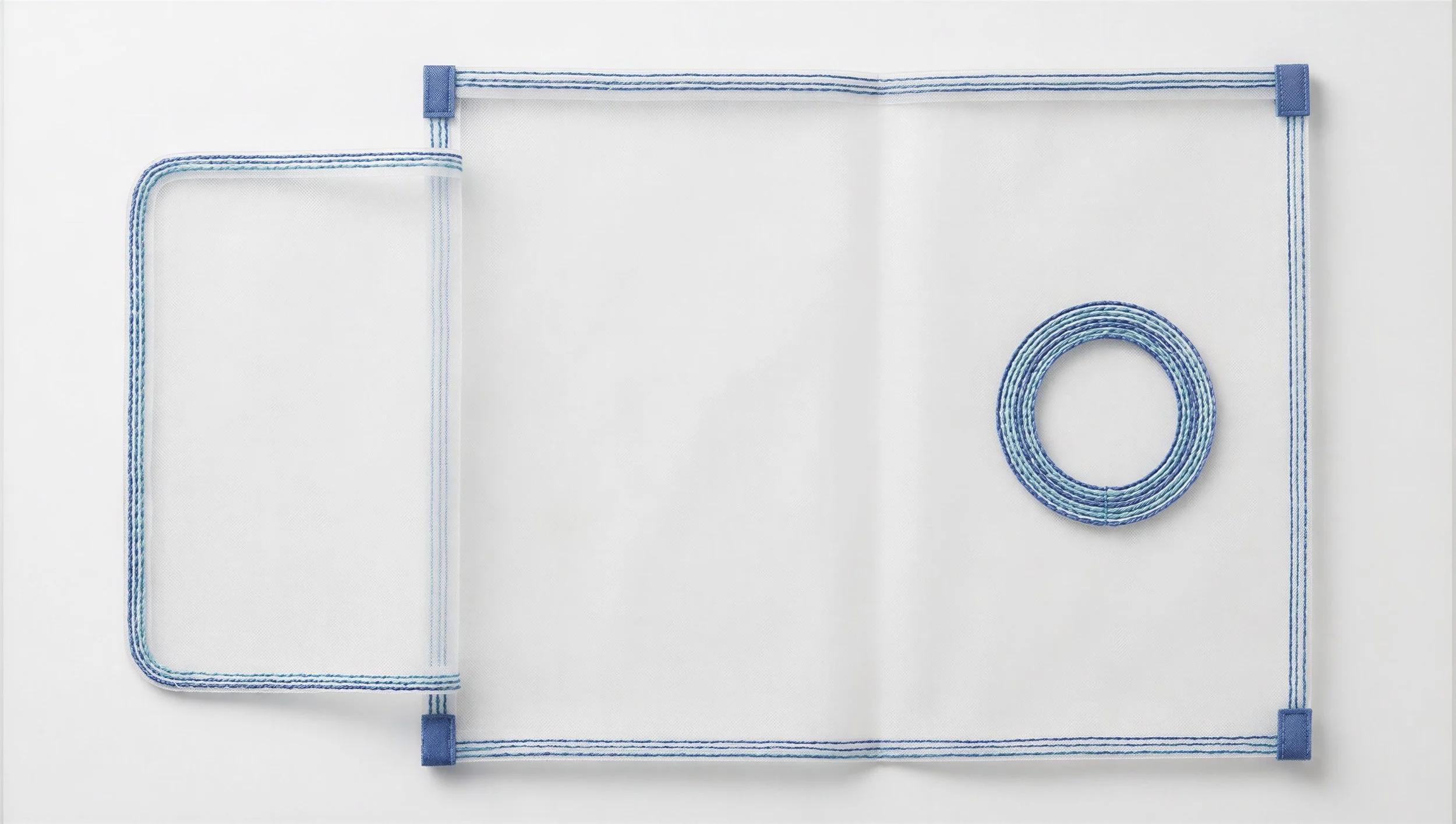
“My process begins with everyday observation, moments in the city, interactions, nature, or visual references that stay with me. I collect these impressions until they begin to form a direction. From there, I translate them into form through sketching and prototyping. I do not start with fixed outcomes. The work evolves through making and testing. I move between thinking and making. Sometimes clarity comes through building, sometimes through reflection. The process is intuitive and observational, shaped by experience and refined through iteration.”
What is an artist’s role in society and how do you see that evolving?
“I see the role of an artist as someone who observes, translates, and reflects the conditions of their time in ways that are not always direct. Artists help reveal what is often overlooked in everyday life. In that sense, art creates space for reflection and new ways of seeing. The role is increasingly relational. It is not only about individual expression, but about exchange and how ideas move between people. Artists learn from communities and other fields, and contribute back into those contexts. This makes the boundaries between art, design, research, and education more fluid. Artists are working within systems rather than outside of them. This allows for both independence and interdependence, where dialogue becomes part of the work itself.”
Have you had any noteworthy exhibitions you'd like to share?
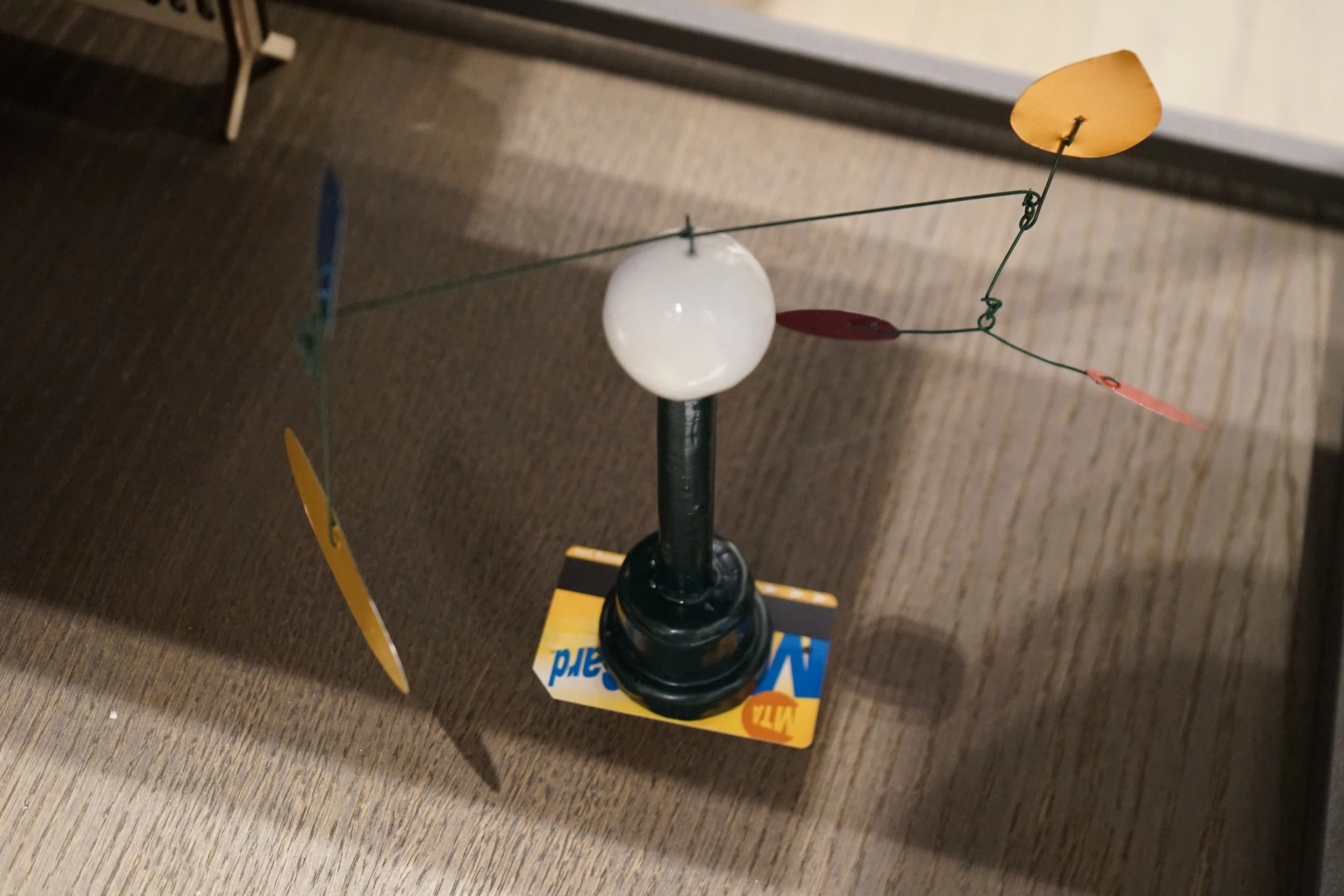
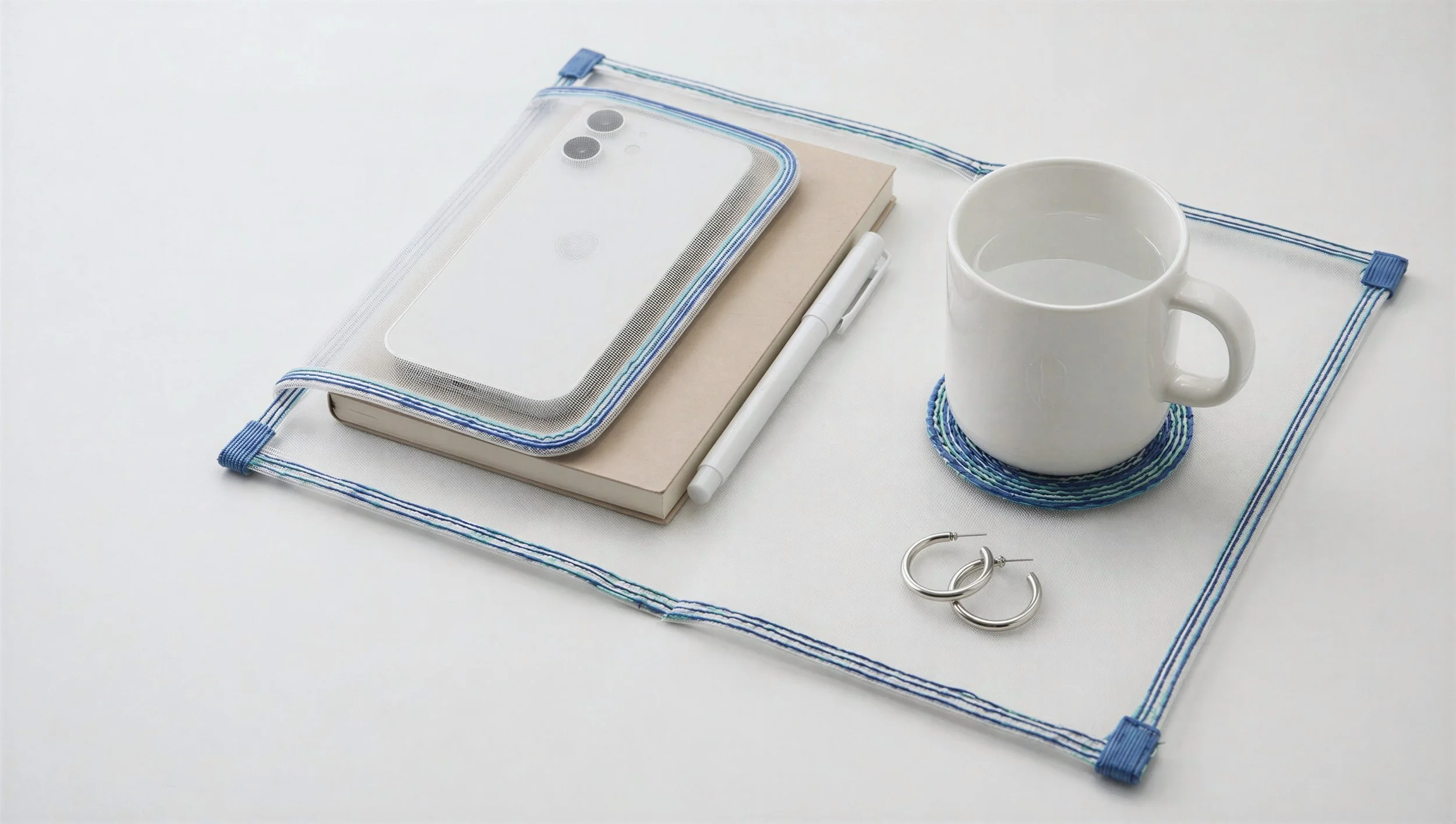
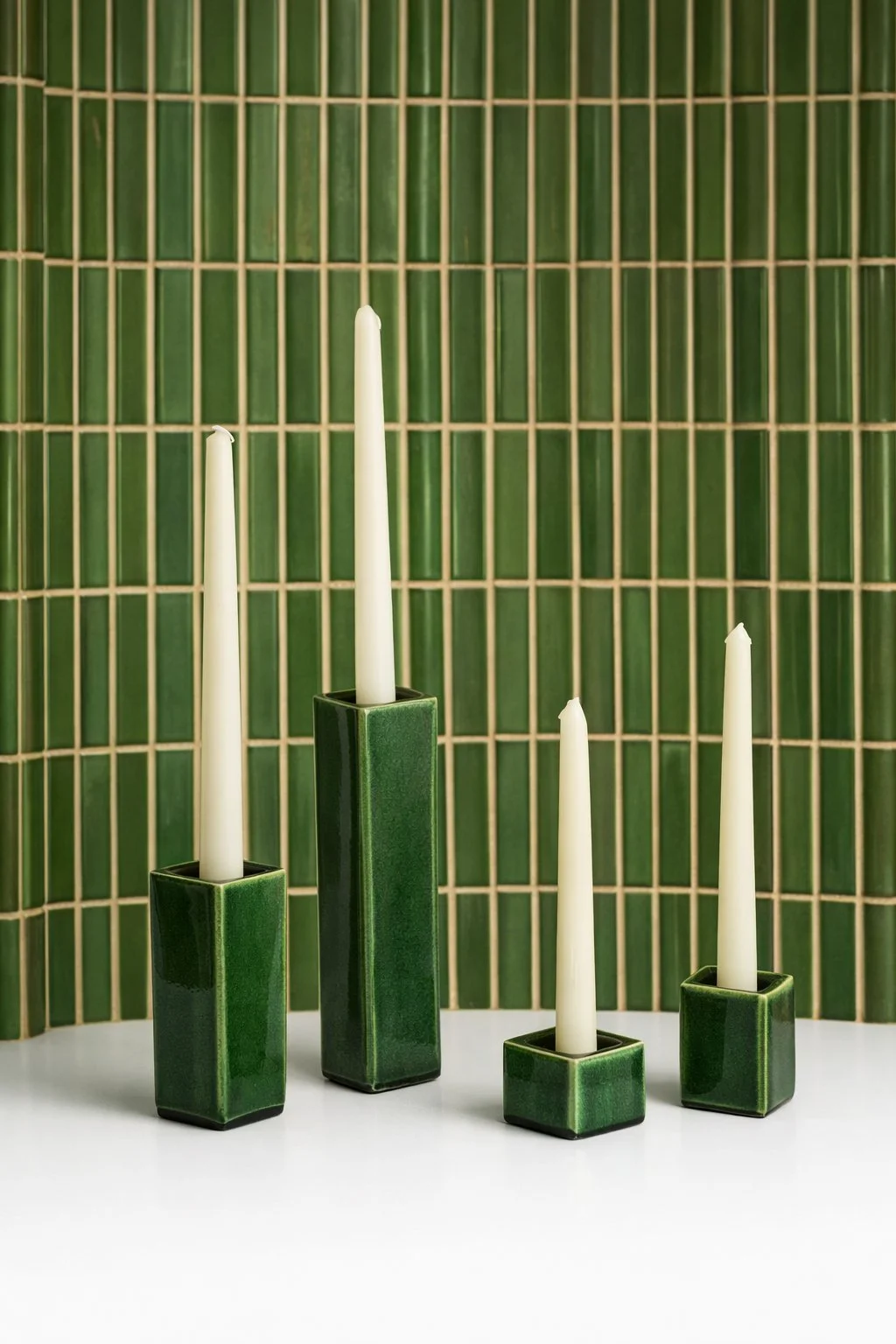
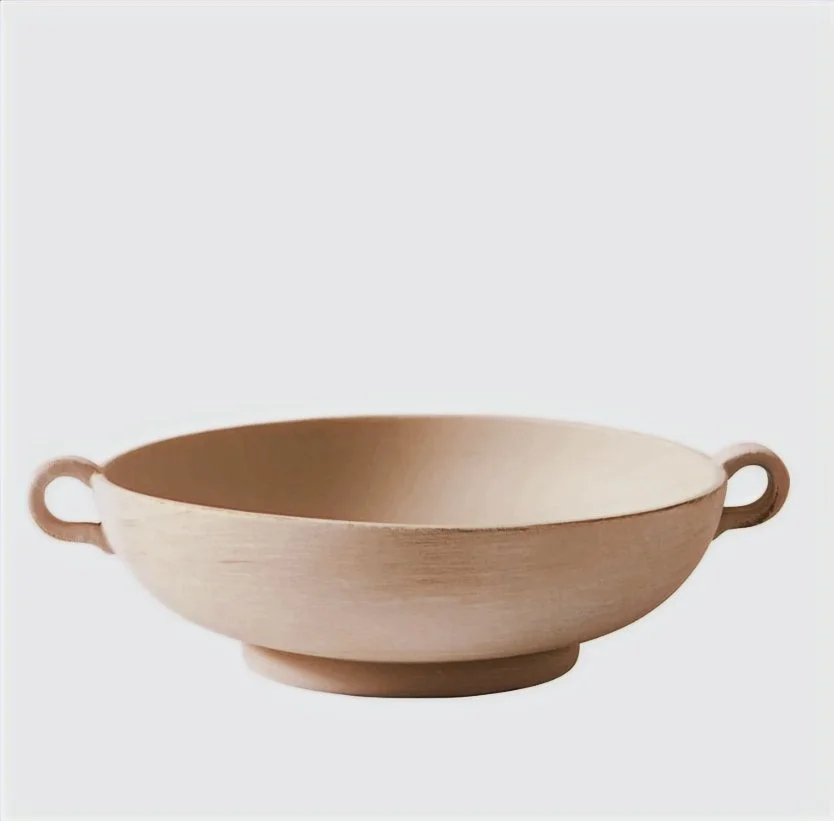
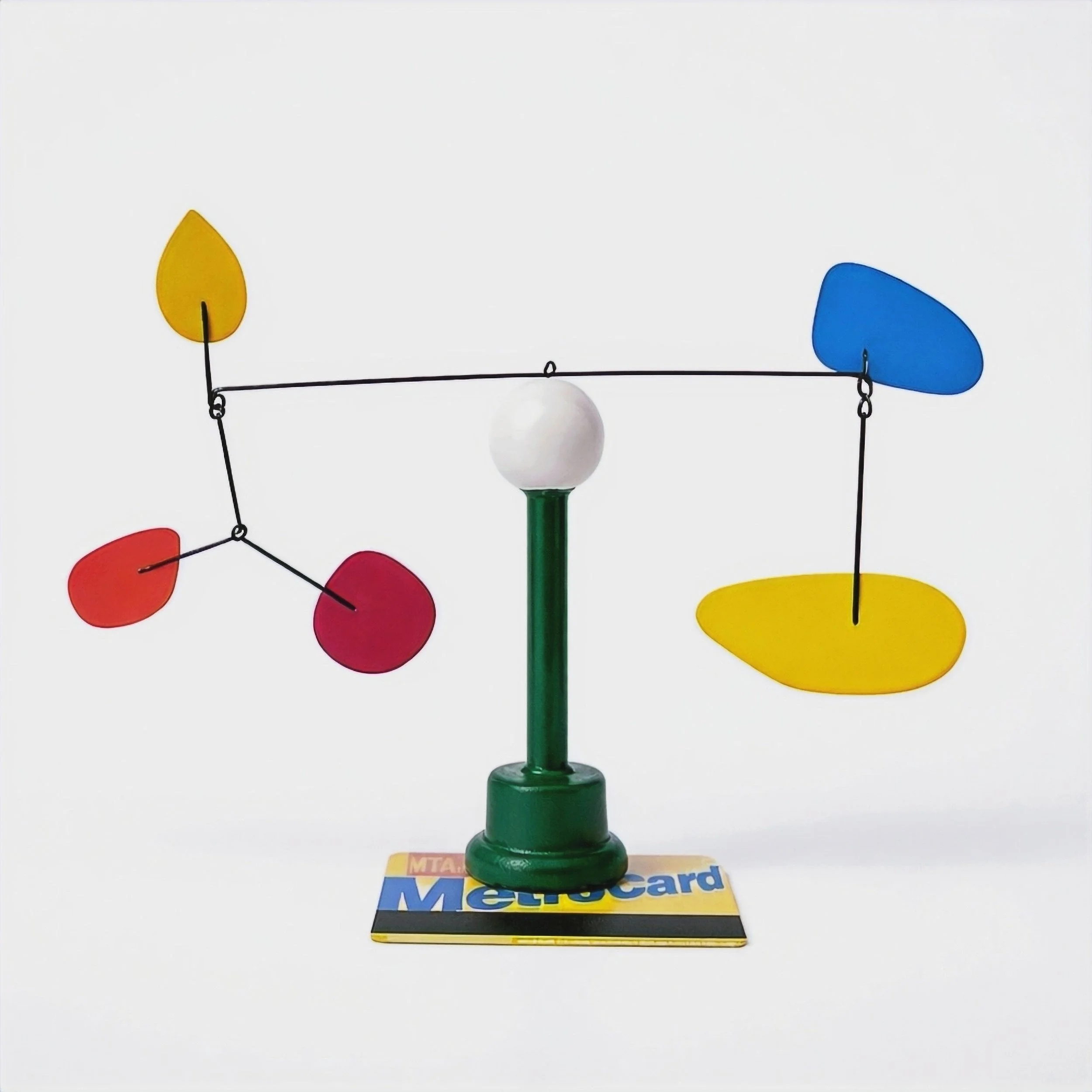
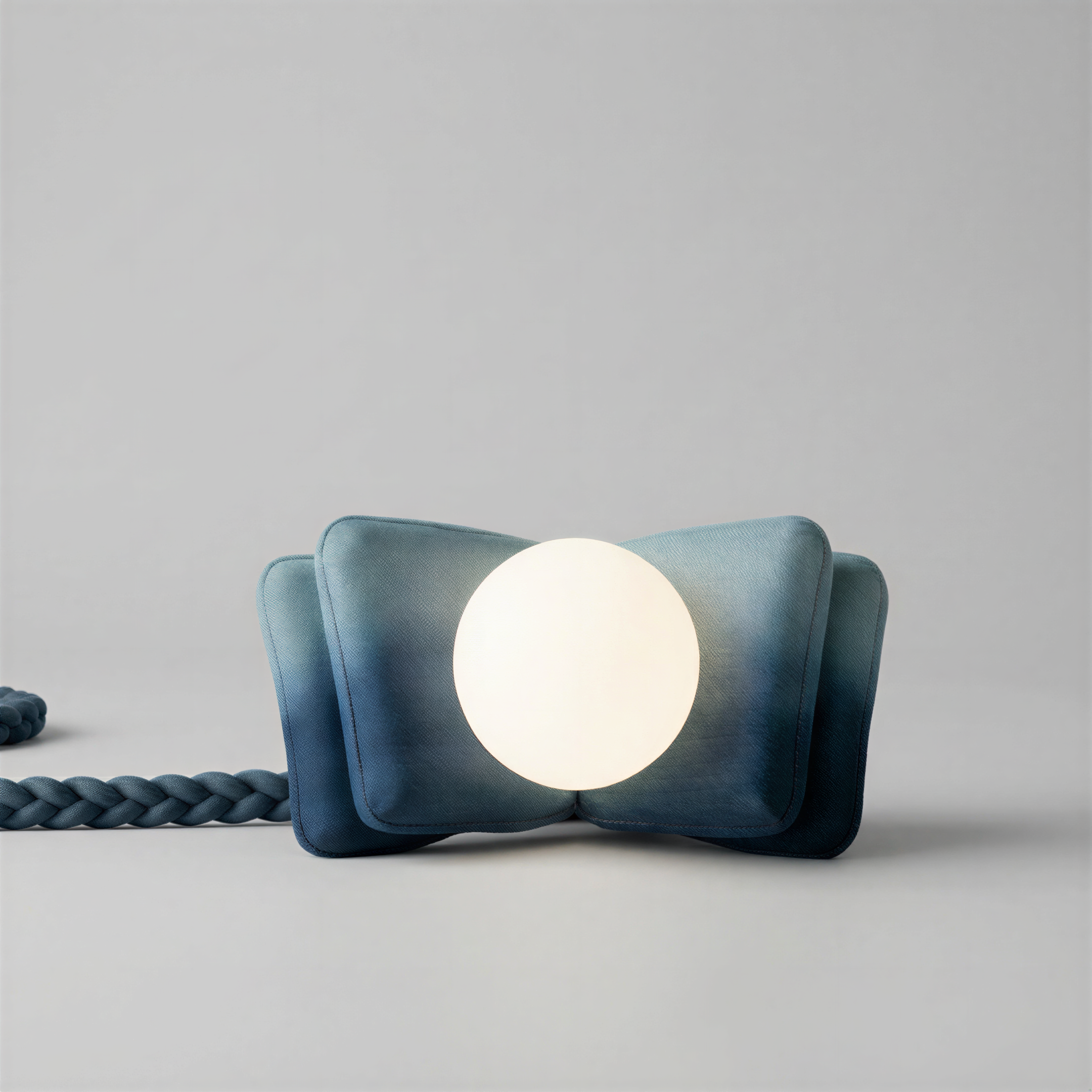
“Yes, I have participated in a range of exhibitions, publications, and design showcases across academic, institutional, and industry contexts. My recent work Indigo Miindo will be exhibited at NYCxDesign 2026. This project continues my exploration of indigo as a material and cultural system, expanding from previous work with denim into a deeper material inquiry. My project Metro Mobile was exhibited at NYCxDesign 2025 as part of the souvenir design initiative, exploring everyday urban objects through a design lens. This piece is inspired by New York City’s MTA system and the diversity of its communities. I designed a mobile visualizing urban connectivity and collective identity. Form, color, and mapping elements translate subway lines and boroughs into a tangible narrative, inviting viewers to reflect on the city’s dynamic infrastructure and social fabric.
Earlier work Pillo was featured at NYCxDesign Student Spotlight and Digital Yearbook, the WantedDesign Student Showcase, The New School Thesis Spotlight, Medium Magazine, and WeVux. This project explored fall protection clothing for elderly users and was part of my MFA thesis at Parsons School of Design. My project Chemicals of Mutual Concern was exhibited at the Art Museum at the University of Toronto and the Canadian Cultural Centre in Paris, and was also featured on Materials Map. This work explored material toxicity and shared environmental responsibility.”
Website: www.jessparkstudio.com
Instagram: @_jesspark_2020
Other links: www.linkedin.com/in/jessparkstudio