Interview
Ivanna Manzur
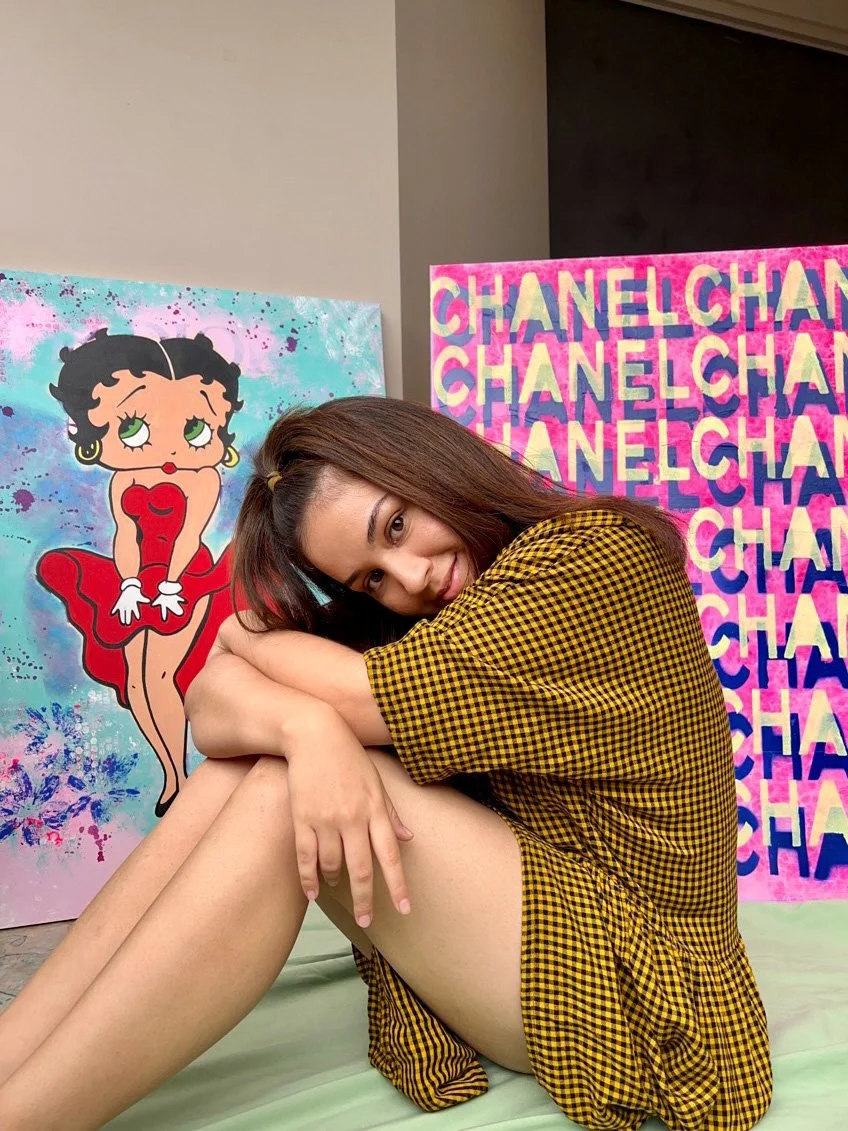
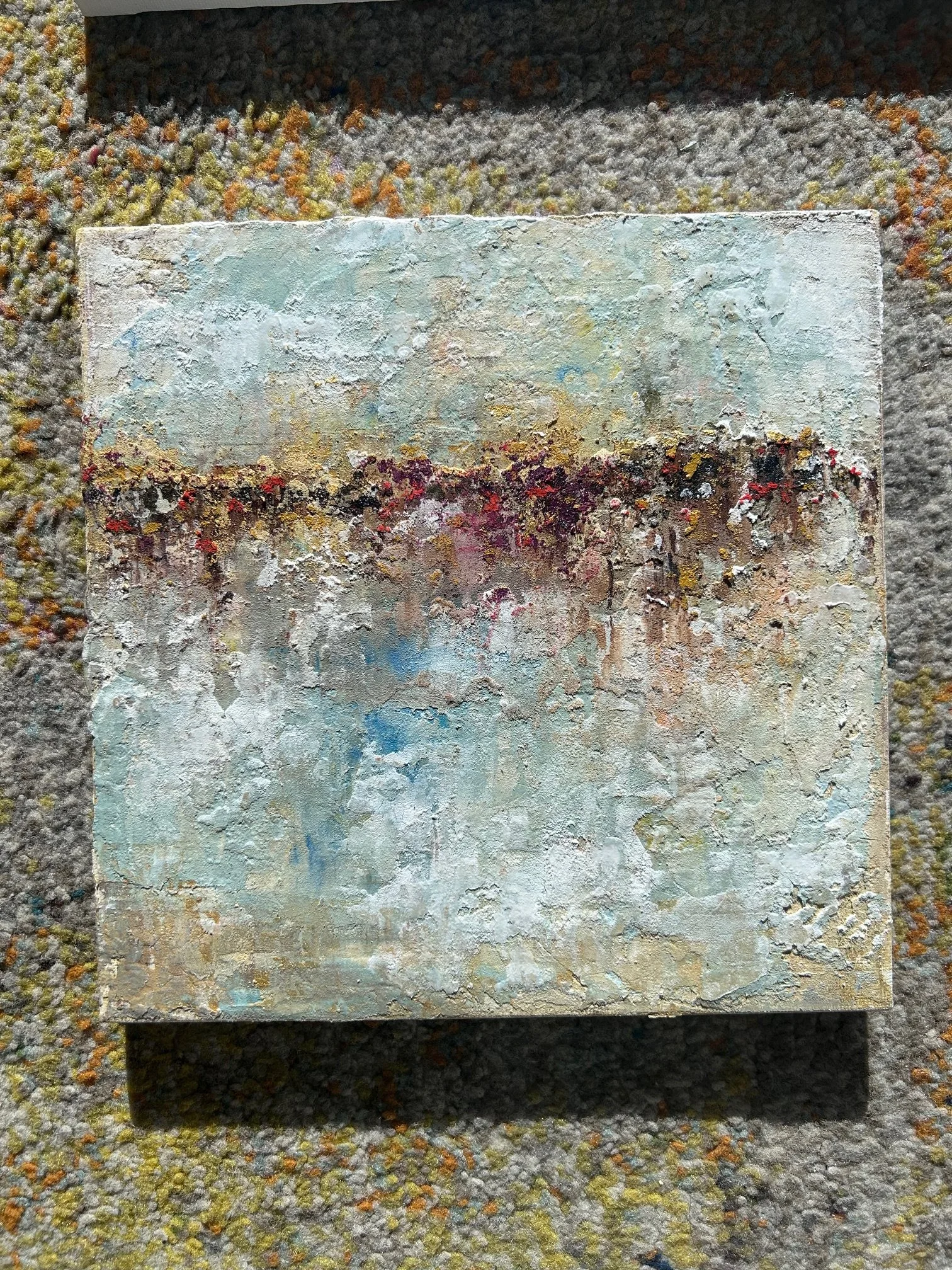
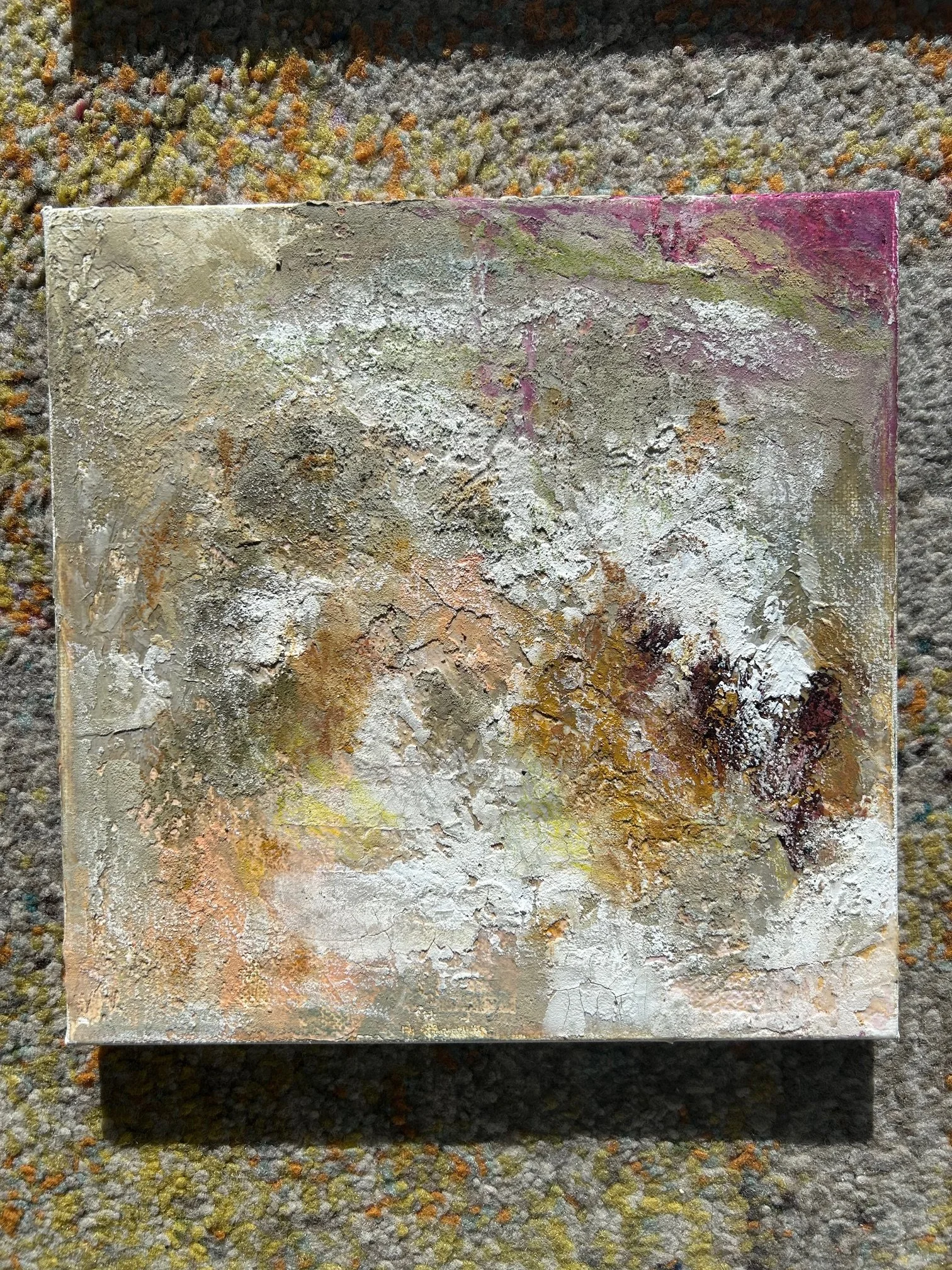
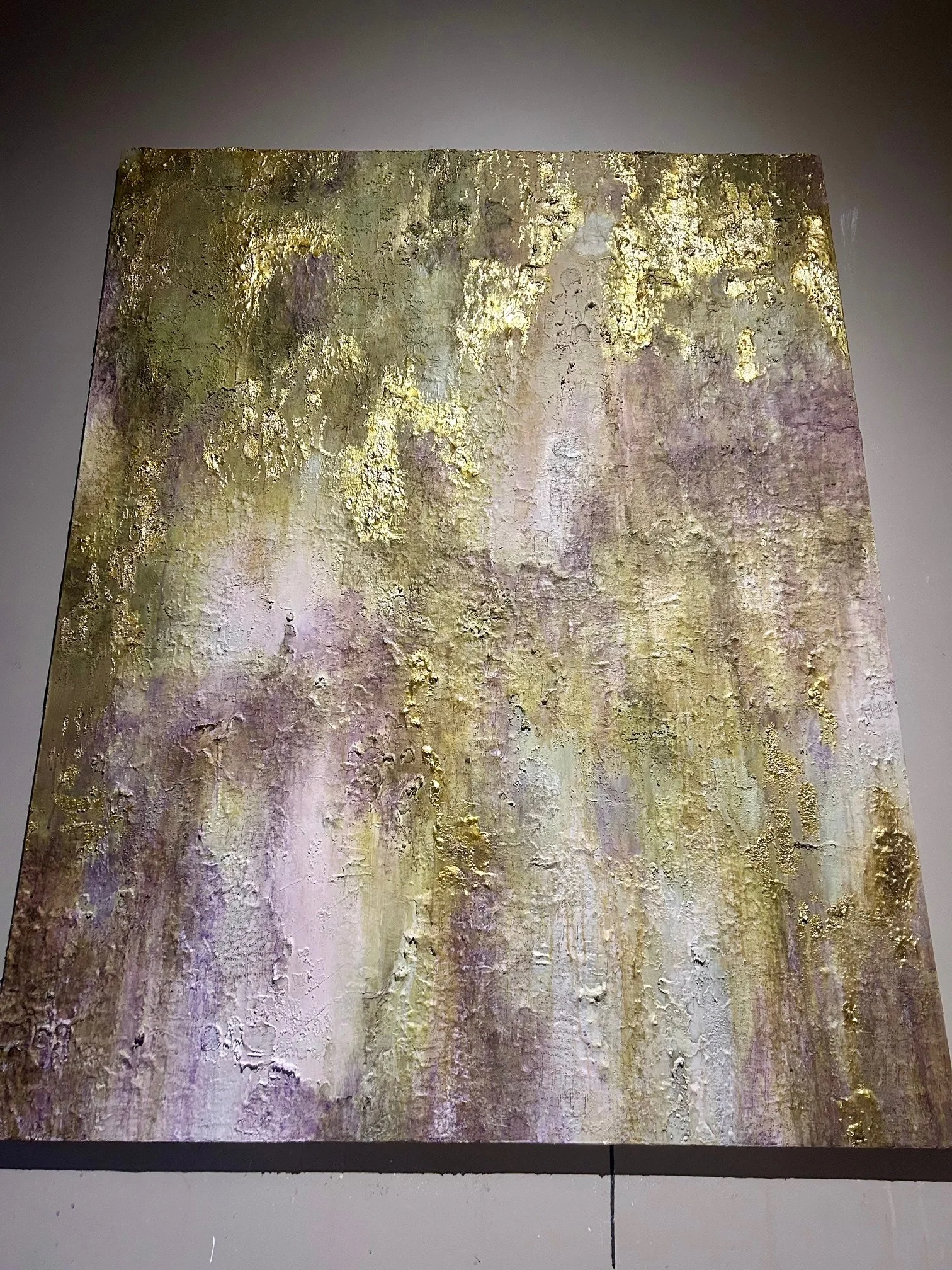
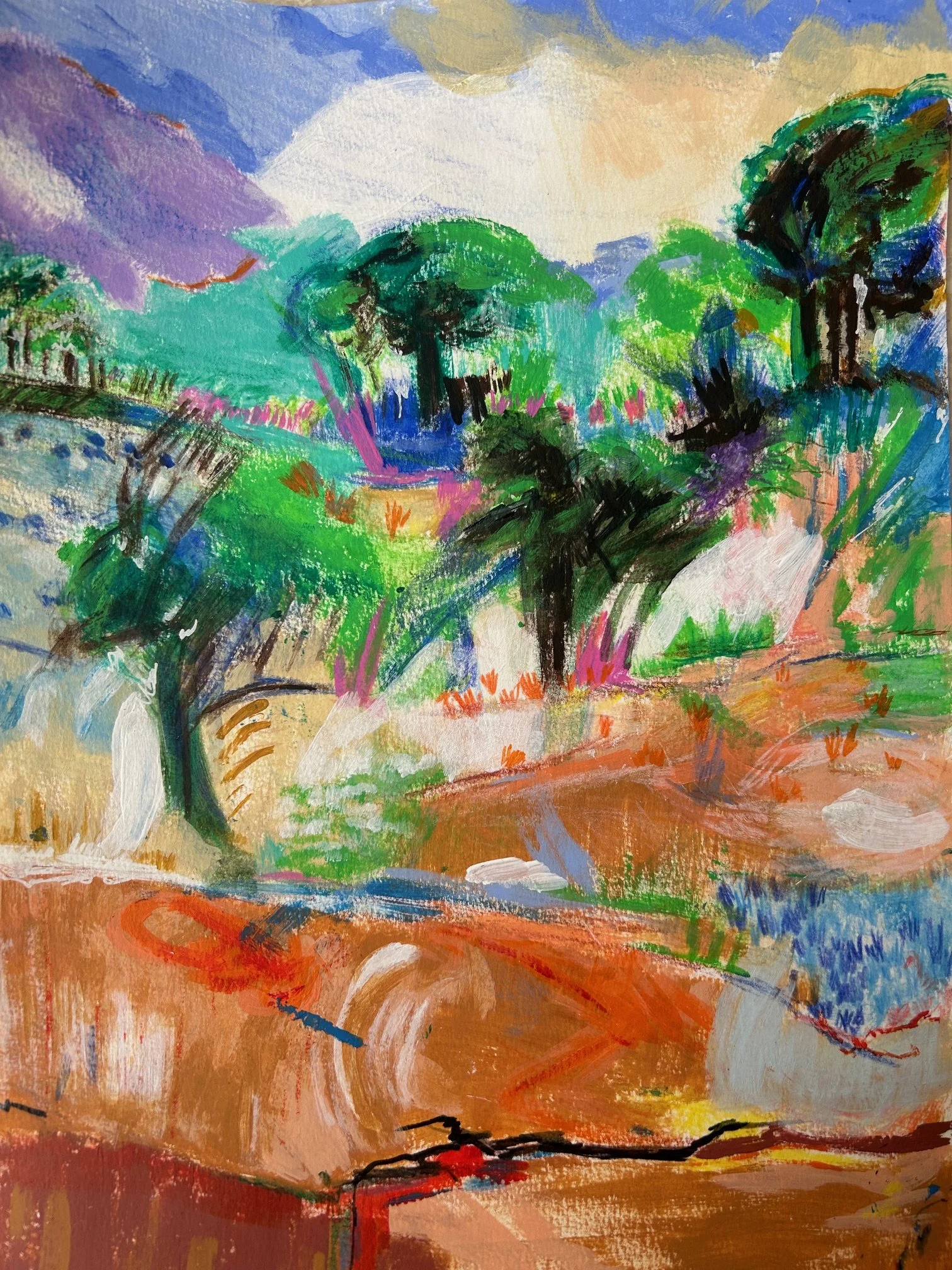
Ivanna Manzur Rosales (b. 1992, Ecuador) is a contemporary visual artist specializing in abstract painting. She holds a background in Art History from Mexico and has over seven years of experience developing a personal practice that explores emotion, memory, and the invisible aspects of human experience through color, texture, and form. Her work is characterized by layered surfaces, gestural marks, and an intuitive approach that balances intentionality with spontaneity, allowing each piece to evolve organically. Manzur’s paintings invite viewers to engage in introspection and emotional reflection, creating immersive visual experiences that blend intimacy with expansiveness. She is the founder and director of IM ART STUDIO, where she develops both personal projects and educational initiatives. Manzur continues to explore the boundaries of abstraction, focusing on how painting can articulate inner landscapes and emotional narratives while engaging with contemporary dialogues in the global art scene.
What is your background and how did you start your journey in the art world?
“I am a visual artist originally from Ecuador, with a background in contemporary and abstract painting. My journey in the art world began organically through a deep interest in visual expression, color, and emotional narratives. Over time, this curiosity evolved into a disciplined artistic practice supported by both independent study and formal training in Art History, which I studied in Mexico. I have over seven years of experience as an independent artist, during which I have developed a personal visual language that explores abstraction as a way of mapping emotions, memory, and the invisible aspects of human experience. Alongside my studio practice, I founded and direct IM ART STUDIO, where I work on both personal projects and educational initiatives. My work has been exhibited internationally through digital and curated platforms such as Saatchi Art and ArtMajeur, allowing me to connect with a global audience. These experiences have shaped my professional path and reinforced my commitment to building a sustainable artistic career grounded in research, experimentation, and continuous growth.”
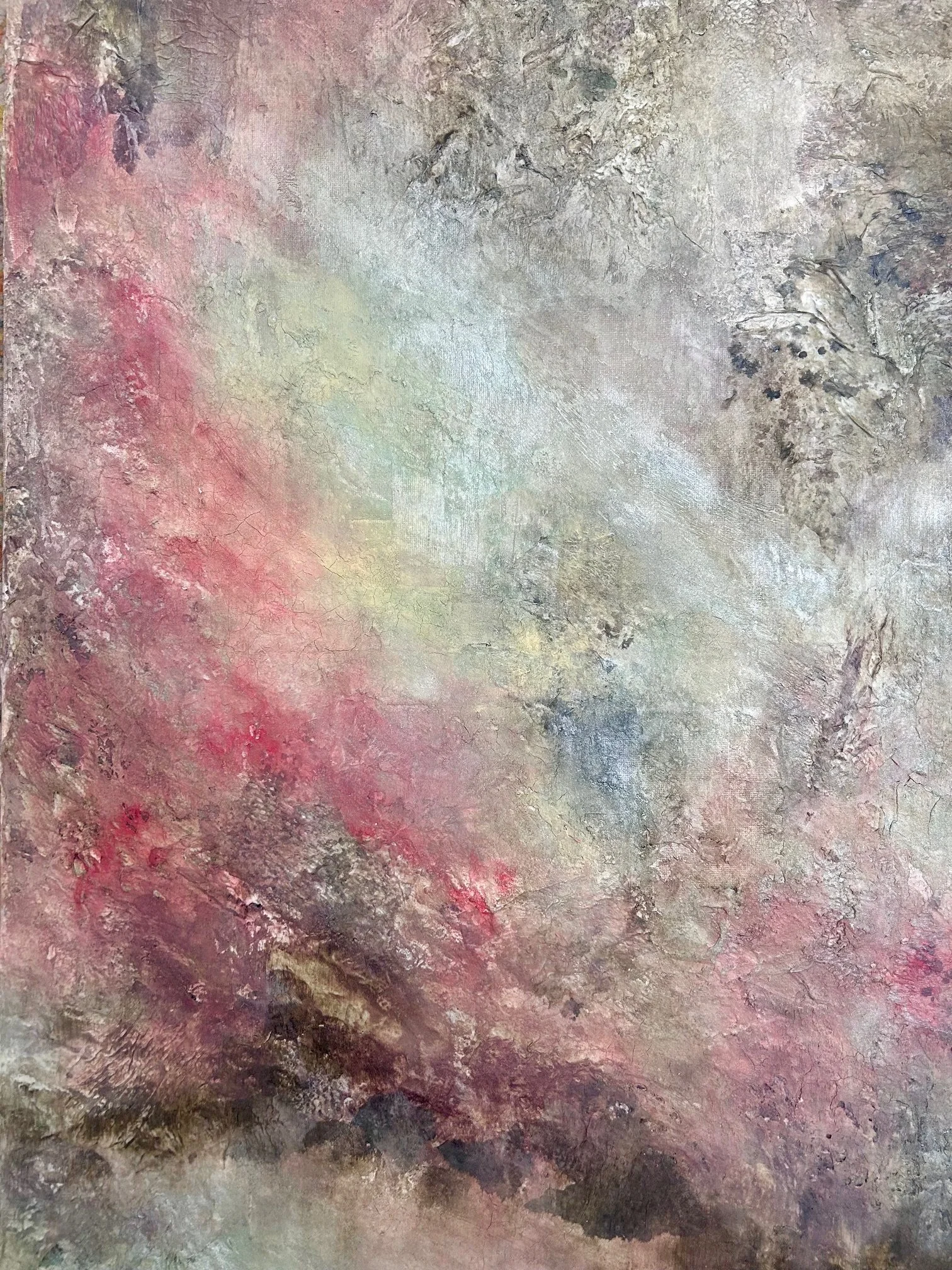
What does your work aim to say? Does it comment on any current social or political issues?
“My work aims to explore the inner landscapes of human experience—emotions, memory, and states of transformation that are often invisible but deeply felt. Through abstraction, I seek to create spaces for pause and introspection, inviting viewers to connect with their own emotional narratives rather than presenting a fixed interpretation. While my work is not explicitly political, it is shaped by the social context in which we live. In a world marked by speed, uncertainty, displacement, and constant change, my practice reflects a quiet response to these conditions. It speaks to themes of vulnerability, resilience, and the search for balance, which are increasingly relevant in today’s global and social climate. Rather than offering direct commentary, my work proposes abstraction as a form of emotional resistance—a way to slow down, to feel, and to reconnect with what is often overlooked in contemporary life.”
Do you plan your work in advance, or is it improvisation?
“I often begin with an initial idea, emotion, or structure in mind, but I allow the process to evolve intuitively. Planning and improvisation coexist in my practice—the balance between intention and spontaneity is essential, as it leaves room for discovery and unexpected outcomes.”
Are there any art world trends are you following?
“I stay informed about developments in contemporary art, especially in practices that expand and challenge traditional boundaries of abstraction and materiality. I’m particularly interested in how artists use abstraction to address questions of emotional perception, sensory experience, and the interplay between digital and physical spaces. While I don’t follow trends in a prescriptive way, I pay attention to conversations around interdisciplinary practices, audience engagement, and new curatorial platforms that are redefining how art is seen and experienced today. My focus remains on developing an authentic visual language that resonates with both personal inquiry and broader contemporary dialogues..”
What process, materials and techniques do you use to create your artwork?
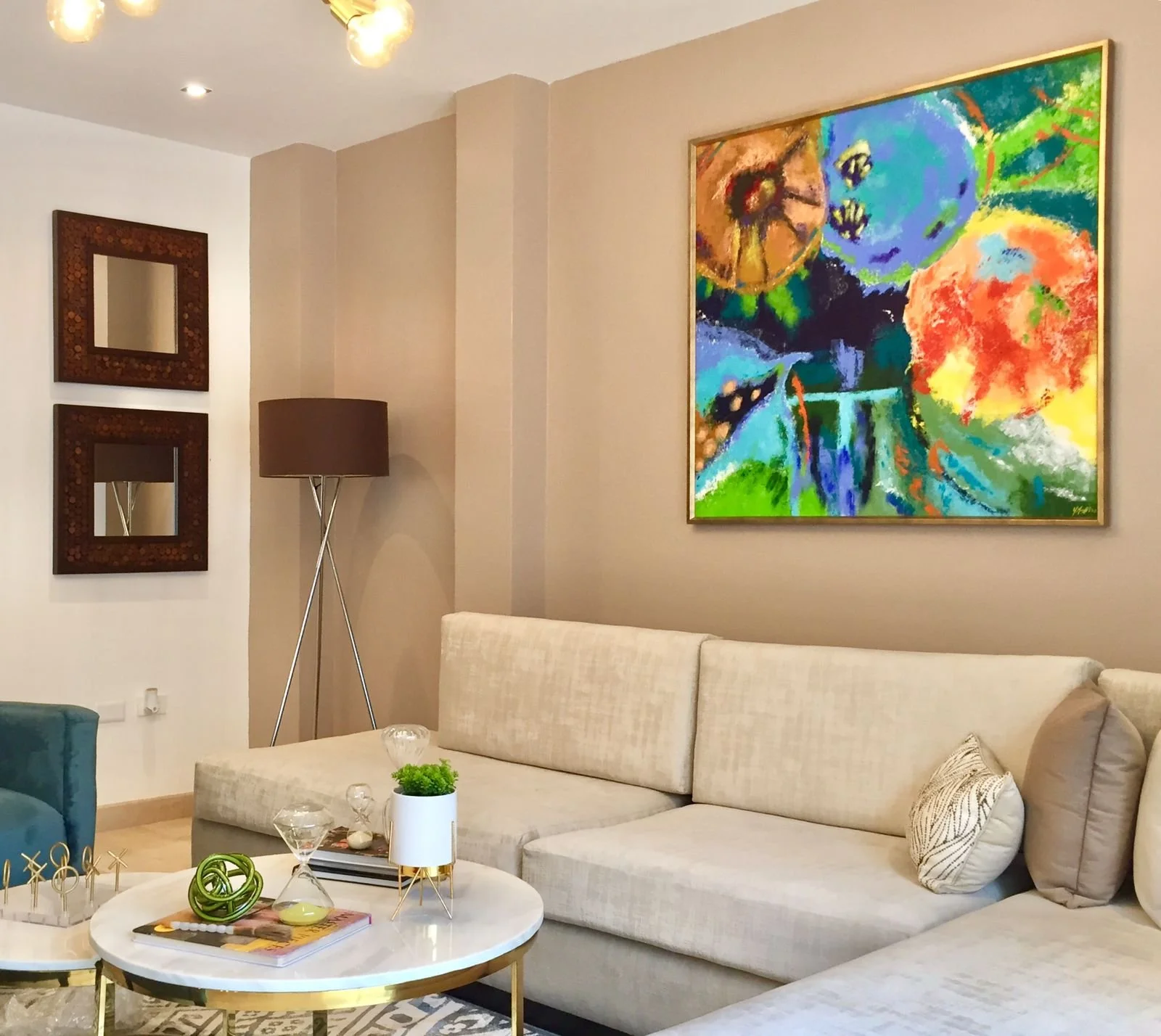
“My process is intuitive and layered, guided by experimentation and emotional response. I primarily work with painting, using materials such as acrylics and oils on canvas. I build surfaces gradually through layers, allowing color, texture, and movement to emerge organically over time. I use a combination of brushwork, gestural marks, and subtle variations in opacity to create depth and atmosphere. The process involves moments of control and release, where intentional decisions coexist with spontaneous gestures. Drying time, revision, and reflection are important parts of my practice, as they allow the work to evolve rather than feel rushed. Through this approach, the materials become active participants in the work, helping me translate internal states and abstract narratives into visual form.”
What does your art mean to you?
“My art is both a personal refuge and a form of communication. It allows me to process emotions, experiences, and moments of transformation that are difficult to express through words. Creating is a way of grounding myself, understanding change, and giving form to what feels invisible or unresolved. At the same time, my art represents continuity and commitment—it reflects years of dedication to a practice that evolves alongside my life. It is not only about the finished work, but about the act of showing up, experimenting, and trusting the process. Through my art, I find clarity, resilience, and a sense of purpose.”
What’s your favourite artwork and why?
“One of my favorite artworks is Water Lilies by Claude Monet. I’m deeply drawn to the way Monet dissolves form into color, light, and movement, creating an immersive and almost meditative experience. The paintings feel less like representations of nature and more like emotional landscapes shaped by perception and time. What resonates with me most is how the series invites slow looking and quiet reflection. Monet’s focus on repetition, subtle variation, and atmosphere strongly connects with my own interest in abstraction, process, and the emotional potential of color. Water Lilies reminds me that painting can be both intimate and expansive, grounded in observation yet open to interpretation.”
Have you had any noteworthy exhibitions you'd like to share?
“Yes. I have exhibited my work in both the United States and Ecuador. In Miami, I participated in an exhibition at Aura Copeland Gallery, where my work was presented within a contemporary art context. I have also exhibited in Tulpukuna, Ecuador, a space dedicated to cultural and artistic exchange, where my work engaged with local audiences and community-based dialogue. These exhibitions have been important milestones in my professional development, allowing me to present my work in physical spaces and connect directly with viewers.”
Website: www.artmajeur.com
Instagram: @im_artstudio_ec