Interview
Iliana Sun
Iliana Sun, a dedicated biologist, artist, and storyteller, is steadily finding her voice in environmental conservation by combining her knowledge of science and art. With this union, Sun hopes to further the global dialogue concerning 'wicked' conservation issues and the intricate socio-ecological relationships inherent within them. Sun is an artist currently based in Durham, North Carolina.
What is your background and how did you start your journey in the art world?
“I was a former student of Duke University's biology program, and my initial interest in conservation was nurtured by my involvement in various research projects. These ranged from studying baboons and parasites to delving into the history of whaling and conducting lemur scent experiments. A keen interest in photography, further influenced by Joel Sartore’s Photo Ark Project, led me to pursue an MFA in Experimental and Documentary Arts at Duke.
My maiden documentary was centered around the conservation of red wolves. This venture paved the way for me to explore diverse storytelling methods and formats, demonstrating my dedication to environmental issues. Leveraging my background in biology, I can offer unique insights that bring an additional layer of depth to my art. I aspire to portray a scientific, objective, and behavioral understanding of animals, steering clear of excessive romanticism. Building upon my understanding of science, I would integrate my storytelling approach in the domain of conservation biology. A project about the Vaquitas, the world's most endangered marine mammal, was one such step in this direction, encouraged by the conservation research done at the Duke University Marine Lab. In my work, ‘When We Say Vaquitas What Are We Talking About,’ I discussed the complex socio-ecological dynamics involving Vaquitas. I investigated on their situation through the perspectives of different stakeholders, such as a conservation biologist, a local fisherman, a Sea Shepherd crew member, and a student in a marine lab, all tied together by the fate of the Vaquita.
My work underscores the importance of understanding the interconnectedness of life, reminding us of the role humans play in preserving or endangering species. My endeavor in both the arts and sciences realms shows that my art would be a unique blend rather than a neat fit into a predefined category. I stand at the crossroads of art and biology, employing both fields to subtly highlight my message of conservation and ecological awareness. My work gently nudges viewers to appreciate the intricate interconnectedness of life on Earth. In a world grappling with myriad environmental crises, my storytelling offers a promising approach for communicating scientific research and conservation efforts in a manner that strikes a chord with the public. It emphasizes the role of human empathy and understanding in the quest for biodiversity conservation and sustaining our planet for future generations. My rationale is to share and present what I've learned, understood, and experienced through my art. Rather than trying to change the world dramatically, I prefer the long-term, slow and steady approach, much like the flow of a tranquil brook in a pastoral landscape.”
What inspires you?
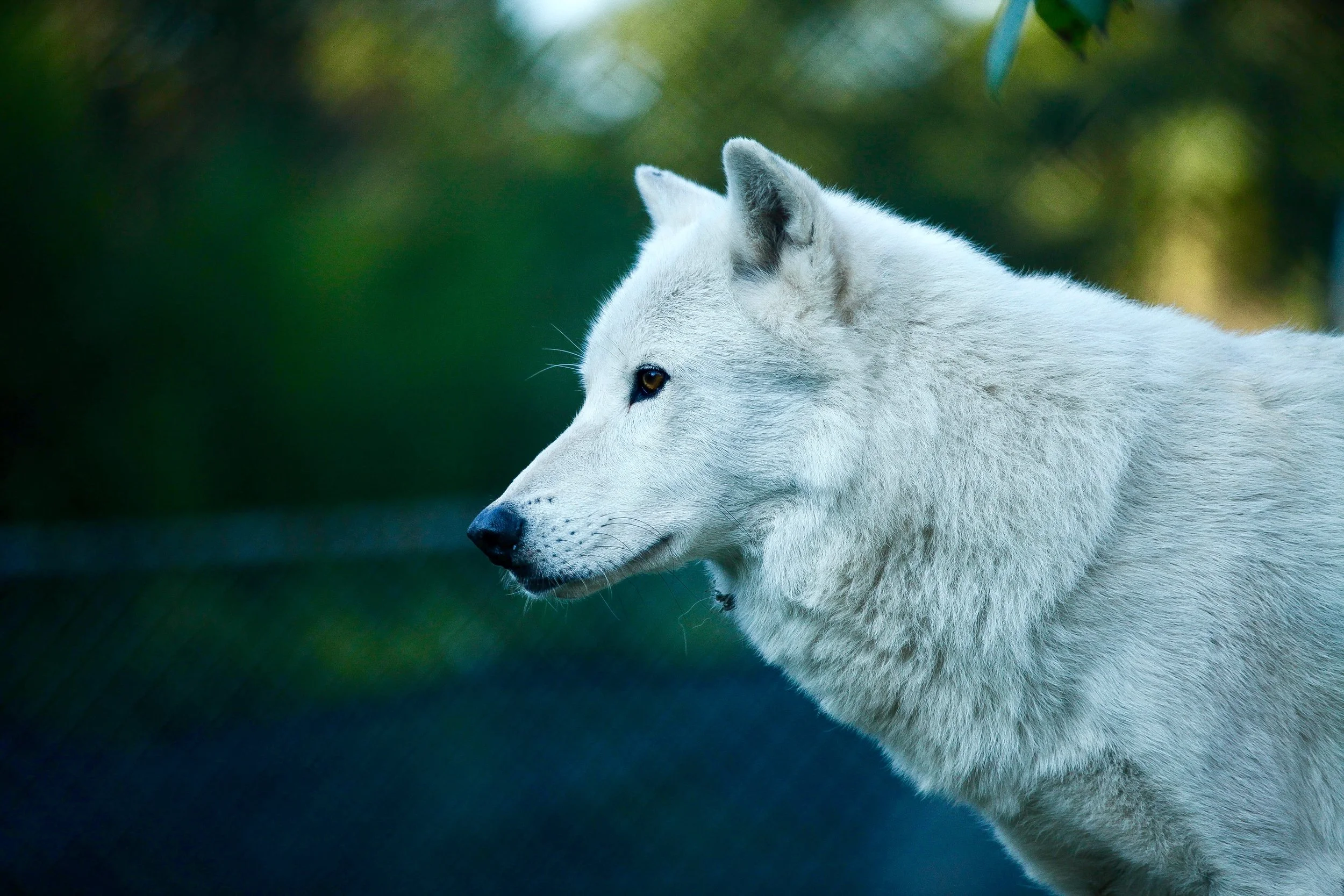
“My work investigates the interconnectedness between science and art. I believe that human observe before we understand. We know that things fall to the ground before we understand gravity, we know that rain falls before we understand condensation. According to Carl Sagan's cosmic calendar, if we compress the history of the universe into a single year, where the Big Bang occurs at the beginning of January and the present day is the final second of December 31st, the earliest humans appear at around 10:30pm on December 31st. Humanity learned fire at 11:46pm. All our recorded history, everything we know about our history happens in the last 10 seconds. Human is a speck of dust in the long age of universe, and all our perspectives originate from the environment around us. And science is our way of understanding everything that is going on in the universe. The universe, the ecosystem, our environment inspire me. I think there will always be a bridge between science and art, for we don't stand alone above this world. My goal and commitment will be to find that bridge and explore everything in between.”
What themes do you pursue? Is there an underlying message in your work?
“Through film, photography, and research, I invite people to look closer at the quiet interconnections that sustain our planet, and at the shared responsibility we carry within them. Art is not as decoration, but as devotion- a way of listening to the world's fragile rhythms. My stories, drawn from both fieldwork and imagination, wove together empathy, ecology, and endurance, understanding that change often begins in observation. I travel between science and art, love and conflict, observation and emotion. I dig into different versions of realities and looking into the souls of not only us but also different creatures in the world. I believe that we are all individual souls floating between the sky and the ground. My work builds on understanding and compassion, instead of labels and assumptions.”
How would you describe your work?
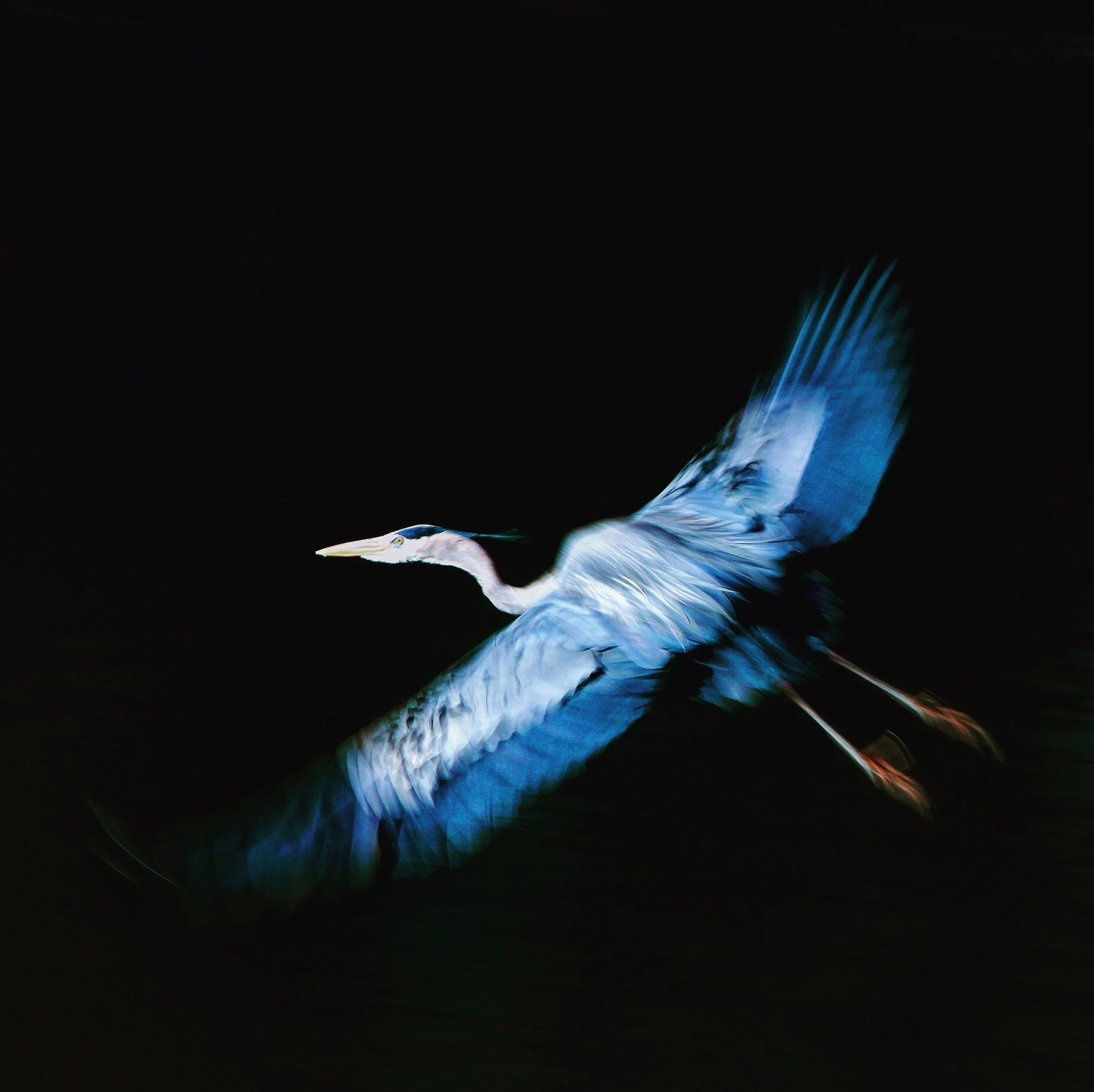
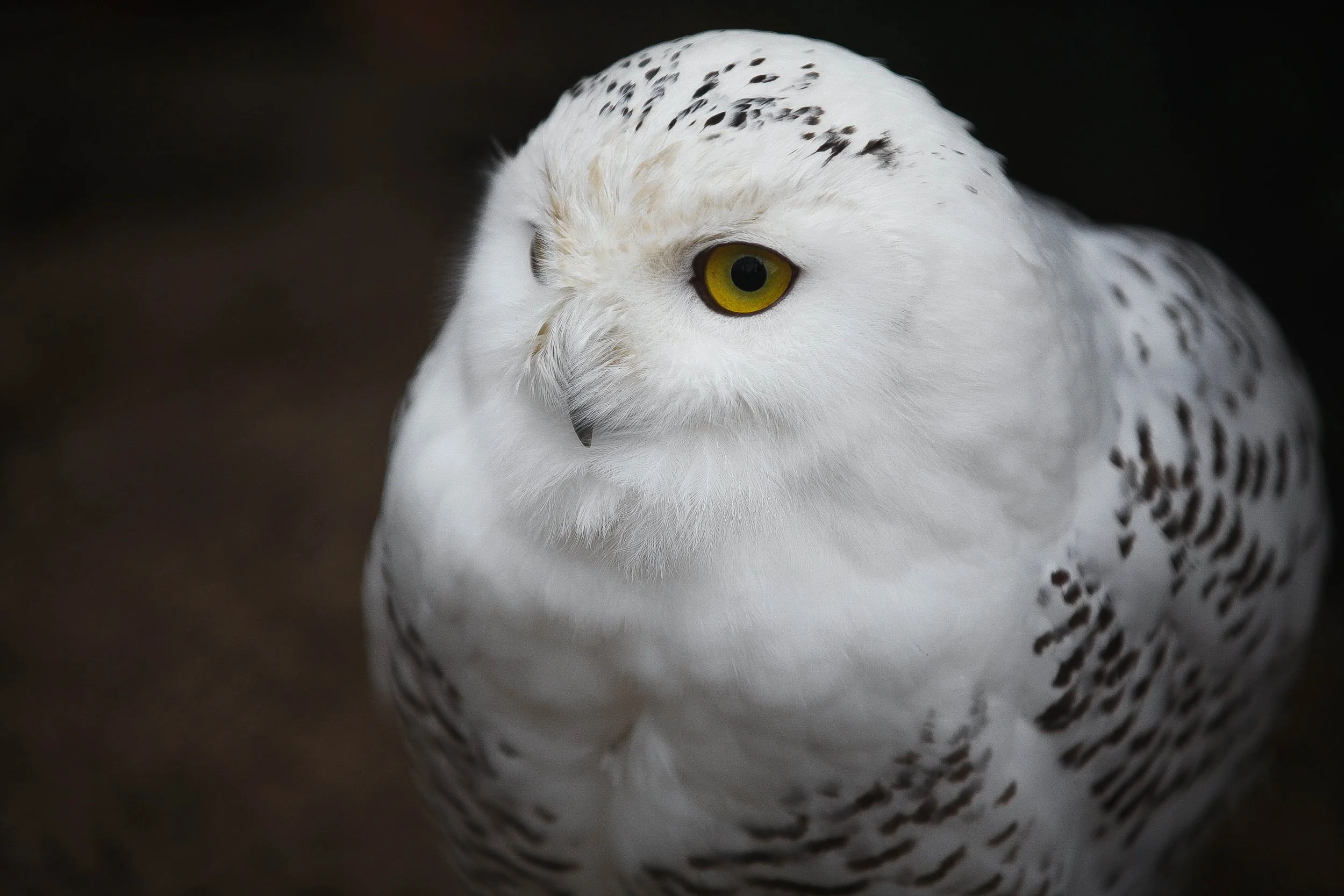
“I mostly work with digital photography and short documentary films. Now, I move more towards using different mediums and texture to explore the different aspects of life and science. Some of the tool I use are AI, installation that visualize the connection between scientific concepts and artistic ideas and self-reflections.”
Which artists influence you most?
“National Geographic photographer Joel Sartore is one of my earlier inspirations. His Photo Ark project takes close-up portraits of endangered and vulnerable species—10,000 so far— ‘to get people to care while there is still time.’ His work influences me to view animals without labels and that putting animals in stereotypical boxes would let us miss so many fascinating aspects of them. And then I am also influenced by the physicist Brian Cox and his narration about the universe. Their work inspired me to think about the relationship between the world, the universe, the nature, and us.”
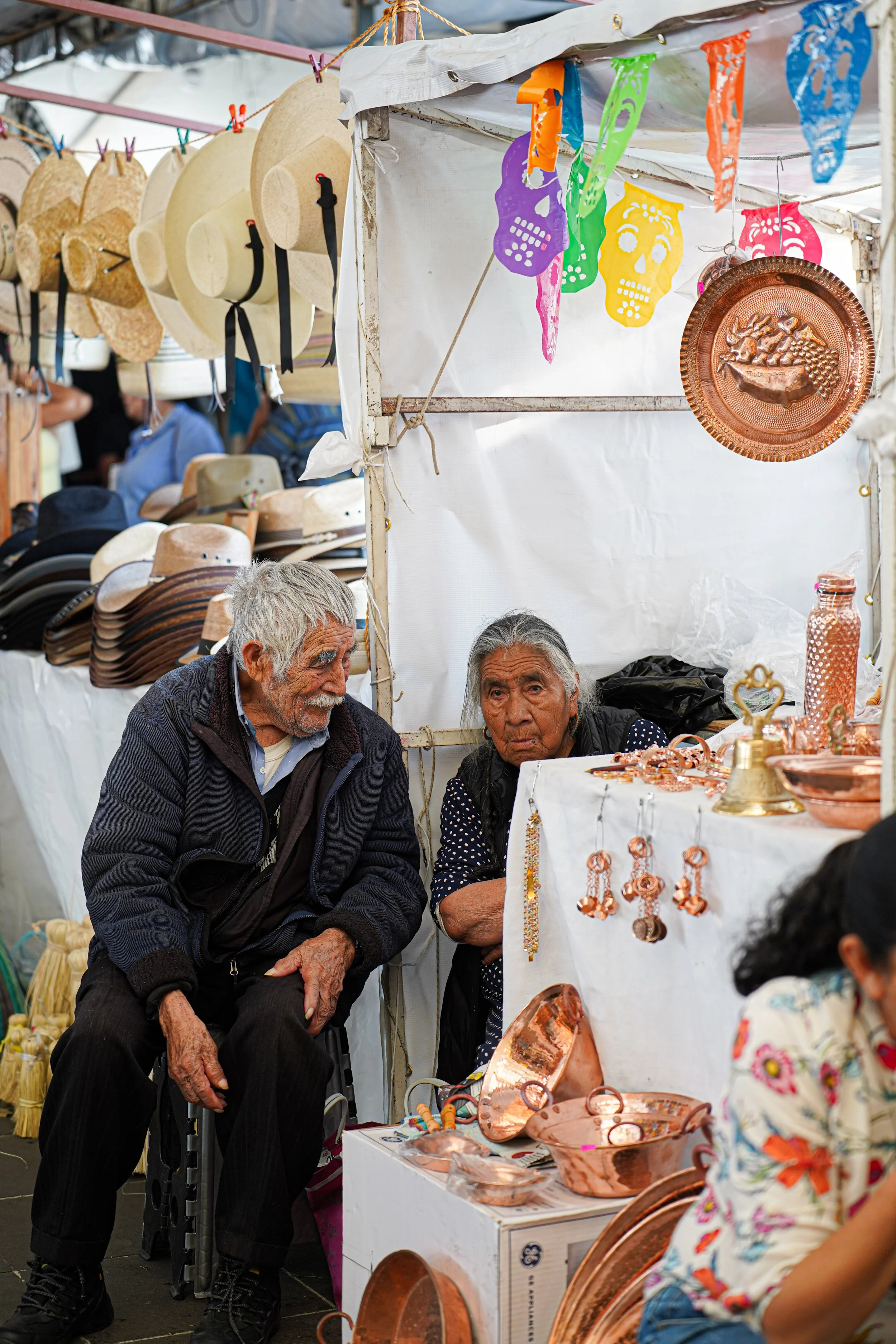
“Through film, photography, and research, I invite people to look closer at the quiet interconnections that sustain our planet, and at the shared responsibility we carry within them.”
What is your creative process like?
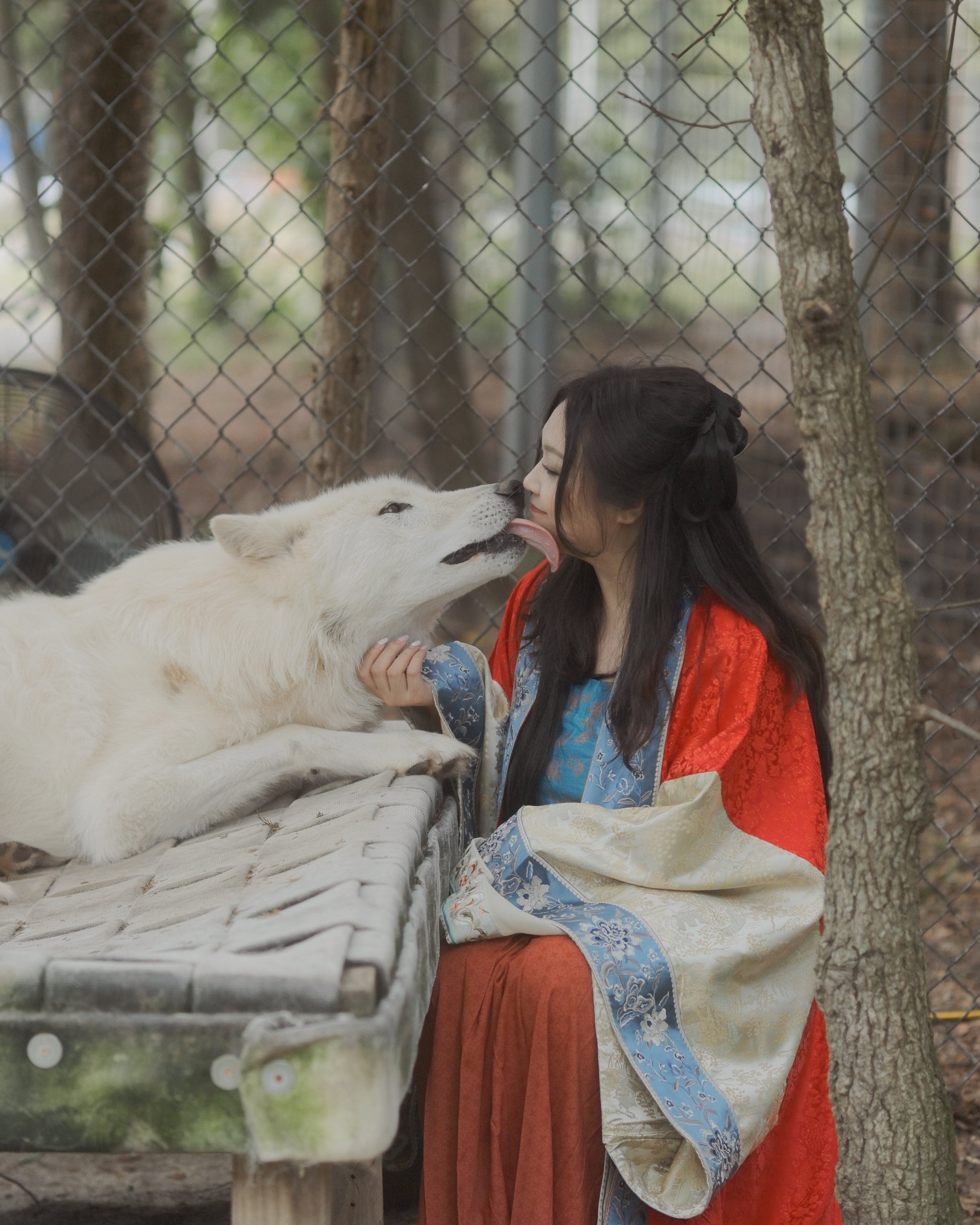
“I volunteer at a non-profit zoo called Animal Park NC. When I have free time, I would sit with the wolf and lion that I work with and watch them play, or relax, or doing what they want to do. I would work in front of them because they can give me a sense of security and serenity. I would also travel, meet new people from different backgrounds and cultures, and I try to find inspiration and purpose from travelling. But most of my work are spontaneous and improvised.”
What is an artist’s role in society and how do you see that evolving?
“As an artist I think it is my goal to feel and to observe and to think. It is important for me to constant learn about different aspects of the world and to respect and celebrate individualities.”



Have you had any noteworthy exhibitions you'd like to share?
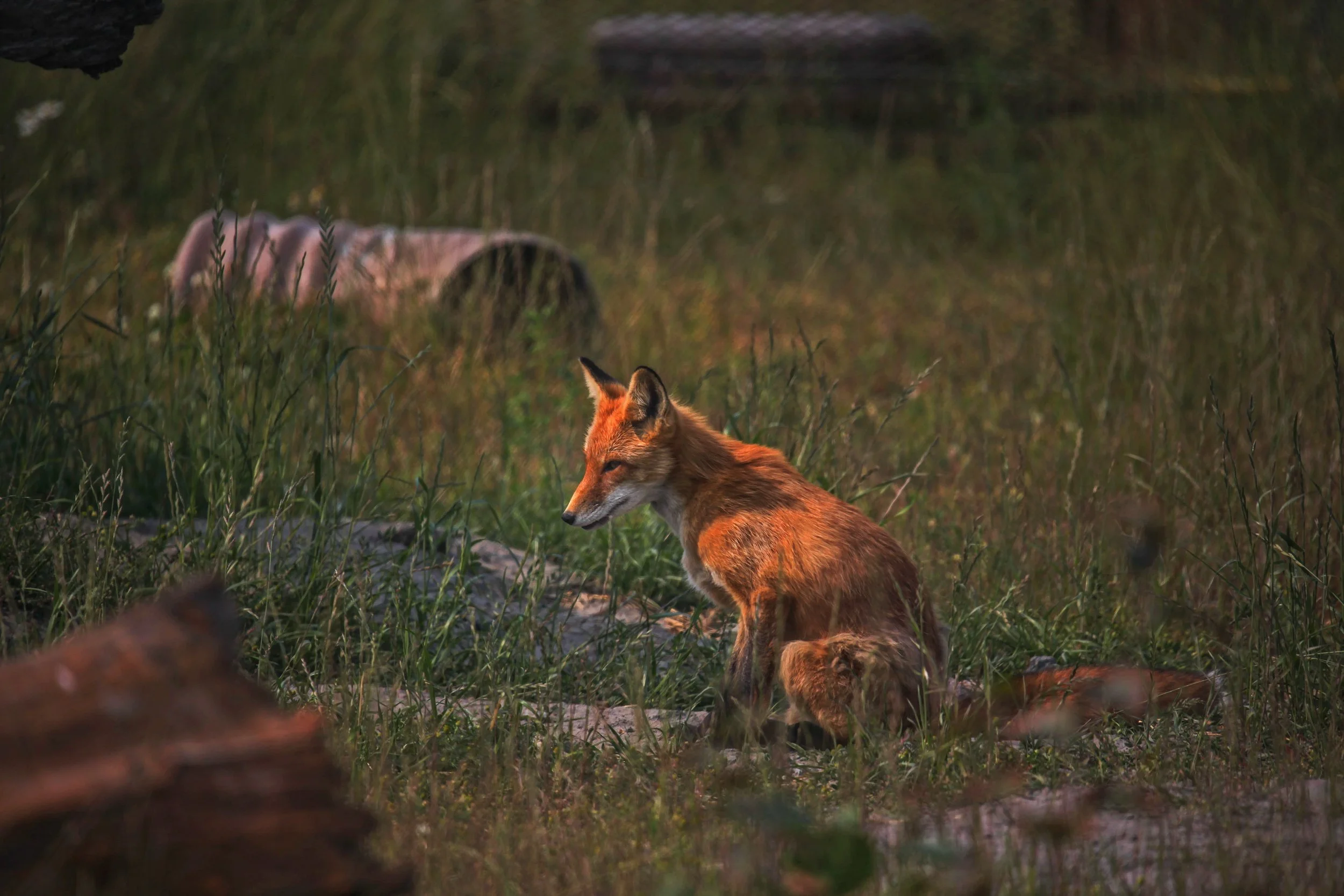
“I had a solo exhibition at CICA museum. My work soap bubbles in dream land was included in UAAD exhibition and I have an upcoming solo exhibition at ASpace gallery in Brooklyn, NYC.”
Website: www.ilianasun.com
Instagram: @ilianasun