Interview
Harshil Upadhyay
Harshil Upadhyay’s photographic and moving-image practice is shaped by a sustained engagement with transience, atmosphere, and the subtle choreography of everyday life. Working across wildlife, urban environments, and contemplative landscape studies, Upadhyay approaches the image not as spectacle but as a site of attentiveness—where duration, fragility, and spatial relationships quietly unfold. His work reflects a consistent conceptual sensitivity in which environment, light, and subject operate as interconnected elements within a larger meditation on presence and impermanence.
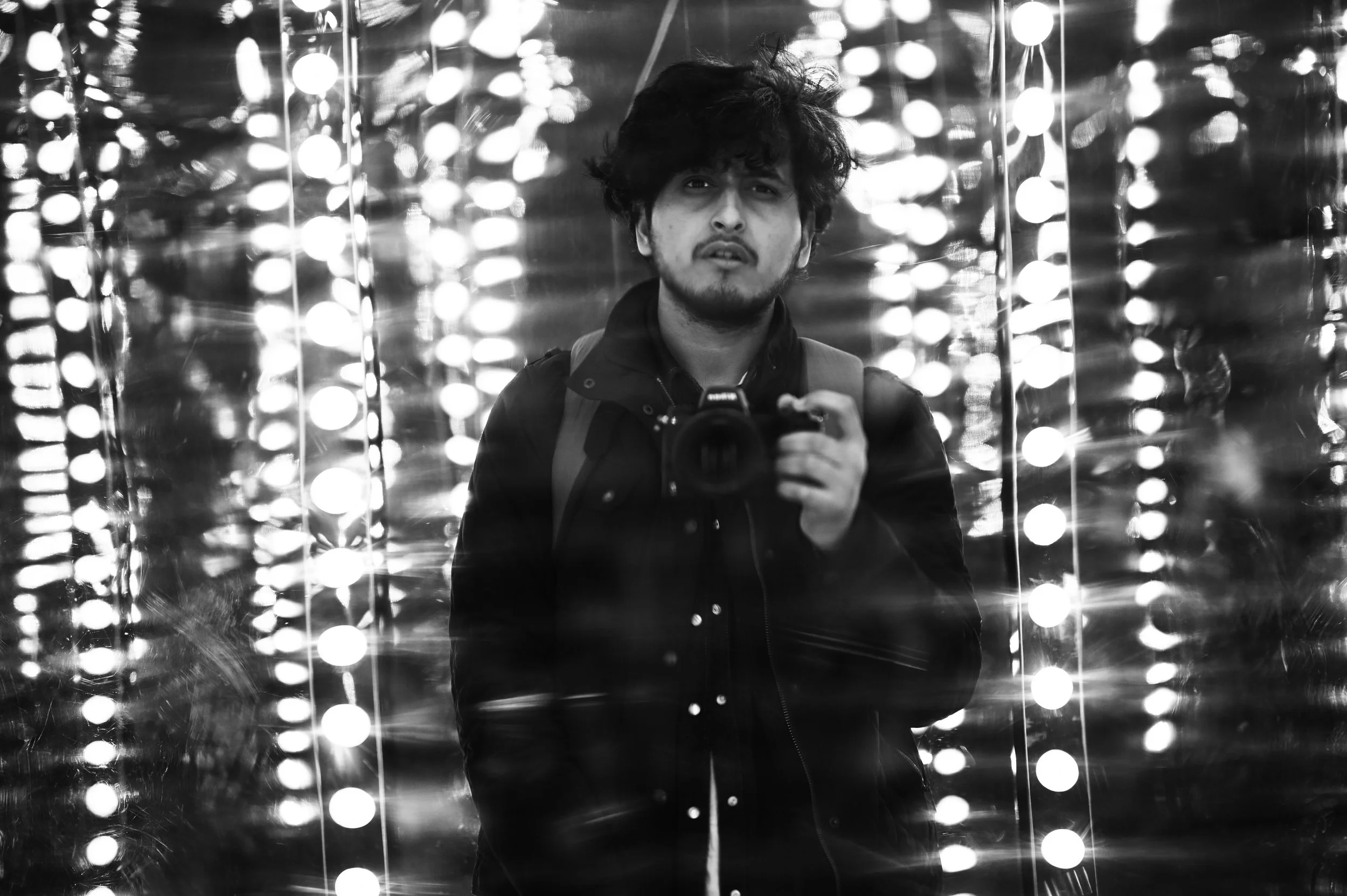
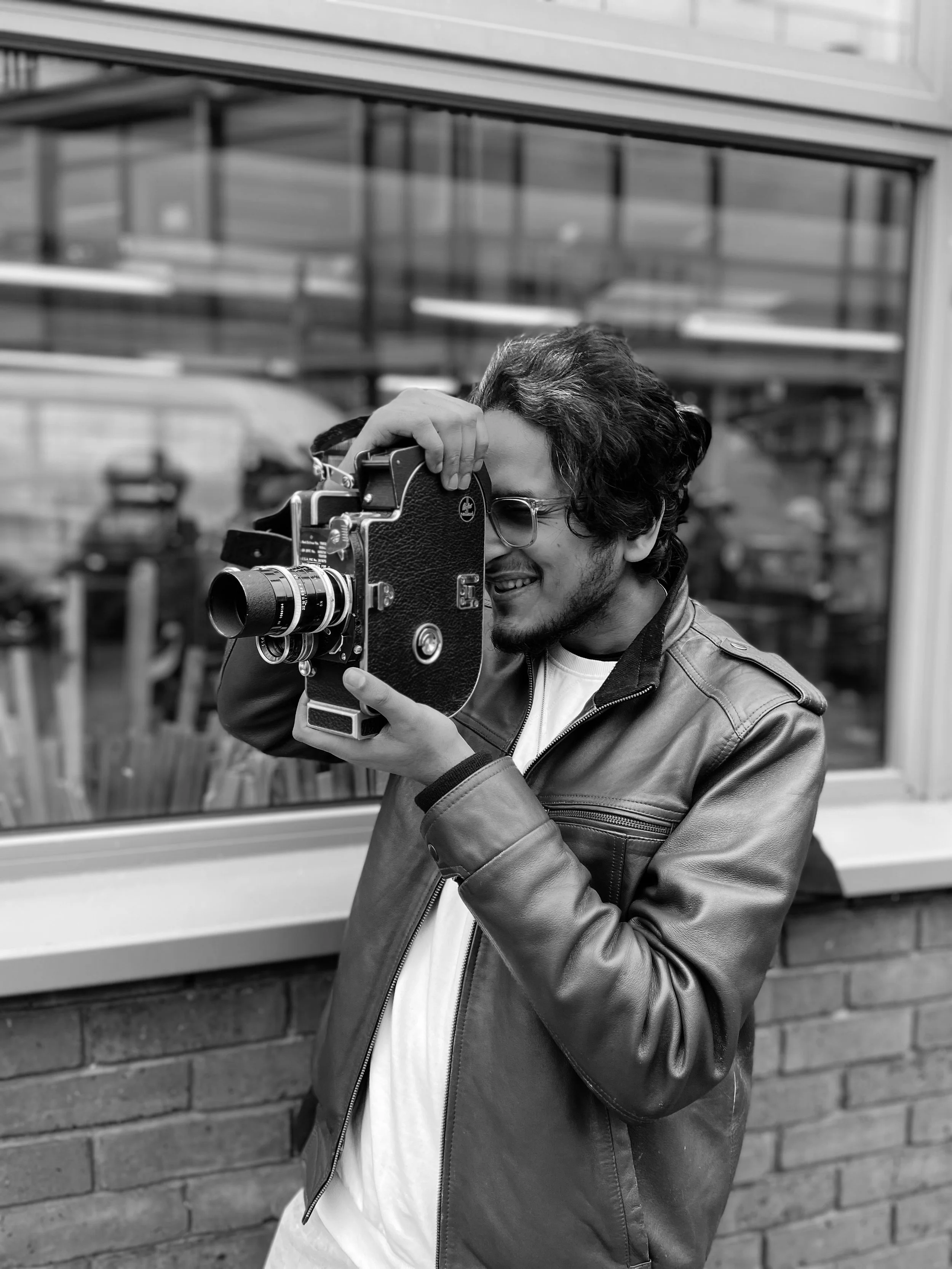
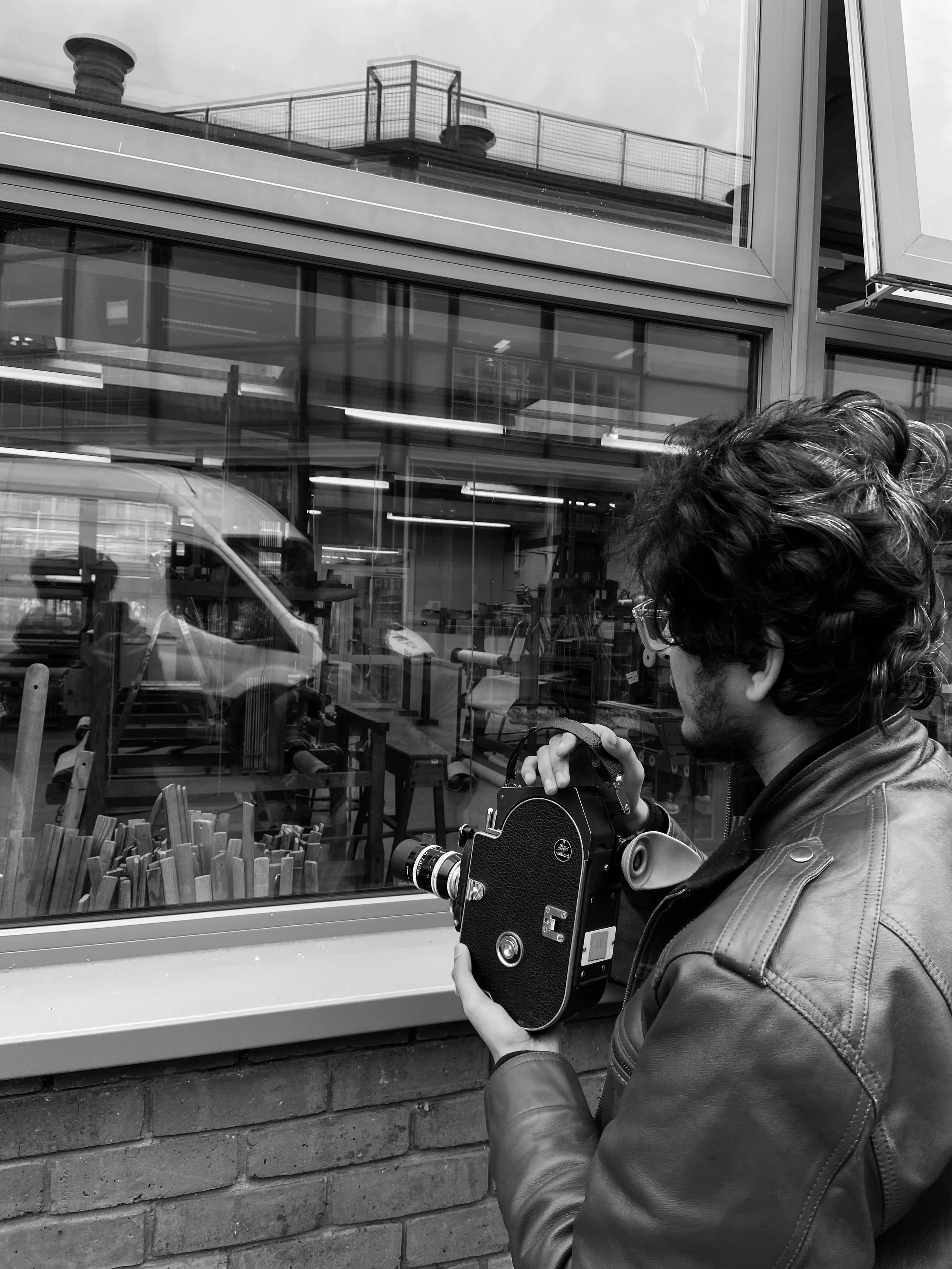
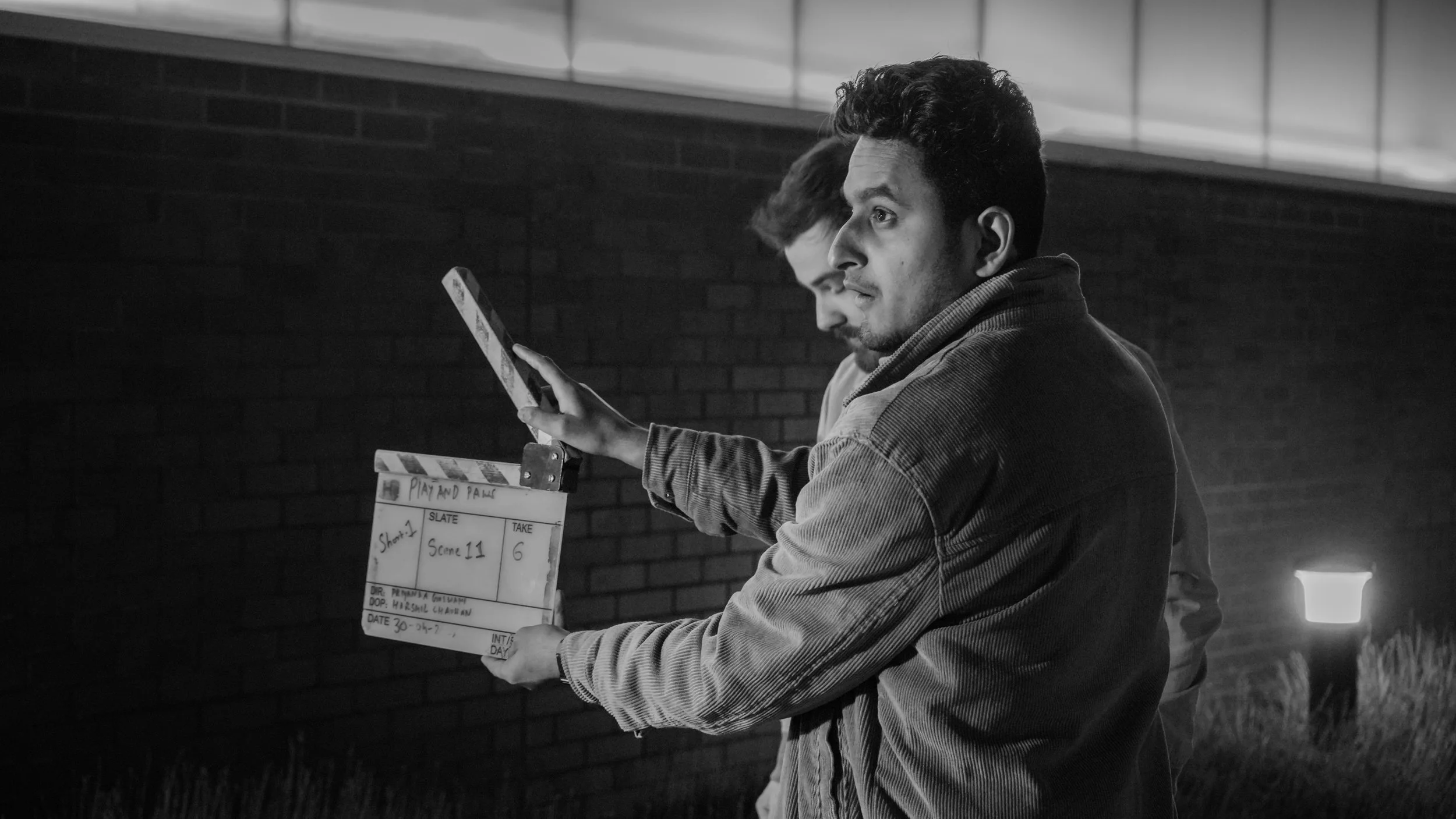
With an academic foundation in mass communication and journalism and formal training in filmmaking at the University for the Creative Arts, London, Upadhyay brings narrative awareness and cinematic discipline to his photographic language. This dual grounding informs his emphasis on framing, pacing, and the emotional resonance of space. Even in still imagery, there is an implicit sense of temporal extension what precedes the frame and what lingers beyond it. Upadhyay’s wildlife practice foregrounds patience and ecological awareness, positioning the camera as an instrument of coexistence rather than intrusion. His images resist dramatization; instead, they privilege restraint and dignity, allowing the subject to remain embedded within its habitat. In parallel, his urban and street-based works explore anonymity, solitude, and the shifting textures of metropolitan life. Figures often appear suspended within fog, shadow, or architectural geometry, suggesting states of transition rather than narrative resolution. Across these varied contexts, Upadhyay maintains a coherent visual methodology grounded in natural light, tonal subtlety, and compositional balance. Negative space and atmospheric conditions function not as background but as active components of meaning. His images frequently inhabit the threshold between clarity and obscurity, articulating the tension between visibility and disappearance. Through this reflective and measured practice, Upadhyay contributes to contemporary photographic discourse that values slowness, sensitivity, and ambiguity. His work proposes the image as a contemplative space one capable of holding ecological fragility, urban transience, and emotional nuance within an increasingly accelerated visual culture.
What is your background and how did you start your journey in the art world?
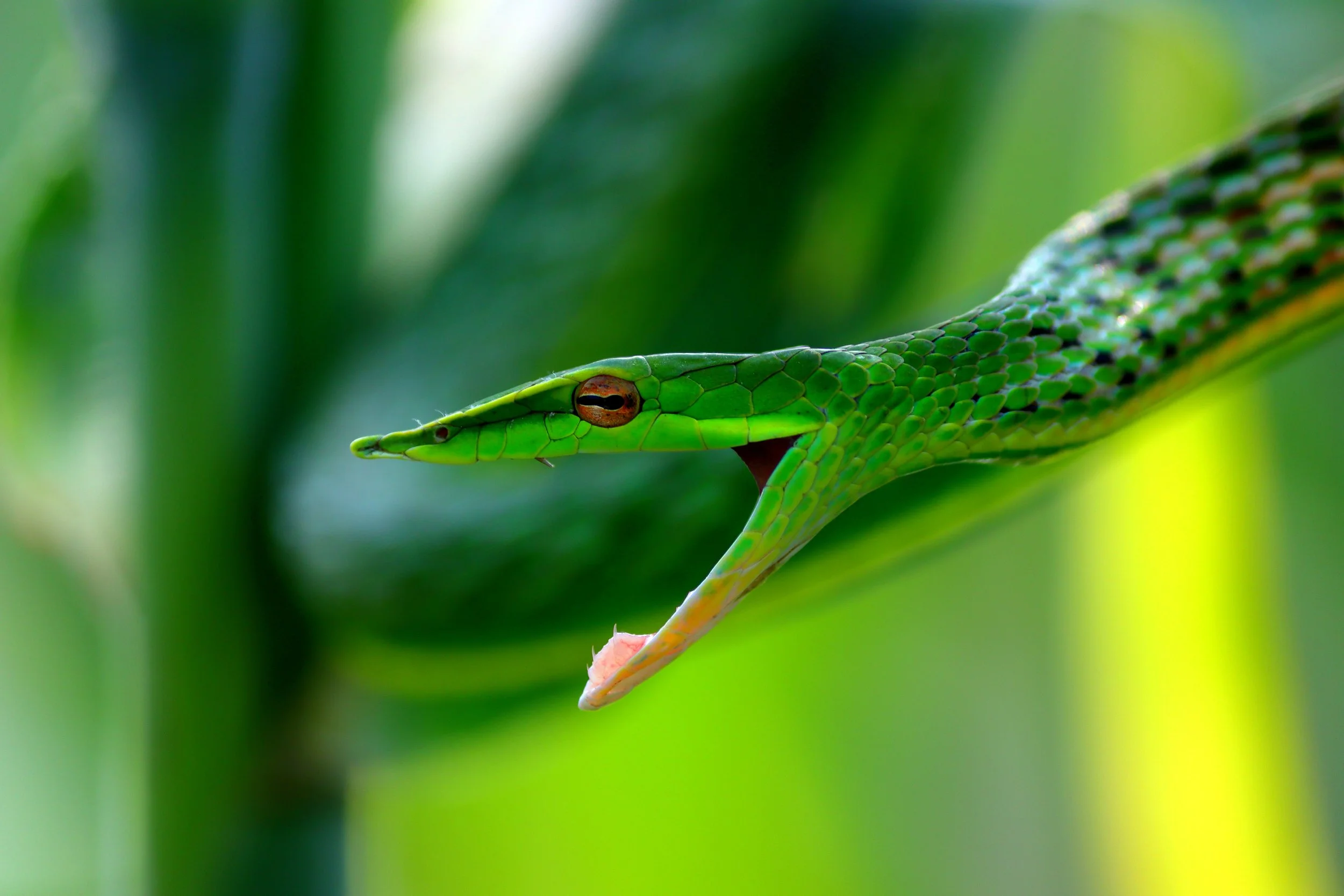
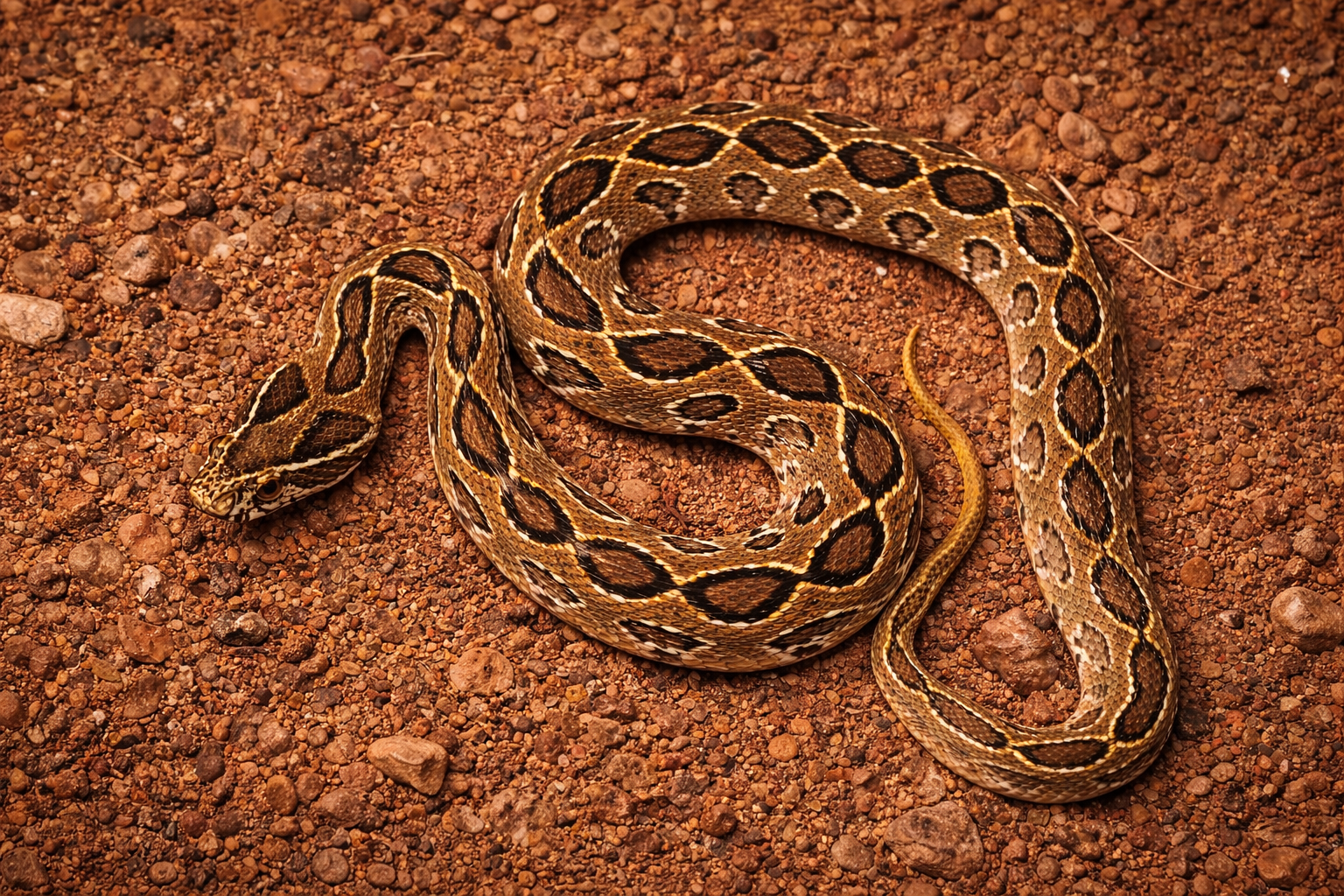
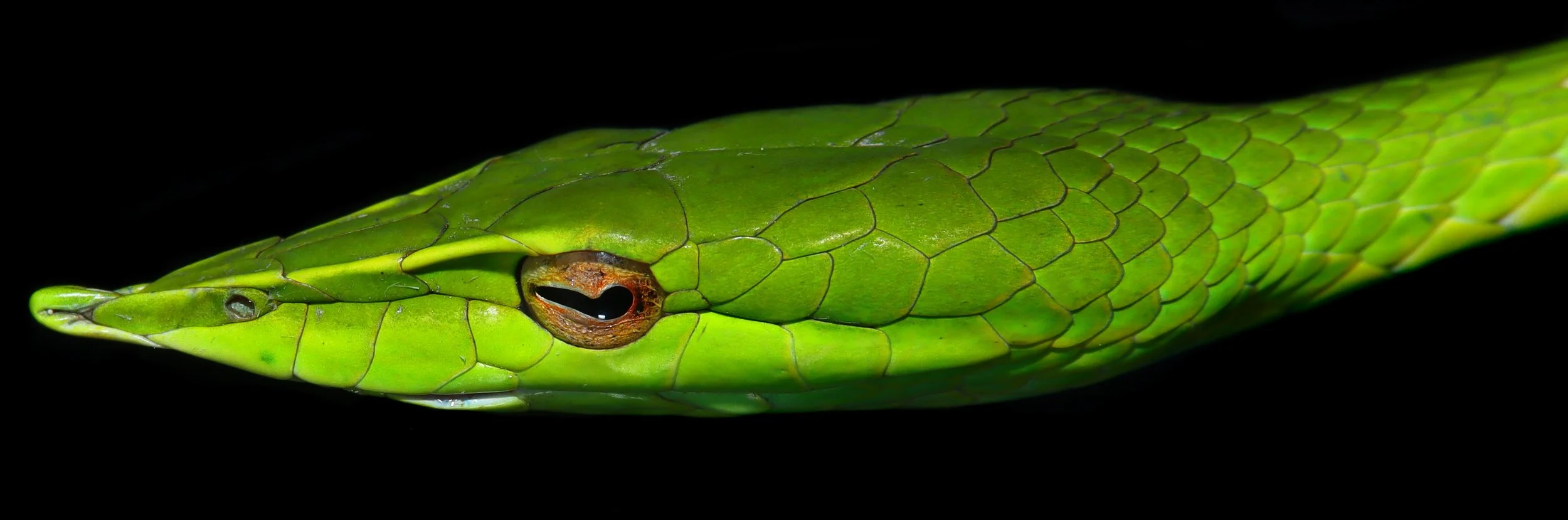
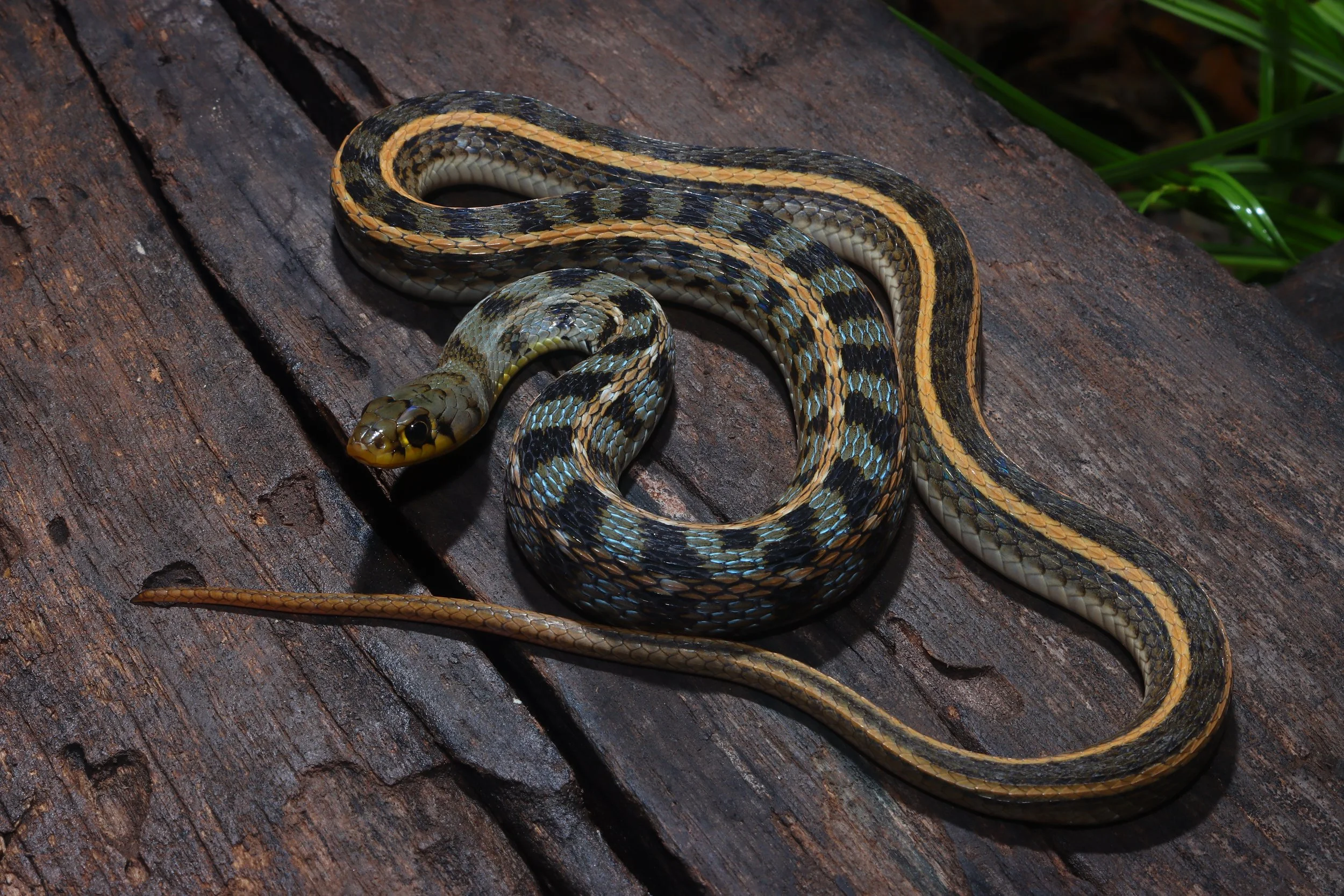
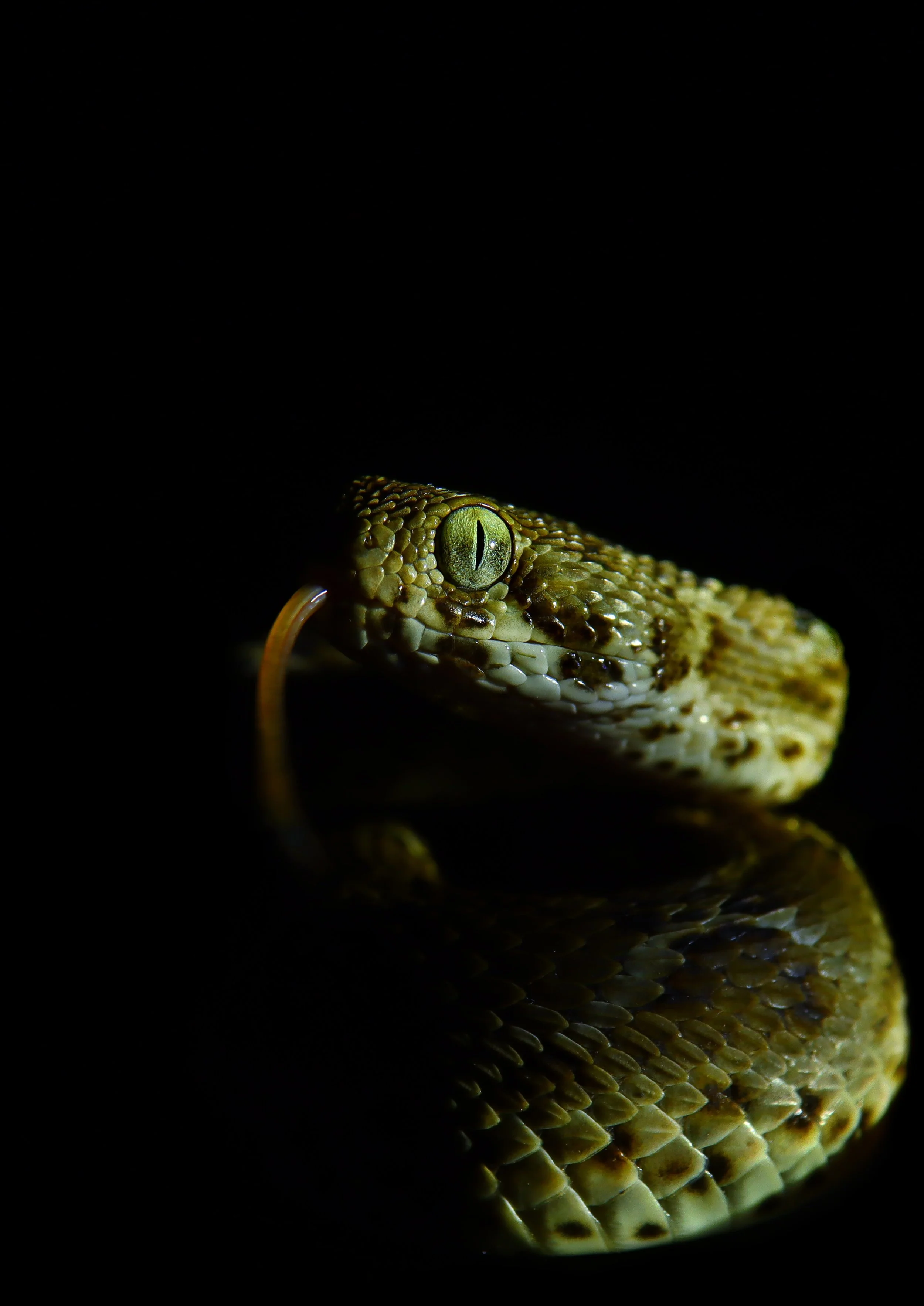
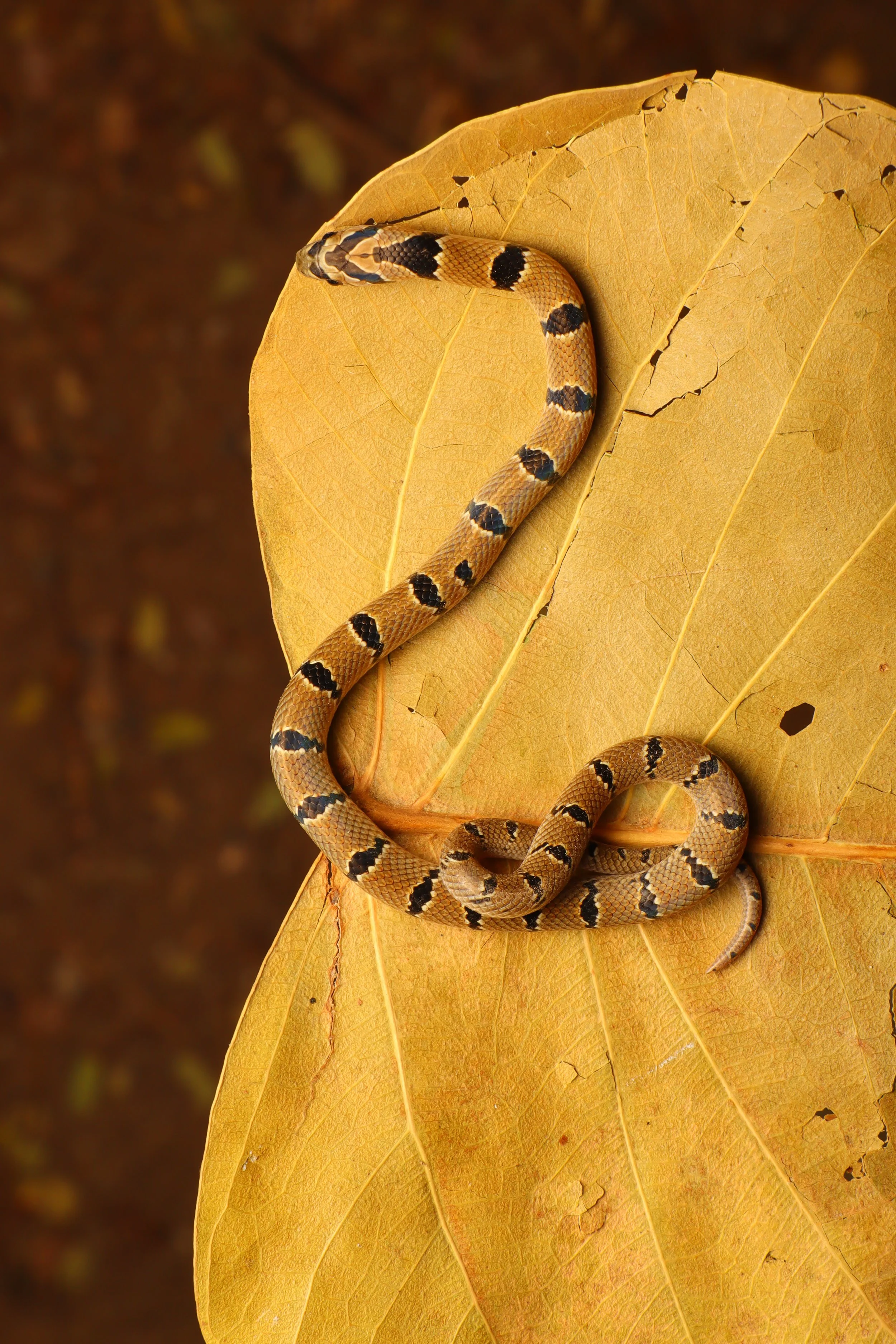
“I was born and raised in India, where visual culture is not something you study first it’s something you live inside. The streets are layered with movement, ritual, colour, and contradiction. My earliest memories are shaped by observing people—how they occupy space, how light falls on a crowded market, how silence can suddenly exist in the middle of chaos. I didn’t initially call it art. It was simply curiosity. Academically, I pursued a master’s degree in Mass Communication and Journalism in India. That training grounded me in narrative thinking—understanding context, structure, and the ethics of representation. Journalism sharpened my attentiveness to detail and to the responsibility that comes with framing reality. Photography emerged naturally from that space: it felt like reportage distilled into a single, precise moment. My move to London marked a significant shift. Studying filmmaking at the University for the Creative Arts introduced discipline to my intuition. Film taught me rhythm—how an image exists not just as a standalone frame but as part of a temporal sequence. Even when I photograph now, I think cinematically. I consider what came before the frame and what lingers after it. Wildlife photography began as an extension of patience. Growing up in India, encounters with snakes and other wildlife were not unusual, but they were often misunderstood or feared. Photographing them became a way to slow down that fear to observe rather than react. Waiting for a snake to move through dappled light, or for a moment of stillness before it disappears into foliage, demands humility. You realise you are a guest in its habitat. That awareness shaped my ecological sensitivity and respect for fragile environments.
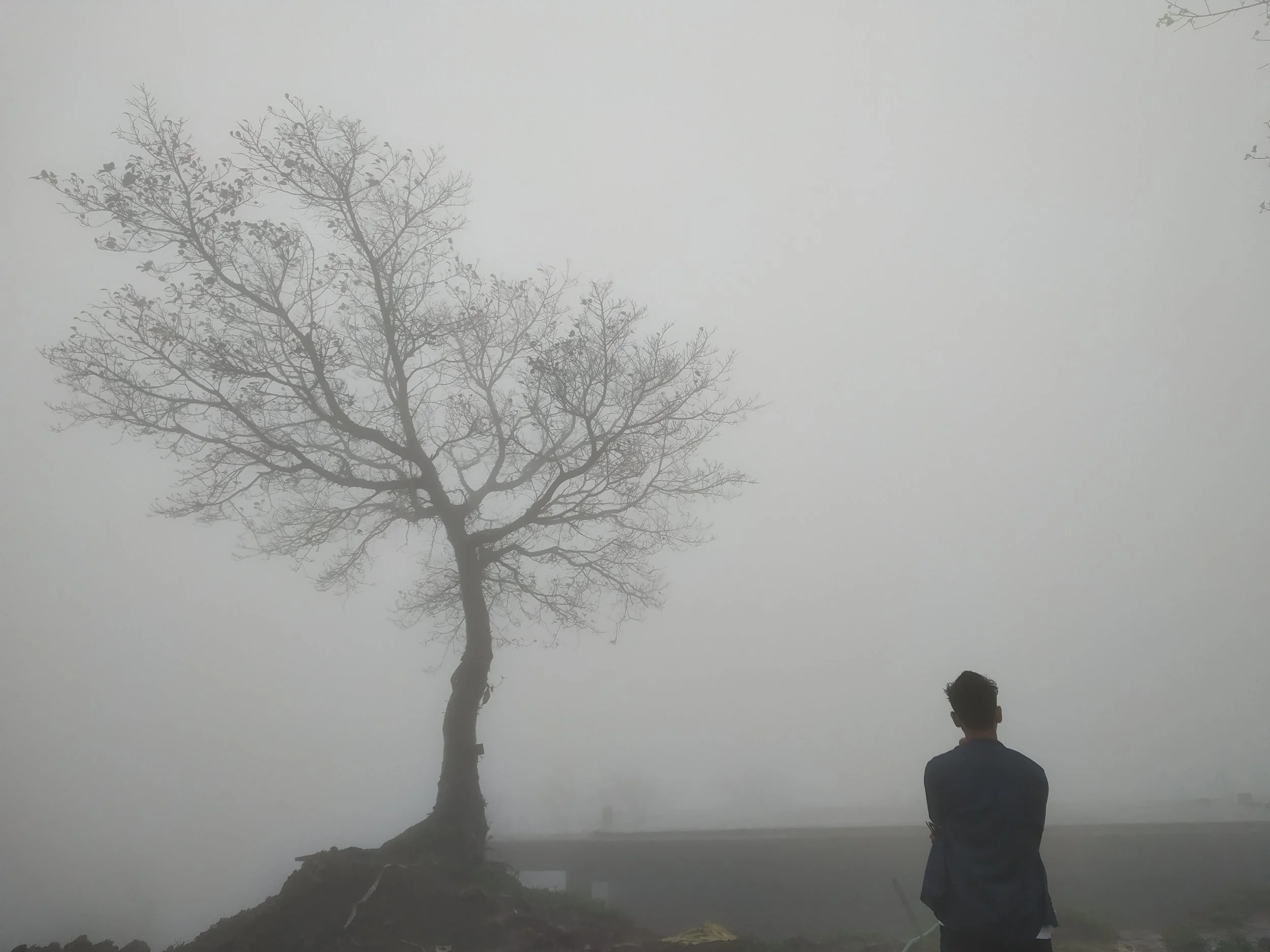
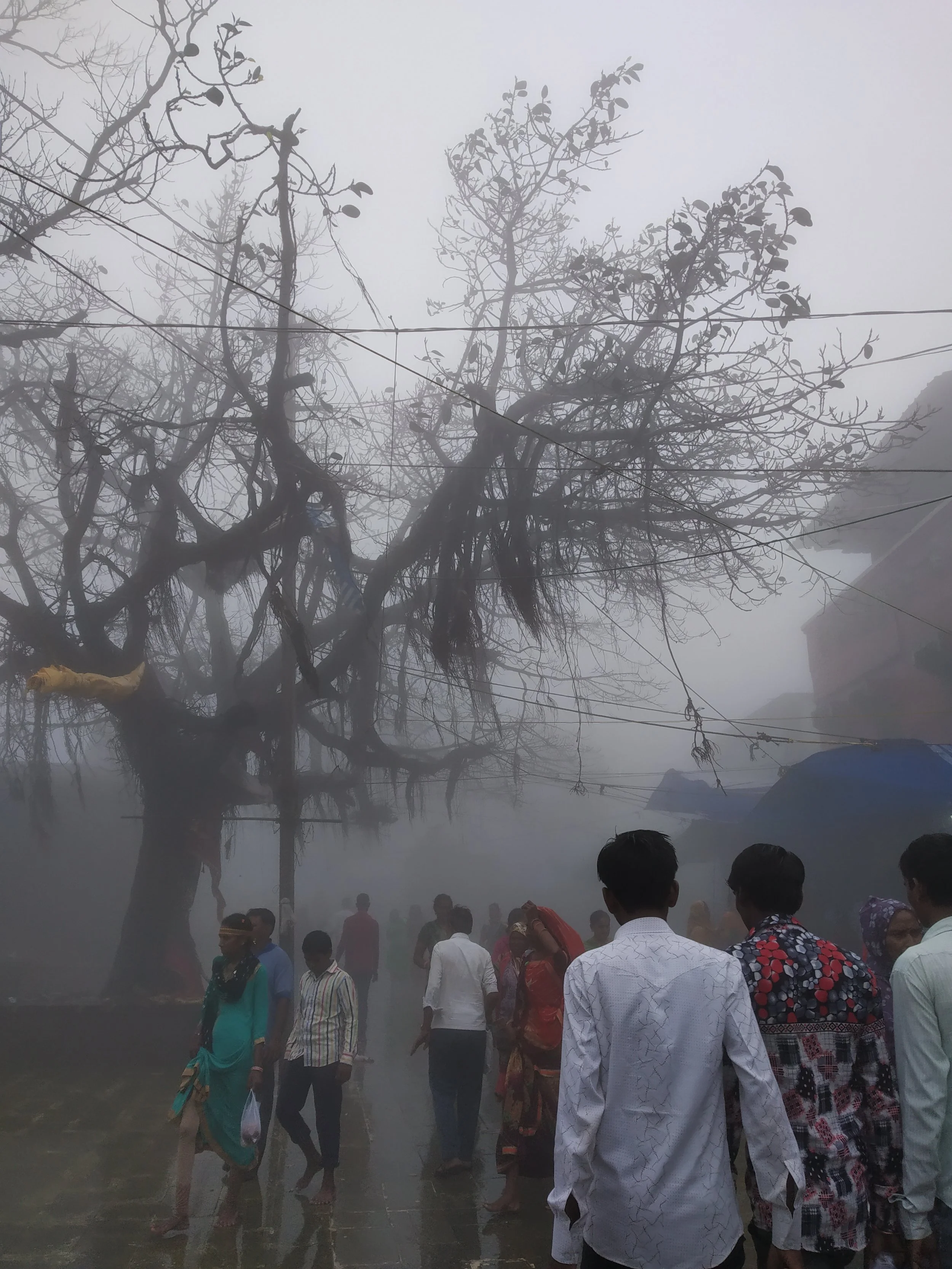
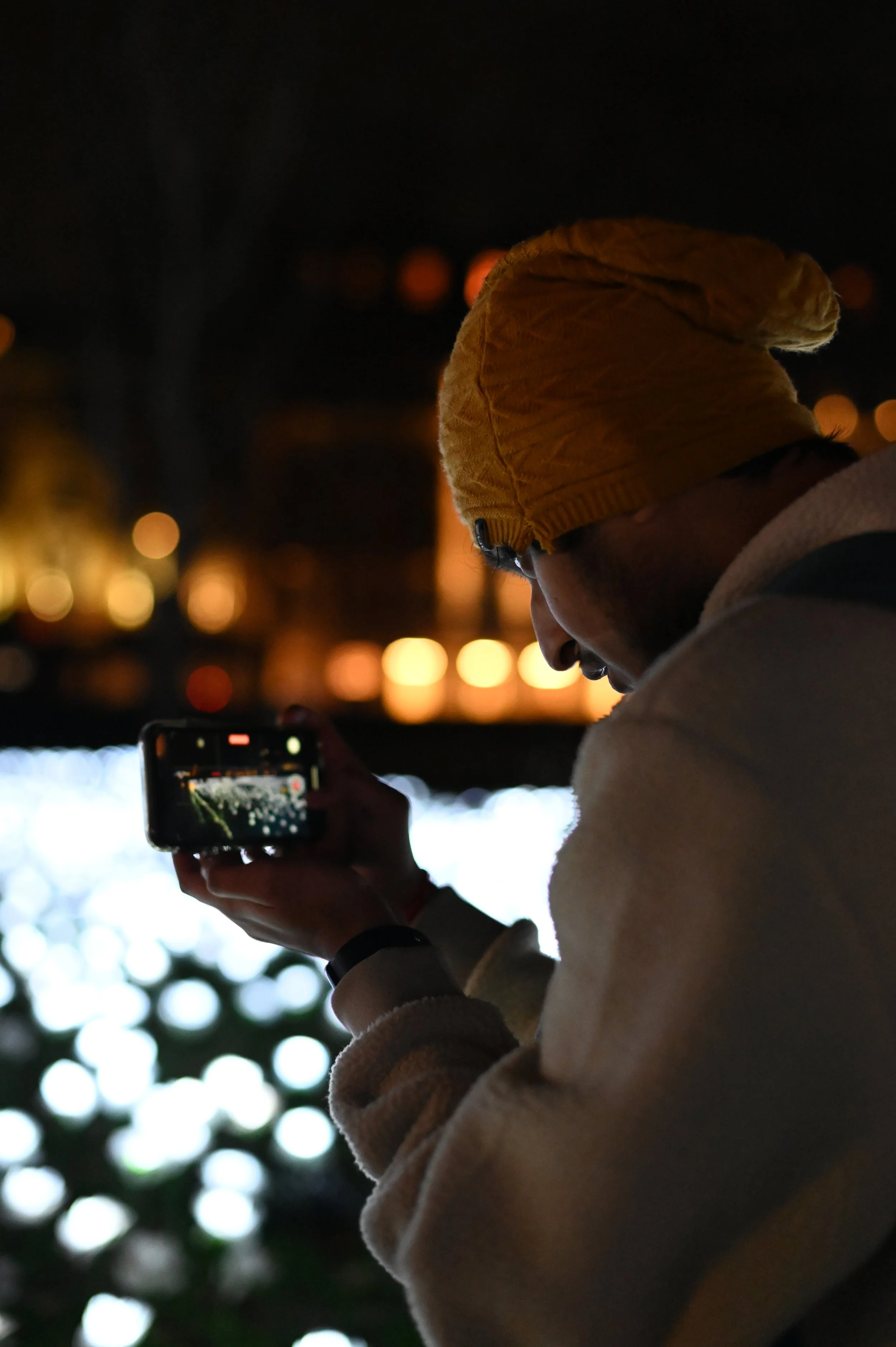
Street photography, on the other hand, satisfies my fascination with transience. Fog-covered mornings, solitary figures framed by architecture, a woman walking through autumn light these are quiet events, but they carry emotional weight. I am less interested in spectacle and more drawn to atmosphere. Often, the image is about what is almost happening: a gesture mid-motion, a figure half in shadow, a presence dissolving into mist. My journey into the art world was gradual rather than declarative. I didn’t begin with an ambition to ‘become an artist.’ I began by observing, documenting, and refining. Freelance work in London expanded that practice into professional contexts editorial assignments, content creation, and collaborative storytelling. Each commission becomes an opportunity to retain authorship while responding to a brief. If there is a through-line in my work, it is attentiveness. Whether photographing a viper coiled against earth or a solitary tree emerging through fog, I am interested in the fragile balance between presence and disappearance. Movement, light, and environment are never static; they are always shifting. My role is not to control that shift, but to witness it carefully. Art, for me, began with observation. It continues as a dialogue between stillness and motion, between environment and human trace. The camera became the most honest tool for sustaining that conversation.”
What does your work aim to say? Does it comment on any current social or political issues?
“At its core, my work reflects on presence how we inhabit spaces, how we move through environments, and how fleeting those encounters really are. I’m drawn to moments that feel quiet but charged: fog dissolving a landscape, a solitary figure framed in shadow, a snake coiled in its natural habitat. These are not dramatic spectacles, yet they carry an emotional and ecological weight. My work aims to slow the viewer down to create space for reflection in a culture that constantly accelerates. Even though I don't approach photography as overt political commentary, the pictures are unavoidably included in discussions about current events. For example, my work with wildlife subtly addresses the fragility of the environment. One way to challenge instinctive narratives is to take pictures of snakes, which are frequently feared and misrepresented animals. I'm subtly addressing our relationship with ecosystems and the effects of human encroachment by depicting them with dignity and patience.
‘What does coexistence look like?’ is the question posed by the work. My street photography interacts with social dynamics in a more subdued way. Urban areas are places of migration, isolation, congestion, and anonymity. Themes of loneliness, displacement, or belonging problems that are particularly relevant in international cities like London can be suggested by a lone figure vanishing into mist or moving beneath imposing architecture. I'm curious about how modern life feels on the inside, including the emotional texture of movement, the silent loneliness in public places, and the balancing act between environment and individuality. Rather than making declarative statements, I prefer to create images that hold ambiguity. I believe photography can be most powerful when it doesn’t instruct but invites contemplation. The political, for me, often resides in attention itself choosing to look carefully at what is overlooked, to humanise what is feared, and to situate everyday gestures within broader environmental and social realities. In that sense, my work doesn’t shout. It observes. And through that observation, it hopes to gently question how we see the world—and how we choose to exist within it.”
Do you plan your work in advance, or is it improvisation?
“My method lies in the middle of instinct and intention. I rarely go somewhere unprepared because, particularly when working with wildlife, I study light patterns, conduct environmental research, and comprehend behavioral rhythms. That preparation is crucial. It establishes the circumstances necessary for something significant to occur. However, the photograph itself is almost always born from improvisation. It’s a balance between intention and surrender. Because of my filmmaking background, I naturally think in terms of structure. When I enter a space, whether it’s a forest trail or a city street, I’m already attentive to light direction, spatial depth, and possible framing. I research locations, understand weather patterns, study animal behaviour, or observe how light moves across architecture. That preparatory process gives me clarity and discipline. It allows me to anticipate rather than simply react.
Wildlife photography, in particular, requires planning. You cannot improvise your way into a meaningful encounter with a snake or any wild species. You need patience, ecological awareness, and respect for habitat. Preparation is ethical as much as aesthetic. Knowing when not to press the shutter is as important as knowing when to do so. Street photography, however, leans more toward improvisation. Urban environments are unpredictable. Fog appears unexpectedly. A figure walks into a frame for a fraction of a second. Those moments can’t be scripted. In those instances, instinct takes over. Years of observing and training your eye allow you to respond almost intuitively. So I would say my process is structured openness. I prepare myself technically and mentally, but once I’m in the field, I allow the environment to guide the image. The most honest photographs often happen in the space between control and chance, where intention meets the unexpected. For me, the camera becomes less about directing reality and more about being alert enough to recognise when reality composes itself.”
Are there any art world trends are you following?
“I try to stay aware of contemporary movements in photography and visual culture, but I’m careful not to let trends dictate my direction. The art world moves quickly, particularly in the age of digital platforms and there’s often pressure to align with what is visually immediate or algorithmically successful. My interest lies more in understanding why certain aesthetics gain momentum rather than simply adopting them. One trend I find compelling is the renewed interest in environmental storytelling. Across photography, film, and installation practices, there’s a visible shift toward ecological narratives, with artists exploring climate anxiety, biodiversity loss, and human impact on fragile ecosystems. This resonates deeply with my wildlife work.
However, rather than approaching it through spectacle or confrontation, I’m drawn to subtle images that quietly foreground coexistence, fragility, and restraint. I’m interested in how minimal gestures can communicate environmental urgency without becoming didactic. In street and urban photography, I’ve noticed a growing embrace of atmospheric ambiguity—fog, shadow, negative space, and subdued color palettes. There is a movement away from hyper-saturated, high-contrast imagery toward something more introspective and cinematic. This aligns naturally with my own sensibility. I’m drawn to work that allows silence to occupy the frame, that trusts mood as much as subject. The contemporary fascination with stillness in a hyper-connected world feels significant; it reflects a collective need to slow down. I’m also attentive to how photography is expanding beyond the single image. Multimedia storytelling—blending stills, video, sound, and text—has become increasingly prominent.
Given my filmmaking background, this intersection is particularly exciting. The boundaries between photographer and filmmaker are becoming more fluid. Artists are thinking spatially and temporally, not just compositionally. I see this not as a trend to chase, but as a space for organic evolution in my own practice. Another notable shift is the conversation around authorship and representation. There’s heightened awareness about who tells certain stories and how narratives are framed. This is something my journalism training made me sensitive to early on. In wildlife photography especially, there’s a responsibility to avoid exoticizing or dramatizing. In street photography, there’s a need to consider dignity and context. Contemporary discourse is pushing photographers to be more conscious—and I think that’s a necessary and healthy progression. At the same time, I remain cautious about trend-dependency. Visual culture today is heavily shaped by social media cycles, and aesthetics can become repetitive very quickly. My focus is on longevity rather than immediacy. I want my images to feel relevant ten years from now, not just in the current season. So while I observe trends environmental narratives, cinematic minimalism, multimedia hybridity, ethical representation I see them less as directions to follow and more as conversations to engage with thoughtfully. My aim is to remain responsive but not reactive, informed but not influenced to the point of dilution. The work has to emerge from internal coherence, not external momentum.”
What process, materials and techniques do you use to create your artwork?
“My process begins long before I pick up the camera. It starts with observation and research understanding the space, its rhythms, its light patterns, and its emotional atmosphere. Whether I’m working on a commissioned project, a personal series, or a moving-image piece, I approach each body of work with a conceptual framework. I ask myself what the underlying tension is: Is it about stillness? Displacement? Coexistence? Memory? That clarity shapes every technical decision that follows. Technically, I work primarily with full-frame digital systems, often using prime lenses. I’m drawn to primes because they encourage discipline physically moving through space rather than relying on zoom. This changes how I relate to a subject; it makes the act of framing more intentional. I frequently work with longer focal lengths to compress space and isolate gestures, but I also use wider lenses when spatial storytelling becomes central to the image.
Light is my primary material. I prefer natural light, especially transitional moments—early mornings, late afternoons, overcast days, fog, diffused interiors. I rarely overpower a scene with artificial lighting unless a project specifically demands it. Instead, I work with what is available, allowing the atmosphere to shape the mood. Subtle shifts in light often determine whether I press the shutter or wait. Compositionally, I’m attentive to negative space, layering, and depth. I’m interested in how figures or forms exist within their environment rather than dominating it. The frame is never just about a subject; it’s about the relationship between subject and space. I often hold back from overloading the frame, allowing silence and emptiness to function as visual elements. In post-production, my approach is restrained. I edit and colour-grade carefully, focusing on tonal balance rather than dramatic manipulation. I’m drawn to muted palettes, controlled contrast, and a cinematic softness. The aim is to preserve the emotional integrity of the moment rather than to enhance it artificially.
Editing, for me, is less about transformation and more about refinement bringing the image closer to how it felt rather than how it looked. When working with moving image, my filmmaking training becomes more explicit. I storyboard selectively, think in sequences, and pay close attention to pacing. Camera movement is minimal and deliberate. I often prefer static frames or subtle motion to maintain a contemplative rhythm. Sound design ambient sound especially plays an important role in shaping atmosphere in film-based work. Materially, I also think about presentation. Print choices matter. I gravitate toward matte or fine art papers that soften glare and deepen tonal subtlety. Scale is carefully considered: some images demand intimacy, while others need physical presence. The tactile experience of a print its texture, its weight becomes part of the artwork. Across all mediums, my technique is rooted in patience and attentiveness. I don’t work rapidly or impulsively. I return to locations. I revisit themes. I allow projects to evolve over time rather than forcing immediate outcomes. The process is iterative observe, capture, reflect, refine. Ultimately, the tools are secondary. The camera, the lens, the editing software, the paper these are instruments. The core of my practice lies in how I see, how I wait, and how I translate fleeting experiences into something that feels quietly enduring.”
What does your art mean to you?
“My art is a way of understanding my place in the world. It is less about producing images and more about sustaining attention. In a time where everything moves quickly and meaning is often consumed rather than absorbed, photography and filmmaking allow me to slow down and examine what would otherwise pass unnoticed. On a personal level, the camera has become a tool of clarity. It teaches me patience. It demands presence. When I am working, I am fully attentive to light, to movement, to silence, to subtle gestures. That heightened awareness carries into everyday life. Art, for me, is not separate from living; it is a way of living more consciously. There is also an emotional dimension.
Many of my images explore transient, fog-dissolving landscapes, figures passing through space, and fleeting wildlife encounters. I think this reflects an ongoing contemplation of impermanence. Nothing remains fixed: environments shift, cities transform, species adapt or disappear, people move across borders. My work becomes a quiet meditation on that constant state of becoming. Art also represents dialogue. Even when an image feels solitary, it is never isolated. It exists in conversation with the viewer, with the environment, and with the broader cultural moment. I am interested in creating work that does not dictate meaning but invites reflection. If someone pauses longer than expected, if they feel a subtle emotional resonance without immediately knowing why, then the work has begun to speak. At the same time, art holds responsibility.
Through journalism and filmmaking, I learned that framing is never neutral. Choosing what to show and what to leave out carries weight. My practice, therefore, is grounded in respect: respect for environments, for subjects, and for the spaces I enter. Art reminds me to approach the world with humility rather than dominance. Ultimately, my art is a practice of attentiveness and care. It is how I process movement, solitude, coexistence, and change. It is not simply a profession or a creative outlet it is a way of remaining present in a world that constantly pulls us away from presence.”
What’s your favourite artwork and why?
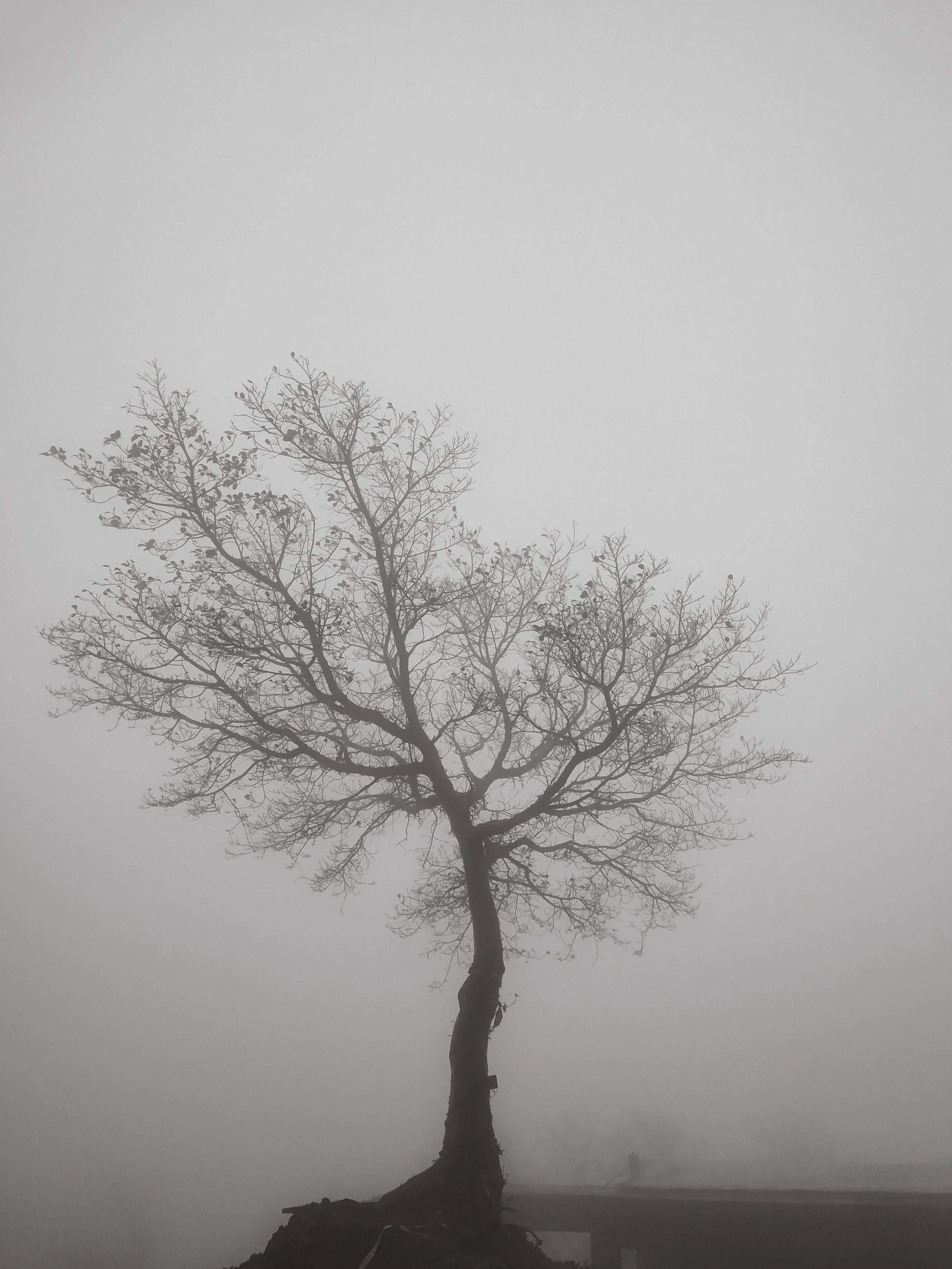
“One of the works I return to most often is my long-exposure fog study of the solitary tree emerging through mist. I’m drawn to it because it sits precisely in the space my practice keeps circling the fragile threshold between presence and absence. Long exposure, for me, is not just a technical choice; it is a philosophical one. By extending time within a single frame, the image begins to record what the eye cannot normally hold. Movement softens, edges dissolve, and the scene shifts from documentation into something more perceptual and cinematic. In this particular work, the fog becomes an active material. It erases and reveals simultaneously, allowing the tree to feel both grounded and on the verge of disappearance. What resonates with me most is the ambiguity the image sustains. The tree is clearly there, yet it never feels fully fixed. The extended exposure compresses time into a quiet blur, creating a suspended atmosphere that feels almost like a film still rather than a conventional photograph. My filmmaking background inevitably informs this the framing is deliberate, the negative space is intentional, and the tonal restraint is designed to slow the viewer down.
Conceptually, the work reflects my ongoing interest in transitional states. I’m less interested in moments of certainty and more drawn to thresholds dawn and dusk, motion and stillness, visibility and obscurity. The long exposure becomes a way of visualising time passing without dramatics. It allows the image to breathe. There is also something deeply personal about the solitude in the frame. The absence of human presence is intentional, but the image is still about human experience about isolation, contemplation, and the quiet weight of landscape. The cinematic quality helps hold that emotional register; it invites the viewer to linger rather than simply glance. If my broader practice is about attentiveness to fleeting conditions, this work feels like a distilled expression of that impulse. It embodies patience, restraint, and trust in atmosphere over spectacle. It reminds me why I photograph in the first place: not to capture what is obvious, but to sit with what is almost disappearing.”
Have you had any noteworthy exhibitions you'd like to share?
“At this stage in my practice, my focus has been primarily on developing a cohesive visual language through commissioned work, independent projects, and ongoing photographic and film explorations rather than formal exhibitions. While I haven’t yet presented the work in a dedicated gallery setting, this period has been important for refining my voice and building bodies of work that I intend to exhibit in the near future. Much of my work has circulated through freelance collaborations, editorial contexts, and digital platforms, which has allowed me to reach diverse audiences while maintaining a reflective, process-driven approach. I see this phase as foundational prioritizing depth, consistency, and conceptual clarity before entering the exhibition space. That said, exhibition-making is very much part of my forward trajectory. I’m currently interested in developing series-based presentations that bring together my photographic and cinematic sensibilities in a more immersive format.”
Website: uharshil1997.wixsite.com
Instagram: @hforharshill