Interview
Francine Zaslow
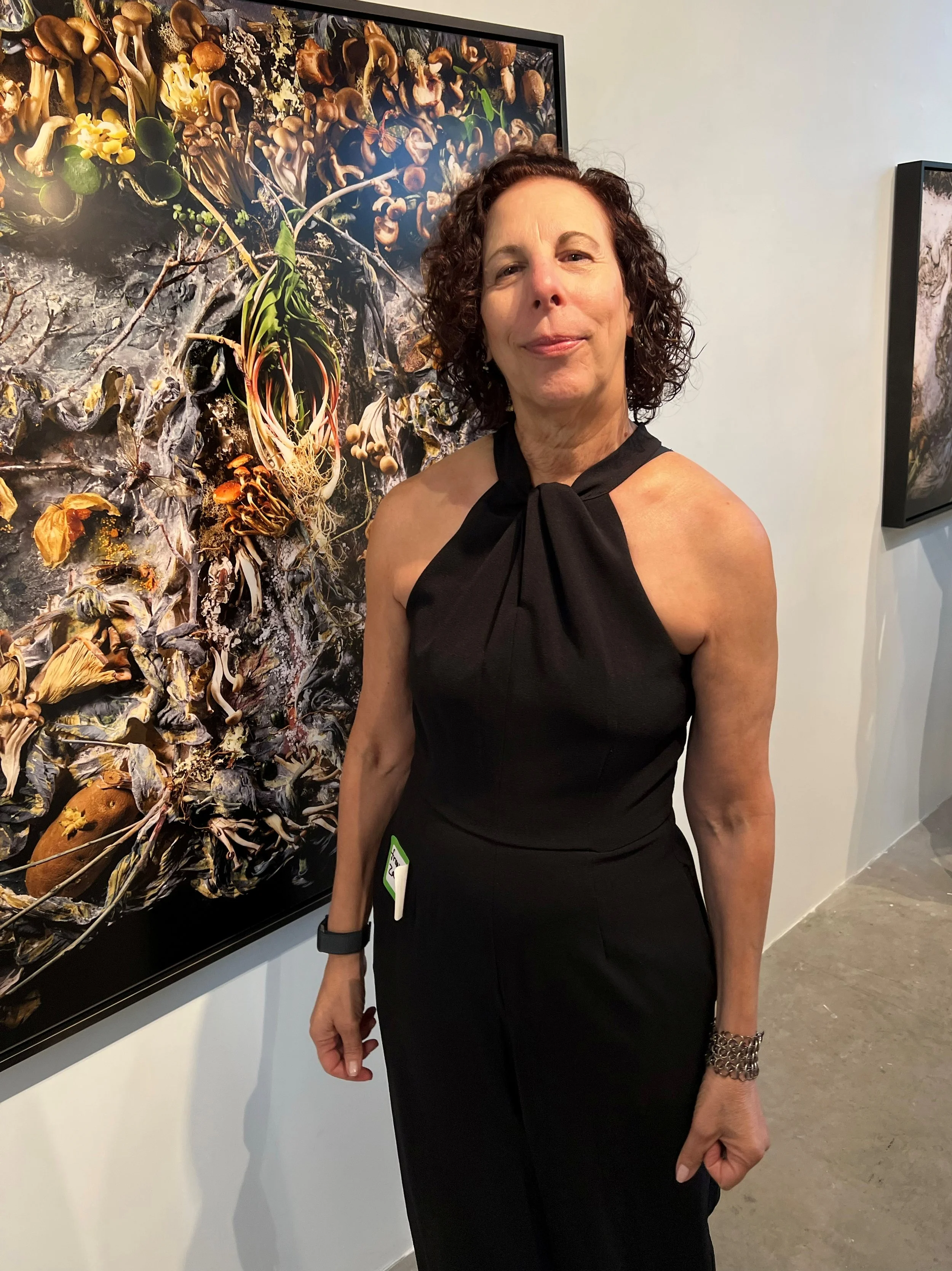
Francine Zaslow is a photographer and visual artist whose work merges still life photography with sculptural and organic forms. Drawing from decades of experience in commercial photography, she creates richly constructed images that explore transformation, memory, and visual storytelling. Sought after by an extensive range of national and international brands for her ability to transform objects into tactile and evocative imagery, Zaslow has led a successful commercial photography studio for decades, directing photography, film, and video projects. Her work is recognized for its refined lighting, composition, and meticulous attention to detail. Alongside her commercial career, Zaslow has developed an extensive yet continually evolving body of personal work, rooted in photography while expanding into alternative processes, sculpting, assemblage, artist books, and film. Her work has been exhibited in galleries nationally and featured in international print publications. She has also collaborated on numerous cookbooks and independently produced artist books based on her personal projects.
What is your background and how did you start your journey in the art world?
“I was born into a family of artists. My mother was an accomplished sculptor who encouraged my two sisters, my brother, and me to explore our own creative paths from an early age. Art wasn't something separate from everyday life—it was simply part of who we were. I earned my BFA in Photography from the University of the Arts in Philadelphia, where I discovered my passion for still life photography. There, I became fascinated with the expressive possibilities of light, composition, and form, learning how ordinary objects could be transformed into evocative visual narratives. After graduating, I returned to my hometown of Hartford, Connecticut, where I apprenticed with an accomplished female commercial photographer. It was an invaluable experience that taught me not only the technical craft of photography but also how to run a professional studio, collaborate with art directors, and create imagery for advertising clients. Just two years later, I opened my own commercial photography studio in Boston. For more than four decades, I've worked with local, national, and international clients, creating imagery for advertising, editorial, cookbook, and design projects. Commercial photography has provided the foundation that allows me to continually pursue my fine art practice, maintaining a studio where I can experiment with sculpture, photography, and alternative processes. Although my commercial and fine art practices serve different purposes, they continually influence one another. The discipline and visual storytelling developed through commercial assignments enrich my personal work, while the experimentation of my fine art brings fresh ideas and new perspectives back into my commercial practice.”
What inspires you?
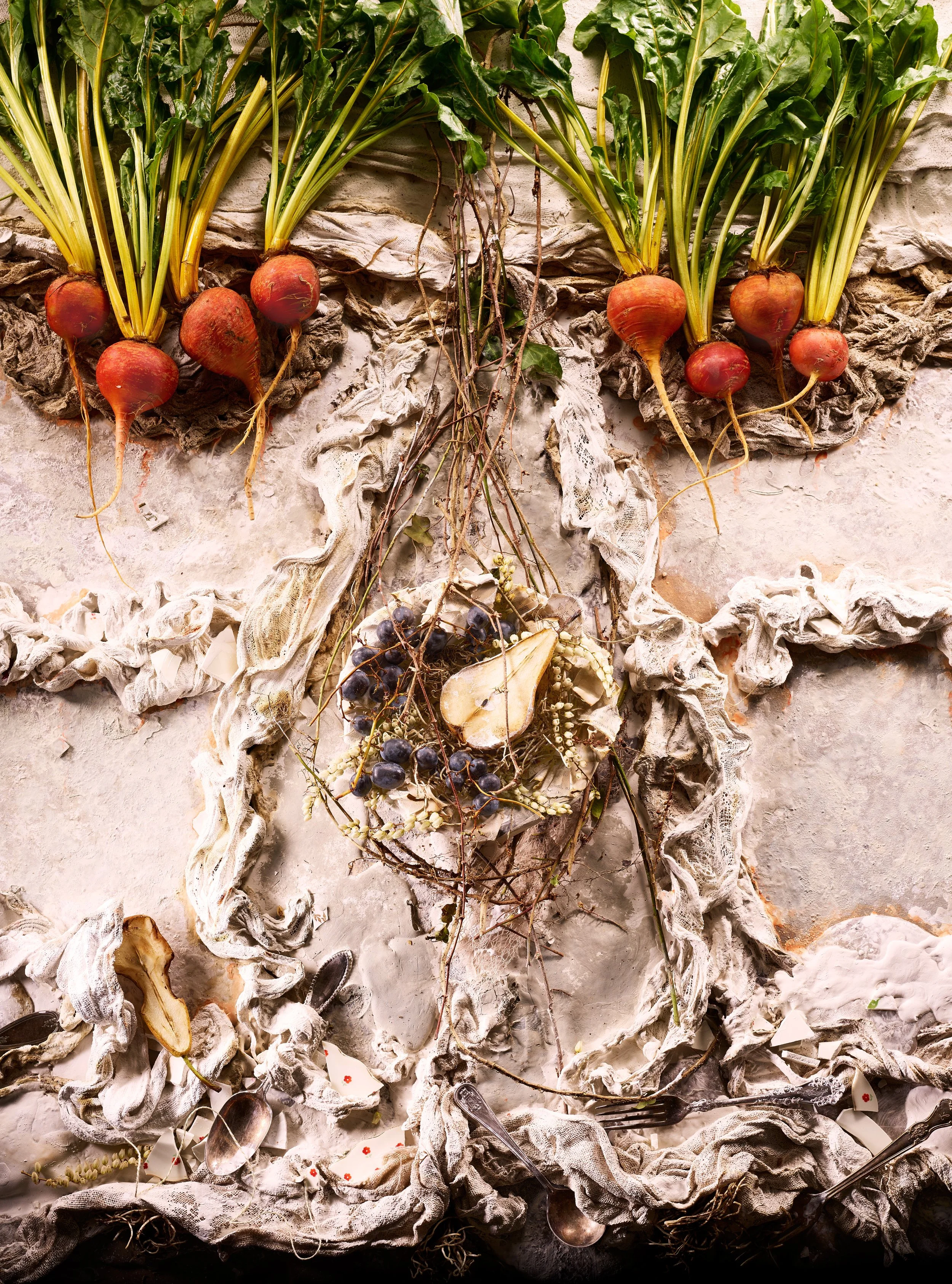
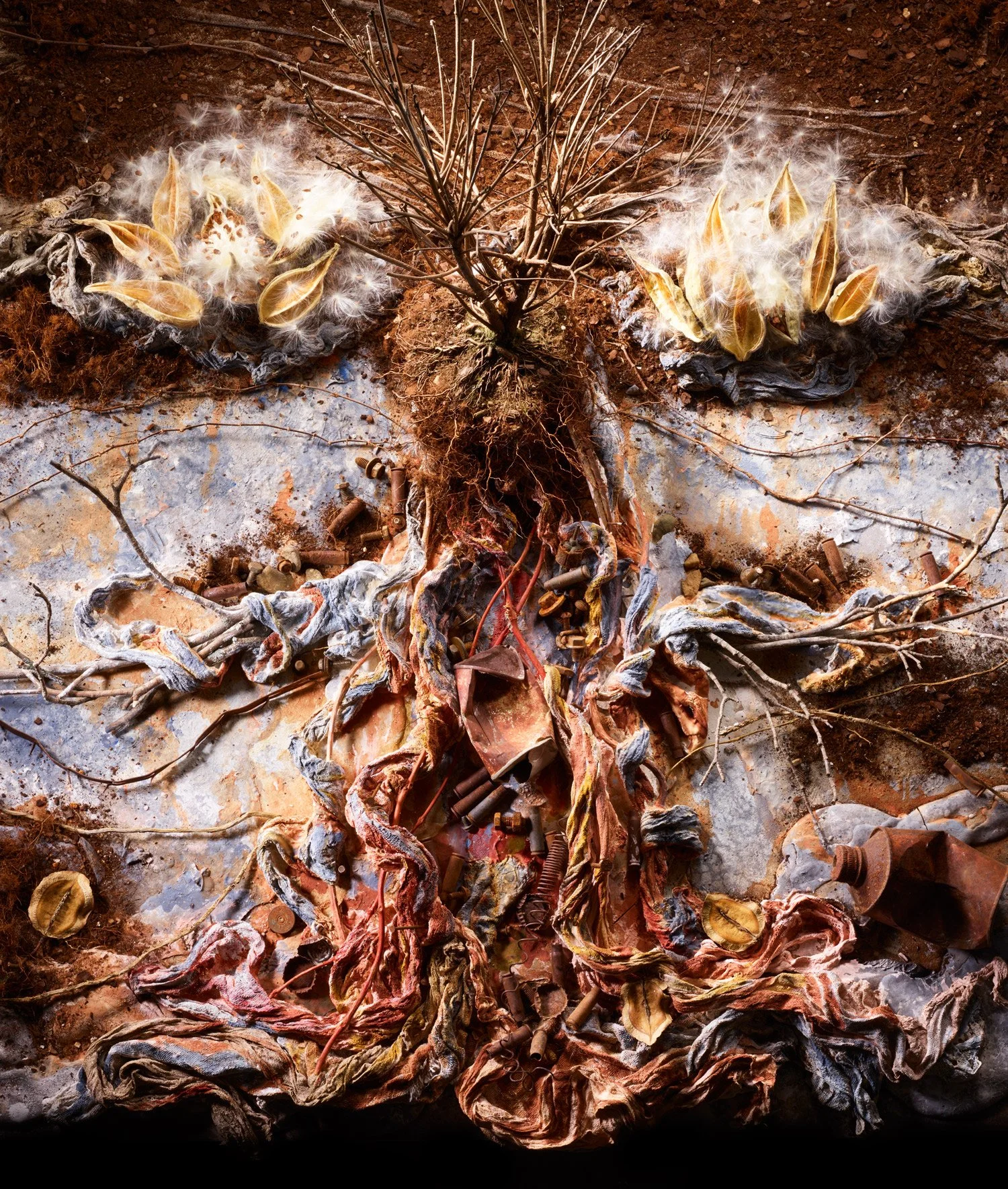
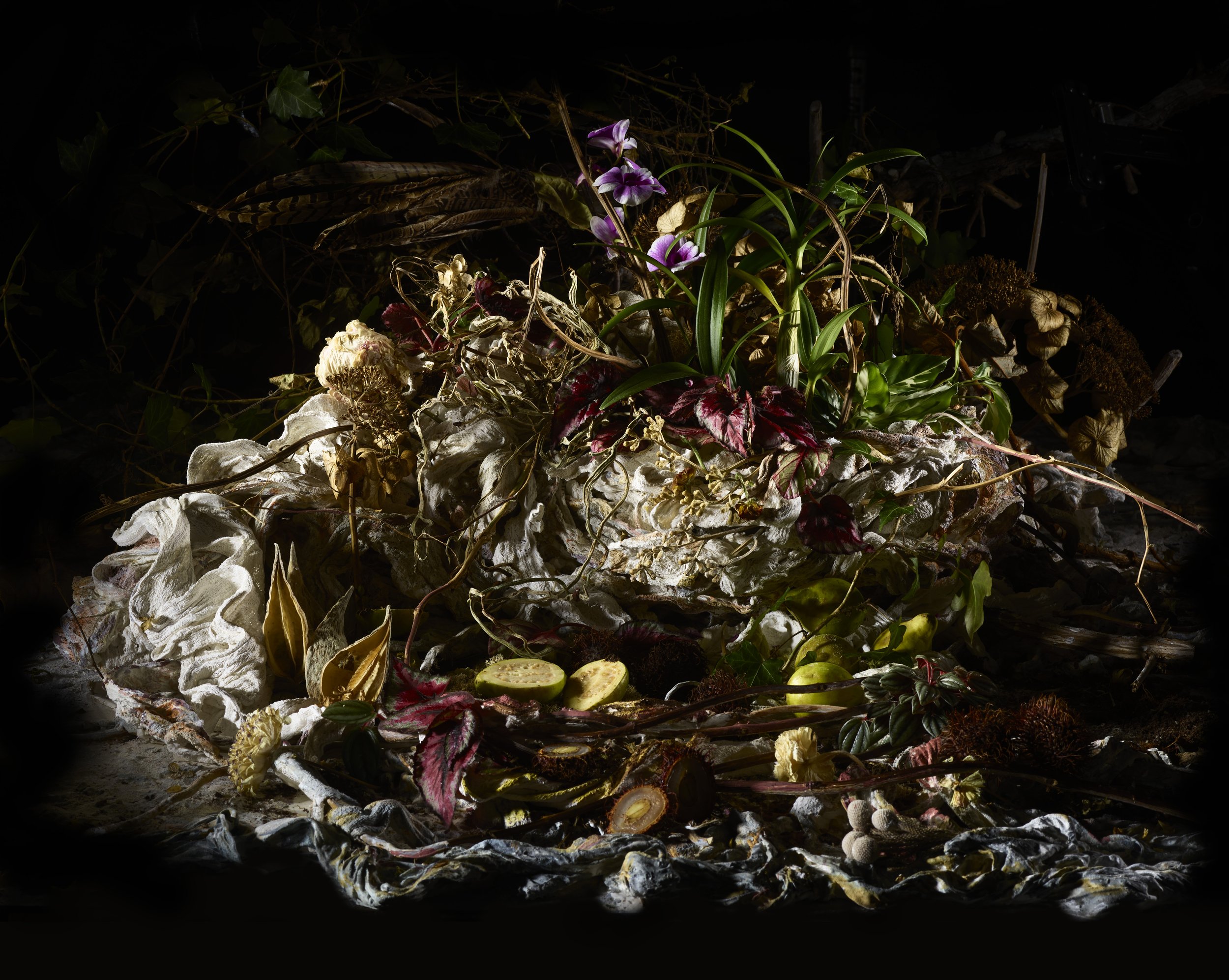
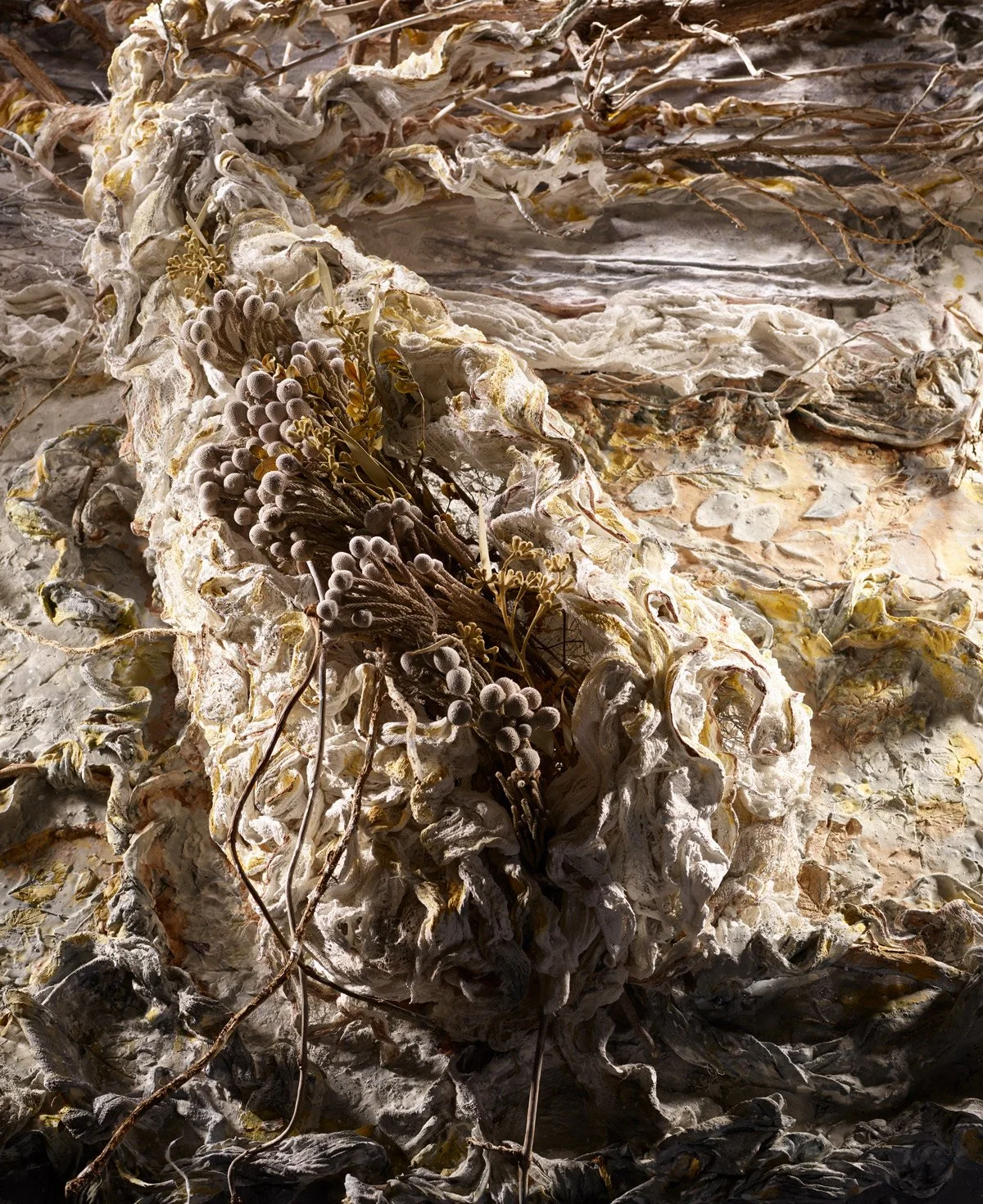
“I'm inspired by the quiet beauty of the natural world and by the stories that objects can carry over time. A dried flower, a fragment of plaster, a seed pod, or a weathered surface all hold traces of growth, decay, memory, and renewal. I find myself drawn to those subtle transformations and the emotional connections they evoke. My process often begins with collecting and arranging materials in the studio, allowing them to evolve through layering, casting, and experimentation. Rather than documenting what I see, I'm creating imagined environments that blur the boundaries between sculpture and photography. The camera becomes the final step in preserving a fleeting moment that exists only for an instant. I'm also inspired by personal experiences and the passage of time, family history, motherhood, aging, and our relationship to the earth. These themes emerge naturally as I work rather than being planned from the outset. I'm less interested in illustrating an idea than in creating images that invite viewers to slow down, look closely, and discover their own emotional connections within the work.”
What themes do you pursue? Is there an underlying message in your work?
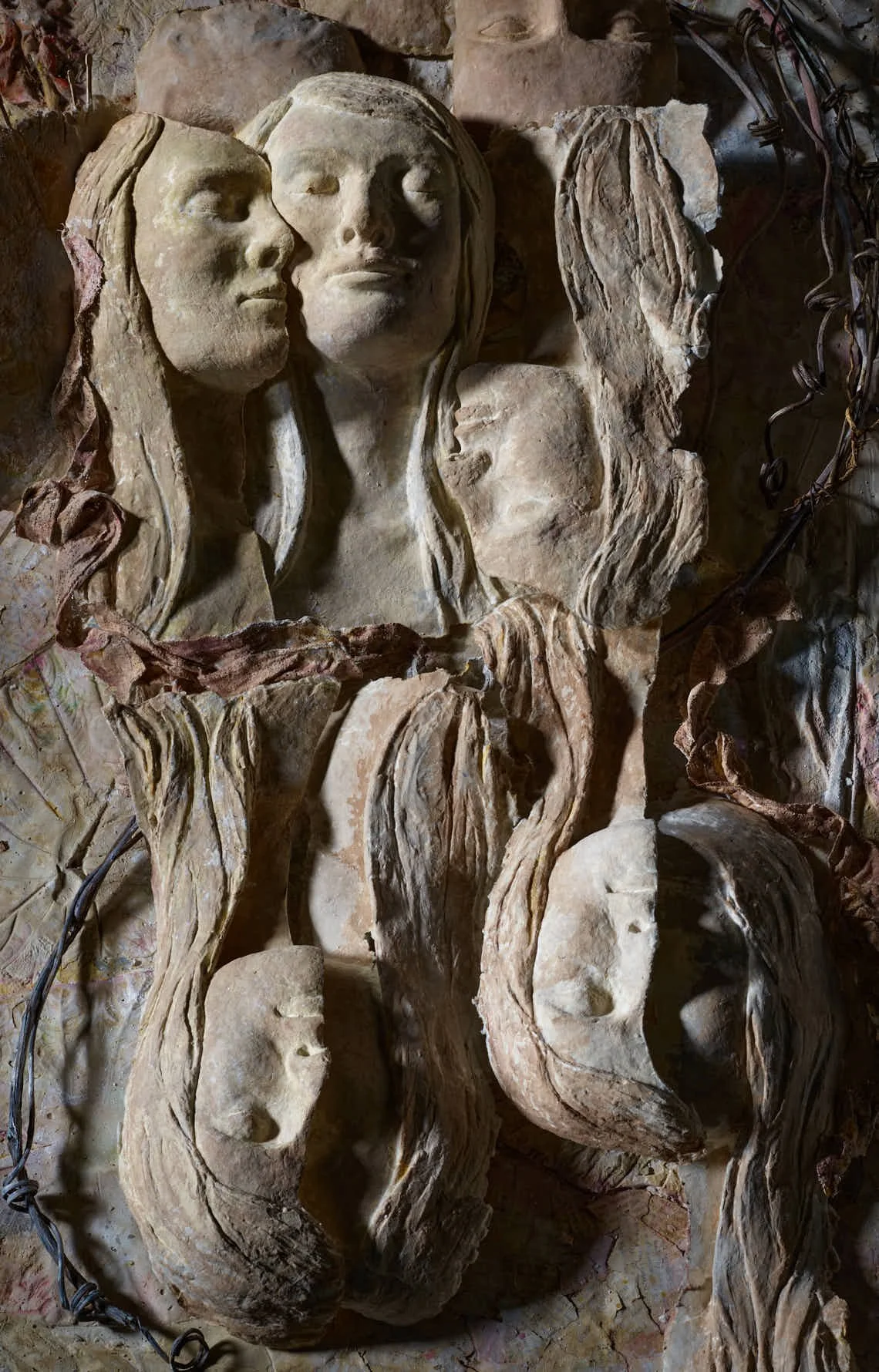
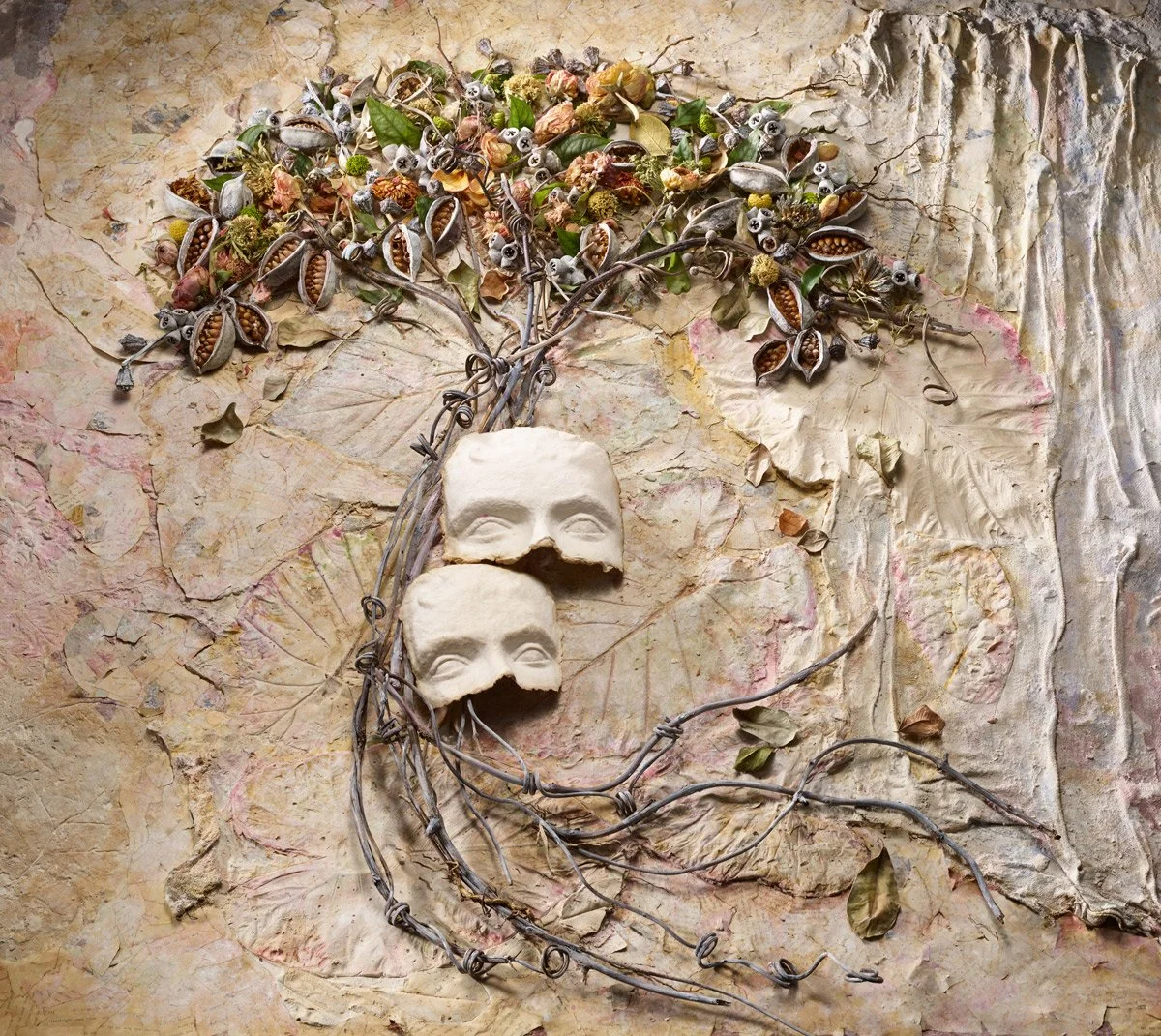
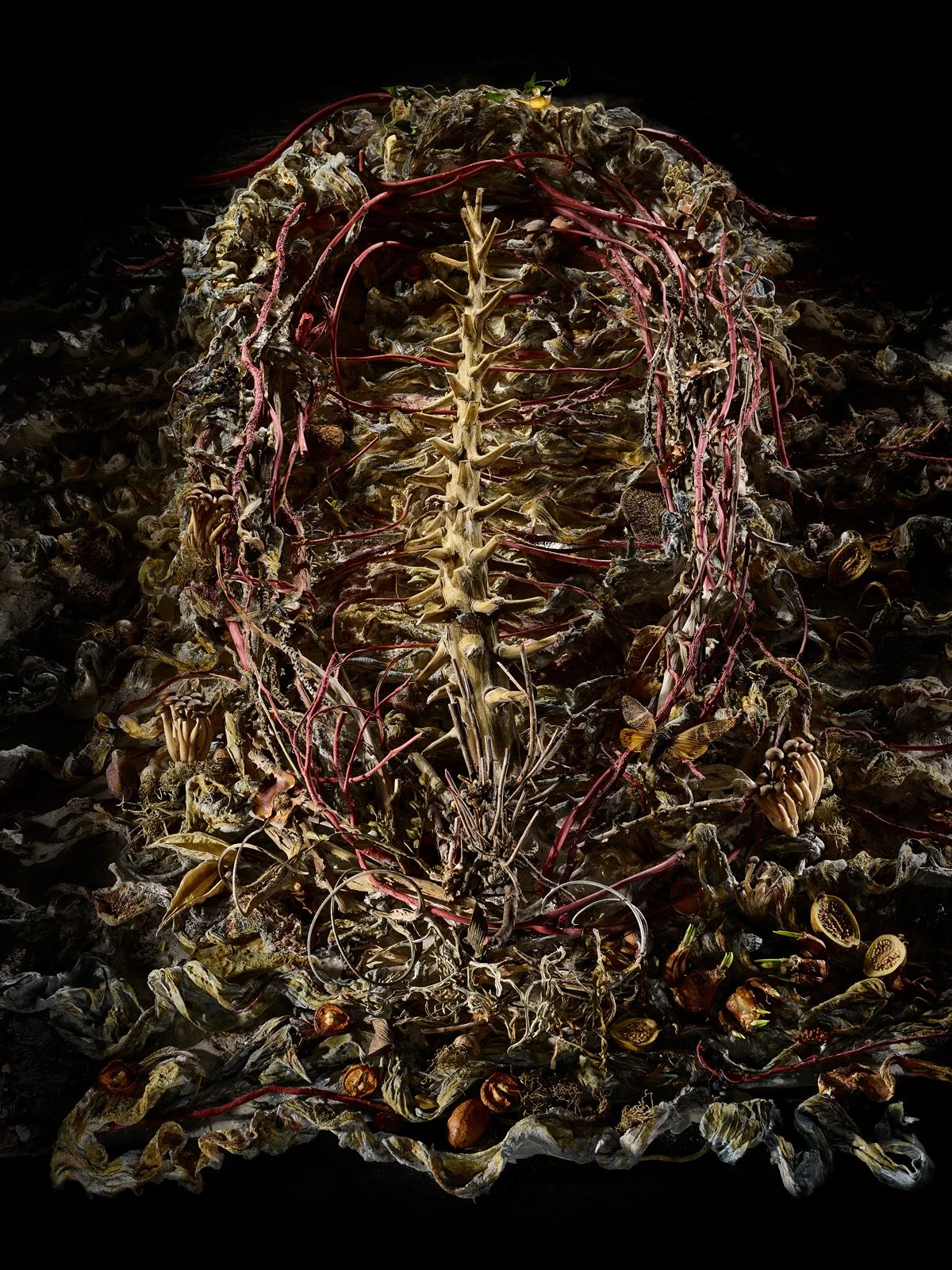
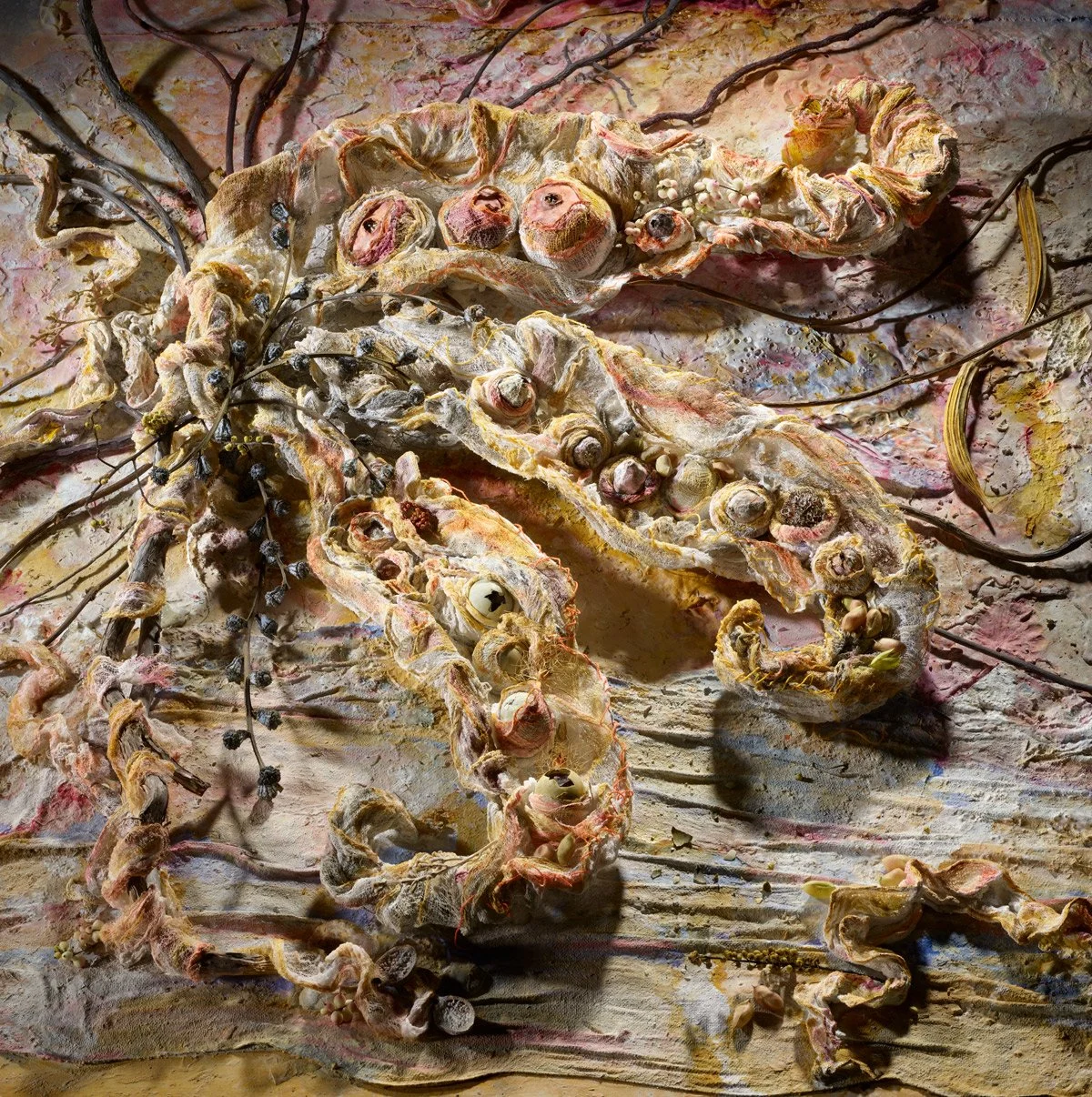
“My work weaves fragments of memory, experience, and emotion into tactile sculptural forms that exist between photography and construction. Through these imagined environments, I explore transformation as a continual cycle where growth, decay, and renewal are always intertwined. At the core of my practice is an interest in how ordinary and organic materials can carry meaning over time. I’m drawn to what is hidden beneath the surface as much as what is visible, the buried histories, emotional traces, and residual impressions that accumulate through lived experience. In my process, layers are built, removed, and reformed, leaving behind fossil-like imprints that speak to what came before. These works consider both the physical and emotional landscape of transformation: memory, loss, resilience, and regeneration within the broader cycle of life. Sensual and evocative, each piece reflects a shared human story—fleeting and intense, beautiful and at times destructive, yet continually creating anew. At the center of this exploration is the idea of lineage, how memory, material, and creative impulse are passed through time and transformed. My mother, an accomplished sculptor, is part of that lineage not only personally, but conceptually, as I consider how lineage, inheritance, and regeneration are inherited and reimagined across generations.”
How would you describe your work?
“My work exists at the intersection of photography and sculpture, where I construct still-life environments that are photographed as final images. Using layered materials, organic forms, and built surfaces, I create visual worlds that explore transformation, memory, and the passage of time. Each piece becomes a record of both process and accumulation, where traces of what came before remain embedded in the surface.”
Which artists influence you most?
“I’ve been influenced by artists who expand the possibilities of material and image making across both fine art and commercial contexts. Anselm Kiefer has been important to me for his monumental, tactile works that carry layers of history and memory. His use of material as both surface and meaning resonates with my interest in construction, accumulation, and time embedded within form. Irving Penn has also been a significant influence, particularly in the way he elevated still life and portraiture through clarity, restraint, and formal precision. I’ve always admired how he moved seamlessly between fine art and commercial work while maintaining a distinct artistic vision. On a more personal level, my mother, an experimental sculptor, was my earliest influence. Her encouragement to explore materials freely and to trust intuition in the studio continues to shape how I approach my own work today.”
What is your creative process like?
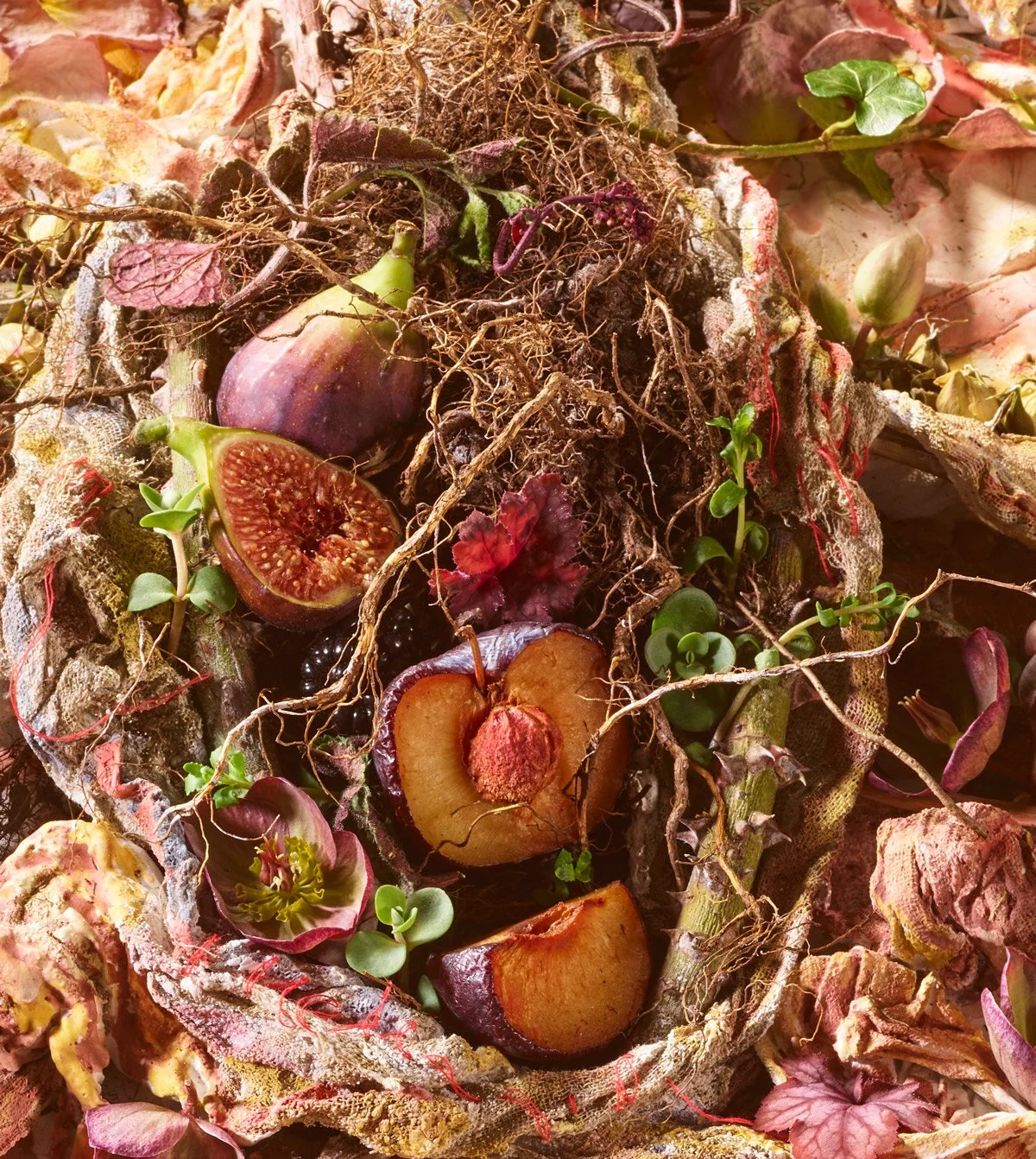
“My creative process begins in the studio with materials rather than predetermined outcomes. I gather and work with a combination of organic and constructed elements, building still-life environments through layering, arranging, and altering forms over time. These setups are not static compositions but evolving structures. I often build, dismantle, and rework them repeatedly, allowing unexpected relationships to emerge between surface, texture, and form. There is an element of discovery in the process, where intuition plays a significant role in determining when a piece feels resolved. Photography becomes the final stage of the work. I use the camera to translate these constructed environments into a single image, capturing a moment that contains both the physical presence of the materials and the traces of their transformation in the studio. At this stage, I sculpt with light, shaping shadow and illumination to bring out the dimensionality of the forms and reveal the depth embedded in the surfaces. The final photograph functions as both document and artifact.”
What is an artist’s role in society and how do you see that evolving?
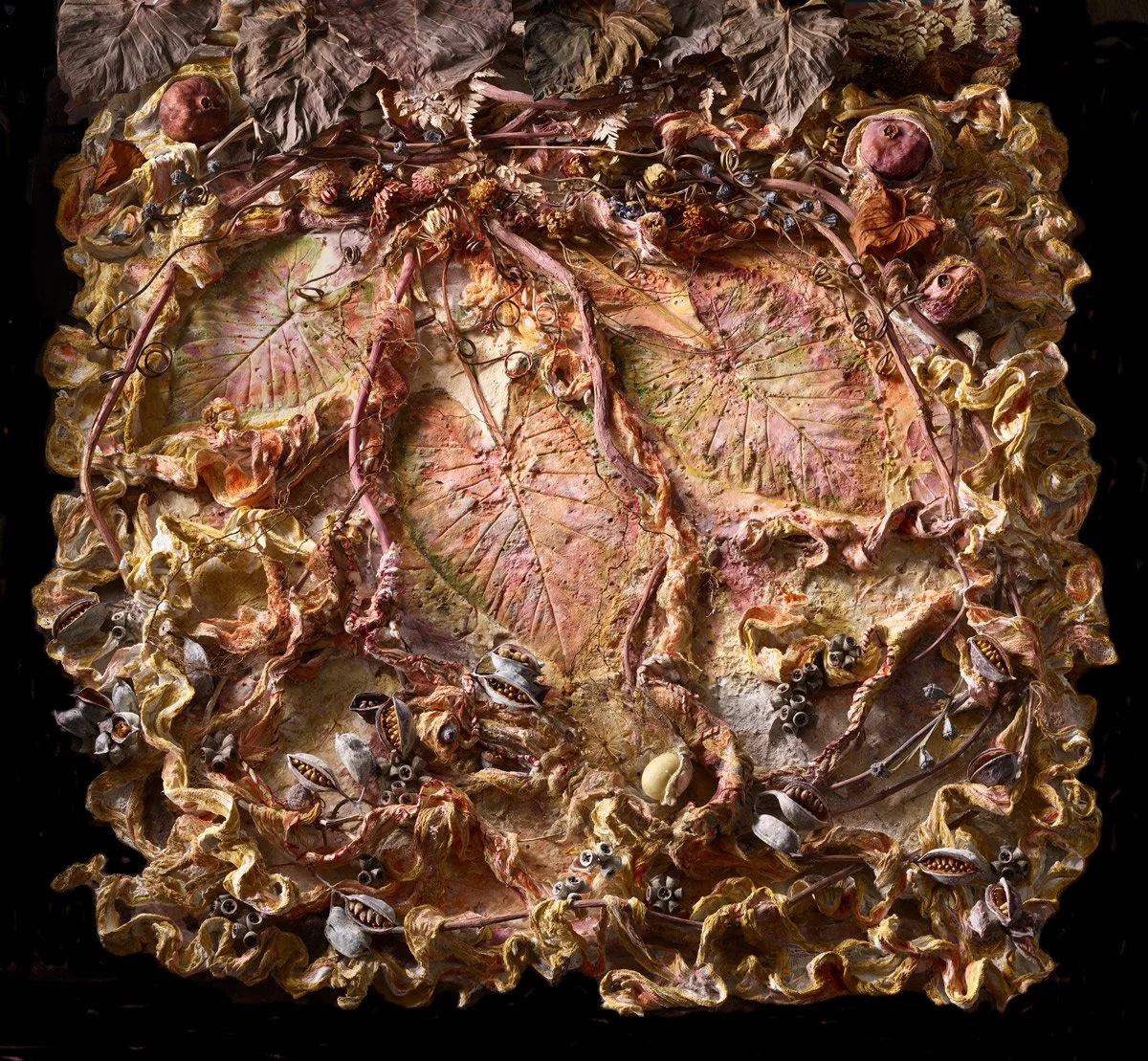
“I see the role of the artist as both witness and translator, someone who observes the world and reimagines it through a personal lens, creating space for reflection in a culture that often moves too quickly to notice detail or complexity. Artists have always helped shape how we understand memory, history, and experience, but I think that role is expanding. Today, artists are not only reflecting society but also reconstructing it, bringing together material, narrative, and form to question how we see and what we value. In my own work, I’m interested in slowing perception down. By building constructed environments and transforming them through photography, I try to create moments where viewers are invited to look more closely and consider the traces that time, memory, and experience leave behind. As this role evolves, I think artists will continue to move between disciplines and mediums even more fluidly, blurring boundaries between photography, sculpture, installation, and image-making. What remains constant is the need for artists to create spaces for attention, connection, and reconsideration.”
Have you had any noteworthy exhibitions you'd like to share?
“I had a solo exhibitions in 2024: Elements, Galatea Fine Art, Boston, MA. My recent group exhibitions in 2026 include: Encounters with Light, 33 Contemporary Gallery, Curated by Sergio Gomez; Sense of Place, Boston, MA; The Alchemy of Art and Play, Boston, MA, and Art and the Mind’s Landscape, Boston, MA.”
Website: www.francinezaslow.com
Instagram: @francine.zaslow
Other links: www.facebook.com/francine.zaslow, francinezaslow.com/Fine-Art-Website/ELEMENTS