Eliza
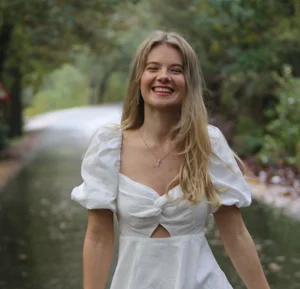
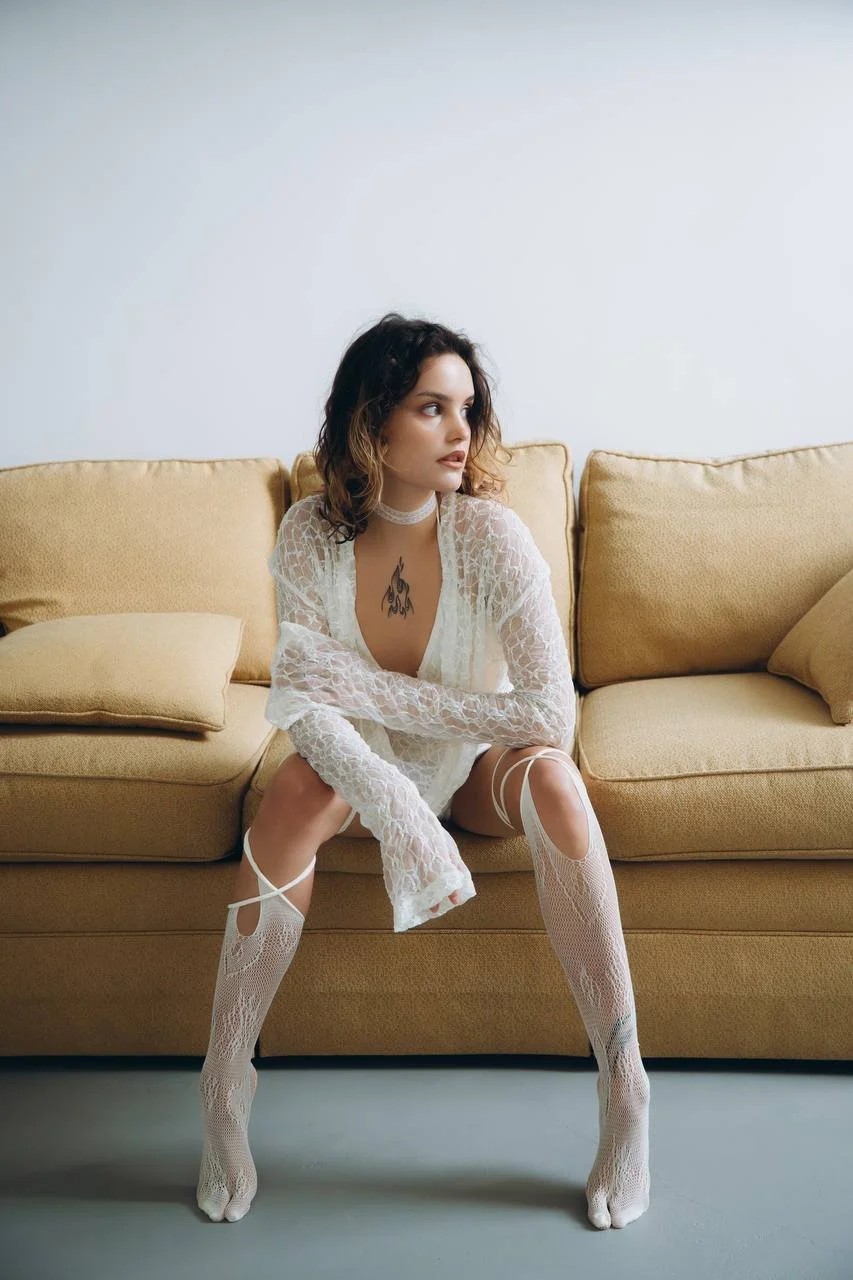
Eliza is an Ukrainian-based artist who transforms emotion, resilience and hope into powerful abstract expression. Her work captures the vivid journey of a young creator finding her voice amidst the chaos of war — where creativity becomes both escape and defiance. Each brushstroke reflects not only her passion for art but also the courage to turn pain into beauty and uncertainty into meaning. Through her canvases, Eliza invites you to see the world as she does: Raw, Vulnerable, and Profoundly Human.
What is your background and how did you start your journey in the art world?
“I’m a girl from a very small town in Ukraine basically like a village. Until I was 17, I lived in a place with no beautiful lakes or forests nearby, just houses, roads, and a lot of shops. But I always loved life, no matter how harsh it was to me. I always saw beauty around me. Always. Since childhood, I’ve been drawn to creativity. But I actually started with music. I was playing the piano at the age of 5. Colors came into my life later. At school, I used to draw strange little pen sketches, far from perfect. I never thought they were worth anything. At 23, during the fourth year of the war in my country, I went through a period in my life that I simply couldn’t get through without art. At some point, I realized — a blank canvas and colors were exactly what I needed to give everything a shape and to free myself. As live streamer, my viewers encouraged me to to exploring my creativity and from there everything grows. I paint during my live streams and viewers have the opportunity to see the art form before their eyes.”
What inspires you?
“I think everything has always started with me — with how I process things inside. It’s a very random process. I feel something, and in my head it already turns into lines and colors. Sometimes before sleep I see what I want to paint. Sometimes even in my dreams. But most of the time, I’m just going with the flow. And music. When I paint, I always do it with music — it makes everything feel more intense. Most often it’s electronic music or rock.”
What themes do you pursue? Is there an underlying message in your work?
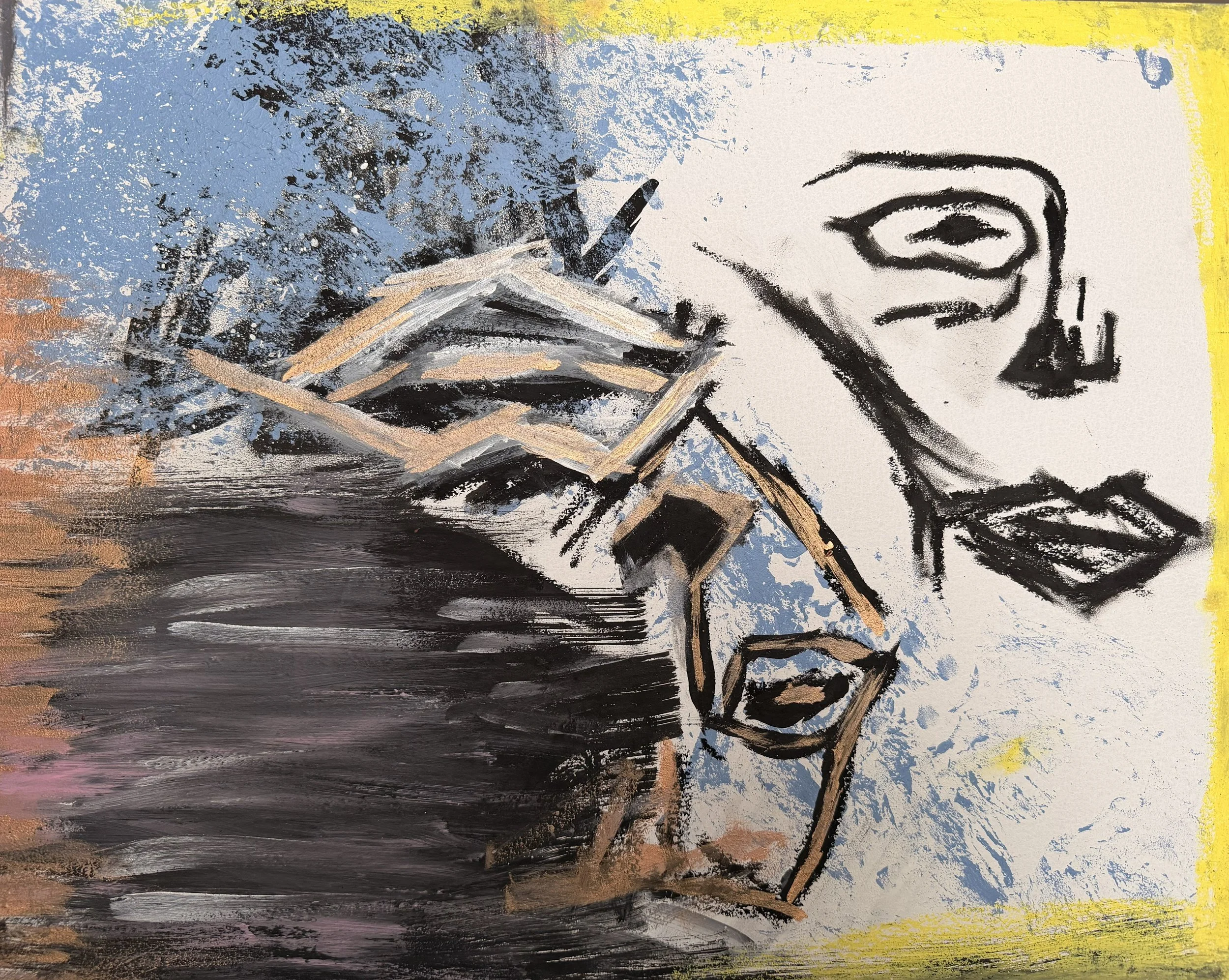
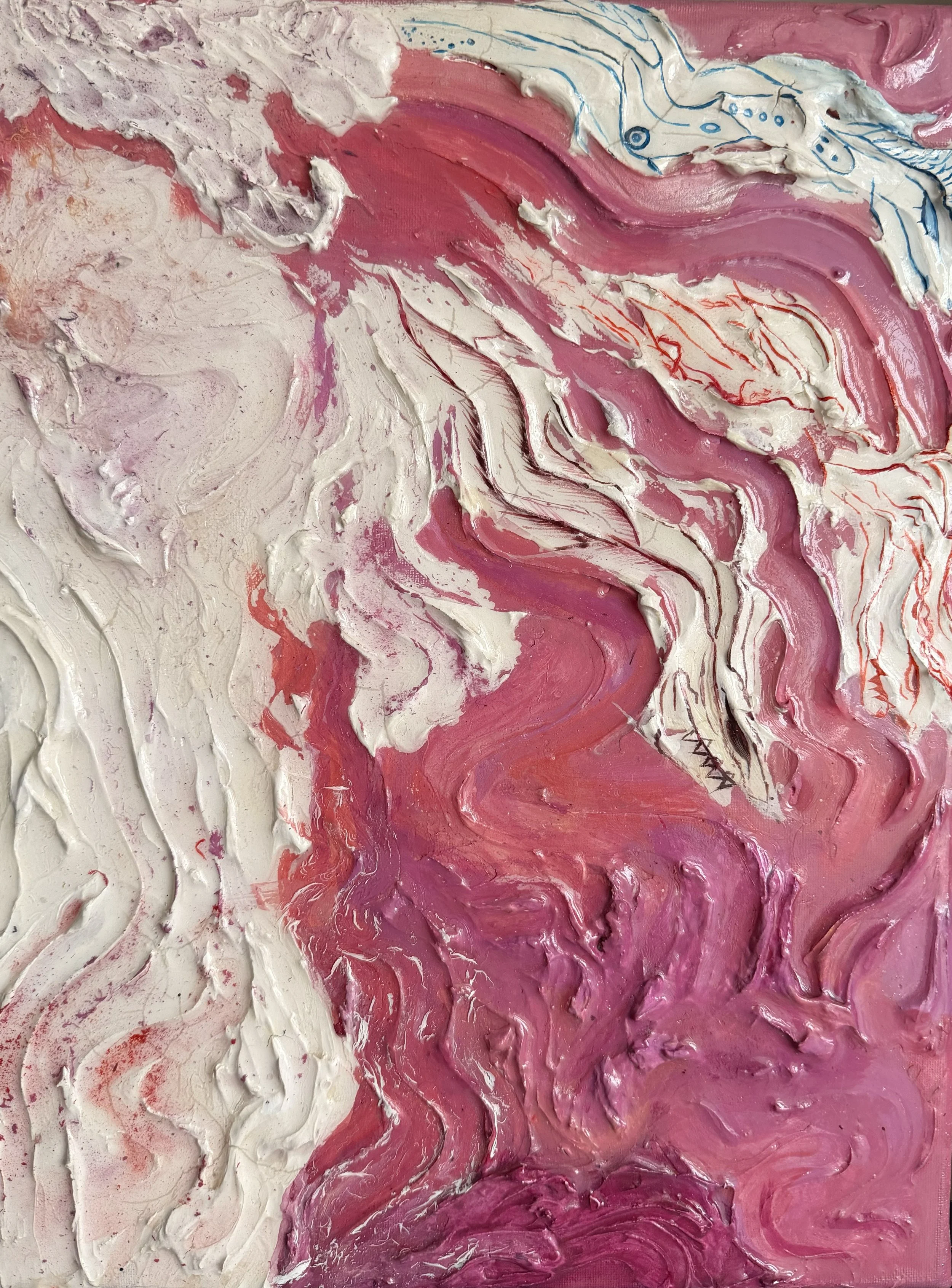
“Honestly, whether it sounds cliché or not, I’m probably a bit selfish, because my work isn’t about anyone or anything external — it’s entirely about my inner world. Its imperfection. Its ugliness. Pain. Contradictions. But at the same time, I leave space for interpretation. It’s a prism through which I see — and you look through your own. Tell me, what do you see here? Does it scare you, or does it make you want to look longer? Are you curious, or do you think it’s completely meaningless? I want you to see it with your own eyes. To feel whatever it makes you feel, without me setting any boundaries or explanations around it. My only message is: feel the way only you can. See the way only you can.”
How would you describe your work?
“Chaotic, not ideal mess.”
Which artists influence you most?
“No specific influences, I think. Although there is one person — an artist, a musician — who definitely left a mark. What he expressed, and how he visualized it in his videos. I couldn’t get enough of them when I was 13. Yeah, he definitely left a trace — Marilyn Manson.”
What is your creative process like?
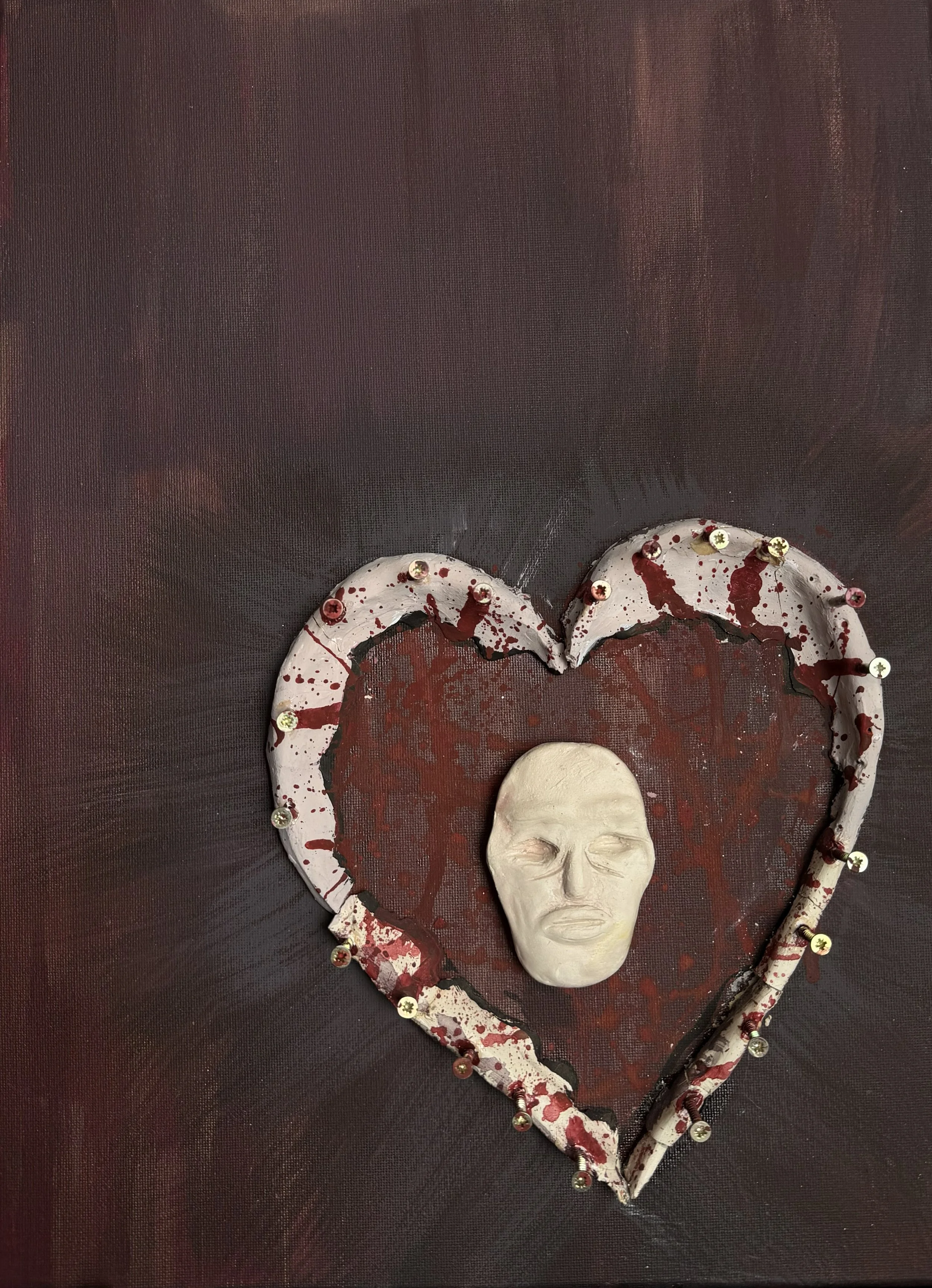
“To be honest, when I started, I didn’t have a goal to become an artist. I was just doing what I felt. Same as now — it’s creativity, not a race, not a marathon. Creativity is freedom. It doesn’t always have a plan or an explanation. It’s life. So I’m just going with the flow. Ideally, I’d love to have my own exhibition someday, or at least a dedicated space — a studio where I can create.”
What is an artist’s role in society and how do you see that evolving?
“I think the role of an artist is to show how multifaceted this world is, how many different angles there are. And they’re not always comfortable, beautiful, or even understandable. Through myself, I realized this: creativity can set you free. And not just you. By being yourself, you inspire others to try, to change, to discover new sides of themselves — and that’s probably the most beautiful part of it.”
Have you had any noteworthy exhibitions you'd like to share?
“I had one, but i am on really early stages still. I was translating my art through the live streams and its my own personal exhibition. I see each opportunity to share it. I am particularly interested in finding the right context and audience, and I’m looking forward to presenting my work in more formal exhibitions in the future. I sell most of my paintings during my live streams and on my website.”