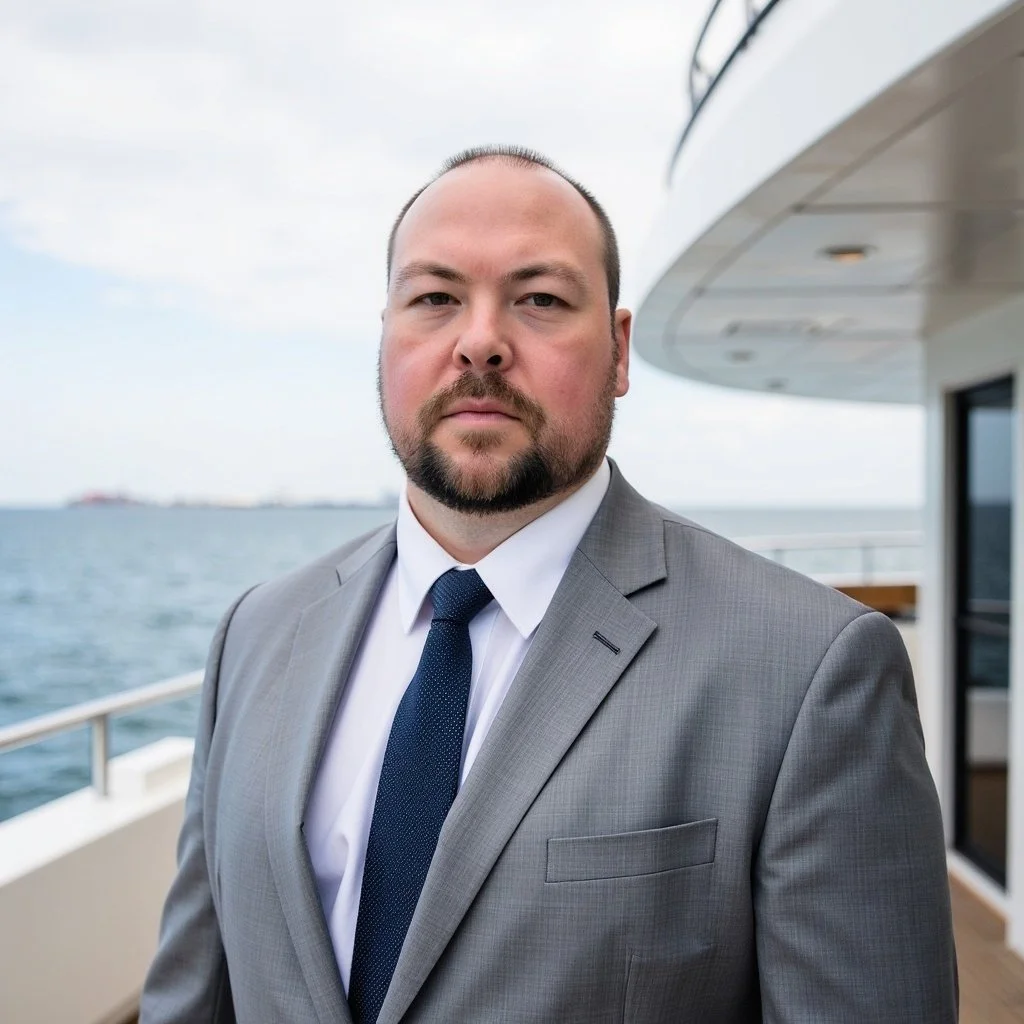
Eric Prowker
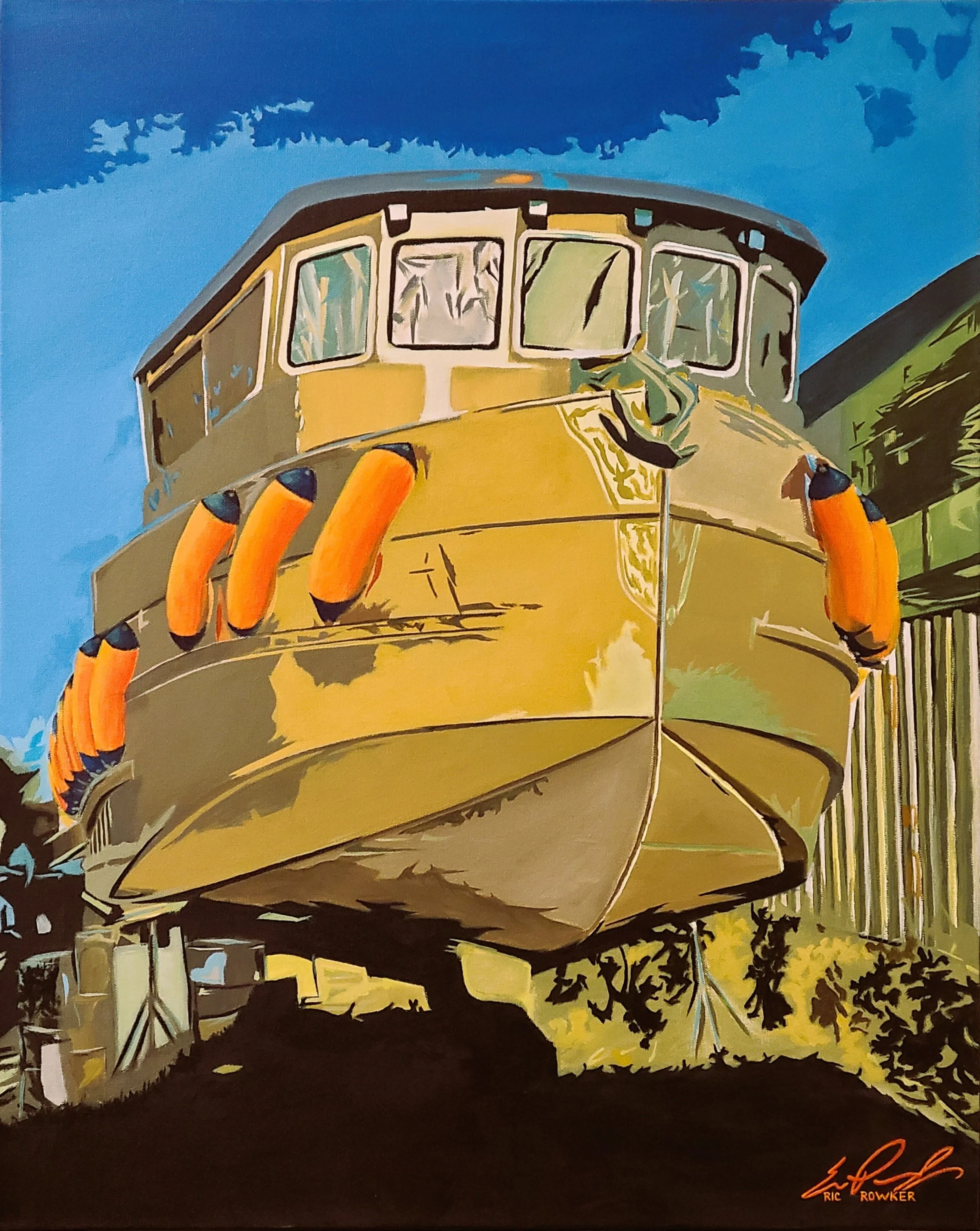
Eric Prowker was born in the Alaska but spent a good portion of his childhood in the Southwest and Midwest regions of the United States. He went to the University of Alaska Fairbanks where he received his Bachelor of Fine Arts in Sculpture, Painting, and Drawing, and a bachelor’s Certification in Secondary Education. Eric would describe his current existence as nomadic at best. He teaches in rural Alaska 10 months out of the year and travel back to Anchorage during the holidays and in the summer. During his university years, his interest was in commercial fishing boats and their interaction in their environment.
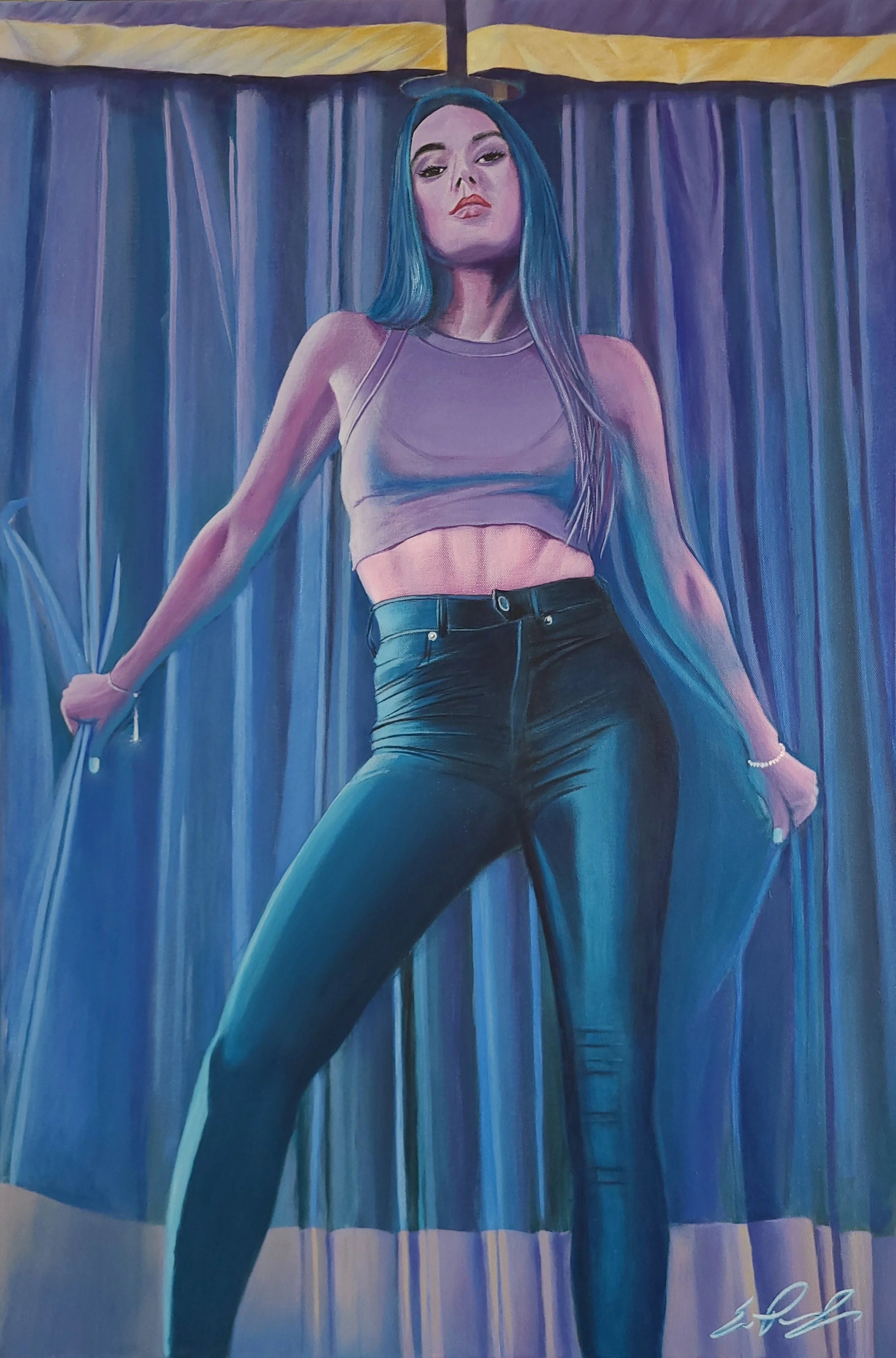
Perspective was always a fascination of his and how it could set a tone for the painting. During those years, Eric was somewhat narrow sited and not willing to reach beyond his ability or try new techniques. He was always trying to force the paint to do something that it could not, and it hindered his potential. After stepping away from art production for 7 years, Eric found himself in his second teaching assignment and wanting to create art again. Being an art educator ultimately played a role in the maturity of my art. It allowed me to refocus on the fundamentals and to assess his techniques throughout the creative process. While the subject matter has shifted to figure paintings and pop culture influence, perspective still influences the way he captures his subject matter. He would to say producing the figure painting is most rewarding because of the creative shared experience you have with your subject matter. Anything you create is a process and there are some parts that are not enjoyable, but when you see the final product, it’s quite rewarding and you appreciate the journey you took yourself on. You end up being a better artist for it.
What is your background and how did you start your journey in the art world?
“I was born in Alaska but also grew up in Nevada and Minnesota. Since I was a kid, I’ve always had this draw to the water and being around fishing. I always had a fascination with the different types of boats and the different shapes and colors. We would go on fishing trips for a week at a time. The days or moments we wouldn’t be fishing, I would be drawing the different boats in my sketch book. I took art classes throughout middle school and high school. My most memorable class was black and white photography my junior year. My collegiate art studies took place at the University of Alaska Fairbanks. I had a lot of quality teachers that pushed me technically and challenged my creative processes for making artwork. Like any young twenty-something, I would listen to their advice, and then more times than not still do my own thing. A lot of the lessons taught didn’t register until I became a teacher myself. There was a 4-to-5-year period where I didn’t do any art. When I moved out to Dillingham to teach, I picked up the brush again and started painting again. To my surprise, all the lessons taught in college resurfaced and ultimately began shaping my creative processes that I use today. Perhaps it had something to do with being older, but I became more analytical and less rushed. Teaching all the techniques played a big part in the development of my artwork in my 30’s. I haven’t looked back ever since.”
What inspires you?
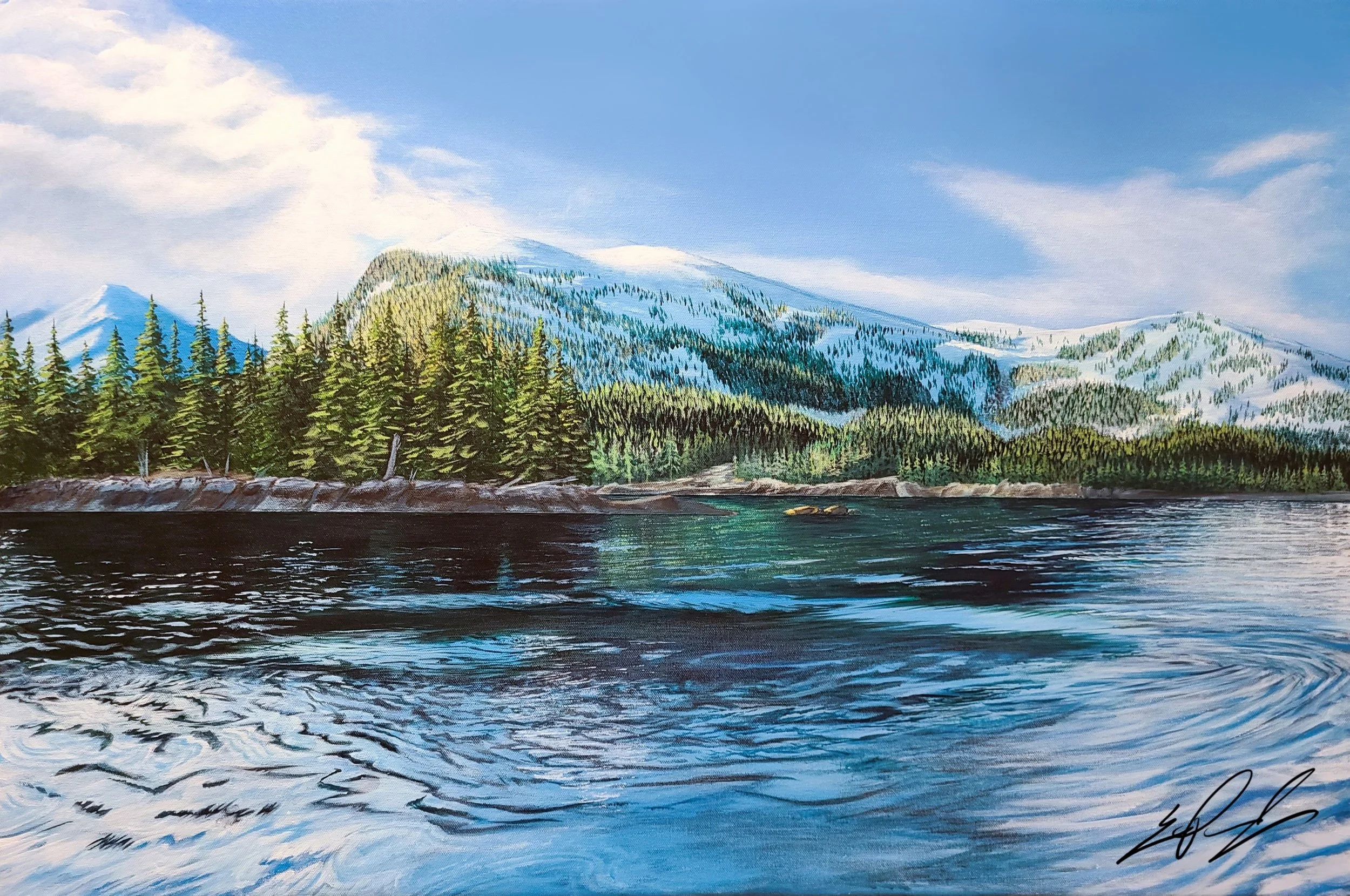
“I think what inspires all artists is our adventures and experiences. The landscape and coastal scenes of Alaska never fail to disappoint. Outside of landscapes, I find inspiration in pop culture. Whether its movies, music, or just other artists work. Regardless of what my newest inspiration is, I try to capture my subject matter in a state of harmony and beauty. What doesn’t inspire me is being repetitive. Every one of my paintings is different. My next painting is always my favorite painting. Like my clients, I can’t wait to see the end result, but the journey is just as exciting. I look forward to finding new ways of getting to the final product. My advice to anyone who struggles to feel inspired through their creative process is to change the way you create art so that it’s enjoyable. You should not dread your process, otherwise you would never enjoy creating art.”
What themes do you pursue? Is there an underlying message in your work?
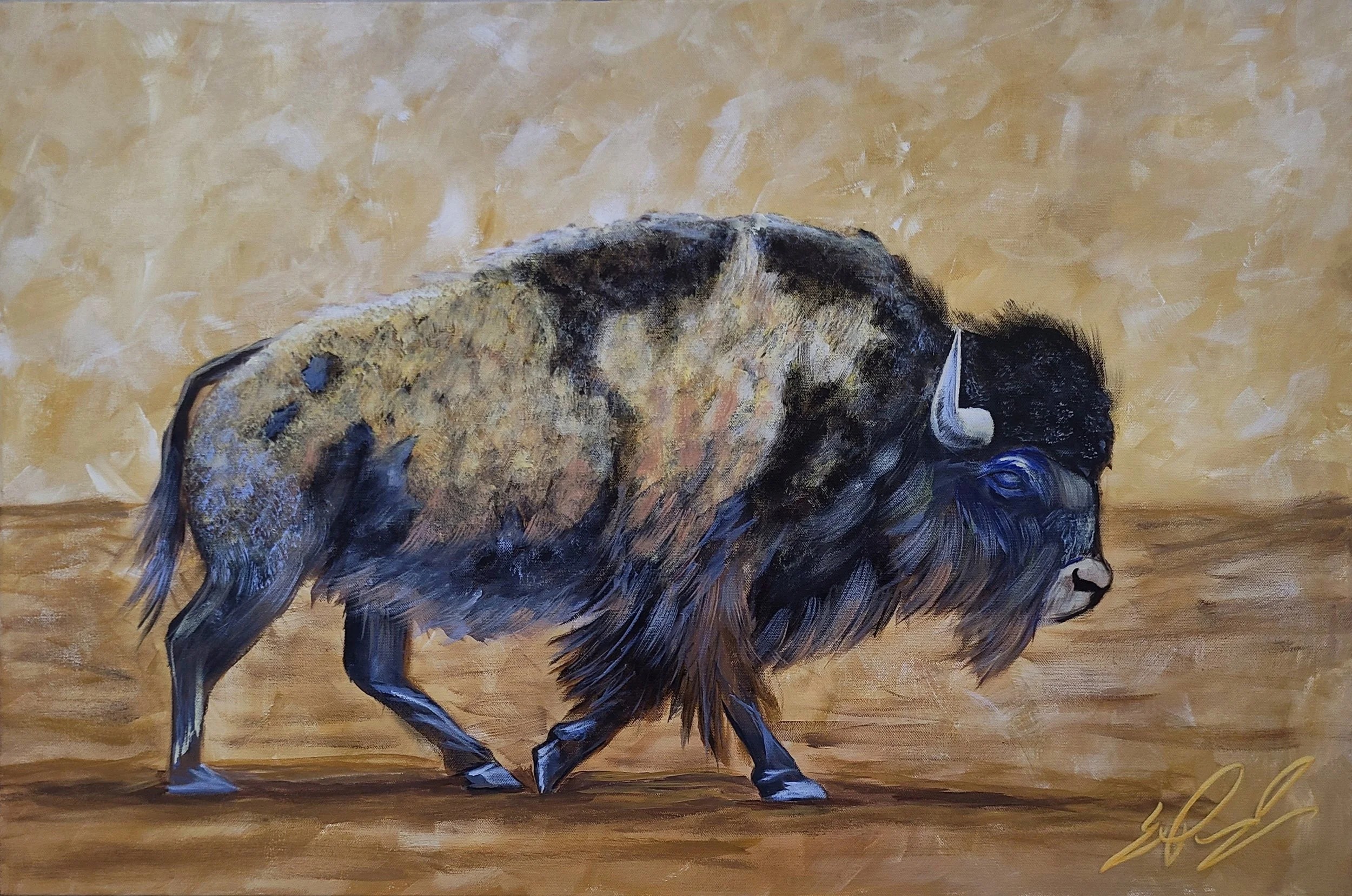
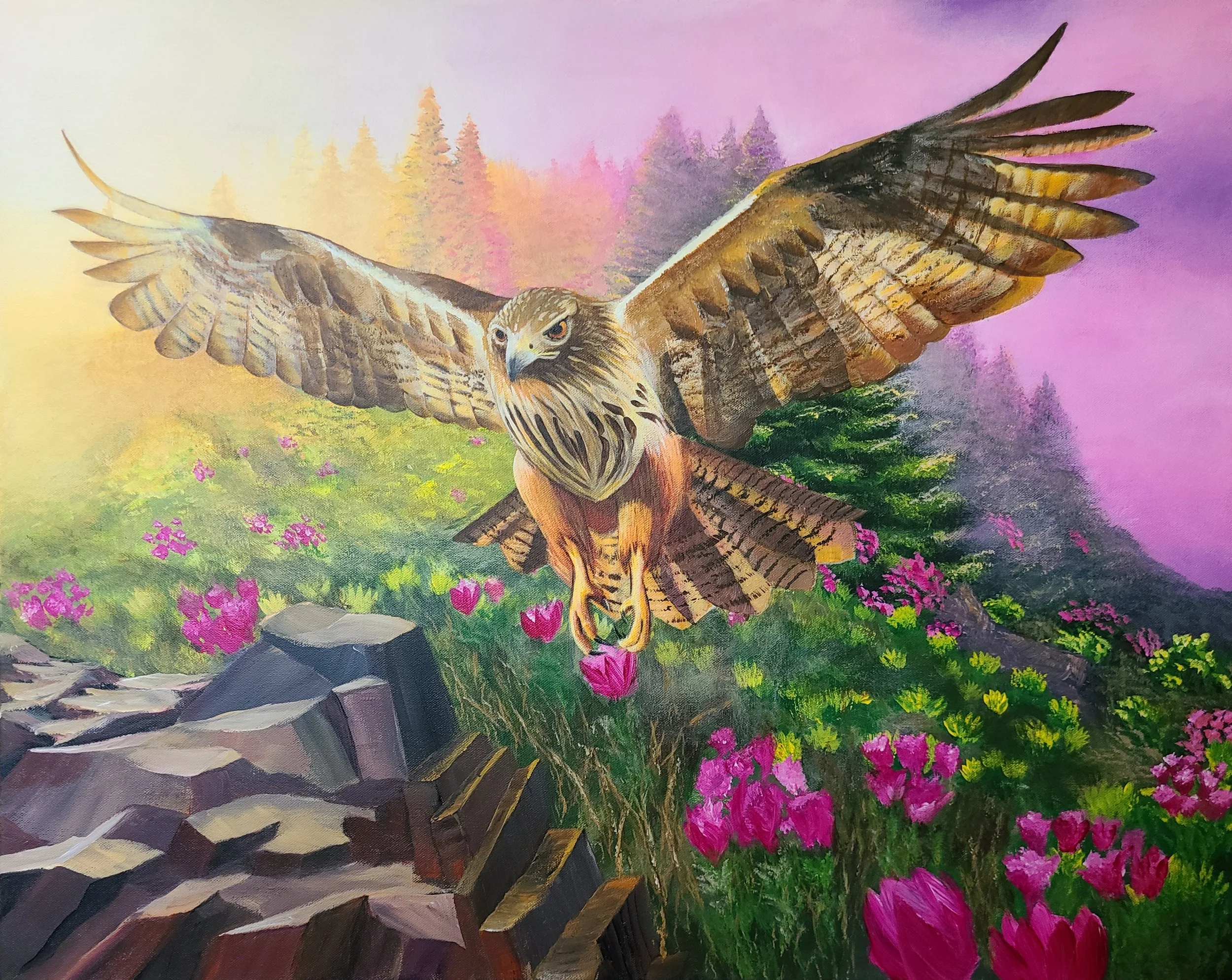
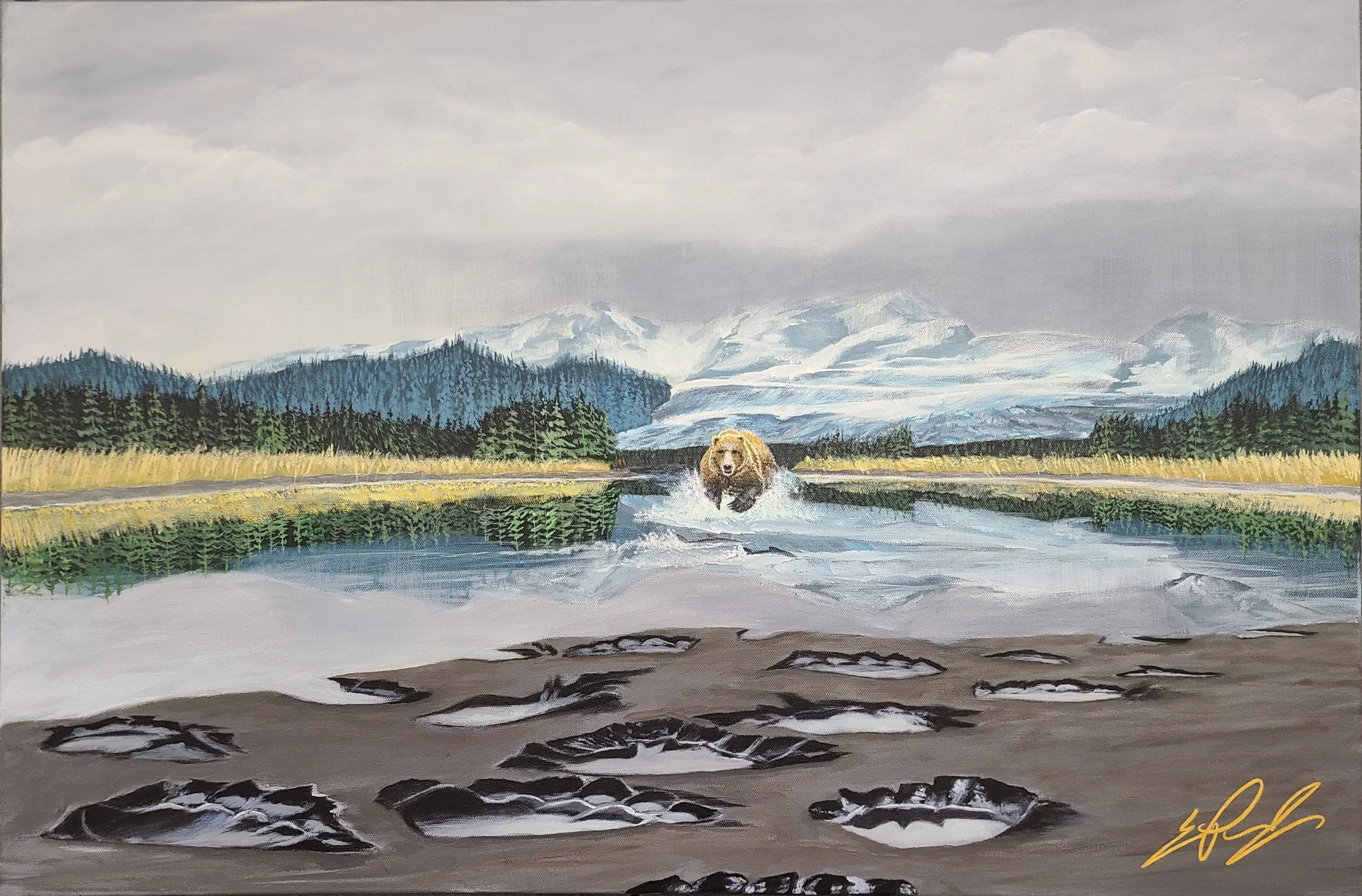
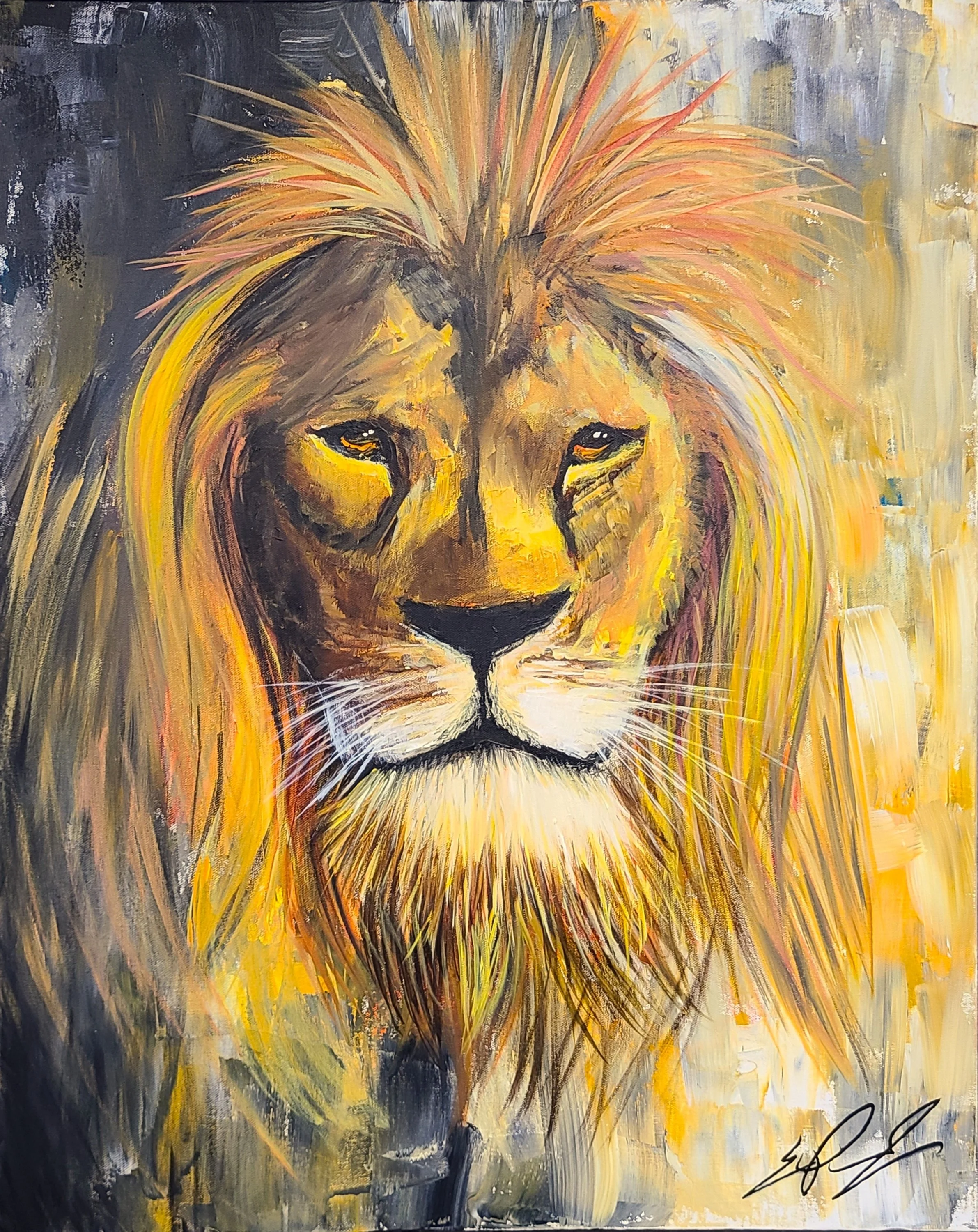
“It’s a hard question to answer since I dabble with various subject matter. If I were to narrow it down to one word or a phrase, it would be ‘raw beauty.’ I want to capture the natural beauty of whatever I’m painting, whether that be a seascape, a posing figure, or an animal in motion. I want the viewer to feel awe inspired. I want their eyes to wonder around the canvas, taking in the small details, the brushstrokes, the blending of the colors.”
How would you describe your work?
“My work is predominantly realism, while dabbling with impressionism on the side. Impressionistic Realism. You will see the structural foundation of realism with the identifiable brush strokes of impressionism. I don’t have a singular approach to creating a painting, so I try to pick the process that best suits the painting, not my style. I decided not to be a niche artist. I think it would be really boring to commit to one type of subject matter. There’s nothing interesting about painting one thing over and over again. I’m not a one trick pony. I never want my style and processes to limit my creativity.”
Which artists influence you most?
“Dimitri Sirenko. I think he’s played a big influence in the development of my style. I like the rawness of the brushstrokes, while being able to capture the structure of his subject matter. Very few artists can utilize the entire color pallet as effectively as Dimitri and still create a clear transition of light and dark. I would consider him of the most well-rounded artists that’s I’ve ever seen. Janet Knight. Her figure painting absolutely mesmerizes me. I am most impressed by her ability to create such definition in her figures with a monochromatic-like color pallet. Her backgrounds truly compliment her figures. She’s the only artist I’ve seen used colored linens with clear gesso to fade the colors of elements into her background. Her work captures the essence of a faded memory. Truly remarkable work. Most recently, I would say Jeff Dillon. I would describe his work as Modern Post-Impressionism. It has all the elements of realism but broken down by movement and a rich color pallet. I really appreciate his ability to keep his realism elements through proportions while capture the imagination of unifying bright bold colors with a verity of tertiary colors.”
What is your creative process like?
“I like to do my homework before jumping into a painting. Taking a lot of reference photos plays a big role in how I render my subject matter. Documenting in a controlled environment allows me to diversify the lighting that I’m using, such as light bars. In contrast, I take what I am given in nature and try to make adjustments on the fly or after the fact on my laptop. In regard to starting a painting, I prefer to get a quality line drawing on the canvas and maybe an orange wash over the top. This isn’t the case all the time as I like to block in and layer my landscapes. I find that doing the line drawing of my subject matter helps me keep my proportions fairly accurate throughout my painting process. Over time, a couple elements did change for the better. As I matured, I became more patient and didn’t try to force aspects within my paintings that weren’t working. My process is more analytical in the steps I take to complete a painting now. The other element that has evolved is my understanding of color theory and my ability to blend colors well. In college I was more focused on design and perspective, and not so much on color theory. I made the conscious decision to work the color wheel more, and steer away from black. There are specific situations where a painting may call for black, but I’m more apt to mix Paynes Gray with other tertiary colors.”
What is an artist’s role in society and how do you see that evolving?
“Our role as artists is to inspire. Not just to inspire, but to educate. We as humans have a responsibility to pass on information to the next generation. Passing on our techniques and processes will create clarity and give direction to other aspiring artists. Don’t let your knowledge and experience die with you. Like Vegas, art has a way of reinventing itself. Just when you thought every type of art has been done, another artist comes up with a knew artform or movement, or at the very least a redefinition of an art movement. Anything will die when you stop being excited about it. Every week, I see an artist or an art style I’ve never seen before, and it is inspiring. As long as we keep inspiring each other, Art isn’t dying anytime soon.”
Have you had any noteworthy exhibitions you'd like to share?
“During my final year of college, I showed paintings and sculptures in a student art exhibition and won multiple awards. During a 3-year period when I was living in Dillingham, Alaska, I started my art business. I would show and sell work at local bazaars. In summer of 2025, I completed my first international commission for an old prep school classmate. There’s something special about recapturing the beauty of a time and place that brought me so much joy and helped shape not just my life, the lives of some many wondering people. Collaborating with a client and presenting a finished product that they appreciate is the most rewarding part about being an artist.”
Website: www.shopericprowkerartproductions.com
Other links: www.facebook.com/EricProwkerArtProductions