Interview
Divya Gangwani
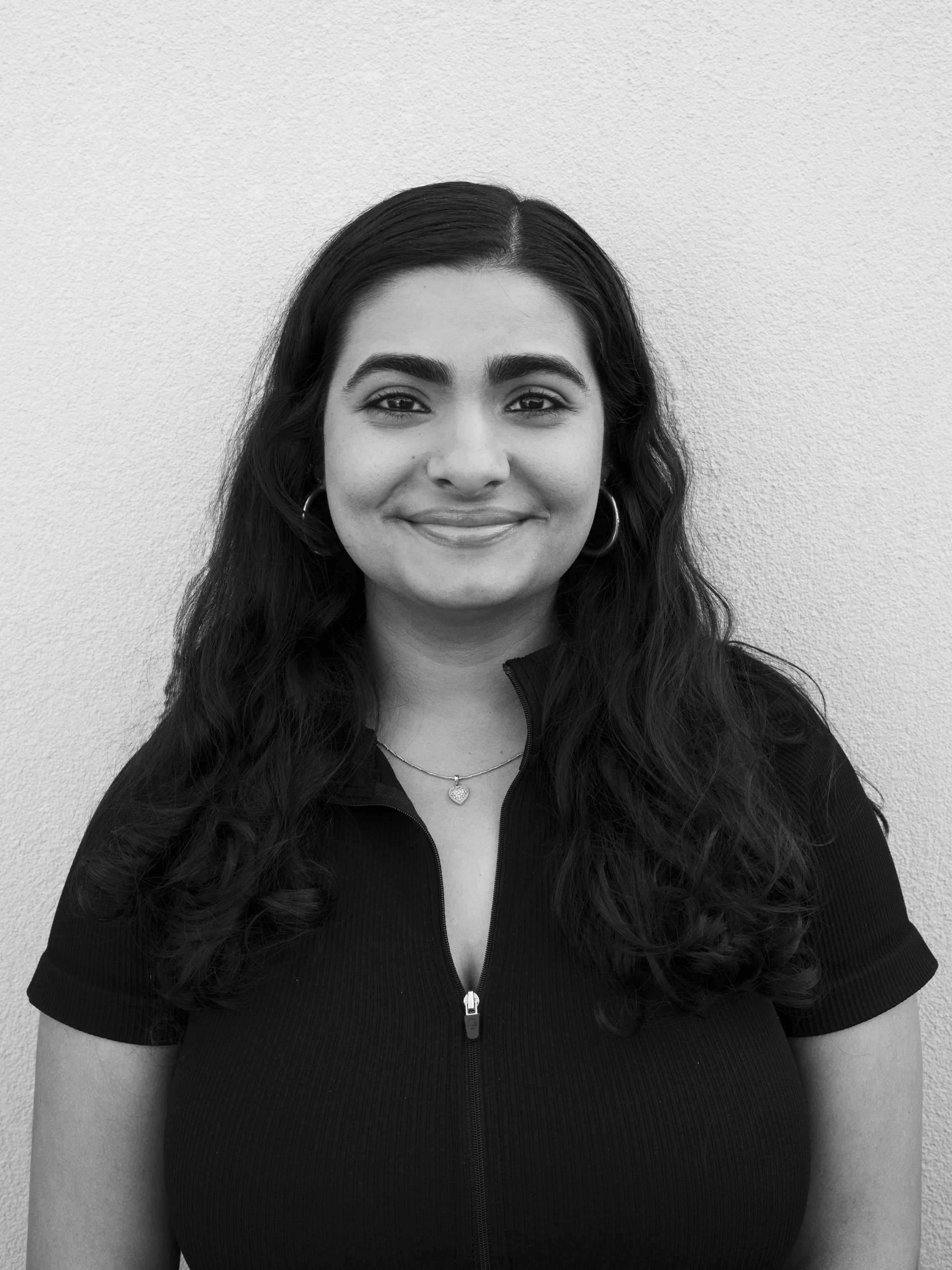
Divya Gangwani is an artist whose work delves into the intersections of identity, gender, and cultural heritage through image-making, writing, and curation. Born in Hong Kong to Indian roots, Divya’s artistic journey is deeply personal, exploring the nuances of belonging and the intricate relationships within her family. Her work sparks thought-provoking conversations about India’s colonial past and its enduring impact on how Indian women are perceived, offering fresh perspectives that hope to challenge and inspire.
What is your background and how did you start your journey in the art world?
““I have always been a maker, and a creative since I could remember, but initially I started taking photographs because I had this immense fear at a young age of losing my memory, and so I would take photographs of everything and anything you could imagine, from my meals, to people, to my outfit of the day. This hobby then became a passion, and I started to use the camera to try and tell stories, particularly expressing emotions I felt but was unable to speak about. I now hold a BFA in photography from Parsons School of Design in New York City and am working in the art corporate world in marketing, as well as creating my own personal work on the side.”
What inspires you?
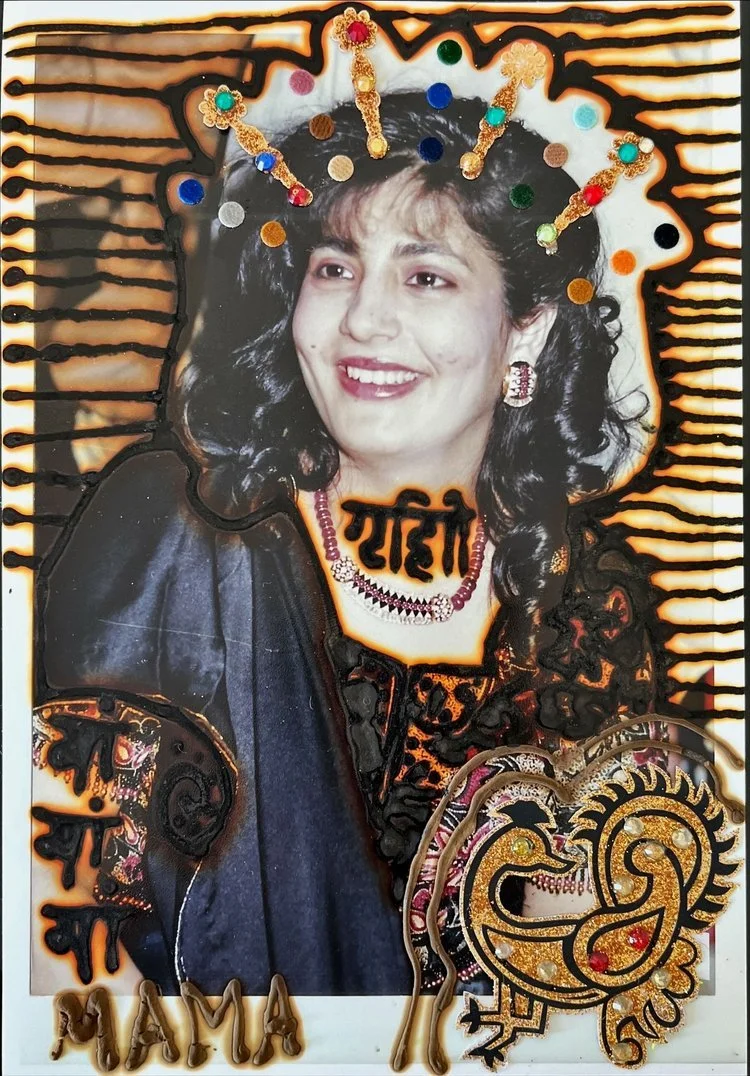
“I have always been inspired by and moved by my emotions and personal experiences. In my current work, my inspiration comes from stories of my grandmother and mother, as well as the experiences of my sisters. I am inspired by our conversations and shared experiences.”
What themes do you pursue? Is there an underlying message in your work?
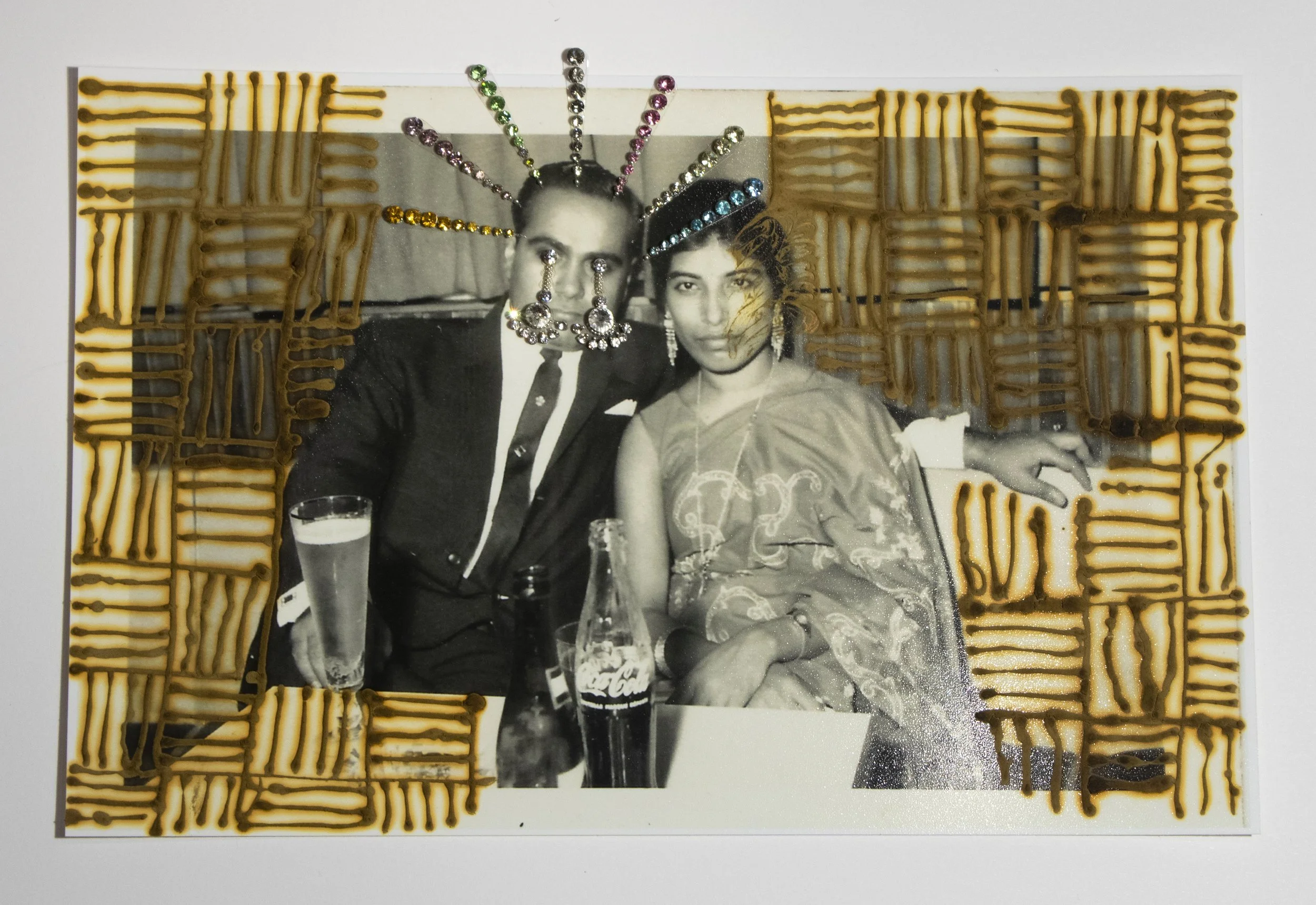
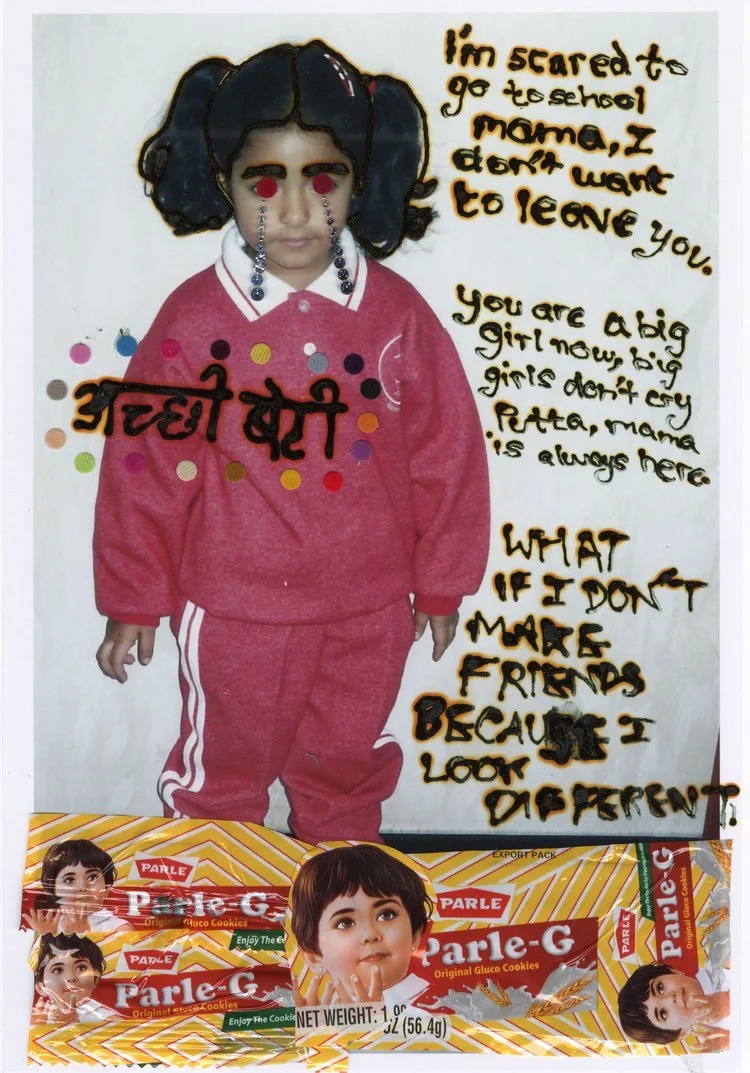
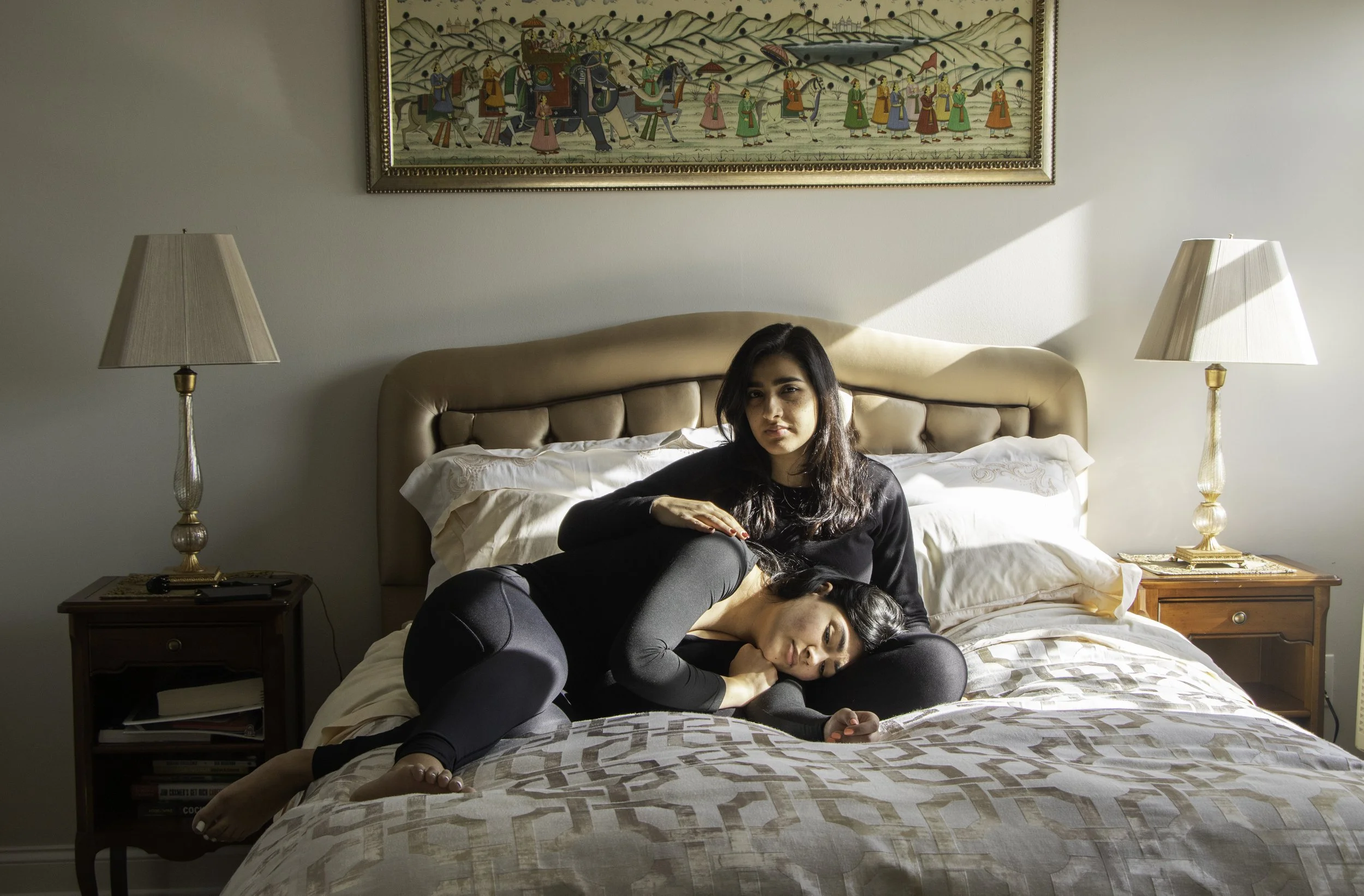
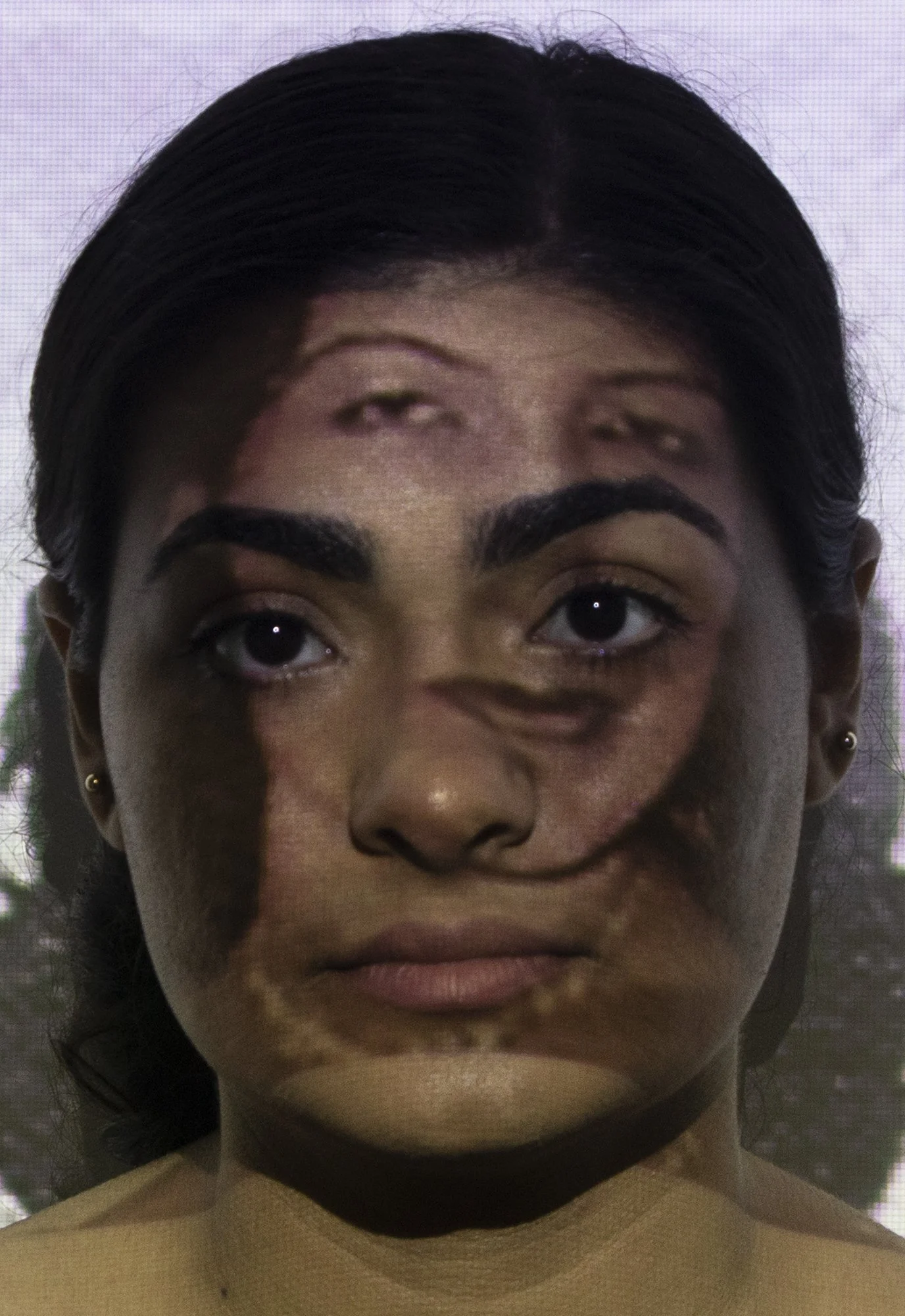
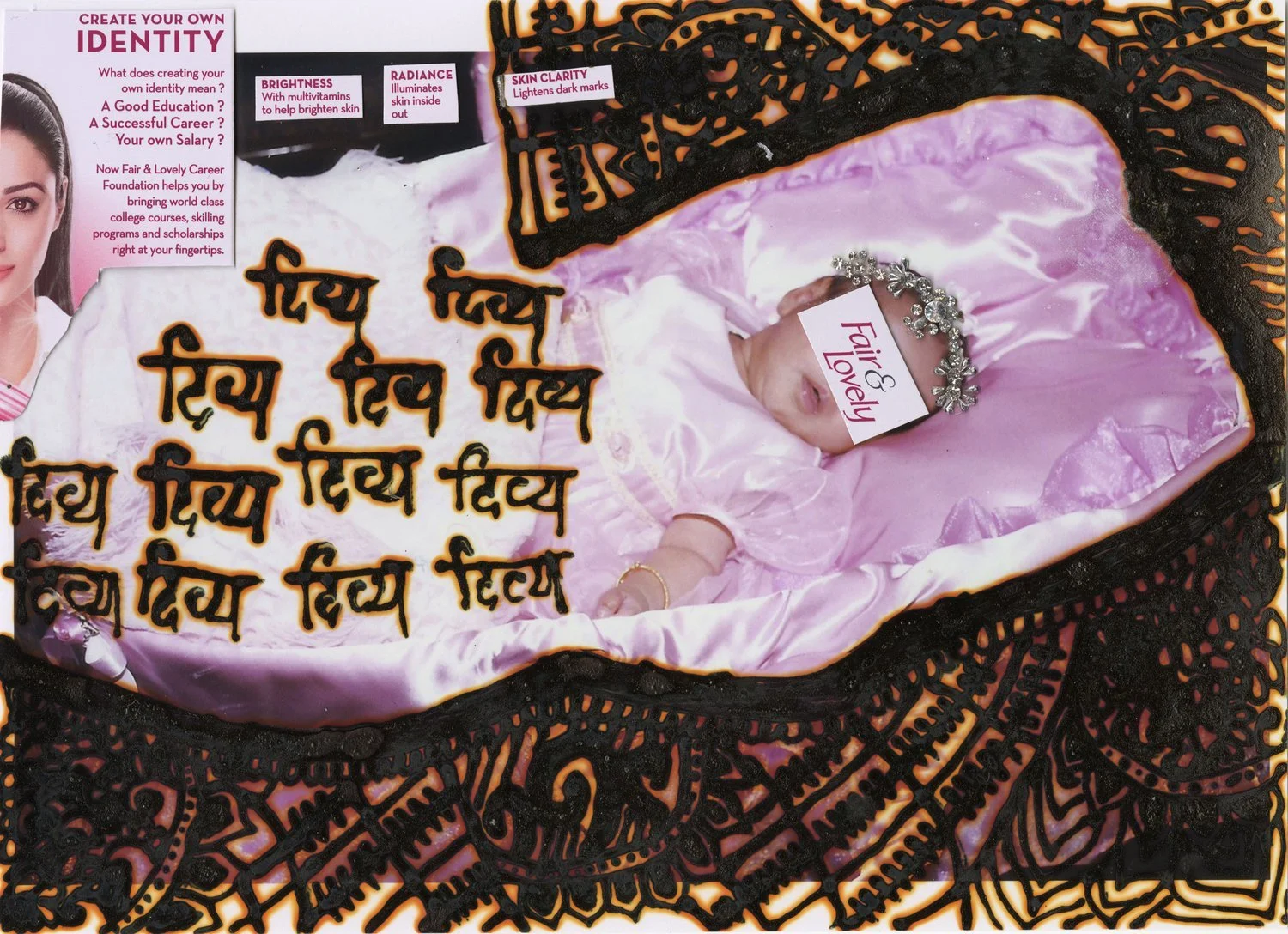
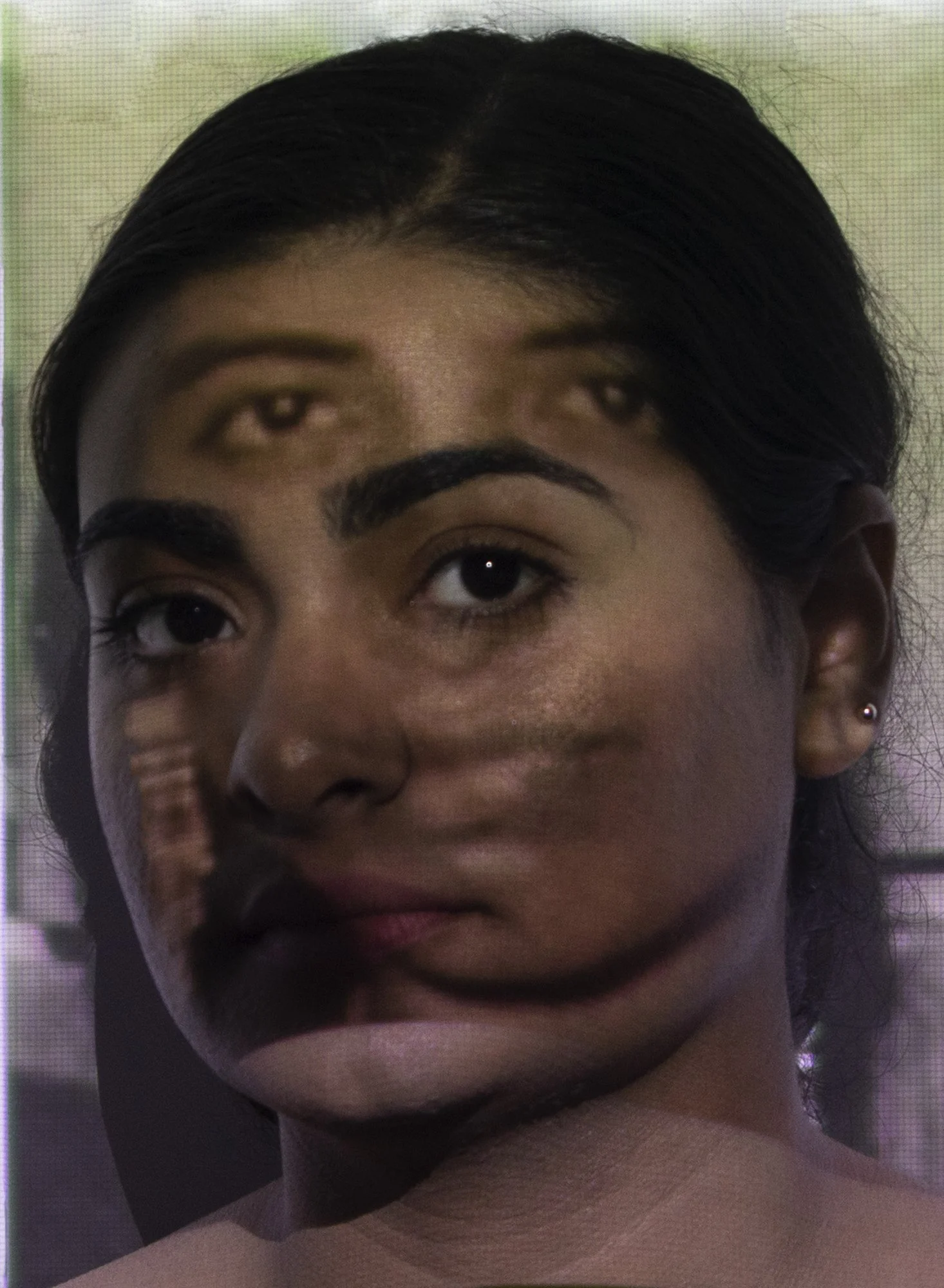
“I pursue themes of immigration, colonial legacy, and the construction of Indian womanhood. My work examines inherited self perception, Eurocentric beauty standards, and feelings of otherness as they move across generations within my family. The underlying message asks viewers to look with care at how colonial histories continue to shape identity, body image, and visibility for Indian women, and to acknowledge narratives that are often overlooked or misunderstood.”
How would you describe your work?
“My work is personal and research driven, rooted in familial history. Through photography and collage, I re contextualize memory and representation to explore identity, womanhood, and cultural inheritance. The work balances intimacy and critique, combining lived experience with broader historical frameworks to create images that invite thoughtful and careful engagement.”
Which artists influence you most?
“I am influenced by a range of artists, including Shirin Neshat, Priya Kambli, and Sarah K. Khan, all of whom explore facets of the Indian feminine and the relationships women hold with identity, history, and one another. Shirin Neshat’s use of text within her images has strongly influenced my own incorporation of text. Priya Kambli’s mixed-media practice and use of archival imagery have shaped how I think about memory, lineage, and family histories. Sarah K. Khan’s work moves me for its focus on shifting narratives around womanhood; although her practice centers on sculpture and ceramics, it is her conceptual approach that resonates most deeply with me.”
What is your creative process like?
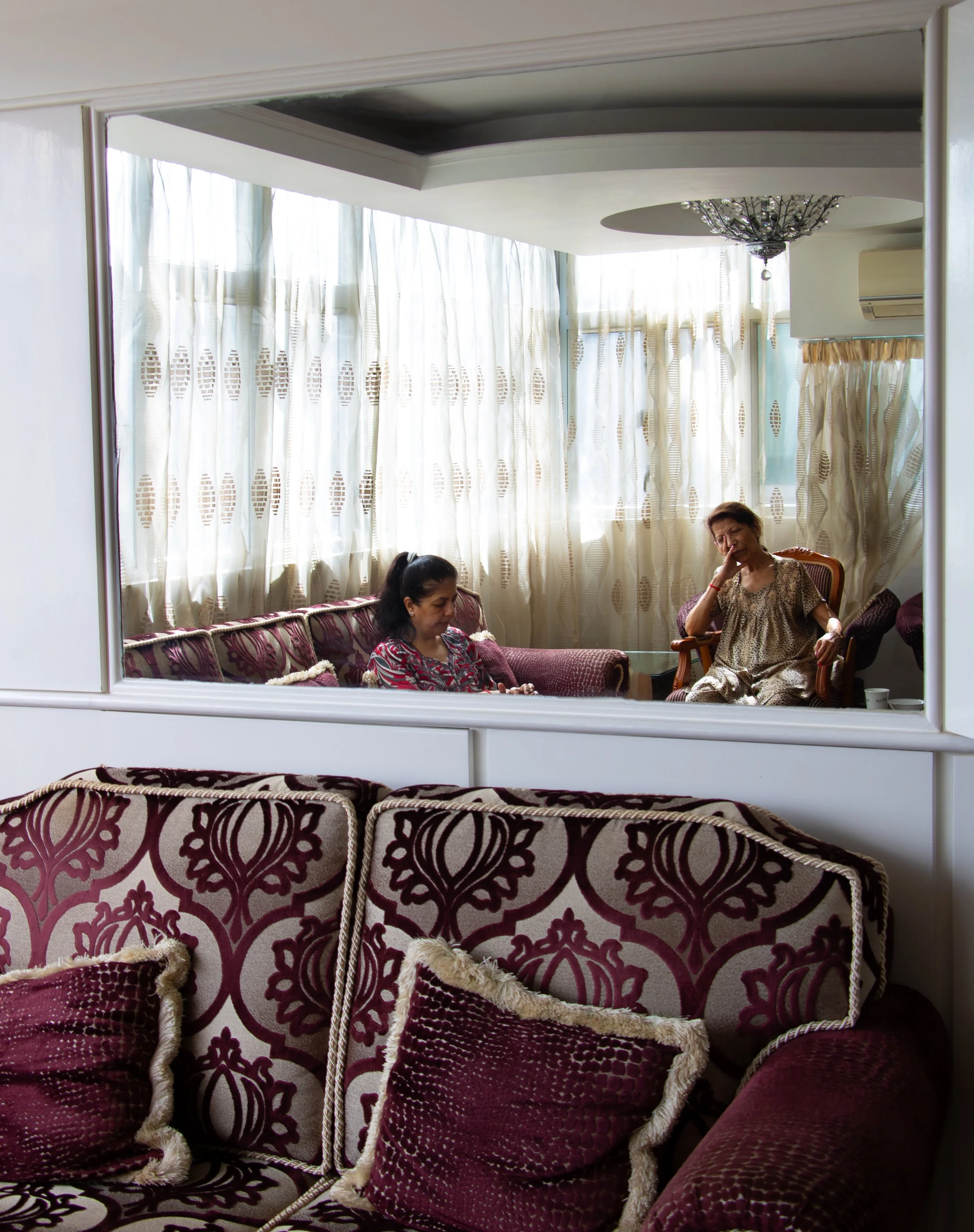
“My process often begins with a personal experience or with reading about colonial history in India that I can relate back to my family. Because much of my work centers on them, a large part of my creative process involves sitting down and having conversations about their experiences and emotions. These conversations become the foundation of the work, which then develops into storyboarding and, eventually, a shoot. In some projects, I also photograph my family within the home, capturing them in their natural environment to reflect comfort, intimacy, and authenticity.”
What is an artist’s role in society and how do you see that evolving?
“I think there are many roles that artists play. In some cases, artists show us the truth, offer different perspectives, and introduce new ways of thinking. Art can create safe spaces, provide escape, and encourage reflection. In terms of how I see this evolving, I believe art should be more widely encouraged to view, make, and experience. Being around art is vital, as it shapes how we understand and frame the world around us.”
Have you had any noteworthy exhibitions you'd like to share?
“I am the Creative Director of a South Asian art collective called Bungalow Collective. In collaboration with Chai Ventures, we organized a group exhibition titled Femme Unframed. I was fortunate to have my work included in the show, which was exhibited at White Space Gallery in Chelsea, New York. It was a truly meaningful experience, and I exhibited alongside two other talented South Asian photographers.”
Website: www.divyagangwani.com
Instagram: @divs_gangwani