
Interview
Christian Wamser
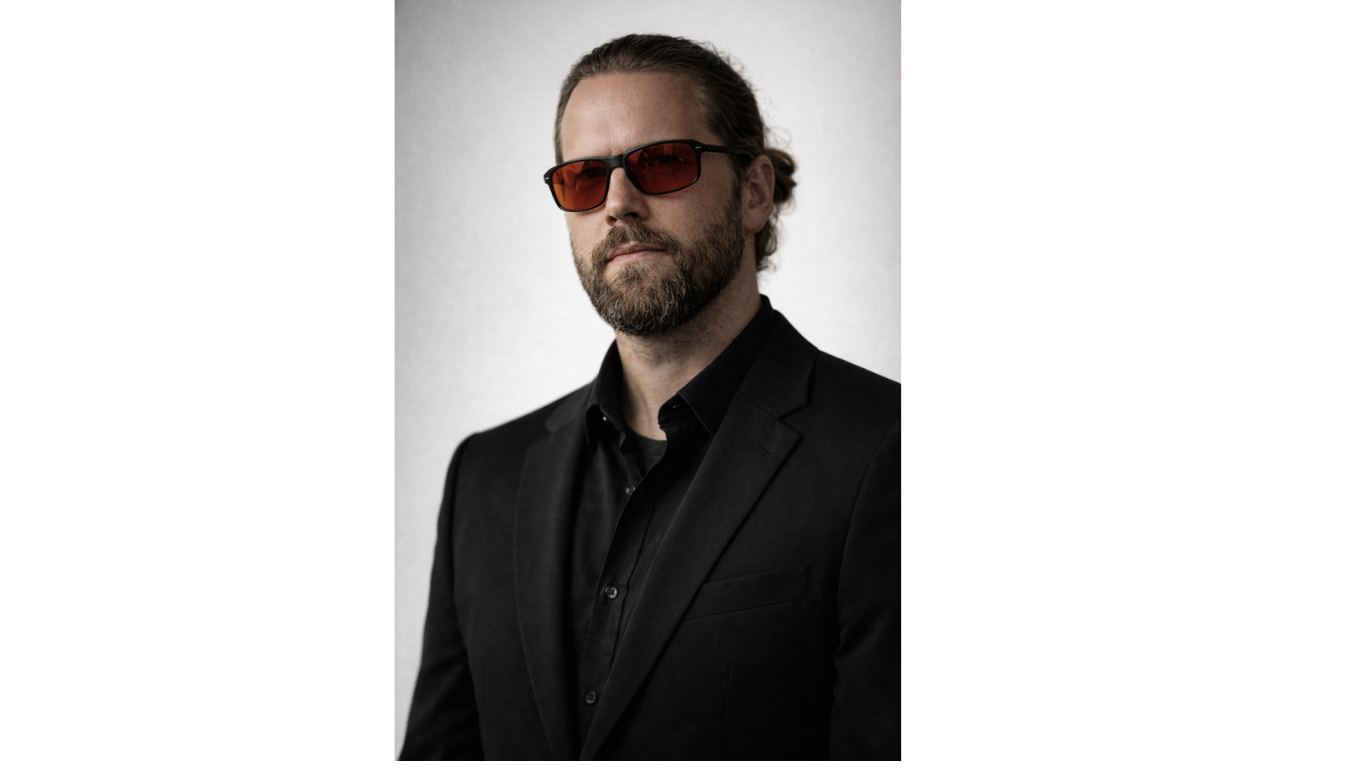
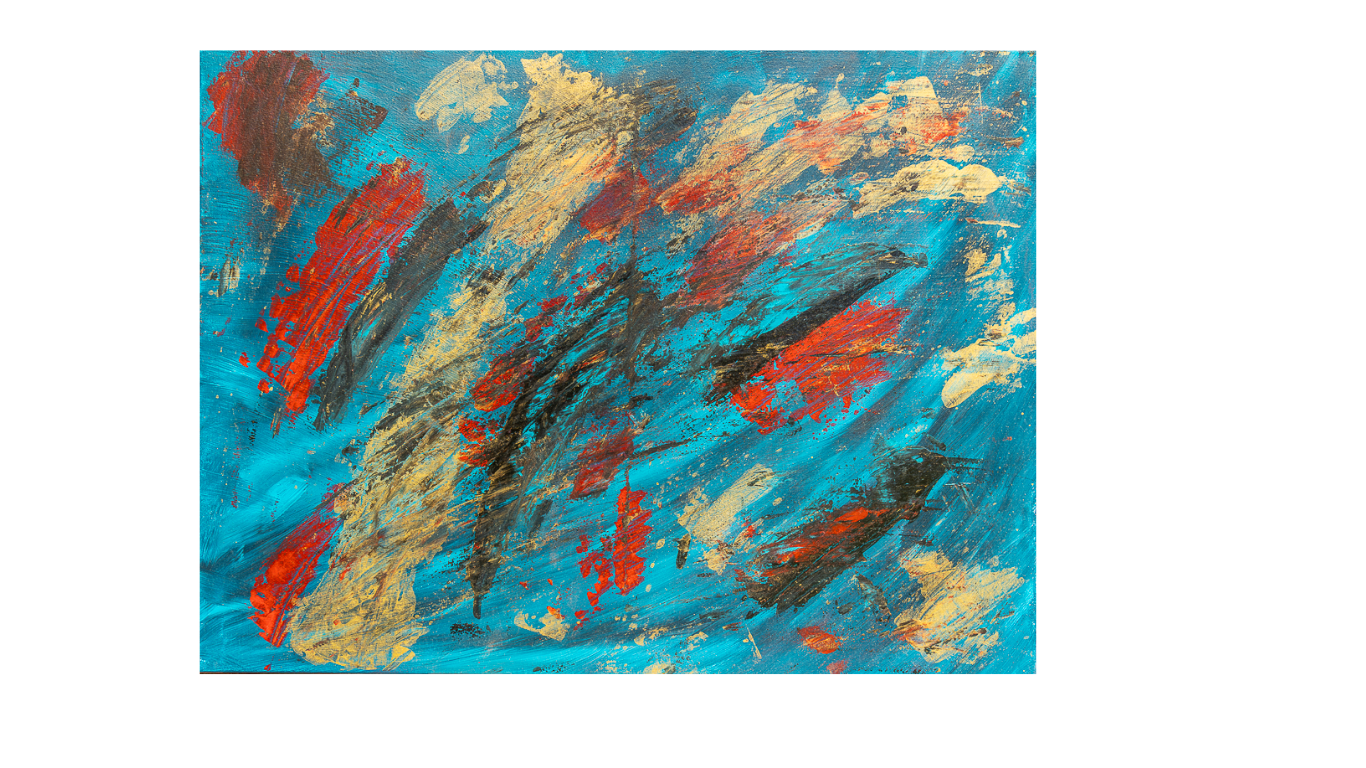
Christian Wamser is a contemporary painter and photographic artist based in Germany. As a self-taught artist, he has developed a distinctive visual language that moves between expressive abstract painting and iconic large-scale photographic works. His paintings emerge from an intuitive and emotionally driven process, focusing on movement, texture, and atmosphere. Alongside painting, Wamser creates large-scale photographic works that transform spaces and create immersive visual experiences. His artistic philosophy is rooted in the belief that art should reach beyond decoration and connect with deeper emotional layers. As he describes it: “I don’t paint for walls, I paint for souls.” Wamser’s work has been presented internationally, including exhibitions during Miami Art Week, as well as exhibitions in Berlin, La Palma, Zug, and Dubai. Through his work, he explores themes of emotion, atmosphere, and perception, inviting viewers to experience art as an immersive and reflective encounter.
What is your background and how did you start your journey in the art world?
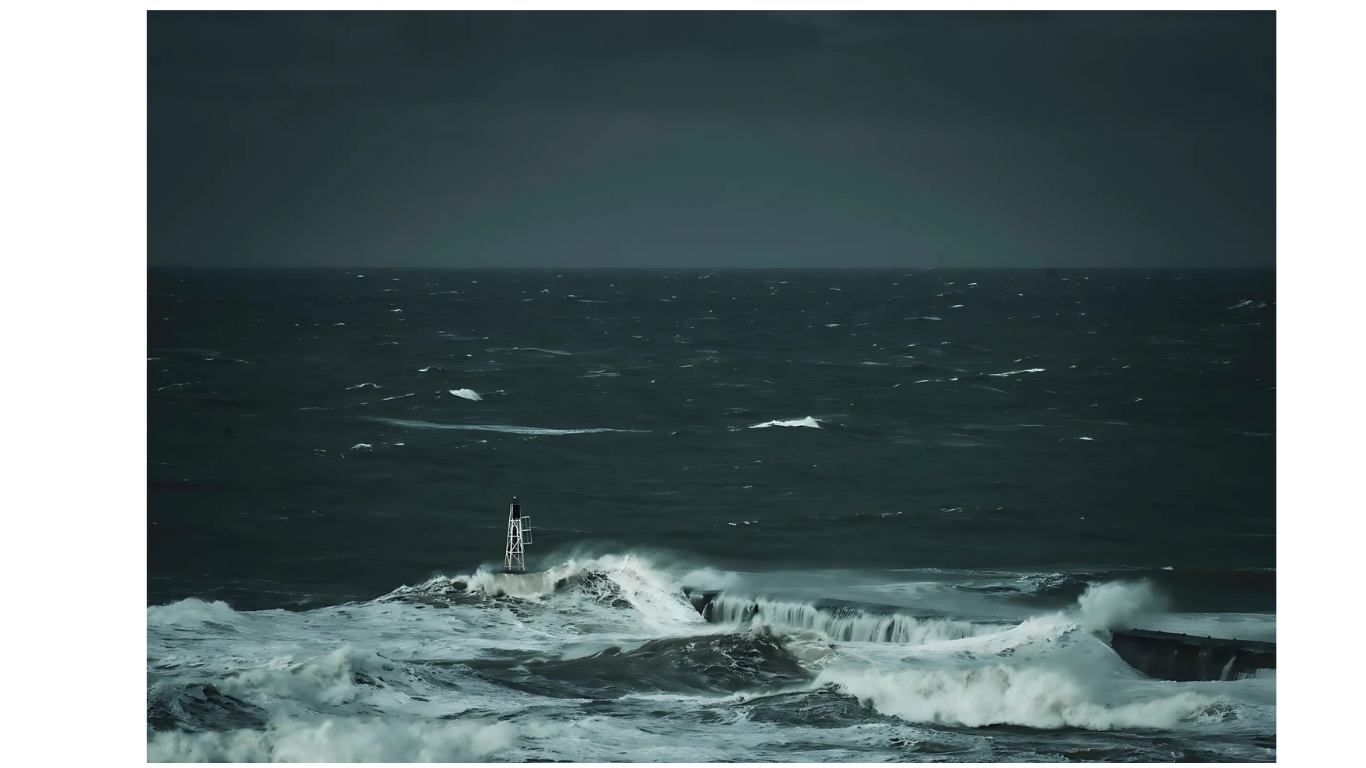
“My path into art began from a deep inner need to make emotions, moods, and perceptions visible. I first found my artistic expression through photography before my visual language evolved further into abstract painting. Today, I combine large-scale, iconic photographic art with expressive abstract painting. Both bodies of work arise from the desire not merely to create images, but to shape space, atmosphere, and emotional resonance.”
What inspires you?
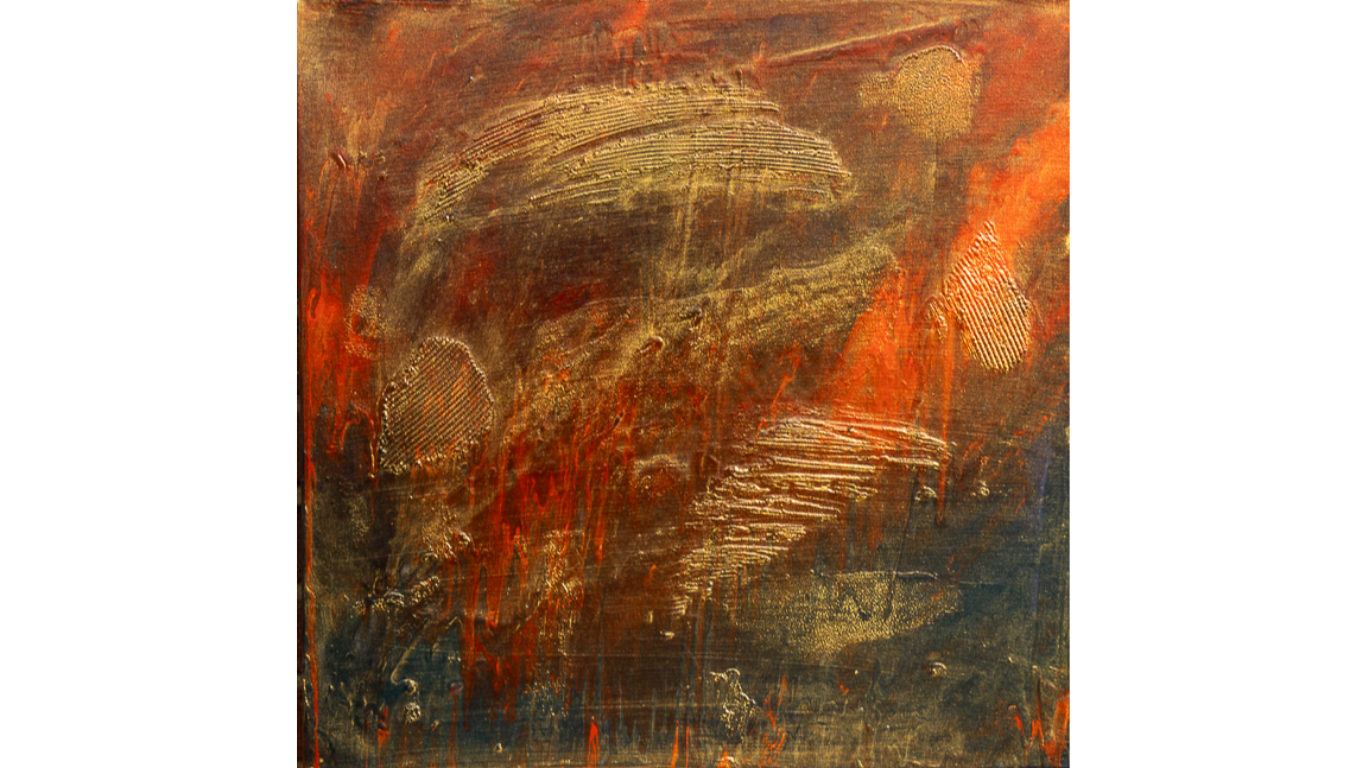
“Inspiration for my work comes from a deep connection between emotion, atmosphere, and the world around me. I am particularly inspired by landscapes, nature, and moments that carry a strong emotional presence. These impressions often stay with me and later transform into visual ideas. Music also plays an important role in my creative process. It helps me enter a certain emotional state that allows intuition and feeling to guide the work. In my abstract paintings, I translate these emotions directly onto the canvas, allowing the work to emerge organically from the moment. My monumental photographic works, on the other hand, are driven by the idea of creating immersive visual experiences that transform spaces and invite the viewer to pause, reflect, and explore a deeper perception of reality. Ultimately, my inspiration comes from the desire to capture something intangible — an atmosphere, a feeling, or a moment in time — and translate it into a visual form that resonates with the viewer.”
What themes do you pursue? Is there an underlying message in your work?
“The themes I explore in my work revolve around emotion, perception, and the relationship between human experience and the surrounding world. I am particularly interested in capturing moments of atmosphere, movement, and inner states that are often difficult to express in words. Through both my abstract paintings and my monumental photographic works, I pursue the idea of creating spaces for reflection. My work invites the viewer to slow down and engage with their own emotions and perceptions. An underlying message in my work is the idea that art can reconnect us with deeper layers of experience. In a fast-moving world, I see art as a space where people can pause, reflect, and rediscover a sense of presence, emotion, and imagination. Rather than delivering a fixed message, I aim to create works that allow each viewer to bring their own interpretation and personal experience into the encounter with the artwork.”
How would you describe your work?
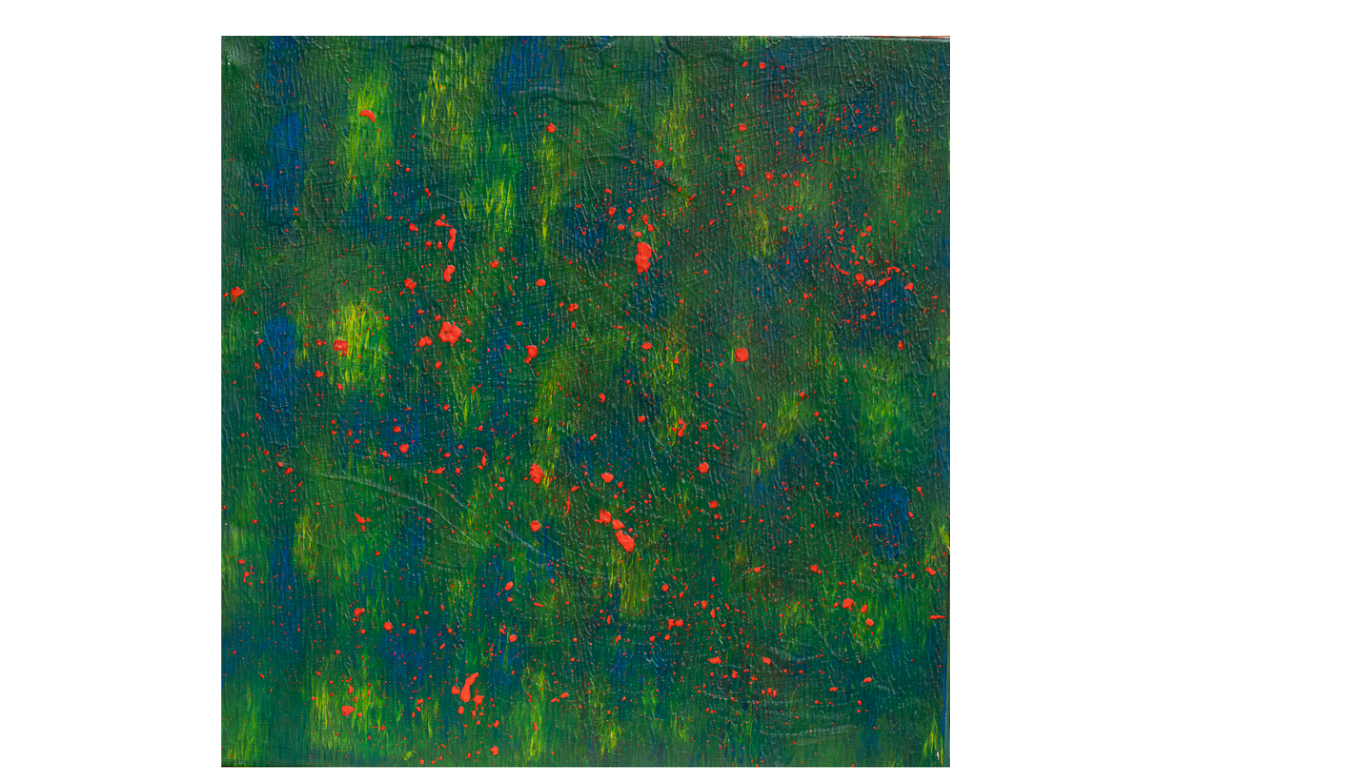
“My work explores the intersection of emotion, atmosphere, and visual perception. I create expressive abstract paintings alongside large-scale photographic works that I describe as iconic monumental photographic art. In my paintings, I work intuitively, allowing movement, texture, and color to reflect emotional states and inner experiences. The process is often spontaneous and driven by the energy of the moment. My photographic works focus on scale and spatial impact. Through large formats, perspective, and composition, these works are designed to transform spaces and create immersive visual experiences. Overall, my work aims to evoke emotion and invite viewers to experience a deeper connection between art, space, and perception.”
Which artists influence you most?
“I am inspired by artists who explore powerful visual language and strong emotional expression in their work. In photography, artists such as Andreas Gursky have influenced my thinking about scale and the relationship between image and space. His monumental works demonstrate how photography can transform the viewer’s perception. In painting, I am drawn to artists associated with expressive abstraction, such as Gerhard Richter and Mark Rothko. Their work shows how abstraction can communicate emotion and atmosphere beyond representation. However, my artistic path is largely self-directed. As a self-taught artist, I see these influences less as models to follow and more as sources of inspiration that encourage me to develop my own visual language and artistic identity.”
What is your creative process like?
“My creative process is guided by intuition, emotion, and observation. Often it begins with a moment of inspiration — a landscape, a particular atmosphere, or an emotional impression that stays with me and gradually develops into a visual idea. When I work on my abstract paintings, the process is very intuitive and spontaneous. I allow movement, texture, and color to evolve naturally, responding to the energy of the moment. Rather than following a fixed plan, I prefer to let the work grow organically during the creation process. For my photographic works, the process often begins with exploring locations and searching for powerful compositions and perspectives. I pay close attention to light, scale, and atmosphere in order to create images that have a strong visual presence. Ultimately, my goal is to create works that go beyond the purely visual. I want the viewer to experience a sense of atmosphere, emotion, and depth that invites them to pause and engage with the work on a deeper level.”
What is an artist’s role in society and how do you see that evolving?
“I believe artists play an important role in society by offering new perspectives and encouraging people to reflect on the world around them. Through art, emotions, experiences, and ideas can be communicated in ways that go beyond language. Artists have the ability to question, interpret, and sometimes challenge the reality we live in. In this sense, art can create dialogue and open spaces for reflection, imagination, and emotional connection. In today’s rapidly changing and highly digital world, I believe the role of artists is becoming even more important. Art can offer moments of pause and deeper reflection, allowing people to reconnect with emotion, atmosphere, and human experience. For me, art is not only about visual expression but also about creating experiences that resonate with viewers and invite them to explore their own perceptions and feelings.”
Have you had any noteworthy exhibitions you'd like to share?
“Yes, I have had the opportunity to present my work in several notable international exhibitions. I participated in Miami Art Week in 2023 and exhibited at Nicoletta Gallery Berlin in 2024. In 2025, my work is being presented at Casa del Arte La Palma, Thomsen Fine Art Gallery in Zug, Andakulova Gallery Dubai, and Art Expo New York.”