Interview
Carpe Diem Holistic
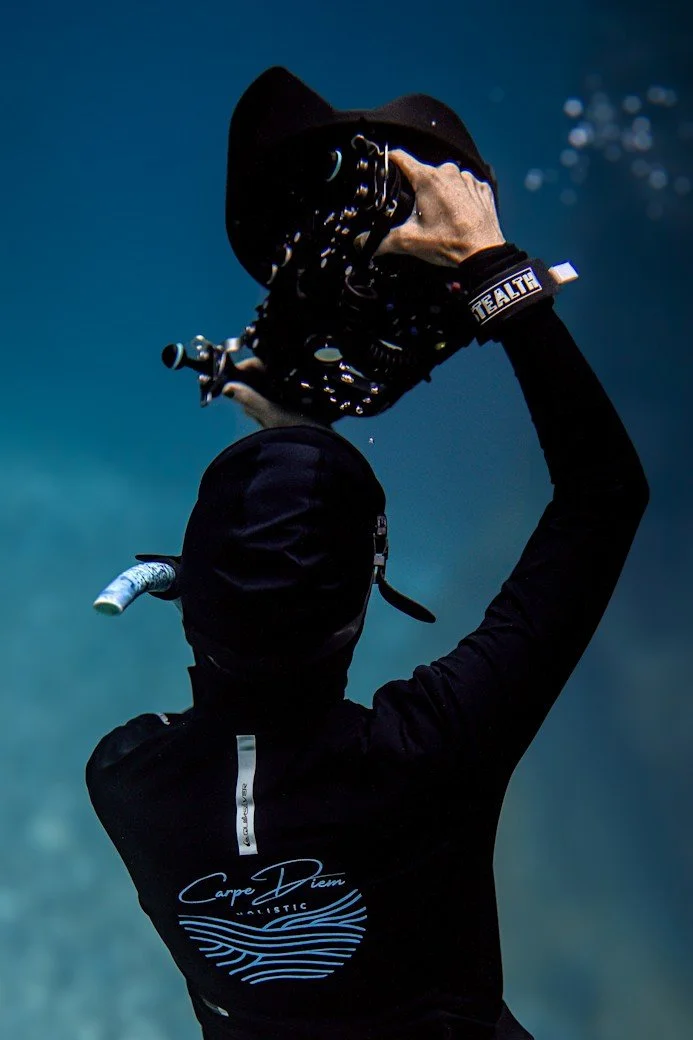
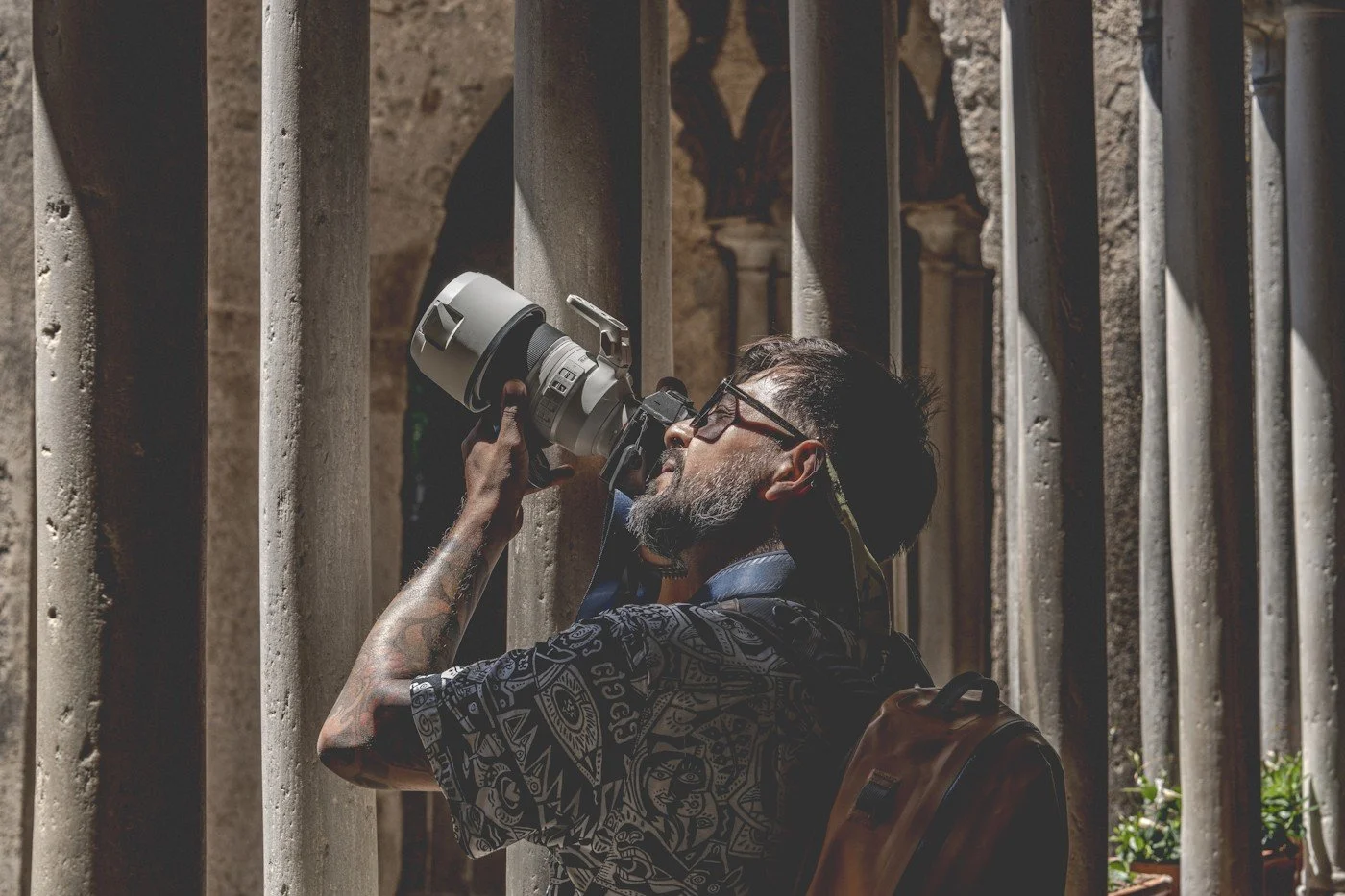
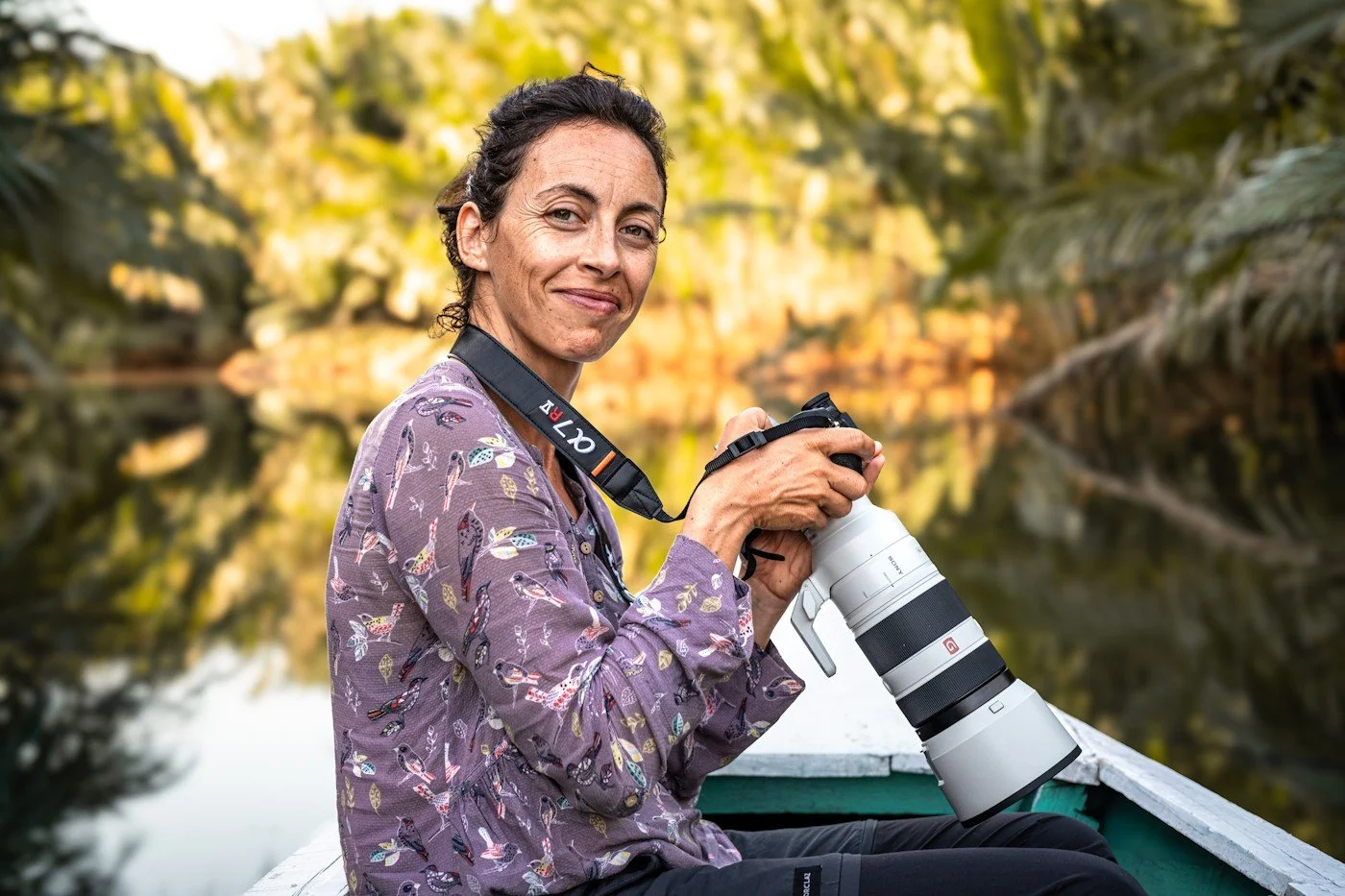
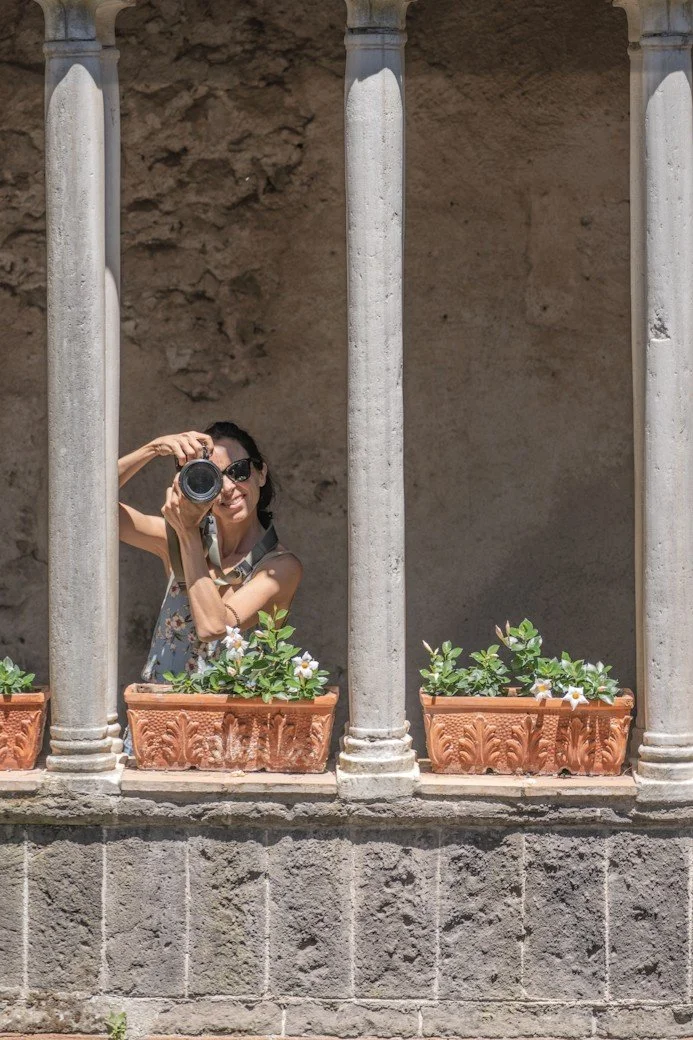
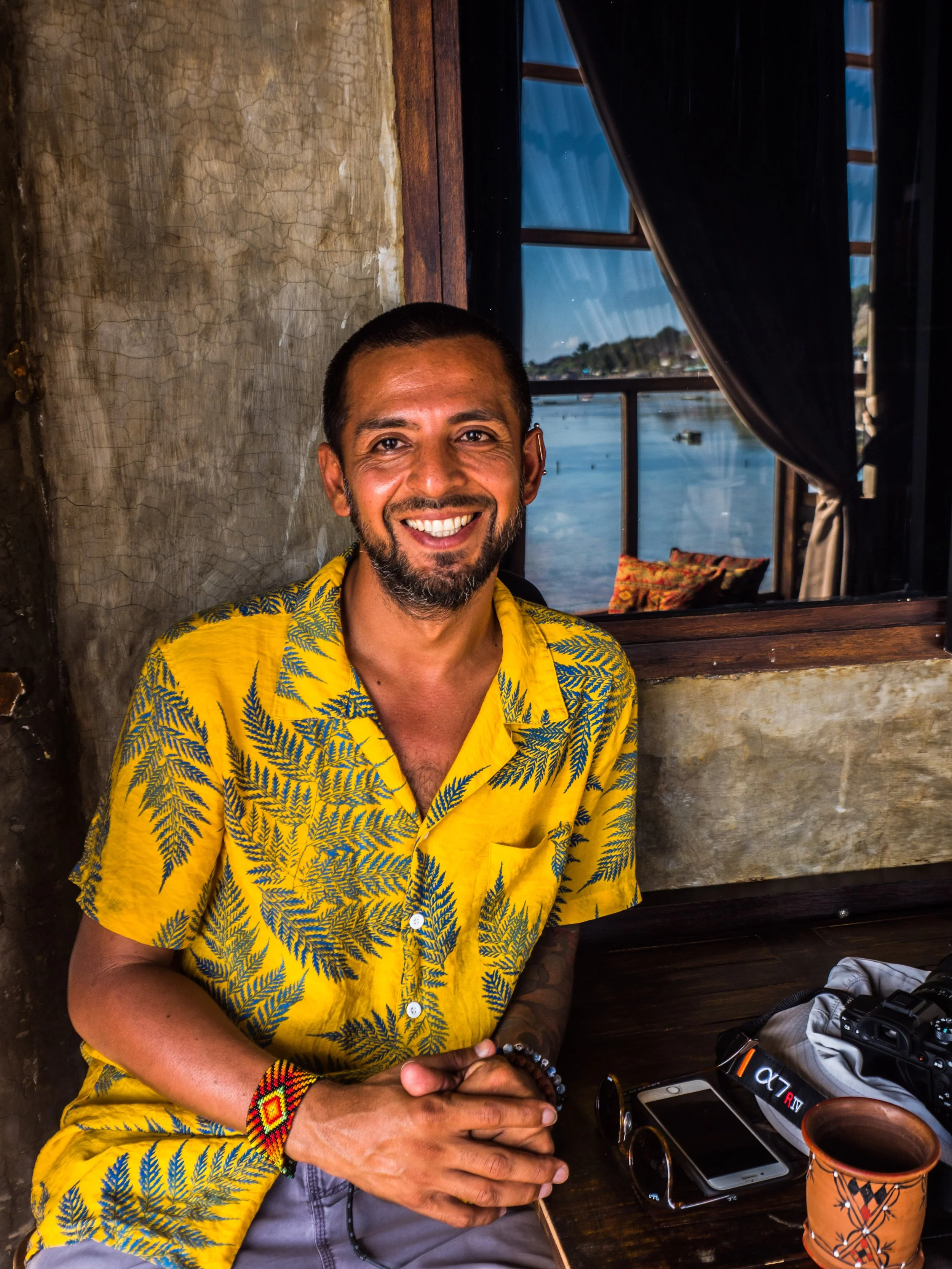
Carpe Diem Holistic is an artistic duo formed by Chiara Bussini and Alberto Gastón Otero. Their multidisciplinary practice moves between photography, film, underwater imagery, movement and performance, exploring the relationship between wildlife, the human body and the natural world. Drawing on their backgrounds in communication, movement, freediving and aquatic practices, they investigate themes of water, presence, transformation and interconnectedness. Working across diverse landscapes and underwater environments, they create poetic visual narratives that invite a slower, more attentive way of looking at nature and human experience. Their work combines artistic experimentation with a sensitivity to the natural environment, seeking to reveal the beauty of subtle gestures, changing light and the connections that exist beneath the visible surface.
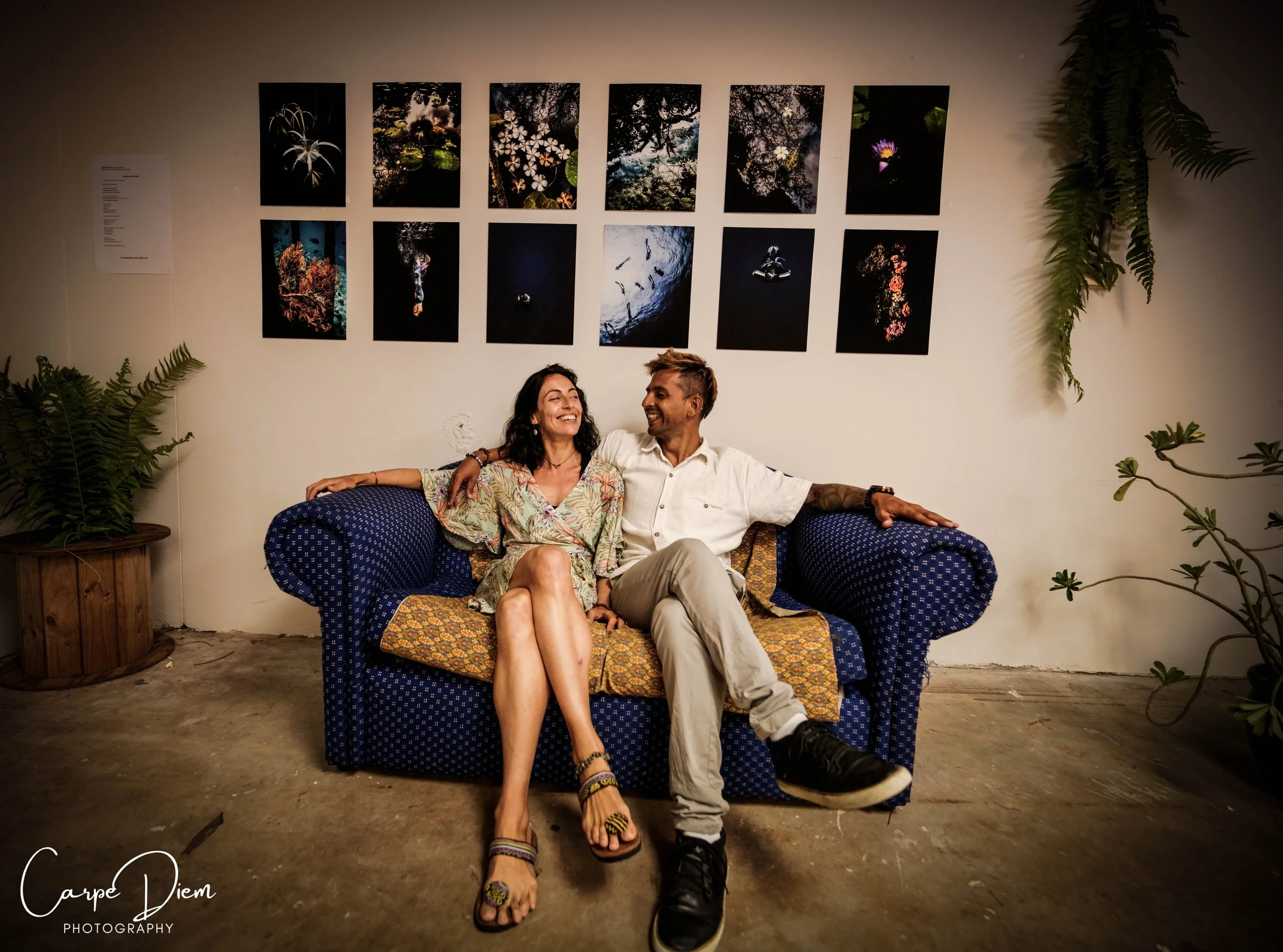
“Although we come from different backgrounds, we share a deep connection with the natural world, the ocean and the desire to express our experiences through images, movement and storytelling.” Chiara grew up among the green hills of central Italy, but was always drawn to the sea. Her academic background is in Languages, Linguistics and Communication, and her interests gradually expanded towards anthropology, photography, movement and the relationship between the body and its environment. Alongside her artistic practice, she has worked as a language teacher, scuba diving and freediving instructor, yoga practitioner and aquatic bodywork facilitator. These different experiences have shaped her understanding of communication beyond words, particularly through gestures, presence and the language of the body.
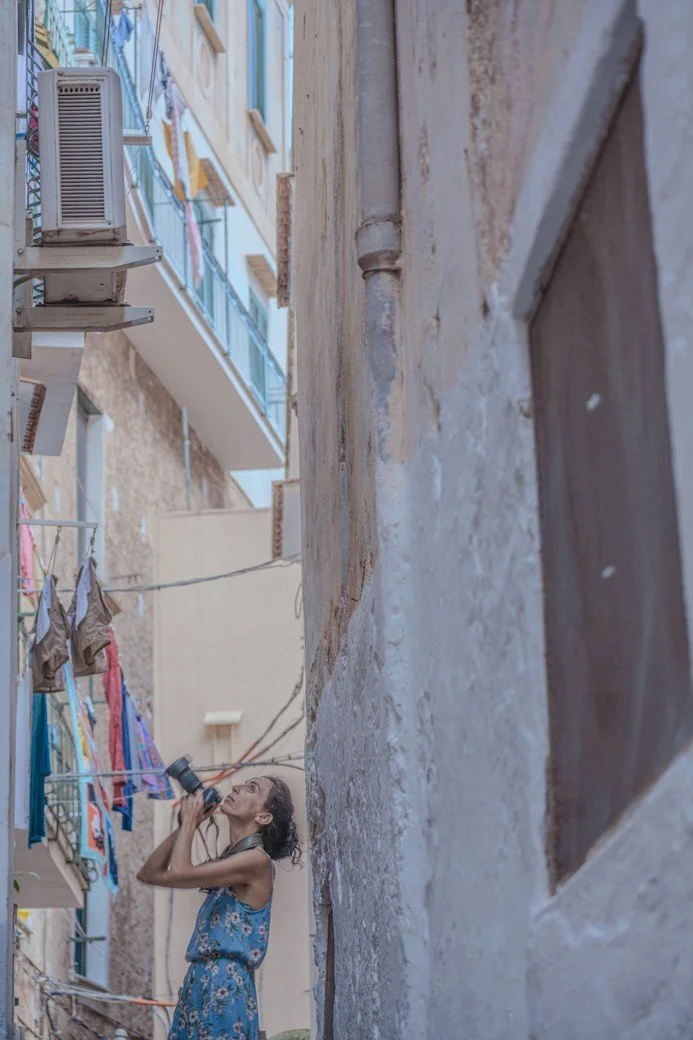
Gastón grew up in Patagonia, in southern Argentina, surrounded by the vastness of the ocean and the wild landscapes of the Atlantic coast. With a background in kinesiology and arts, he developed a deep understanding of the human body and movement. His professional journey led him into the underwater world, where he worked as a freediving and scuba instructor and expedition manager, travelling extensively through the Maldives and the Indian Ocean. Over time, his interest in visual storytelling grew into a dedicated practice of underwater photography and filmmaking. Our paths converged in Australia through our shared love of the ocean, movement and exploration. Photography and film gradually became ways of translating our experiences into something that could be shared with others. We created Carpe Diem Holistic as a space where our different skills and perspectives could meet, allowing us to work across photography, audiovisual storytelling, freediving, performance and holistic practices. Rather than following a conventional path into the art world, we have developed our practice through lived experiences, travel, collaborations and an ongoing process of experimentation. Much of our work emerges from being physically present in the environments we photograph and from allowing those encounters to shape the images we create.
What inspires you?
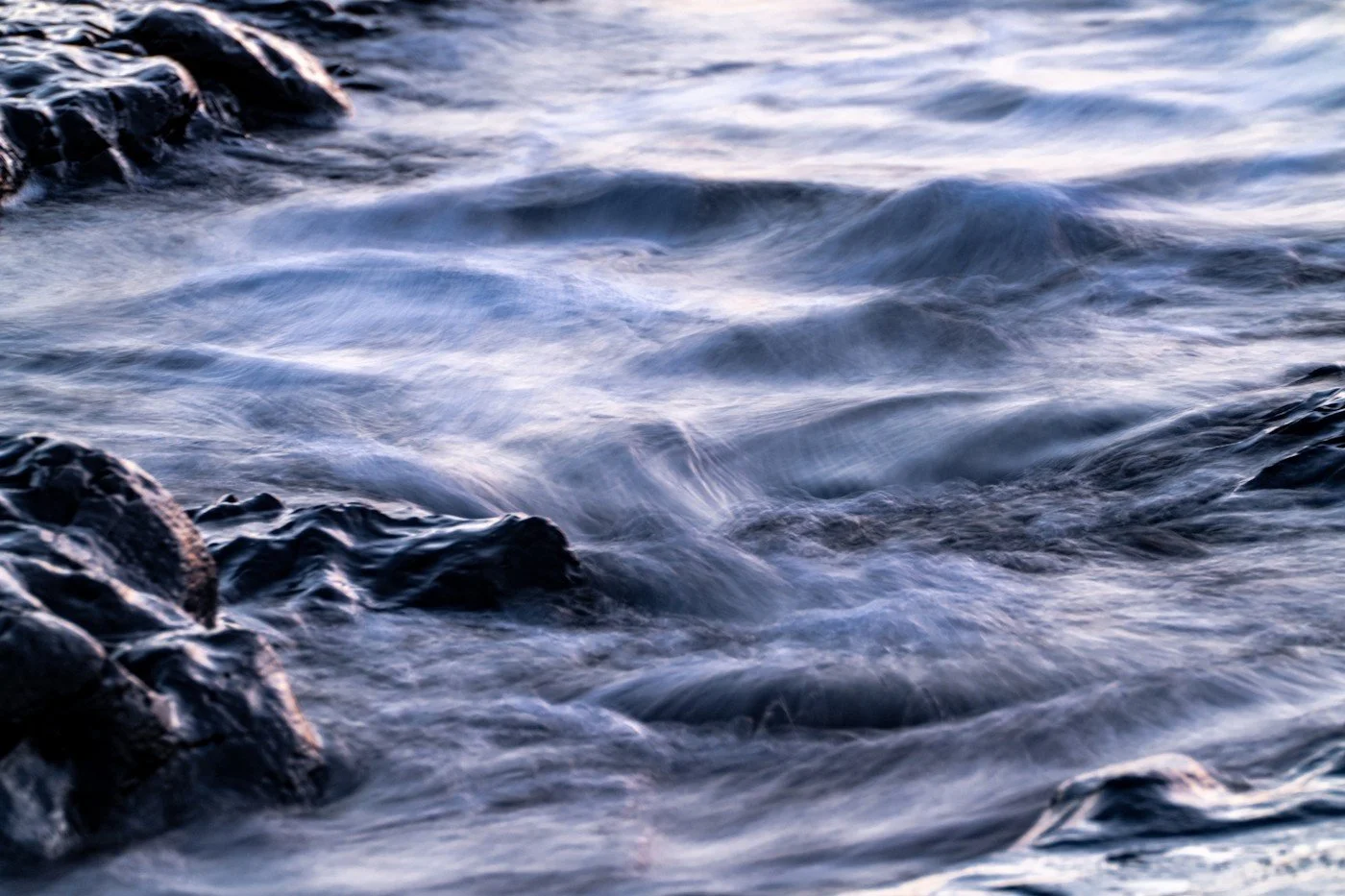
“Nature is our greatest source of inspiration, particularly the ocean and the mysterious worlds that exist beneath its surface. We are fascinated by the way water transforms our perception of space, time and the body; its primordial symbolism. We are equally inspired by the relationship between humans and their environments: the way a body inhabits a landscape, how light moves across a surface, how a person responds to the rhythm of the water, or how a fleeting encounter can reveal something profound. Travel has also played an important role in shaping our vision. Moving between different cultures and landscapes has taught us to observe more carefully, to question our assumptions and to remain open to different ways of understanding the world. We are drawn to subtle things that might easily go unnoticed: a moment of stillness, an imperfect movement, a reflection, a suspended breath or the changing quality of light. Often, these small details carry more emotional weight than a carefully constructed scene. Ultimately, we are inspired by the feeling of being fully present. The moments when we stop trying to control an experience and allow ourselves to be immersed in it often become the starting point for our most meaningful work.”
What themes do you pursue? Is there an underlying message in your work?
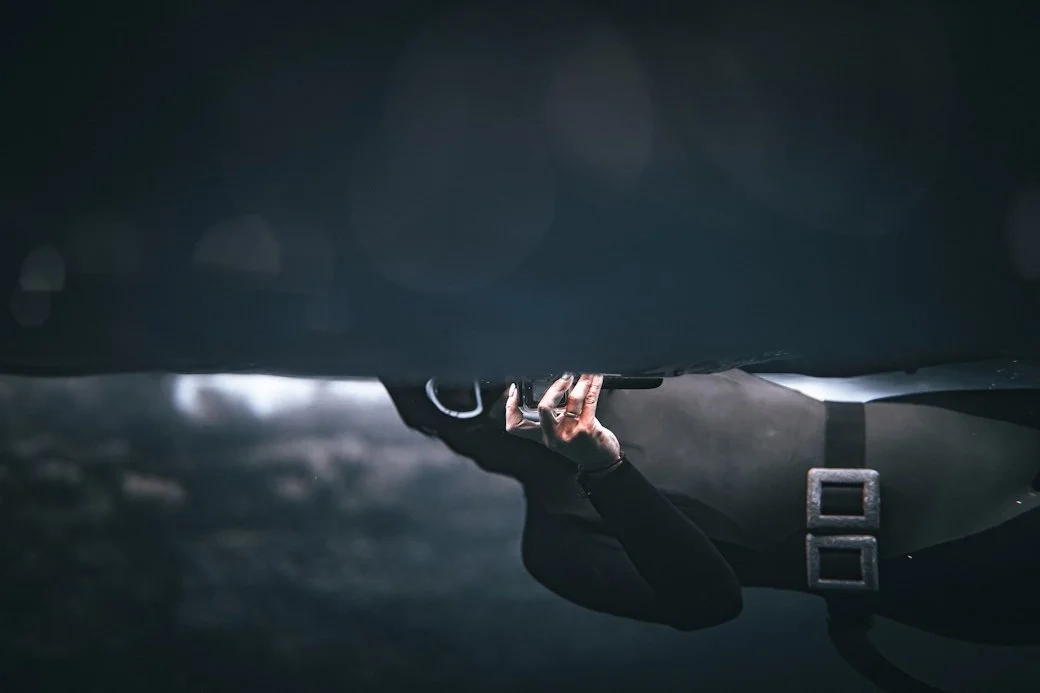
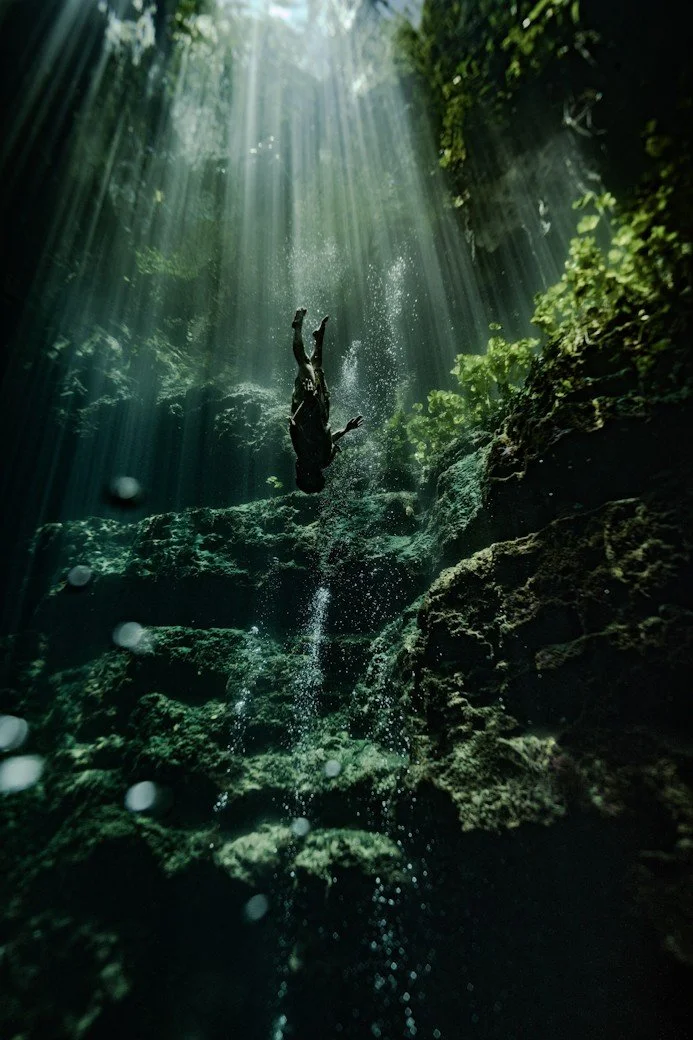
“Our practice explores the relationship between the human body and the natural world, with a particular focus on water, presence, transformation and interconnectedness. We are interested in what happens when the boundaries between the body and its surroundings become less defined. Underwater, the body enters a different relationship with gravity, movement and time. It can appear weightless, vulnerable, powerful or almost abstract. Through these transformations, we explore the body not simply as a subject to be photographed, but as a way of experiencing and understanding the world. Another recurring theme is the invisible: emotions, memories, inner landscapes and states of being that cannot always be expressed through words. We use movement, gestures, reflections and the fluidity of water to evoke these less tangible dimensions of human experience. Our work also reflects a desire to reconsider our relationship with nature. Rather than presenting landscapes as beautiful places to consume or as backgrounds for human activity, we seek to create images that encourage a more attentive and reciprocal way of looking. We are part of these environments, not separate from them. There is no single message we want to impose on the viewer. Instead, we hope our images create a space for personal interpretation, inviting people to slow down, reconnect with their own sensations and reflect on their place within the natural world. At the heart of our practice is a simple question: what becomes visible when we learn to look beyond the surface?”
How would you describe your work?
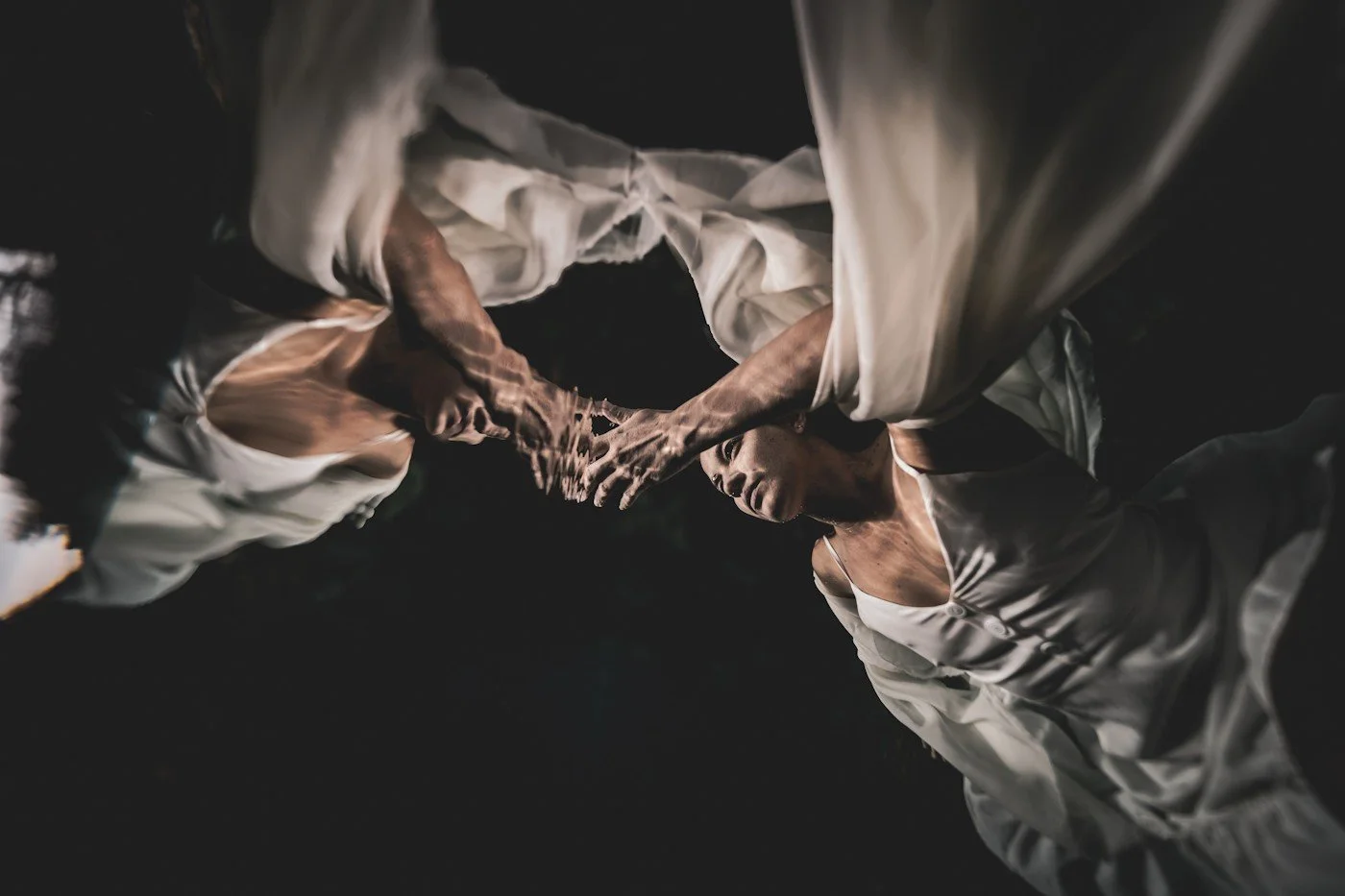
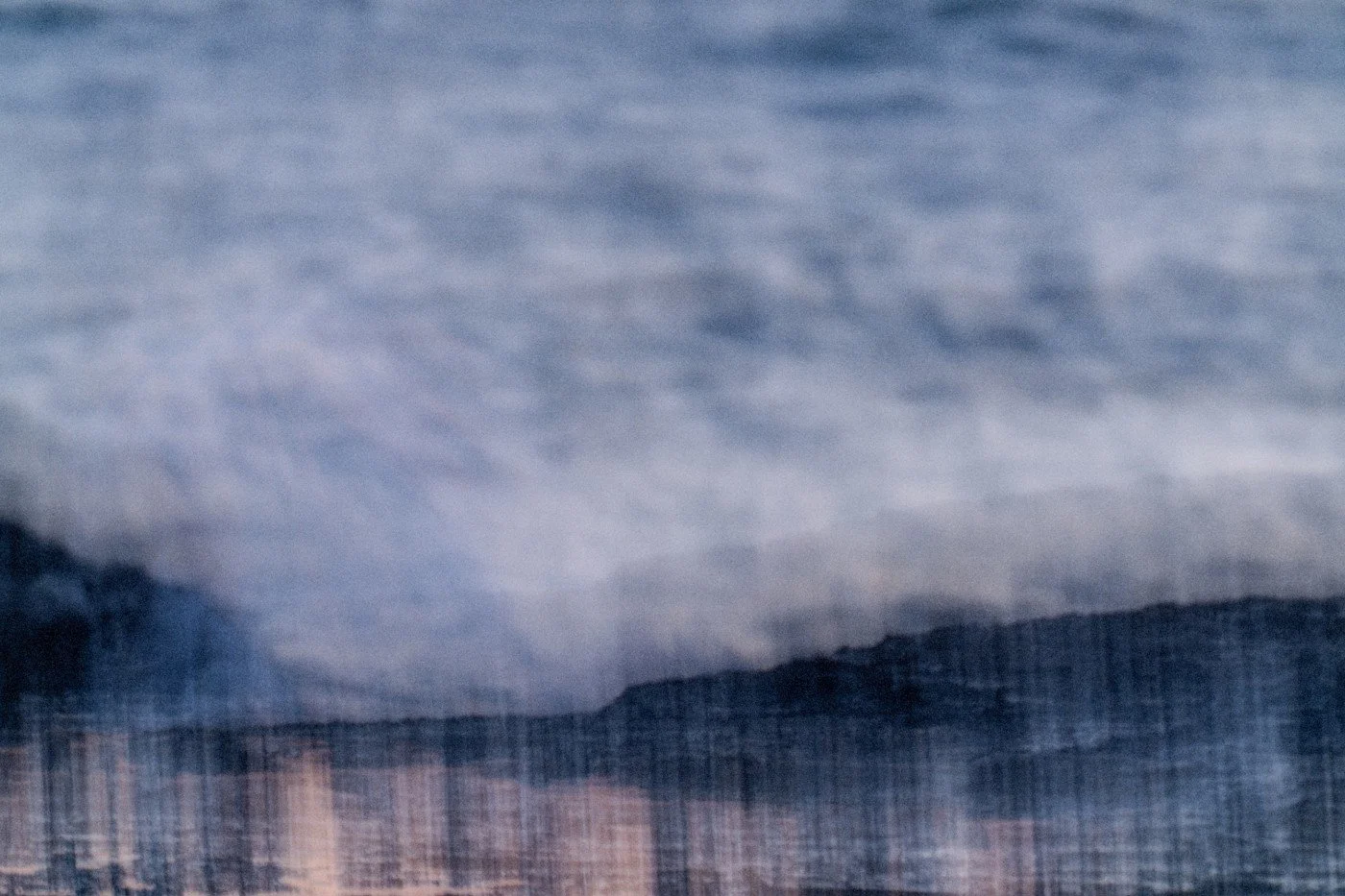
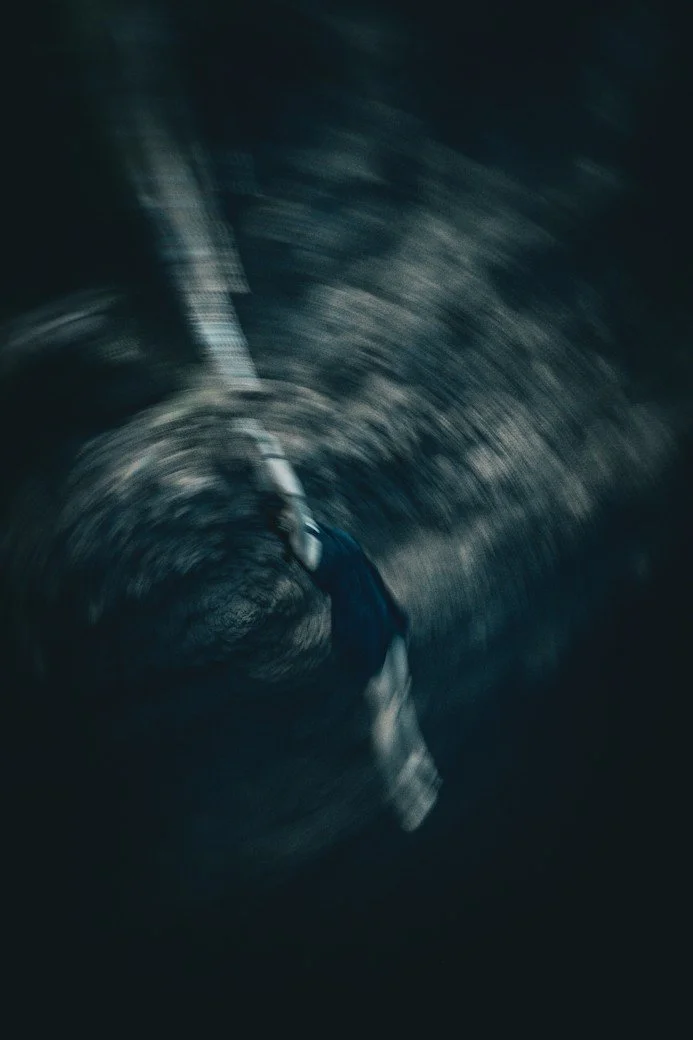
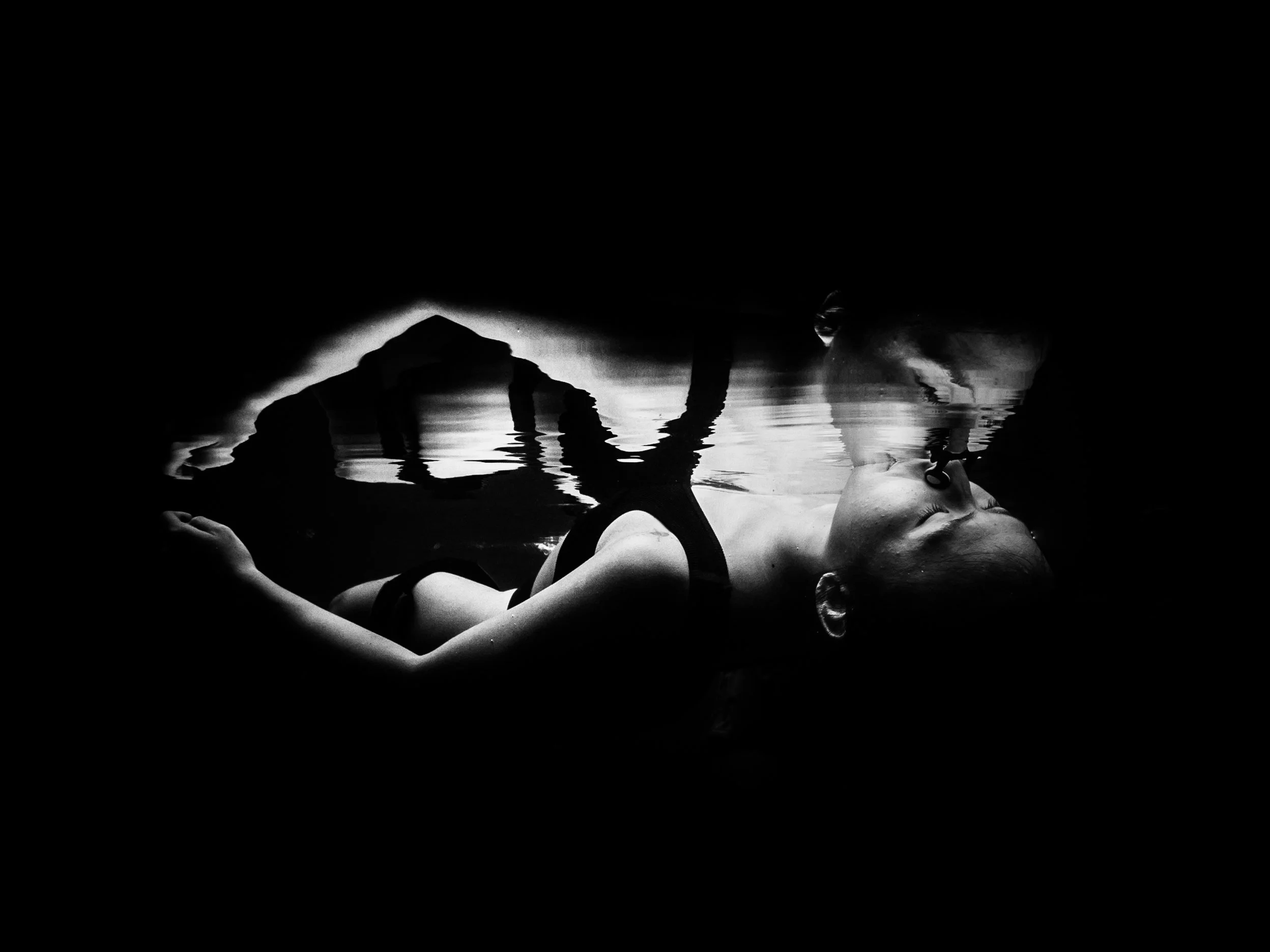
“We would describe our work as poetic, contemplative and rooted in a physical relationship with the environments in which we create. We move between photography, film, underwater imagery, movement and performance. Although these disciplines involve different approaches, they are connected by a shared interest in presence, subtle gestures and the dialogue between the body and its surroundings. Visually, we are drawn to natural light, fluid compositions, reflections, negative space and the interplay between stillness and movement. We often work underwater, where the interaction between light, water and the human body creates an environment that is constantly changing and impossible to control completely. We are not interested in technical perfection for its own sake. We value images that retain a sense of authenticity, that allow room for ambiguity and that communicate an atmosphere or feeling rather than explaining everything. Our process often involves working with the natural conditions available to us, observing how a place changes and allowing unexpected moments to become part of the work. This means that the final image is not always the one we initially imagined, but sometimes the one that emerges through our interaction with the environment. Through Carpe Diem Holistic, we also bring together artistic creation and experiential practices, including freediving, yoga, somatic movement and aquatic bodywork. These experiences inform the way we approach our subjects and the camera, encouraging a slower, more embodied way of working. We hope our images invite viewers to pause for a moment, enter a different rhythm and experience the world with greater sensitivity and a will to admire it and protect it.”
Which artists influence you most?
“Our influences extend beyond photography into cinema, performance and other forms of visual art. We are drawn to artists who create poetic, dreamlike worlds in which the boundaries between the body, nature and the imagination begin to dissolve. Barbara Cole's underwater photography resonates with our interest in water as a space for exploring emotion and the subconscious. We feel close to Rinko Kawauchi's sensitivity to natural light and seemingly ordinary moments, and the way her images reveal the extraordinary within the everyday. We are equally inspired by dance, experimental cinema and the natural world itself. Rather than following a single visual reference, we allow these different influences to meet and evolve through our own experiences. Ultimately, we seek to develop a visual language that is intimate, contemplative and open to interpretation, inviting viewers to feel their way into an image rather than simply understand it. Rather than following a fixed list of references, we prefer to remain open to encounters with different artists, disciplines and ways of seeing. We see influence as an evolving conversation that changes as our practice develops.”
What is your creative process like?
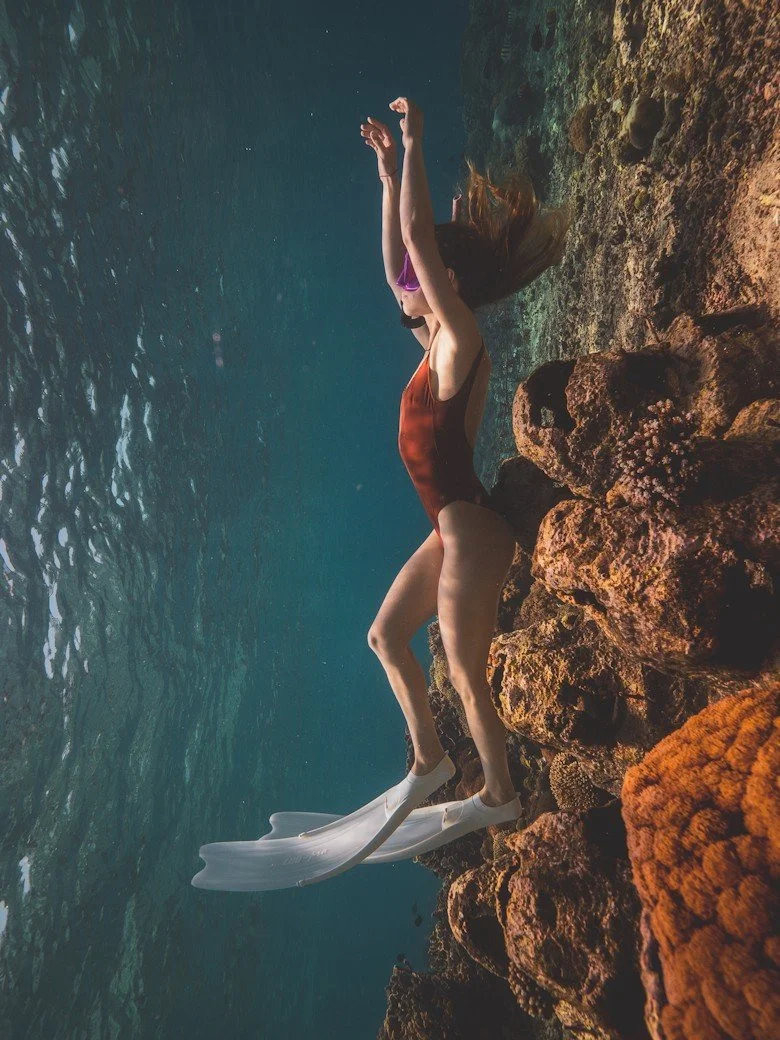
“Our creative process sometimes begins with an idea, a concept, while other times it emerges from a place we visit. We usually observe a new place we visit or spend time in for a while, so we can understand what it offers, what’s his soul, rather than imposing a preconceived image upon it. When working with people underwater, trust and communication are particularly important. We want our subjects to feel comfortable enough to move naturally and explore their own relationship with the water. Our own experience as freediving instructors shapes this process. The photographs are made on a single breath, which creates a physical and temporal framework for both the person in front of the camera and the person taking the photograph. Each immersion is brief, requiring concentration, awareness and an ability to respond to the moment. The limitations become part of the creative process. As an artistic duo, we bring different perspectives to the work. Chiara often approaches projects through movement, emotion, language and conceptual exploration, while Gastón contributes with his creative thinking, his attention to details and his audiovisual techniques. These roles are not fixed, and our ideas frequently overlap. We discuss, experiment and challenge each other's perspectives. After shooting, the process continues through editing and selection. We look for images that belong together emotionally and conceptually: images that speak to us. We are interested in the relationships between images and in how a sequence can create a narrative that is greater than the sum of its parts. For us, creating is an ongoing dialogue between intention and uncertainty. We prepare carefully, but we also leave space for the unexpected.”
What is an artist’s role in society and how do you see that evolving?
“We believe artists can create spaces in which people see familiar things differently, or in which they can cultivate a sense of wonder. In a world increasingly shaped by speed, constant stimulation and the rapid consumption of images, we feel that creating work that encourages people to slow down and pay attention is particularly meaningful. Photography can easily become another image to scroll past, but it can also invite a different kind of engagement: one that allows time for observation, emotion and reflection. For us, this is especially relevant to the relationship between humans and nature. We are surrounded by images of beautiful landscapes and extraordinary wildlife, yet seeing something does not necessarily mean feeling connected to it. We hope our work can contribute to a deeper sense of connection, encouraging viewers to recognise that the natural world is not separate from us and that our actions have consequences within it. We also see the artist's role as one of listening and collaboration. Working with people, communities and environments requires sensitivity to the stories being told and to the impact of the creative process itself. This is particularly important when working in fragile ecosystems or in places where local knowledge and cultural contexts should be respected. As visual culture evolves through digital platforms and emerging technologies, artists face both opportunities and challenges. Images can reach audiences across geographical boundaries, but their abundance can also make sustained attention more difficult. We believe that intention, authenticity and a clear relationship with the subject will remain essential. Ultimately, we do not think art needs to change the world through grand gestures. It can begin by changing the way one person looks at something, feels something or relates to the world around them. That, in itself, can be meaningful and even salvific.”
Have you had any noteworthy exhibitions you'd like to share?
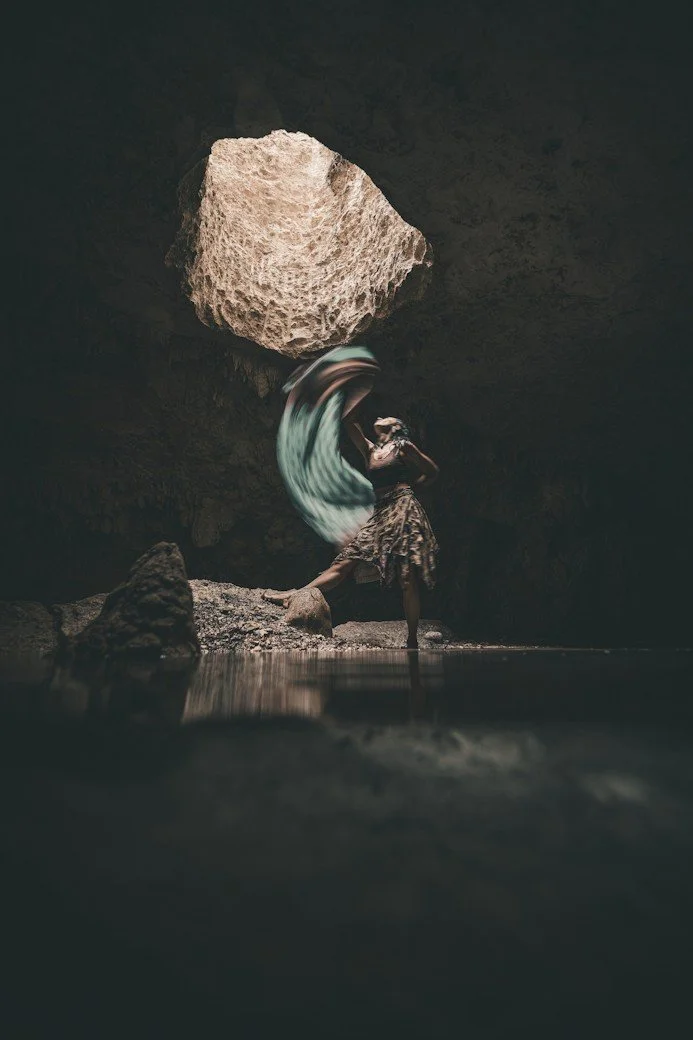
“Throughout our journey, we have developed projects that bring together photography, visual storytelling, performance, environmental awareness and community engagement. Four of the latest milestones in our practice have been our itinerant exhibitions Reflections (2023) and Connections (2024), our participation in the collective exhibition Terra. Atto I (2025), and our audiovisual project La Espera de la Sirena (2026).
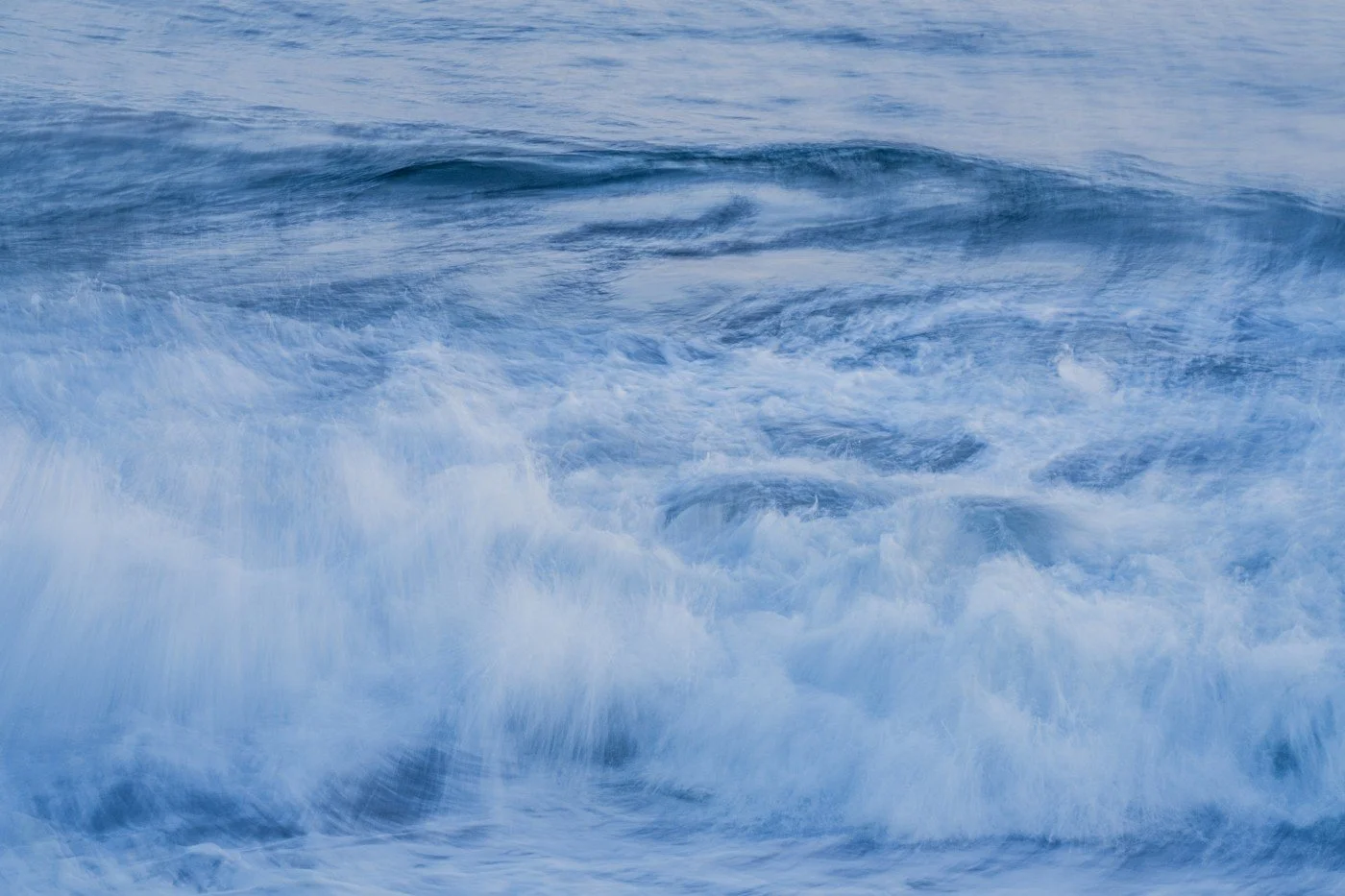
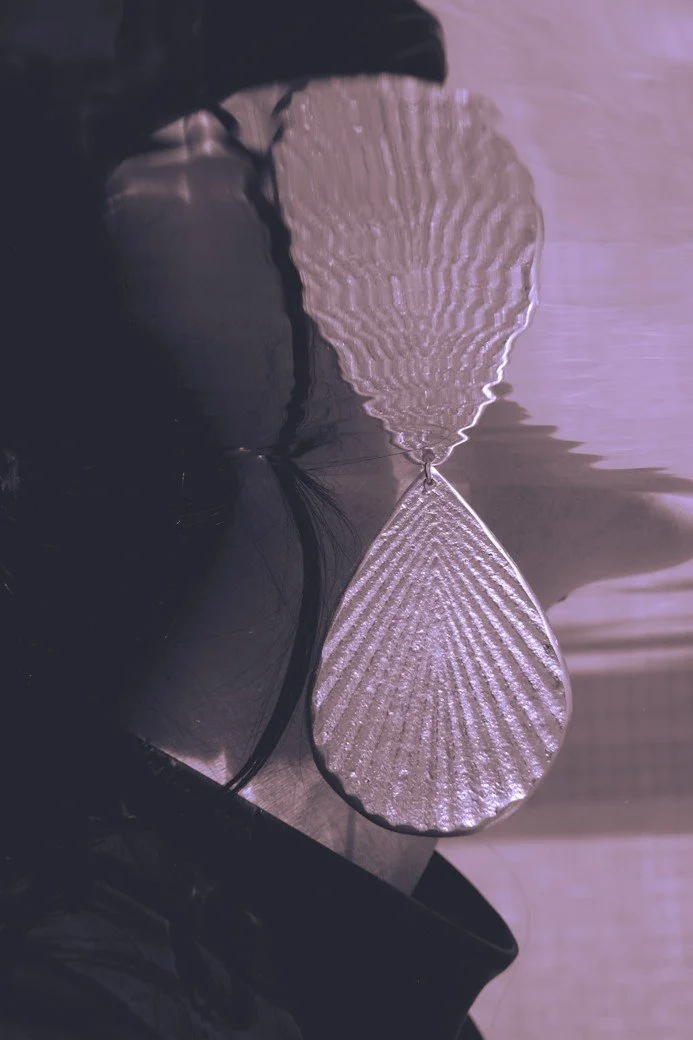
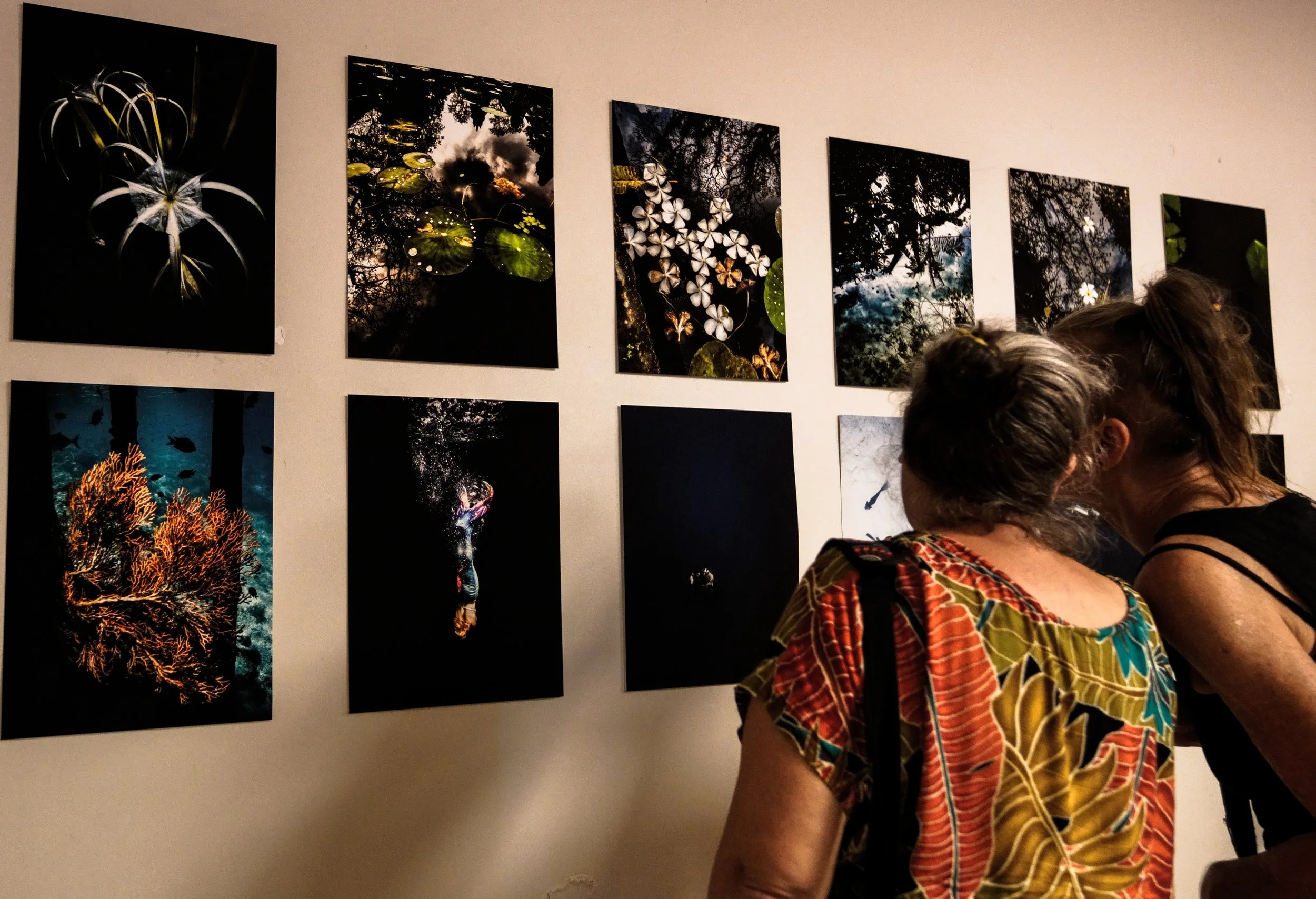
Reflections (2023). Reflections is a nomadic photographic exhibition presented in Australia and Indonesia. Conceived as a visual journey, it invites viewers into a deeper sensory and contemplative experience. The title plays on the dual meaning of reflections: images mirrored on the surface of water, and the thoughts and questions that emerge when we look beyond appearances. Through photographs of water and related environments, the exhibition explores the layered nature of our realities: what is immediately visible and what lies beneath. The stillness of the water surface in this series creates a thread connecting the images, evoking the water as both an ecological and a spiritual space, deeply intertwined with human emotions, aspirations and needs. Our intention was to encourage viewers to slow down, look more attentively and find space for their own interpretations.
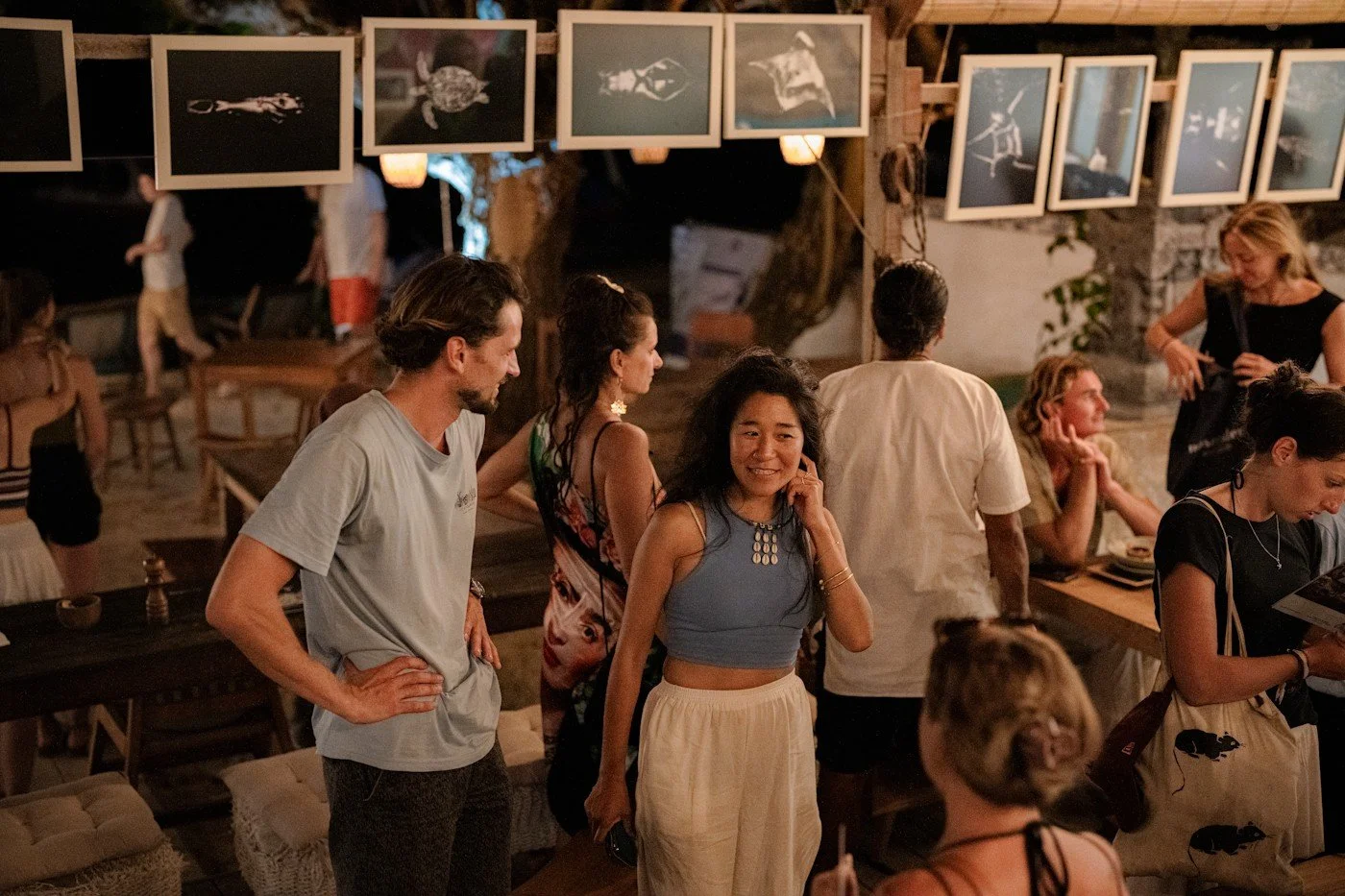
Connections (2024). Exhibited across Bali and neighbouring Indonesian islands, Connections expanded our practice by bringing photography into dialogue with science, conservation and local communities. Inspired by the concept of interconnection, the project explores the relationships between people and nature, different species, ecosystems, and the individuals and organisations working to protect them. Set within the Coral Triangle, one of the world's most biodiverse marine regions, the exhibition was accompanied by events developed in collaboration with local artists, researchers and environmental organisations. Through a combination of art, science and public engagement, these gatherings aimed to create accessible and stimulating experiences that encouraged people to learn about marine ecosystems and their conservation. The events also included fundraising initiatives supporting local NGOs and coral restoration groups. For us, Connections demonstrated how art can become a meeting point, bringing people together around shared concerns and translating environmental issues into experiences that are both meaningful and engaging.
Terra. Atto I (2025). In 2025, three of our selected photographic prints were included in Terra. Atto I, a collective exhibition in Italy dedicated to the relationship between humans and nature. The works formed part of our photographic project Non c'è un'altra Terra (There Is No Other Earth), which explores a return to the essential elements that sustain us: water, earth, air and time. Through our images, we sought to evoke a sense of belonging to the natural world and invite viewers to reconsider their relationship with the planet. The project is an invitation to look more slowly, reconnect with our surroundings and recognise the fragile beauty of the world we inhabit.
La Espera de la Sirena — The Mermaid's Wait (2026). La Espera de la Sirena is a site-specific audiovisual project created in Patagonia, Argentina, in collaboration with local artists Lux Kodama (Joel Scott Hume and Román Gomes) and Cuquex (Facundo Vázquez). Combining underwater freediving imagery, projections onto a stranded ship, experimental visuals, and live music, the work explores memory, territory, and transformation through the poetic figure of a mermaid embodying the soul of the vessel. The project transforms an overlooked industrial landscape into an immersive artistic experience.
Together, these four projects reflect the different dimensions of our practice, from contemplative photographic exhibitions to collaborative environmental initiatives and performative storytelling. Although each takes a different form, they share a common intention: to create images and experiences that extend beyond aesthetics, opening spaces for reflection, dialogue and connection. We hope our work can encourage a more attentive relationship with the natural world and with one another.”
Website: www.carpediemholistic.com
Instagram: @carpediem_holistic
Brush Bio: brush.bio/carpediemholistic
Other links: www.youtube.com/@CarpeDiemHolistic