Interview
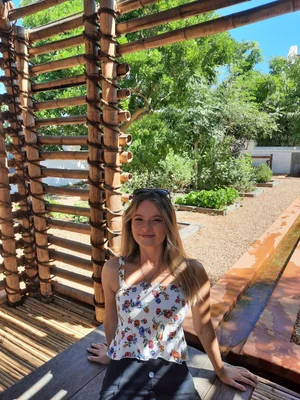
Caroline Pontoppidan Vest
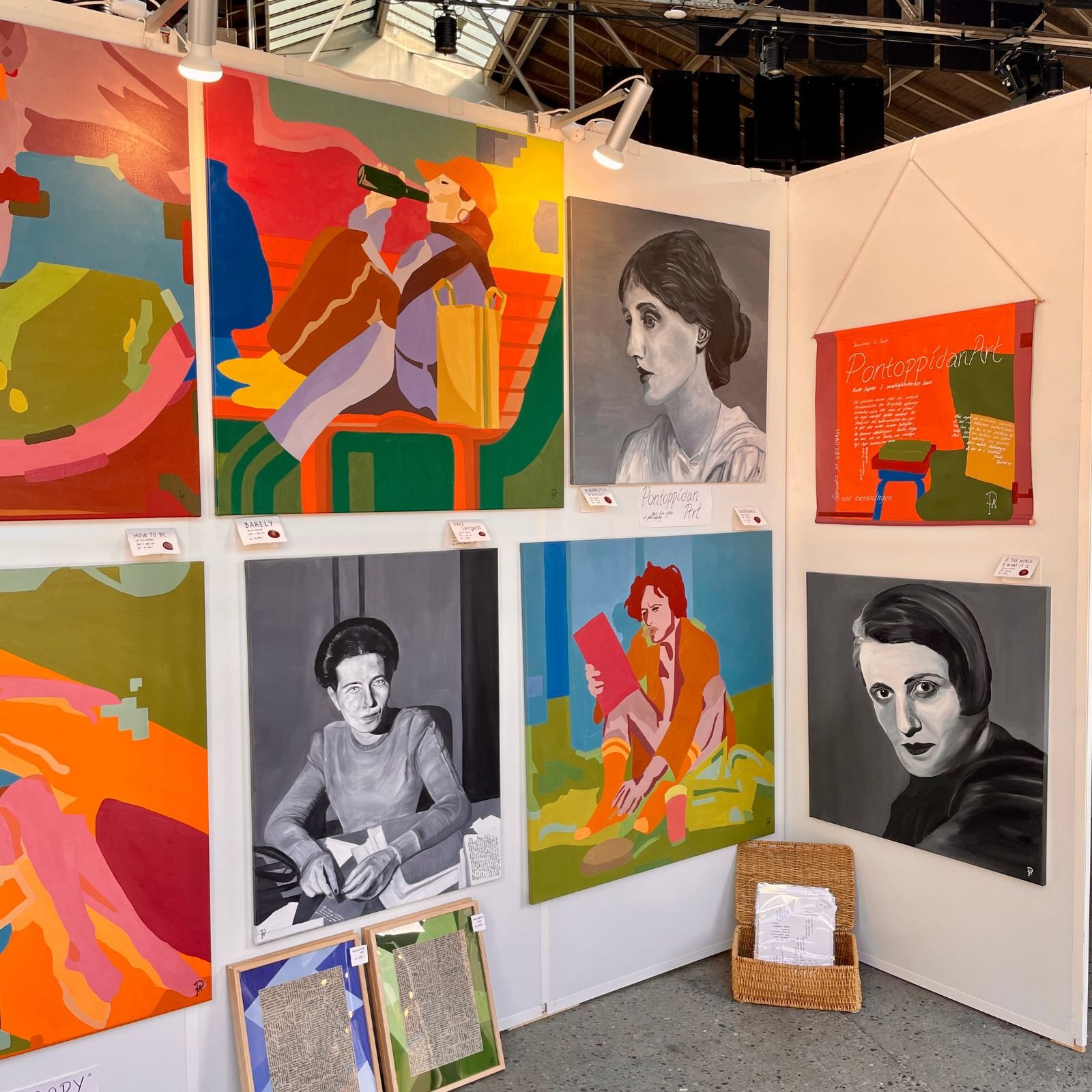
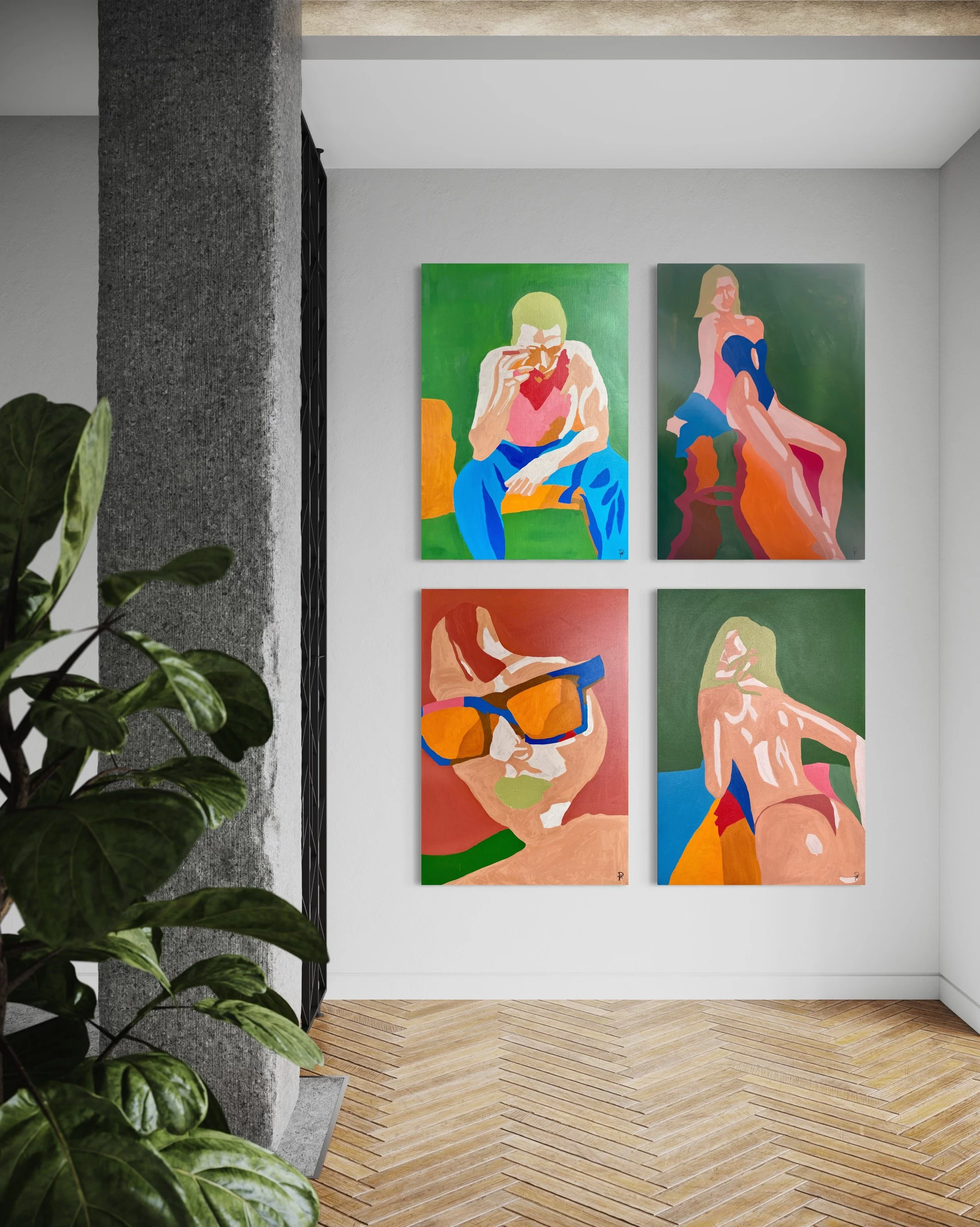
Caroline Pontoppidan Vest is the Danish artist and philosopher behind Pontoppidan Art – ‘Art that thinks – challenging thought, protecting the mind.’ Rooted in a Master’s degree in Educational Philosophy and a lifelong passion for painting, her work stands out by fusing profound philosophical depth with a commitment to ethical and sustainable production. The brand’s core mission is to create mental breathing spaces - not freed from thinking, but rooted in it - in a fast-paced world. Pontoppidan Art’s body of work, which includes Figurative Abstraction, Thoughtful Portraits, and Philosophical Poetry, is a direct result of Pontoppidan’s personal journey of seeking solace and rootedness in philosophy.

What is your background and how did you start your journey in the art world?
“My work is defined as Pontoppidan Art, with the motto: ‘Art that thinks: challenging thought, protecting the mind.’ My journey is deeply rooted in a search for solace and grounding through philosophy. This search began following personal experiences of rootlessness and contrasts since I was a teenager, and later, witnessing severe distress and neglect among children and youth. As I’ve been creating paintings since childhood, art naturally became the medium to process, interpret, and express this philosophical exploration. My brand’s unique positioning comes from fusing this profound philosophical depth (backed by a Master’s degree in Educational Philosophy) with an ethical, sustainable practice. The aim is always to create ‘mental breathing spaces’ in an overstimulated world.”
What does your work aim to say? Does it comment on any current social or political issues?
“My work primarily aims to interpret and communicate life as it is lived amidst the chaos of possibilities and impossibilities. The ultimate goal, and what the work aims to say, is that ‘Art protects the mind.’ I strive to create a visual and mental breathing space – offering thoughtful art in an overstimulated complex world. While the art is not overtly partisan, the thought behind my art is political, rooted in the conviction that we need to integrate more philosophy into general education. The work absolutely comments on pressing social issues like mental well-being, the critical need for reflection as well as the meaning behind it, and employee burnout. It does this by being anchored in profound philosophical research and reflection (drawing inspiration from thinkers like Simone Weil and Hannah Arendt). It challenges the viewer to think deeper and prioritizes intellectual and ethical value over simple decoration.”
Do you plan your work in advance, or is it improvisation?
“My creative process is a deliberate balance between philosophical research and spontaneous expression. Every piece is deeply anchored in research and reflection – drawing from heavy philosophy and my own existential thoughts. This foundational work is crucial; it ensures the art challenges thought rather than serving as mere decoration. While the overall concept is meticulously planned, the final visual expression – often in a style of figurative abstraction or portrayed serenity – allows for the spontaneity and improvisation needed to translate profound theory into a tangible, unique artwork. Sometimes, the expression is simply my immediate interpretation of the world as I see it, often inspired by a photograph whose expression, composition, or colors resonate with me.”
Are there any art world trends are you following?
“I am closely following two main trends: conscious consumption and corporate social responsibility (CSR). The growing corporate focus on Employee Wellbeing and ESG is crucial, and I strive to align my unique positioning – fusing philosophical depth, mental wellness, and sustainable production – with these values. I also follow the trend of making art more accessible and scalable through digital channels and Limited Editions, as I aim to ensure my art is not a question of budget for a wider audience. This informs my next focus on developing online sales channels and strategic partnerships with platforms such as Saatchi Art and Artsy.”
What process, materials and techniques do you use to create your artwork?
“I primarily work with high-quality oil paint on linen canvas and finest quality pen on paper, to ensure the durability and investment value of the original pieces. My techniques involve Figurative Abstraction, Philosophical Poetry, and Thoughtful Portraits, all rooted in an existential style. A key focus is sustainability: I attempt to produce all works ethically by exploring natural pigments and using recycled or handmade paper for my Philosophical Poetry series. I have also committed to phasing out 100% of all toxic solvents from my studio practice to strengthen my environmental footprint.”
What does your art mean to you?
“My art is a philosophical necessity and a personal anchor to me. It is a reflection of human nature: a nature that makes mistakes and takes chances, a nature that mixes colours and knows very little about straight lines. The artworks express art and philosophy as the essence of existence – the understanding, the confusion, and the eternal driving force. It is the chaos of possibilities and the enlightenment of the choices I make, the truth I know, and the freedom I use. It is the language through which I process, interpret, and express profound philosophy and life's existential realities. Since seeking peace and rootedness in philosophy after personal turmoil, my work has become a shield: a way to challenge thought and, crucially, to protect the mind. The art is an authentic, continuous search for meaning and serenity, translating complex human experience into tangible mental breathing spaces.”
What’s your favourite artwork and why?
“I have a deep connection to the works within my Philosophical Poetry series, particularly those created on high-quality, handmade paper. These pieces best encapsulate the core of Pontoppidan Art as they are a direct fusion of deep existential writing (philosophy) and fine art. They are highly personal, intensely researched, and simultaneously represent my commitment to using sustainable materials. Within this series, I also allow for my own immediacy and momentary mood to exist, setting no demands on myself. They offer the purest, most concentrated mental breathing space by demanding focused reflection on both the words and the abstract visual expression.”