Interview
Bernard Sigal
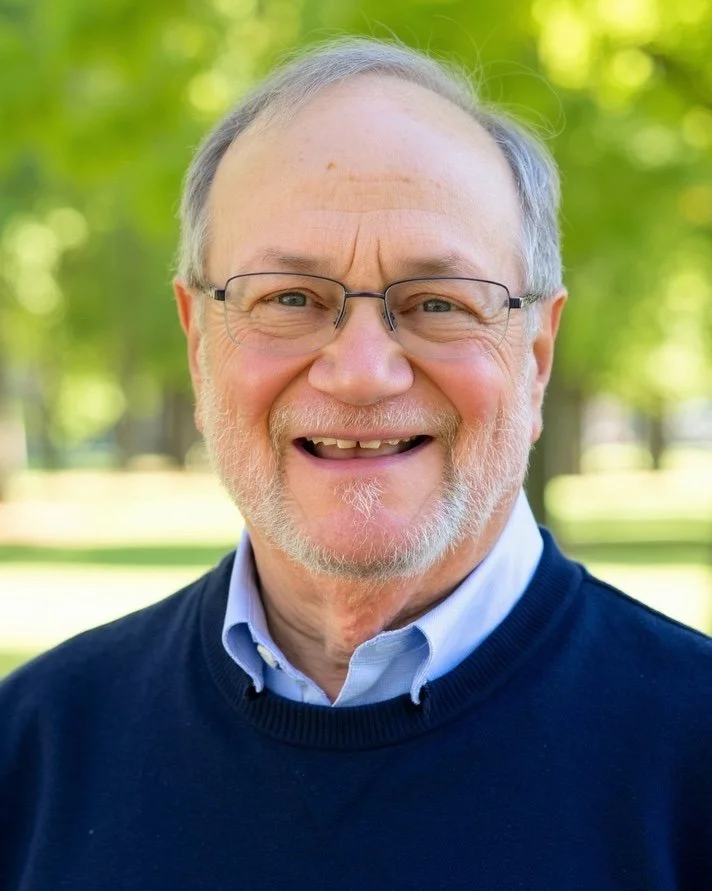
Bernard brings more than five decades of entrepreneurial and creative experience to his work as an architectural and landscape photographer. Combining a lifelong curiosity about built environments with a practiced eye for composition, he captures spaces that reveal both form and atmosphere. His background in entrepreneurship informs a disciplined approach to projects—balancing client needs, logistical planning, and an attention to detail—while his creative instincts guide the framing, light, and mood of each image. Over the years he has developed a versatile visual language that adapts to modern architecture, historic structures, and diverse landscapes. Whether documenting an urban façade, an interior renovation, or an expansive natural setting, he seeks images that communicate the relationship between people, place, and design.
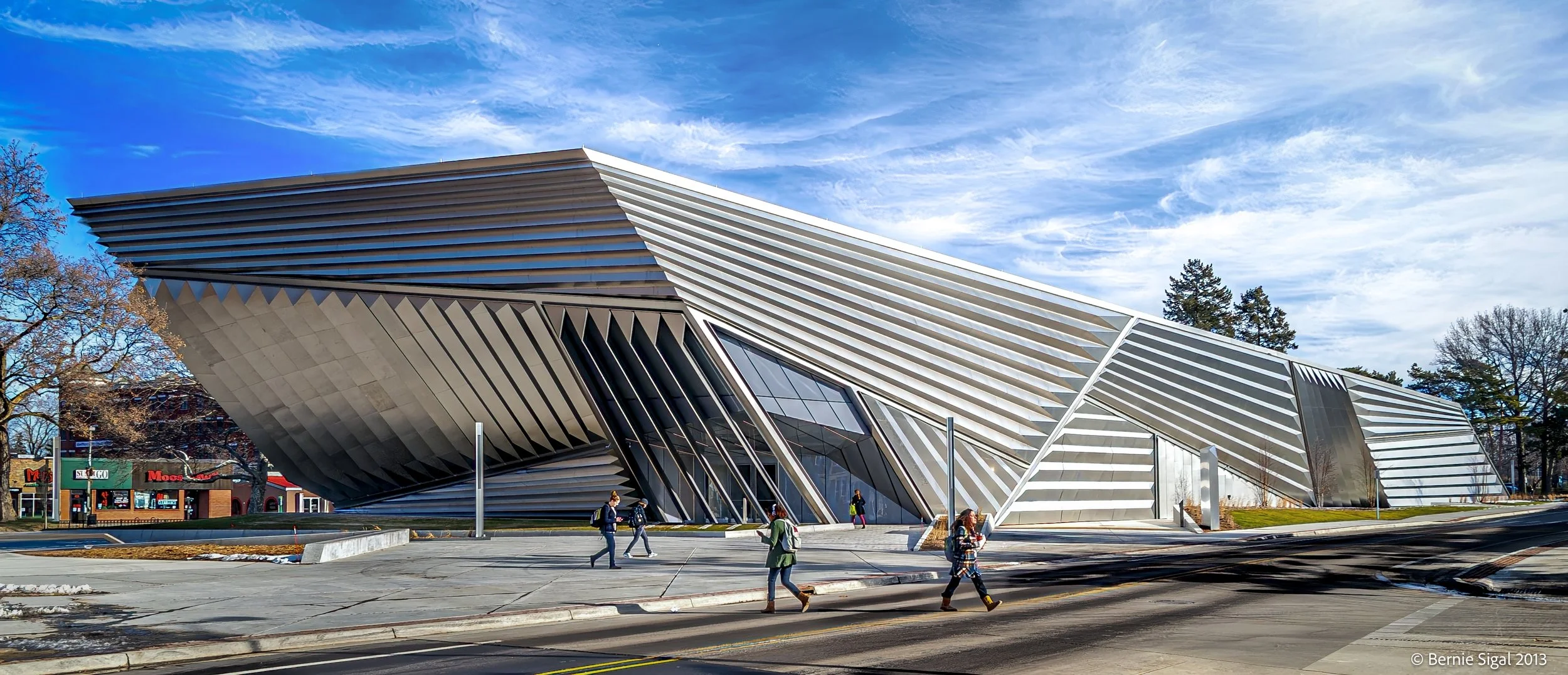
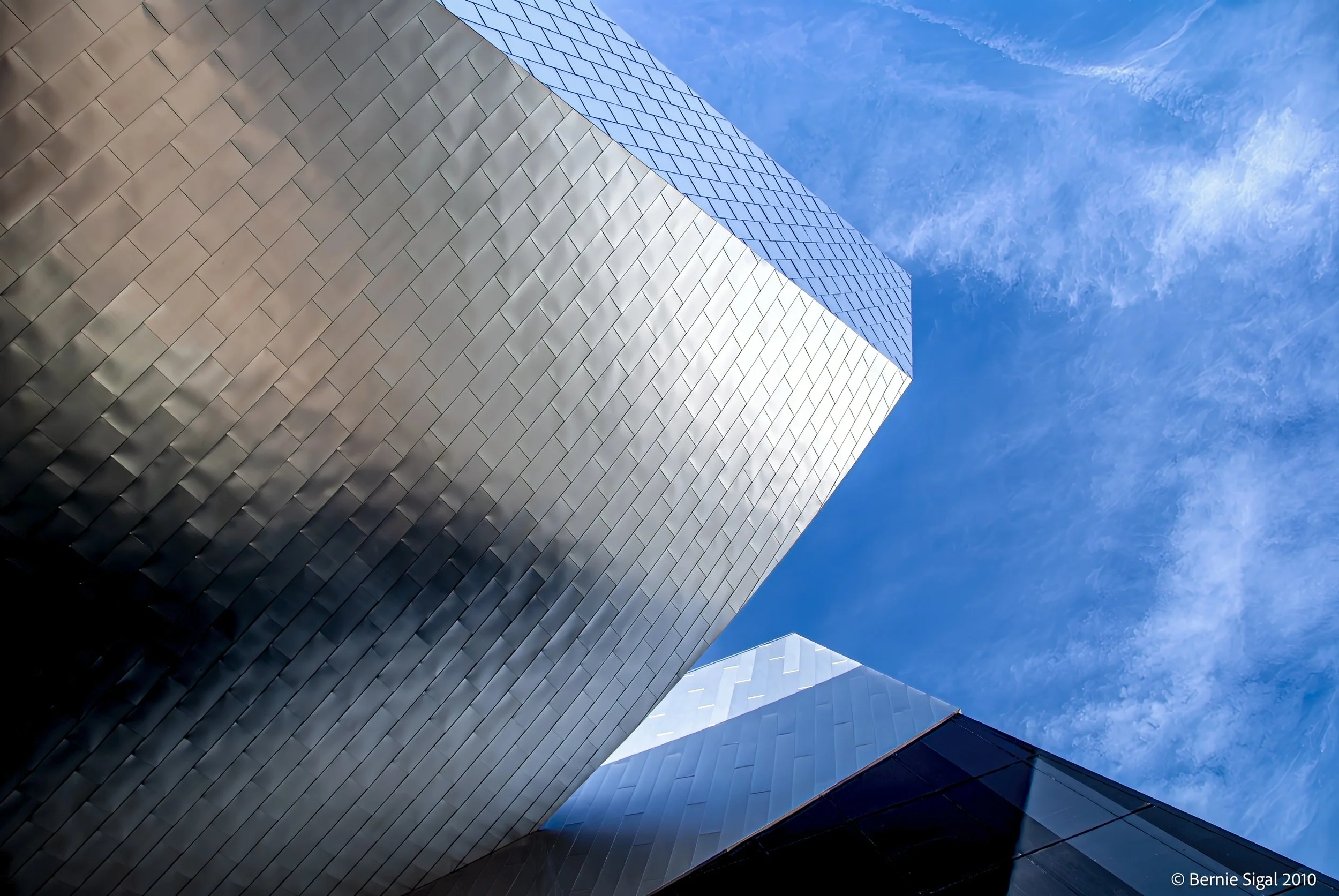
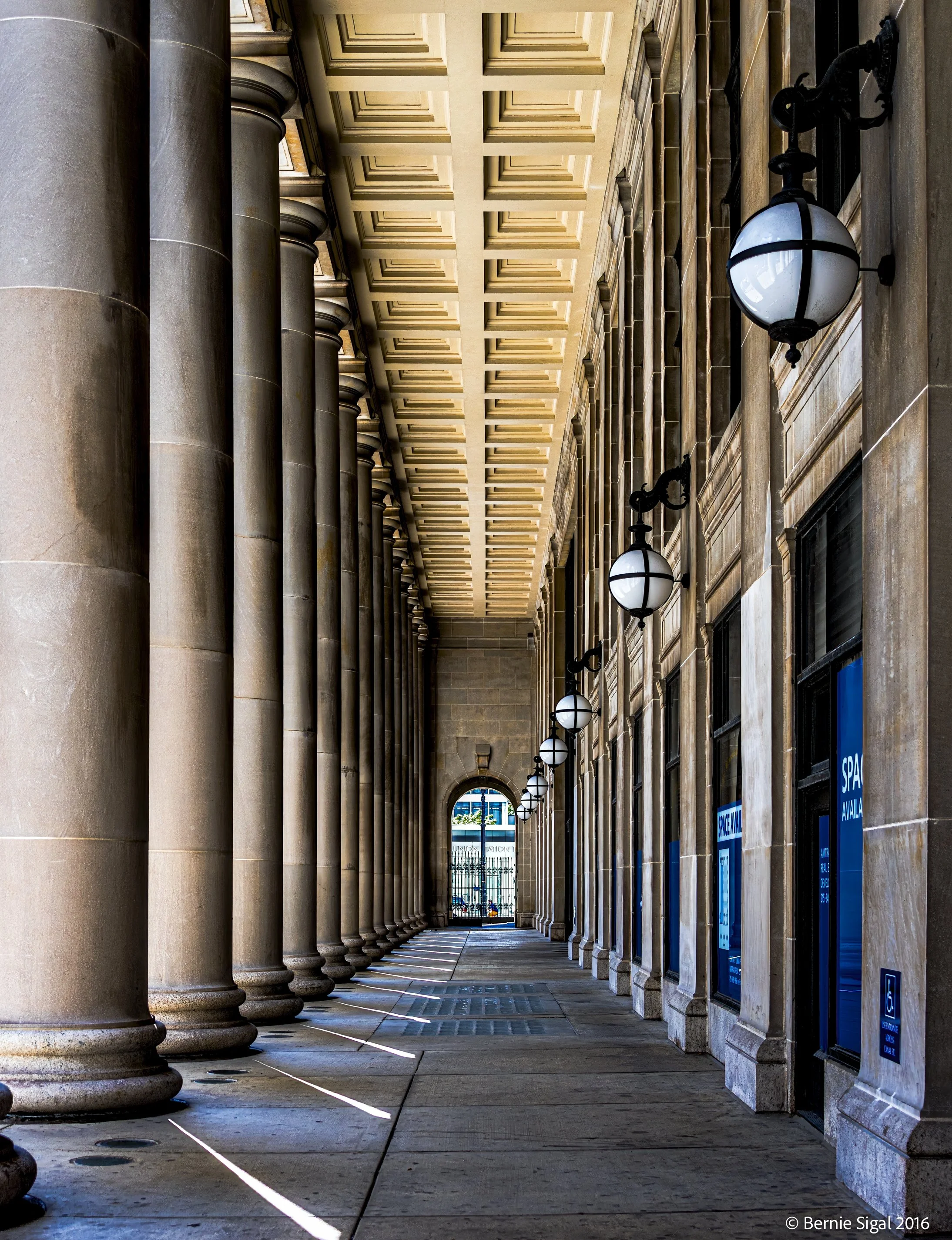
Bernard’s photographs emphasize texture, scale, and the interplay of light and shadow, producing work that is at once precise and evocative. Drawing on extensive experience working with architects, designers, and developers, he understands how to translate design intent into compelling imagery useful for portfolios, publications, and marketing. He approaches each assignment as a collaboration, listening carefully to clients’ objectives and tailoring his methods to suit the project’s needs—from scouting and conceptual planning to post-production. With a commitment to craftsmanship and visual storytelling, he continues to evolve his practice, exploring new techniques and technologies while honoring the fundamentals of composition and light that have guided his work for decades. Bernard’s photographs serve as careful studies of space, inviting viewers to see familiar surroundings in a renewed, thoughtfully observed way.
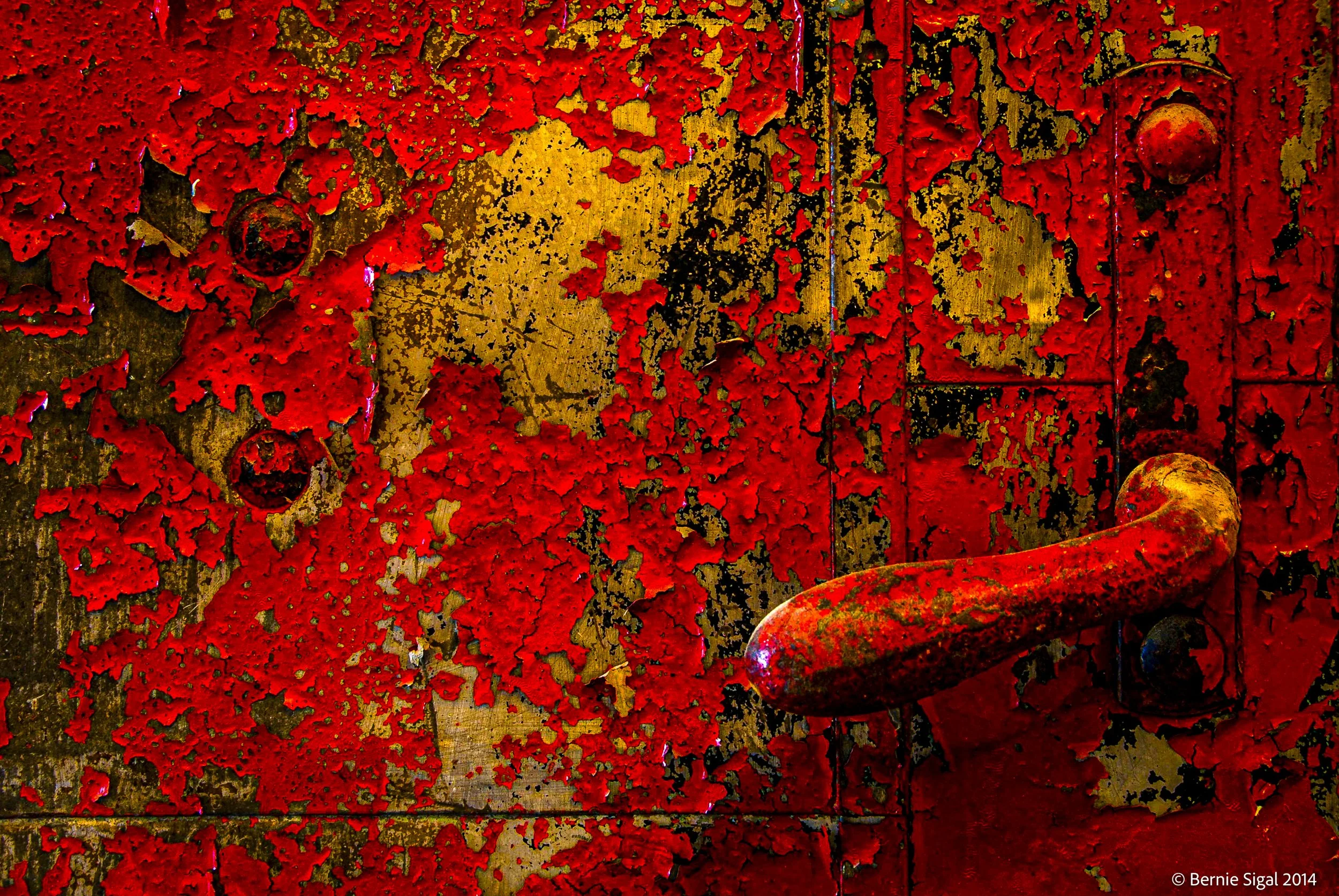
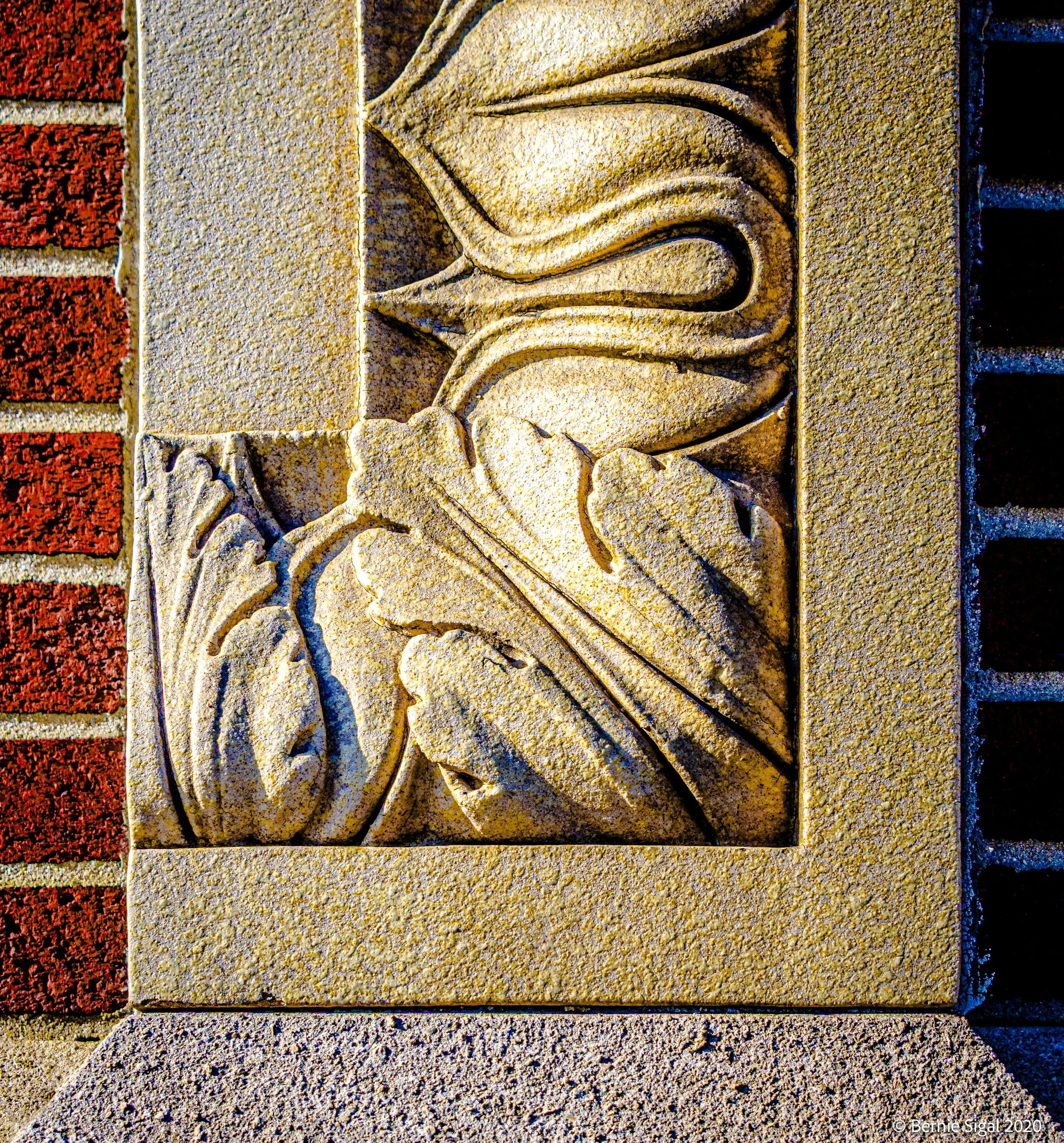
From intricate mosaics and stained glass to weathered textures, carved cornices, and expressive brickwork, he began transforming these details into compelling visual studies. That perspective continues to shape his work, blending documentation with artistry. A central focus of his photography is the adaptive reuse of historic buildings and the integration of new construction within historic districts. He is especially drawn to projects that breathe new life into existing structures—converting industrial spaces into residences, reimagining factories as offices, or revitalizing aging buildings. His imagery not only documents these transformations but also enhances them, adding depth, narrative, and visual value.
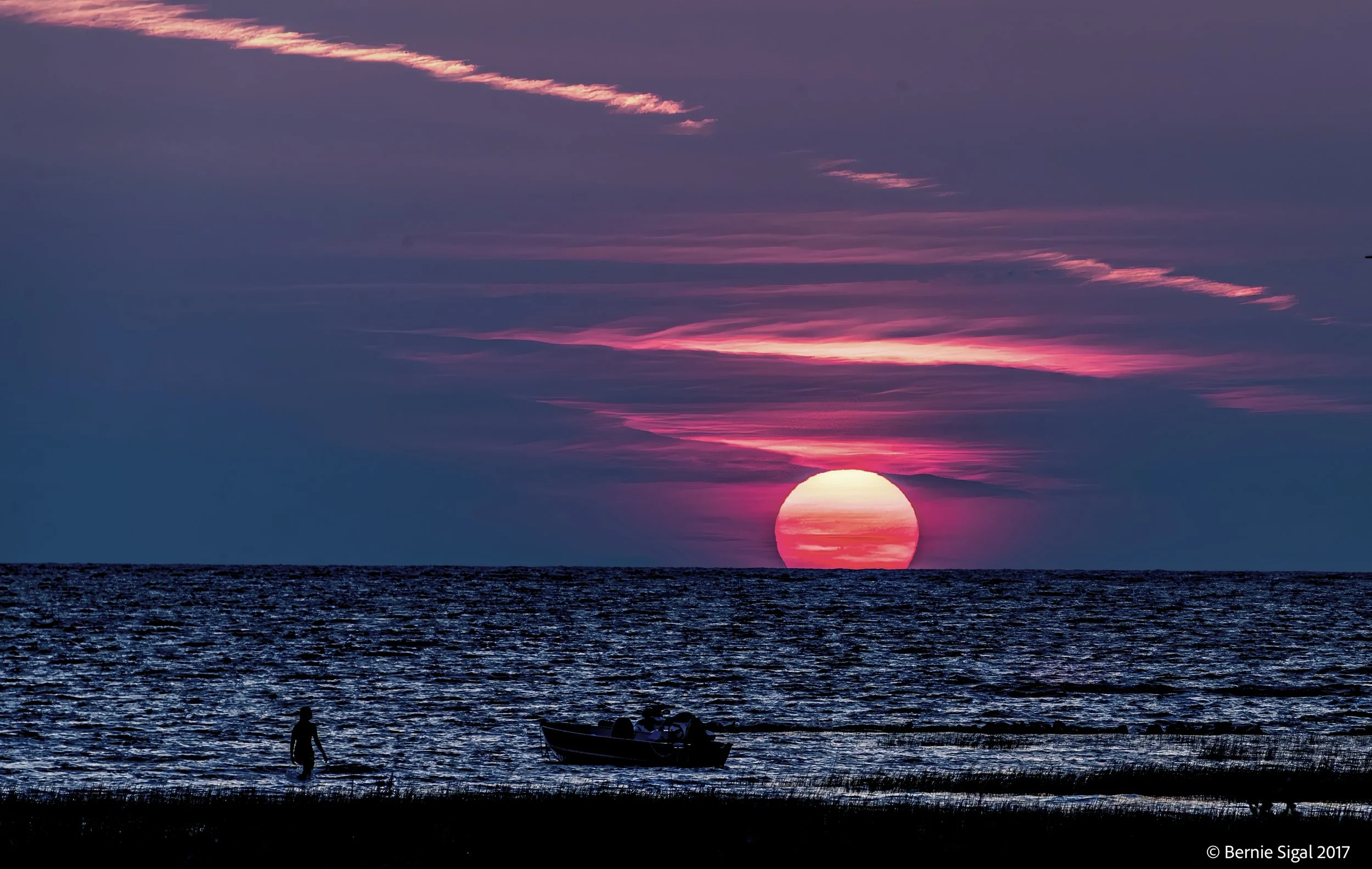
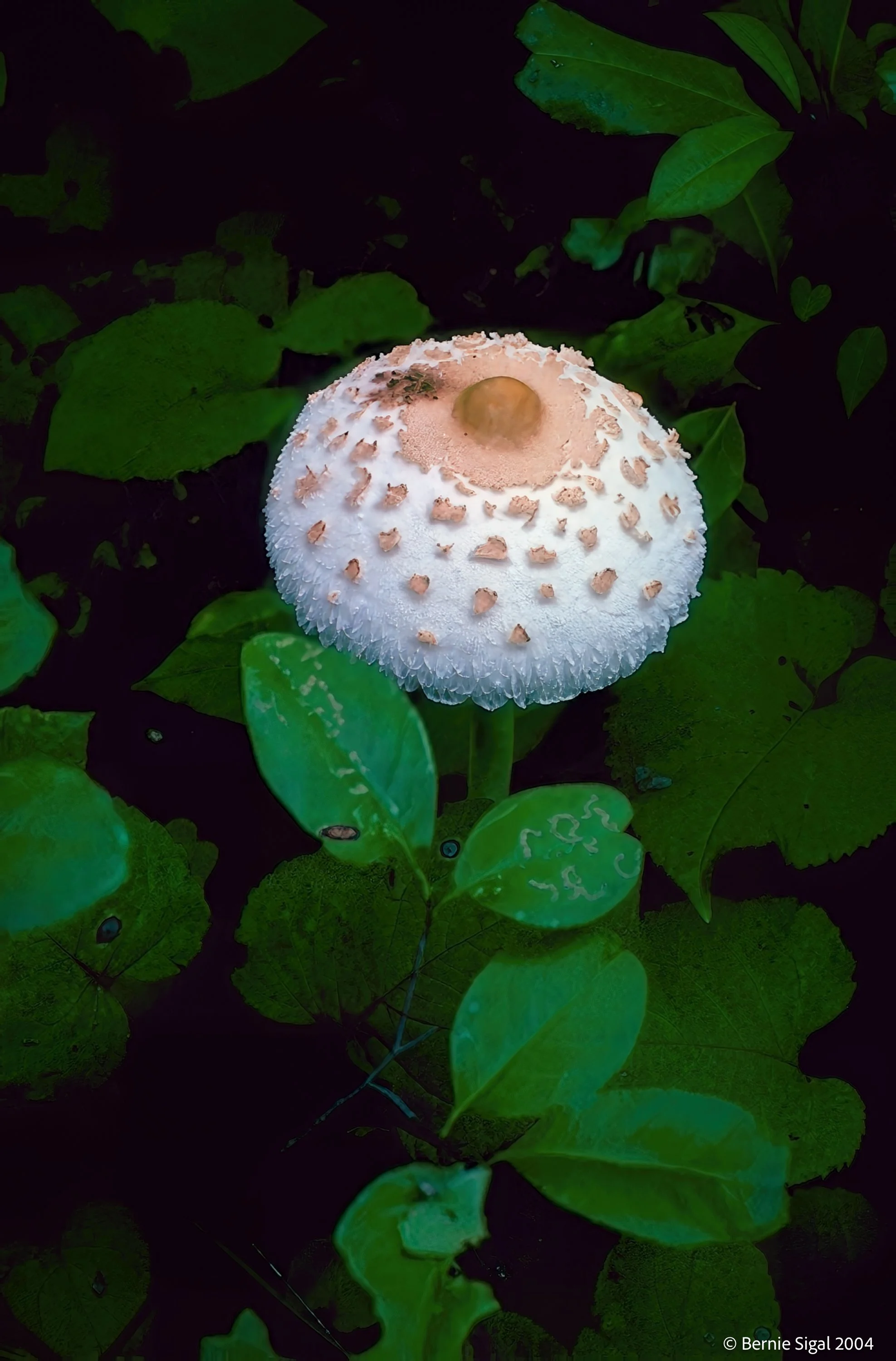
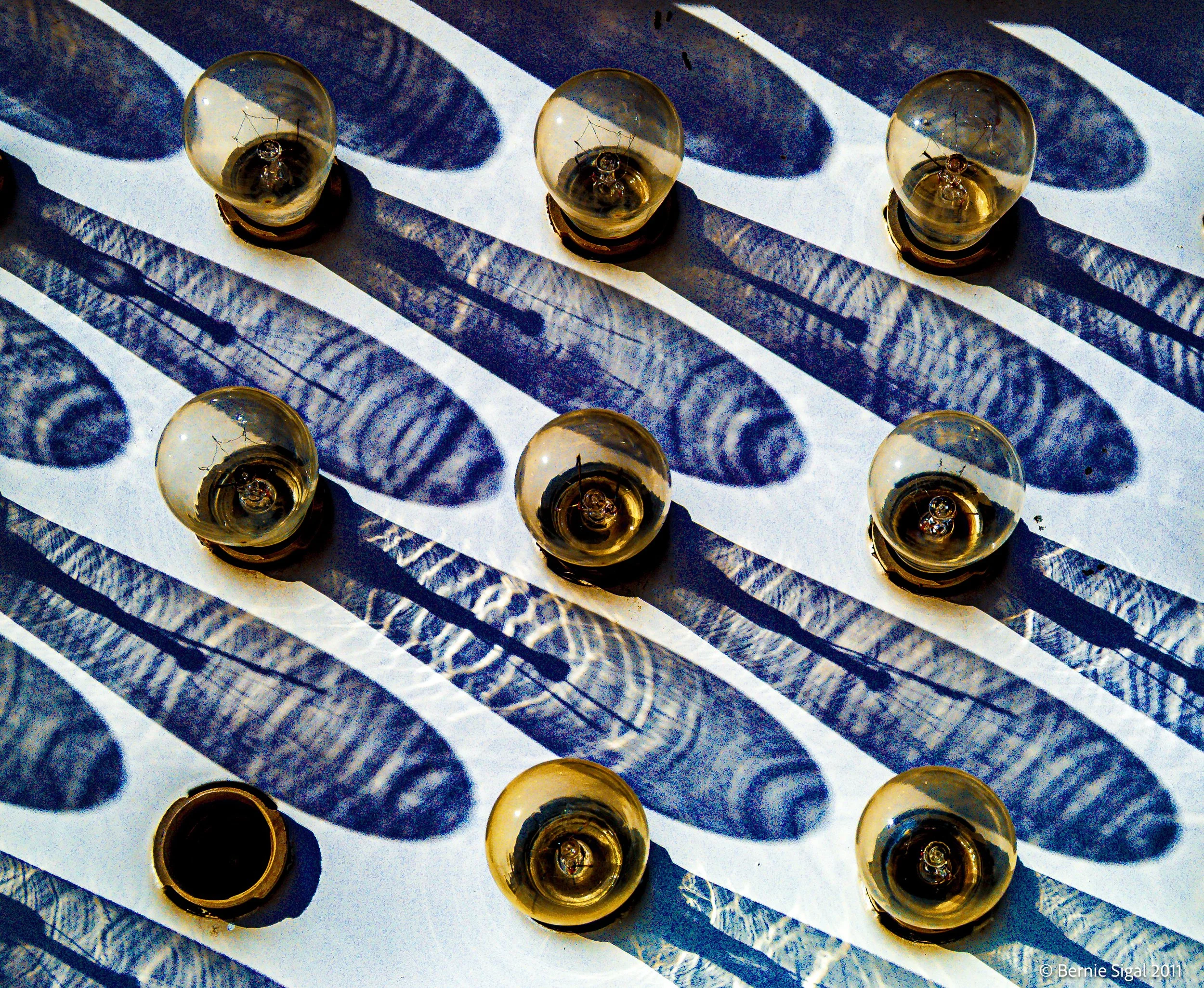
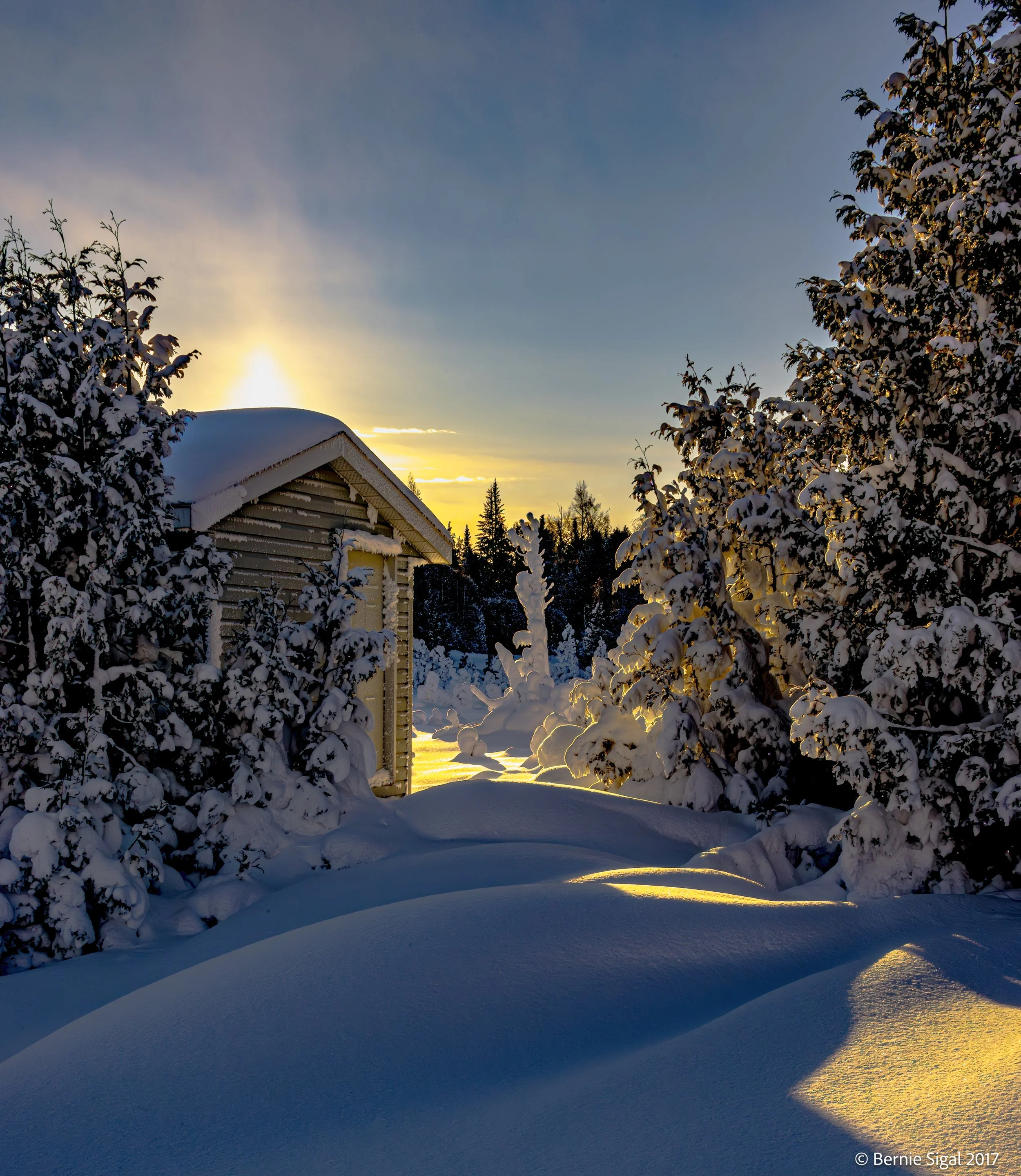
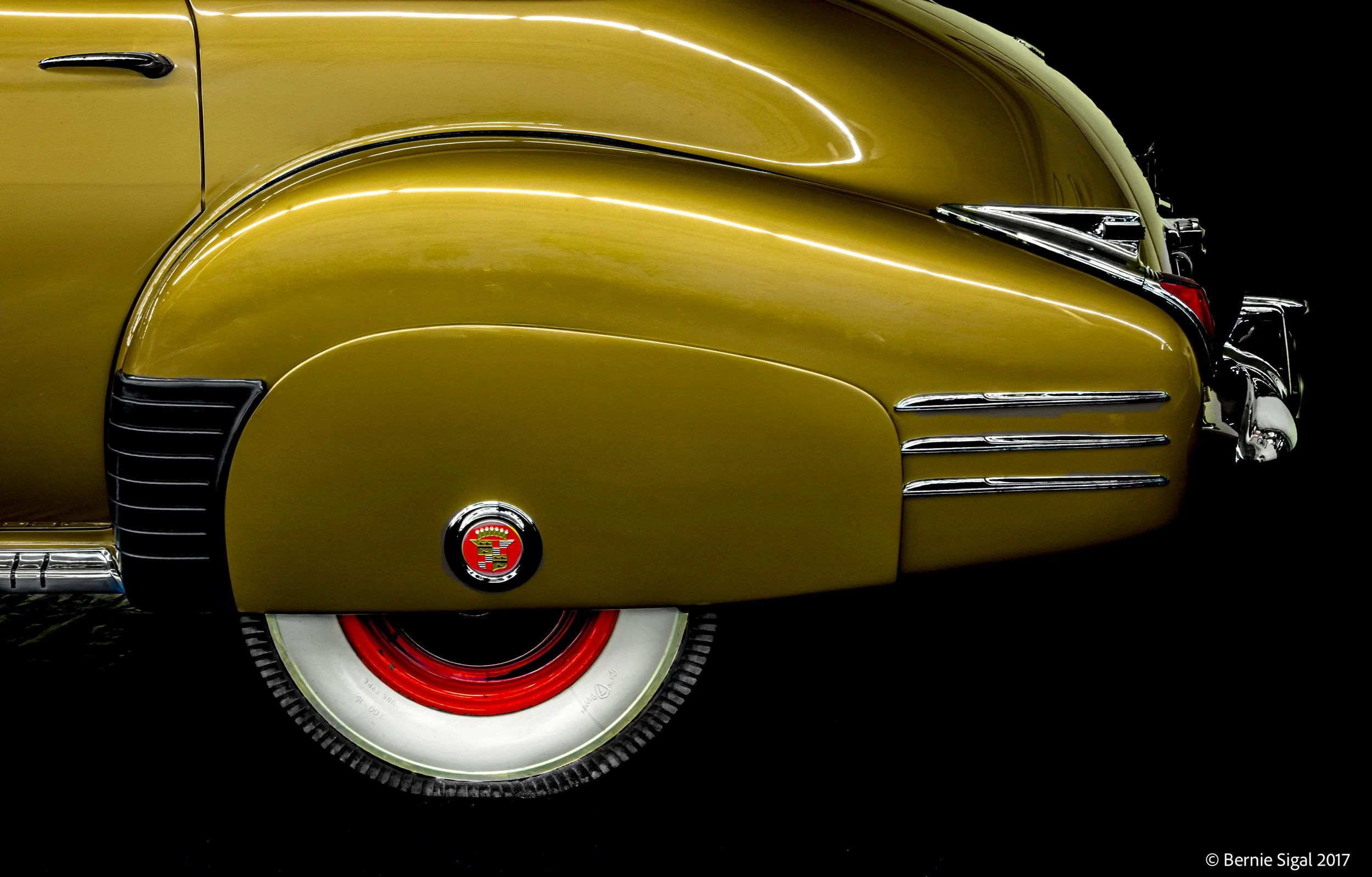
Beyond architecture, he explores a wide range of photographic subjects, including landscapes, automobiles, trains, aircraft, and the natural world—from flowers and plant life to snow, ice, and abstract compositions he describes as “far out.” On the Bruce Peninsula in Canada, he is continually inspired by the striking landscapes and historic architecture, capturing the quiet beauty and rugged character of the environment.
Now in semi-retirement, he remains actively engaged in photography, focusing on personal work and select projects while enjoying more time with family. His work continues to reflect a lifelong dedication to craft, curiosity, and the art of seeing.
What is your background and how did you start your journey in the art world?
“I bring more than five decades of entrepreneurial and creative experience to my work as an architectural and landscape photographer. Based in Columbus, Ohio, I have photographed throughout the United States and Canada. I also founded and lead photographic and digital printing companies that worked with architects, publications, interior designers, real estate developers, and other commercial clients. My journey began in the early 1970s at The Ohio State University, where I initially studied architecture. After three years, I realized my passion wasn't designing buildings—it was photographing them. That decision allowed me to combine my appreciation for architecture with artistic expression, a direction that continues to shape my work today.”
What inspires you?
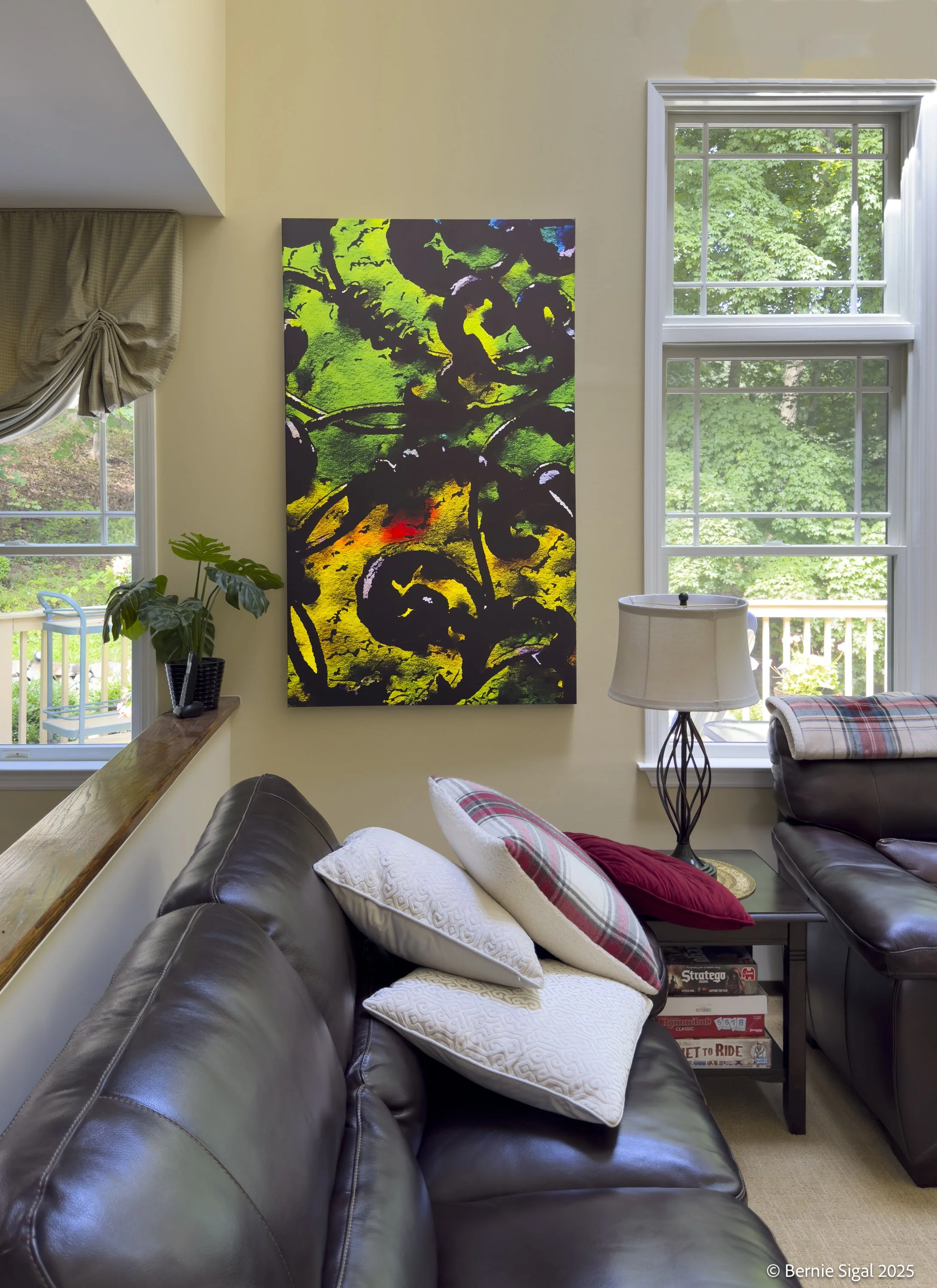
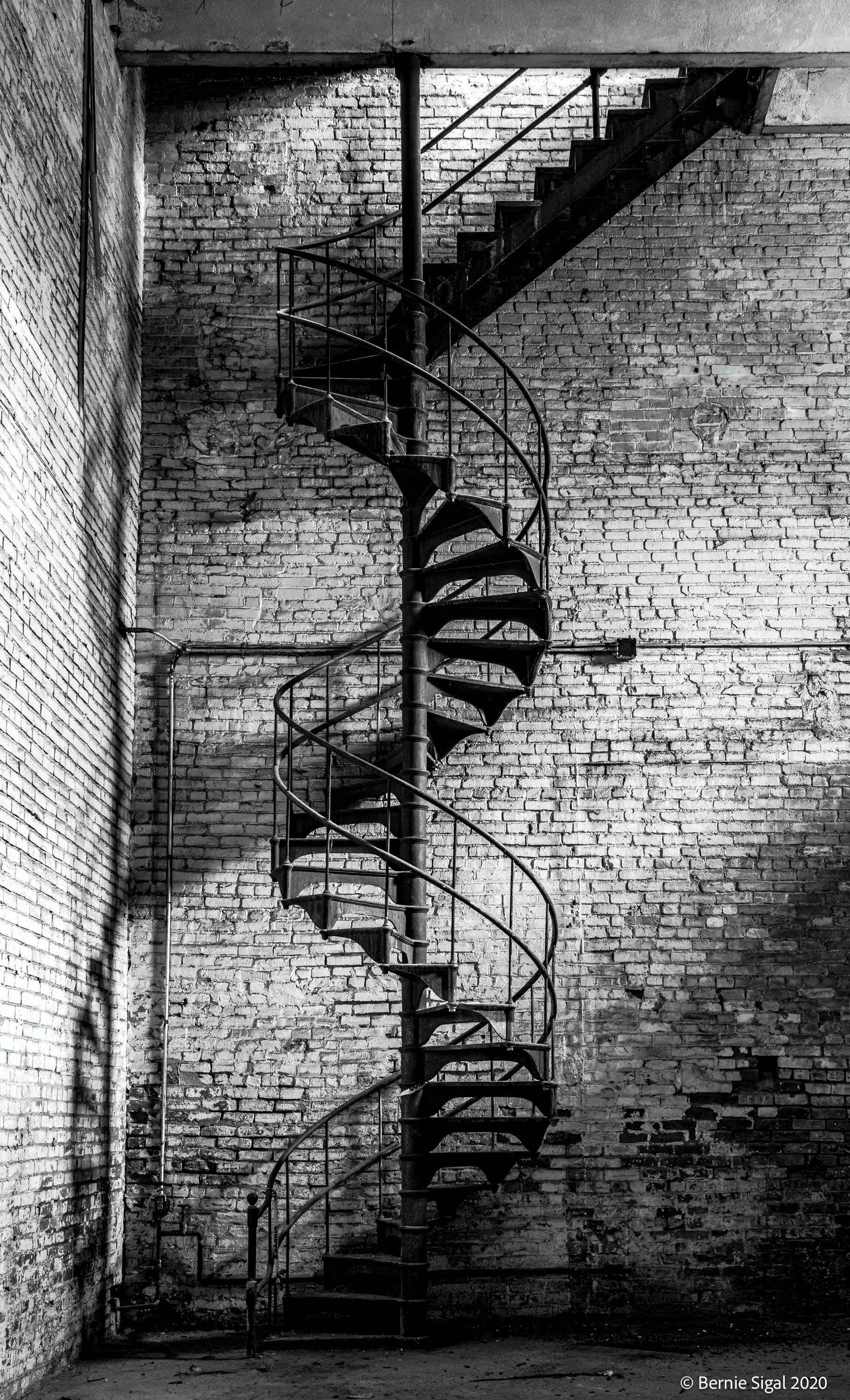
“Historic architecture inspires me most. I am drawn to the craftsmanship, artistry, and character found in both monumental buildings and the details that many people overlook—from carved stone and stained glass to weathered textures and decorative ironwork. My goal is to transform these often-unnoticed elements into fine art that celebrates the history and craftsmanship of the built environment while encouraging viewers to slow down and look more closely. History often lives in the details.”
What themes do you pursue? Is there an underlying message in your work?
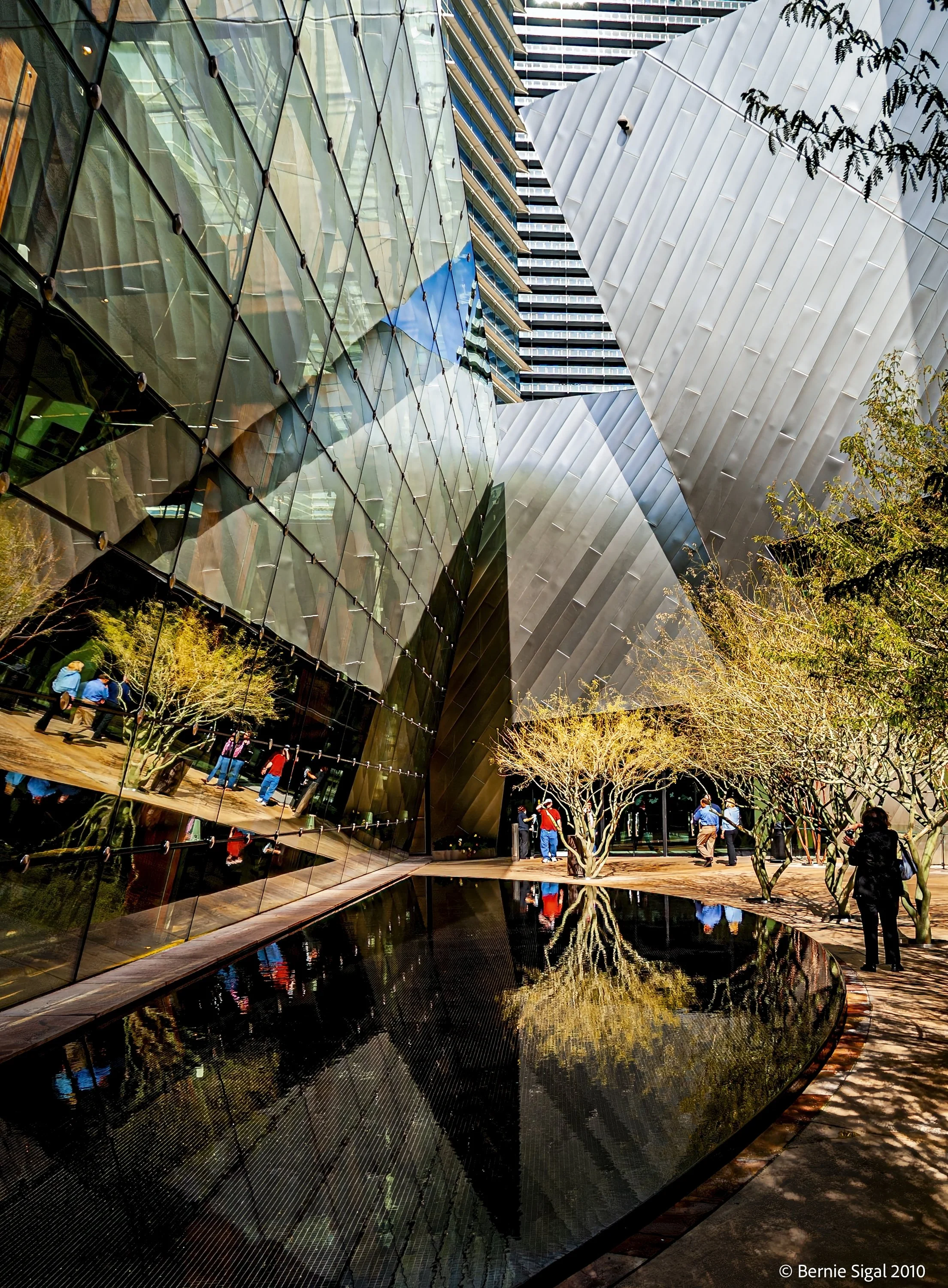
“My photography explores architecture, landscapes, flora, abstracts, transportation, and the natural beauty of Ontario's Bruce Peninsula. Regardless of the subject, my work is driven by observation, composition, and the search for beauty in unexpected places. The common thread is appreciation and preservation. Whether photographing a historic landmark, a contemporary building, or a dramatic landscape, I hope to create a connection to viewers to notice the artistry, design, and beauty that surround us every day.”
How would you describe your work?
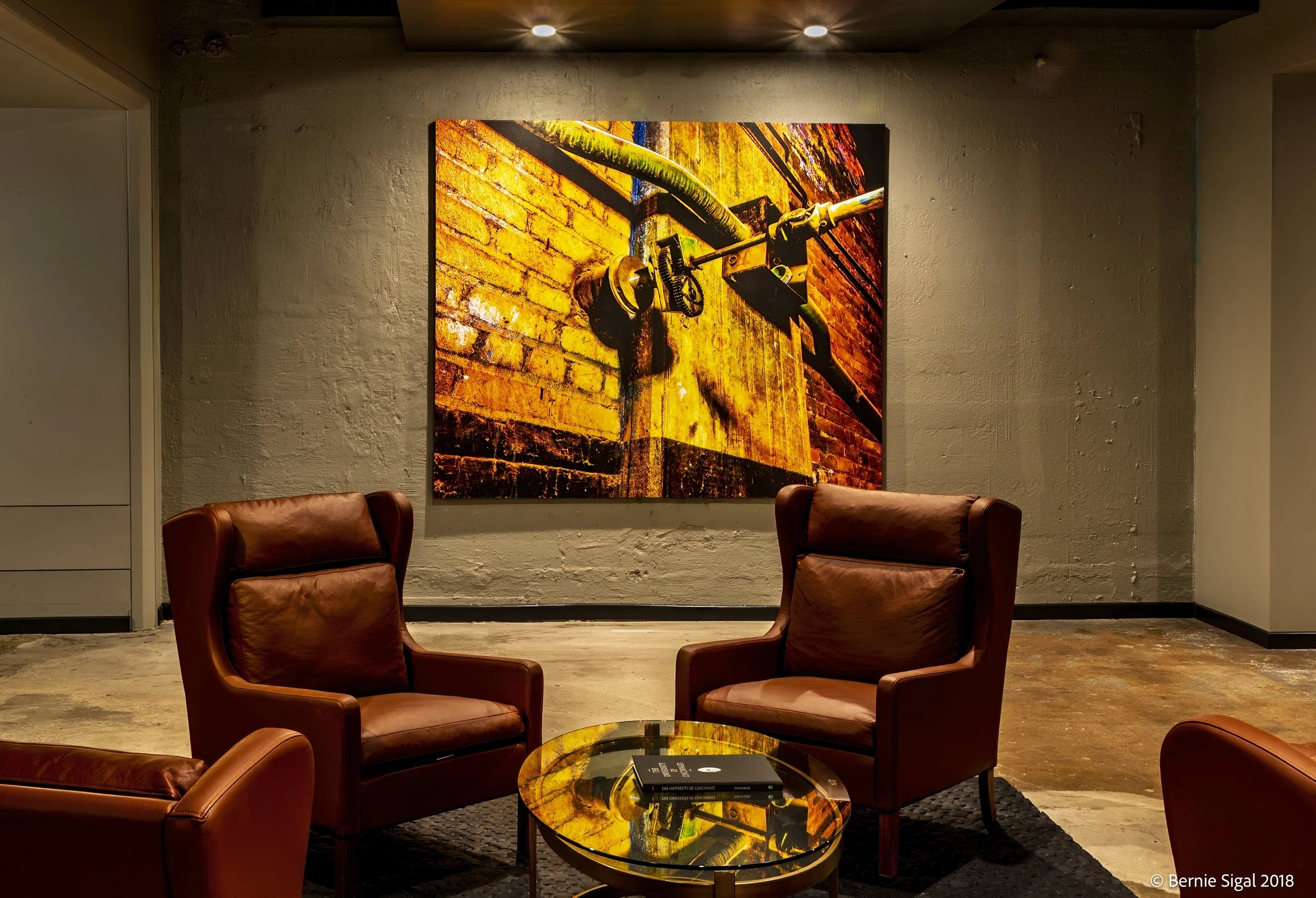
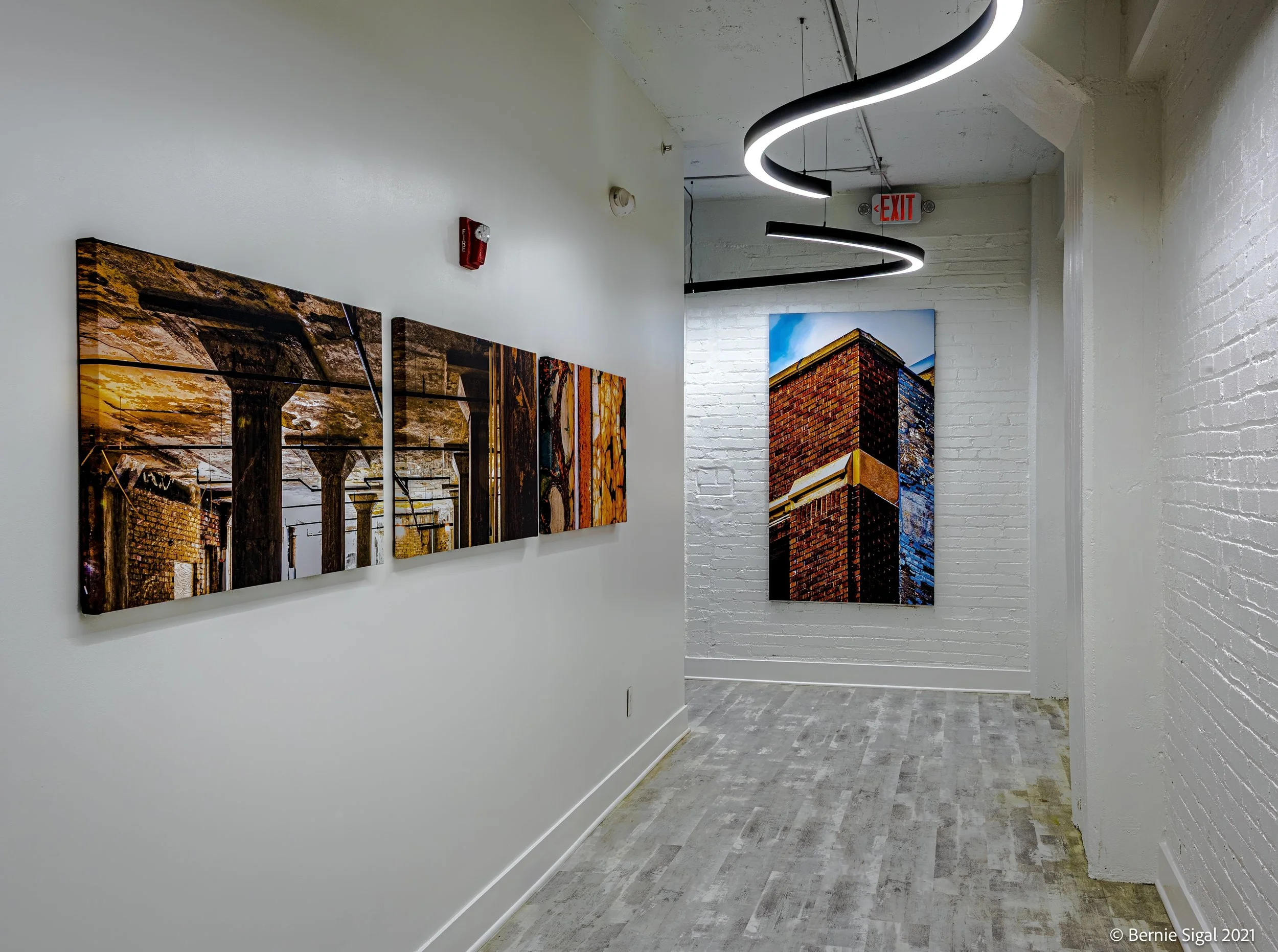
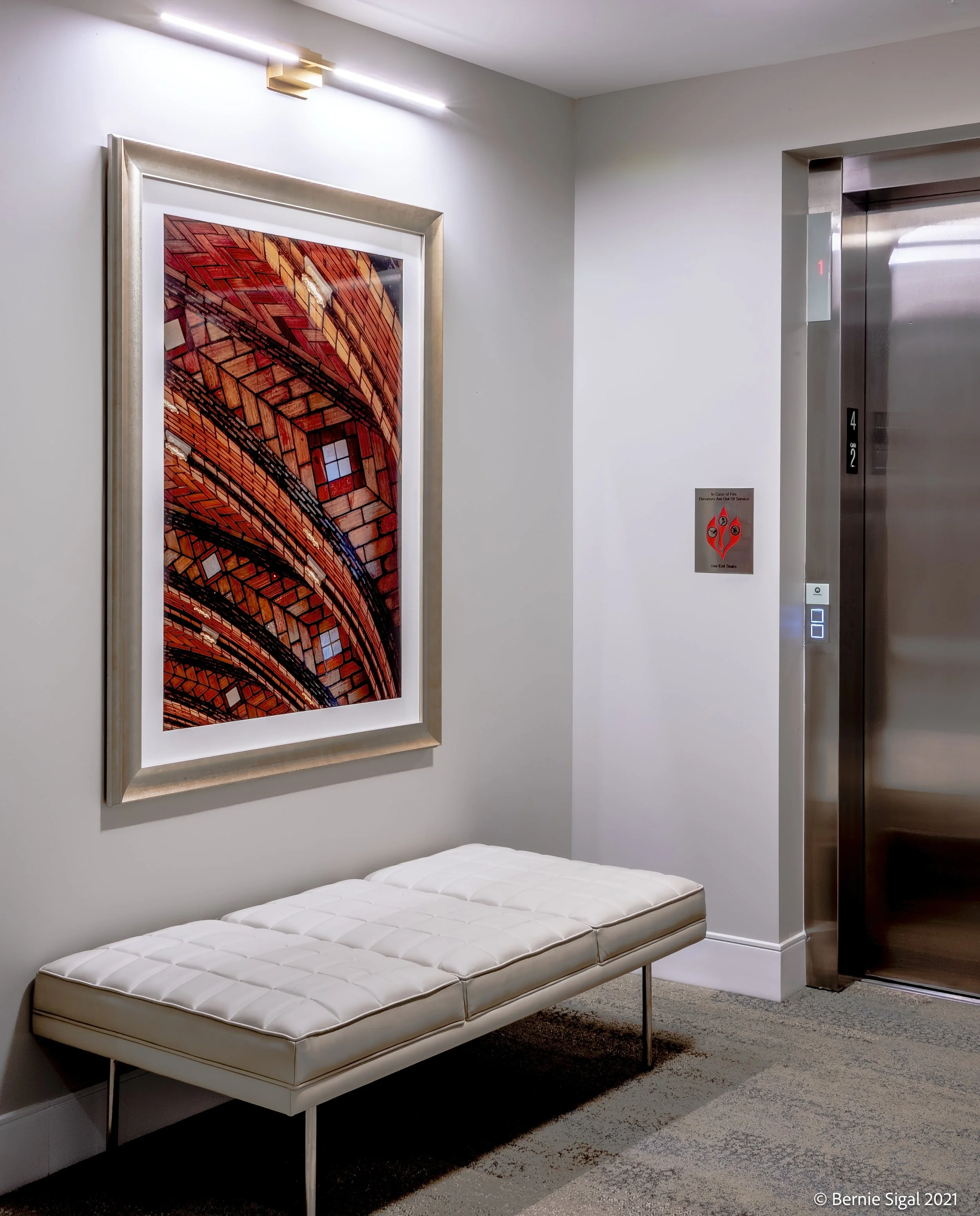
“I consider myself a realist photographer. My work is grounded in authenticity, careful composition, and the use of light and perspective. I do not try to turn a scene into something it is not. My goal is to reveal the character that is already there. Much of my architectural work documents historic buildings before restoration and adaptive reuse. Many of these images later become permanent fine art installations within the restored buildings. I find that especially meaningful because my images allow residents and visitors to experience part of the building’s original history after the space has been transformed.”
Which artists influence you most?
“I draw inspiration from architects, painters, sculptors, and photographers whose craftsmanship and vision with a clear point of view and have stood the test of time. Among photographers, Ansel Adams has had the greatest influence on my work. While studying in college, I learned his Zone System, darkroom techniques, and disciplined approach to exposure and composition. More importantly, he demonstrated that technical excellence should always support artistic expression—a philosophy that continues to guide my photography.”
What is your creative process like?
“My creative process typically begins in one of two ways. For commissioned projects, I work closely with clients to understand the intended space, audience, and design objectives before creating imagery tailored to their vision. When photographing for myself, I simply explore with an open mind, allowing light, texture, architecture, and unexpected details to guide me. Many of these spontaneous discoveries ultimately become some of my clients' favorite pieces.”
What is an artist’s role in society and how do you see that evolving?
“I believe an artist's role is to help people see the world differently—to inspire emotion, preserve history, and reveal beauty that might otherwise go unnoticed. Technology will continue to influence how art is created, produced, and shared. I see artificial intelligence as a useful tool for improving workflow, but not as a replacement for artistic vision. My photographs are built on observation of reality, timing, composition, and experience. While AI will continue to influence the creative world, I believe authentic work rooted in human perspective and craftsmanship will always have lasting value.”
Have you had any noteworthy exhibitions you'd like to share?
“I have not focused heavily on traditional gallery exhibitions, but my work has been purchased and displayed in corporate offices, healthcare facilities, hospitality venues, multifamily communities, public spaces, and private residences. One of the most rewarding aspects of my career has been photographing historic buildings before restoration, with those images later installed as permanent artwork within the renovated spaces. These installations preserve the architectural history of the buildings while allowing residents and visitors to appreciate their original character. After selling my last printing company two years ago, I have devoted my full attention to fine art photography. I look forward to expanding my presence through galleries, online fine art marketplaces, juried exhibitions, commercial installations, and new creative partnerships.”