Interview
Anya Feldman
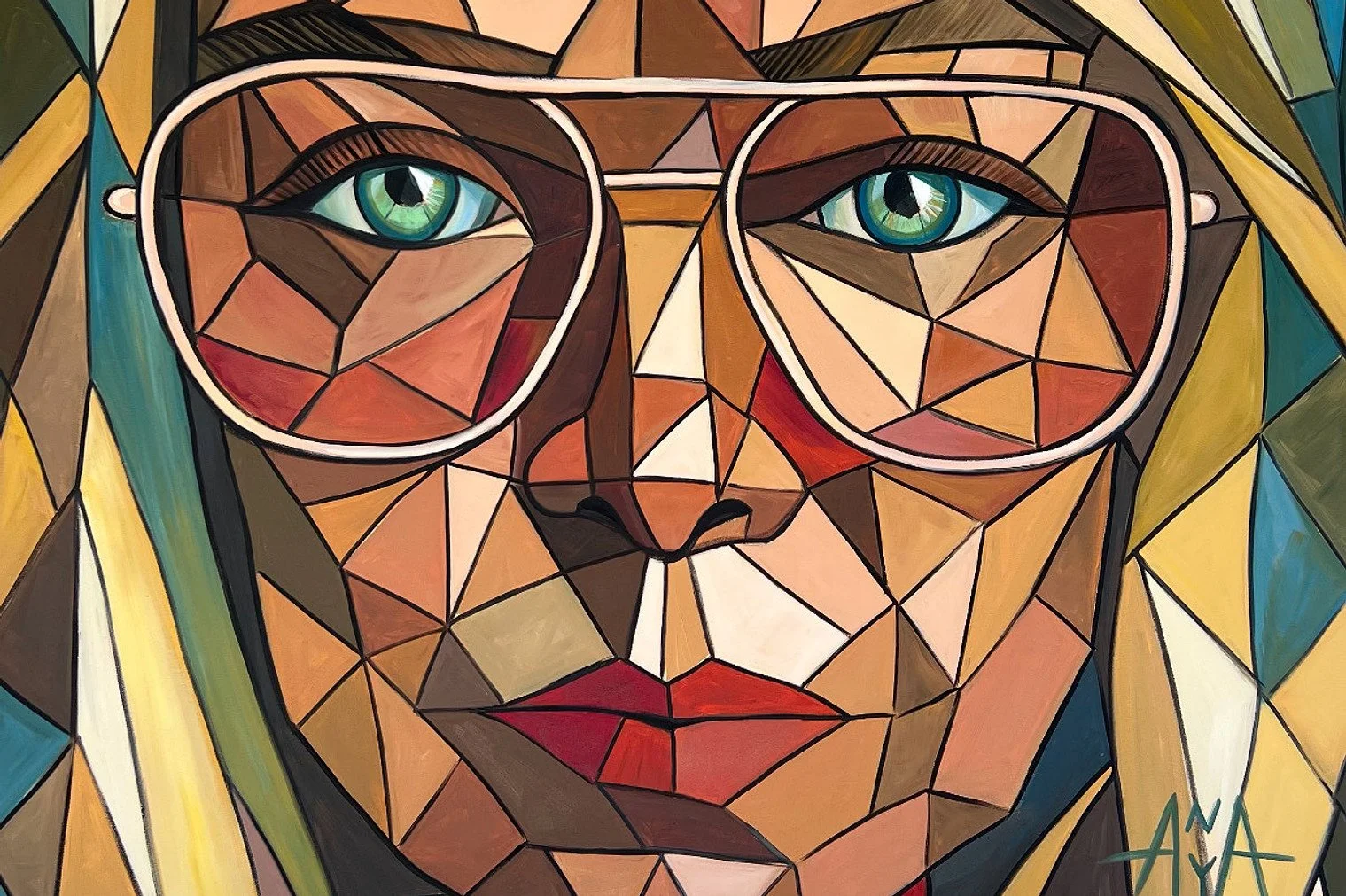
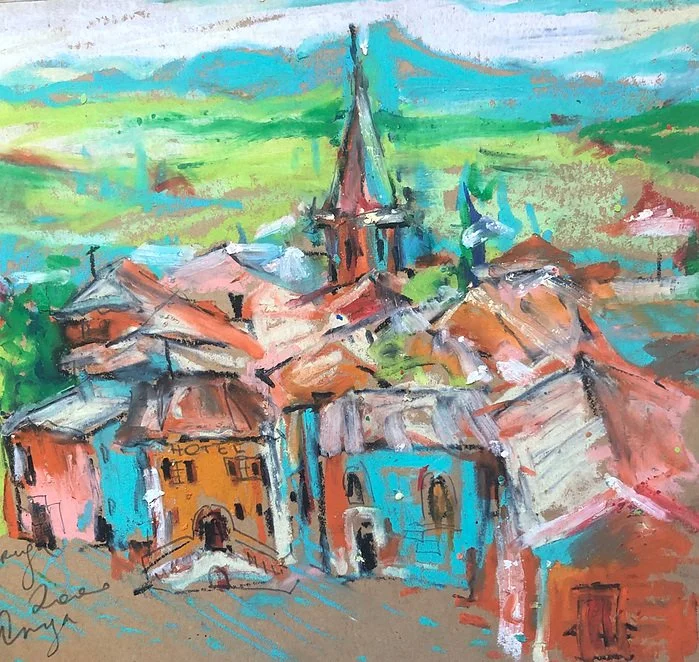
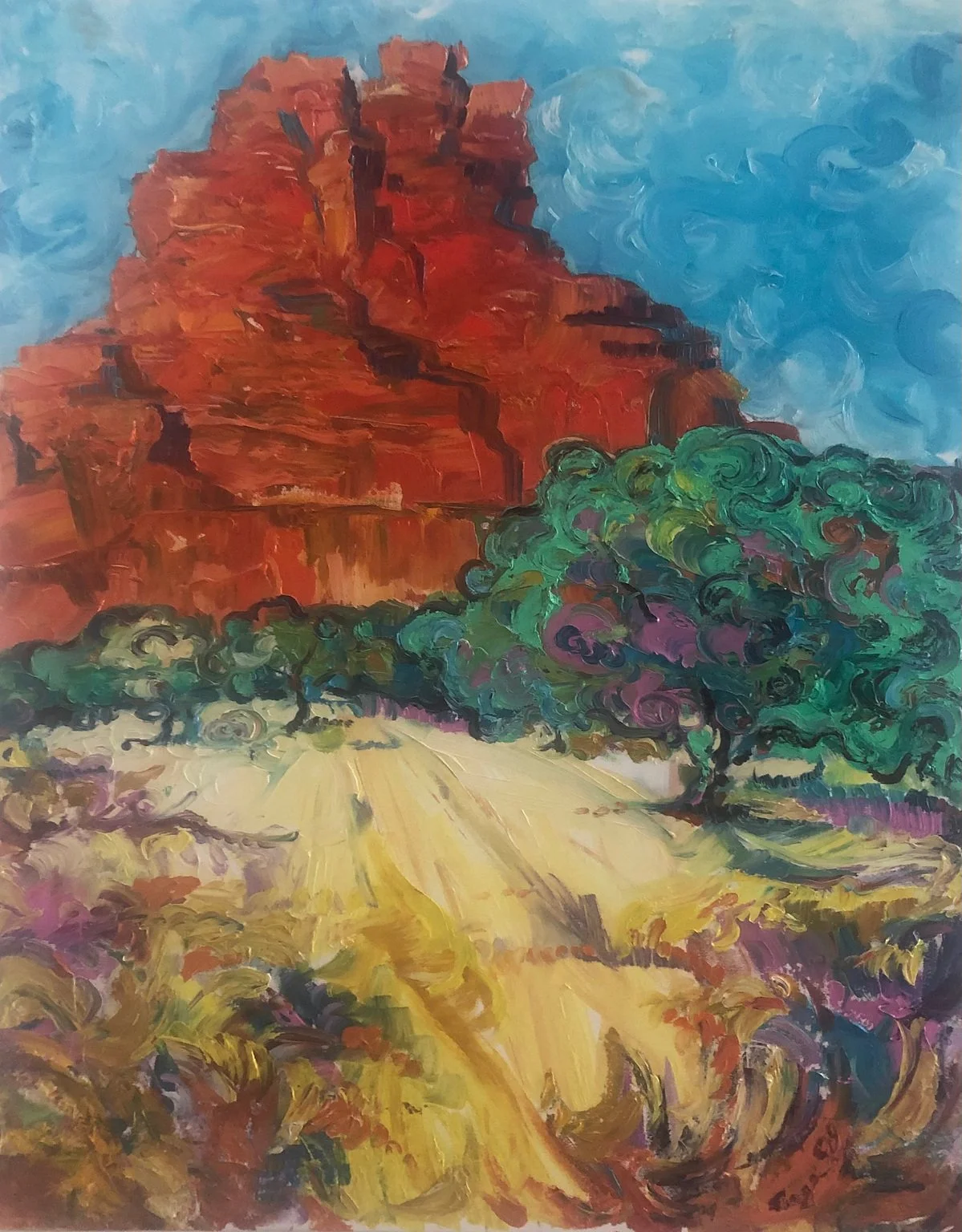
Anya Feldman is an award winning artist. She won second place at the women in Art Biennale London. She was a Design Director for Catherine Malandrino from 2007 until 2012. She then became a senior Design Director at Hervé Léger from 2012 until 2017. She has published fashion illustrations in international fashion magazines. Anya is currently working as a visual artist, focusing on oil painting in a contemporary Cubist language.
What is your background and how did you start your journey in the art world?
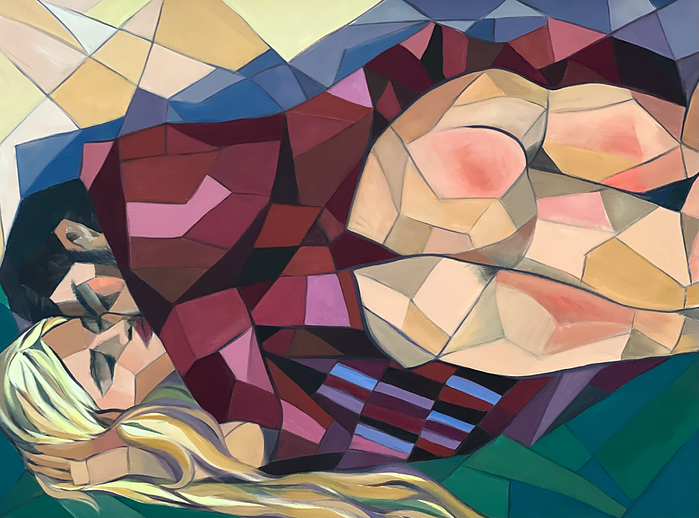
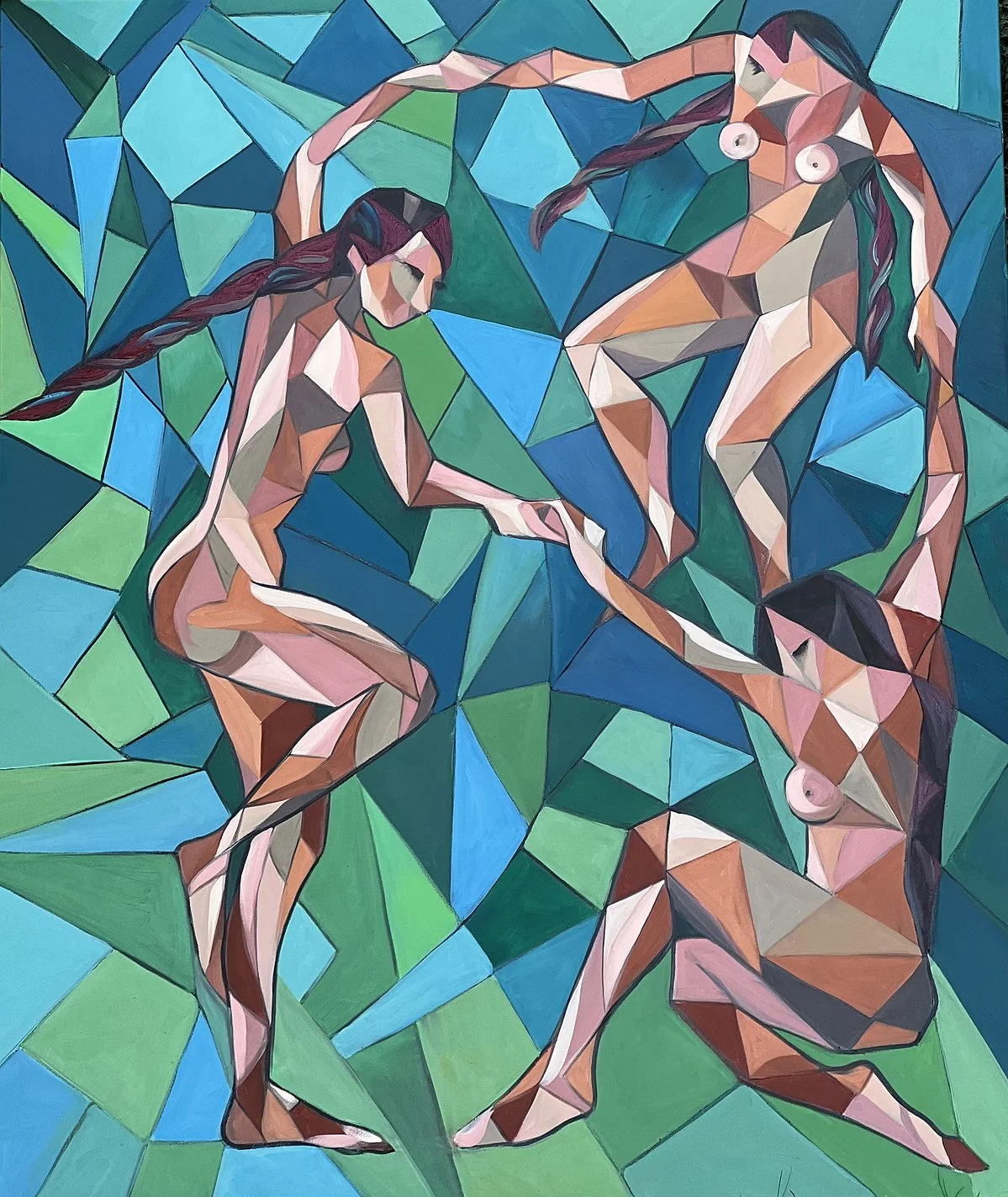
“My artistic journey began long before I defined it as a career. I was born in Izhevsk, Russia, and trained in classical art in Odessa and Leningrad, where I developed a strong foundation in drawing, composition, and visual storytelling. Later, my studies continued in New York and Rome, exposing me to contemporary art, fashion, and the legacy of Renaissance and modernist traditions. For many years, my creative path unfolded within the fashion world, where I worked as a design director for international fashion houses and presented collections at New York fashion week. Fashion taught me scale, rhythm, color, and the emotional power of form—lessons that deeply inform my painting today. Returning fully to fine art felt both inevitable and necessary. Painting became a space of personal reflection and freedom, allowing me to explore intimacy, identity, and human connection beyond the constraints of industry. My current body of work, Amanti e Amici, blends Cubism, modern figuration, and classical references, translating lived experience into layered, emotional narratives. Art has always been my first language; now it is the one I speak most honestly.”
What inspires you?
“I am inspired by human connection—by moments of intimacy that are quiet, imperfect, and deeply personal. Love, desire, memory, and self-reflection are at the center of my work, often drawn from lived experience rather than idealized narratives. Visually, I am influenced by early Renaissance frescoes, modernist Cubism, and artists who fractured form to reveal emotion—Picasso, Giotto, Chagall—along with the rhythm and color sensibility shaped by my years in fashion. I am drawn to the tension between structure and vulnerability, geometry and flesh. Ultimately, inspiration comes from observing life closely: a shared glance, a morning light, a fleeting embrace. These moments become fragments that I reconstruct on canvas, allowing the personal to become universal.”
What themes do you pursue? Is there an underlying message in your work?
“My work explores intimacy, identity, and the emotional complexity of human relationships. I am drawn to moments of closeness—between lovers, friends, or the self—where vulnerability and connection coexist. Many of my paintings function as self-reflections or fragmented self-portraits, using the figure as a psychological space rather than a literal likeness. An underlying message in my work is that intimacy is not static or idealized; it is layered, fragile, and constantly shifting. Through fractured forms and intersecting planes, I reflect how memory, desire, and experience shape who we are. The cubist language allows me to hold multiple perspectives at once—past and present, tenderness and tension. Ultimately, my work invites viewers to slow down and recognize themselves within these moments, reminding us that even in a fractured world, human connection remains essential.”
How would you describe your work?
“My work is figurative and emotionally driven, rooted in Cubism but softened by warmth and intimacy. I use fractured geometry not to distance the viewer, but to bring them closer—to reveal multiple emotional states within a single moment. The paintings often depict couples, interiors, and self-portraits, rendered in layered planes of color that balance structure with sensuality. My background in fashion influences my sense of scale, rhythm, and palette, while my classical training anchors the work in strong drawing and composition. Ultimately, I see my work as contemporary visual poetry—where form, memory, and emotion intersect, inviting the viewer into a space that feels both personal and universal.”
Which artists influence you most?
“Picasso, Giotto and Chagall inspire me.”
What is your creative process like?
“My creative process is both intuitive and structured. I begin with a feeling, a memory, or a fleeting moment rather than a fixed image. I often sketch or make quick studies, but the painting truly reveals itself on the canvas through layering and revision. I build the composition slowly, breaking and reassembling the figure through geometric planes. Color plays a central role; I work in warm, emotional palettes and allow tones to guide the rhythm of the piece. There is a constant dialogue between control and surrender—between what is planned and what emerges unexpectedly. I know a painting is finished when it feels emotionally resolved, not visually perfect. The goal is always honesty rather than completion, allowing the work to remain alive and open to interpretation.”
What is an artist’s role in society and how do you see that evolving?
“An artist’s role in society is to observe, translate, and reveal what often goes unspoken. Art creates space for reflection, empathy, and emotional truth—especially in times when life moves quickly and communication becomes fragmented. Today, that role is evolving beyond the studio and the gallery. Artists are no longer distant observers; they are active participants in cultural dialogue, responding to social, emotional, and personal realities in real time. Through both physical and digital spaces, art now reaches wider audiences and invites more intimate engagement. I believe the artist’s responsibility is not to provide answers, but to ask meaningful questions—to slow us down, to make us feel, and to remind us of our shared humanity. In a fractured world, art becomes a quiet but powerful form of connection.”
Website: www.anyafeldman.com
Instagram: @anyafeldman