
Interview
Angie Harris
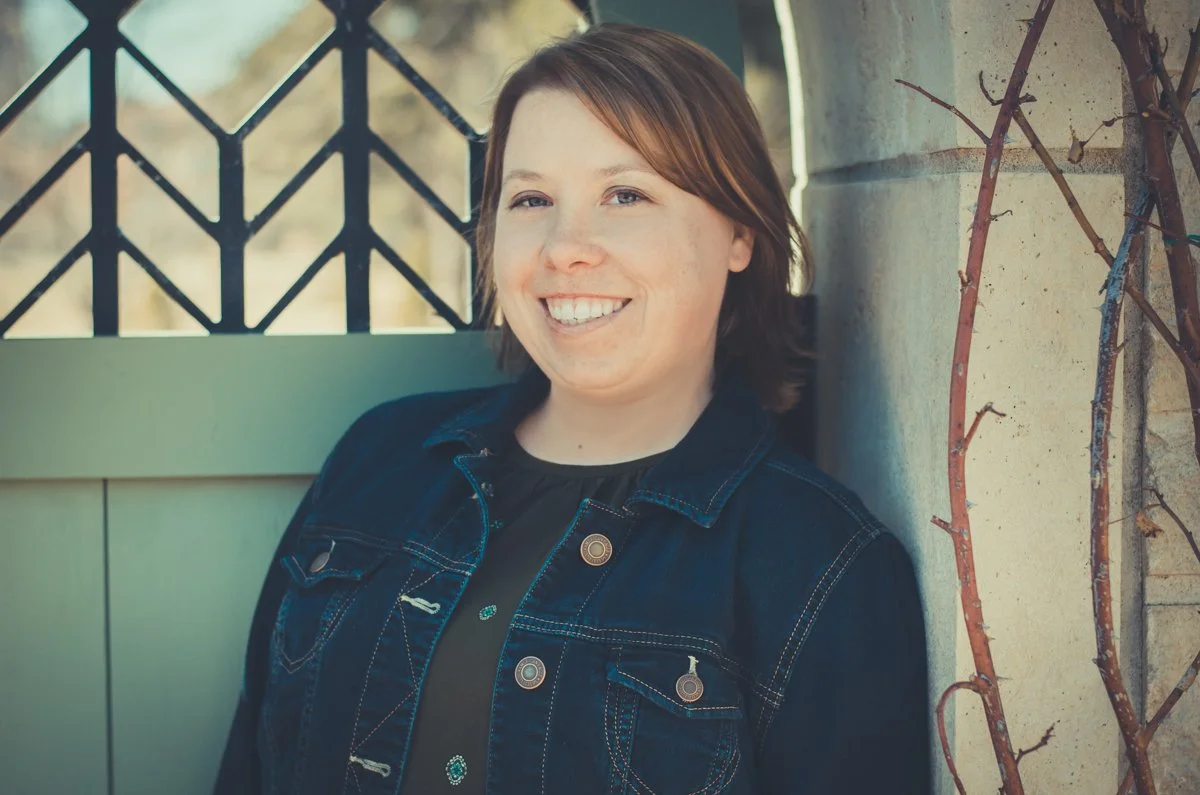
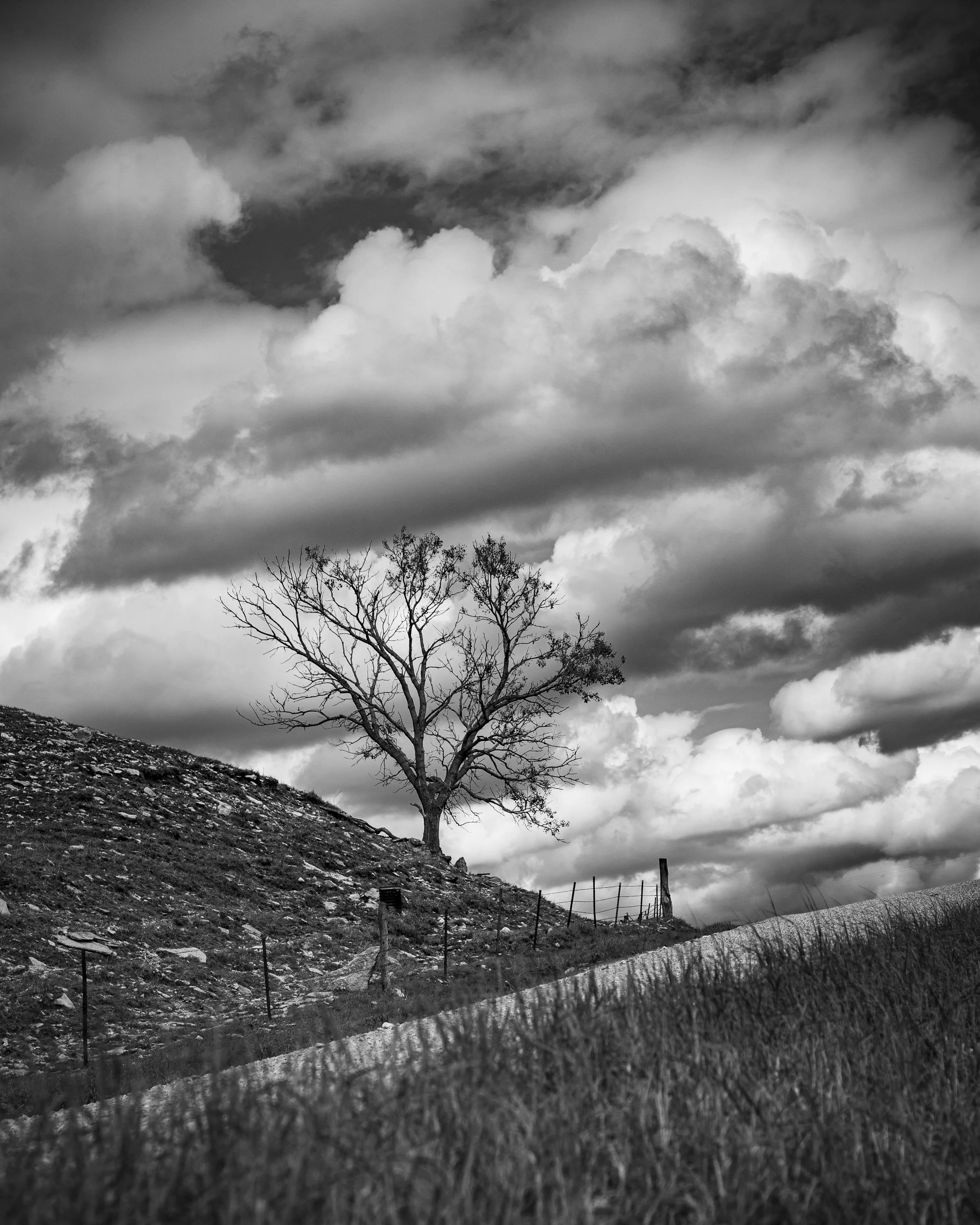
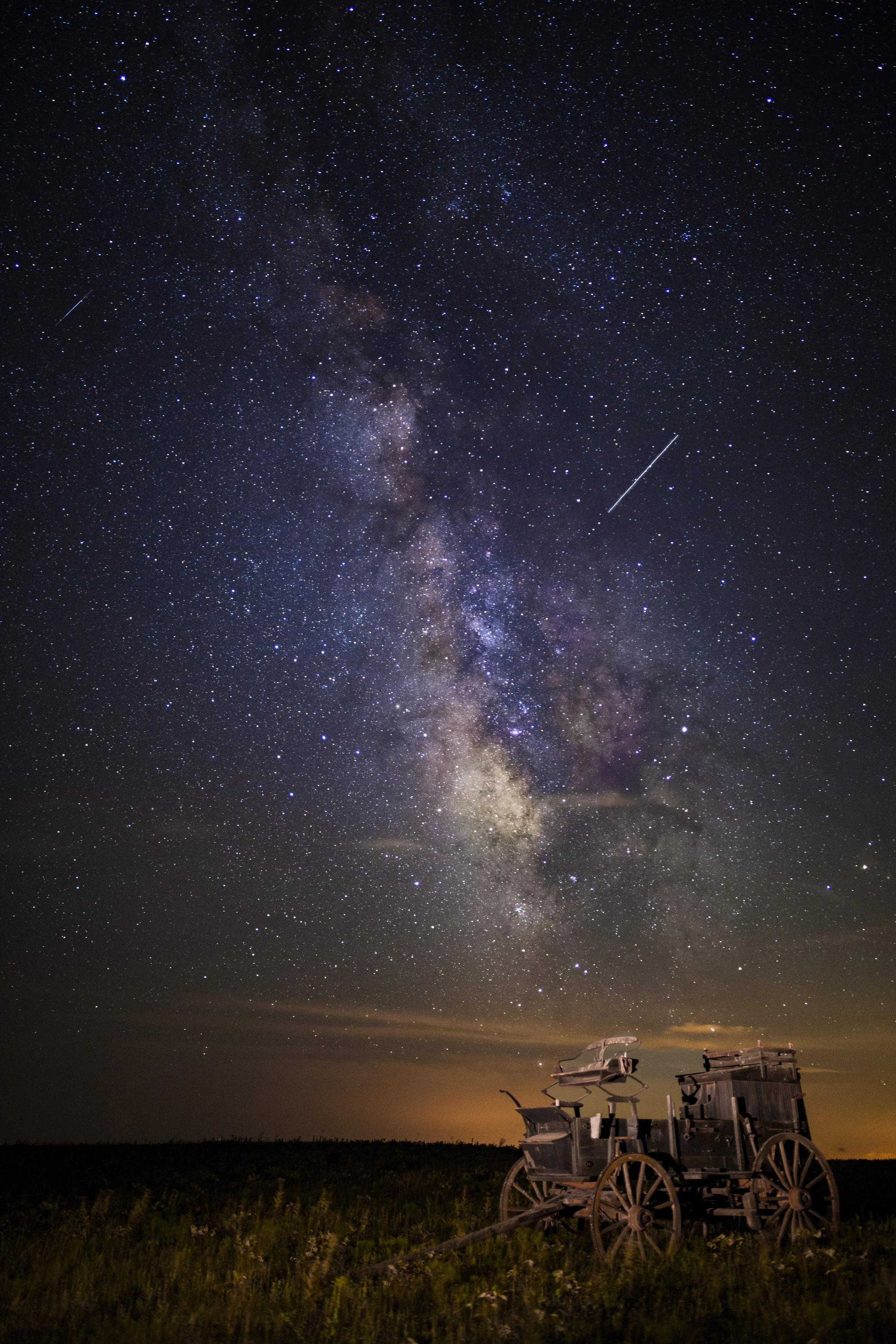
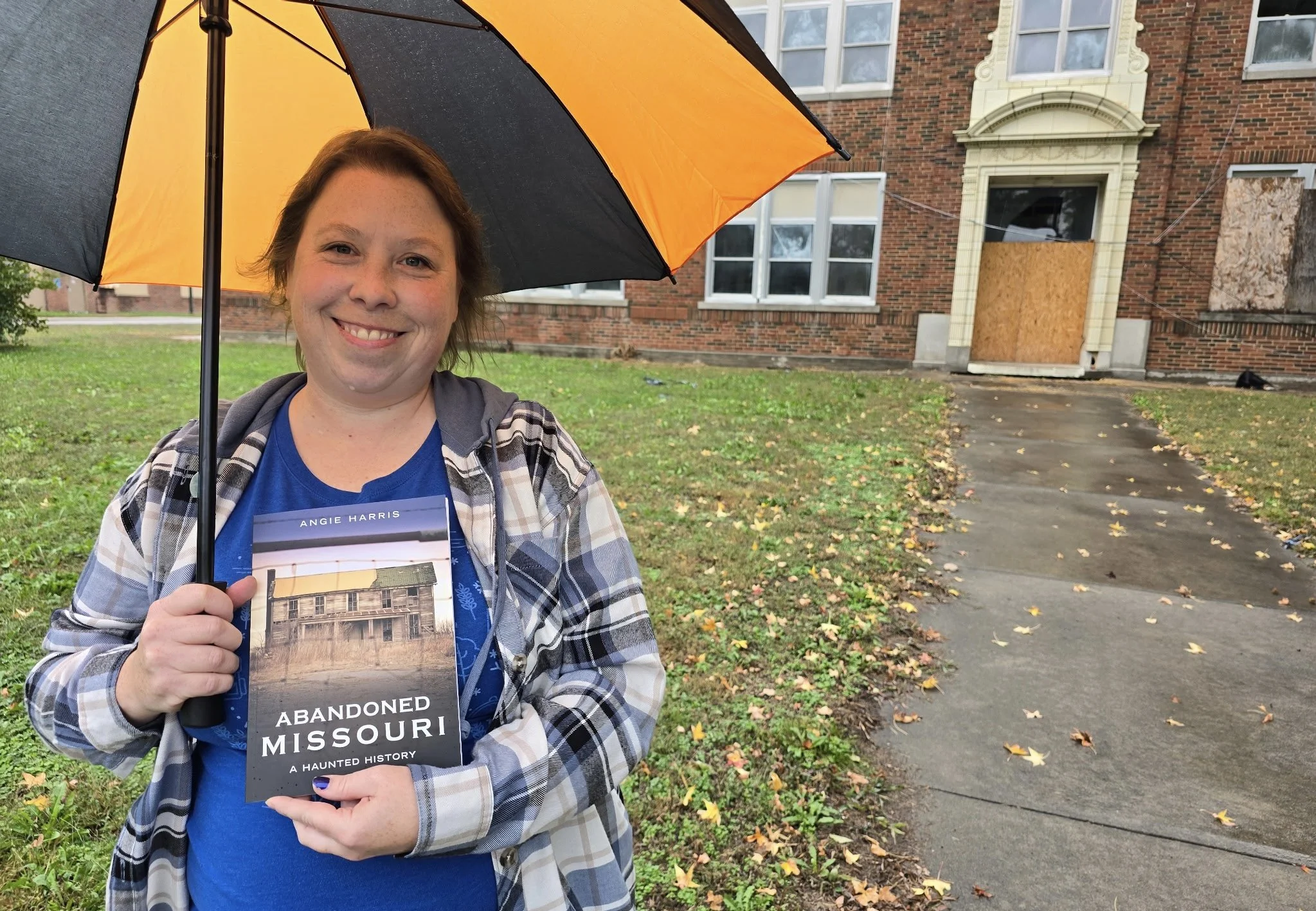
Angie Harris, a talented photographer, from Missouri, has been captivated by the art of photography since childhood. She has a passion for revealing beauty in unexpected places, and an eye for capturing the beauty in often-overlooked details. She began her photography career in 2011, with her portrait photography business. Since then, her business has evolved to include her interests in landscape photography, including photographing abandoned places.
What is your background and how did you start your journey in the art world?
“I feel like I have always been drawn to creativity in some form. As a child, whenever someone asked what I wanted to be when I grew up, my answer was always the same: an artist. That desire has never left me; it has simply taken shape in many different ways throughout my life. Over the years, I’ve explored drawing, painting, photography, and any medium that allowed me to express myself artistically. But for some reason, photography has always been the one that has pulled me in the most. I’m deeply moved by old photographs and the way they preserve a moment in time—often a moment that can never exist again. There is something incredibly powerful about that. It fascinates me and evokes a genuine emotional response, which is what continues to inspire me to keep creating and capturing as much as I can with my camera. Photography feels deeply nostalgic to me. I love that it can be both honest and realistic, while also leaving space for abstraction and personal interpretation.”
What inspires you?
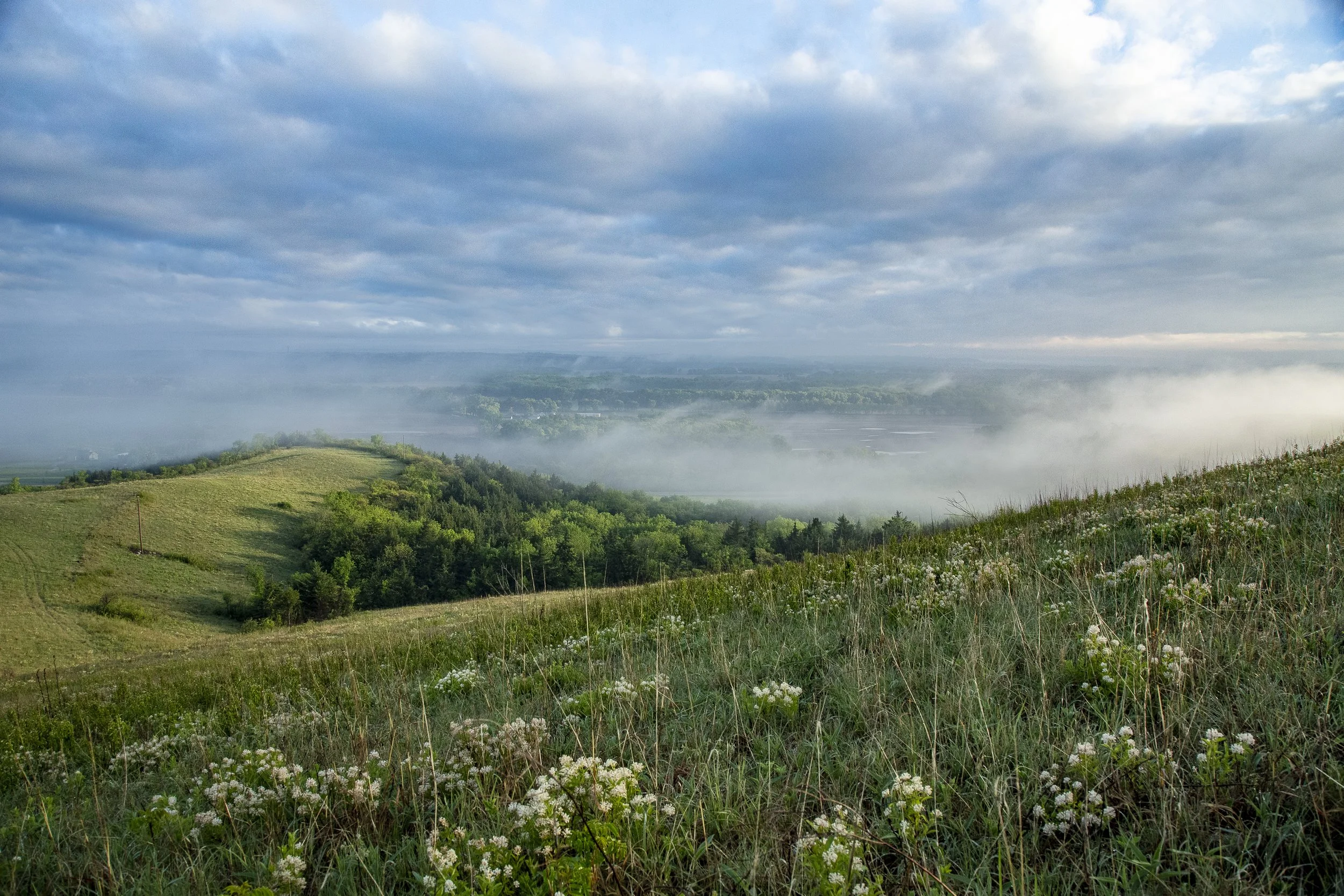
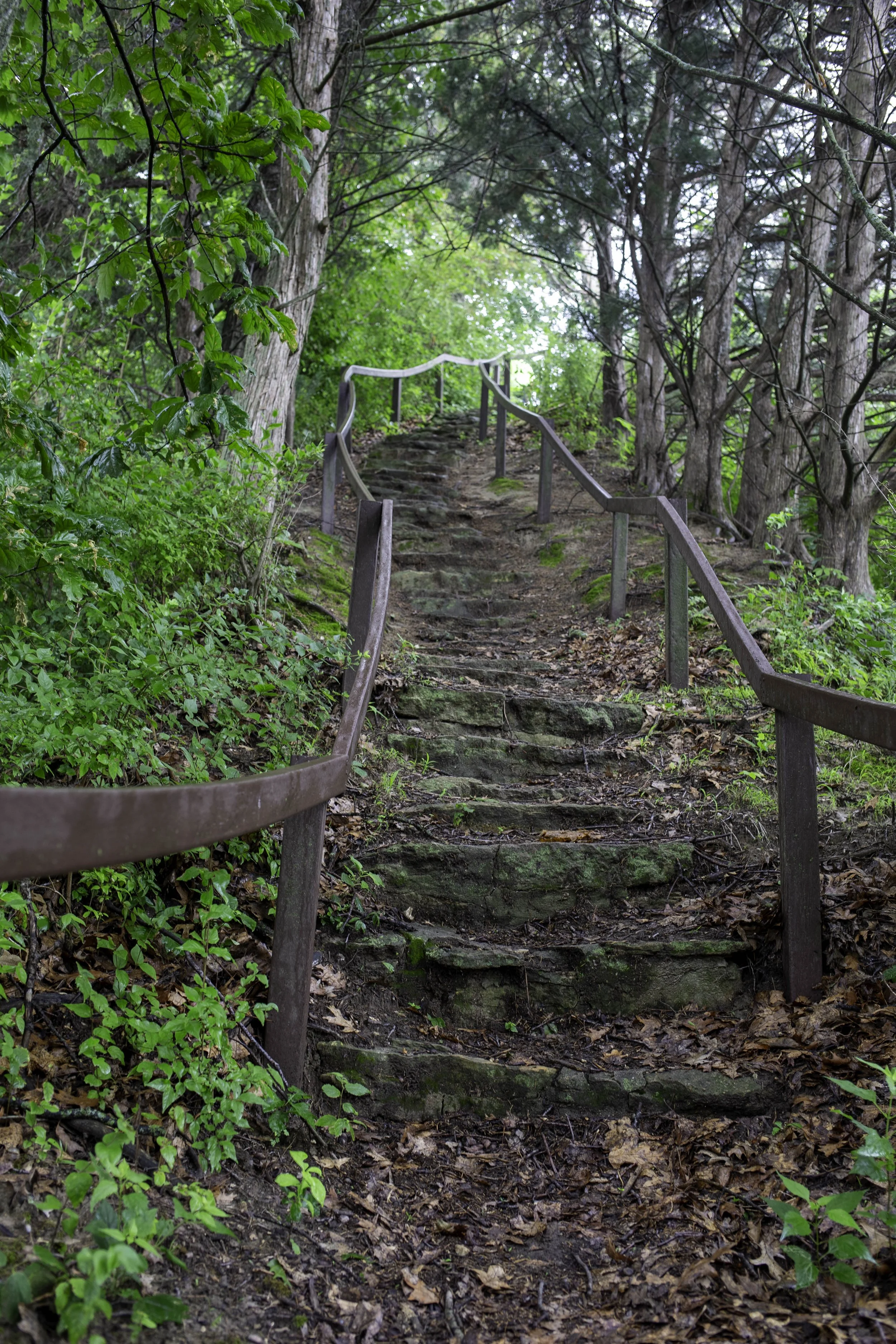
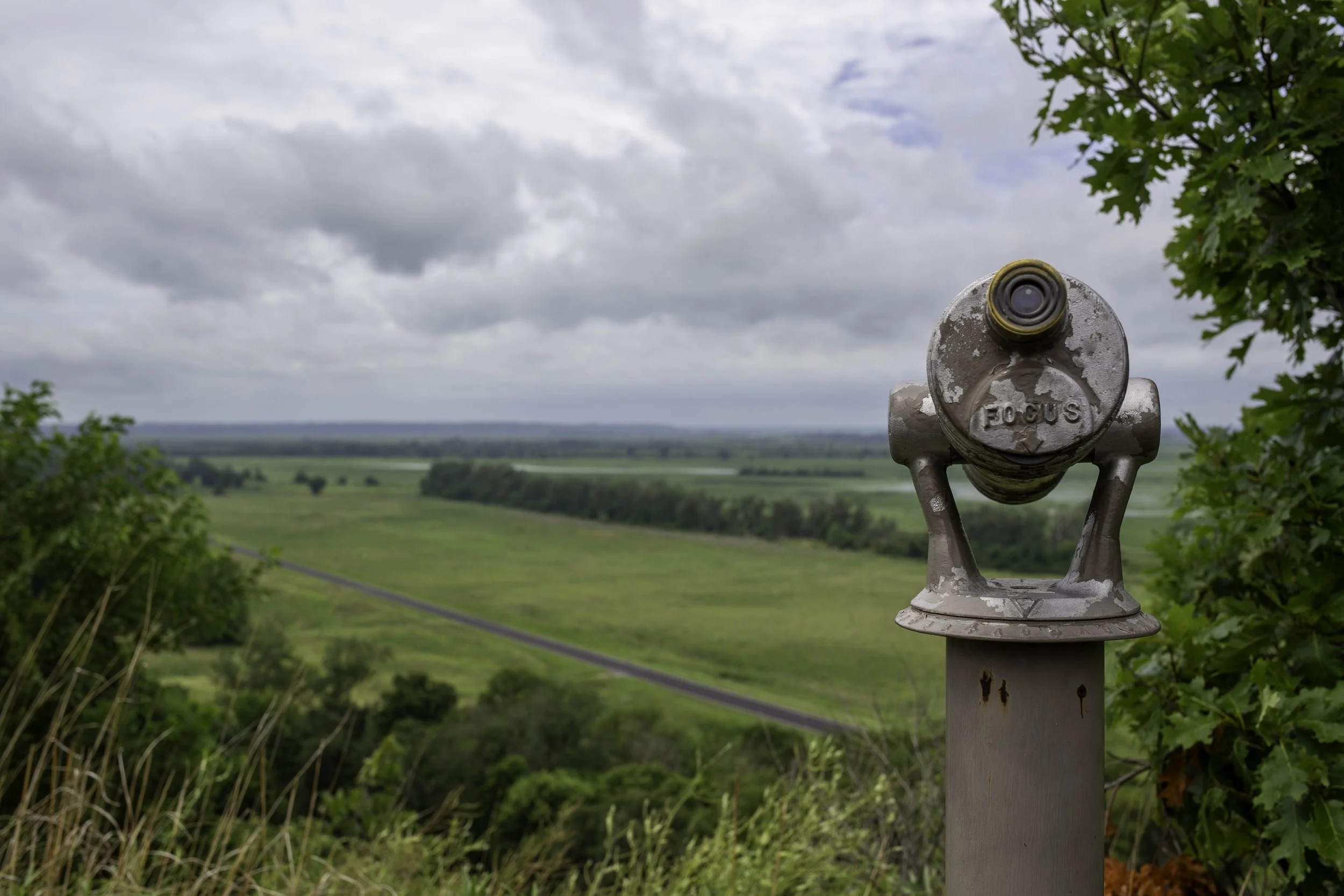
“The things that inspire me most are the outdoors, old buildings, interesting views, shadows, plants, and flowers—almost anything that sparks a sense of creativity in me. When something catches my attention, I start studying it. I look at the object, landscape, or building and think about which parts are most interesting. Is it the entire scene, or just one small detail? I begin imagining it as a photograph and consider what I want that photograph to say. Many times I discover a photo hidden in an ordinary moment. It may seem mundane to others, but if it catches my eye, I try to find the beauty in it and capture that in an image.”
What themes do you pursue? Is there an underlying message in your work?
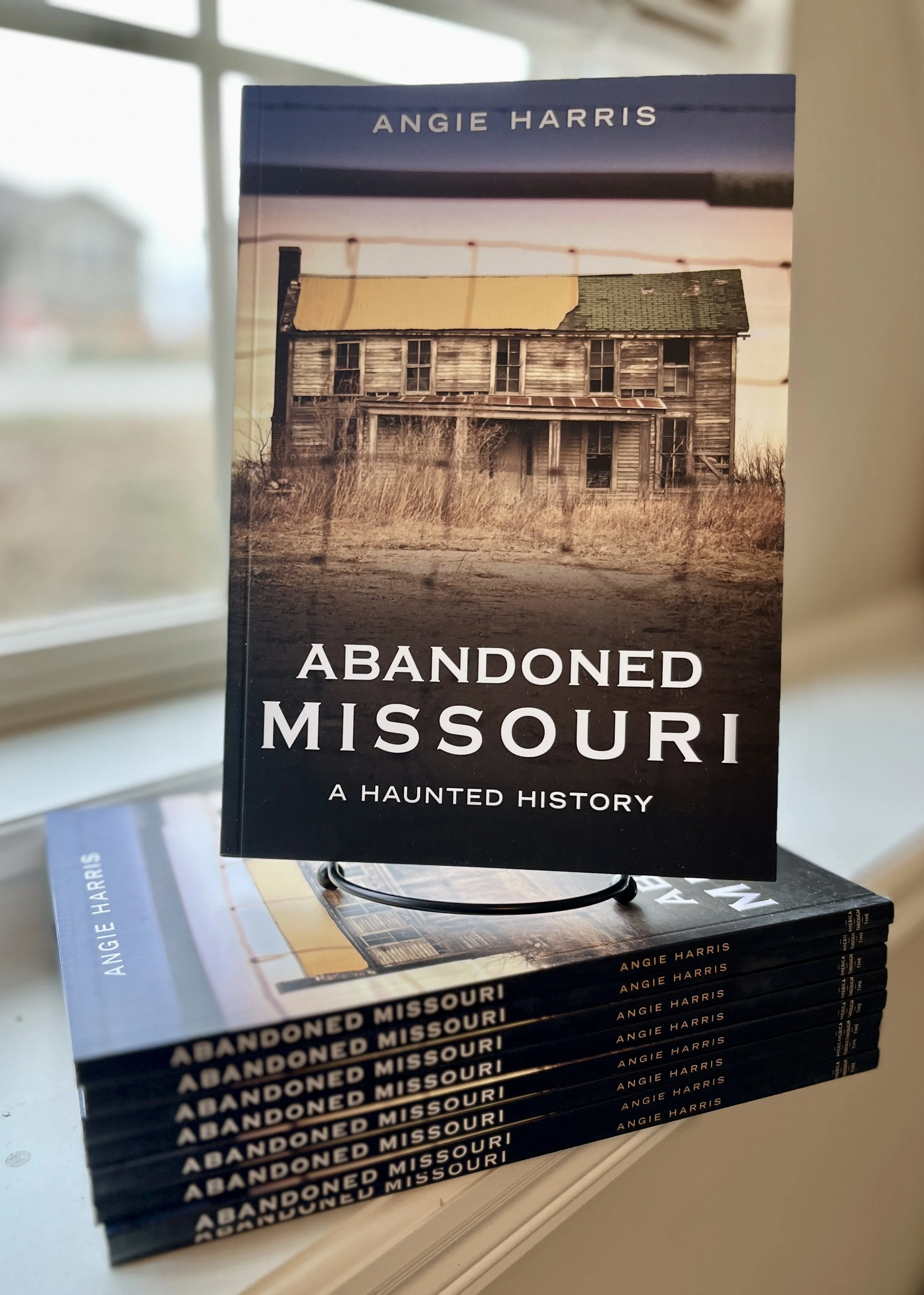
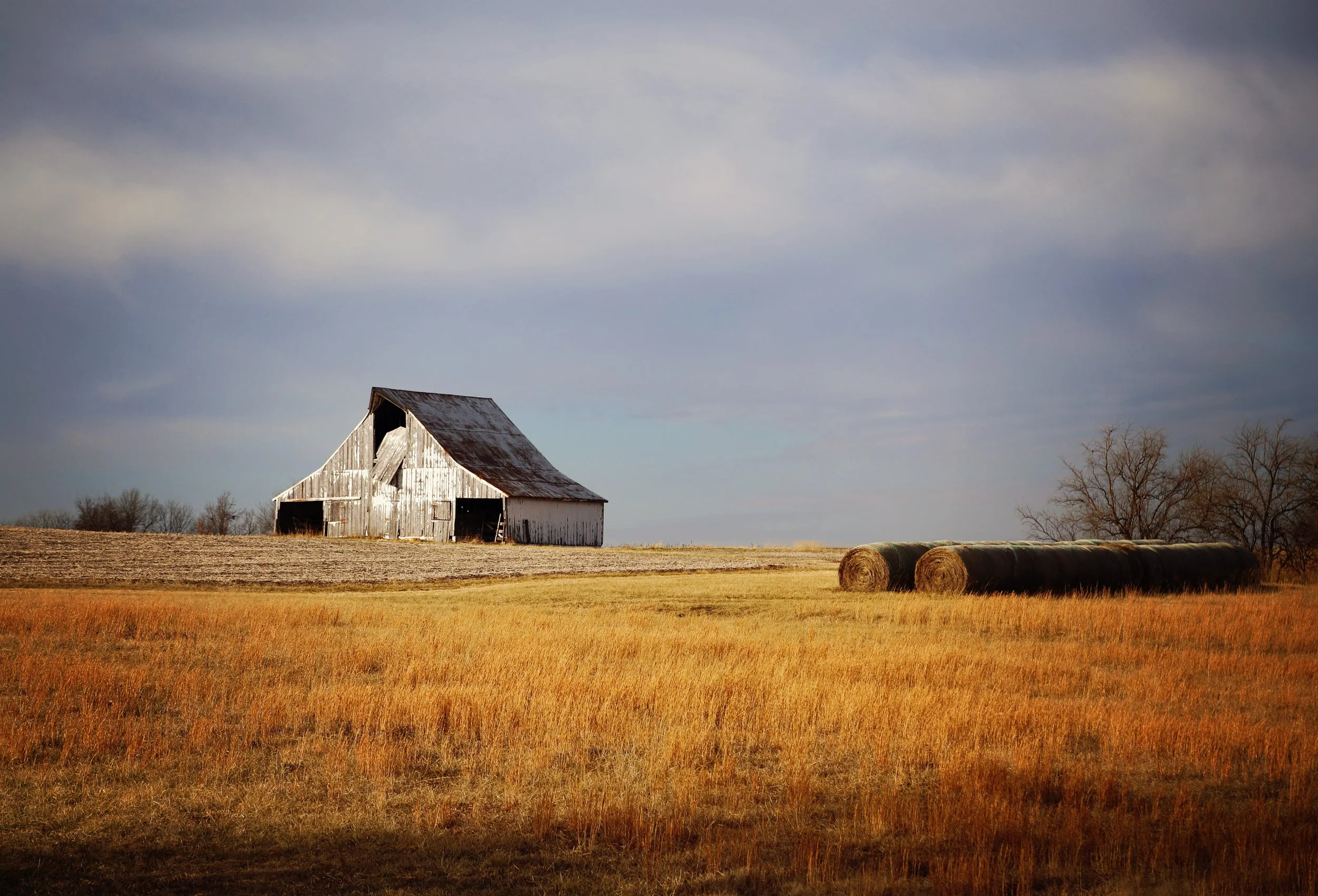
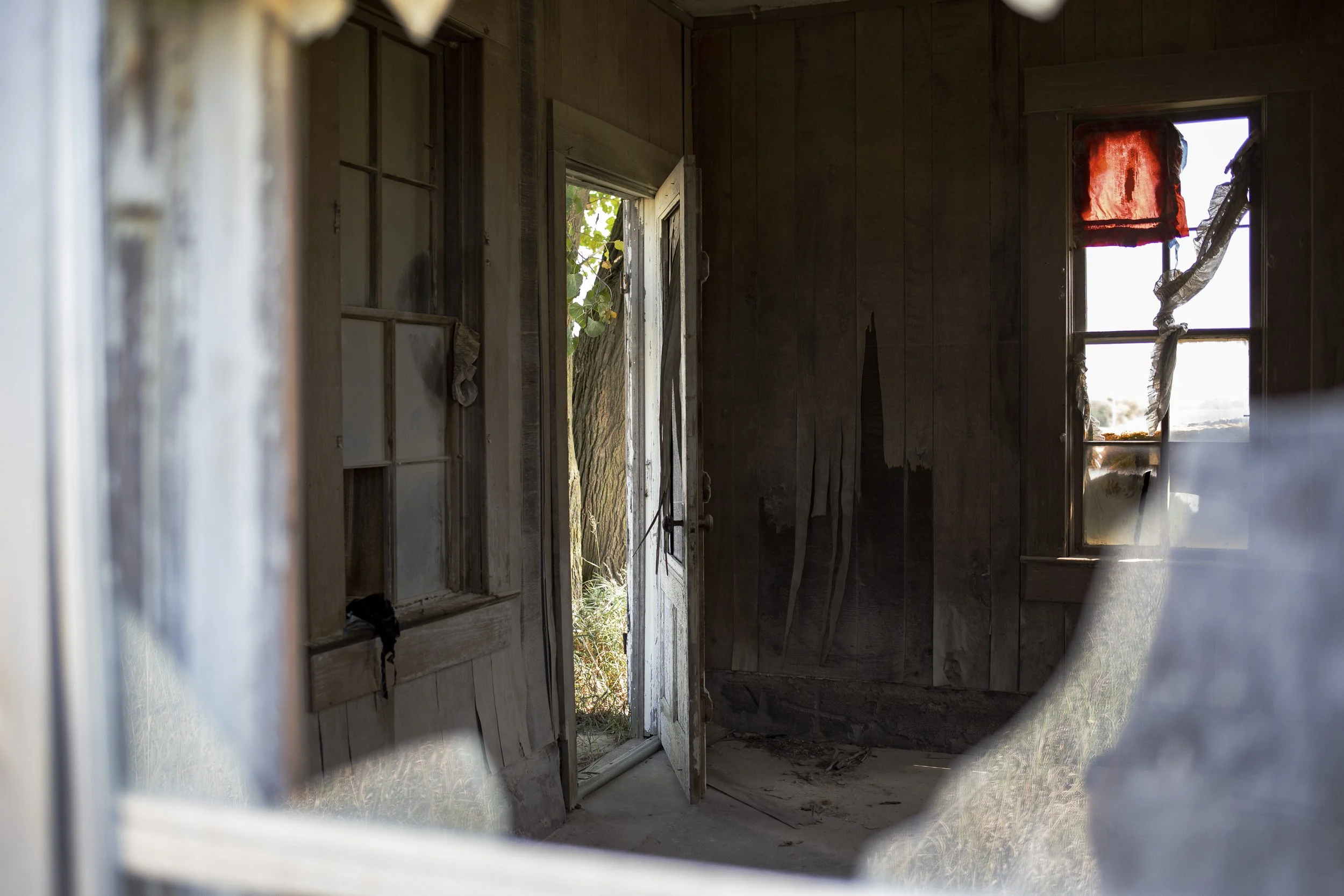
“My themes vary and are constantly changing. I find it difficult to stick to just one, because so much depends on my mood and where I happen to be. If there is an underlying message in my work, it’s simply a desire to capture things as they are so they can be preserved. One subject I often return to is abandoned or run-down places—old buildings and forgotten spaces. I’m drawn to photographing them because one day they may no longer exist, and a photograph becomes a record of what once was. People often feel a deep sense of nostalgia and connection to places. I like being able to capture that feeling and preserve it in an image, so it can be remembered long after the place itself may be gone.”
How would you describe your work?
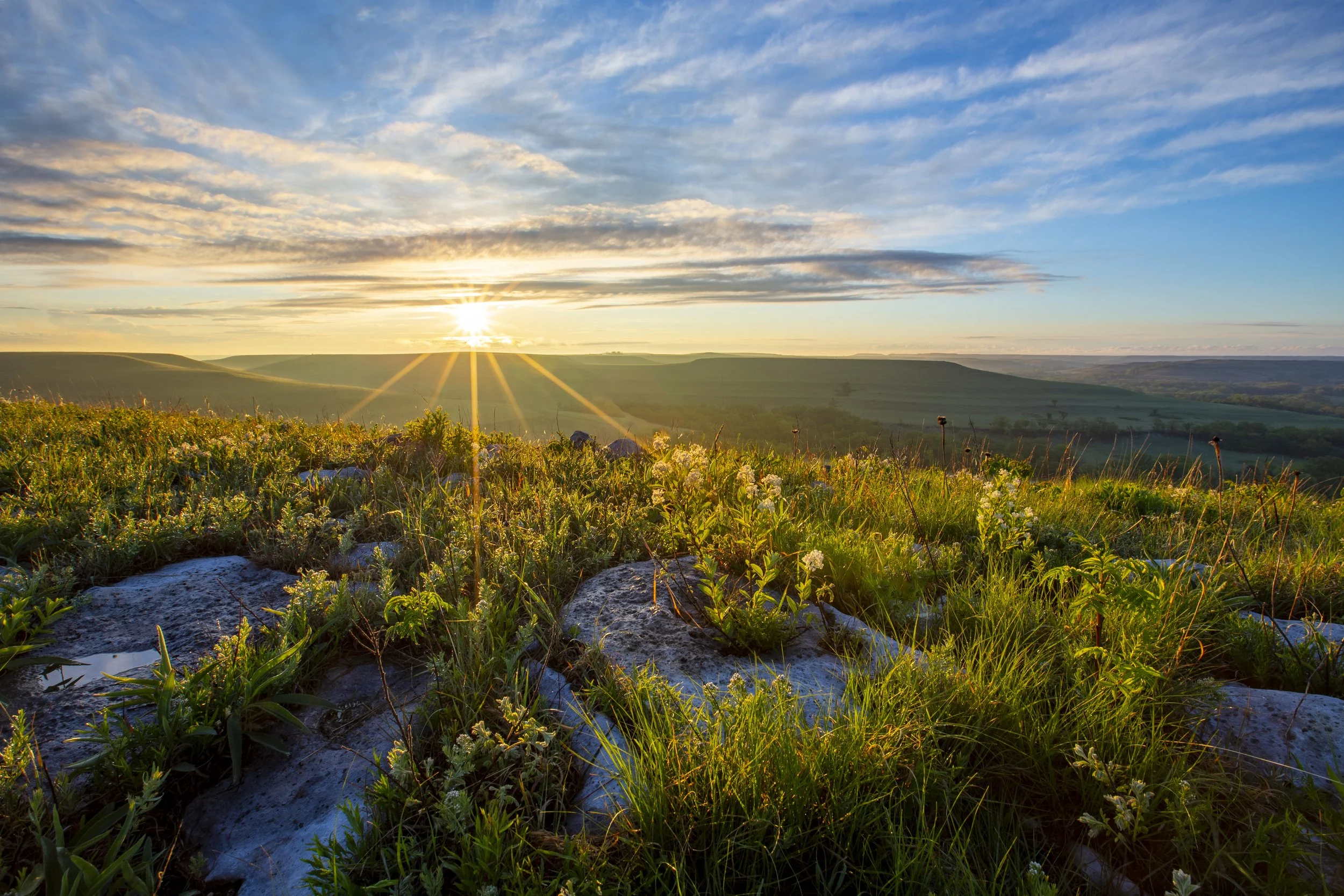
“My work is grounded in emotion and authenticity, often carrying a sense of nostalgia. From abandoned buildings to natural landscapes, I focus on capturing quiet, atmospheric moments that evoke a sense of place and time.”
Which artists influence you most?
“I am influenced by other modern-day photographers and artists every day on social media. If I follow them, I am inspired by them. I love to see what they are doing, how they are creating things, what their vision looks like, and what emotions their art brings up inside me. Other historic photographers and artists that I love and have been inspired by are Ilsa Bing and Edward Hoper.”
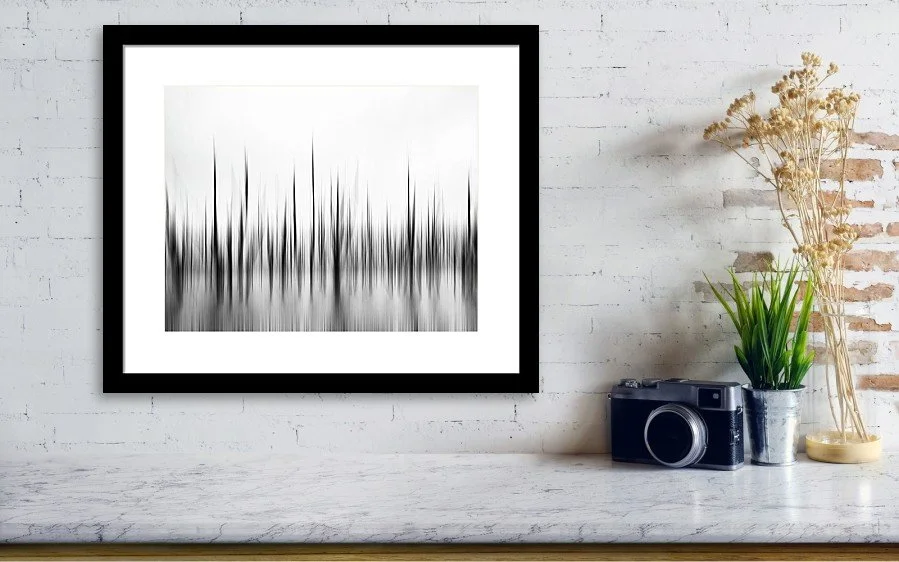
What is your creative process like?
“My creative process is pretty fluid and driven by curiosity. I don’t usually start with a rigid plan—I tend to follow what catches my eye or what feels emotionally interesting in the moment. A lot of my work begins with exploring, whether that’s a place, a mood, or a subject that feels like it has a story to tell. I’m especially drawn to things that feel overlooked or in transition, like abandoned or worn-down spaces. When I photograph them, I’m thinking about preserving them as they are right now—before they disappear or change. After shooting, I spend time selecting and editing images in a way that stays true to what I experienced. I try not to overwork them—just enough to bring out the feeling that made me stop and take the photo in the first place.”
What is an artist’s role in society and how do you see that evolving?
“I think an artist’s role in society is to notice and preserve what might otherwise be overlooked. Art can document a moment in time, but it can also shape how people see and remember things. That role feels like it’s evolving because we live in a time where everything is constantly being documented, but not always thoughtfully. Images are everywhere, but that doesn’t necessarily mean we’re preserving things in a meaningful way.”
Have you had any noteworthy exhibitions you'd like to share?
“I’ve been part of several group shows over the years, which helped me grow as an artist and share my work in a more traditional setting. Lately, I’ve been exhibiting through the ArtsKC Now Showing Program, where local businesses host my photography for a few months at a time. I really value that kind of exposure because it puts my work in front of people who might not typically visit galleries. I’m currently hoping to build toward a more focused exhibition of my abandoned work, especially in connection with my book.”
Website: www.angiesartphoto.com
Instagram: @angiesartphoto