Interview
Willy Paul
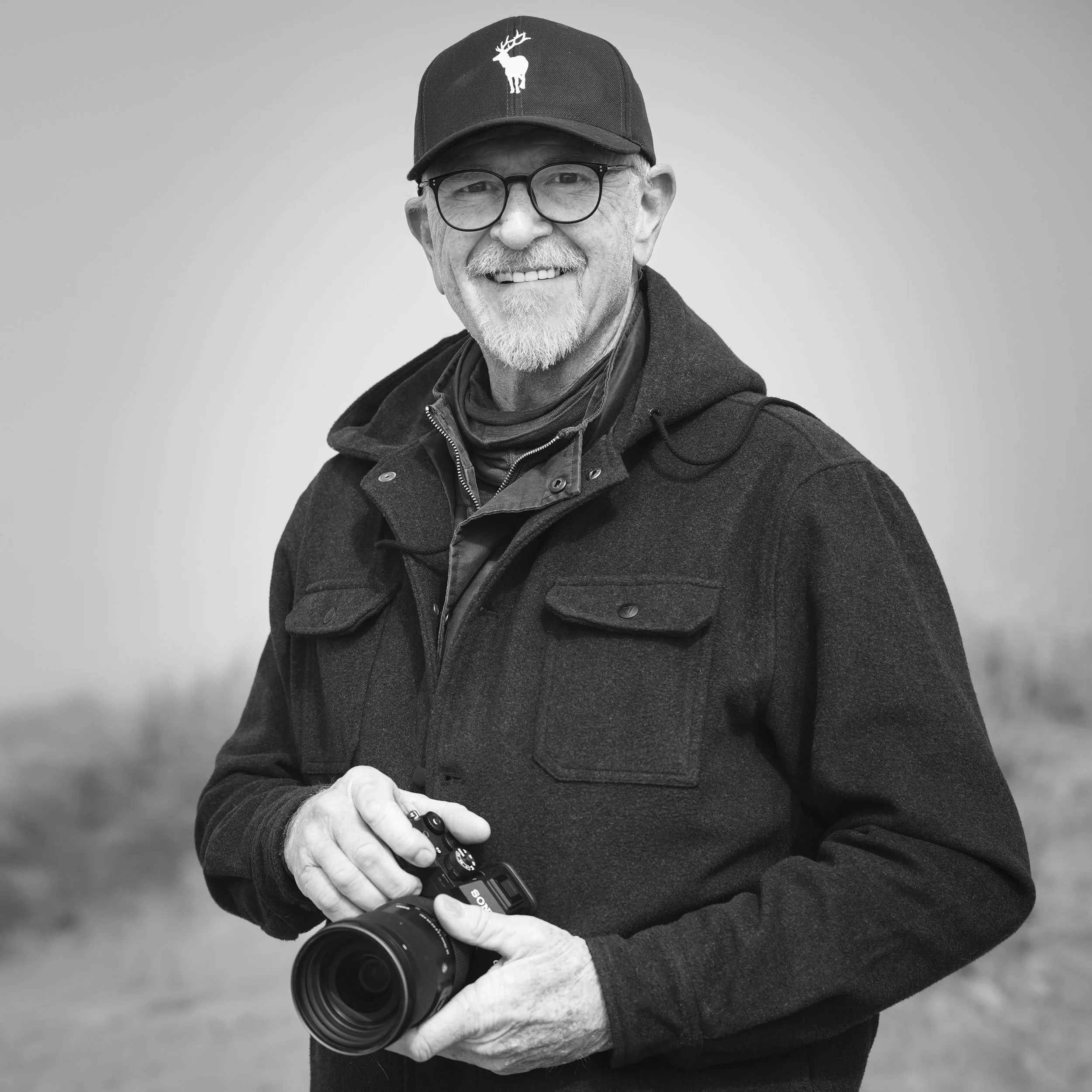
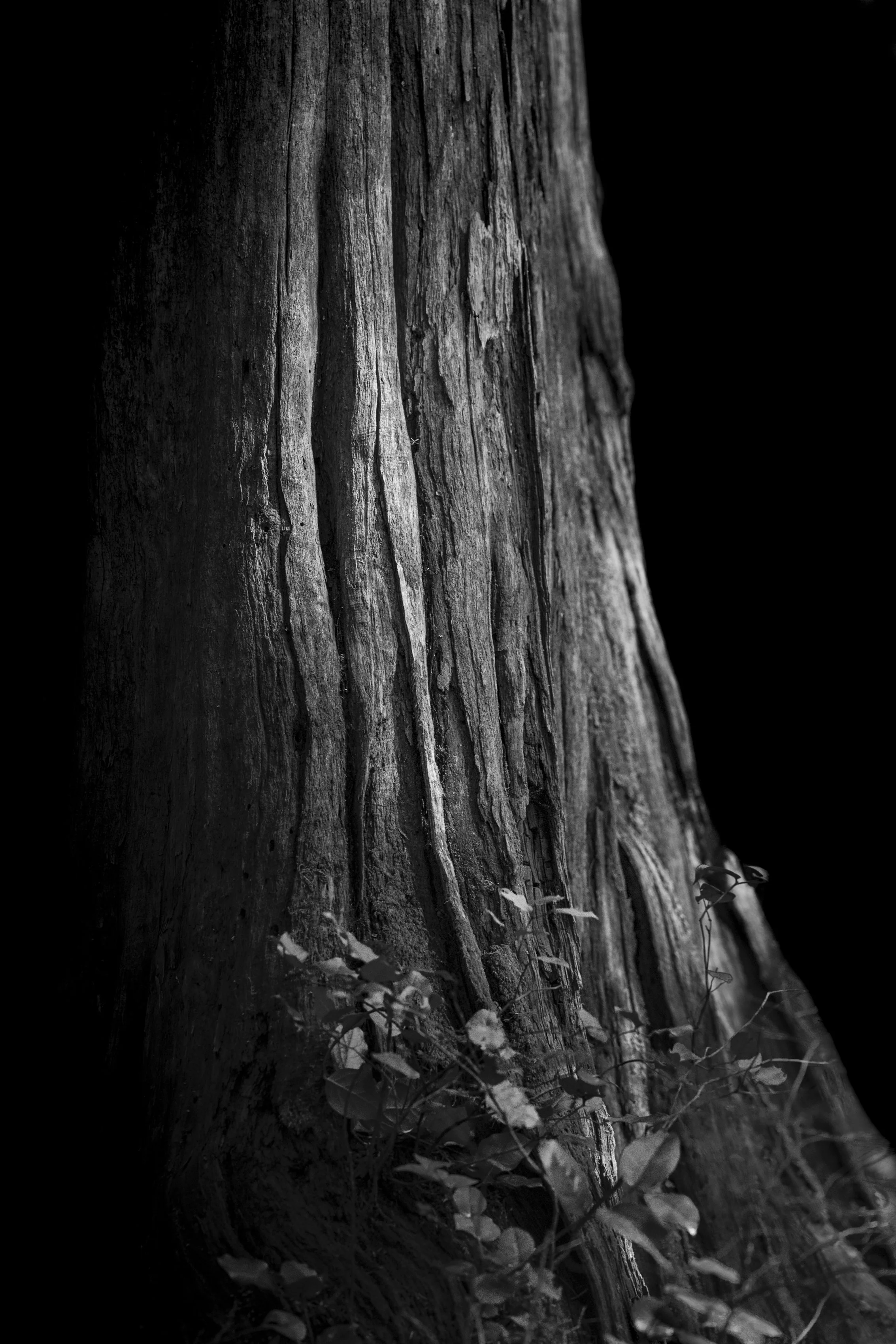
Willy Paul was born in 1958 in Los Angeles, California, now based in Lake Oswego, Oregon, where he lives with his wife, Kris, and their dog, Rye. Photography has long been both his passion and his way of seeing the world. While Willy explores many genres, he is primarily drawn to black and white imagery—especially high-contrast compositions that distill a scene to its essence. He’s inspired by those fleeting moments, subtle details, and quiet encounters that makes him pause, smile, or catch his breath. Landscapes naturally call to him, as he finds in nature a deep sense of calm and reflection. At the same time, he values connection and human presence, which draws him toward portraiture and urban scenes. Willy’s background in architecture continues to shape how he sees—guiding his attention to form, shape, pattern, texture, scale, and proportion, often revealing visual stories that might otherwise go unnoticed. He believes photography is, at its core, an art form. While technical mastery is essential, he strives to move beyond documentation and into interpretation—using the camera not just to capture what something is, but to suggest what else it might be. As Minor White so eloquently said, “One should not only photograph things for what they are, but for what else they are”.
What is your background and how did you start your journey in the art world?
“I’m 67 years old, and photography has been part of my life since I was about 10, when I first used my father’s Leica and a handheld light meter. I continued working with a camera during my architecture studies in Southern California at 19, and in that sense, I’ve been engaged in an artistic practice for over 50 years. But in truth however, it really is more like a lifetime. Everything I’ve experienced throughout my lifetime—my childhood, the people I’ve surrounded myself with, my education, my marriage, and the many influences I’ve encountered—has shaped my worldview. All of it informs my sensibilities and the way I see and respond to art. Over time, whether consciously or not, my perspective continues to evolve as I grow and mature.”
What inspires you?
“I find my greatest inspiration in nature, thoughtful design, positive energy, and a healthy, open mindset. A sense of exuberance and curiosity fuels my photographic work and shapes how I see the world. It’s difficult to create something meaningful when weighed down by negativity or a poor state of mind—I’ve experienced that as well. For me, being in a good mental and emotional space isn’t just helpful; it’s essential to making work that feels honest and alive.”
What themes do you pursue? Is there an underlying message in your work?
“My work often grows out of my encounters with the world around me, so it’s important that I seek environments that support and inspire a clear mental vision. Street scenes, with their fleeting and unrepeatable moments, offer a dynamic space for observation and discovery. More intimate, close-up views—shapes, patterns, and textures—can reveal a quiet beauty that often goes unnoticed. Nature however holds a particularly meaningful place for me, offering both visual richness and a sense of calm and reflection. Ultimately, what drives me is the desire to see more deeply into a scene—to move beyond the immediate impression and create images that reveal something more lasting and considered.”
How would you describe your work?
“I consider photography more an art than a craft. Although technical mastery is essential, I aim to move beyond simple documentation and more toward interpretation. Capturing a scene not only for what it is, but for what it can become. When something truly captivates me, I first envision the most compelling and expressive version of it in my mind. Knowing the intended outcome before pressing the shutter is vital; it allows me to create images with greater clarity, intention, and emotional impact.”
Which artists influence you most?
“I draw inspiration from a wide range of artists, and as I reflect on their influence, I recognize a shared thread of minimalism and clarity in their work. This includes figures such as Franz Kline, Pablo Picasso, Mark Rothko, and Le Corbusier, as well as the Bauhaus movement as a whole. Architects like Frank Gehry, and I’m equally influenced by photographers and image-makers like Michael Kenna, Ansel Adams, and Edward Weston, alongside Irving Penn, Gregory Heisler, Yousuf Karsh, Annie Leibovitz, Diane Arbus, and Richard Avedon. Each, in their own way, demonstrates the power of reduction—of stripping an image down to its most essential elements to reveal something deeper and more enduring.”
What is your creative process like?
“My approach to photography has evolved steadily over time. In the beginning, I photographed anything that caught my attention; eventually, my focus narrowed to nature and architecture, shaped by both professional demands and time spent outdoors. More recently, I’ve learned to slow down—to truly see—then follow what evokes a sense of joy, humor, or quiet awe, what makes me smile, laugh, or take my breath away. I now tend to work in projects rather than isolated images, allowing my visual exploration to unfold with greater depth and intention. While my background, worldview, and aesthetic sensibilities have always informed my instincts, developing a clearer vision has given me the confidence to move beyond documentation and toward a more deliberate, artistic practice of making artful photography.”
What is an artist’s role in society and how do you see that evolving?
“I think that an artist needs to be true to themselves and create art that has meaning to the artist. For me, the following quote by Rick Rubin from his book The Creative Act: A Way of Being says it all; ‘Living life as an artist is a practice. You are ether engaging in the practice or you’re not. It makes no sense to say you’re no good at it. Its like saying, “I’m not good at being a monk. You are either living as a monk, or you’re not.’ We tend to think of the artists work as the output. The real work of the artist is a way of being in the world.” I follow a daily instinct to photograph — a persistent pull that I can’t ignore. When I trust that instinct and create from a place of honesty, I share the results with confidence and let viewers decide whether they’re moved. Art should come from the heart; when artists avoid copying others and make work that’s genuinely their own, society is richer for it.”
Website: willypaulphotography.com
Instagram: @willypaulphoto