Víctor Manuel Rodriguez Alvarez
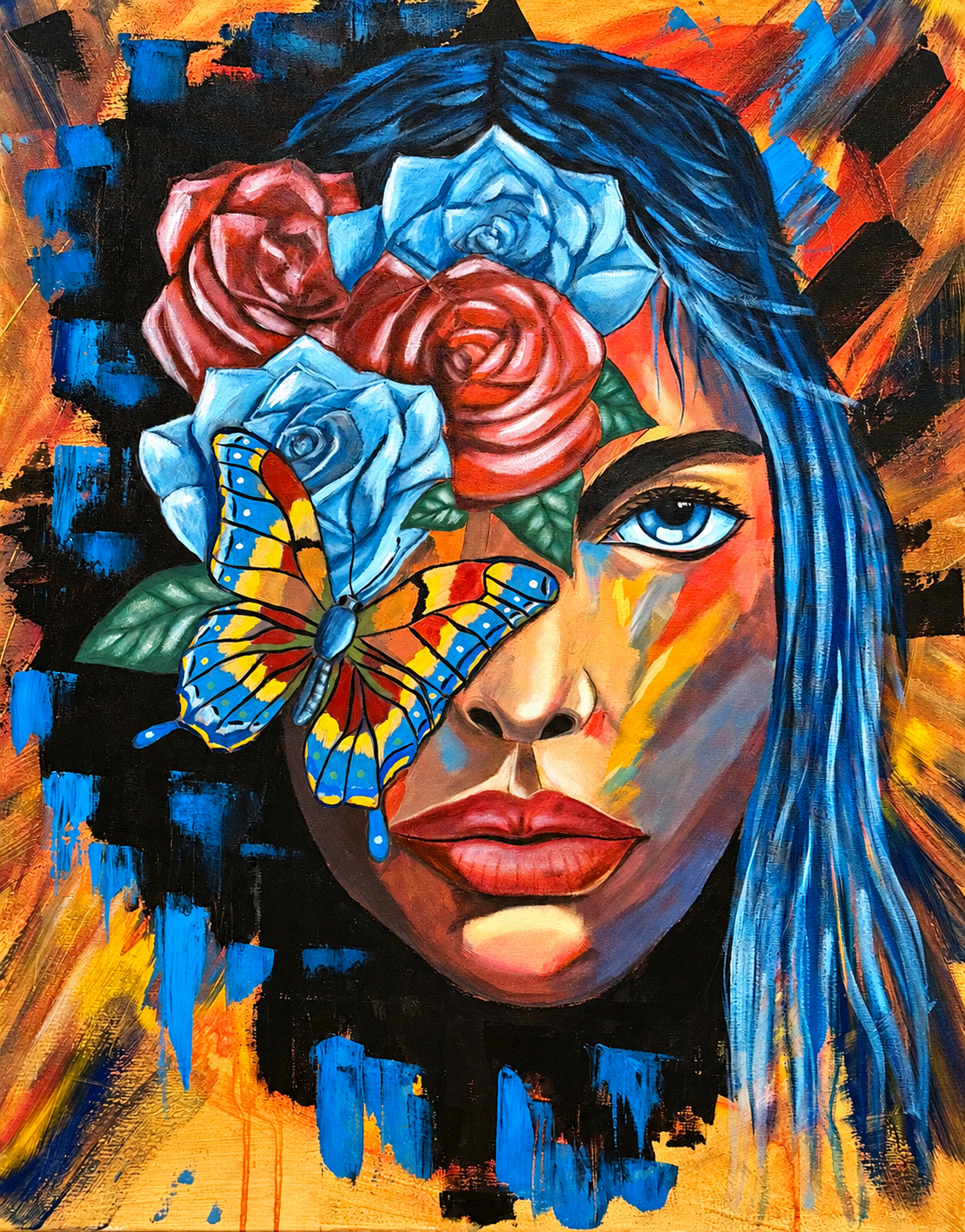
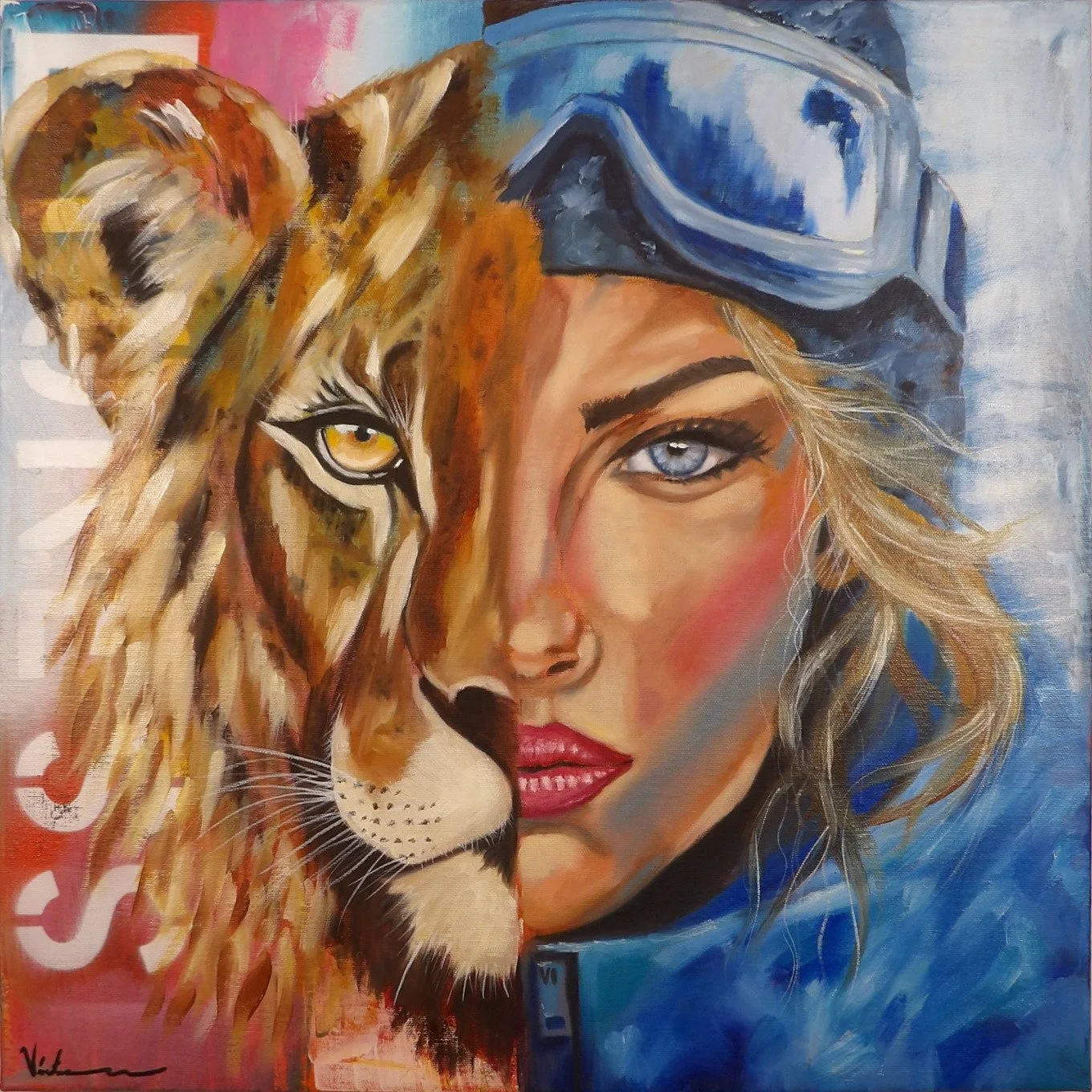
Born in Barcelona, Spain, in 1970, Víctor Manuel Rodríguez Álvarez moved to Salardú, a small village in the heart of the Pyrenees, when he was just a child. Surrounded by mountains, wildlife, and the beauty of nature, this environment has become an essential part of both his life and artistic identity. A self-taught contemporary figurative artist, Víctor works primarily with acrylics and oils, combining expressive brushstrokes, powerful contrasts, and atmospheric backgrounds to explore the complexity of human emotions. His paintings often bring together human figures and animals, creating visual stories about resilience, vulnerability, courage, injustice, and hope. Through their expressions and silences, he seeks to reveal the invisible struggles and emotions that connect us all.
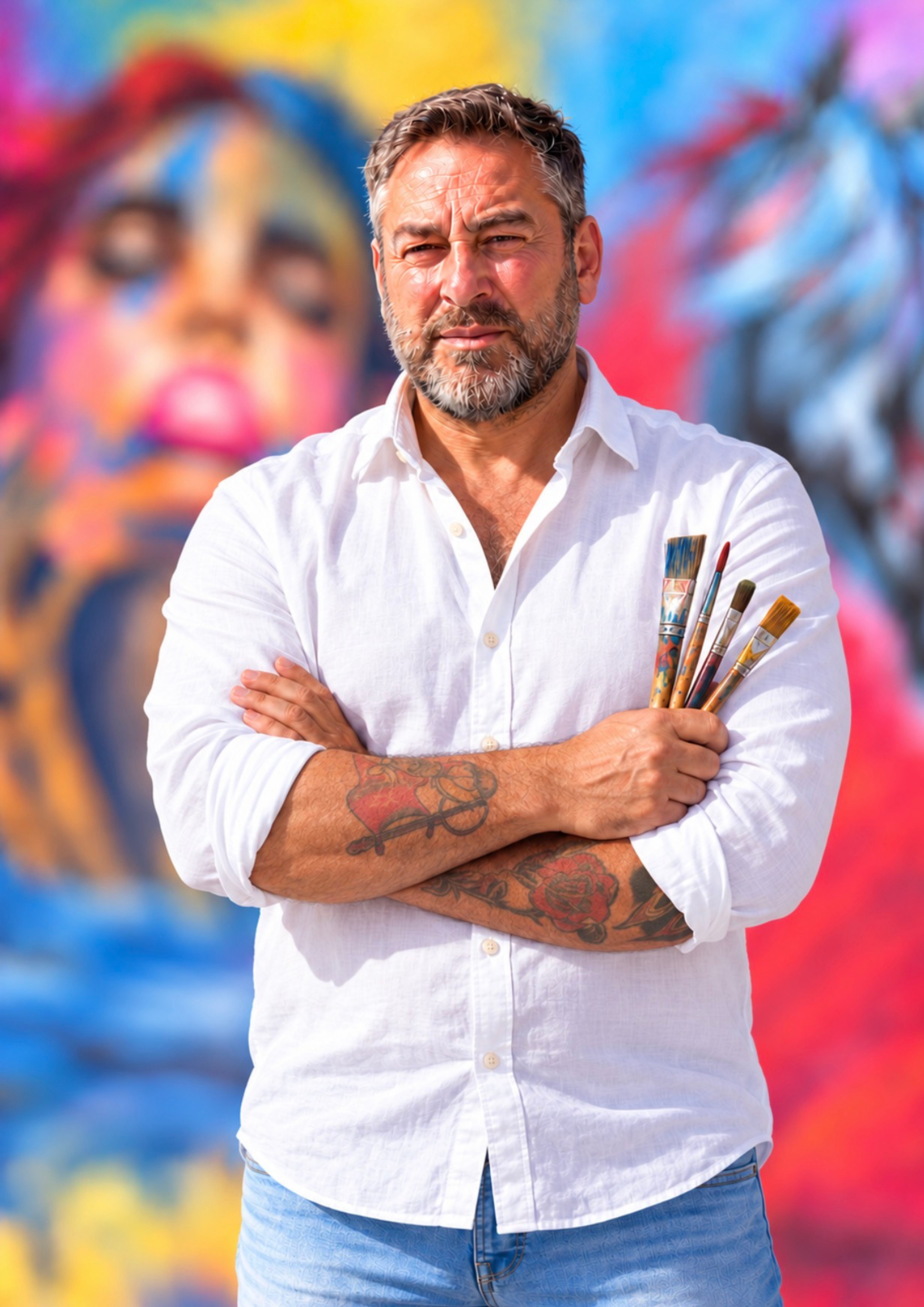
Over the past few years, his work has been presented in exhibitions in Spain, France, and Italy, including Artist Experience Madrid, Open Horizons at Galería Buat in Barcelona, and ExpoMetro Florence. His artistic journey has also led him to the Copelouzos Family Art Museum in Athens and to his selection for the final stage of the Artist of Europe Award 2026 in Paris. For Víctor, painting is much more than an artistic practice. It is a deeply personal way of understanding life, expressing emotions, and connecting with others. He does not seek perfection or recognition above all else. His greatest aspiration is to create honest, meaningful paintings that invite viewers to pause, reflect, and perhaps recognise something of themselves. His artistic philosophy can be summed up in a simple phrase: “Truth also lives in silence.”
What is your background and how did you start your journey in the art world?
“I was born in Barcelona, Spain, in 1970, but moved to Salardú, a small village nestled in the heart of the Pyrenees, when I was just a child. Surrounded by mountains and nature from an early age, this extraordinary environment has become an inseparable part of who I am, both as a person and as an artist. I am a self-taught artist, and my journey into the art world has been driven primarily by emotion, curiosity, and a deep need to express what words sometimes cannot convey. Art has become my way of understanding life, exploring human emotions, and giving a voice to feelings that often remain hidden beneath the surface. Around three years ago, I decided to take my passion more seriously and establish my own studio. Since then, I have had the opportunity to exhibit my work in Spain and France, gradually finding my place in the contemporary art world. I believe that being self-taught has given me a certain creative freedom. I have learned through observation, experimentation, mistakes, and countless hours in front of a canvas. I don't paint to achieve perfection. I paint to communicate something genuine, to provoke emotions, and perhaps to make someone feel a little less alone in their own experiences. For me, painting is not simply about creating beautiful images. It is about telling stories, confronting emotions, and finding beauty, strength, and hope even in life's darkest moments.”
What inspires you?
“I am deeply moved by people's stories, by their struggles, their silences, their fears, and their extraordinary ability to find strength even in the most difficult circumstances. I find inspiration in a simple glance, an unspoken emotion, or the quiet dignity of someone who refuses to give up. Nature also plays an essential role in my work. Living in the Pyrenees, surrounded by mountains, wildlife, and ever-changing landscapes, has taught me to appreciate both the beauty and the harshness of the natural world. I often see reflections of human emotions in animals: courage, vulnerability, loyalty, determination, and resilience. But inspiration doesn't always come from beauty. Sometimes it comes from injustice, sadness, anger, or the need to question the world around us. I am particularly drawn to the contrast between strength and fragility, light and darkness, silence and emotion. These contradictions are often at the heart of my paintings. Ultimately, I am inspired by everything that makes me feel something deeply. I believe art should go beyond what we see and reach something within us. Sometimes, the most powerful stories are the ones that are never spoken.”
What themes do you pursue? Is there an underlying message in your work?
“The central themes of my work revolve around human emotions, resilience, vulnerability, dignity, and the constant struggle between our inner strength and our fears. I am particularly interested in exploring what lies beneath appearances: the emotions we conceal, the battles we fight in silence, and the contradictions that define us as human beings. Many of my paintings explore the relationship between strength and fragility. I often use animals alongside human figures, not merely as visual elements, but as symbols of qualities and emotions that we sometimes struggle to recognize within ourselves. Injustice, loneliness, courage, hope, and the determination to overcome adversity are recurring themes in my work. I am fascinated by the idea that even in our most vulnerable moments, we can discover an extraordinary strength. If there is one underlying message in my paintings, it is that appearances rarely tell the whole story. Behind every gaze, every silence, and every gesture, there may be an invisible struggle, an untold story, or a truth waiting to be discovered. However, I don't want to impose a single interpretation on the viewer. I prefer to leave room for personal reflection, allowing each person to find something of their own experiences and emotions within my paintings. I believe that art has the power to awaken empathy, challenge indifference, and remind us of our shared humanity. There is a phrase that has become something of a personal philosophy in my artistic journey: ‘Truth also lives in silence.’ Perhaps that is what I am ultimately trying to express through my work.”
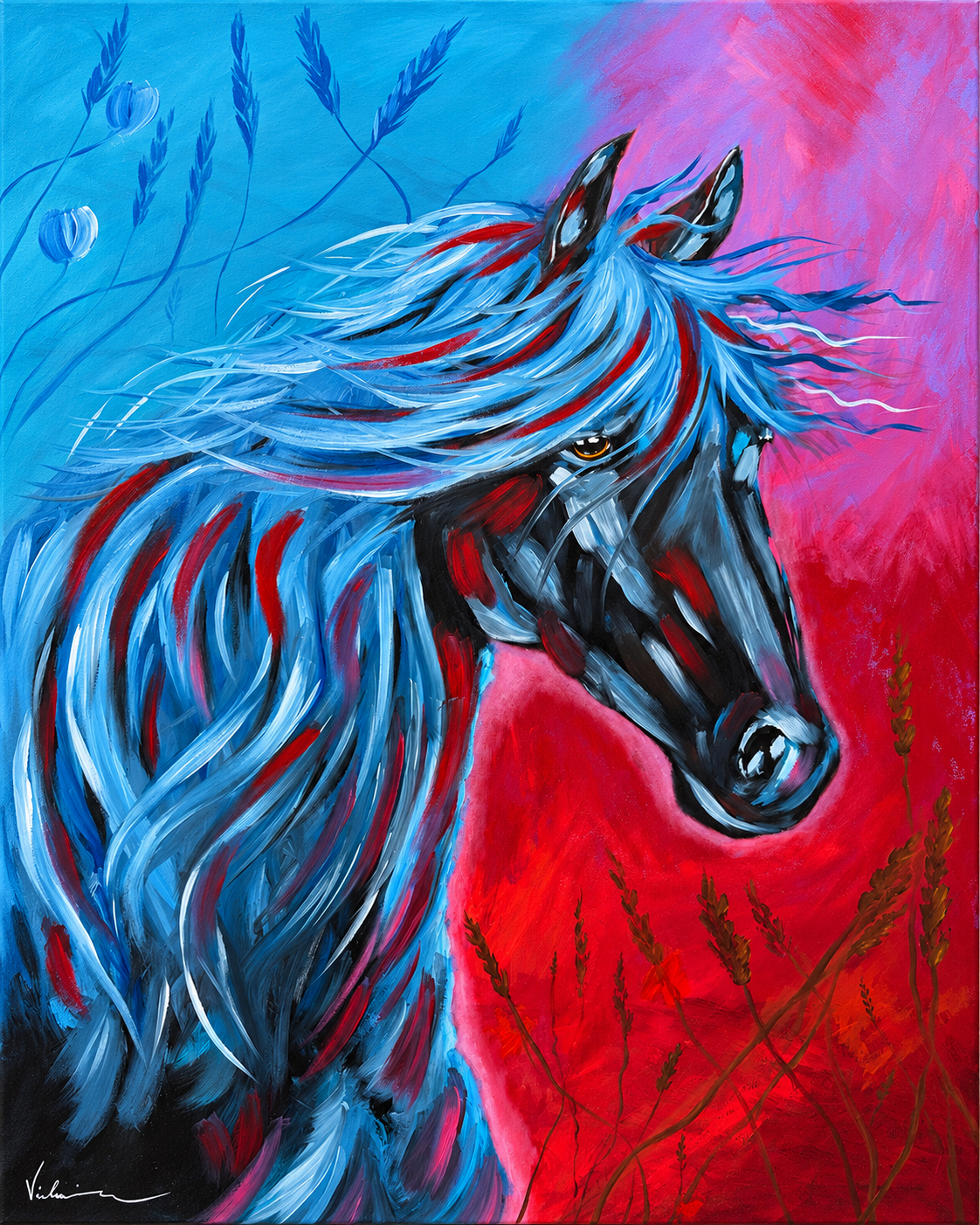
How would you describe your work?
“I would describe my work as a reflection of who I am, of what I feel, what moves me, and sometimes, what hurts me. I paint people, animals, and moments that tell stories, but what really matters to me is what lies beneath the image. A look, a gesture, or even a silence can express more than a thousand words. My paintings often combine strength and vulnerability, beauty and sadness, darkness and hope. I suppose that is because I see life in much the same way. Nothing is entirely black or white, and even the strongest among us have moments of fragility. I love working with expressive brushstrokes, contrasts, and colours that help me communicate what I feel. I don't always follow the rules, and I don't want everything to look perfect. I want my paintings to feel alive, honest, and human. I don't expect everyone to see the same thing in my work. In fact, I love the idea that someone might stand in front of one of my paintings and discover a story completely different from the one I had in mind. If one of my paintings makes someone stop for a moment, feel something, or recognise a little piece of themselves in it, then I feel I have achieved something truly meaningful. Because, in the end, I don't just want my paintings to be seen. I want them to be felt.”
Which artists influence you most?
“As a self-taught artist, my influences have always come from many different places, not just from painting. I admire artists who are able to communicate powerful emotions through their work, especially those who are not afraid to experiment, break conventions, or show their own vulnerability. I am particularly drawn to expressive figurative painting, where colour, texture, and brushstrokes become just as important as the subject itself. Among contemporary artists, I admire Ellie Milan for her freedom in using colour and abstract backgrounds. I am also deeply fascinated by the work of Guillermo Lorca. His extraordinary ability to create mysterious, emotionally intense scenes, often bringing together human figures and animals, truly captivates me. I love how his paintings can be both beautiful and unsettling, inviting us to look beyond what we see. But I also find inspiration in cinema, photography, and music. Sometimes a scene from a film, a particular light, or a piece of music can awaken an emotion that eventually becomes the starting point for a painting. I believe every artist we admire leaves a small mark on us, but I try not to imitate anyone. I prefer to learn from what moves me and gradually transform those influences into something personal. My greatest ambition is not to paint like someone I admire, but to develop a visual language that feels genuinely my own.”
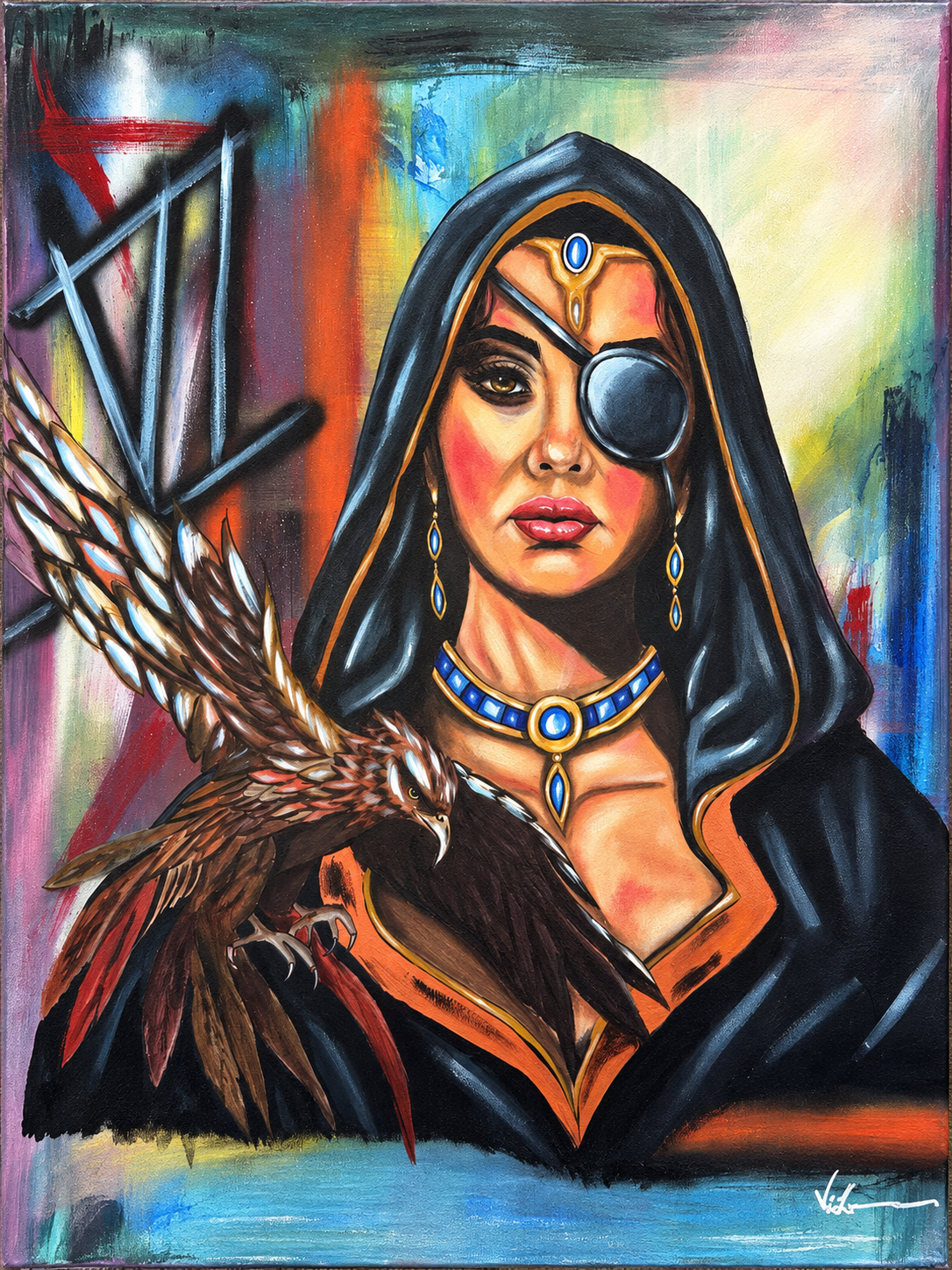
What is your creative process like?
“My creative process usually begins with an emotion, an image, or a story that, for some reason, lingers in my mind. Sometimes it stems from a personal experience, a moment in nature, a piece of music, or simply a thought that refuses to fade away. I often spend a good deal of time imagining the painting before I even touch the canvas. I think about the characters, their expressions, the atmosphere, and—most importantly—the feeling I want the work to evoke in the viewer. Yet, once I begin to paint, things don’t always unfold as I had planned. And, in truth, I rather like that. A painting has a unique way of taking on a life of its own, and sometimes the most compelling elements emerge when I allow myself to follow my instincts. I typically work with acrylics and oils, blending expressive brushstrokes, textures, and contrasts. I love experimenting with color and finding that delicate balance between realistic figures and backgrounds that are more abstract and spontaneous. I must admit that one of my greatest challenges is knowing when to stop. At times, I become so deeply immersed in a painting that I keep searching for something more—even when the emotion I intended to convey is already present. For me, painting is a deeply personal experience. It encompasses moments of excitement, doubt, and frustration, as well as immense satisfaction. I suppose all these feelings ultimately become part of the finished work. In the end, I don’t just create a painting; I live it—and perhaps a small piece of who I am remains on every canvas.”
What is an artist’s role in society and how do you see that evolving?
“I believe an artist's role in society goes far beyond creating beautiful things. Art has the ability to make us feel, reflect, question ourselves, and sometimes see the world through someone else's eyes. I think artists can give a voice to emotions that often remain unspoken. We can draw attention to injustice, celebrate beauty, express pain, and remind people of something I consider essential: empathy. I don't believe artists have to change the world, but I do believe we can help change the way someone sees it. Sometimes a single painting can awaken a feeling or a thought that stays with a person long after they have walked away. We live in a world that is constantly changing, where everything seems to move faster every day. Art is evolving too, with new forms of expression, new possibilities, and different ways of connecting with people. I believe there is room for all of them. Every form of artistic expression has its place, its audience, and its own value. Personally, I choose a path that remains deeply connected to human emotions and experiences. I value the imperfections, the doubts, the effort, and the personal stories that become part of every painting I create. That is where I find meaning in my work. I don't think art should be about competing with different ways of creating. I prefer to believe in coexistence, mutual respect, and the freedom for every artist to follow their own path. As the world continues to evolve, I hope art will always preserve its ability to bring us closer to one another.”
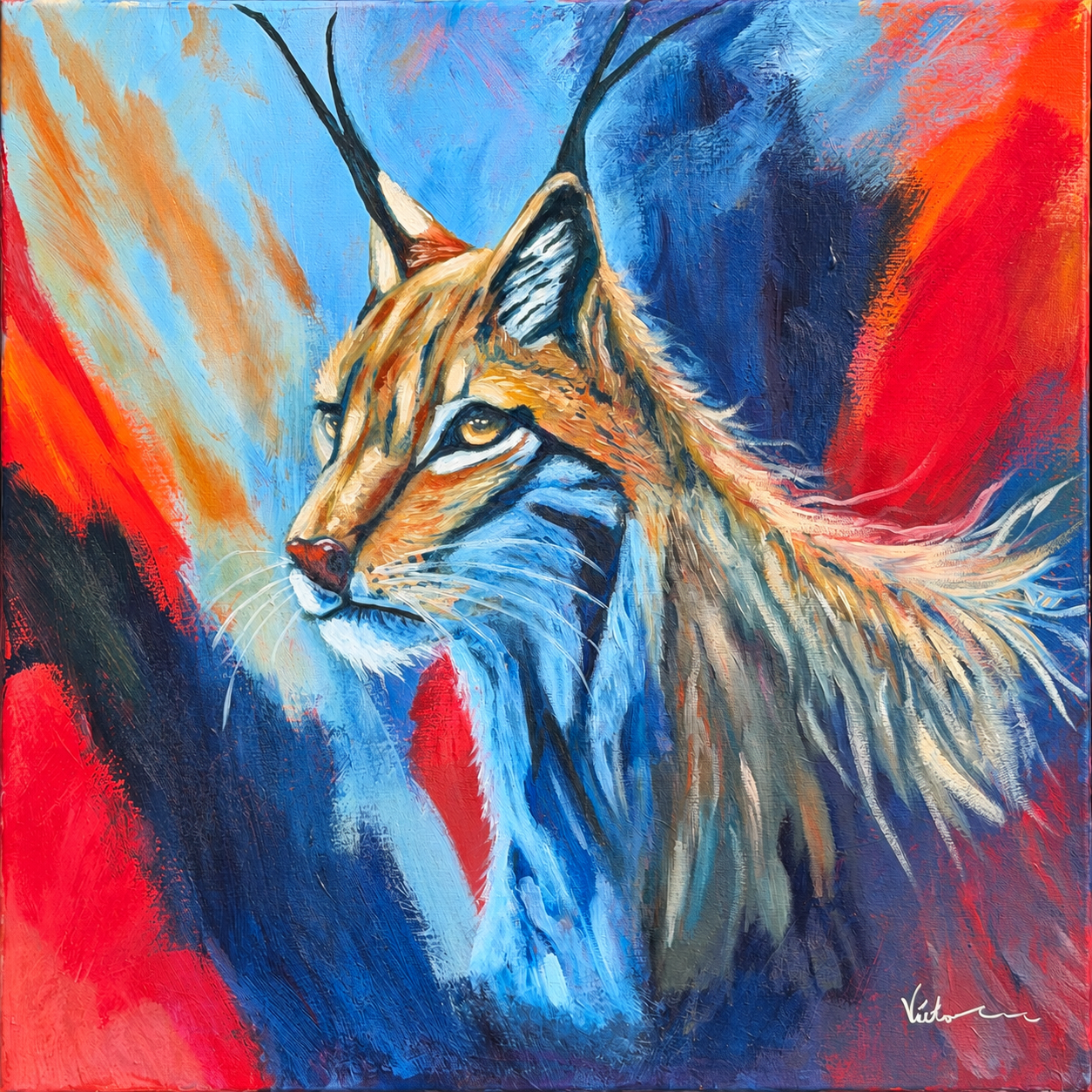
Have you had any noteworthy exhibitions you'd like to share?
“Over the past few years, I have been fortunate enough to participate in several exhibitions in Spain and France. Each one has been a special experience, not only because of the opportunity to show my paintings, but also because of the people I have met and the emotions my work has awakened in others. One of the highlights of 2026 was my participation in Artist Experience Madrid, held at the Palacio de Santa Bárbara. It was a wonderful opportunity to present several of my paintings and connect directly with visitors and other artists. In April, I also took part in Open Horizons, a group exhibition at Galería Buat in Barcelona. Exhibiting in the city where I was born made this experience particularly meaningful to me. It was also a lovely opportunity to share an artistic space with other creators, each bringing their own vision and sensitivity. Another exciting experience has been my participation in ExpoMetro Florence, an international digital art exhibition in Italy. Seeing my work reach audiences beyond Spain is something that means a great deal to me. I have also had the honour of sending one of my paintings, El sabor de lo que arde, to the Copelouzos Family Art Museum in Athens, Greece, an experience that holds particular significance for me. More recently, I was selected to participate in the final stage of the Artist of Europe Award 2026, organised by PitturiAmo, with the final event scheduled for December 11 at the Picasso Museum in Paris. My participating works are Dualidad and Orgullo. I am grateful for these opportunities, but I also try to keep my feet on the ground. I know I still have a great deal to learn, and I see every exhibition as another step in a journey that I hope will continue for many years. For me, the most rewarding part of exhibiting is not simply seeing my paintings on a gallery wall. It is watching someone stop in front of one of them, look closely, and perhaps discover an emotion or a story that connects with their own life. That is the kind of recognition that truly matters to me.”
Website: www.victormanuelrodriguezalvarez.com
Instagram: @victorsalardu
Brush Bio: brush.bio/victormanuelrodriguezalvarez
Other links: www.facebook.com/victorsalardu