
Interview
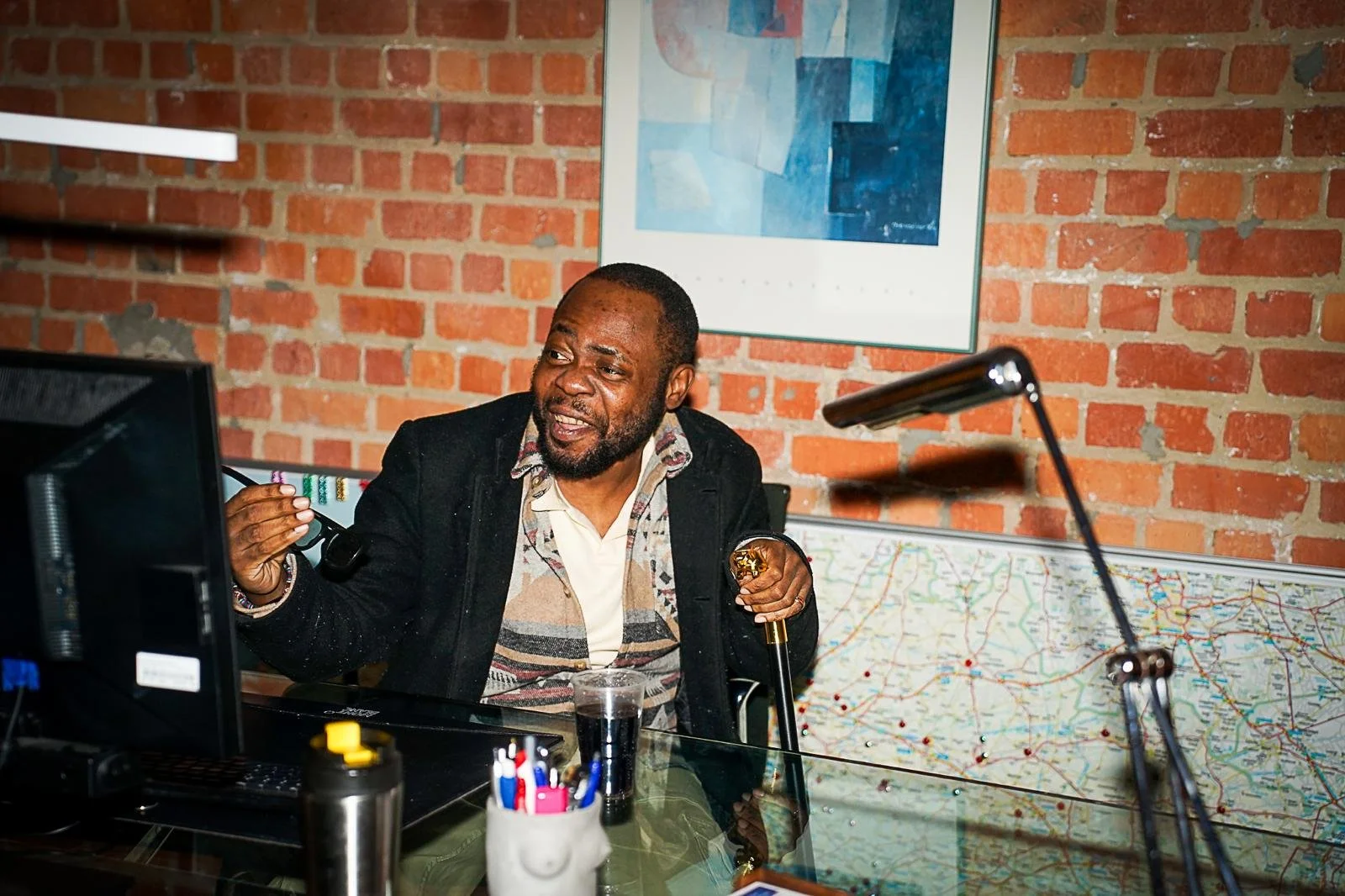
Tresor Mpemba
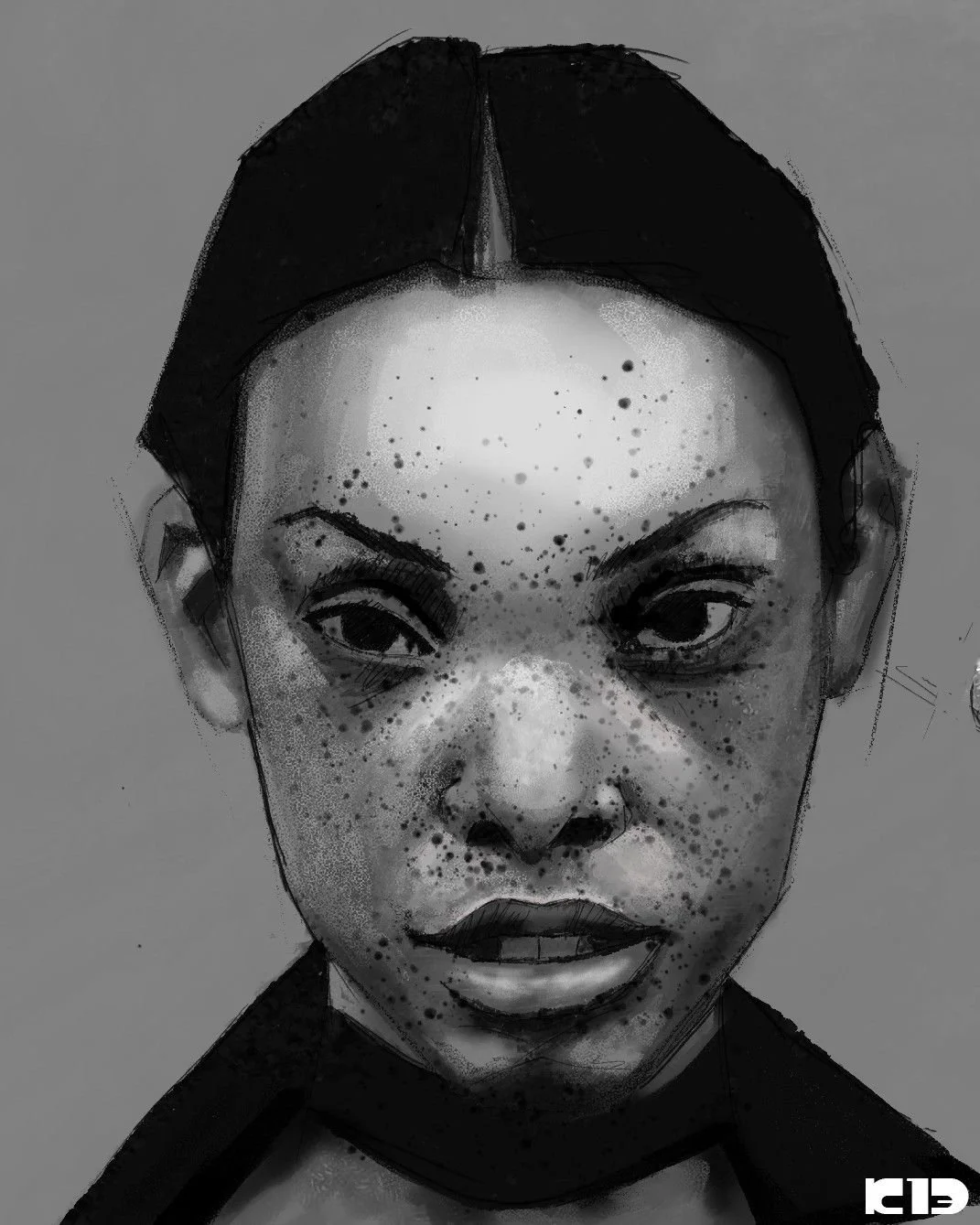
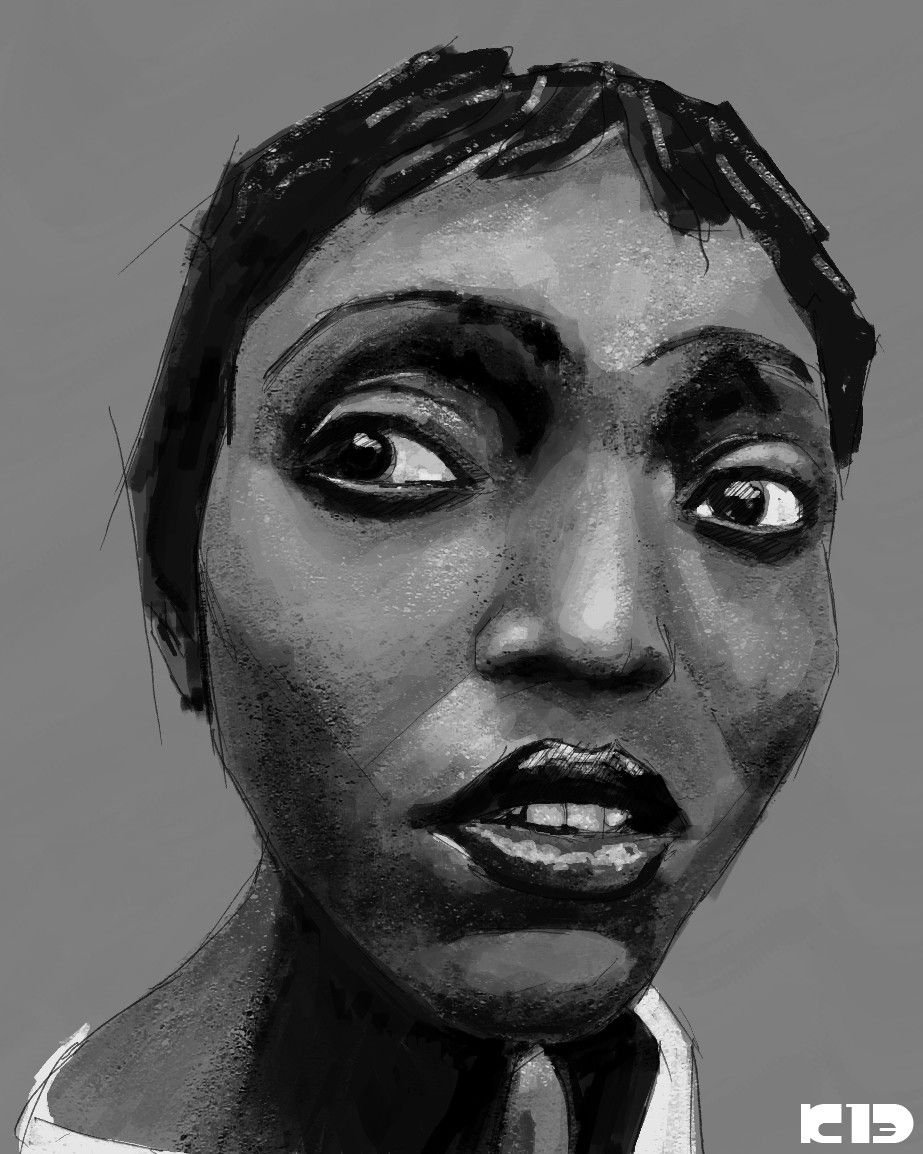
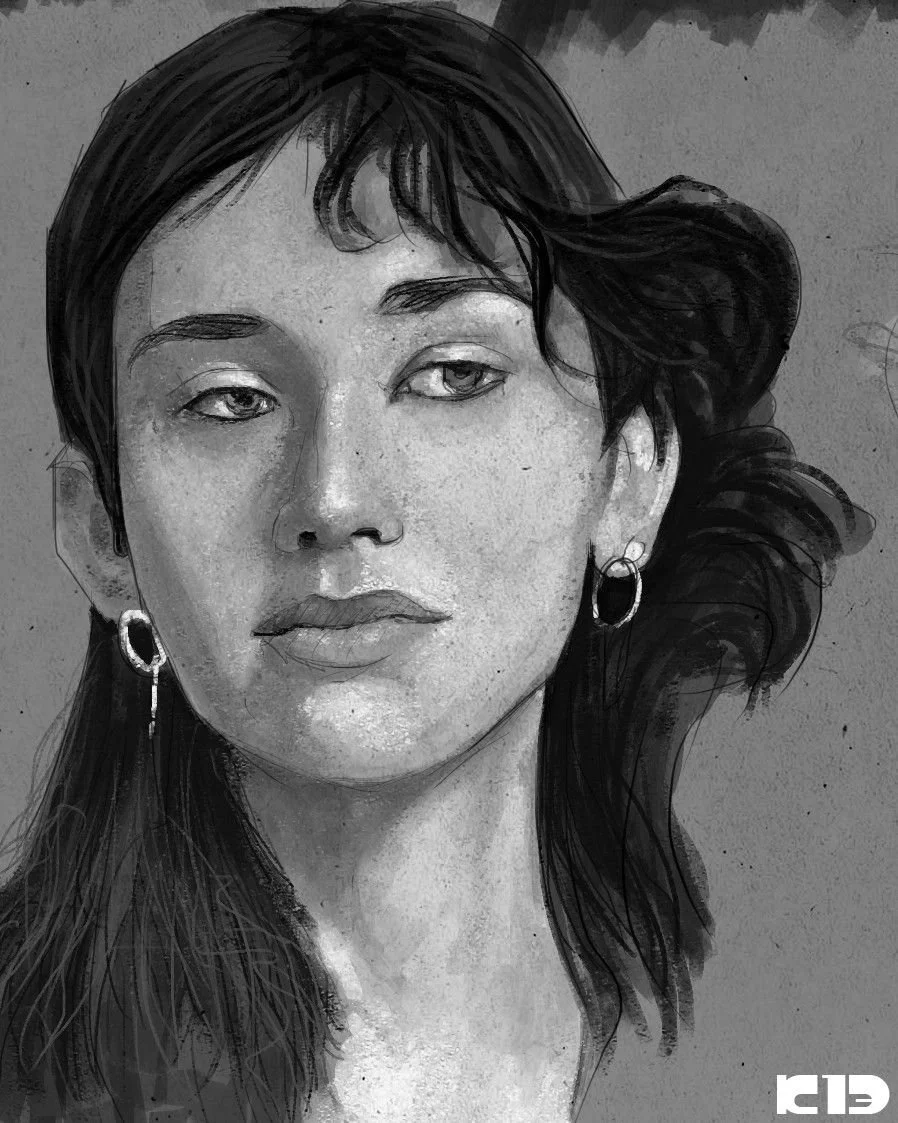
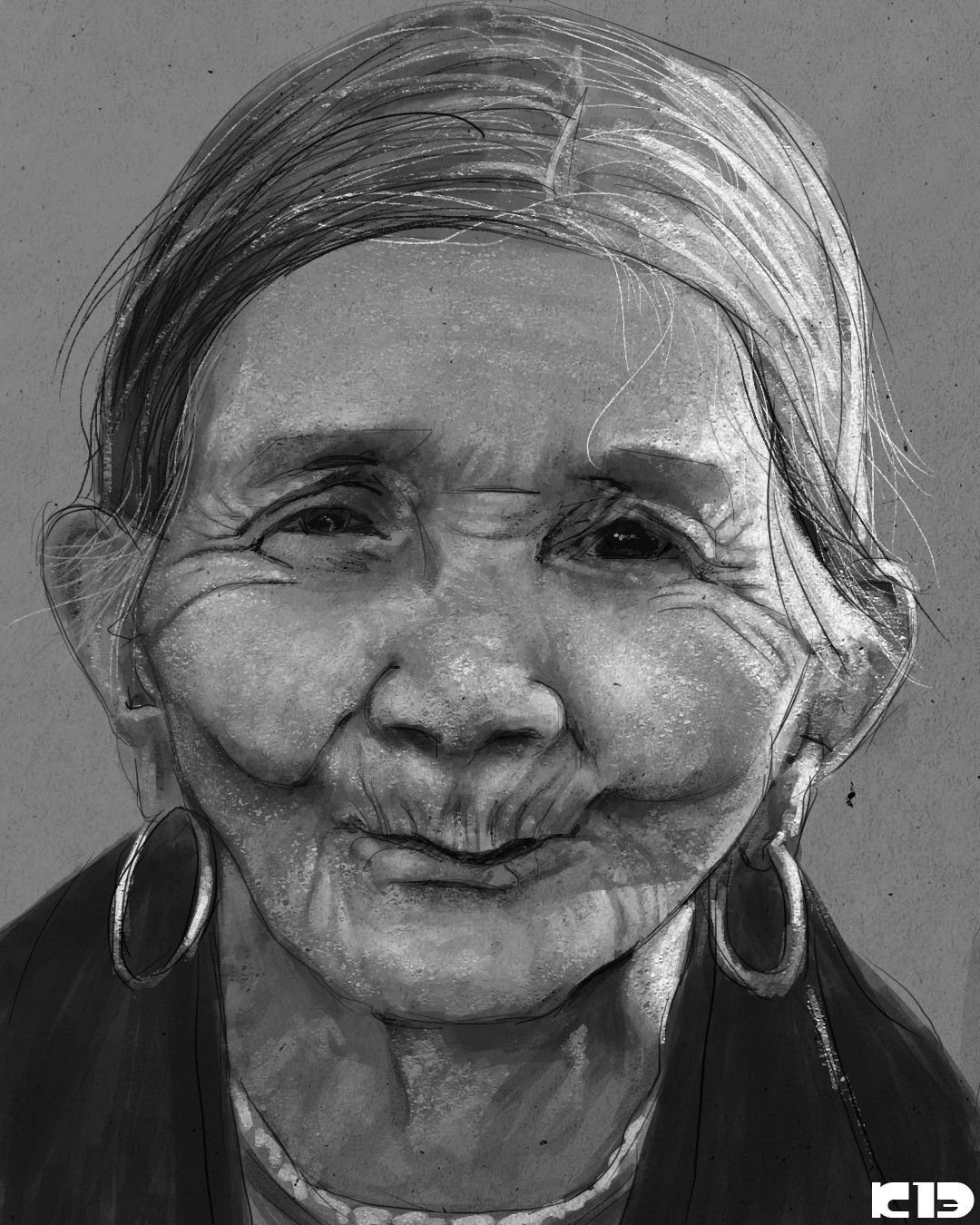
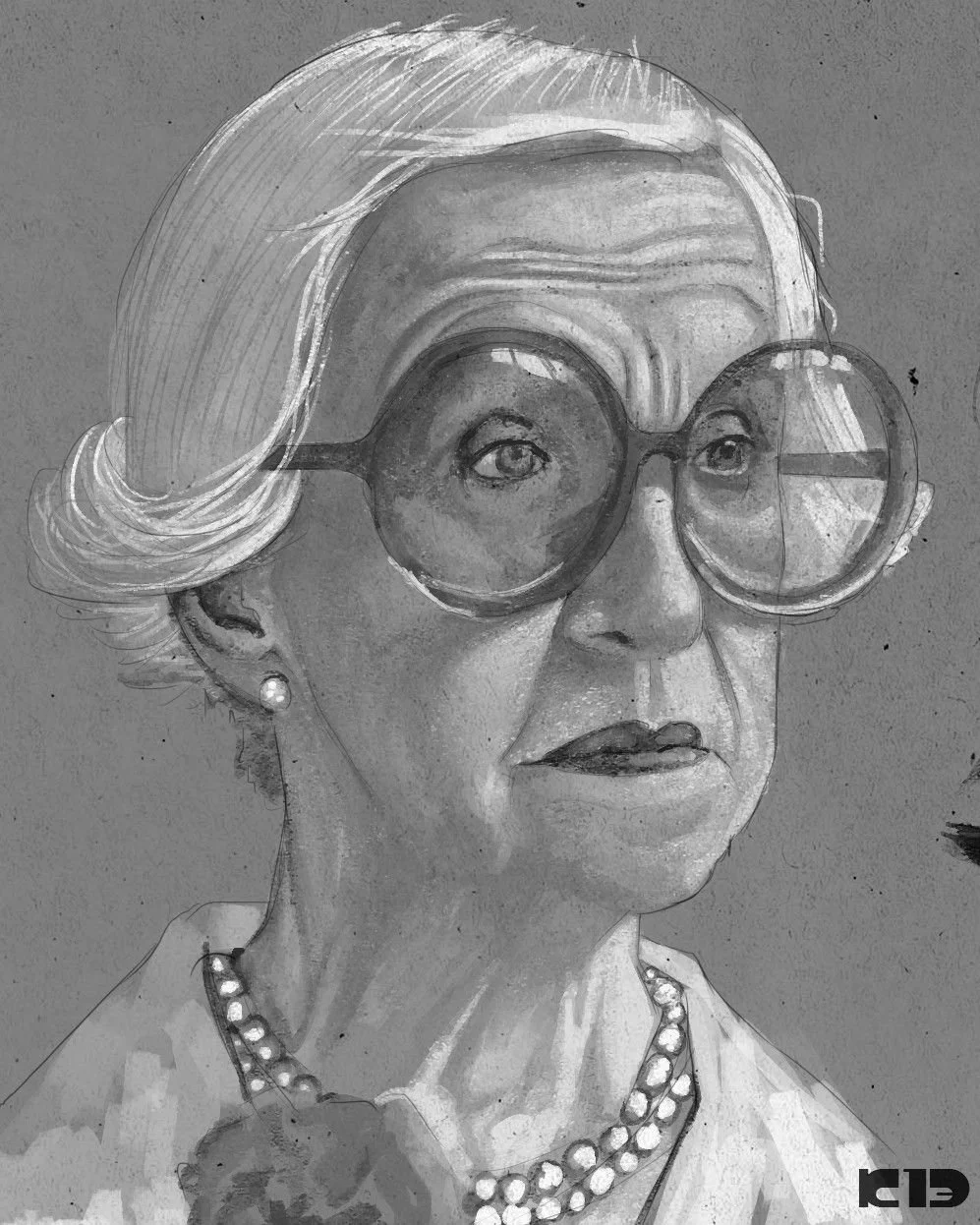
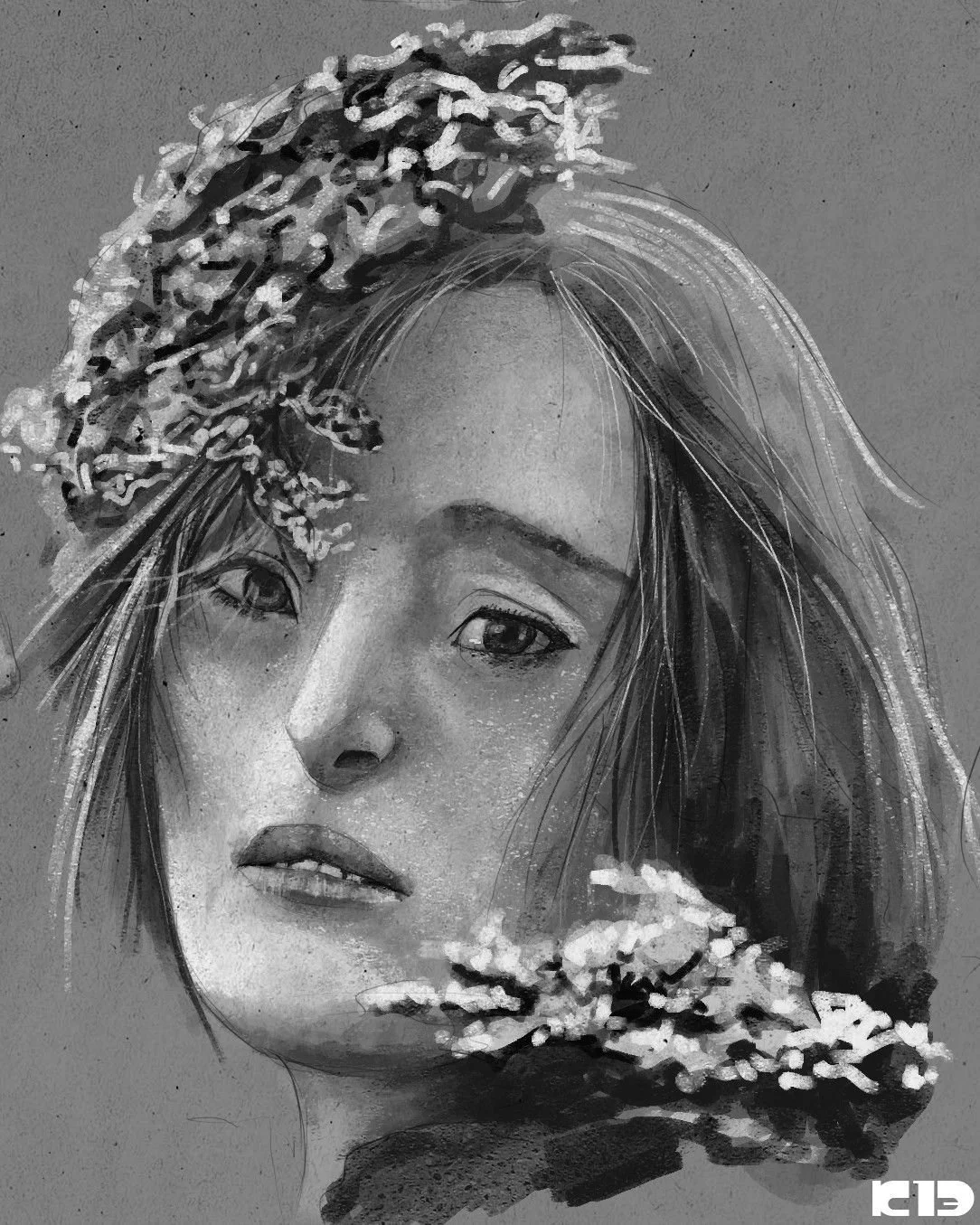
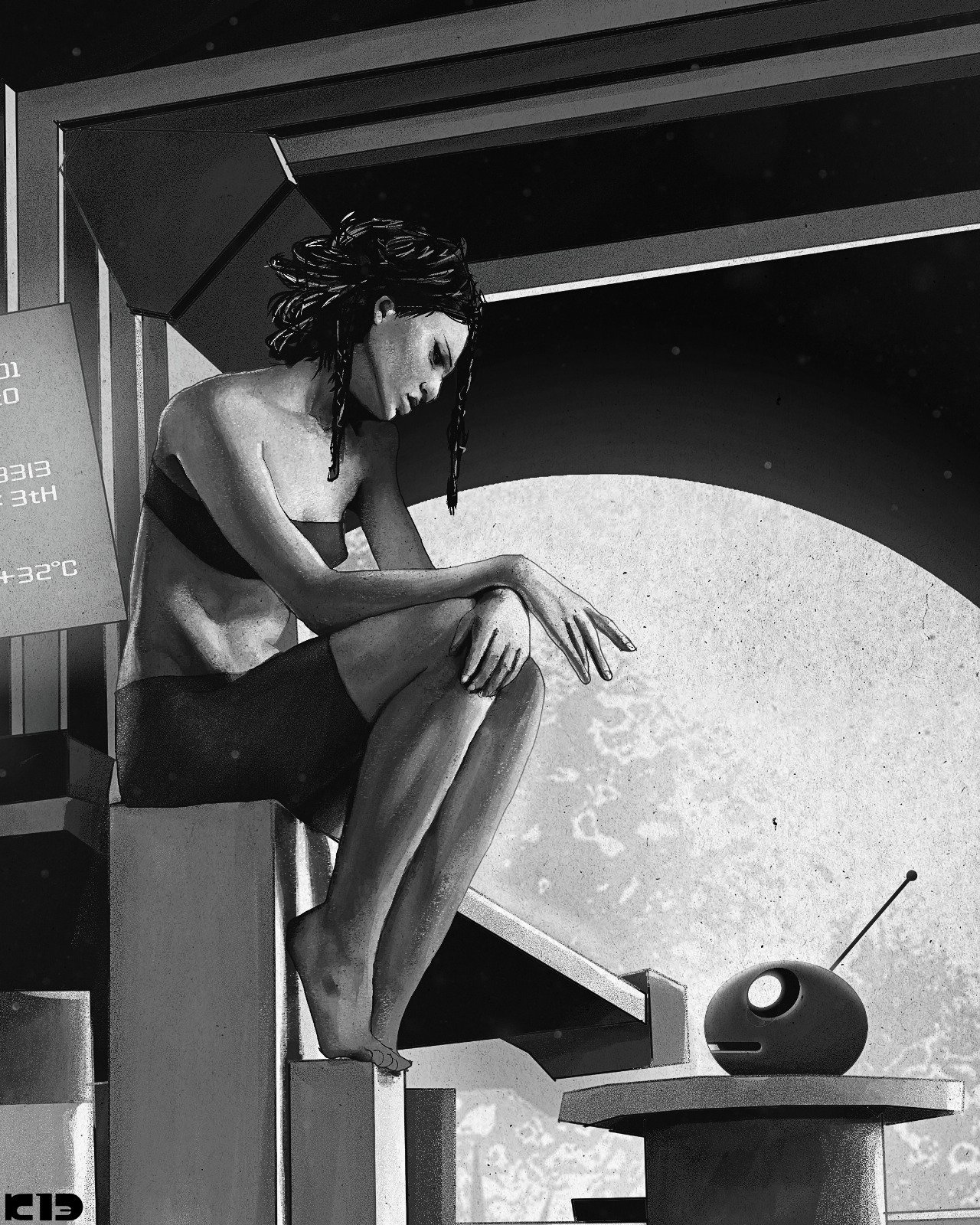
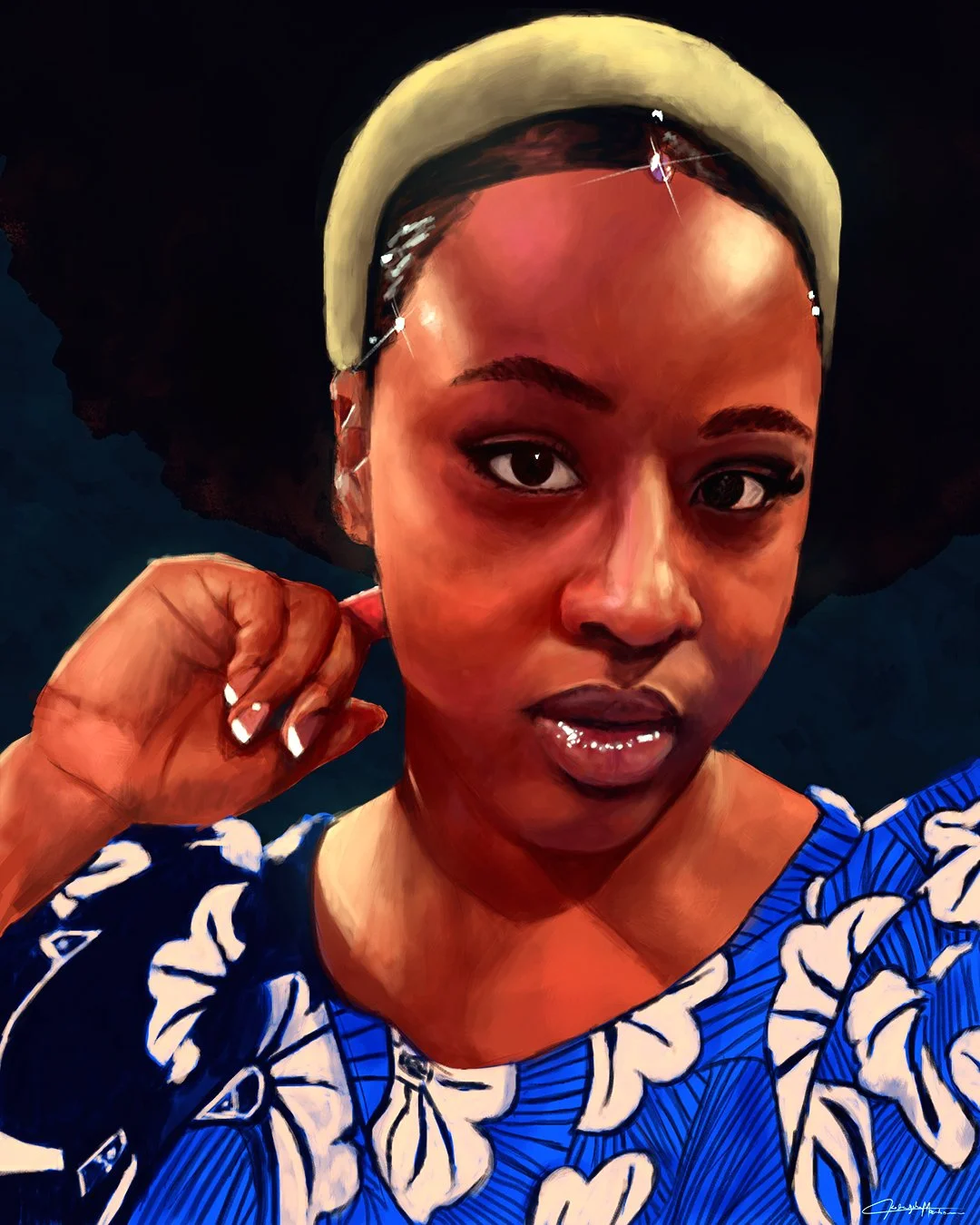
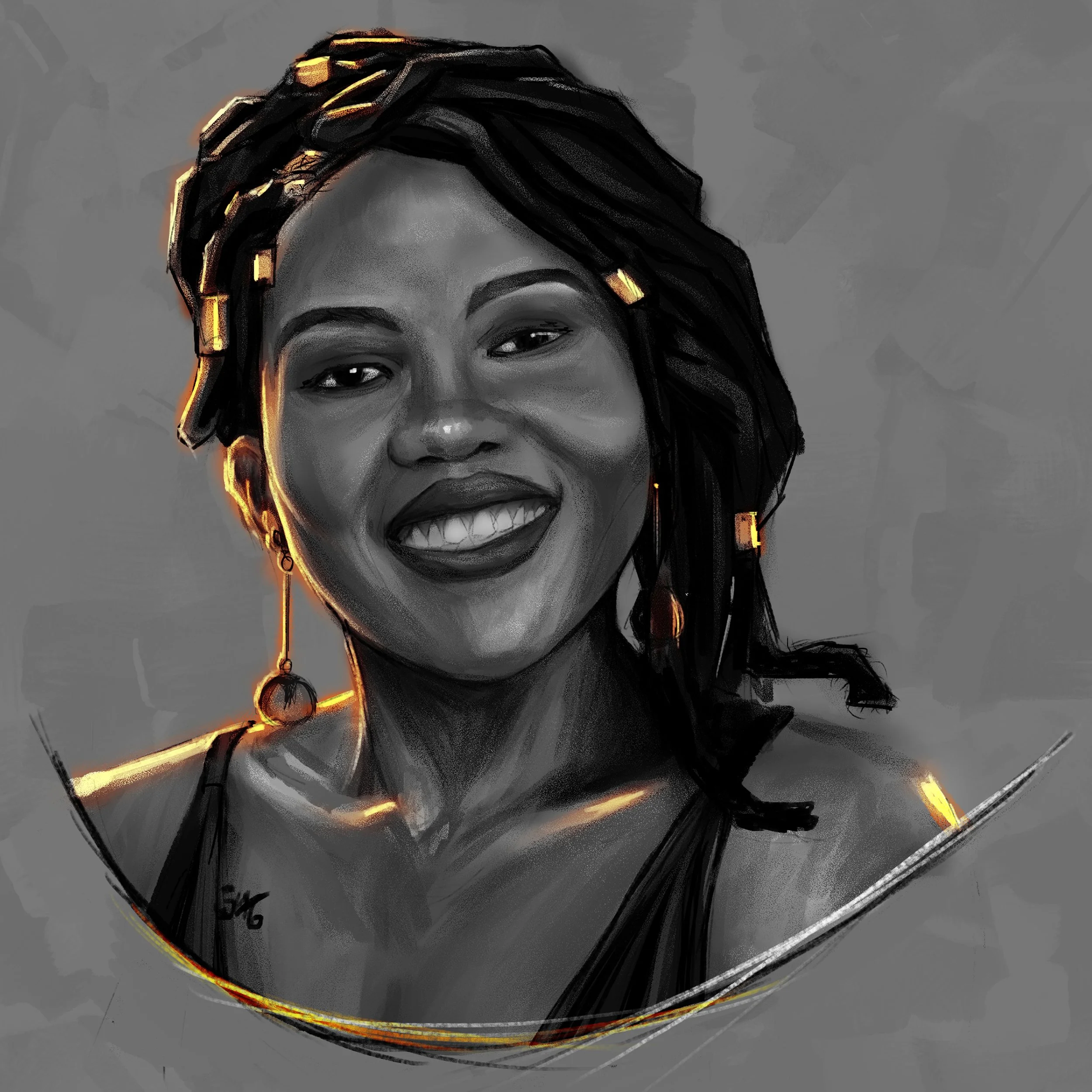
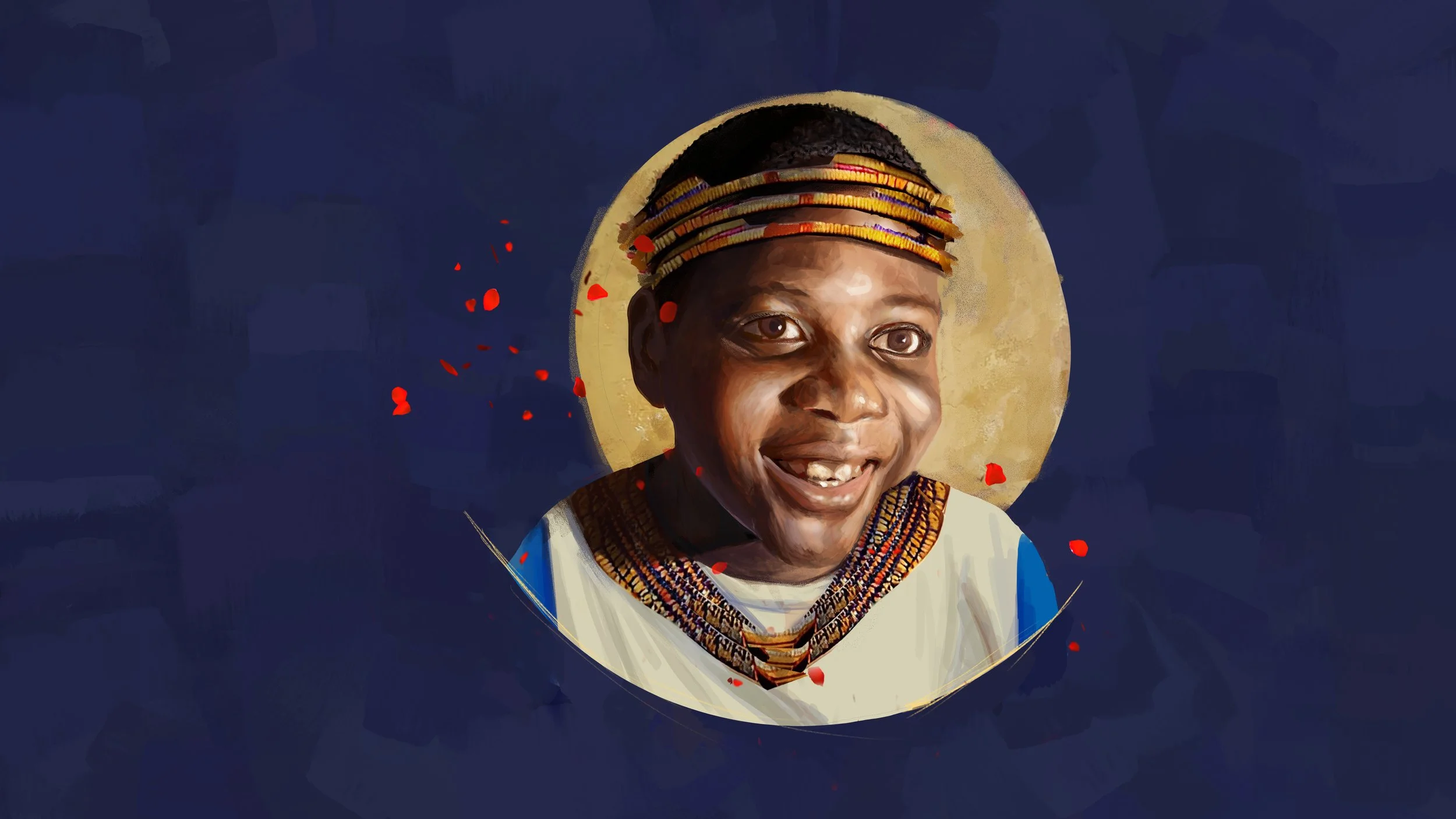
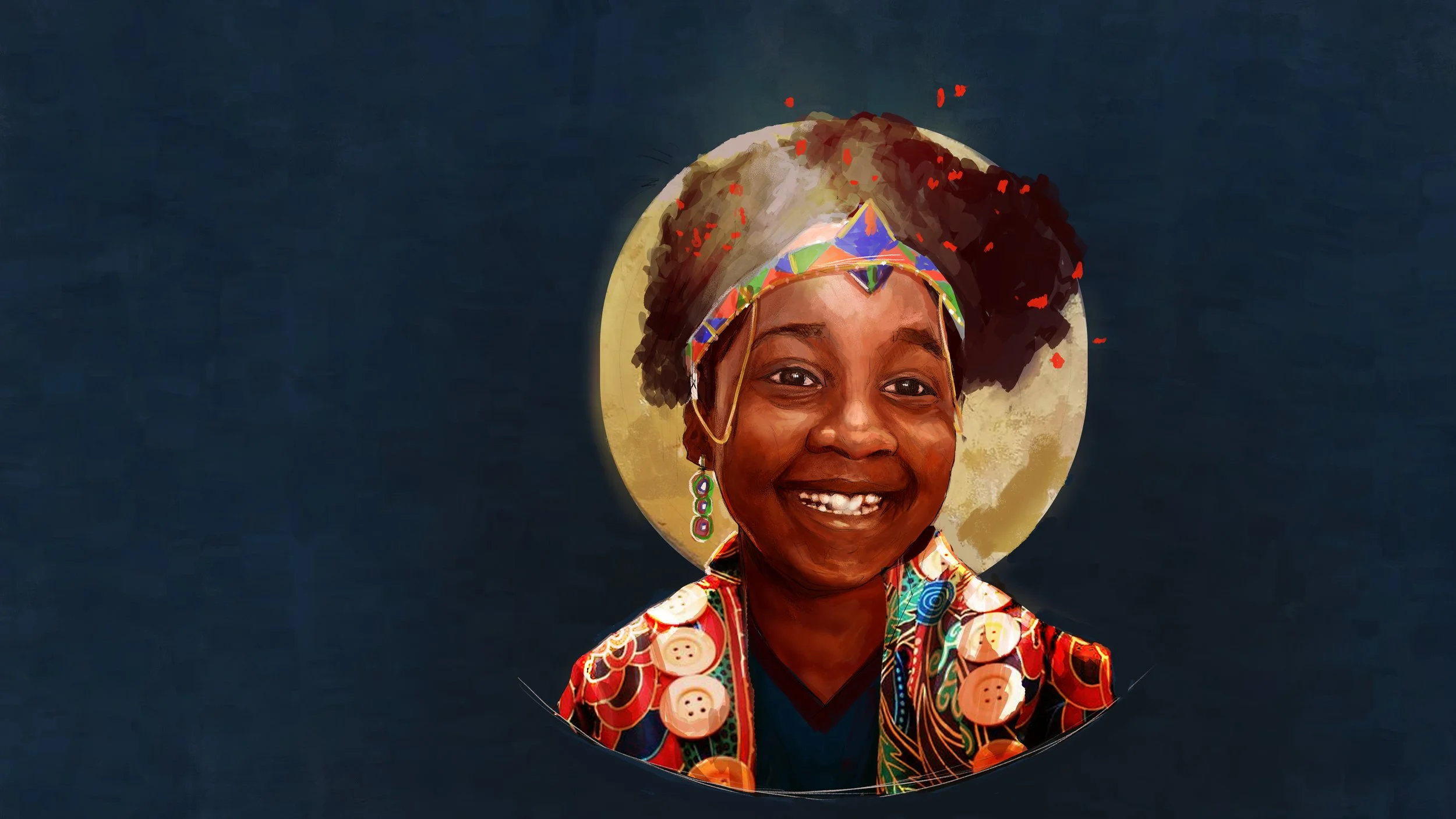
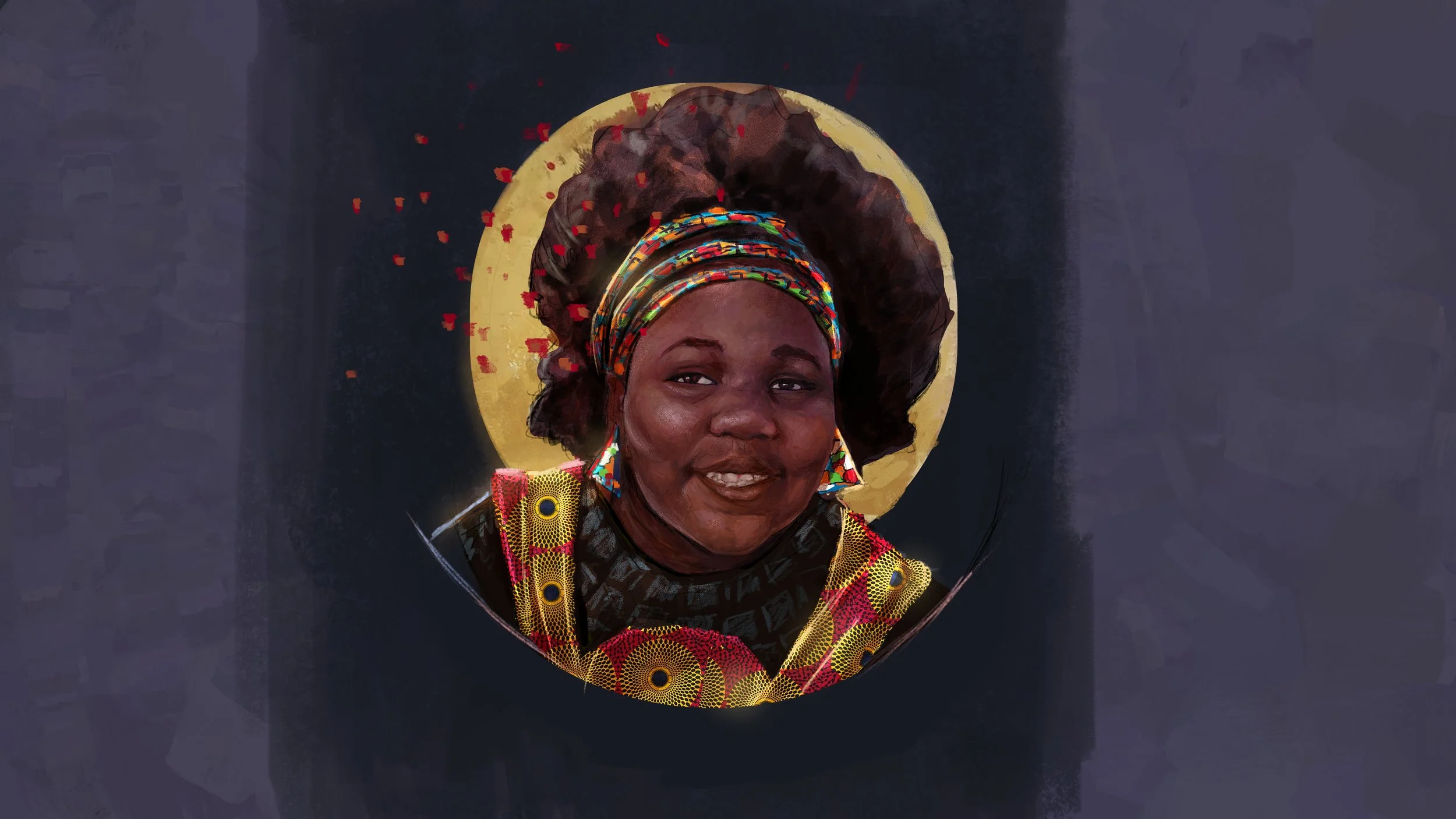
Born in Kinshasa and now based in Belgium, Tresor is a digital artist, illustrator, and comic book author whose work blends cinematic storytelling, expressive character design, and atmospheric digital painting. After beginning his artistic journey through mural painting in Kinshasa at a very young age, he later pursued studies in fine arts, digital imaging, cinema, photography, and animation in Belgium. His multidisciplinary background strongly influences his approach to image-making, combining traditional artistic foundations with contemporary digital techniques. Working primarily with Clip Studio Paint, his art explores themes of resilience, identity, vulnerability, and the complexity of human emotions, often through fantasy and narrative-driven imagery. Influenced by artists such as Moebius, Enki Bilal, and Frank Frazetta, his work balances realism, stylization, and emotional depth. Alongside his personal projects, he has worked in illustration, graphic design, photography, and audiovisual production, while currently developing his first graphic novel and expanding his artistic practice through teaching and digital content creation.

What is your background and how did you start your journey in the art world?
“I was born in Kinshasa in the mid-1980s, and drawing has been part of my life for as long as I can remember. While most children eventually stop drawing, I never did. I drew everywhere I could: in school notebooks, on the back of abandoned papers from my father’s office, even in the sand with a piece of raffia. At fourteen, I got my first professional opportunity painting a large mural for a kindergarten in Kinshasa. That experience led me to create murals for bars, restaurants, cinemas, and different local establishments across the city. In 2001, I moved to Belgium, where I later studied fine arts, digital imaging, cinema, photography, web design, and 2D/3D animation. Alongside my studies, I worked as an illustrator, graphic designer, photographer, and music video director. Today, I mainly focus on illustration, digital painting, and developing my first graphic novel project.”

What inspires you?
“Human beings inspire me the most — their contradictions, their fears, their resilience, and their ability to continue moving forward despite pain and uncertainty. I am also deeply inspired by cinema, storytelling, music, mythology, and the emotional power of light and composition. My life experience has had a huge impact on my work. I was born with sickle cell disease, and growing up around illness, hospitals, and the constant awareness of mortality shaped the way I see the world. Art became a way for me to process emotions, give meaning to suffering, and create spaces where vulnerability and hope can coexist. I am also inspired by artists such as Moebius, Enki Bilal, Paolo Eleuteri Serpieri, Frank Frazetta, and Range Murata.”
What themes do you pursue? Is there an underlying message in your work?
“My work often explores resilience, identity, memory, loneliness, and the complexity of human relationships. Even when I work within fantasy or science-fiction aesthetics, the emotional core of the image is always deeply human. I am interested in what remains when social roles, expectations, and appearances are stripped away. What remains of a person beyond performance, beyond survival, beyond the masks society imposes? There is also an underlying message of perseverance in my work. Because of my illness, I grew up constantly confronted with physical pain and the idea that life could be short. Creating became my way of resisting despair. Through my art, I hope to remind people that vulnerability and strength can exist together, and that even difficult experiences can be transformed into something meaningful.”
How would you describe your work?
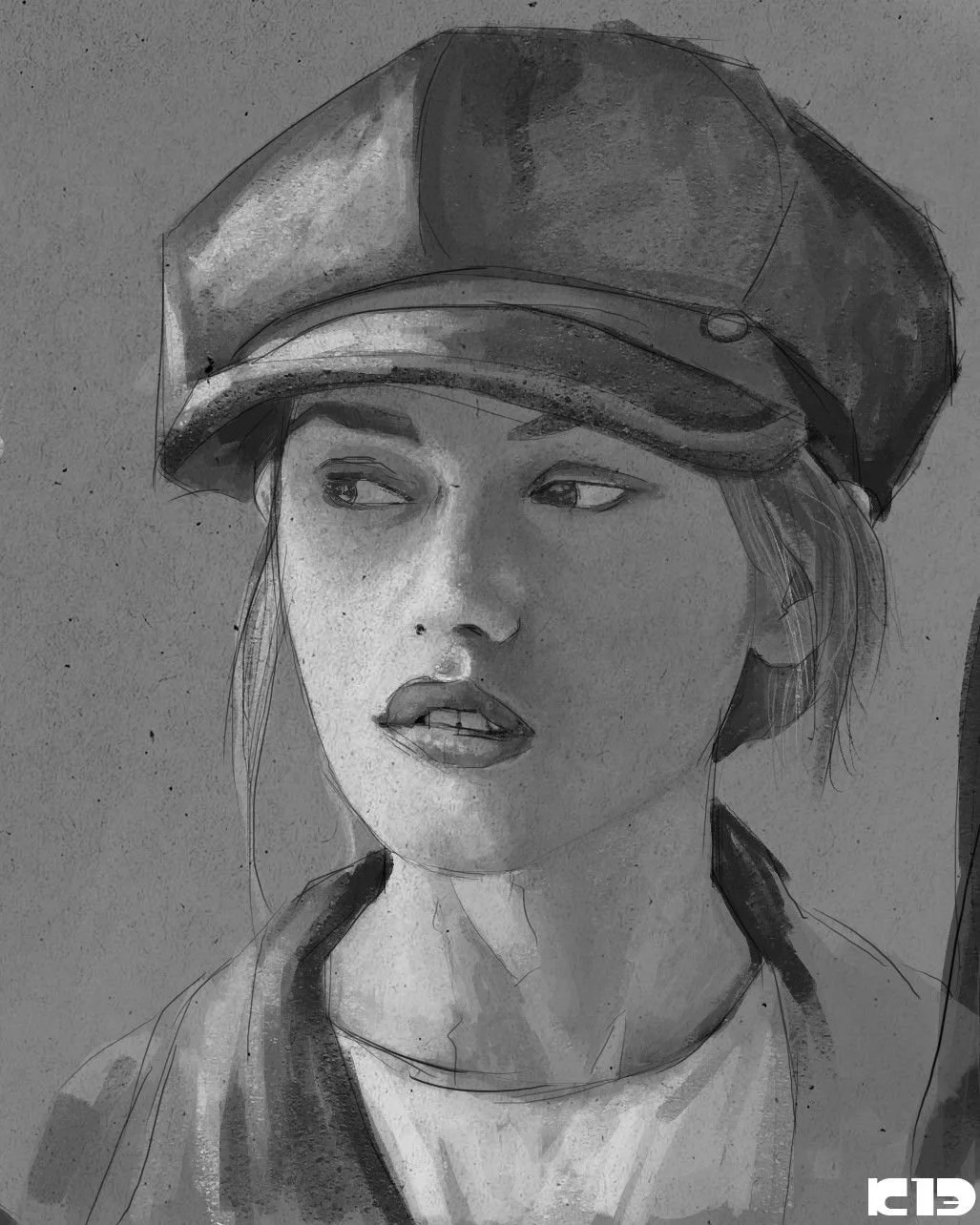
“I would describe my work as cinematic, expressive, and narrative-driven. Visually, it sits somewhere between realism and stylized illustration. I pay particular attention to body language, facial expressions, lighting, and atmosphere because I believe emotion often lives in subtle gestures rather than dramatic action. I work mainly in digital painting using Clip Studio Paint, but my process usually begins traditionally with quick sketches on paper. My background in cinema and photography also strongly influences the way I compose images and think about framing, rhythm, and visual storytelling.”
Which artists influence you most?
“Some of my biggest influences are Moebius for his imagination and visual freedom, Enki Bilal for his atmosphere and storytelling, and Paolo Eleuteri Serpieri for his mastery of anatomy and texture. I am also influenced by Frank Frazetta, whose work taught me the power of movement and composition, as well as Range Murata and Hiroaki Samura for their unique balance between elegance and raw emotion. Beyond illustration, cinema has also shaped my artistic vision in a profound way.”
What is your creative process like?
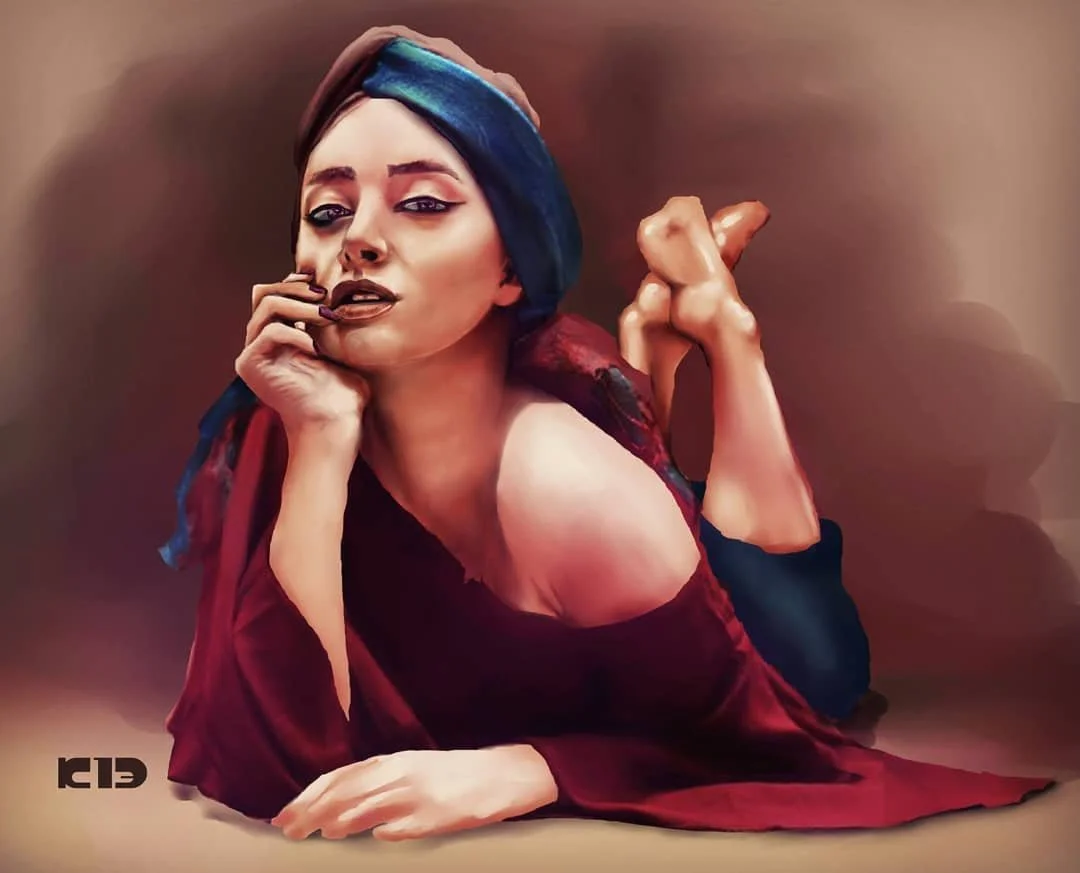
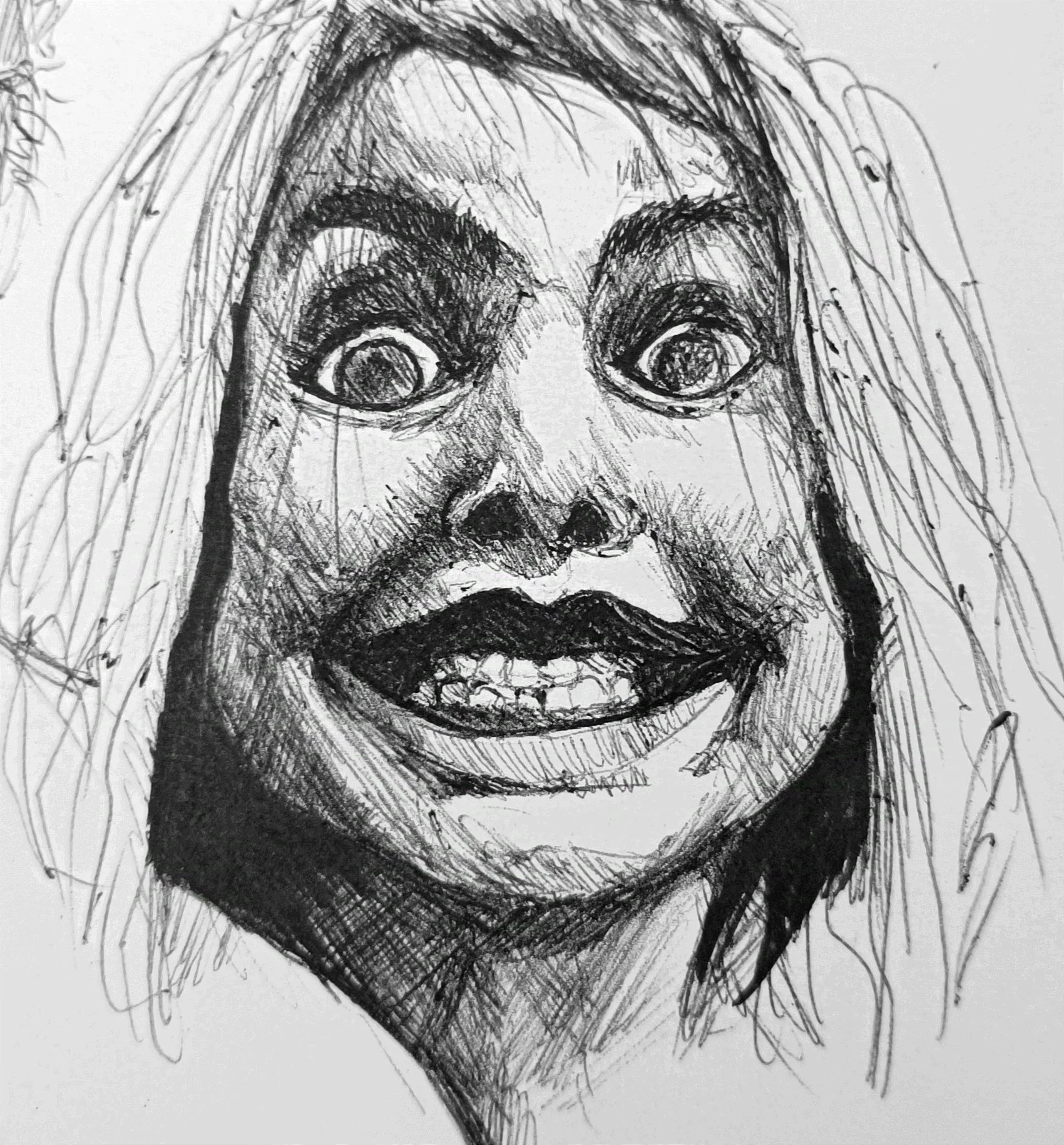
“My creative process usually starts with loose traditional sketches and visual research. I spend a lot of time thinking about mood, gesture, composition, and the emotional intention behind an image before refining details. I use photography, films, 3D references, and observational studies as tools to better understand anatomy, lighting, and spatial relationships. Once the foundation feels strong, I move into digital painting, where I focus on atmosphere, texture, and color harmony. Even though I work digitally, I try to preserve the spontaneity and imperfections of traditional drawing because they give life and personality to the image.”
What is an artist’s role in society and how do you see that evolving?
“I believe artists help society process emotions, question itself, and imagine new possibilities. Art creates empathy. It allows people to recognize parts of themselves in others, even across different cultures or experiences. Today, artists also have more direct access to audiences than ever before through digital platforms, which changes the relationship between creator and viewer. While technology creates new opportunities, it also creates pressure for constant visibility and production. I think the challenge for artists now is to remain authentic while navigating increasingly fast and commercial digital spaces. For me, the role of the artist is not only to entertain, but also to preserve humanity, sensitivity, and imagination in a world that often encourages emotional disconnection.”





Have you had any noteworthy exhibitions you'd like to share?
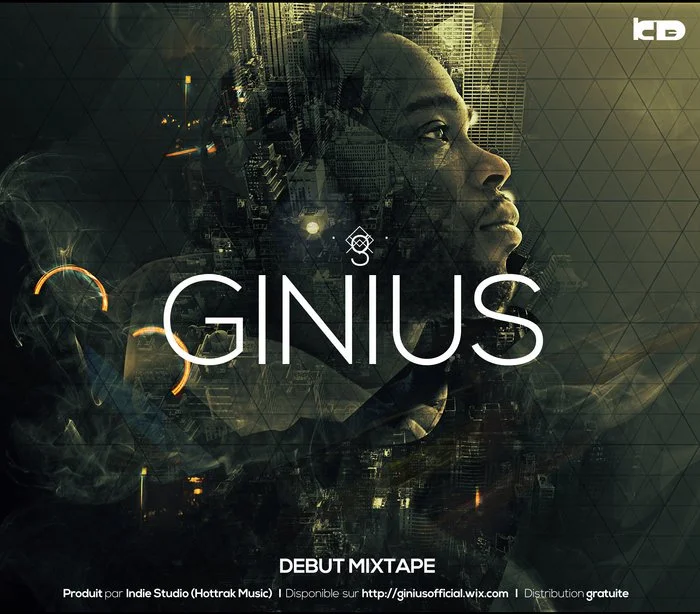
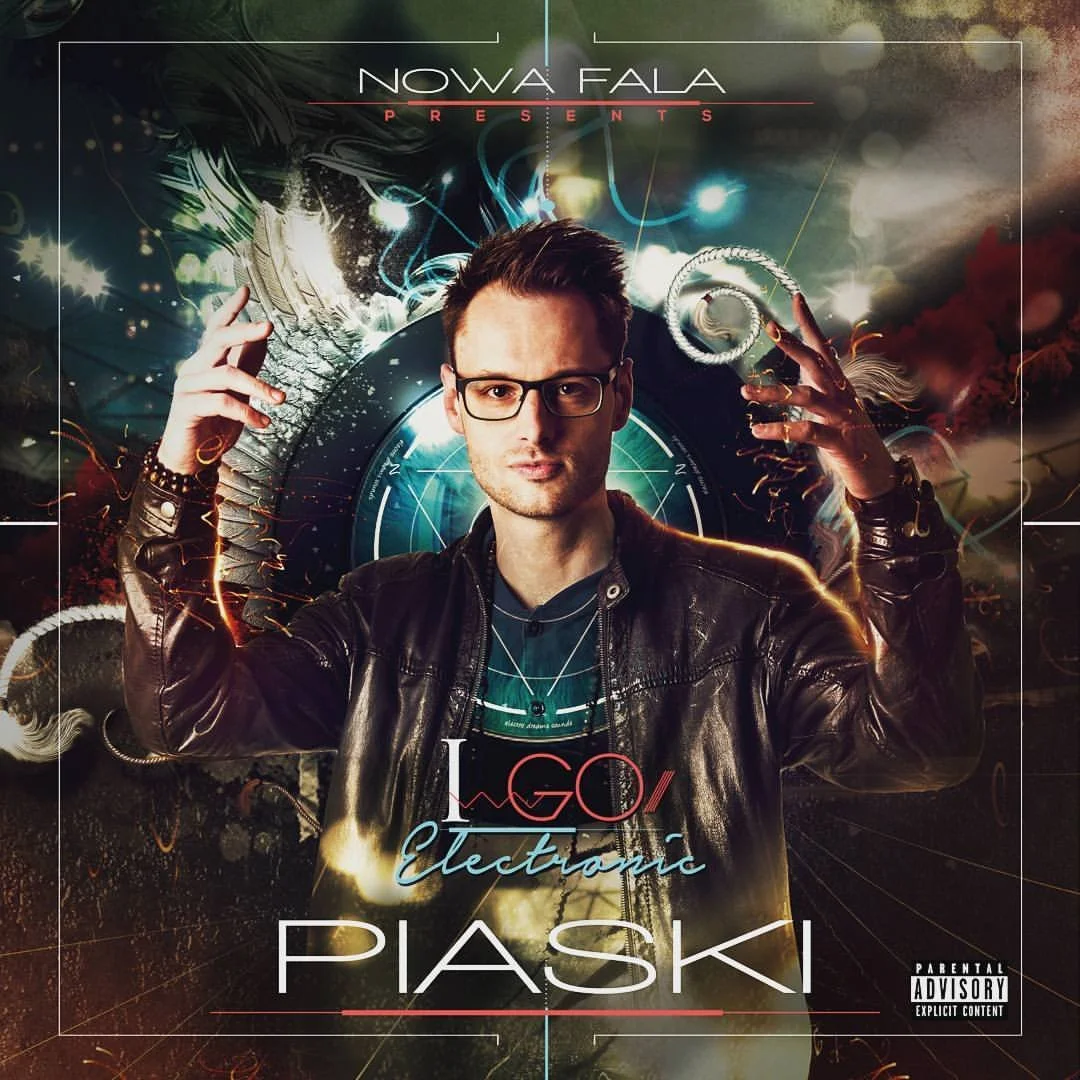
“Earlier in my career, I participated in several community and charity exhibitions in Brussels through the cultural organization Ba Yaya, where I also worked as a drawing teacher and illustrator for their magazine. Those experiences were important because they connected art directly to people and community life rather than only gallery spaces. Over the years, my work has also been featured in various collaborative and professional projects related to music, fashion, and visual communication. More recently, I have been focusing on developing my personal artistic universe and preparing future exhibitions connected to my illustration and graphic novel work.”