
Interview
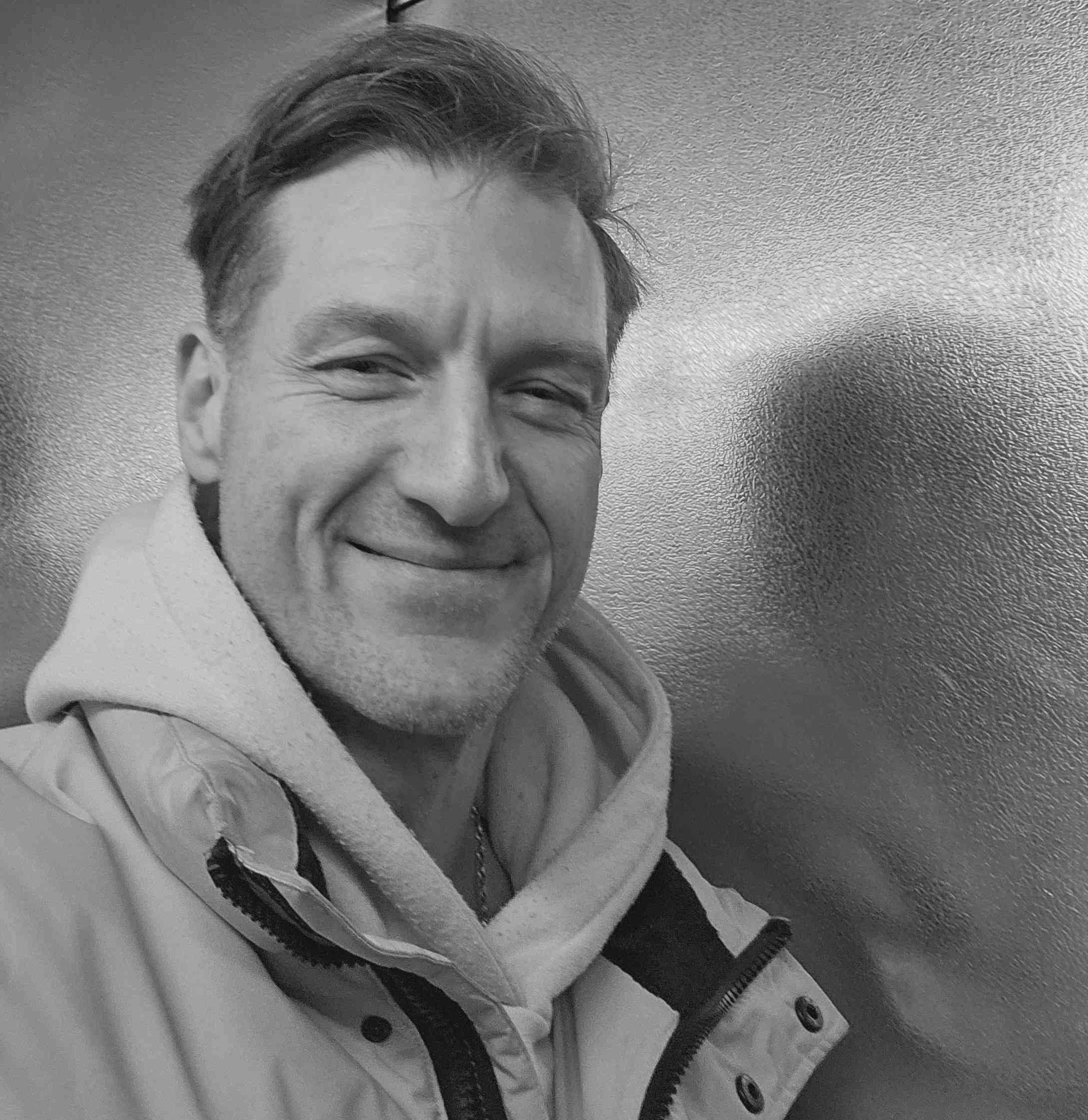
Torsten Martin Lehmann
After completing his secondary education and his mandatory military service, Torsten trained as a painter and decorator. And then he a pursued a degree in secondary school education, specializing in art and history. He worked for 13 years as a freelancer lecturer at art schools and have been self-employed for over 20 years as a tattoo artist, freelance visual artist, and teacher at a wide range of educational institutions.
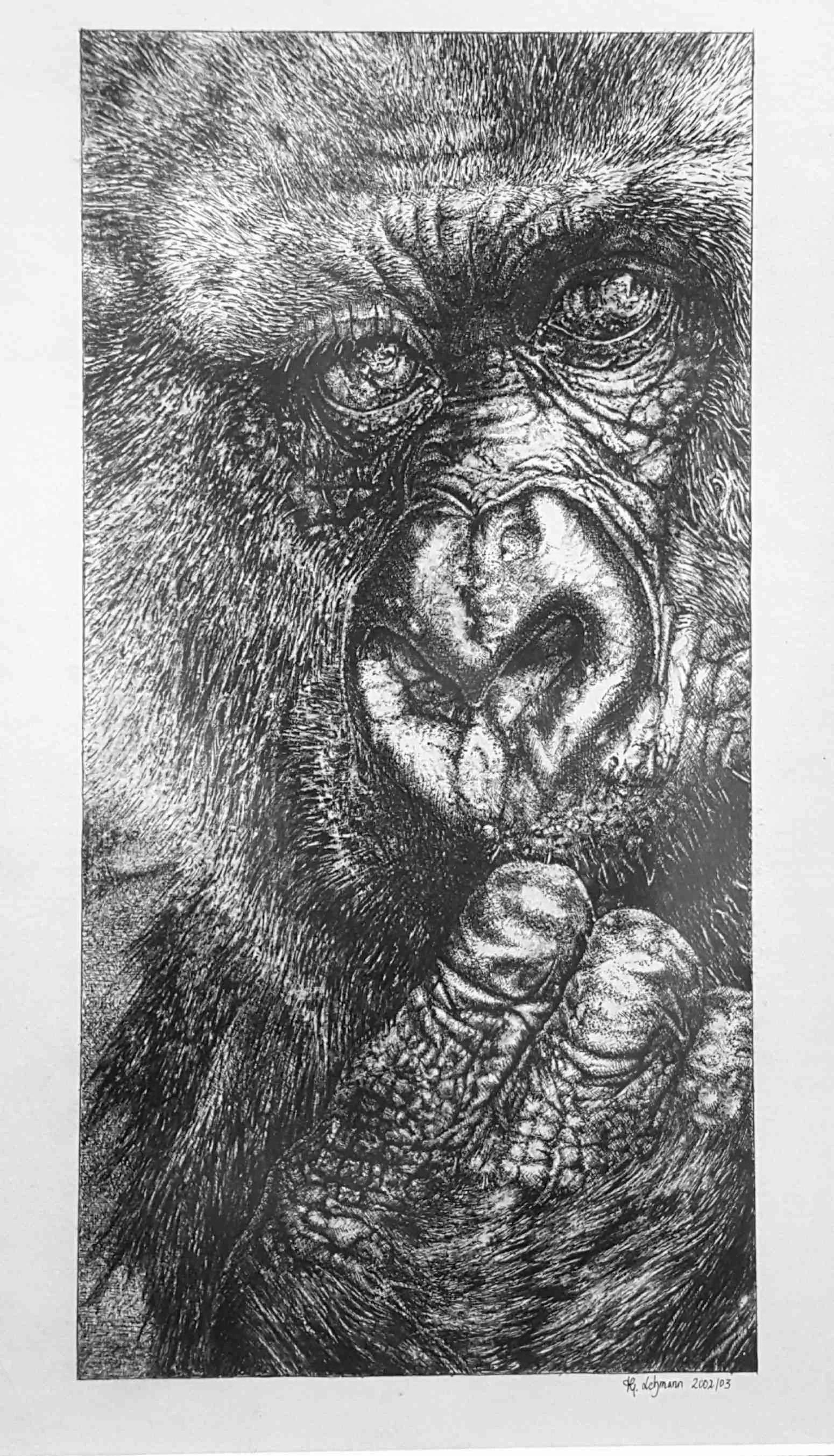
What is your background and how did you start your journey in the art world?
“Through my grandfather, who was an artist himself, and above all through my mother, who supported me all the times. And honestly, I couldn't do anything else.”
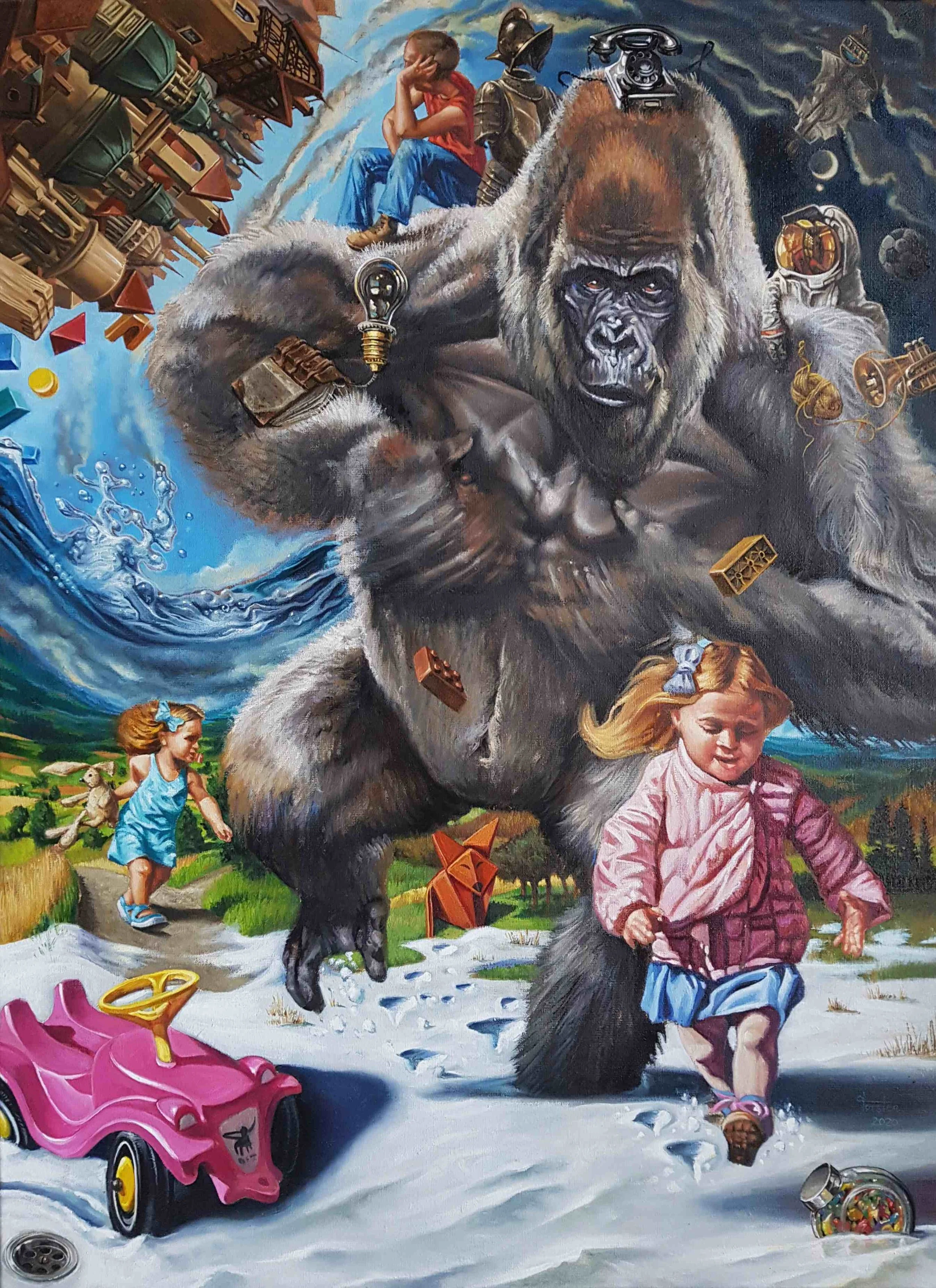
What inspires you?
“Inspiration can be found at any time, in any place, and in everything. My guiding principle: ‘To discover with the eyes of a child, to craft with the heart of a creator, and to develop in the mind of a philosopher.’”
What themes do you pursue? Is there an underlying message in your work?
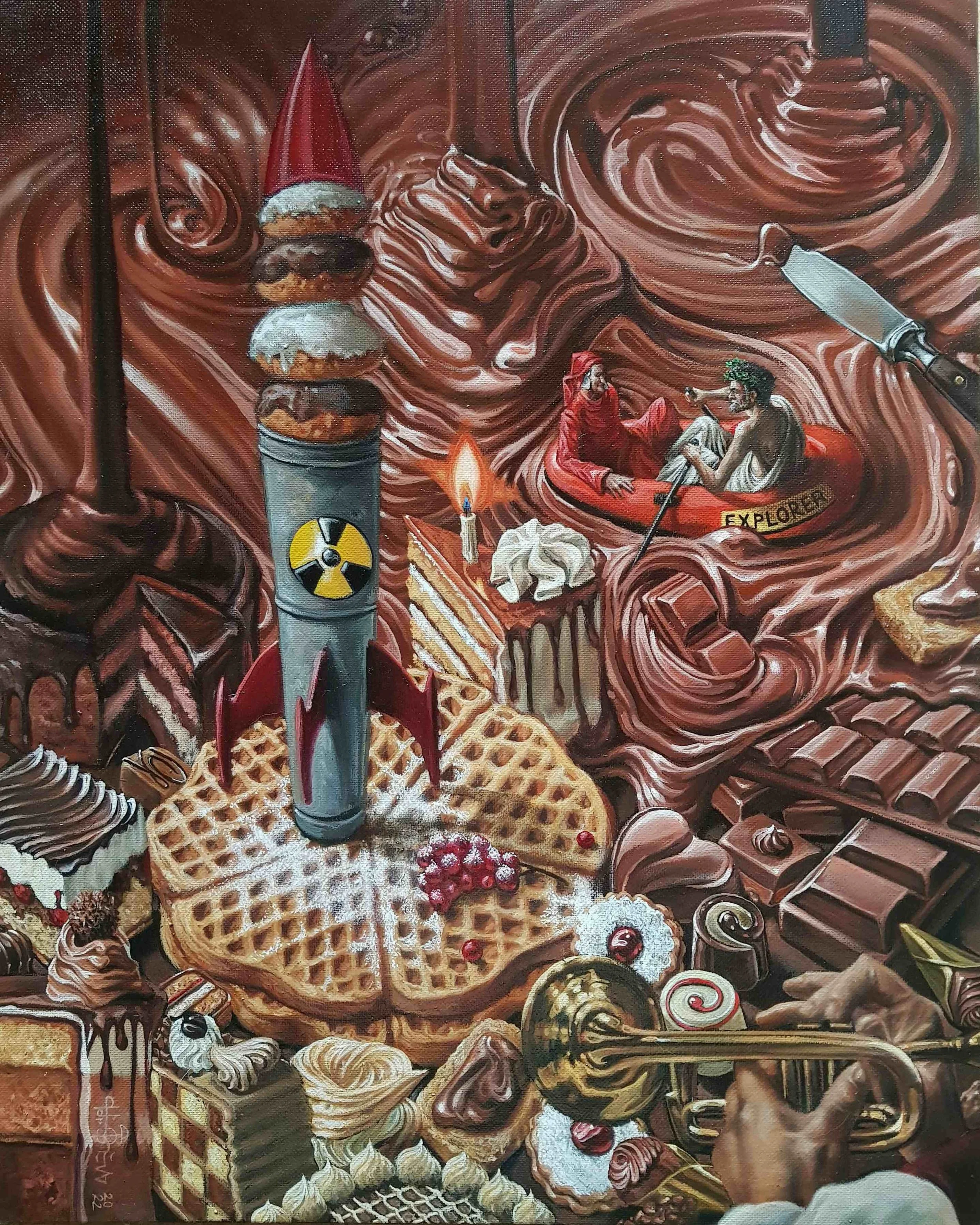
“Most of the time, they are real themes drawn from politics, society and environment protection, but also from literature, such as fairy tales and mythological. My message does not differ greatly from that of other artists; only the language in which I express it does. Wrapped as an epigone of past artists, finding a new language for old problems- that is the essence.”
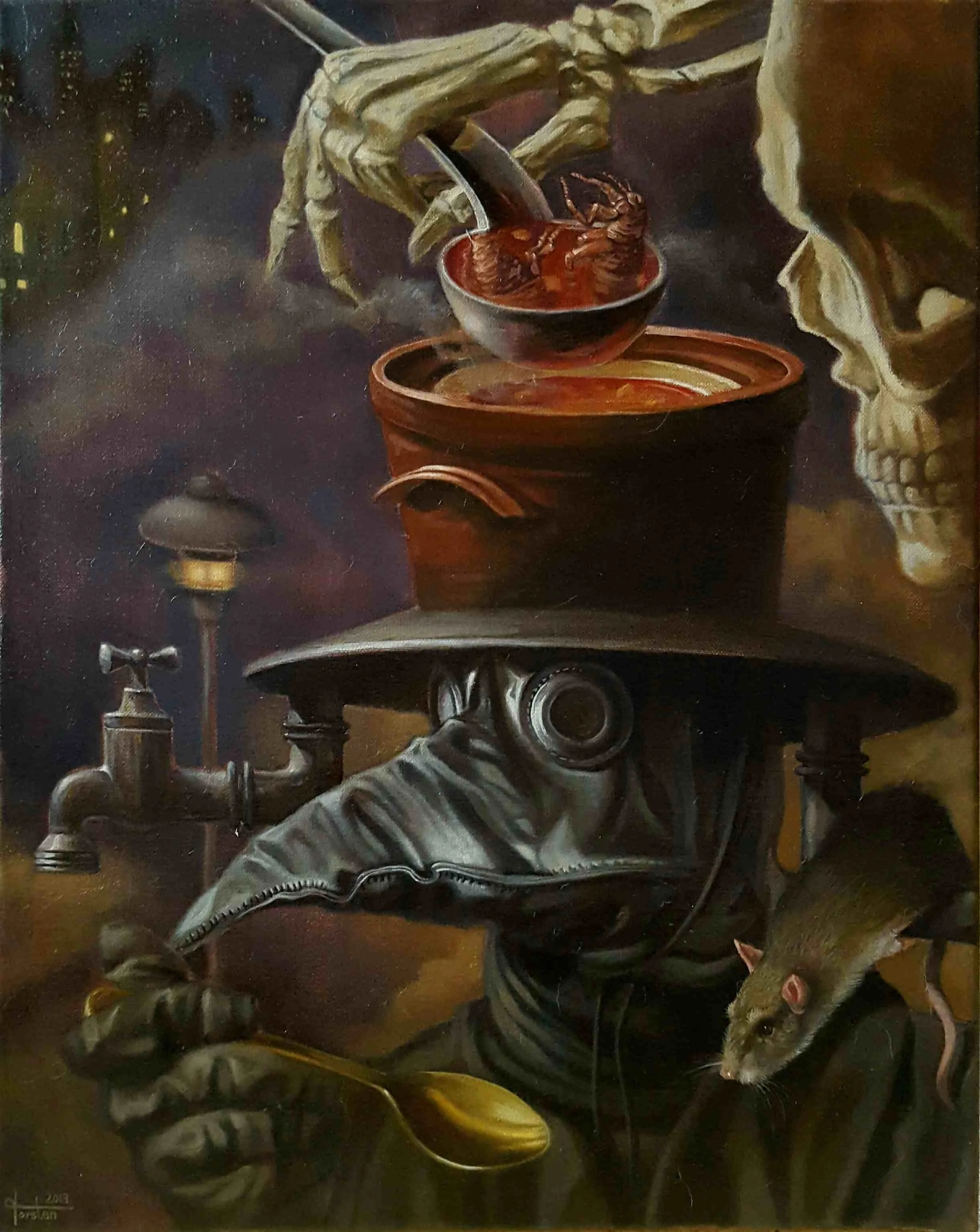
How would you describe your work?
“Seemingly obvious and yet concealed- encrypted through metaphors- unsettling memorable; old masterly yet modern: ornate depending on the subjects; glazed and translucent or thickly applied, obscuring. In itself highly contradictory.”
Which artists influence you most?
“My grandfather, Otto Dix, Hieronymus Bosch, Carel Fabritius, Arnold Böcklin, V. Van Gogh, Max Beckmann, Simeon Chardin, Bernhard Heisig , Ilja Repin, Rembrandt and many more.”
What is your creative process like?
“The themes are defined very clearly from the outset. Accordingly, I search for the motifs-whether in books, TV, nature or through sketches. The method of application is adapted of the themes; for example an oil painting, possibly glazed, impasto or opaque. Pentimenti serve to further obscure certain themes or to emphasize them more clearly. Painting or graphic art is, for most artists, a therapeutic measure. I like to compare it to Oscar Wilde's novel ‘The picture of Dorian Gray,’ in which the burdens that weigh upon a soul are imposed upon the image in order to free oneself- to become lighter, unburdened.”
What is an artist’s role in society and how do you see that evolving?
“Artists uncover and question what others do not see, or do not allow themselves to see. They create what needs to be said. They imagine and break through the boundaries of social conventions. They live a dream.”
Have you had any noteworthy exhibitions you'd like to share?
“I’ve had many exhibitions, including Wilhelm Busch in Karlsruhe. But two in particular: William Mallord Turner in Zurich and Pieter Breughel &sons in Essen. Turner's energetic colors in Pastose Fumato and Breughel's allegorical composite paintings in glaze technique.”