Interview
Theodora Barda
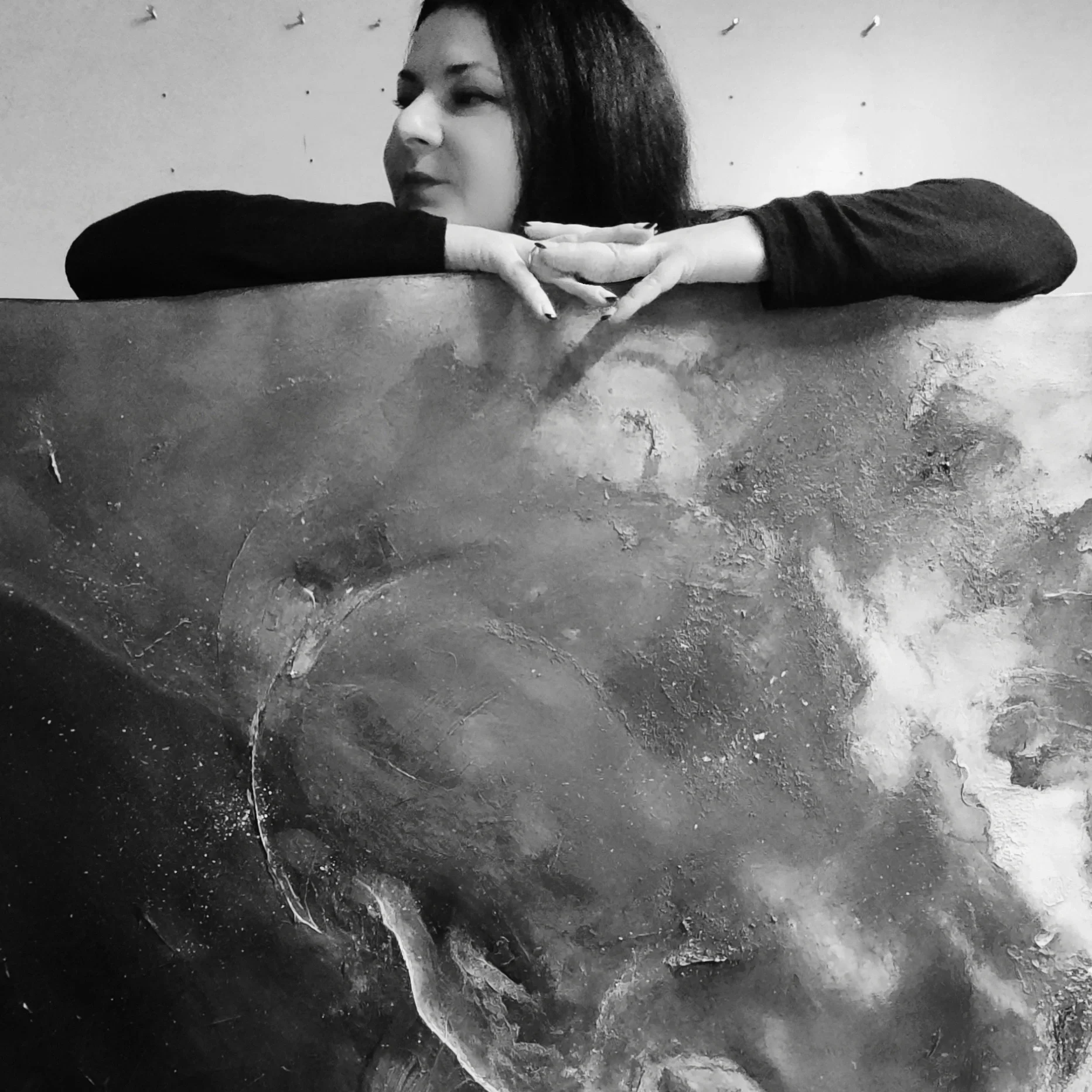
Born in Greece, Theodora studied Conservation of Arts and Children's book illustrations loves every form of art. She participated in multiple exhibitions in Greece and other countries. Theodora was awarded with the International Donatello art prize. She is also a jewelry designer and art doll maker.
What is your background and how did you start your journey in the art world?
“My journey into the art world has always been deeply connected to the way I experience and remember the world around me. Growing up by the sea, I was surrounded by colors, textures, light, and constantly changing landscapes, and I think those early memories still find their way into my work today. I have always been drawn to painting and creating, but my artistic development was gradual and natural. Over the years I explored different techniques, materials, and forms of expression, allowing each stage to teach me something new about my artistic voice.
For me, art has never been simply about creating something beautiful. It is a way of processing emotions, memories, and experiences, and of creating a moment of stillness in an increasingly noisy world. My paintings are often an exploration of that feeling—the balance between simplicity and emotion, movement and stillness, color and silence.
I feel my journey is still evolving. I continue to search, experiment, and discover what my artistic language can become, and that continuous search is one of the things I value most about being an artist.”
What inspires you?
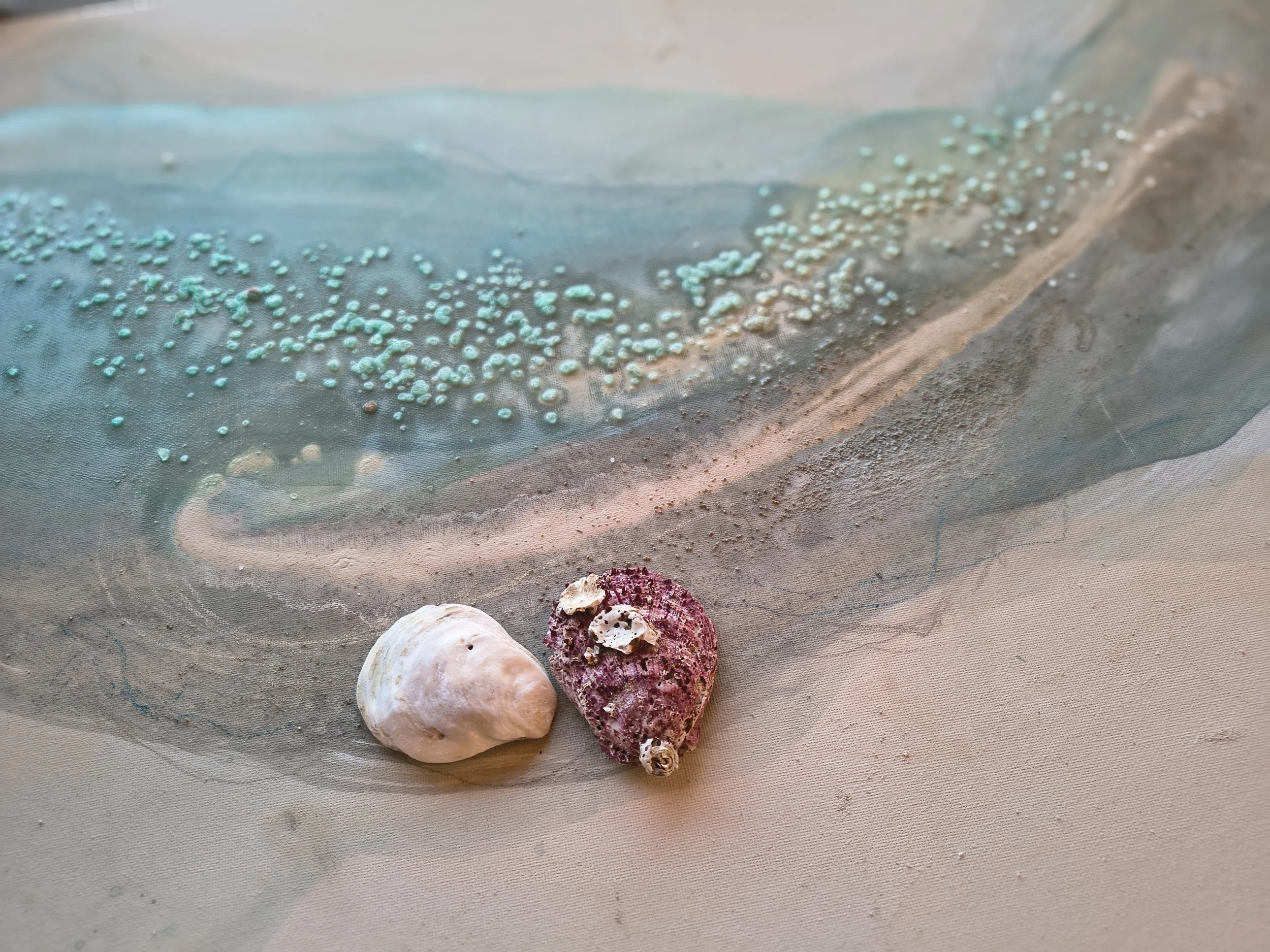
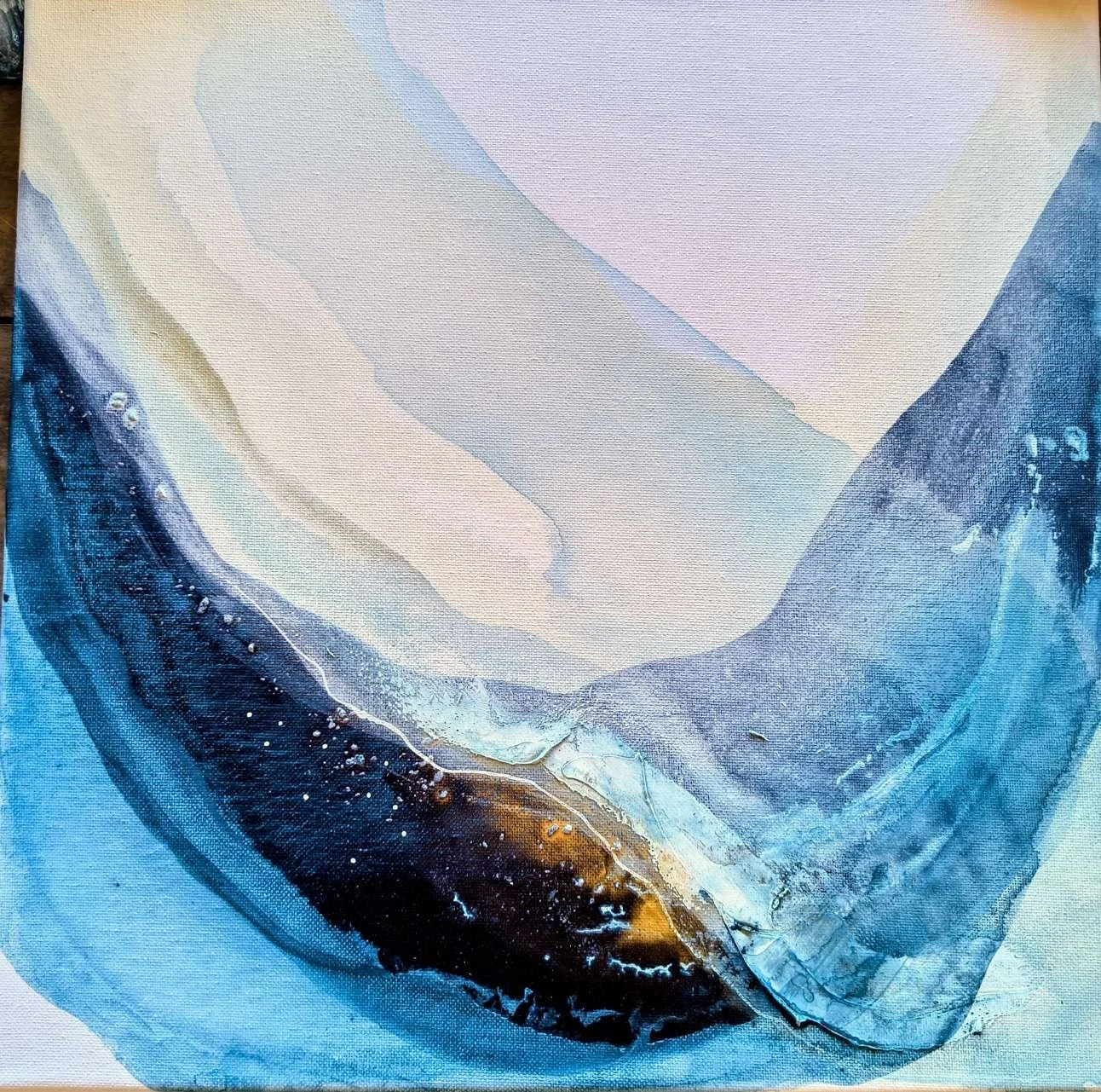
“Growing up by the sea had a profound influence on me. The blue of the water, the changing light, the textures of sand and stone, the movement of the waves — all of these became part of my visual memory. Even today, I often return to those memories, sometimes consciously and sometimes without realizing it. I am also inspired by nature, old surfaces, imperfect textures, light and colour, but especially by emotions and memories. A particular place, a quiet afternoon, a sound, or even a feeling can become the starting point for a painting. Lately, I have become increasingly interested in the idea of calm. After experiencing periods of intensity and change in my life, I wanted my work to create a sense of pause — something peaceful from a distance, but with details and emotion that reveal themselves when you look closer. In a way, I think I am not simply painting what I see; I am painting what I remember, what I feel, and sometimes what I need to feel.”
What themes do you pursue? Is there an underlying message in your work?
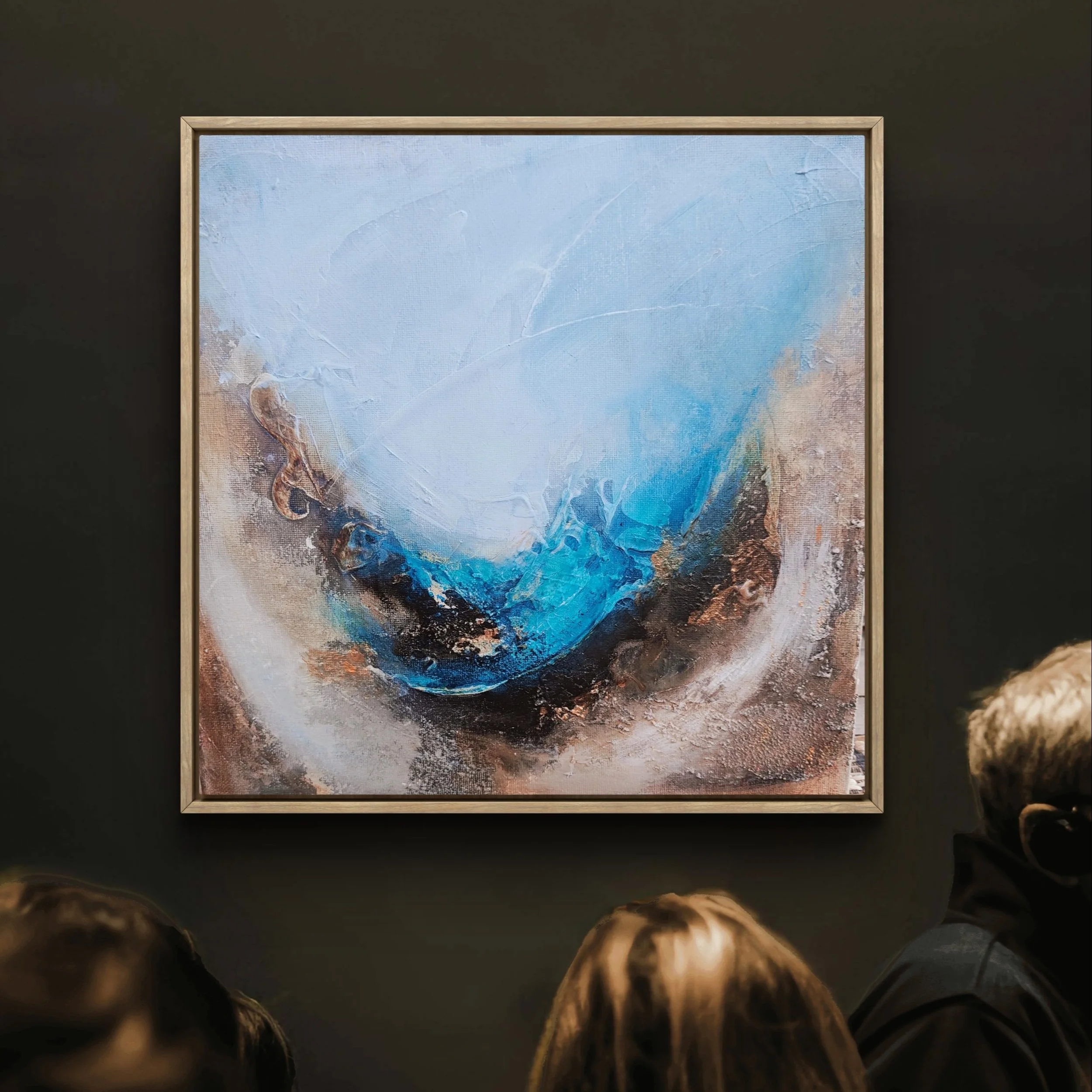
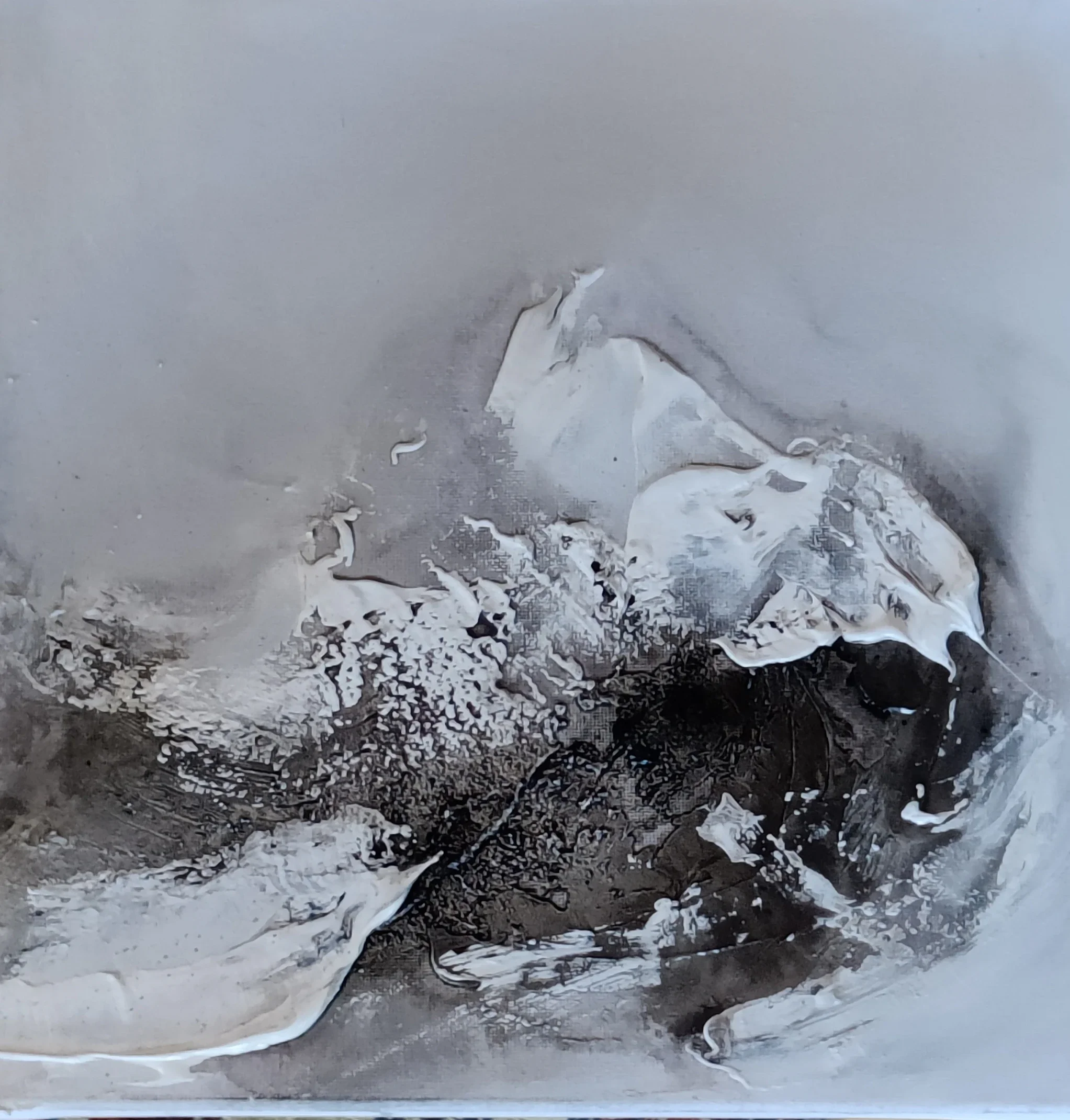
“The themes I explore are closely connected to nature, memory, emotion, and the search for stillness. I am particularly drawn to organic forms and textures: the sea, earth, stone, sand, and light. These elements often appear in my work in an abstract way rather than as literal representations. I want the viewer to feel something rather than simply recognize something.
There is an underlying idea that connects much of my work: the importance of creating a moment of pause. Life can feel overwhelming and constantly moving, and I want my paintings to offer the opposite — a quiet space where the viewer can slow down, breathe, and simply be present. At the same time, I don't want my work to be completely quiet or predictable. I am interested in that contrast: something that feels calm from a distance but becomes more intriguing when you look closer and discover layers, textures, details, and emotion.
Perhaps the message is simply that beauty can exist in stillness, imperfection, and the small moments we often overlook — and that sometimes we need to slow down enough to notice them.”
How would you describe your work?
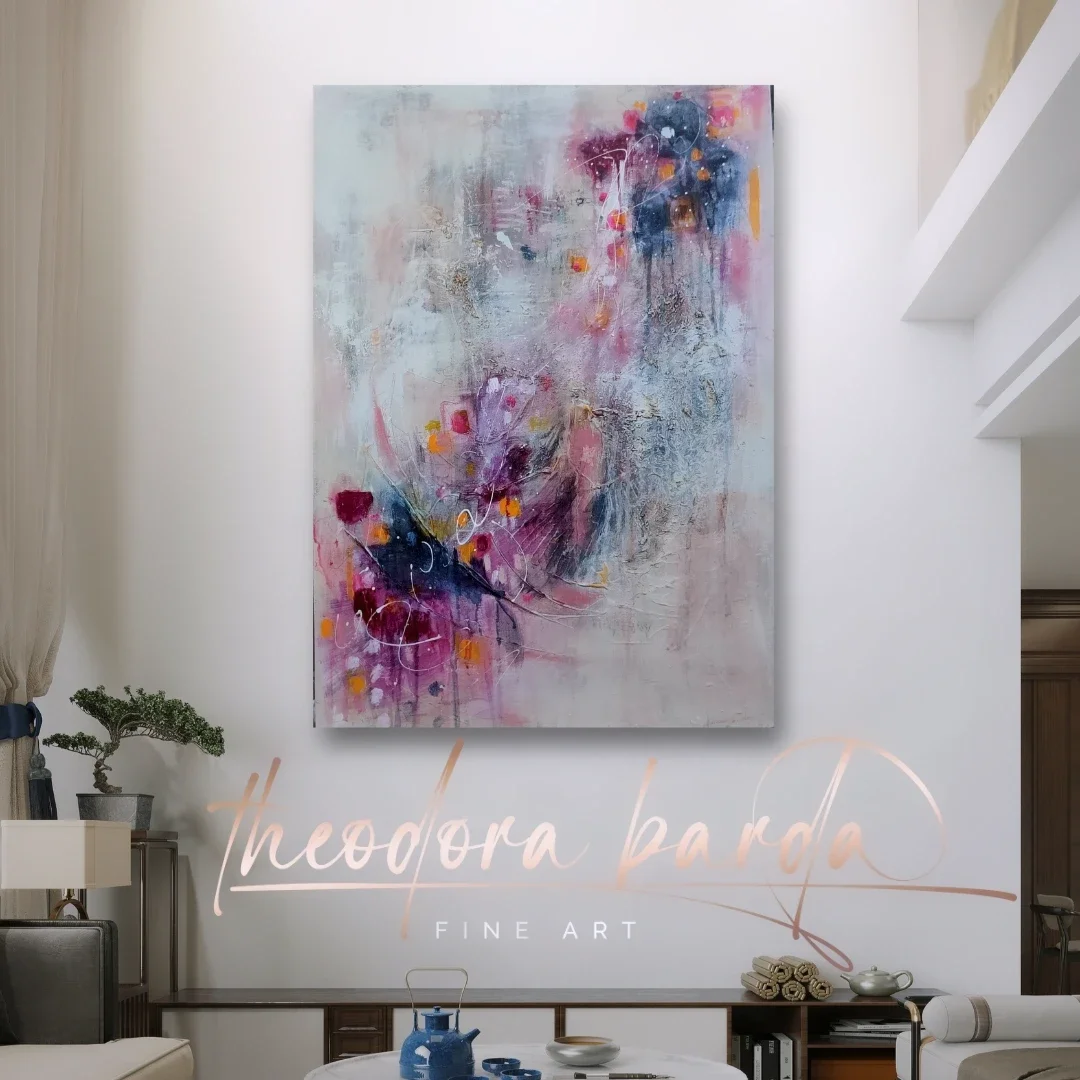
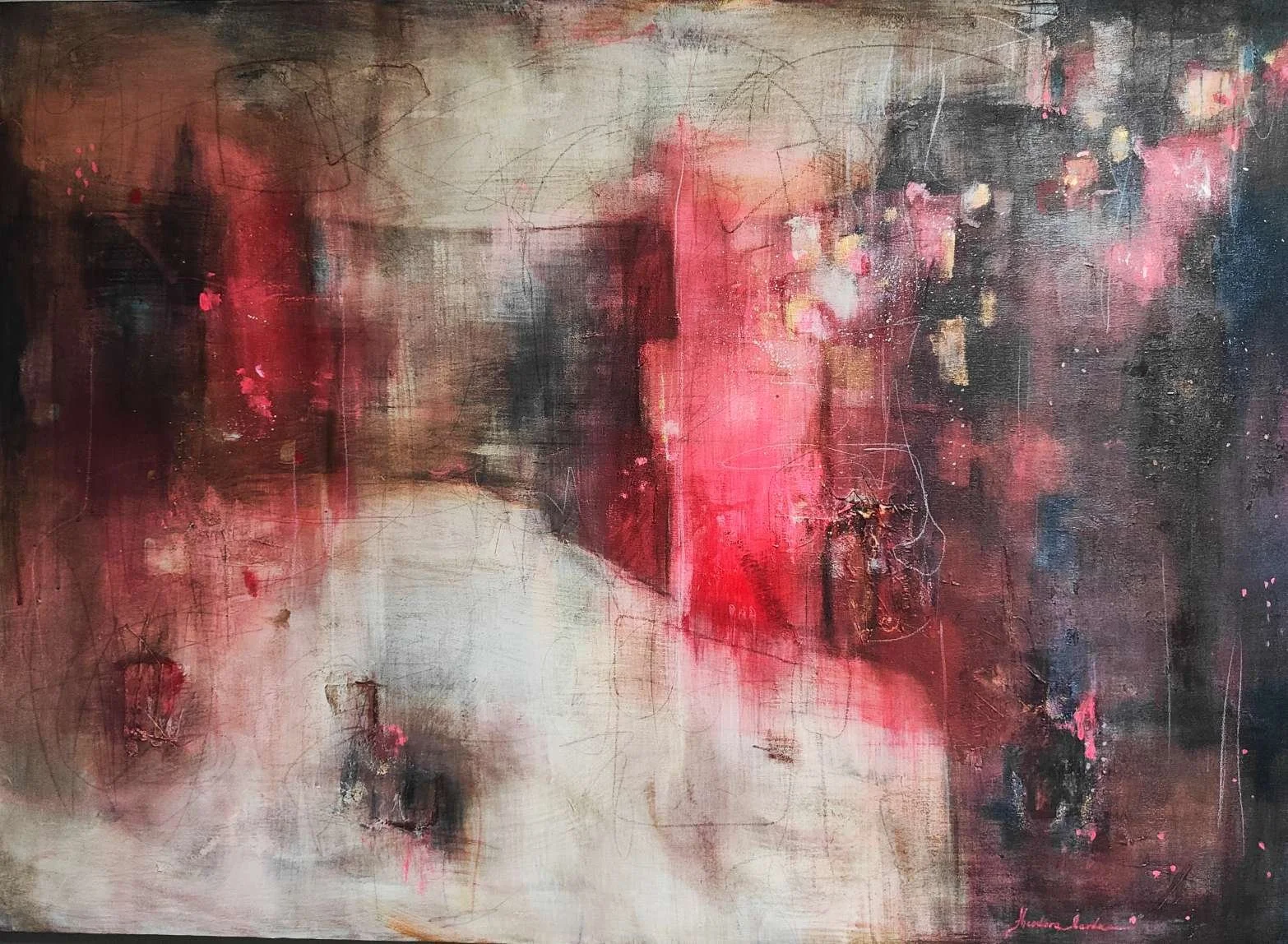
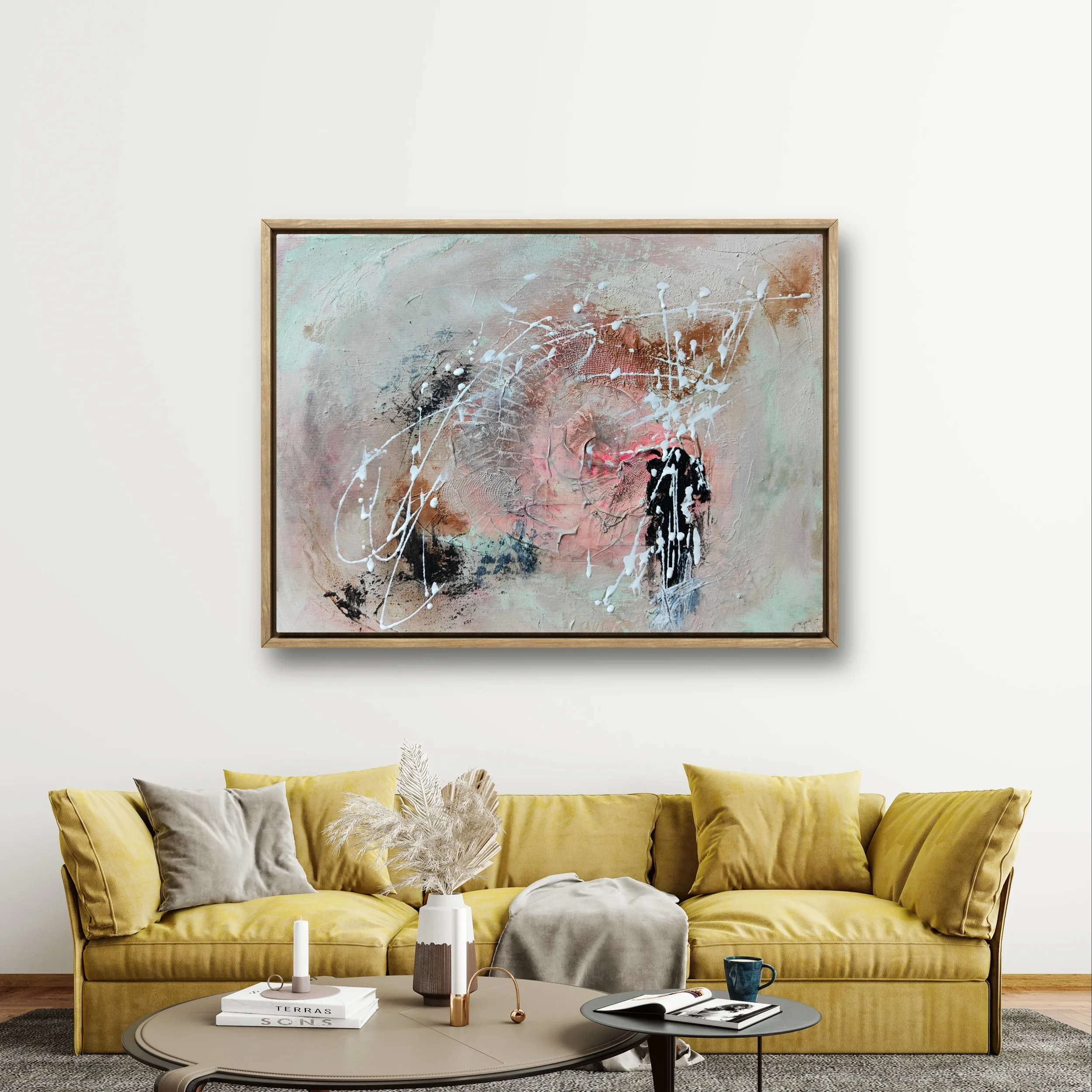
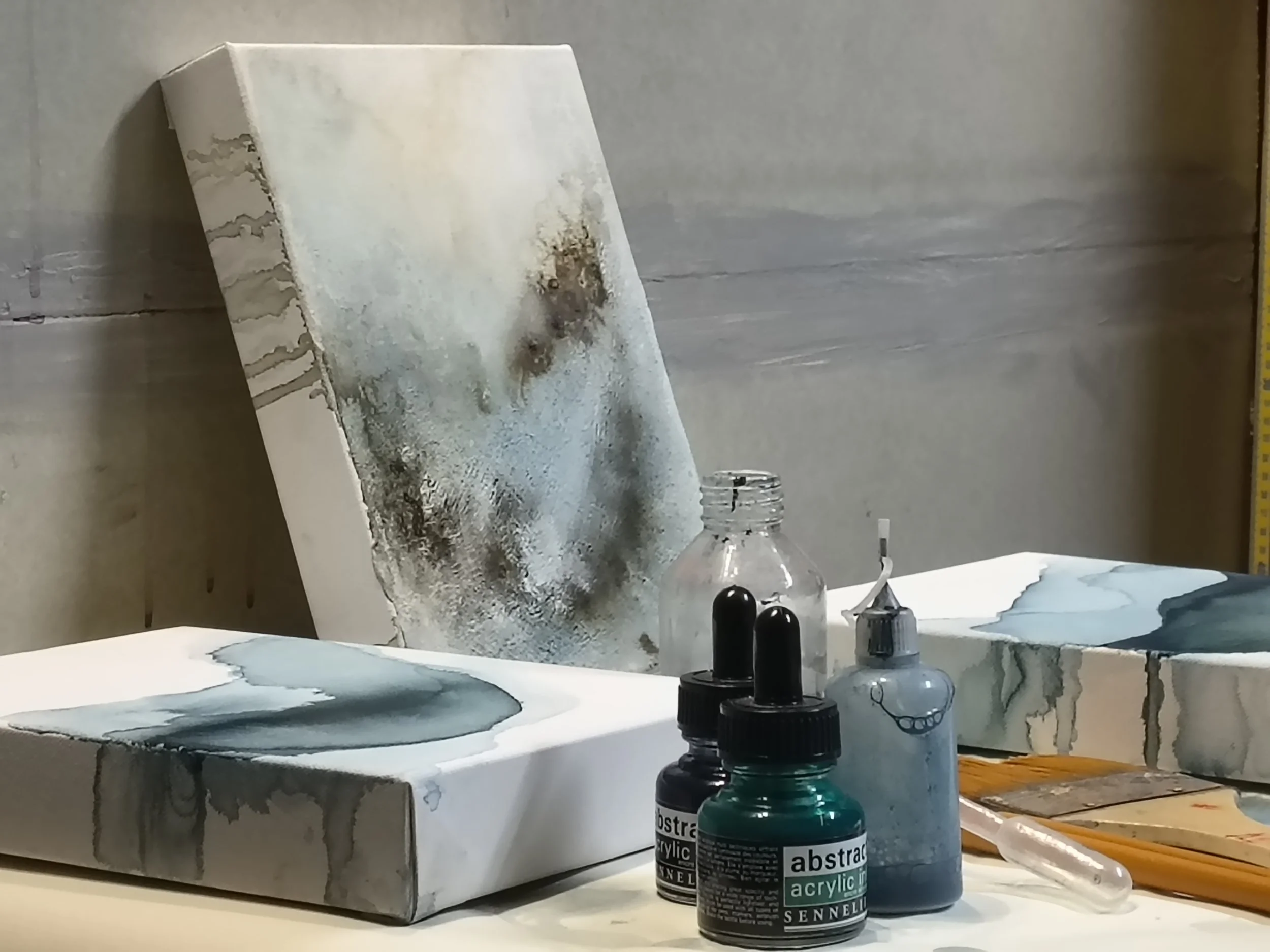
“I would describe my work as contemporary abstract painting with a strong connection to nature, memory, and emotion. I am drawn to organic forms, earthy textures, layers, and colour, often inspired by the sea, sand, stone, soil, and natural light. Rather than trying to reproduce these elements literally, I translate the feelings and memories they evoke into abstract compositions. There is a certain quietness in my work, but I don't want it to feel empty or predictable. I like the idea that a painting can feel calm from a distance yet become more interesting the closer you look—revealing layers, textures, small details, and traces of the process. My work is also constantly evolving. I experiment with different materials and techniques, and I allow each body of work to develop its own character. Ultimately, I want my paintings to create a feeling rather than dictate one—to give the viewer a small moment of stillness while leaving enough space for their own memories and emotions to enter the work.”
Which artists influence you most?
“There are several artists whose work has influenced me, but Mark Rothko has always had a particularly strong impact on the way I think about painting. What fascinates me about Rothko is his ability to create an emotional experience through color and simplicity. His paintings don't tell you exactly what to see or feel; instead, they create an atmosphere and leave space for your own emotions and interpretation. I am also inspired by artists who explore nature, light, texture, and abstraction, because these are elements that are very close to my own artistic language. At the same time, I believe influences should be a starting point rather than a destination. I am still searching for my own visual language, and I think the most important part of that journey is allowing different influences, experiences, and memories to become something personal and uniquely my own.”
What is your creative process like?
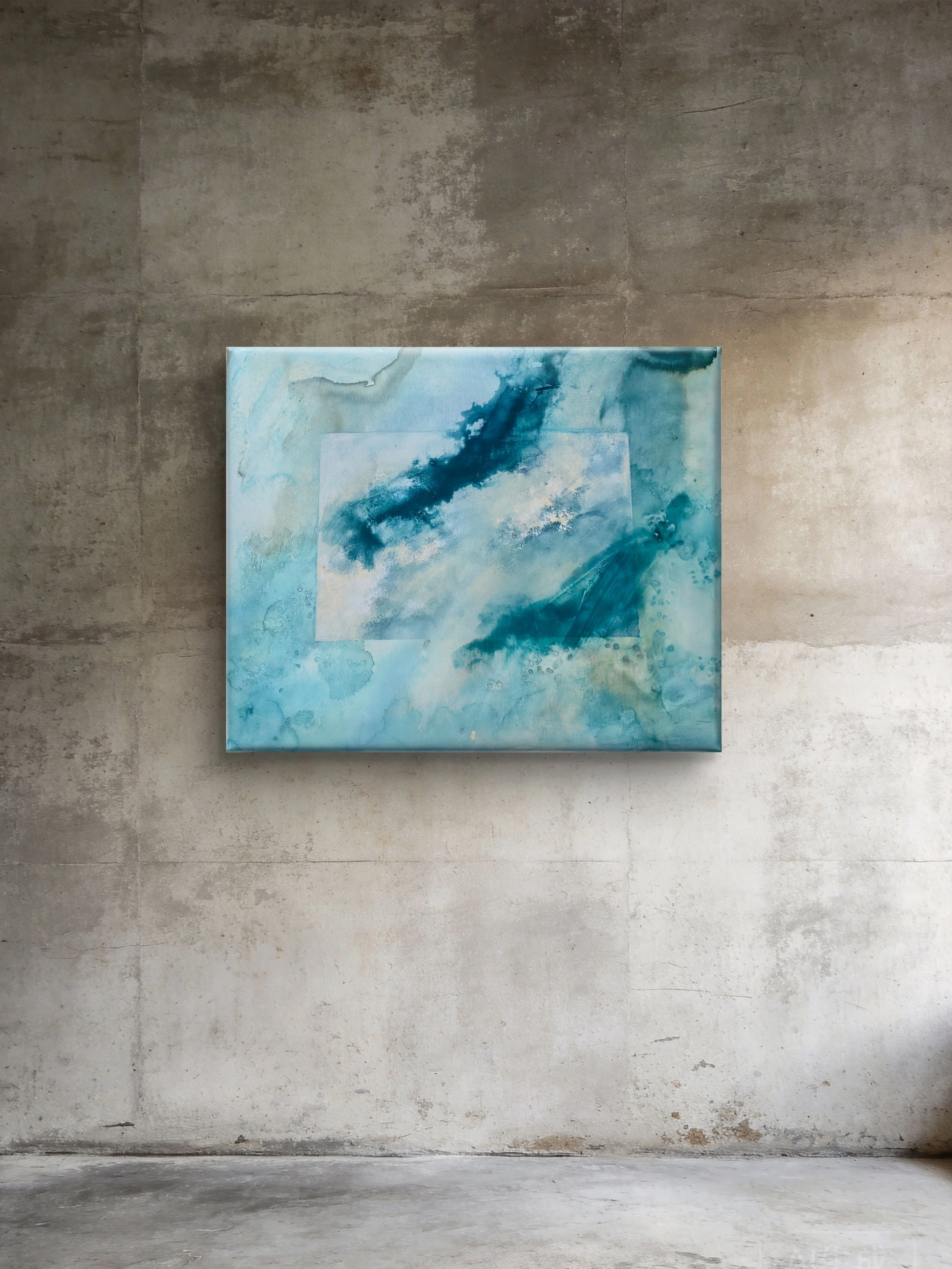
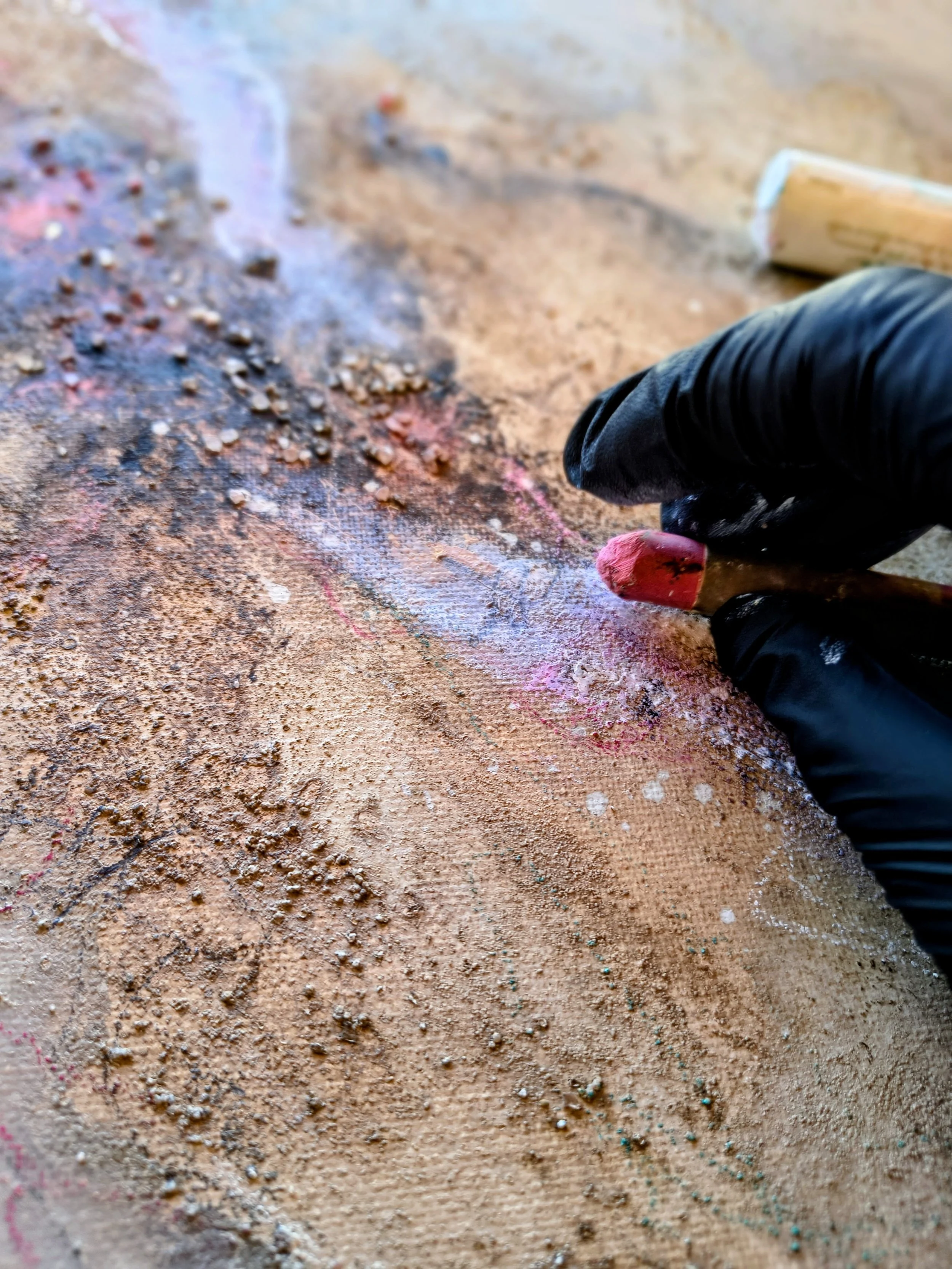
“My creative process is intuitive and experimental. I rarely begin a painting with a completely fixed idea of what the final piece should look like. I prefer to let the painting develop and to respond to what is happening on the canvas. I usually begin with colour, texture, or a feeling rather than a specific image. I build the work gradually, adding and removing layers, experimenting with different materials, and allowing unexpected marks and imperfections to become part of the process. Sometimes the most interesting moments happen when something doesn't go according to plan. Instead of correcting everything, I try to listen to the painting and understand where it wants to go. I also spend a lot of time observing — nature, light, old surfaces, the sea, stones, sand, and the subtle changes in colour around me. These observations often become part of my visual vocabulary. For me, the process is as important as the finished painting. It is a conversation between myself, the materials, and the canvas, and I never know exactly where that conversation will lead.”
What is an artist’s role in society and how do you see that evolving?
“I believe the role of an artist is not necessarily to provide answers, but to make people pause, question, feel, and see the world from a different perspective. We live in a time of constant information, speed, and distraction. In that environment, I think art can offer something increasingly valuable: a space for reflection and genuine human connection. A painting can communicate something without words and create an emotional experience that is entirely personal to the viewer. For me, the future of art is not about choosing between tradition and technology; it is about finding new ways to create something deeply human within an increasingly digital world.”
Have you had any noteworthy exhibitions you'd like to share?
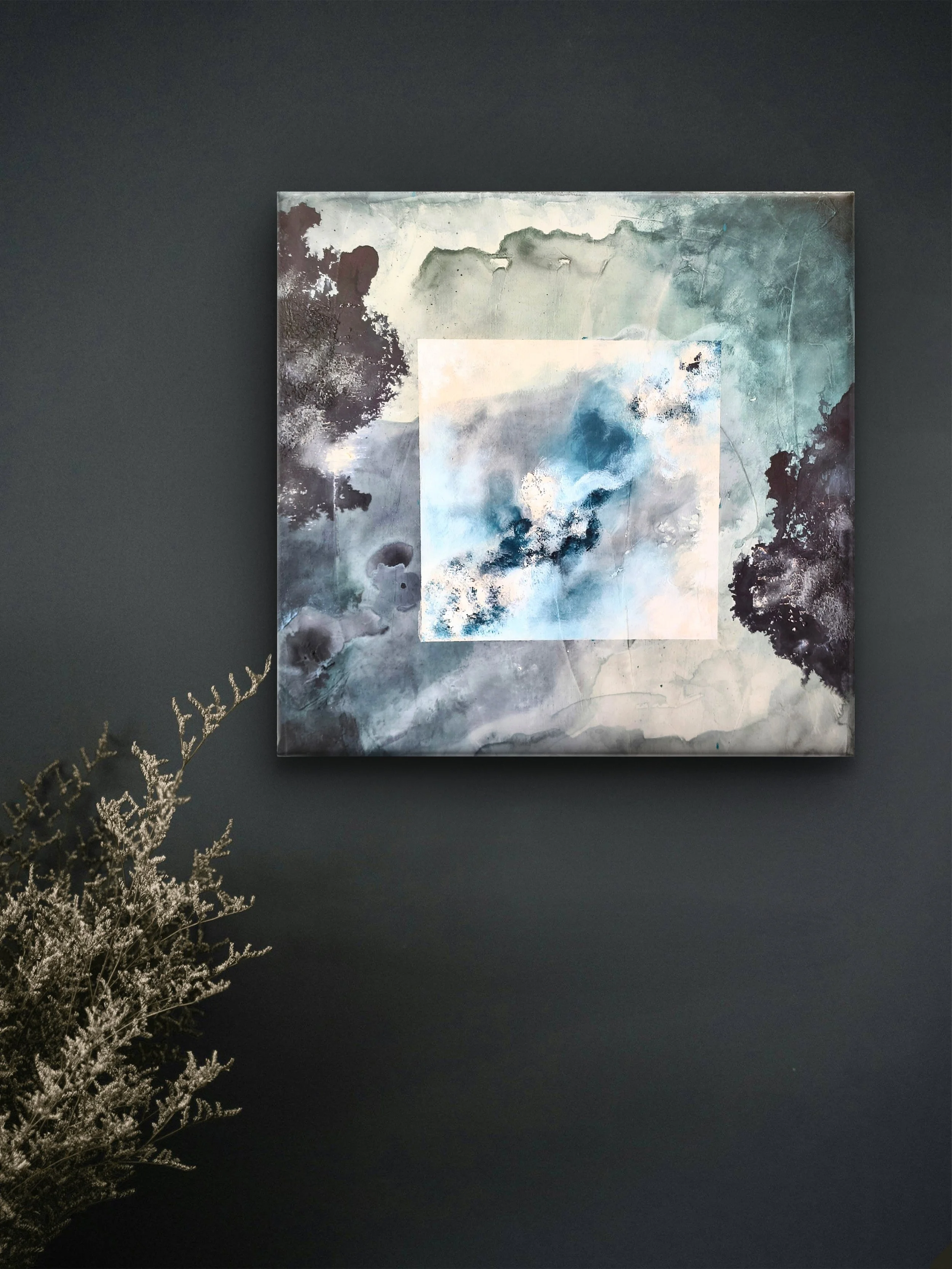
“Throughout my artistic journey, I have had the opportunity to participate in a number of group exhibitions, both in Greece and abroad, and each one has been an important part of my development as an artist. What I find particularly valuable about exhibiting is the opportunity to see my work outside the environment of my studio and experience how it communicates with an audience. Every exhibition brings a different energy and offers a new perspective on my work. At the moment, I am mostly proud of is my award winning exhibition in Florence where I received the Donatello award.”
Website: www.theodorabarda.com
Instagram: @theodorabarda_artist