
Interview
Savva Locci
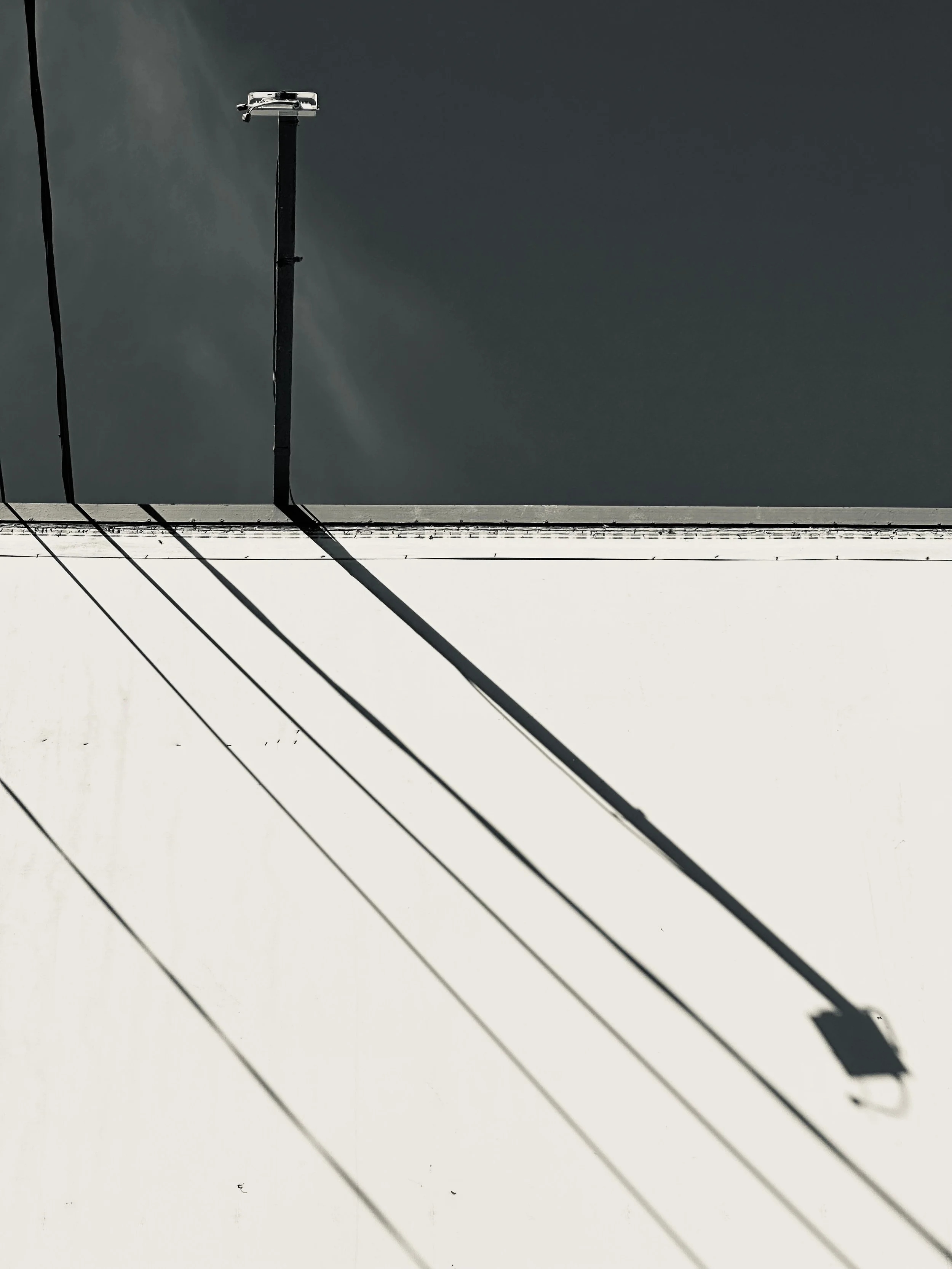
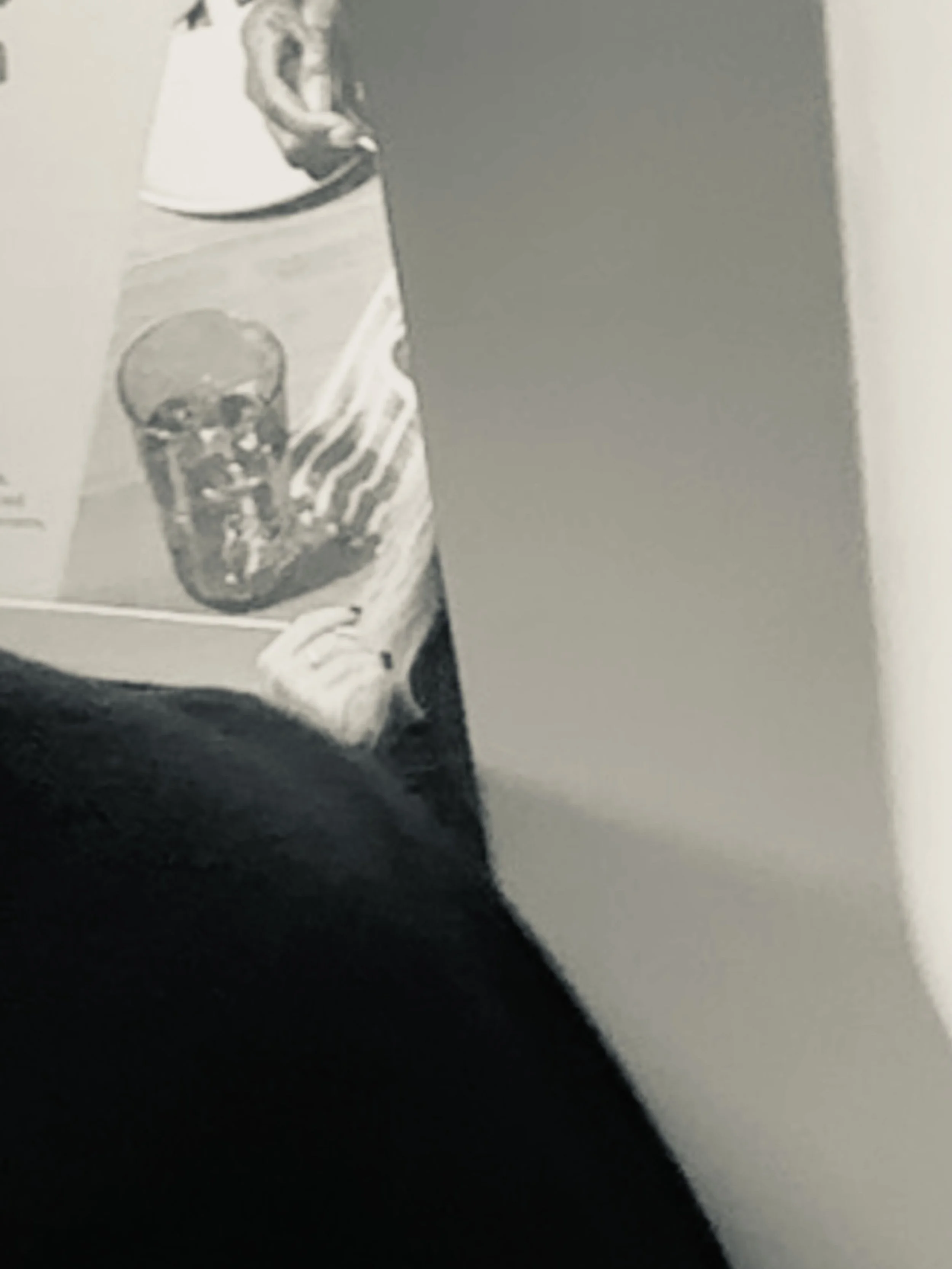
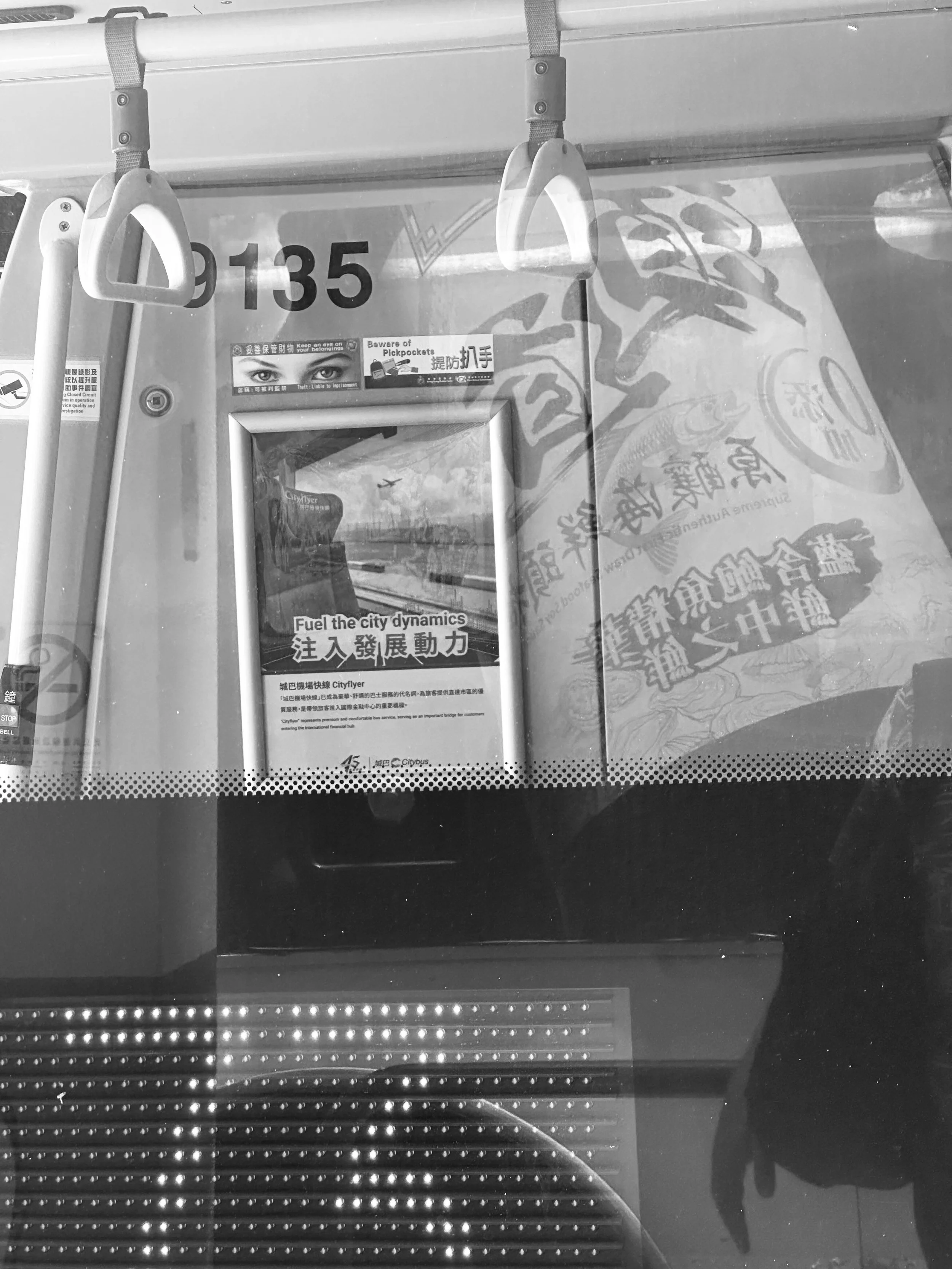
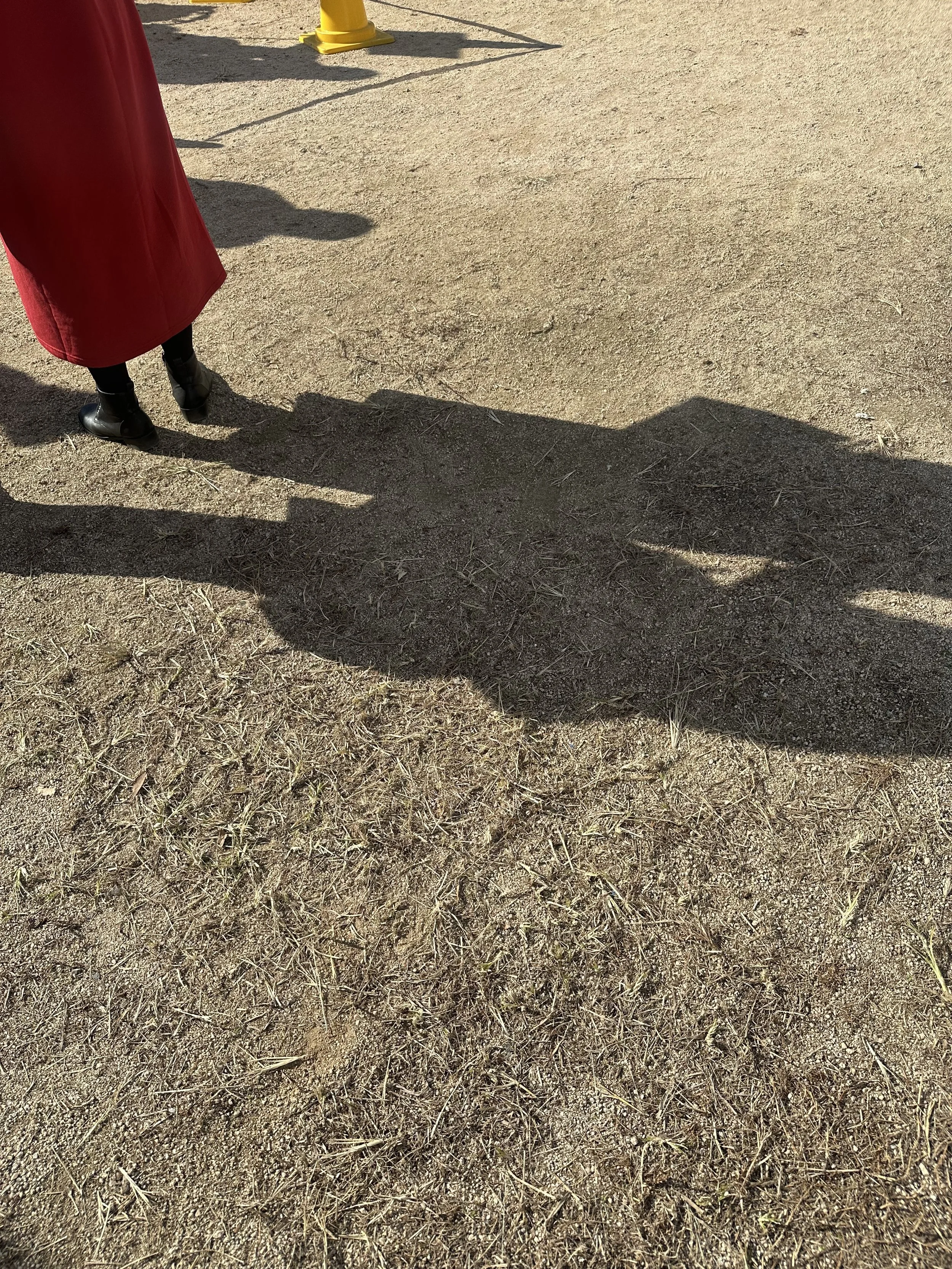
Savva Locci is a London-based photographer whose work explores memory, estrangement, and the unstable nature of perception. Through monochrome and restrained color, he photographs fragments of urban life — reflections, passing figures, damaged surfaces, and transitional spaces — transforming ordinary scenes into images charged with ambiguity and psychological tension. After moving from Hong Kong to London, his recent work has developed a stronger sense of distance, silence, and urban memory. His work has been featured in MONAD Agency’s Global Pulse, the BBA One Shot Award 2024, Aurea Photogallery, Photographize, and Visual Poetry Journal.
What is your background and how did you start your journey in the art world?
“My journey began quite unexpectedly, with a photograph of a fly. I was living in Hong Kong at the time, on a gloomy rainy day, and I made a close-up portrait of this completely ordinary creature. But when I saw the image, it no longer felt ordinary. It seemed to break the surface of the everyday and reveal something deeper — something strange, precise, and quietly unsettling. That moment changed the way I understood photography. I realized that art could emerge from the most overlooked corners of life, and that the camera could transform what seems trivial into something charged with meaning. I did not start with the ambition of becoming part of the art world. I started with curiosity, with attention, and with the feeling that images could open small cracks in reality. Everything I have done since has grown from that first recognition.”
What inspires you?
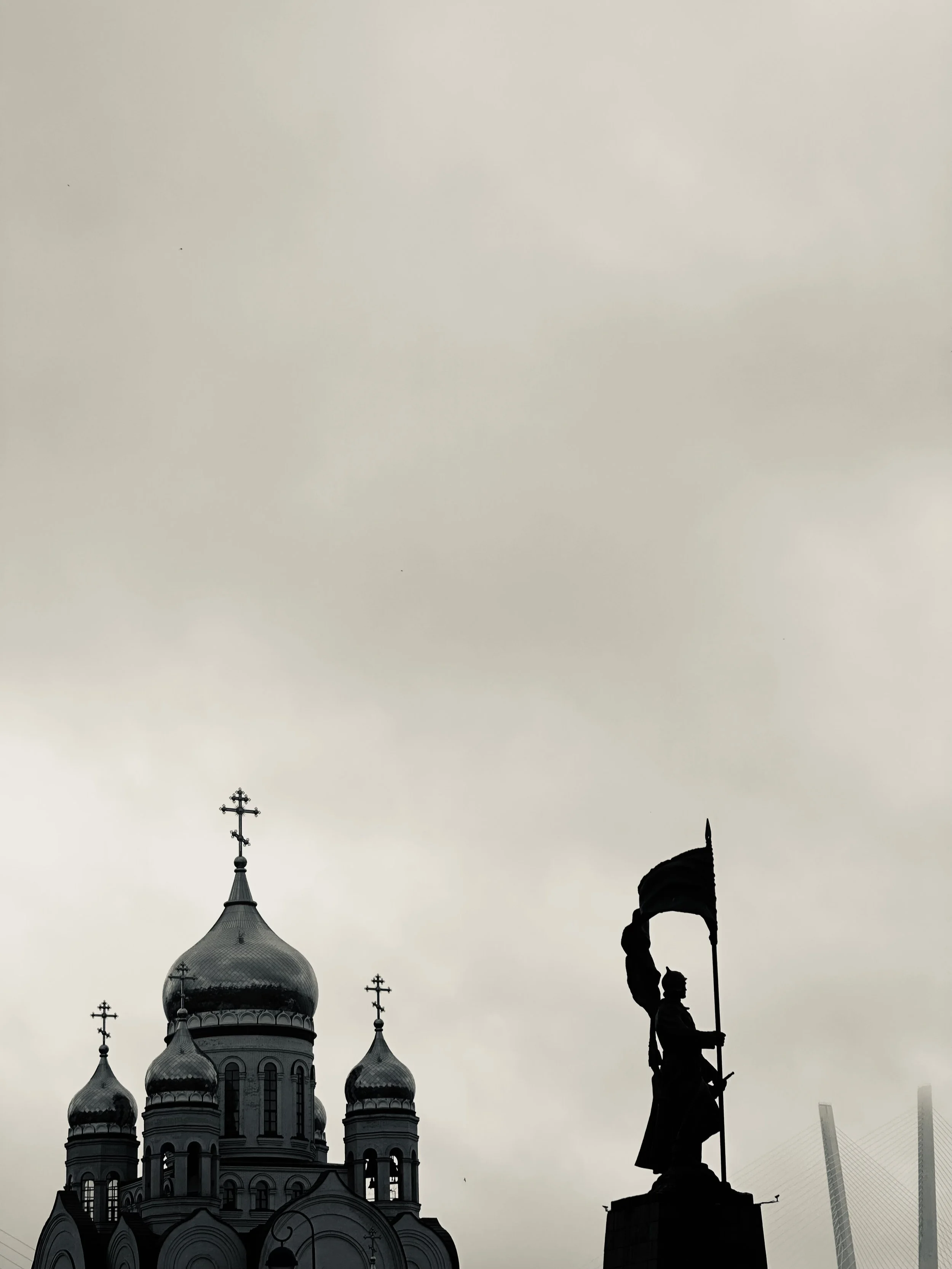
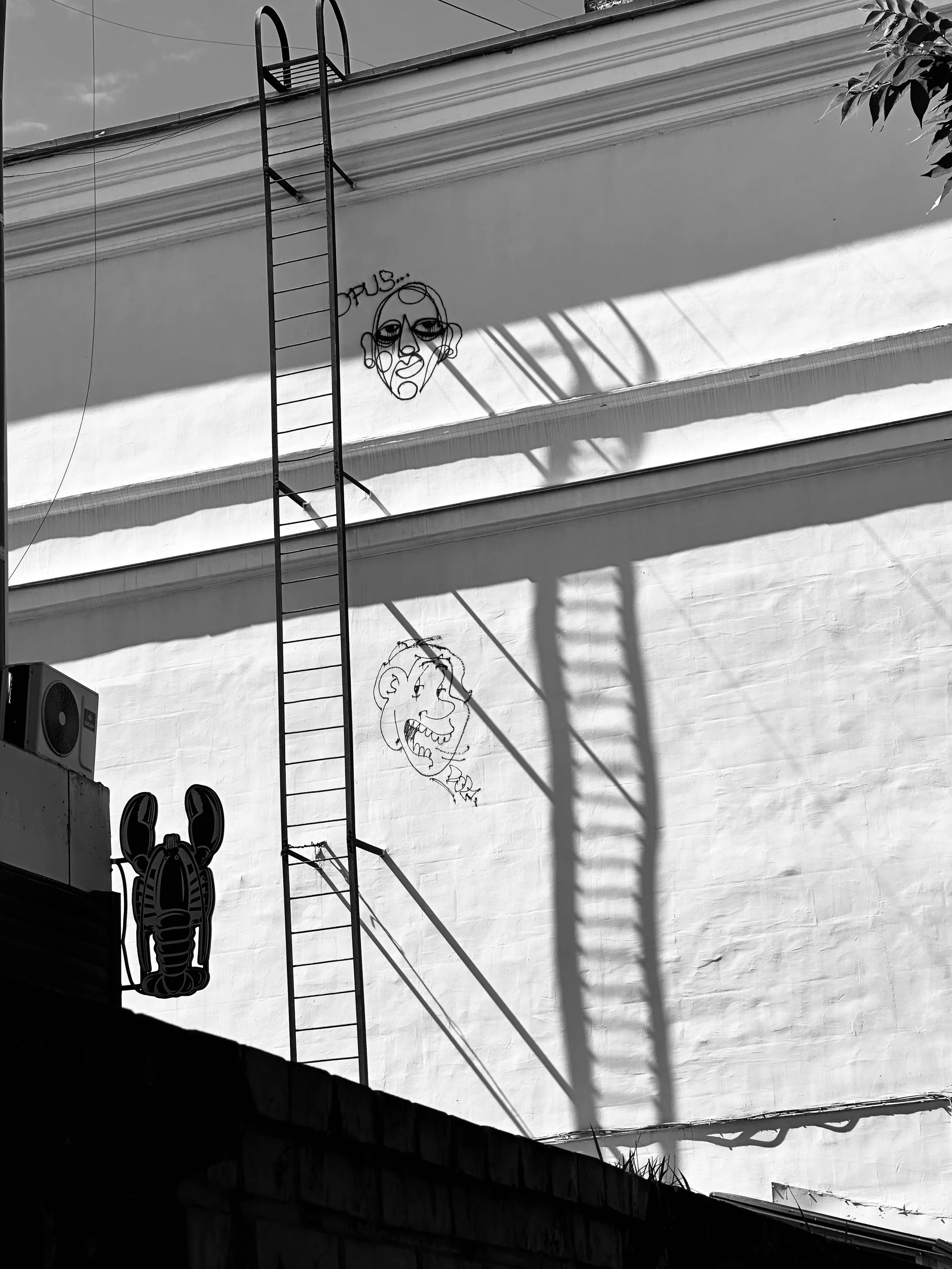
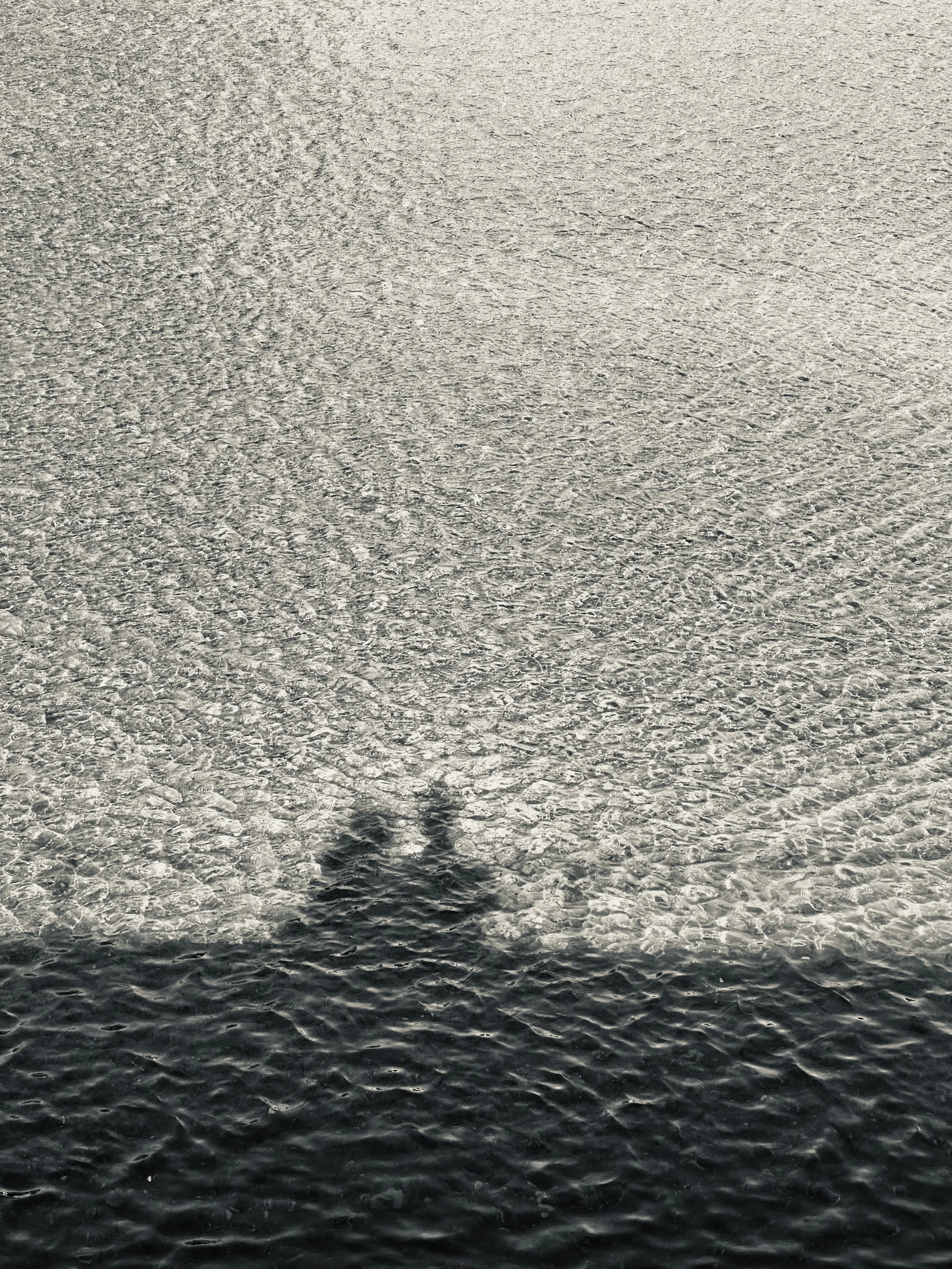
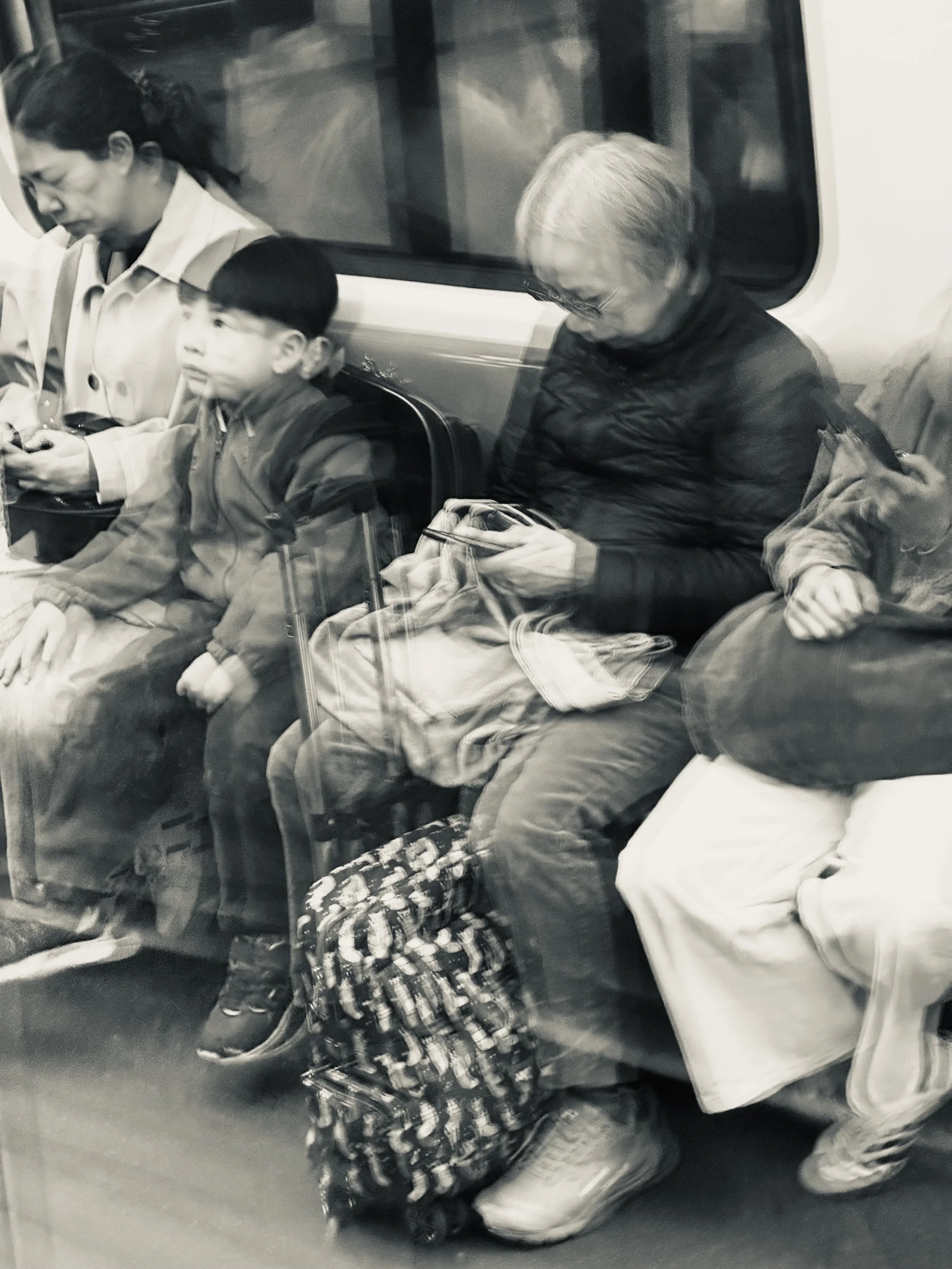
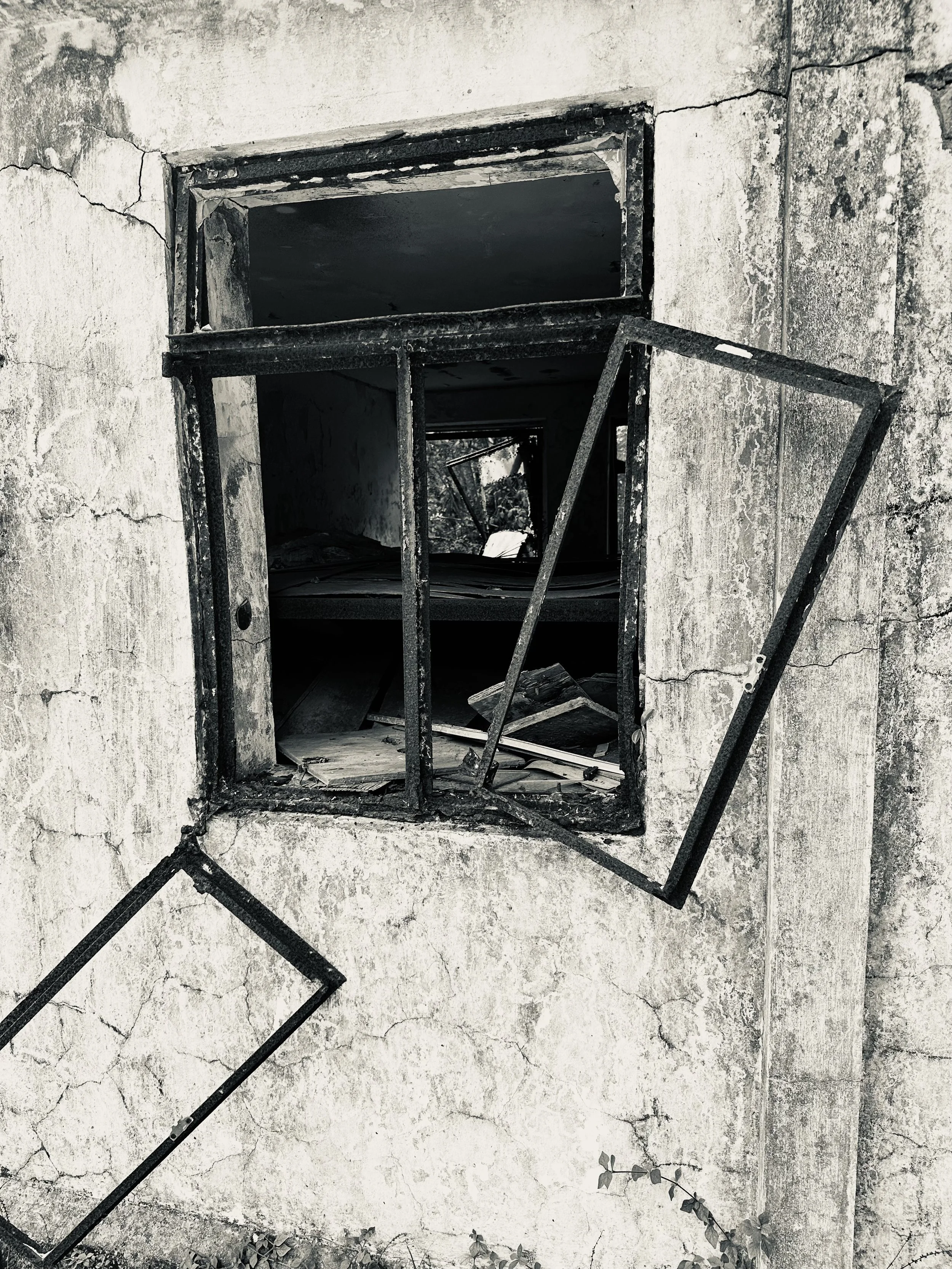
“I am inspired by fragments — things that seem minor, peripheral, or easy to miss. A reflection in a window, a blurred figure on a platform, a cracked wall, a suspended object, a street corner at the wrong hour. I am drawn to moments when the ordinary stops behaving like scenery and begins to feel unstable, charged, or quietly symbolic. Cities are a constant source of inspiration for me, especially the way they carry memory, pressure, and contradiction in their surfaces. Having lived in Hong Kong and now in London, I think I have become even more aware of how places shape perception. Hong Kong taught me intensity, compression, and velocity; London has introduced a different rhythm — more distance, more silence, more fog around things, both literally and mentally. More than anything, I am inspired by the possibility that photography can reveal something beyond description. I do not look for spectacle. I look for traces, thresholds, and small disturbances in the visible world — moments where reality seems to hesitate and another layer briefly appears.”
What themes do you pursue? Is there an underlying message in your work?
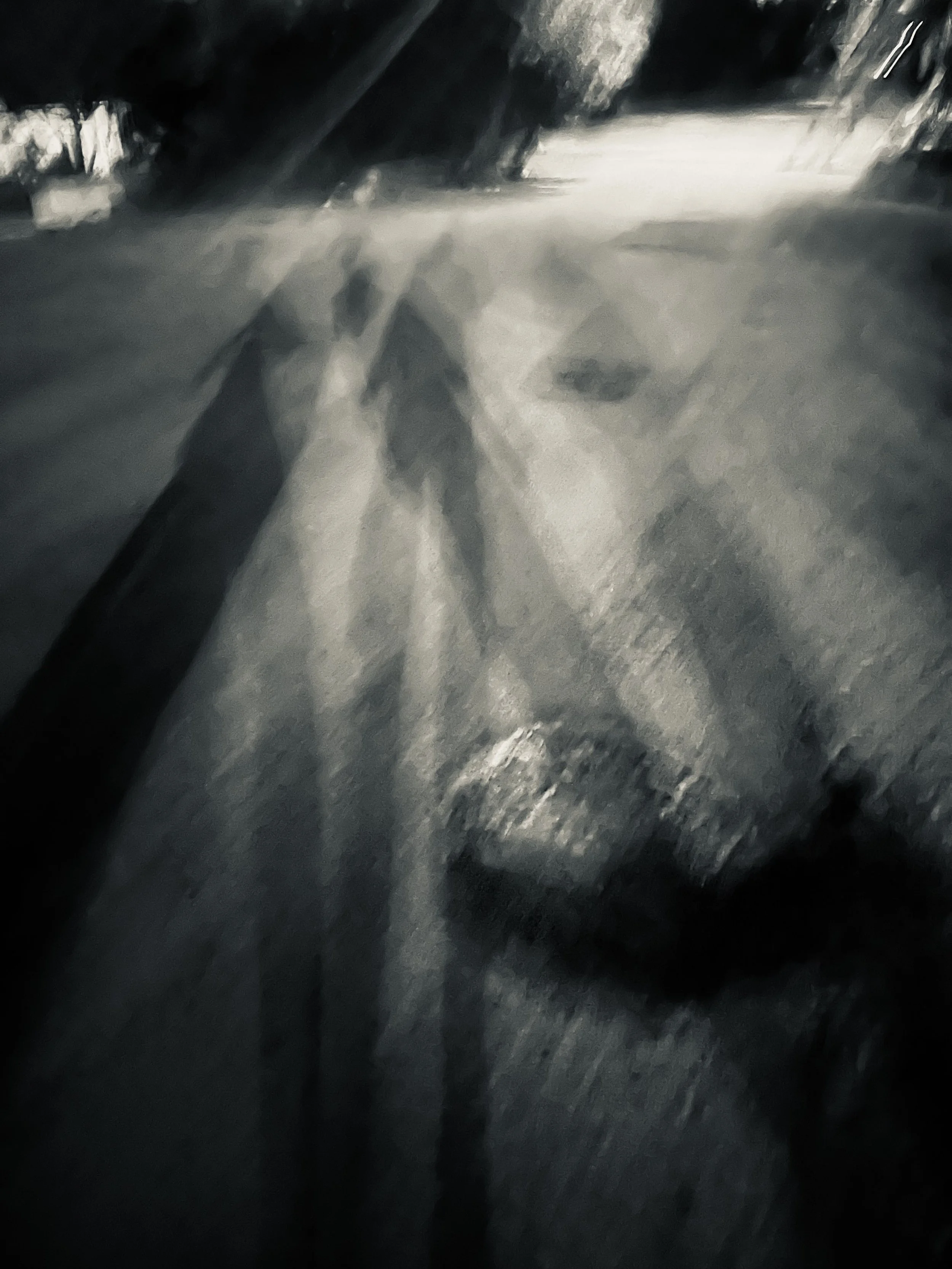
“The themes I return to most often are memory, estrangement, transience, and the instability of perception. I am interested in fragments of the visible world — places, objects, reflections, gestures, architectures — that seem ordinary at first, but begin to feel psychologically charged when isolated through the camera. I often find myself drawn to thresholds: between presence and absence, movement and stillness, intimacy and distance, document and apparition. I would not say that my work carries a single fixed message. I am less interested in delivering conclusions than in creating a space of attention and uncertainty. If there is an underlying impulse, it is to challenge the idea that reality is stable, transparent, or fully readable. I want my photographs to suggest that even the most familiar environments contain fractures, residues, and hidden intensities. In that sense, the work is not about explaining the world, but about unsettling it slightly — making room for ambiguity, for memory, for the strange life of things we usually pass by. I hope the images invite the viewer to slow down and recognize that what seems trivial or peripheral may in fact hold a deeper emotional or symbolic charge.”
How would you describe your work?
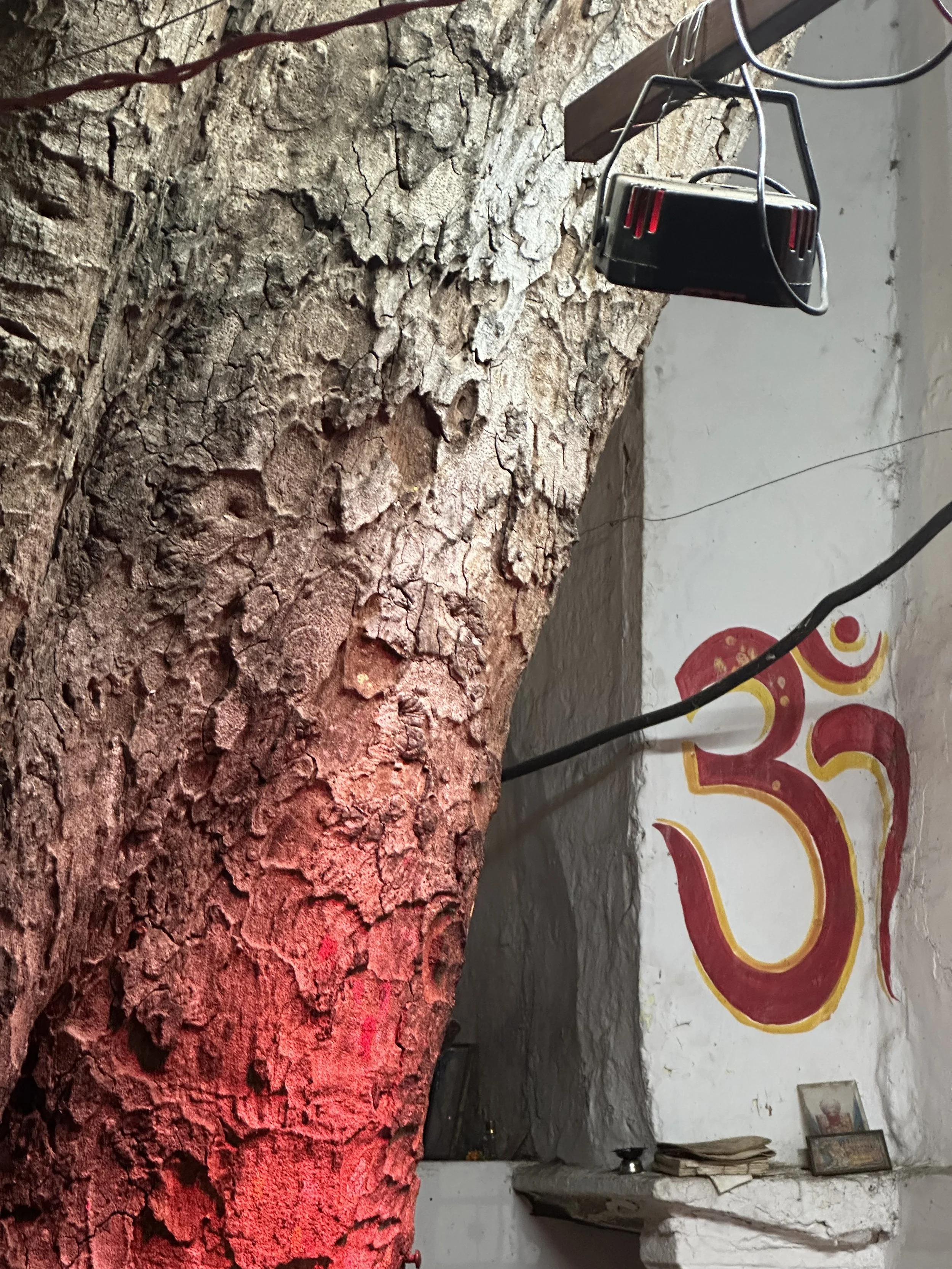
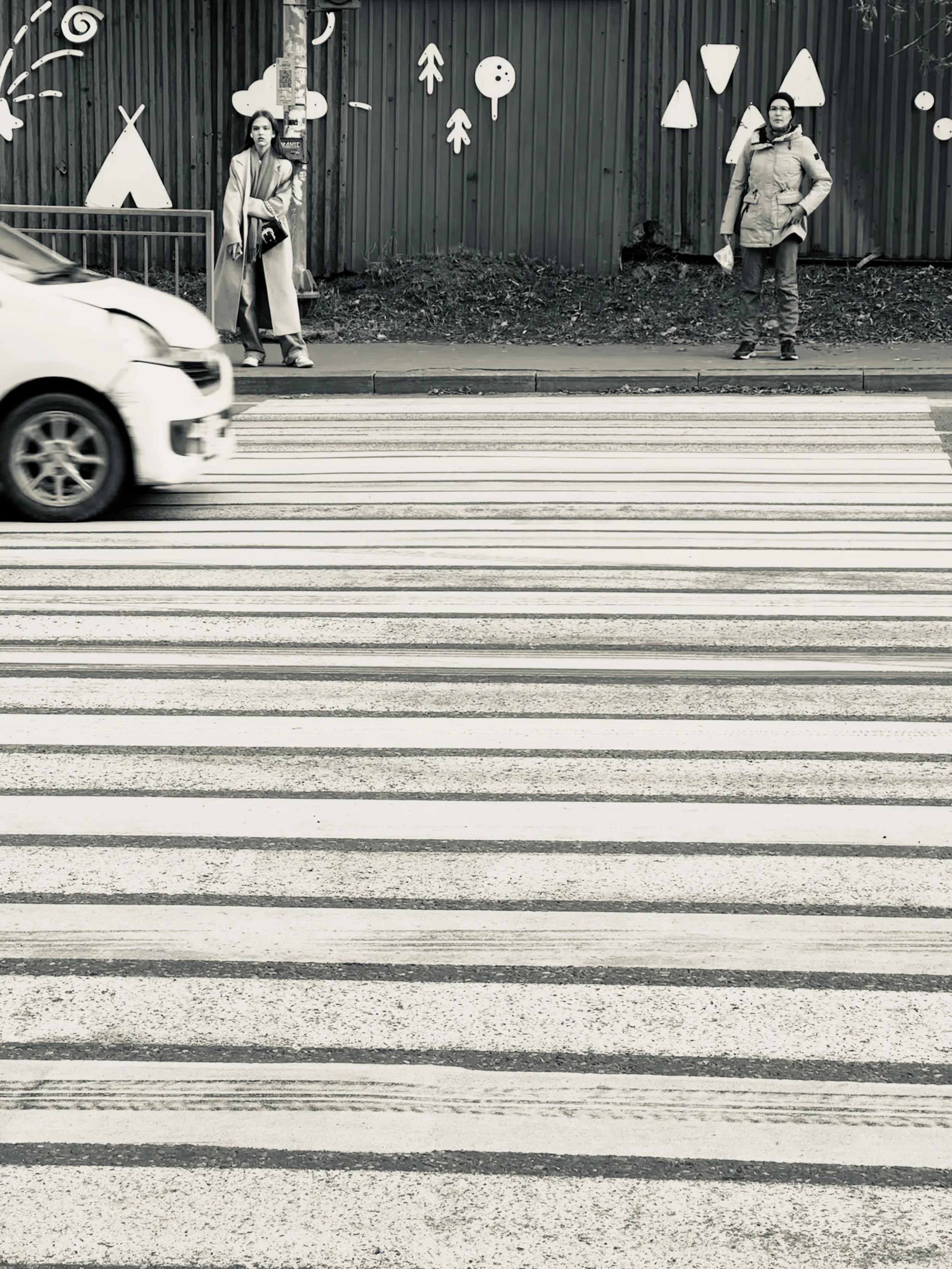
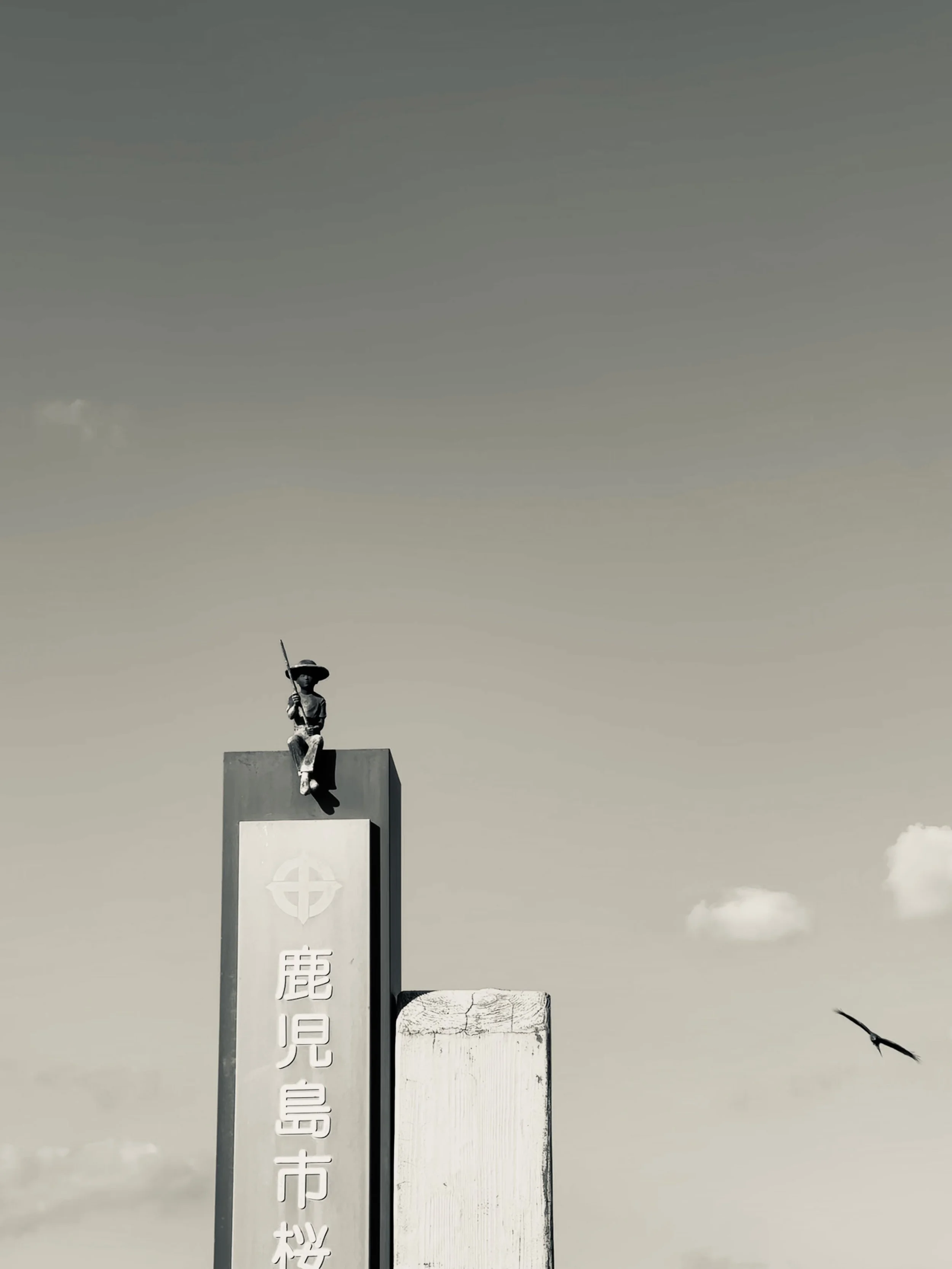
“I would describe my work as photography that moves between observation and inner experience. I often work with urban fragments — reflections, passing figures, damaged surfaces, transitional spaces — and I am interested in how ordinary scenes can become strange, emotionally charged, or symbolic through the act of looking. Rather than simply documenting what is there, I try to create images that hold ambiguity, memory, and tension. My work is less about giving answers than about opening a space where the familiar can be seen differently.”
Which artists influence you most?
“Three artists who have influenced me strongly are Daido Moriyama, Martin Parr, and Gueorgui Pinkhasov. They are very different from one another, which is probably why they matter to me. Each of them has expanded my sense of what photography can do. From Daido Moriyama, I have drawn a deep appreciation for rawness, instability, and the energy of the street. His work has always reminded me that photography does not need to be polished or resolved in order to be powerful; in fact, its force often lies in its friction, its grain, its restlessness, and its refusal to explain too much. Martin Parr interests me for a different reason. I admire the precision of his observation and the way he finds tension, absurdity, and social detail in everyday life. His images show how much can be revealed through surfaces, habits, and seemingly banal moments. Gueorgui Pinkhasov has been important to me because of his sensitivity to light, color, and fleeting perception. There is something very free and elusive in the way he photographs the world, and I find that deeply inspiring. His images often feel as if they are discovering reality in the same instant they are capturing it. What I value in all three is that none of them use photography merely to describe. Each, in a very different way, transforms the visible world into something more ambiguous, alive, and open.”
What is your creative process like?
“My creative process is quite intuitive at the beginning. I spend a lot of time walking, looking, waiting, and staying alert to small disturbances in the visible world — a reflection, a gesture, a blur, an unexpected relationship between objects, a certain tension in a space. I do not usually begin with a rigid plan. What matters first is a kind of recognition: the feeling that something ordinary has shifted and is asking to be seen. At the same time, intuition is only one part of the process. After taking photographs, I become much more selective and reflective. I look for images that continue to resist me a little — images that are not exhausted at first glance, that hold ambiguity, atmosphere, or psychological weight. Editing is very important to me because it is where associations begin to appear and a deeper structure emerges from what initially seemed fragmentary. So the process moves between instinct and distance. I photograph quite openly, but I edit very carefully. In the end, I am trying to create images that feel precise without becoming closed, and evocative without becoming illustrative.”
What is an artist’s role in society and how do you see that evolving?
“I think an artist’s role in society is not to decorate reality or to confirm what is already easy to see. It is to pay attention differently, to question habits of perception, and to make space for complexity where public life often demands speed, certainty, and simplification. Art can slow us down. It can disturb what feels obvious. It can remind us that reality is never exhausted by its surface. For me, the artist is not necessarily someone who provides answers or moral conclusions, but someone who remains sensitive to what is fragile, unresolved, overlooked, or difficult to name. In that sense, the role of the artist is both perceptual and ethical: to resist numbness, to resist cliché, and to keep open a space where ambiguity, memory, and human presence can still be felt. I think that role is becoming even more important now. We live in a time of constant images, rapid consumption, and shortened attention, where meaning is often flattened as quickly as it appears. In that environment, art has the potential to act as a counterforce — not by being louder, but by being more precise, more attentive, and more demanding. I see the artist’s role evolving not toward authority, but toward deeper sensitivity: creating work that helps people look again, feel more carefully, and remain open to the complexity of the world.”
Have you had any noteworthy exhibitions you'd like to share?
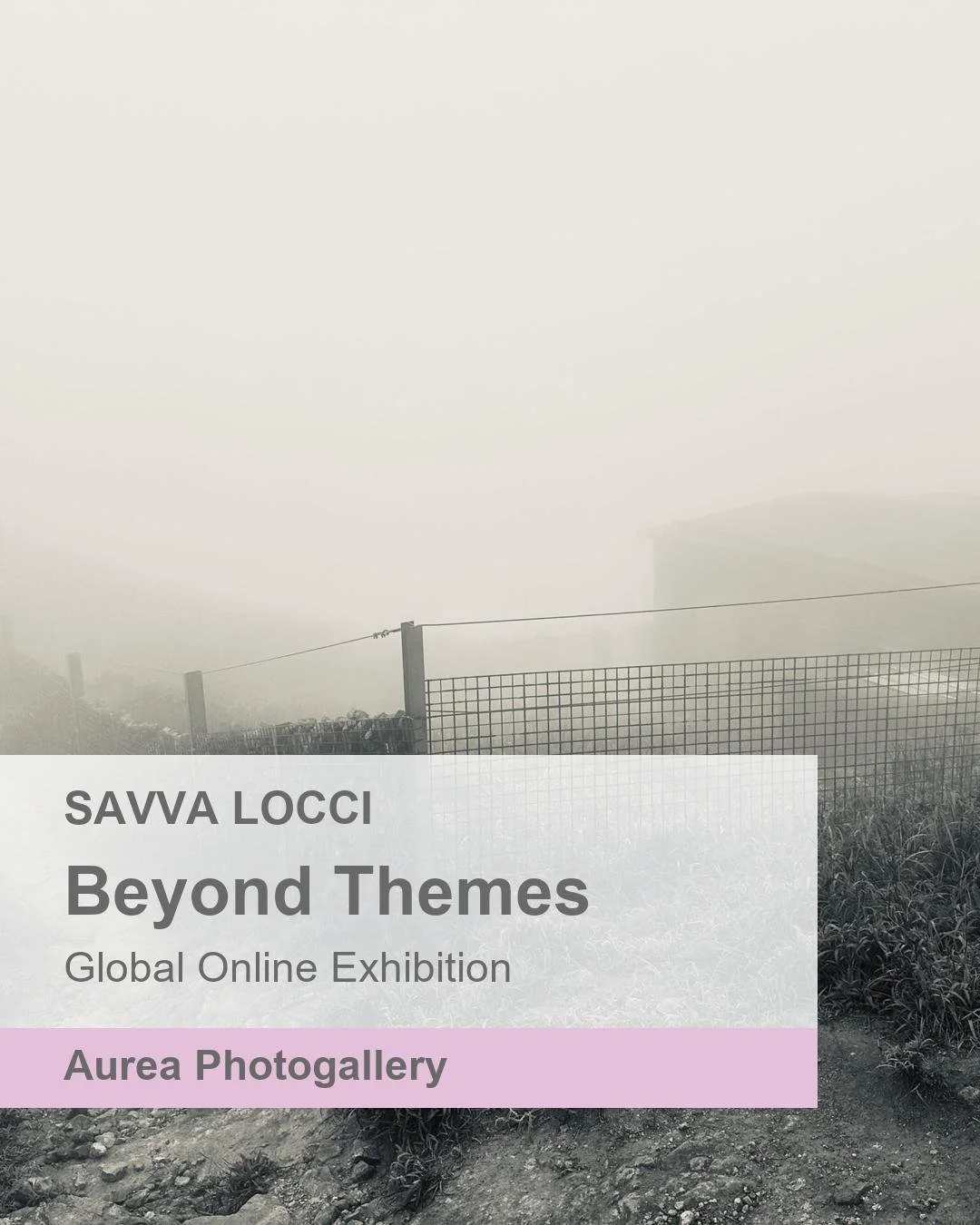
“Yes — my exhibition history is still fairly selective, but a few opportunities have felt especially meaningful to me. In terms of physical exhibitions, the most recent was MONAD Agency’s Global Pulse in London. I was also included among the 50 nominees for the BBA One Shot Award – Photography Prize 2024, presented through BBA Gallery in Berlin.  Alongside these physical shows, my work has also appeared in several online and editorial contexts that I value. These include Aurea Photogallery’s Beyond Themes, where my works Detour to Otherness and Memory and Desire were featured, a featured artist portfolio on Photographize, and Visual Poetry Journal, Issue #9 (December 2025), where I was included among the artist features.  I am still building this side of my practice, so for me each exhibition matters less as a milestone in itself and more as a chance to place the work into dialogue with a space, with other artists, and with viewers.”
Website: www.photographize.co/savva_locci
Instagram: @savva_locci