Interview
Sasha Cubero
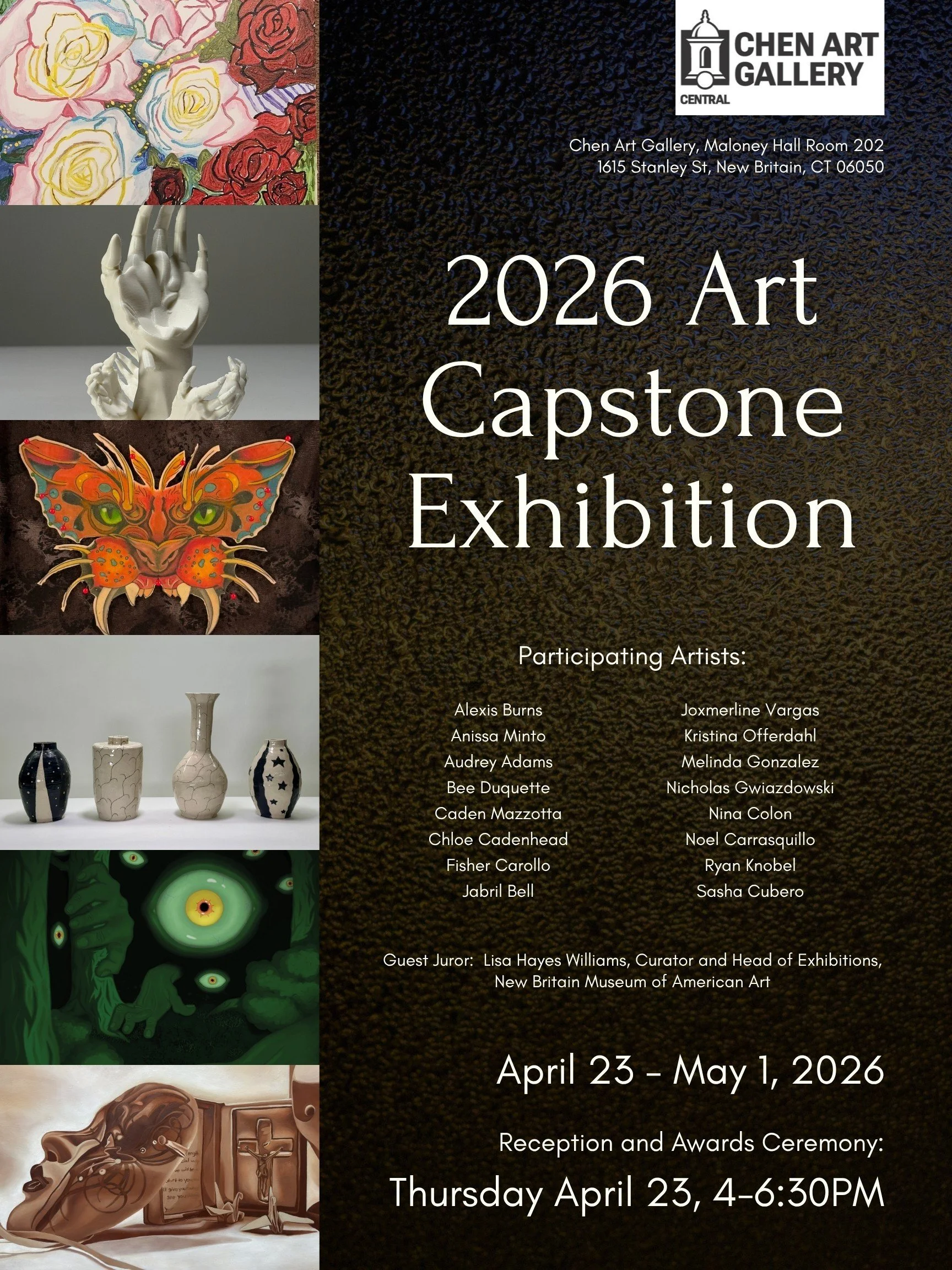
Sasha Cubero is a Puerto Rican visual artist and the founder of CuberoArts LLC, currently based in Newington, Connecticut. Working primarily in oil paint, her practice centers on symbolic still life, exploring themes of grief, memory, healing, and the passage of time. Her work is grounded in the tradition of Memento Mori, incorporating recurring elements such as skulls, flowers, candles, and paper cranes to create layered compositions that invite personal interpretation. Cubero’s artistic journey began in childhood, developing through both self-directed learning and formal training. She studied digital art in high school, where she was introduced to Adobe Photoshop, and later attended the Center for Creative Youth in 2012. That same year, she received Second Place in the Scholastic Art Awards for Digital Art.
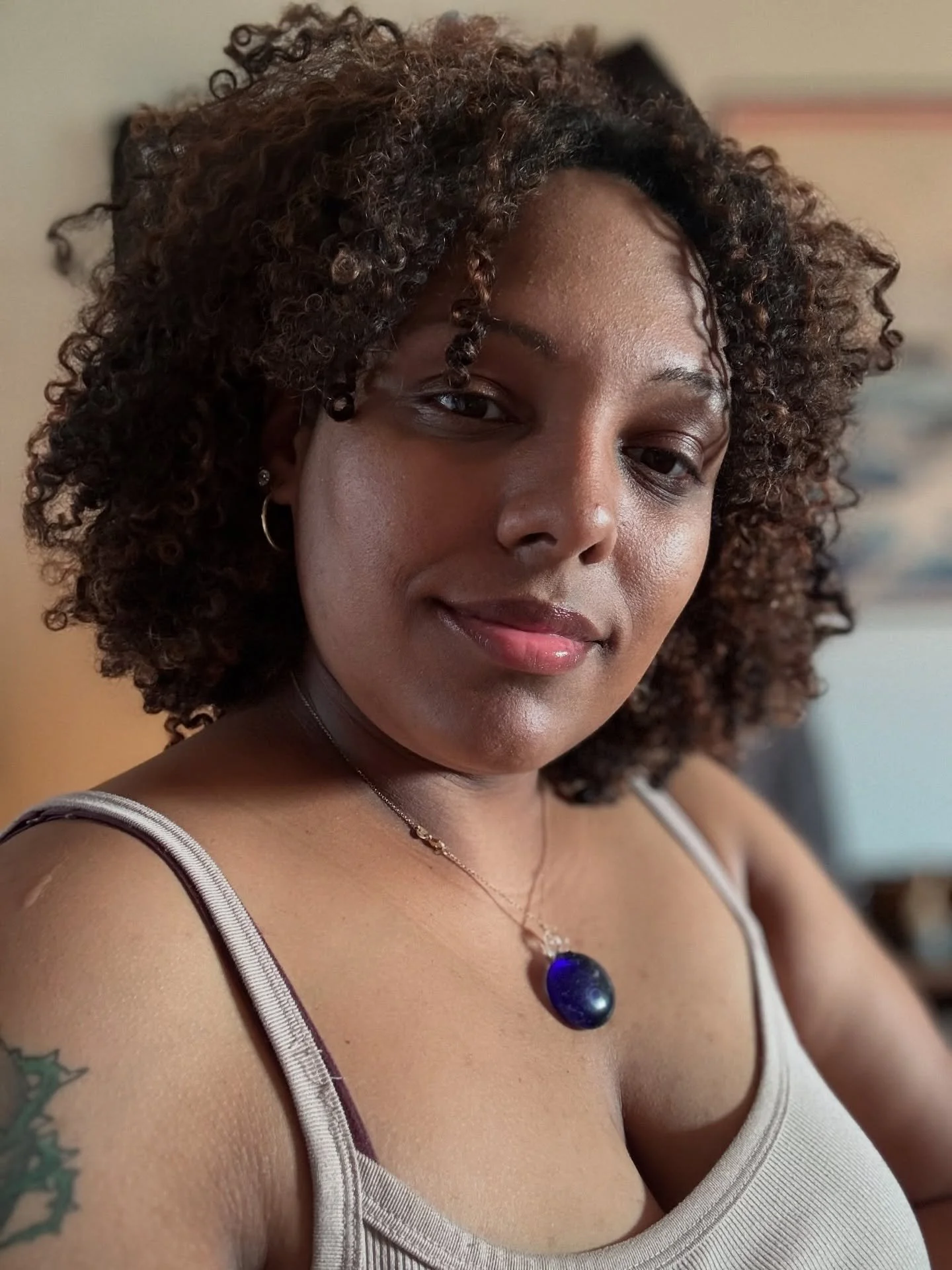
She went on to earn an Associate’s Degree in Fine Arts from Housatonic Community College, where she also received First Place in the 2015 Sidewalk Art Festival and developed a strong interdisciplinary foundation. After time in the manufacturing field, Cubero returned to her artistic practice with a renewed focus, continuing her studies at Central Connecticut State University, where she is completing her Bachelor of Fine Arts in Painting and will be graduating in May 2026. Her recent work has evolved into a large-scale series centered on one thousand hand-crafted paper cranes, drawing from the tradition of Senbazuru as a framework for examining loss and resilience. In addition to her studio practice, Cubero has gained experience in museum and gallery settings through internships and curatorial studies, further shaping her interest in curation as a professional path. She is currently preparing for her Senior Capstone Exhibition, a culmination of her academic and personal development. Through her work, Cubero seeks to create space for reflection, offering viewers an opportunity to engage with themes of mortality, healing, and hope.
What is your background and how did you start your journey in the art world?
“I began my journey in the art world around the age of eight or nine, drawing my favorite video game characters and figures inspired by designs on my school folders. As a hard-of-hearing individual, I recognized early on that I worked more effectively through visual and hands-on expression than through auditory means. Around the age of ten, I began taking private painting lessons at a local art school in Stratford, Connecticut, where I learned foundational techniques using acrylic paints, primarily focusing on landscape painting. After some time, I stopped attending formal classes but continued independently, teaching myself how to draw. I also explored early digital tools, including Microsoft Paint, and sought out instructional books to further develop my skills. During my middle school years, I frequently drew from manga and video game references.
At that time, I developed a strong interest in digital art, particularly after learning about Adobe Photoshop, although I did not yet have access to the necessary equipment or software. I often stayed up late drawing on school nights and experimented with programs such as Paint.NET, learning to create digital work using a mouse and keyboard. In high school, I enrolled in a digital art course taught by George Bella, where I was formally introduced to Photoshop. Beginning in 10th grade, I remained in his classes through graduation. His instruction played a central role in shaping my artistic foundation and direction. I also participated in a pre-college summer program at the Center for Creative Youth in 2012. This five-week program provided high school students with exposure to college-level artistic training, mentorship from working artists, and opportunities to develop leadership skills. Students engaged in creative challenges, received guidance on college preparation, and completed independent art projects that they later brought back to their communities. The program fostered collaboration among students from diverse backgrounds and emphasized three key areas of growth: peer connection, focused artistic development, and leadership through creative practice. A study conducted by Lynn H. Schultz found that participants demonstrated measurable growth in creative problem-solving, confidence, and decision-making regarding future careers. I completed this program in the summer of 2012.
Following that experience, I received Second Place in the Scholastic Art Awards for Digital Art in 2012. I also earned Third Place in the Central Artisans Art Contest at Central High School Magnet in Spring 2013, as well as Third Place in the Central High School Art Show Contest in Spring 2011. As I approached graduation, I knew I wanted to pursue art in college, although I initially considered multiple paths, including concept art, graphic design, and animation. Due to financial limitations, I chose to attend Housatonic Community College, which was local to my home, and enrolled in the Fine Arts program. I graduated from high school in June 2013 and began attending Housatonic Community College in August of that year. My coursework included both academic and studio classes, such as Drawing I and II and American Sign Language. From 2013 to 2017, I completed my Associate’s Degree in Fine Arts as well as a Certificate in Advanced Manufacturing. During this time, I worked closely with faculty who provided strong mentorship, guidance, and support throughout my development as an artist. The institution offered a comprehensive art program that emphasized both technical skill and conceptual understanding, supported by lectures on historical and contemporary artists and movements. Students were consistently challenged to expand their capabilities and develop strong portfolios.
While at Housatonic, I formed meaningful connections with fellow artists and had the opportunity to encounter established professionals, including Chuck Close. Experiencing his work in person and meeting him directly had a lasting impact on my understanding of scale and portraiture. Toward the end of my time there, I participated in several events, most notably winning First Place in the 2015 Sidewalk Chalk Festival. This recognition led to coverage in the Connecticut Post, a formal certificate of award, and a letter from Connecticut State Senator Christopher S. Murphy. On the same day, I also exhibited work in the Housatonic Student Exhibition, including a 24 by 36 inch portrait composed of approximately 30,000 perler beads. This project, which took over a month to complete, was an exploration of alternative materials in portraiture and demonstrated my interest in process-based experimentation.
After completing my Associate’s Degree, I enrolled in the 2016 to 2017 Advanced Manufacturing program, a ten-month intensive course designed to provide technical training and workforce readiness. My goal was to secure financial stability while continuing to pursue art independently. However, my experience in the manufacturing field presented significant challenges, including workplace instability, inequitable conditions, and limited accessibility as a hard-of-hearing individual. Although I gained practical skills, I ultimately found the field unsustainable. In 2018, I applied to Montserrat College of Art to continue my studies toward a four-year degree. During my time there, I was introduced to oil painting for the first time, which became a defining medium in my practice. Due to financial constraints, I was unable to continue beyond the fall semester and returned to full-time work. During this period, I pursued art independently, taking private lessons with oil painters and maintaining my practice when possible.
In 2021, I met my husband, and we made plans to establish a home together in 2022 while I continued working full-time. In 2023, I experienced the loss of my father in June, followed by the loss of my grandmother, his mother, in September. Losing two generations of my family within such a short period had a profound impact on me. It was a deeply destabilizing time, and I struggled to find direction in my daily life. I was married later that year, and in 2024, I decided to return to college as a way to regain structure and purpose. I was accepted into Central Connecticut State University for the fall semester. During the summer of 2024, I also learned that I was expecting my first child. Despite these changes, I remained committed to my education.
Returning to painting became a critical part of processing my grief. What began as a coping mechanism evolved into a renewed sense of direction and motivation. I balanced full-time work with part-time studies before giving birth to my daughter in January. I then transitioned into full-time motherhood while continuing my education. With the support of my husband, I adapted to this new phase of life while maintaining my academic and artistic commitments. Over time, I began to engage in internships and professional opportunities, including work with the Hill-Stead Museum and a gallery in New Britain, participation in a curatorship course at CCSU, and volunteer work at the university’s gallery. I eventually transitioned into being a full-time student while maintaining part-time employment and managing family responsibilities. This path has led me to my current position, where I am completing my Bachelor of Fine Arts in Painting at Central Connecticut State University, with an expected graduation in May 2026. Despite ongoing challenges, including financial strain and the demands of balancing multiple roles, I have developed a strong sense of direction and commitment to my work. I plan to continue my education at the graduate level and expand my body of work, focusing on themes of loss, grief, healing, and hope.”
What inspires you?
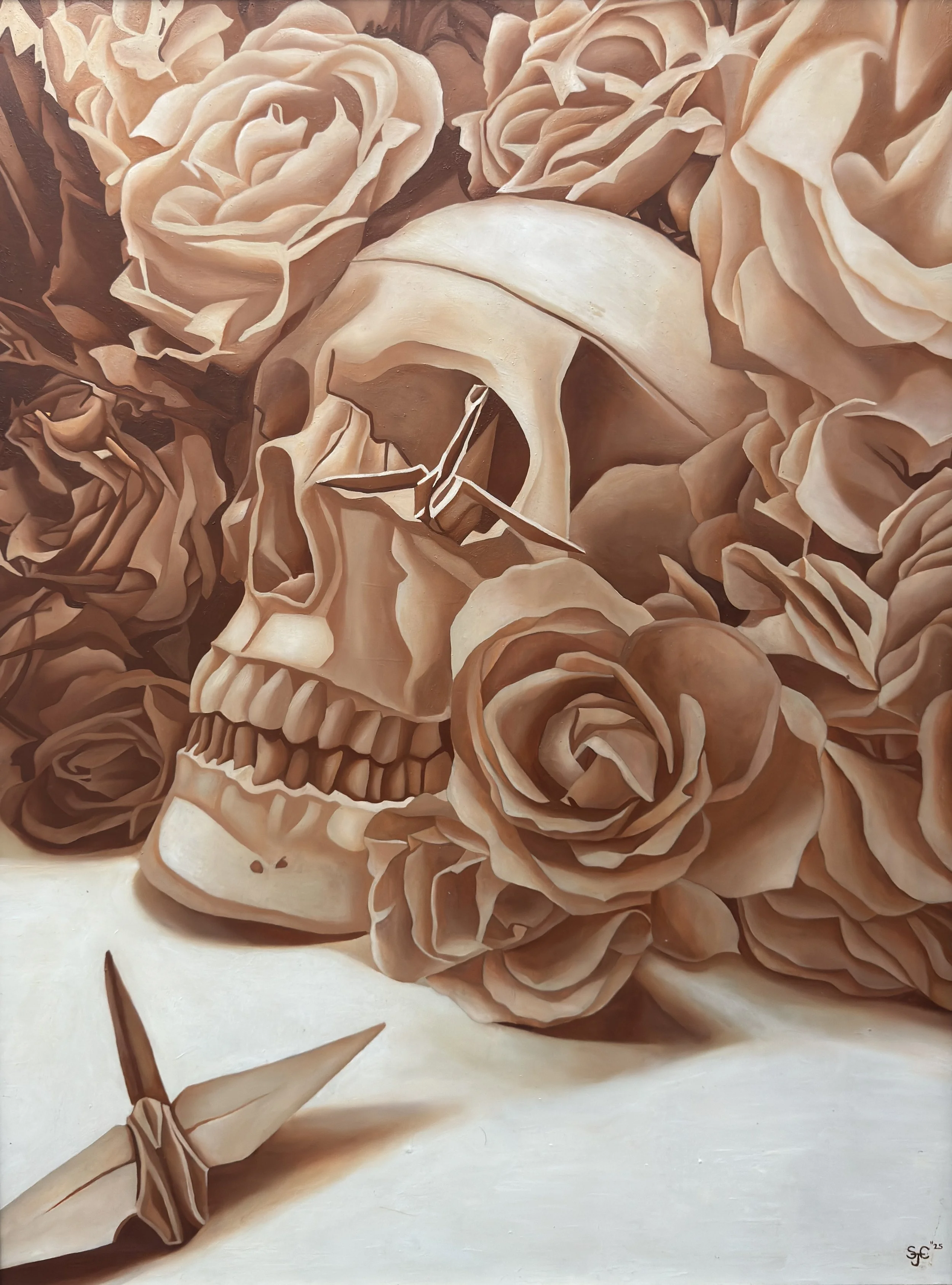
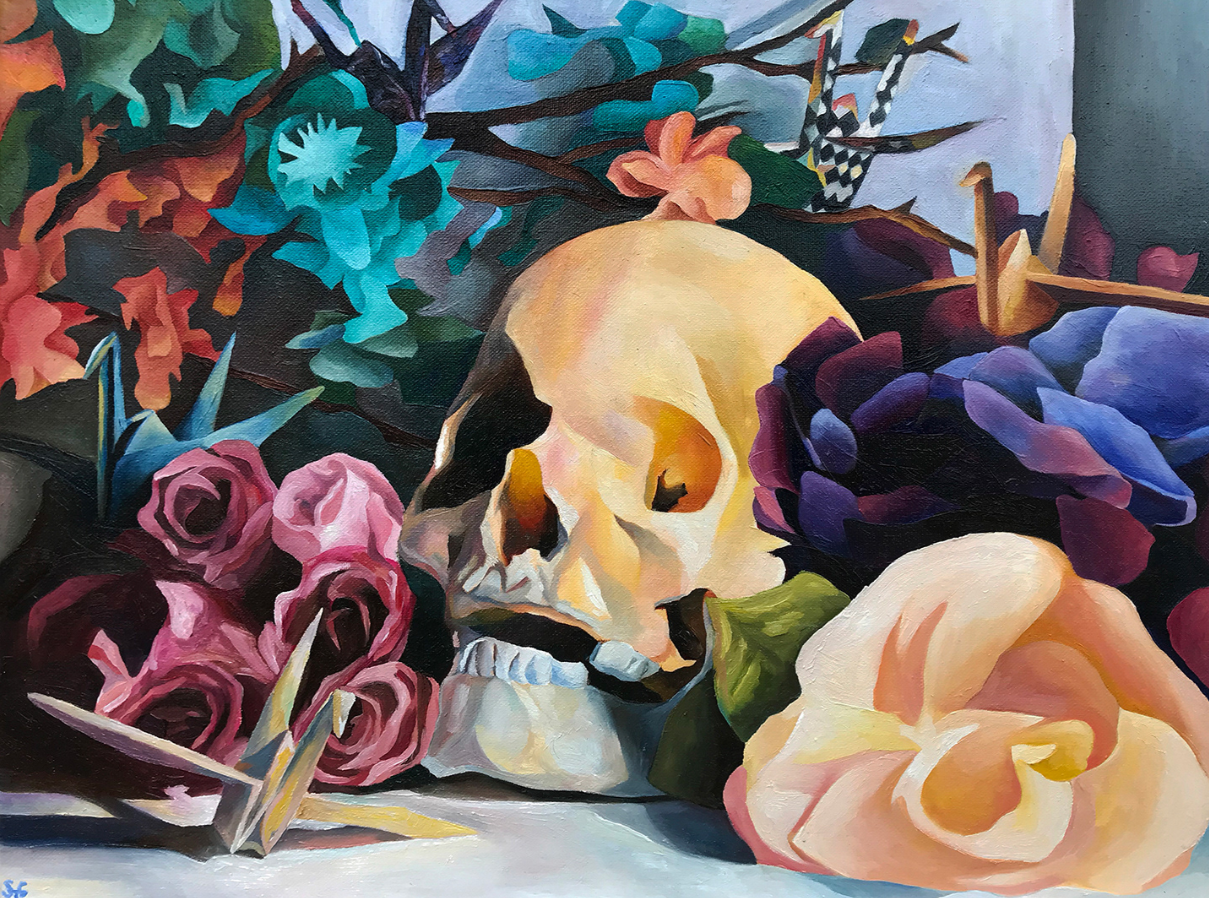
“Originally, my sources of inspiration were largely drawn from the media I regularly consumed, including video games, manga, anime, and other forms of popular culture. Over time, as my art history education expanded during my college studies, my influences gradually shifted toward major art movements such as the Renaissance and Impressionism. As I developed a more comprehensive understanding of art and its historical context, my inspiration evolved and is now grounded in the concept of Memento Mori, which closely reflects my lived experience with grief. Rather than relying on copyrighted material for reference and inspiration, I construct my own still-life setups to develop compositions and object arrangements that communicate a specific scene or theme. I utilize a lightbox, controlled lighting equipment, and a DSLR camera to accurately capture tone, atmosphere, and color. Within these compositions, I consistently incorporate a combination of a skull, paper cranes, and flowers to convey the juxtaposition of life and death.”
What themes do you pursue? Is there an underlying message in your work?
“My work explores life, death, memory, and healing through symbolic still life paintings. I like working in oil paint because it is the medium I feel most comfortable with. Oil lets me slowly build layers, adjust color, and develop depth over time. Objects such as skulls, flowers, candles, and paper cranes appear often in my paintings, serving as symbols that can carry different meanings for different viewers of my works. This direction in my work is shaped by personal loss. In 2020, I lost my last grandfather. In 2023, I lost my father, and three months later I lost my grandmother, my dad’s mom. Losing two generations of my family in the same year created a deep sense of absence in my life. Losing my father has been the most painful experience I have ever faced. He was one of the closest people to me and someone who shaped my understanding of family, guidance, and support. His absence is something I still feel every day.
Painting has become a way for me to sit with that grief instead of avoiding it, and the studio has become a place where reflection and memory can take visual form. I am beginning a series of paintings that explores the idea of one thousand paper cranes. The tradition of folding one thousand cranes, known as 'Senbazuru', symbolizes longevity, healing, and good fortune, based on a legend that completing the cranes grants a wish. Popularized by the story of Sadako Sasaki, the cranes have become a symbol of hope and peace. In my work, a total of one thousand paper cranes will appear across multiple paintings in the series. This process reflects an ongoing search for happiness and peace as I cope with a lifetime of deep grief, using the cranes to explore mourning, loss, healing, and the presence of hope. I am approaching this series through different color schemes while exploring a burnt sienna monochromatic palette. Burnt sienna is traditionally used in oil painting as an underpainting color, and working within this limited range allows me to focus on light, form, and atmosphere while maintaining a unified emotional tone throughout the paintings. I begin with traditional still life arrangements and gradually transform them through color, lighting, and symbolic placement. By combining familiar objects with the repeated presence of paper cranes, the paintings create spaces where viewers can reflect on their own personal losses and the healing found within their lives.”
How would you describe your work?
“I would describe my work as contemporary symbolic still life that is grounded in the idea of Memento Mori, while also being shaped by classical painting traditions and my own personal experiences. At the center of my work is the relationship between life and death. I often return to the same core elements, like skulls, flowers, and paper cranes, because they allow me to build a visual language that speaks about mortality, fragility, and transformation. While Memento Mori has a long history, I am not trying to recreate it in a traditional sense. For me, it comes from lived experience, especially through grief, and that is what gives the work its direction. My compositions are influenced by what I have studied from Renaissance and Baroque still life painting, particularly in how objects are arranged with intention and balance.
At the same time, I am not focused on strict realism. I simplify forms, push color, and control lighting in ways that create mood and feeling rather than just copying what I see. That balance between structure and interpretation is important in my process. A big part of my practice is building my own references. I create my own still-life setups, control the lighting, and photograph them before painting. That way, I am not relying on outside imagery. It allows me to fully shape the composition and the meaning behind it from the start. There is also a contrast that runs through my work. The flowers and cranes often suggest life, care, and memory, while the skulls and empty spaces point to loss and permanence. I am interested in how those ideas exist together rather than separately. I also think a lot about space. In some paintings, I bring everything close together to create a sense of intensity. In others, I leave more open space so the work feels quieter and more reflective. Both approaches help guide how the viewer experiences the piece. In some of my monochromatic work, I focus more on value and form instead of color. That helps me strengthen my understanding of structure and connects back to the academic training that shaped me. Overall, my work sits somewhere between Memento Mori, classical still life, and contemporary symbolism. It reflects my personal experiences, but it is also open enough for others to find their own meaning in it.”
Which artists influence you most?
“The expected response would be to cite the Old Masters of the Renaissance and the Impressionists as my primary influences, and in many ways, that remains true. Their work continues to provide a strong foundational basis that is reflected in my own practice. However, a significant contemporary influence on my work is the artist Graydon Parrish. His paintings are both visually striking and deeply somber, reflecting a Neoclassical approach that I strongly admire. Experiencing his work in person carries a powerful presence, particularly in one of his most notable pieces, ‘Cycle of Terror and Tragedy.’ This haunting and compelling painting evokes the kind of emotional depth I strive to achieve in my own work. His ability to convey both beauty and pain, along with the fragility of human life, is something I find especially impactful. I aspire to create work that approaches a similar level of technical skill and emotional resonance.”
What is your creative process like?
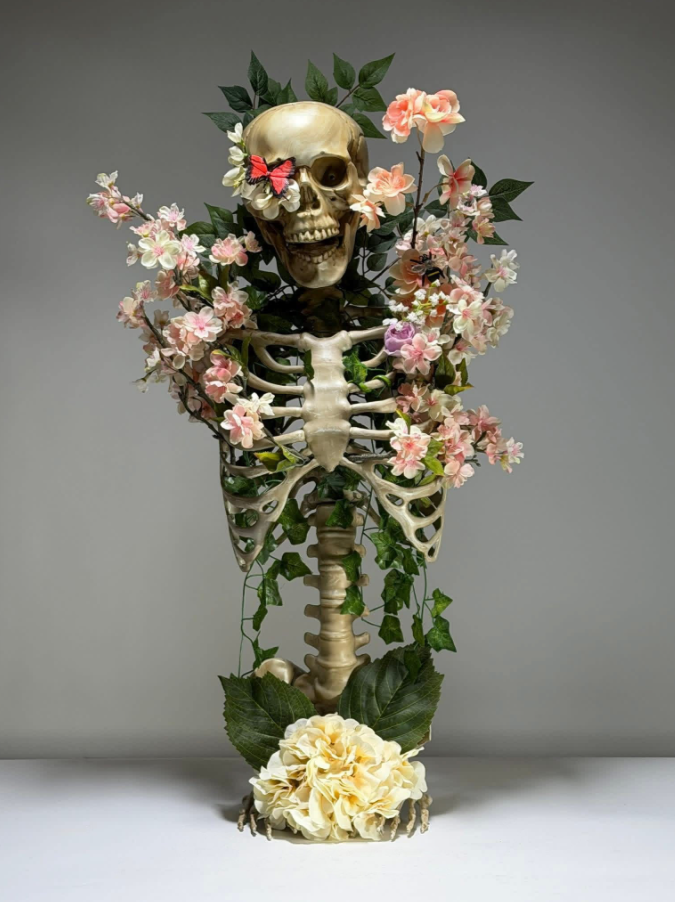
“I primarily work in oil paint, as it is the medium I feel most comfortable using. Oil allows me to build up layers gradually, refine color relationships, and develop depth over time. Within my compositions, I frequently include objects such as skulls, flowers, candles, and paper cranes, which function as symbolic elements that can hold different meanings depending on the viewer’s interpretation. I am currently developing a series of paintings centered on the concept of one thousand paper cranes. The tradition of folding one thousand cranes, known as Senbazuru, represents longevity, healing, and good fortune, based on the legend that completing the cranes grants a wish. Popularized through the story of Sadako Sasaki, the crane has become widely recognized as a symbol of hope and peace.
In my work, a total of one thousand paper cranes will be distributed across multiple paintings within the series. This process reflects an ongoing search for peace and stability as I navigate long-term experiences with grief, using the cranes as a way to explore themes of mourning, loss, healing, and the persistence of hope. The way I obtain these objects is through sourcing them from consignment shops and antique stores. I take time to research each object and develop color studies based on my monochromatic palette before beginning a final piece. I also prepare sufficient quantities of paint in advance and maintain a separate palette to ensure consistency and repeatability throughout the process. For the paper cranes, I purchase origami paper and construct them by hand as part of the preparation for each composition. Formally, I approach this series through varied color schemes while also exploring a burnt sienna monochromatic palette. Burnt sienna is traditionally used in oil painting as an underpainting color, and working within this limited range allows me to focus more closely on light, structure, and atmosphere while maintaining a consistent emotional tone across the body of work. An additional practical advantage is that earth tones tend to dry more quickly, which helps support my workflow as I balance my responsibilities as a wife, mother, and full-time worker while continuing to pursue my artistic goals.
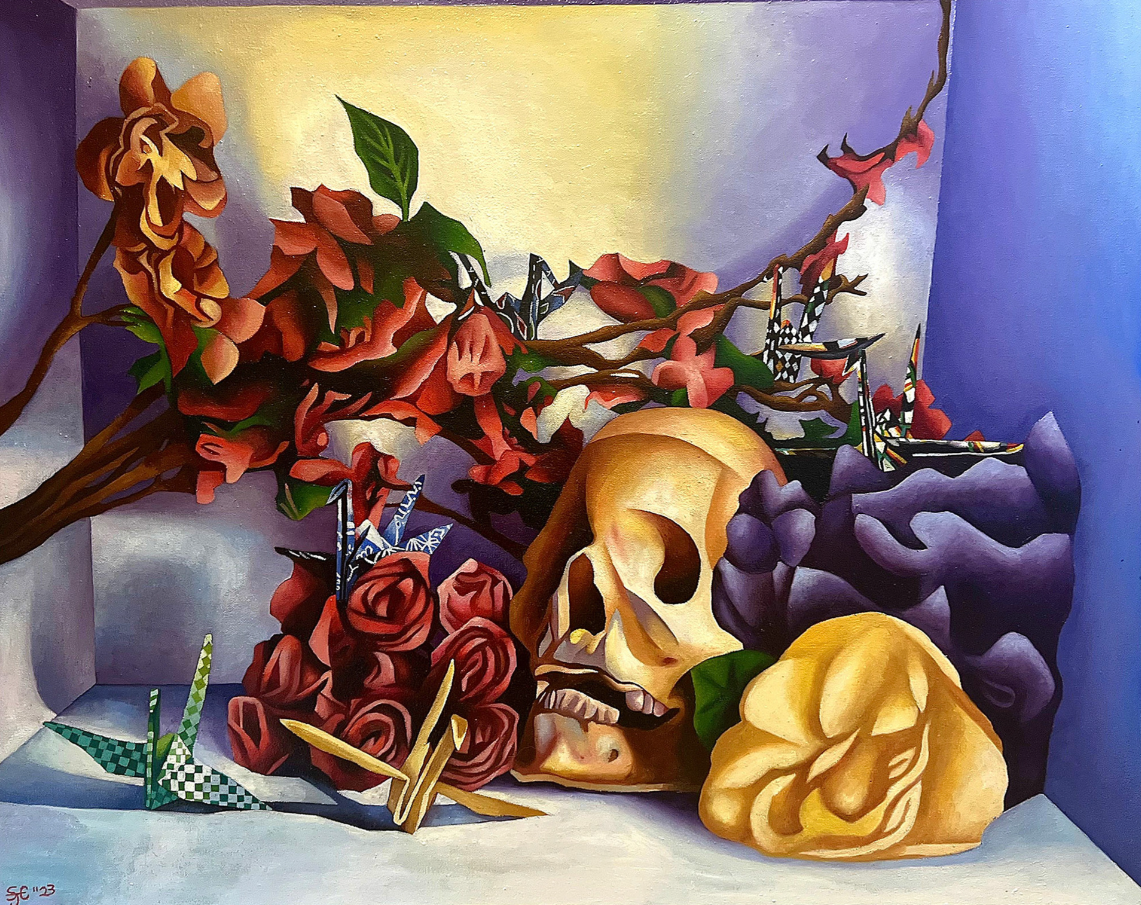
My process begins with constructing traditional still-life arrangements, which I then develop further through adjustments in color, controlled lighting, and deliberate symbolic placement. My process also involves building and documenting my own still-life arrangements. I use a lightbox, controlled lighting equipment, and a camera to capture each scene. I take multiple photographs of different arrangements in order to identify the strongest composition before translating it into paint. A skull and paper cranes are always incorporated into the composition, as these elements are essential to the structure of my Memento Mori Collection. Every aspect of the series is planned in advance, including all one thousand cranes, their symbolic meanings, placement within each painting, and decisions regarding color and canvas size. By combining familiar objects with the repeated presence of paper cranes and a skull, I create compositions that invite viewers to reflect on their own experiences with loss and consider the potential for healing within those experiences.”
What is an artist’s role in society and how do you see that evolving?
“I believe the artist’s role in society is to initiate meaningful conversations around a wide range of subject matters through the use of intentional and effective visual language. Artists possess a distinct ability to communicate complex ideas, emotions, and perspectives without relying on words, allowing their work to resonate with individuals in deeply personal and varied ways. This capacity enables art to evoke different emotional responses across diverse audiences, creating space for interpretation, reflection, and dialogue. Art also offers a way to present perspectives on life that extend beyond direct reality. Through interpretation, symbolism, and composition, artists can reshape familiar experiences into something that encourages viewers to reconsider how they see the world. In this sense, art becomes a bridge between lived experience and imagined understanding, allowing for both personal and collective reflection.
With that in mind, artists carry a responsibility not only to respond to the conditions and challenges that emerge within human experience, but also to bring visibility to them. By doing so, artists can act as catalysts for conversation, using their work to raise awareness, question assumptions, and invite engagement with topics that may otherwise go unaddressed. This role becomes especially important in times of social, cultural, or emotional complexity. Art has a unique capacity to influence thought and perception in ways that other forms of communication may not. It can shape how people understand themselves, others, and the world around them by offering alternative viewpoints and emotional insight. As society continues to evolve, I see the role of the artist expanding alongside it, adapting to new mediums, technologies, and global conversations, while still maintaining its core function of fostering connection, reflection, and meaningful dialogue.”
Have you had any noteworthy exhibitions you'd like to share?
“Just this month, I won Honorable Mention for my Senior Capstone Art Exhibition for the ‘Silence’ painting. This marks my first capstone experience in which I am presenting a cohesive body of work built around a consistent theme, allowing me to share paintings that directly reflect my personal experiences with grief. My decision to return to school initially came from a desire to cope with the loss of loved ones, and being able to conclude this chapter with work that opens a dialogue about that grief represents a meaningful and bittersweet milestone in my educational journey. In addition, this exhibition is a juried show, with the work being evaluated by a curator from the New Britain Museum of American Art. The first place recipient will have their work exhibited in the museum’s lobby for the month of May. Regardless of the outcome, reaching this point and completing my degree while balancing the responsibilities of being a working professional, a wife, a mother, and a student reflects a significant level of dedication, perseverance, and a renewed commitment to my artistic practice.”