Interview
Paola Bidinelli
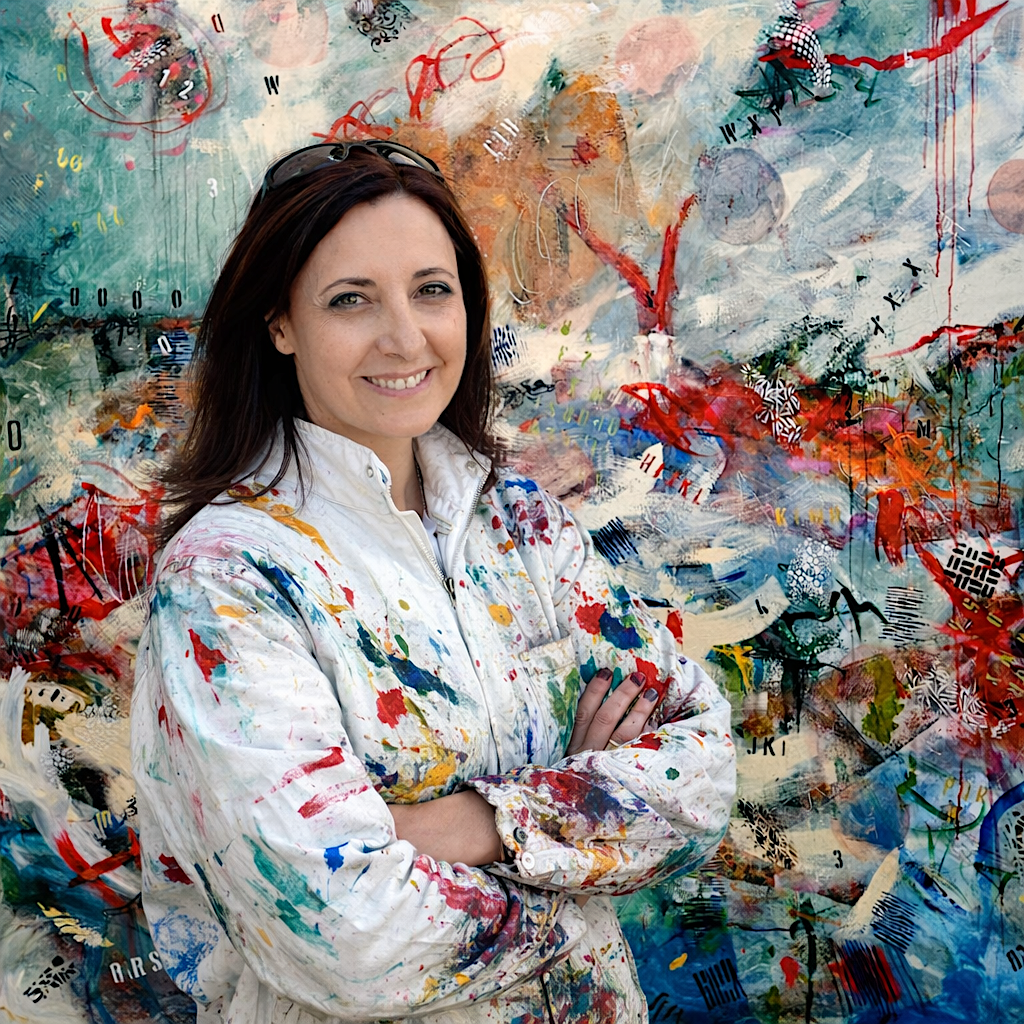
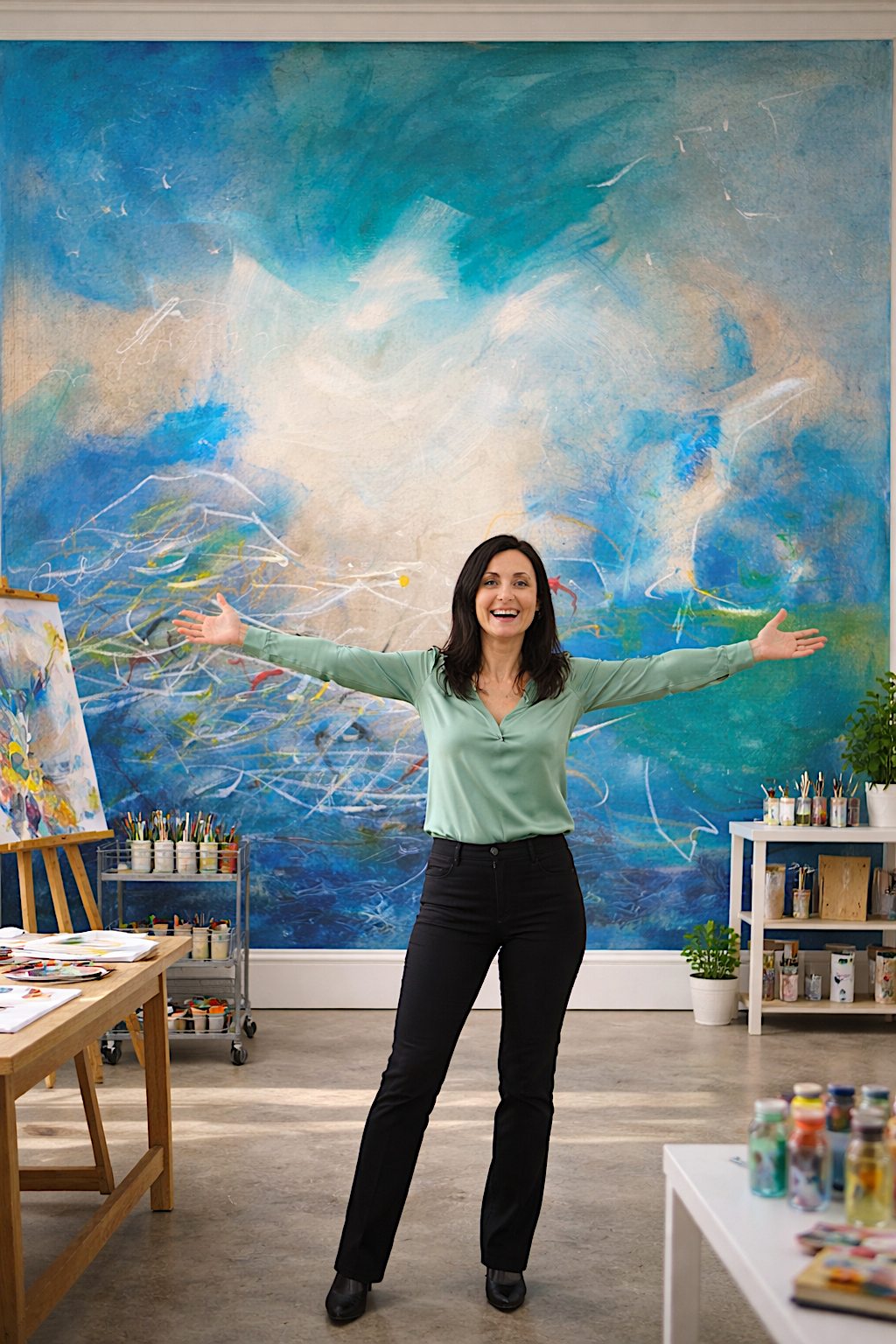
Born and raised in Italy, Paola is a mixed-media abstract artist based in Watertown, Massachusetts. Her work explores memory, identity, and humanity’s relationship with nature, blending rich textures with emotional depth. She studied at the International Arts Academy in Osimo and the School of Vanguard Painters in Rome, and earned a Master’s degree in History and Semiology of Art from Gabriele d’Annunzio University. A novelist, poet, and holistic therapist, Paola integrates creativity and healing through art therapy, guiding others toward self-discovery and emotional well-being. Her multidisciplinary practice celebrates the transformative power of artistic expression.
What is your background and how did you start your journey in the art world?
“I was born and raised in Italy, in a wild region between the sea and the mountains known as the ‘Land of Shepherds.’ Growing up so close to nature shaped me deeply, and I still feel that raw energy in my work. As a child, I loved building things from whatever I could find. What began as a physical act of making gradually became something more reflective and spiritual. I’m the only artist in my family, but I inherited a special sensitivity to beauty and nuance from my father and grandfather. That way of seeing has stayed with me and continues to shape my work. I completed my studies in Italy, earning a Master’s degree in Literature and History of Art and training at the International Academy of Art. I was especially influenced by artists from the School of Piazza del Popolo in Rome, whose experimental approach to new media strengthened my path toward abstraction. In 2015, I moved to the United States with my husband and two children. After seven years on the West Coast, we settled in the Boston area, where I continue to grow within a vibrant artistic community. Alongside painting, I write; it helps me express what art means to me. As a bioenergy therapist, I also lead art therapy groups from time to time. I believe art can reach places words alone cannot, opening space for deeper expression and healing.”
What inspires you?
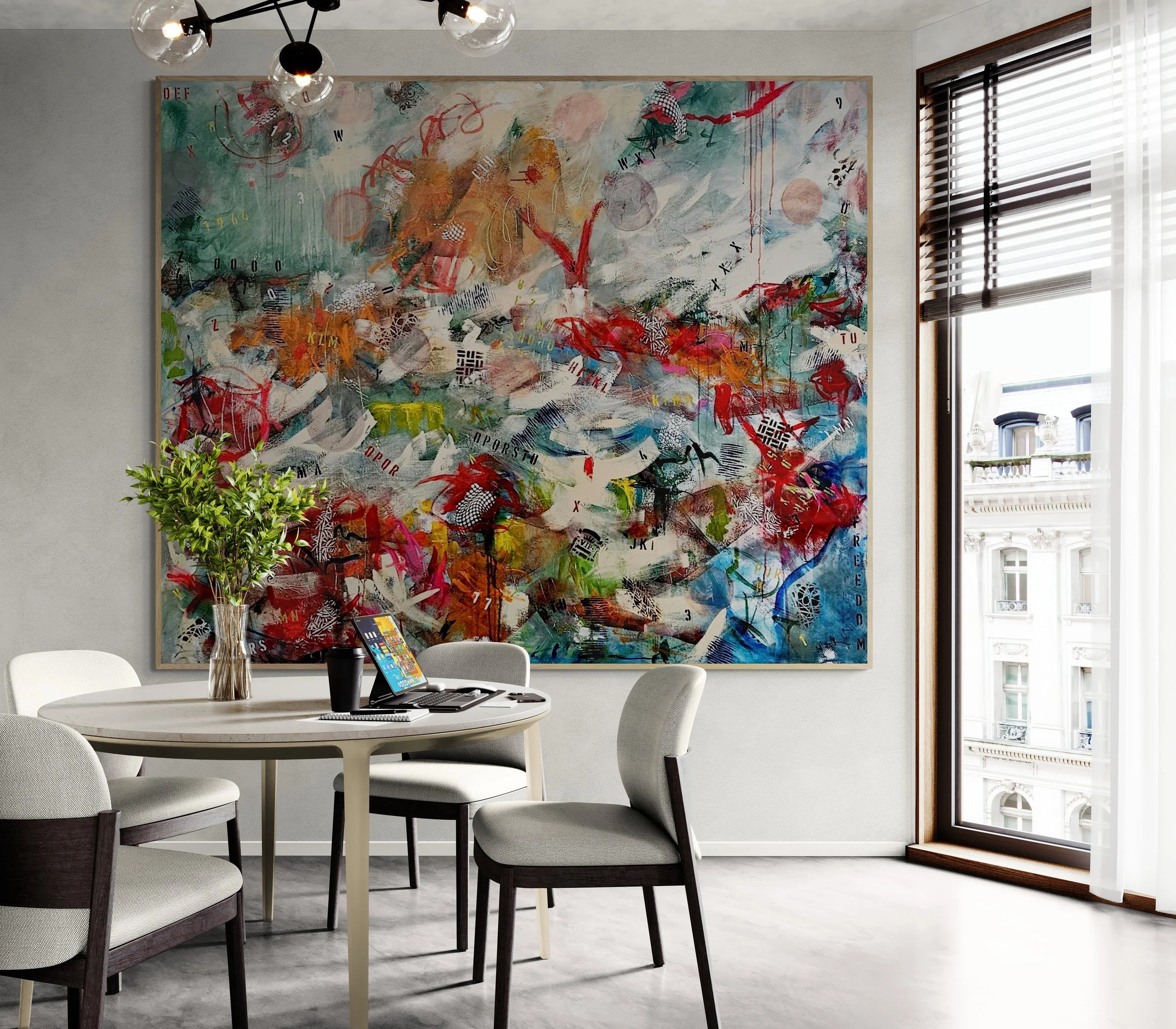
“I experience life as energy and vibration, constantly transforming. There is a force that shapes everything around us, always shifting, always becoming. My art follows this inner rhythm: it moves, unfolds, and is never truly finished. I’m inspired by beauty not only as something pleasing to the eye, but as something that touches my heart and leaves an imprint on my soul. I find beauty everywhere, in people, in stillness, in conversations, in nature, in silence. Sometimes, at night, it opens vast inner landscapes within me, almost like visions asking to take form. Creating art is how I give voice to those intimate experiences.”
What themes do you pursue? Is there an underlying message in your work?
“What truly fascinates me is life as a continuous journey of transformation. I’m fascinated by the idea that change is always possible, and often, it’s a choice. My work grows from that belief: that whatever we face, we have the capacity to heal, evolve, and move forward. Abstraction gives me the freedom to channel emotions and lived experiences directly onto the canvas. In that space, I witness how creativity can shape reality, how it can express what makes us deeply human while also touching something timeless. At its heart, my work is an invitation: stay open to possibility, welcome change, and trust that transformation is always within reach.”
How would you describe your work?
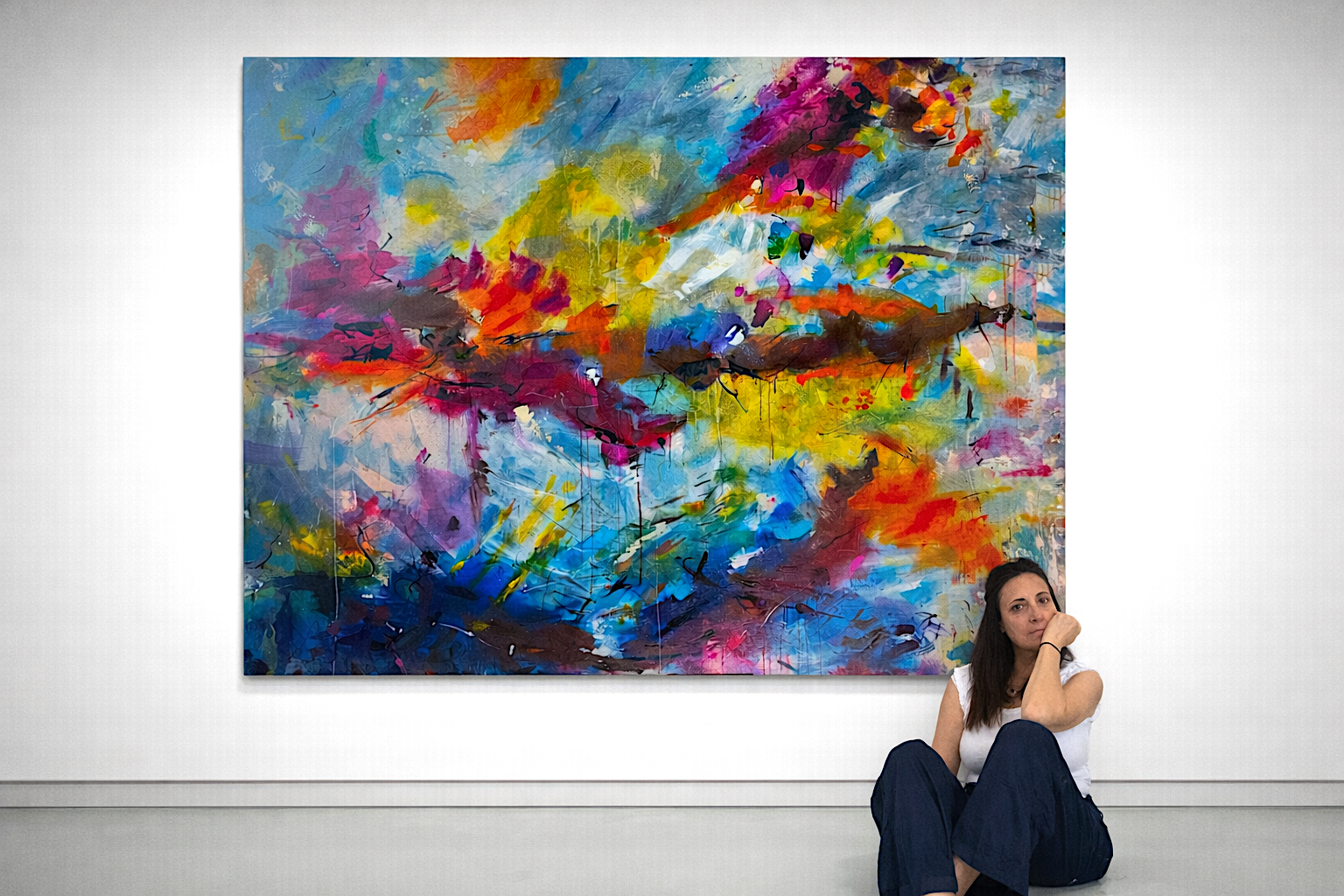
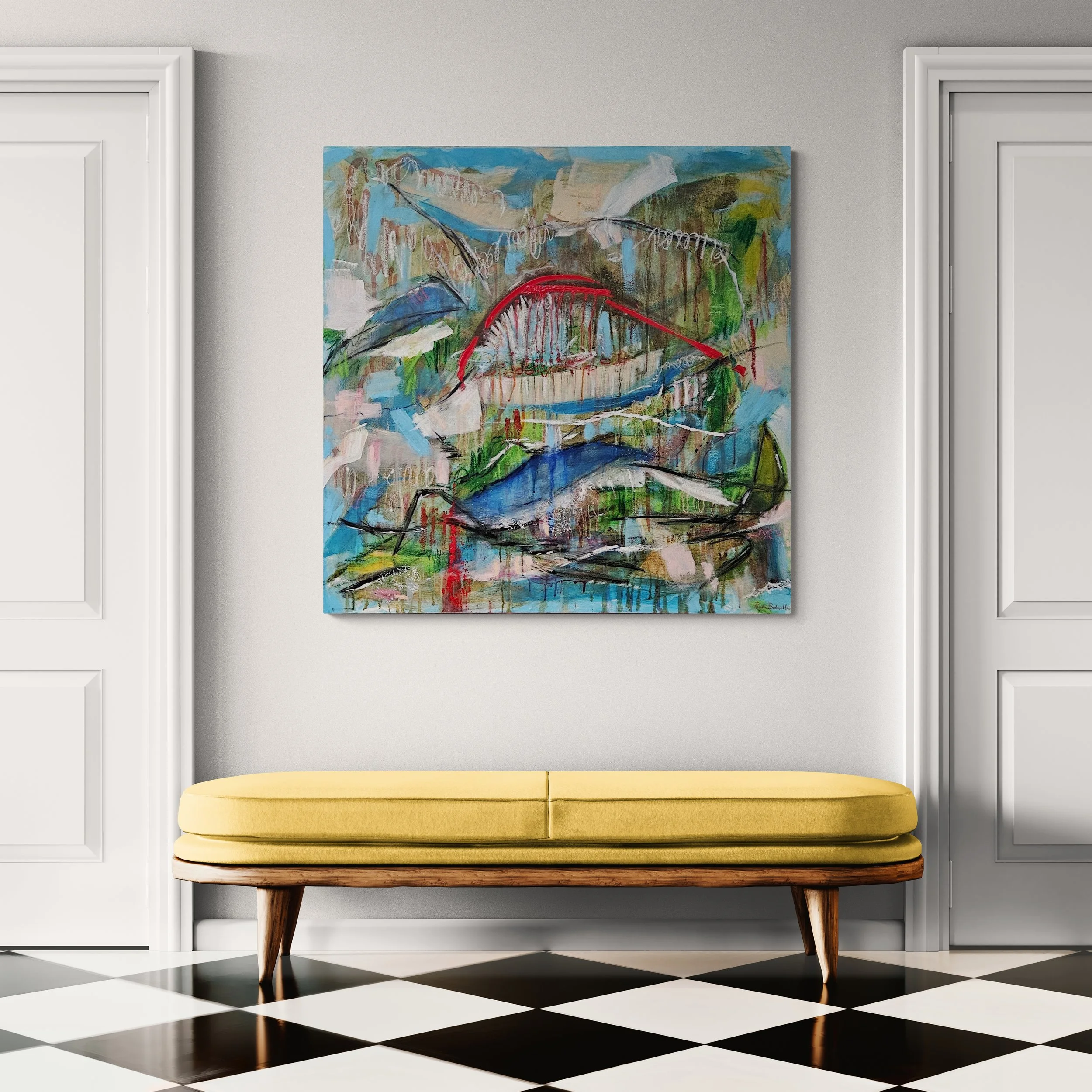
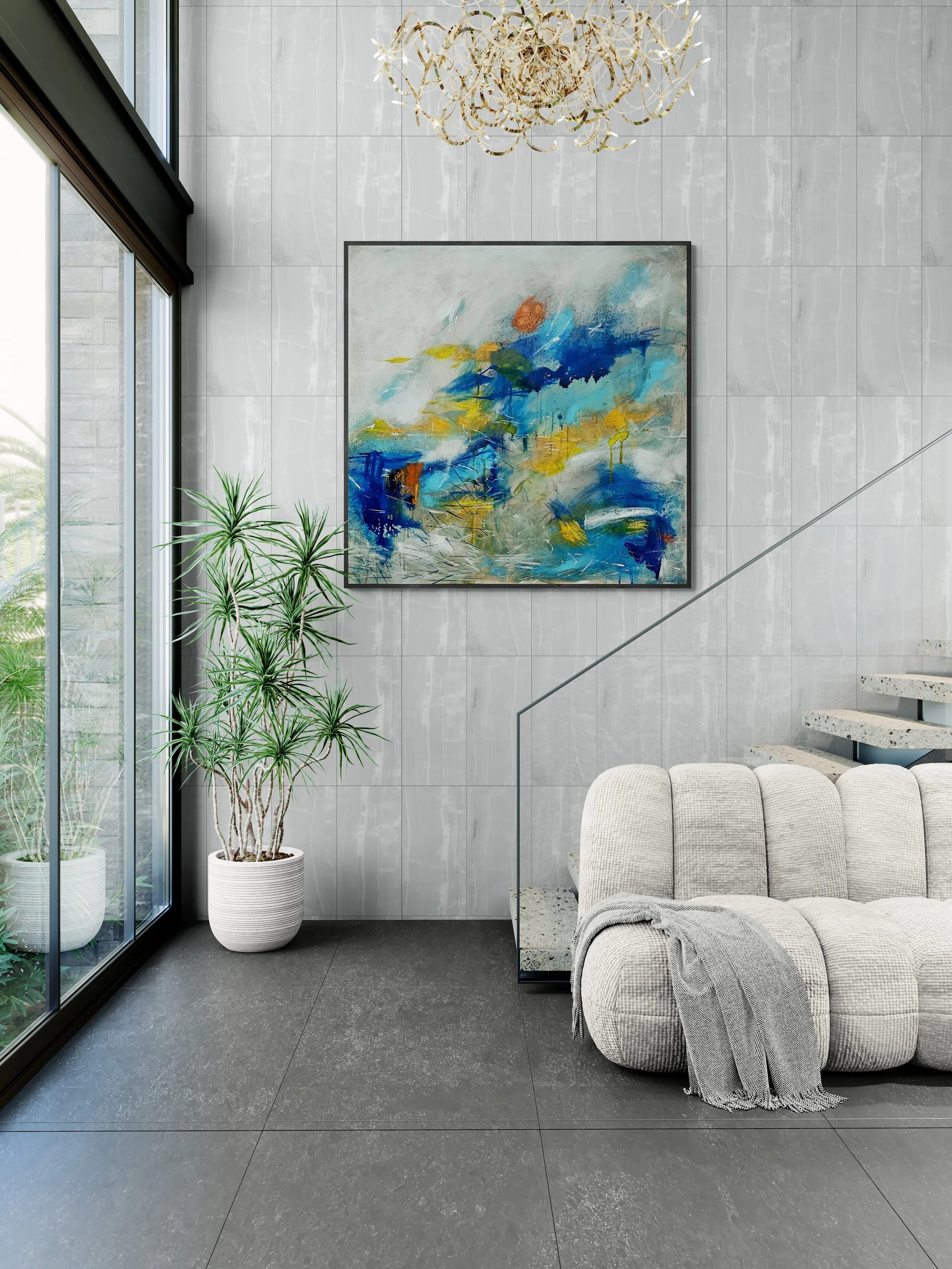
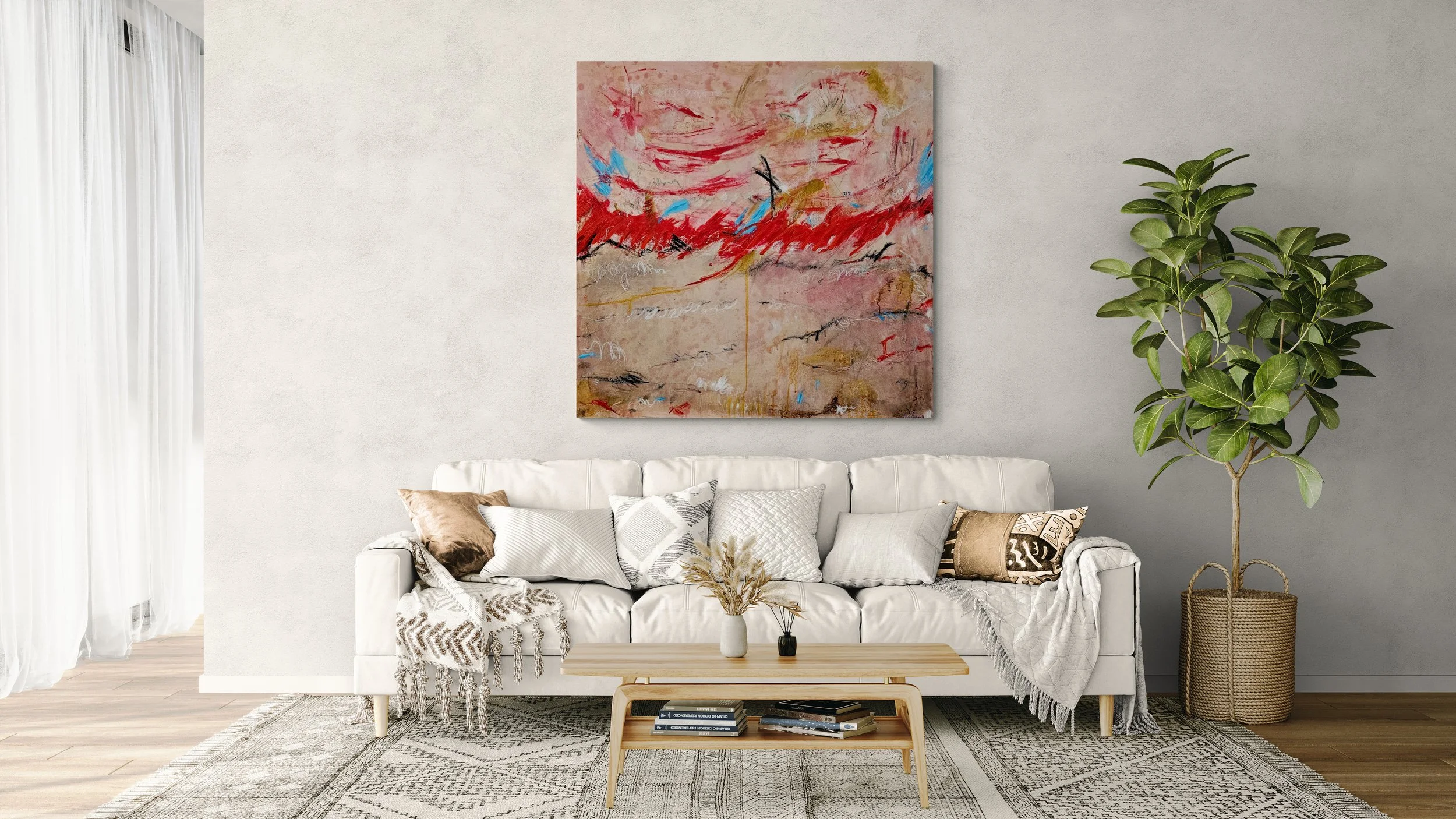
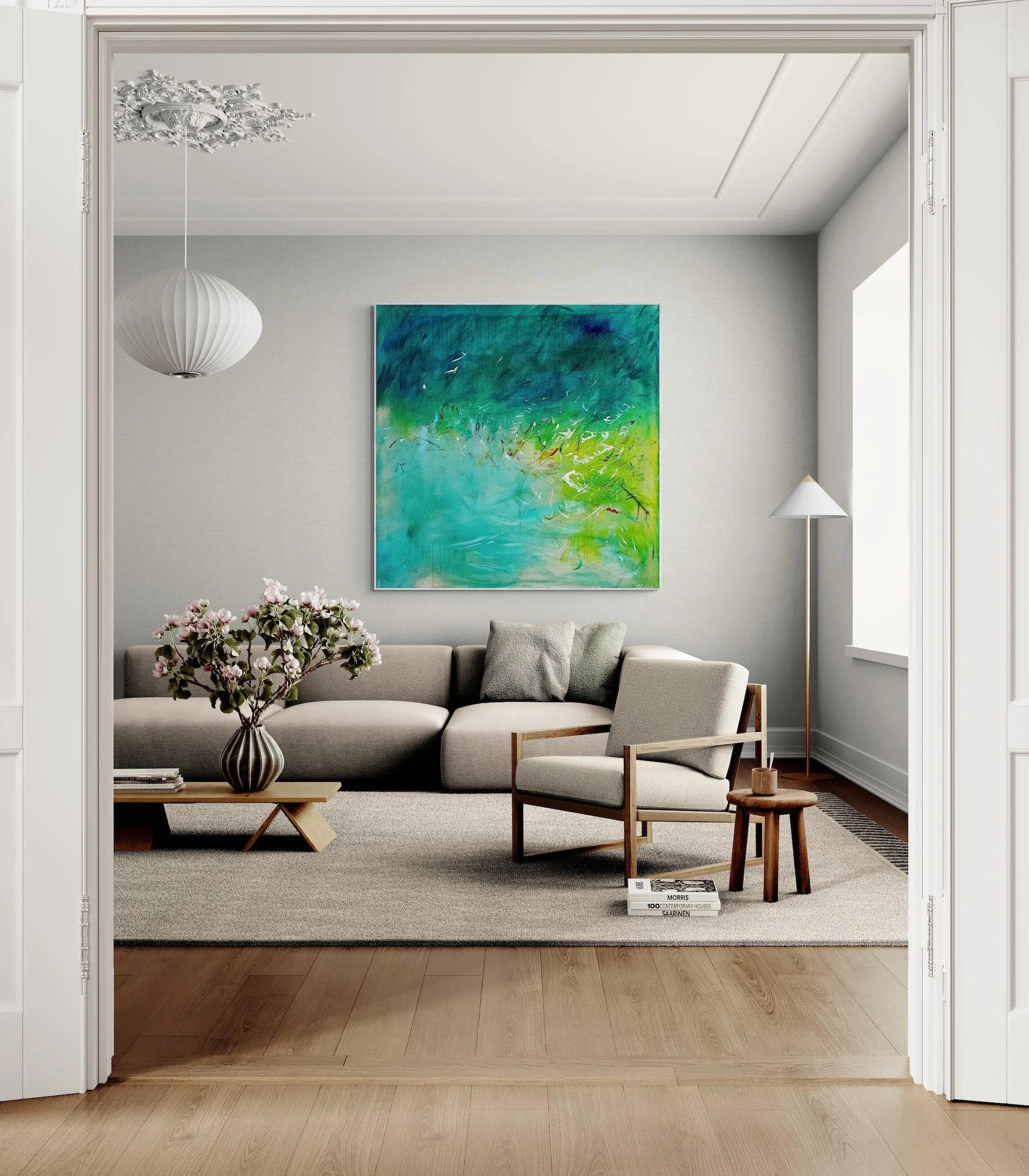
“My work moves through emotional landscapes where the elemental and the personal meet. I’m drawn to that space between fragility and strength, the subtle tension between stillness and turbulence that exists in nature and within us. Through color, texture, and gesture, I build compositions that echo the rhythms of the natural world while reflecting our inner terrain. At its core, my art speaks to resilience, to the quiet power that rises from impermanence, and to the transformation that becomes possible when we allow change to shape us.”
Which artists influence you most?
“Early in my journey, I had the fortune to learn from masters of the Roman avant-garde of the ’60s and ’70s, artists like Jannis Kounellis, Pino Pascali, Michelangelo Pistoletto, Alberto Burri, and Emilio Vedova. Their radical sense of freedom shaped the way I see both art and life, and affirmed my instinct to experiment with mixed media. Beyond Italy, I’ve been deeply influenced by Anselm Kiefer. His powerful use of materials left a lasting mark on me and inspired my decade-long exploration of sculptural painting in my White Lands series, where texture and substance take center stage. Today, in a world shaped by social media, influences move more subtly, almost invisibly. They circulate beneath the surface, shaping us in ways we may not even fully realize.”
What is your creative process like?
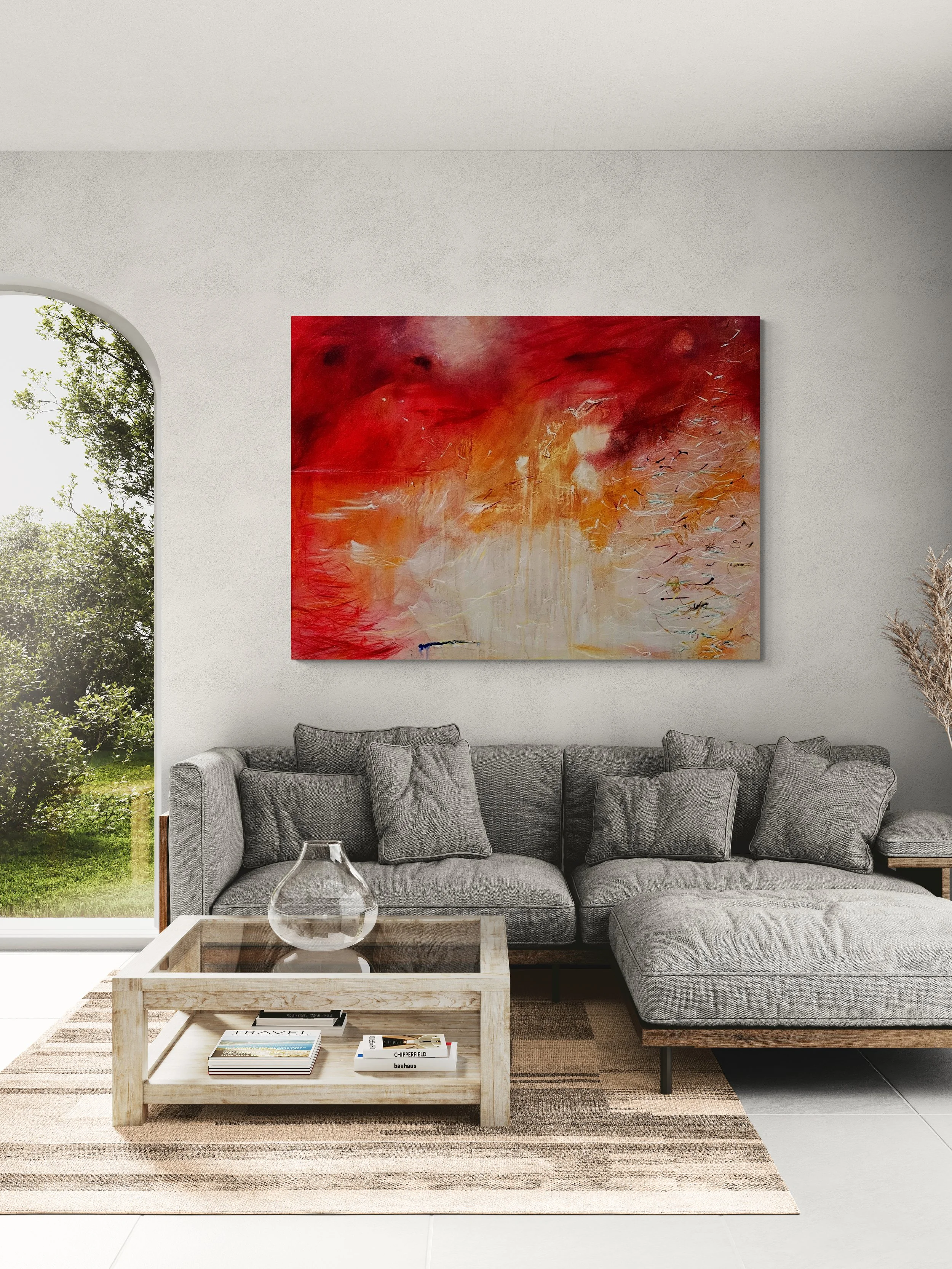
“I usually begin with something simple, a sudden mark, a dream image, a single brushstroke. I might start with an idea, but it rarely stays for long. Very quickly, the work begins to guide me instead. Each element, color, texture, memory, has its own energy, and I try to listen and let it grow naturally. It’s a bit like a pregnancy: you sense something is there long before you can fully see it, and you only really meet it at the end. My paintings don’t tell clear, linear stories. They’re more like fragments, a childhood memory, a feeling of loss, or a moment of joy expressed through texture rather than recognizable forms. Over time, these fragments start to connect and form my own visual language. I work mostly alone, in a quiet, reflective space. I don’t follow a strict plan. Some pieces come together quickly, others take years. And even when they feel finished, they still seem to evolve, as if they continue living beyond the moment they were created.”
What is an artist’s role in society and how do you see that evolving?
“I don’t think artists, or their work, have to represent something tangible. Our role is to give shape to inner forces, to express the weight and movement of feeling. A work of art should leave room for the viewer to step in, to respond, and to find their own meaning. It’s a way of communicating from one soul to another, across time and space. Art can stir something in us. It can replace easy answers with deeper questions. It can lift us spiritually and reconnect us to a sense of wonder we often lose in everyday life. I believe the artist’s role is evolving to shake things up, to comfort, to shift perspectives. Art invites us into a deeper awareness of ourselves and the world. If my work helps someone pause and truly feel that, even for a moment, then it has done something meaningful.”
Have you had any noteworthy exhibitions you'd like to share?
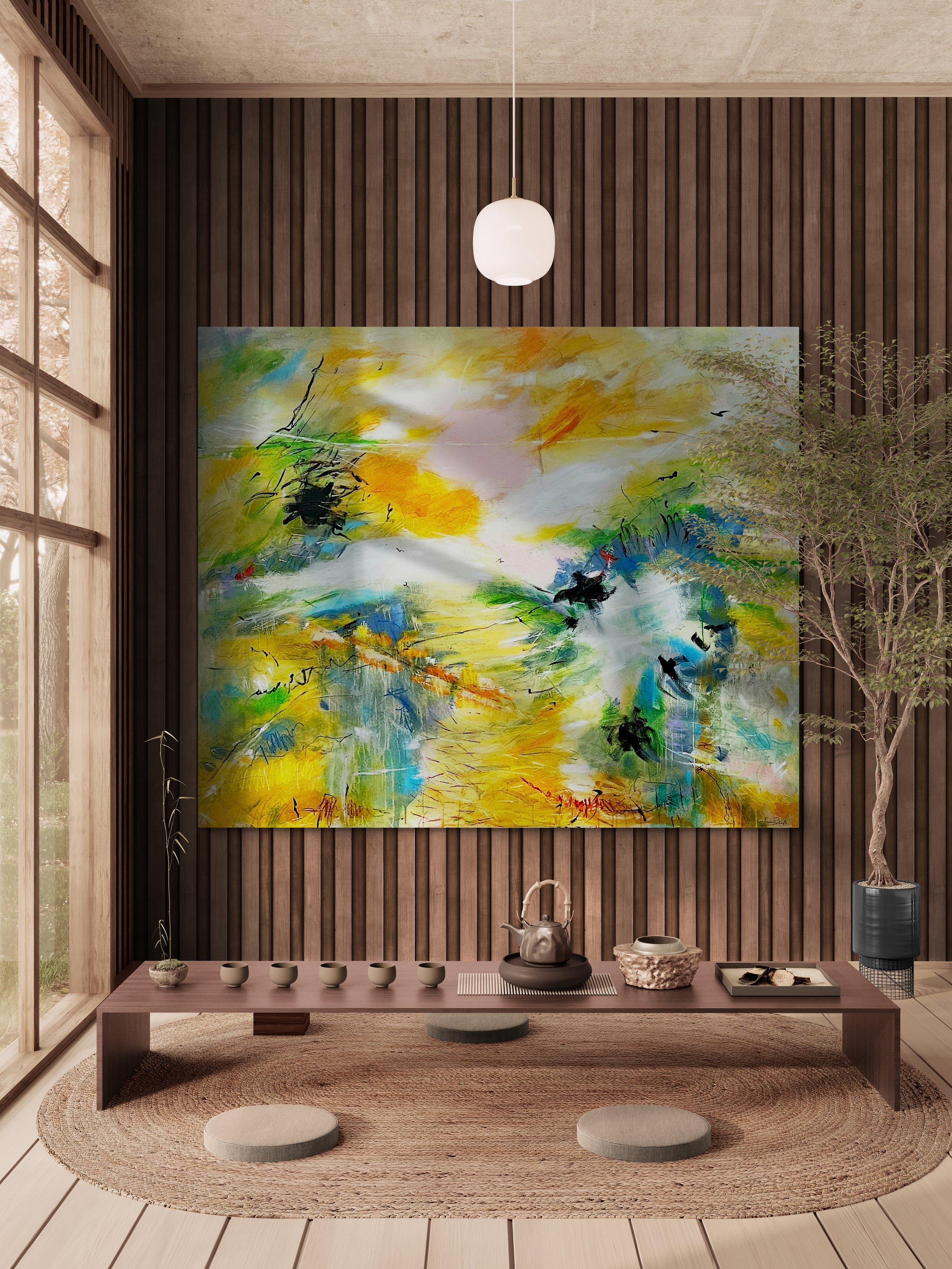
“Over the years, I’ve had the opportunity of exhibiting across Europe and the United States. A special moment came in 1995, when I showed my work at the National Museum of Art , Chung Chen Gallery in Taiwan, and one of my pieces was acquired for their collection. More recently, my work was featured in 2020 at the MvVO ART AD Art Show at the Oculus World Trade Center in New York. In 2022, I was selected for the 12th International Art Competition in Salt Lake City and for the Springville Museum of Art competition exhibition. That same year, one of my works entered the collection of the local History Museum of Art in Salt Lake City. I currently exhibit in Boston’s SoWa Art + Design District, represented by TAG Art Gallery. As a member of the New England Experimental Group and the National Association of Women Artists (NAWA), I continue to share my work through exhibitions and shows that keep the dialogue alive and evolving.”
Website: www.paolabidinelli.com
Instagram: @paolabidinelliart
Other links: www.artsy.net/artist/paola-bidinelli