Olivier Gobel
Olivier Gobel is a Canadian fine art photographer with roots in southern France. His still-life photography combines thoughtful imagination with technical precision, transforming everyday objects into lasting art. Gobel studied Applied Arts at Dawson College, learning conceptual photography, drawing, illustration, design, sculpture, and art history. His photography teacher, Gunther Karkut, pushed him to think conceptually. That broad training gave Gobel a distinct approach to photography. His work looks at shared cultural themes—duality, the subconscious, life and death, and the search for meaning. He combines different elements to reveal connections between objects, ideas, and human experience. Gobel balances spontaneity with careful control, favoring in-camera and traditional methods to express modern ideas. His photos focus on texture, form, light, and detail. Prints are made on museum-quality archival paper to preserve them.
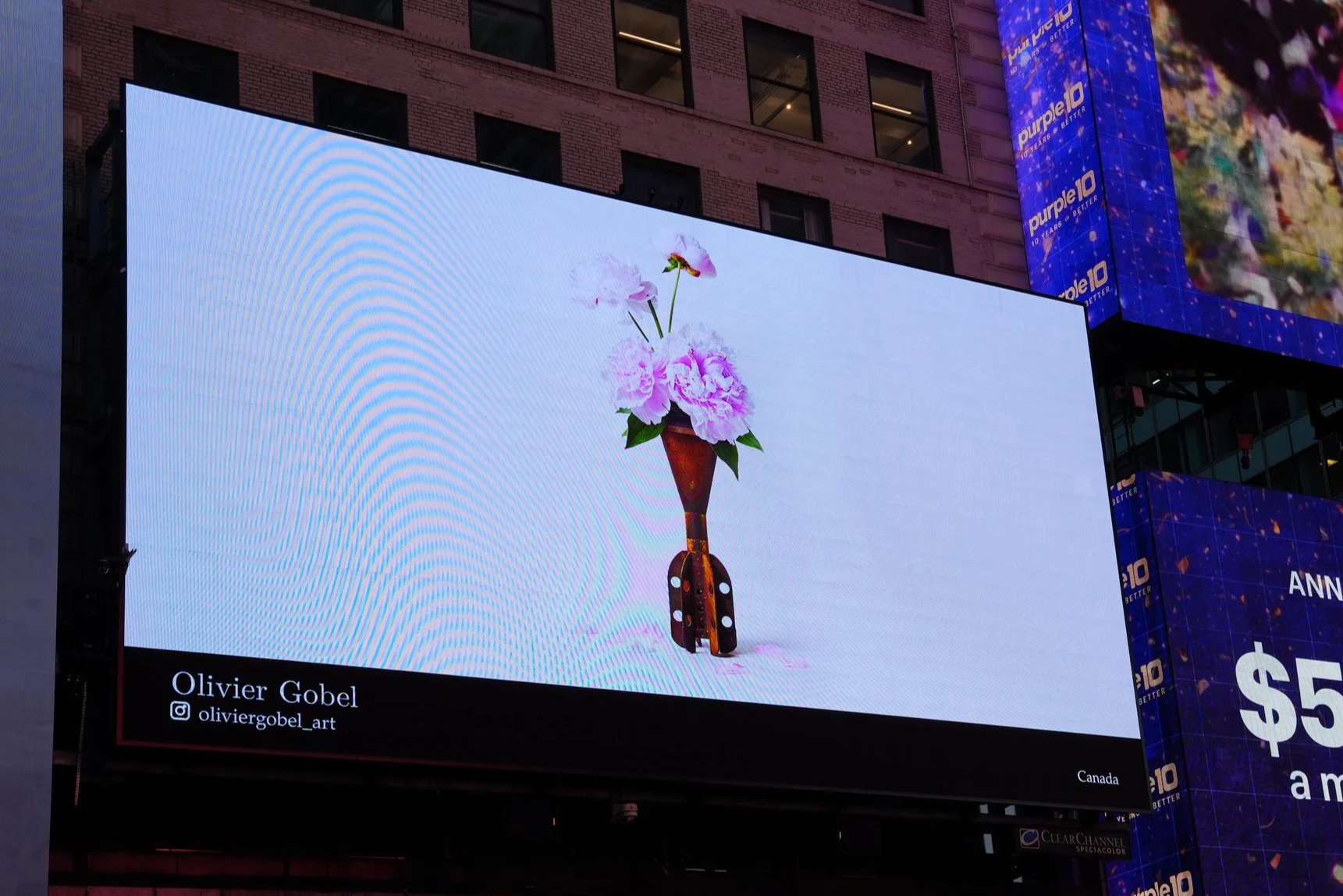
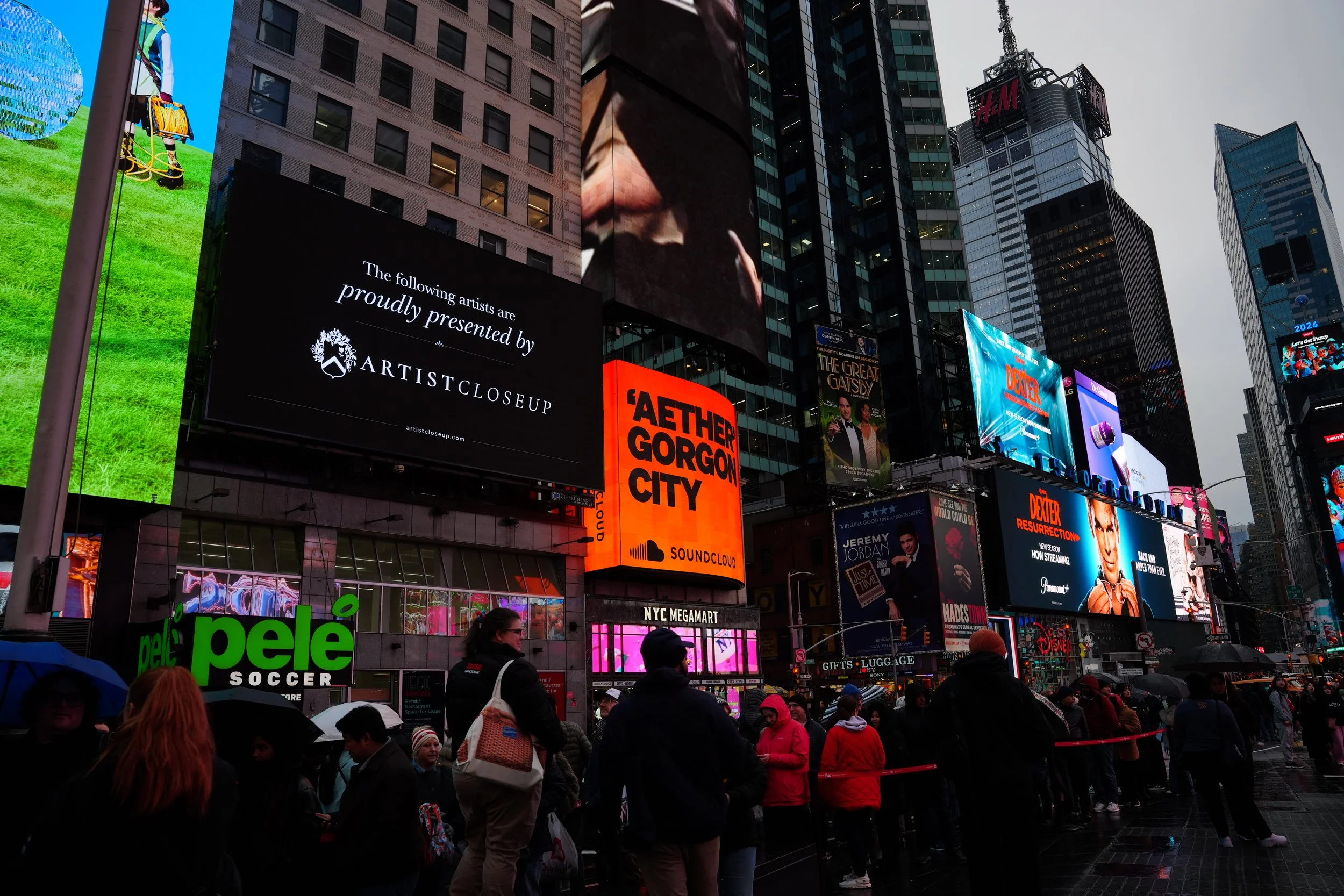
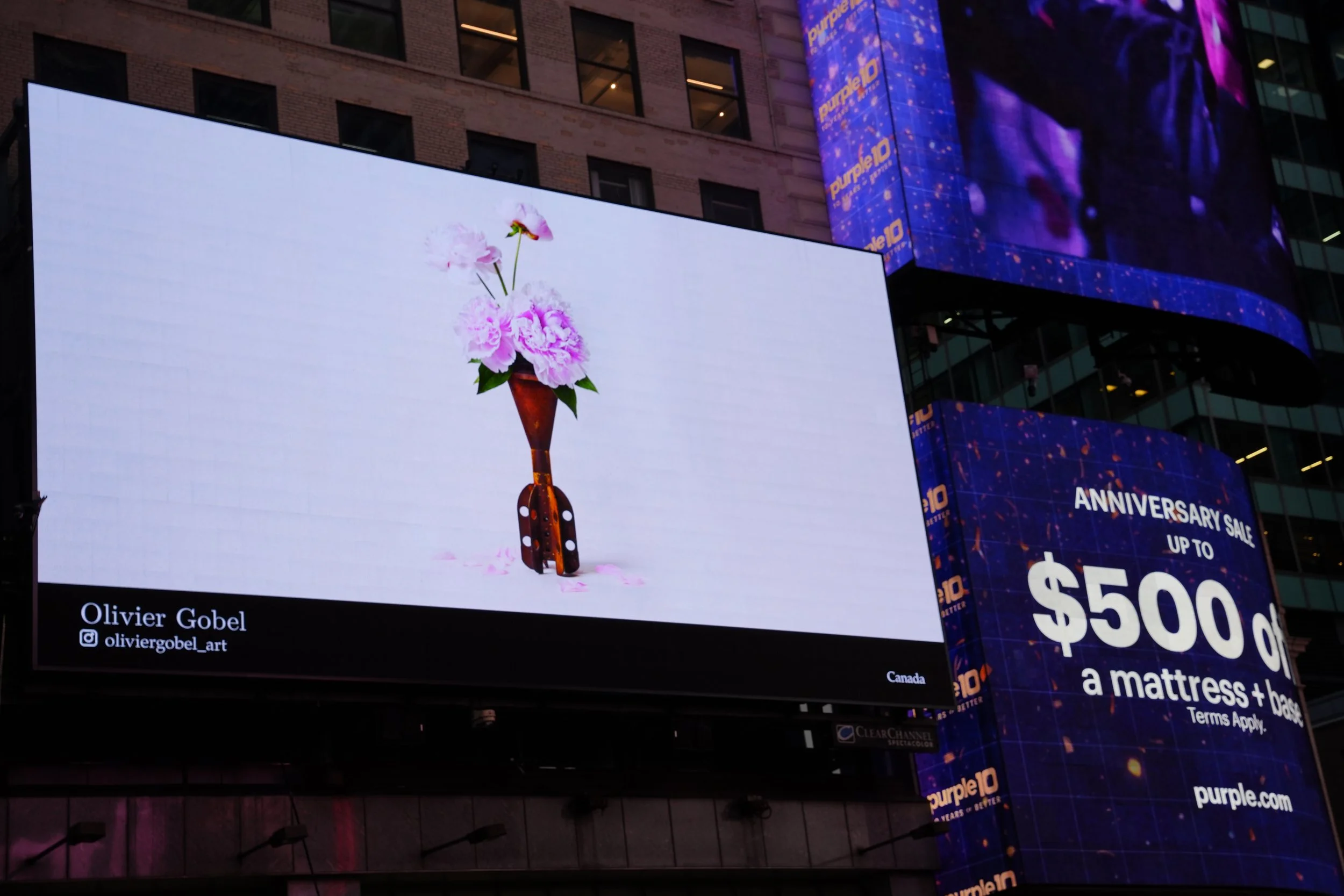
Oliver’s work was featured in Times Square, New York as part of Artistcloseup’s international open call for visual artists.
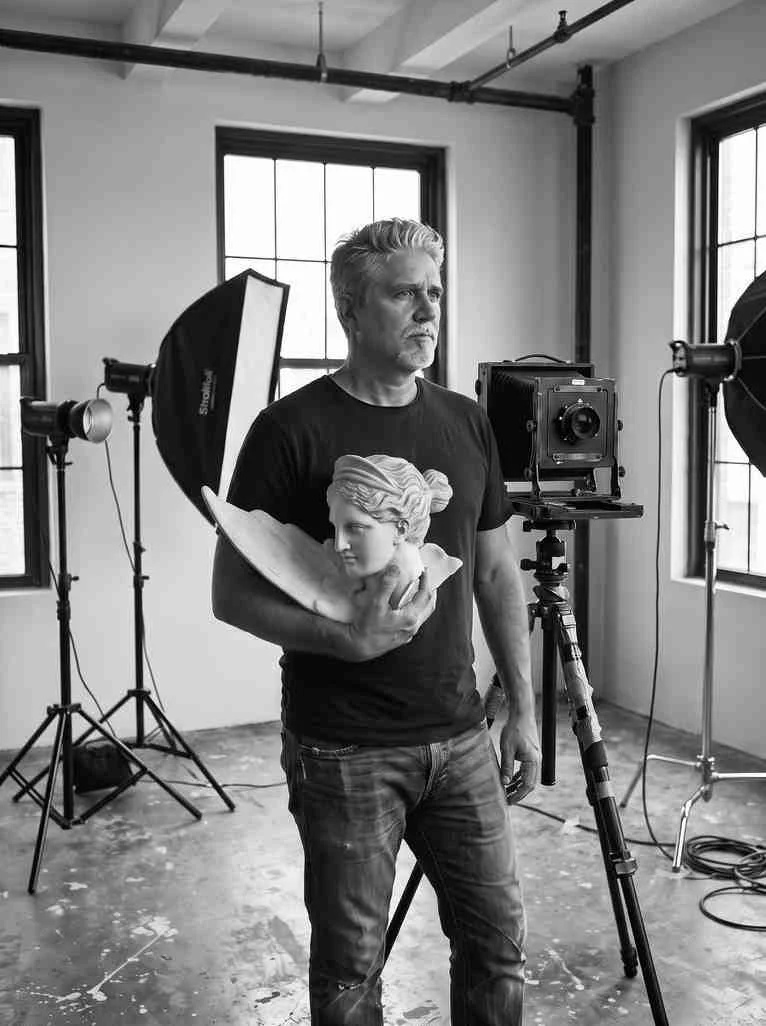
What is your background and how did you start your journey in the art world?
“I was born in Perpignan, in the south of France, and I’ve been drawing for as long as I can remember. In fact, I don’t think I ever stopped. When my family immigrated to Canada, my parents enrolled my sister and me in an English-language elementary school. On my first day, my teacher quickly realized I couldn’t speak a single word of English. So she handed me a stack of paper, a couple of pencils, and simply said, ‘Draw!’ And that’s exactly what I did.
Years later, my high school art teacher strongly encouraged me — or perhaps insisted — that I attend art school after graduation. So I did. I went on to study Applied Arts at Dawson College in Montréal, where we explored graphic design, illustration, sculpture, and photography. My photography teacher had a particularly profound influence on me. He taught us that photography wasn’t simply about taking pictures, but about thinking — developing an idea, questioning what we see, and understanding how objects and images can communicate meaning. He also introduced me to the importance of semiotics, something that would eventually become central to my work. I was hooked. After graduating, I began working in advertising, eventually becoming an art director. I was frequently sent to photographers’ studios to oversee commercial photo shoots, and I became increasingly fascinated by the medium itself — the cameras, lighting, techniques, and seemingly endless creative possibilities.
Before long, I purchased a secondhand 4×5-inch large-format camera and some lighting equipment, and I went a little crazy with it. I spent countless evenings and weekends experimenting, learning, and trying to perfect my craft. I would develop ideas and sketch them in notebooks, gradually refining the compositions, eliminating unnecessary elements, or introducing new ones as the concepts evolved. Sometimes an idea began with an object that caught my attention. I would remember my photography teacher’s lessons about the science of symbols and begin exploring how an ordinary object might take on an entirely different meaning when placed in an unexpected context. Looking back, I realize that those early experiments were the beginning of the visual language I continue to explore today.
Over the years, I’ve worked as a graphic designer, illustrator, advertising art director, and photographer. Each discipline has influenced the others, but that fascination with transforming an idea into an image has remained a constant throughout my career.”
What inspires you?
“Almost anything, really. An unusual object, a piece of music, an old illustration, a fragment of history, or simply something I happen to notice in everyday life. I think my curiosity began very early, growing up in the south of France. I remember being fascinated by the discoveries I made along the seashore — catching fish, searching for crabs at low tide, and hunting octopus with my father. He even encouraged me to taste freshly caught raw fish, saying, “Do like they do in Japan. They eat it raw!” And, of course, I did.
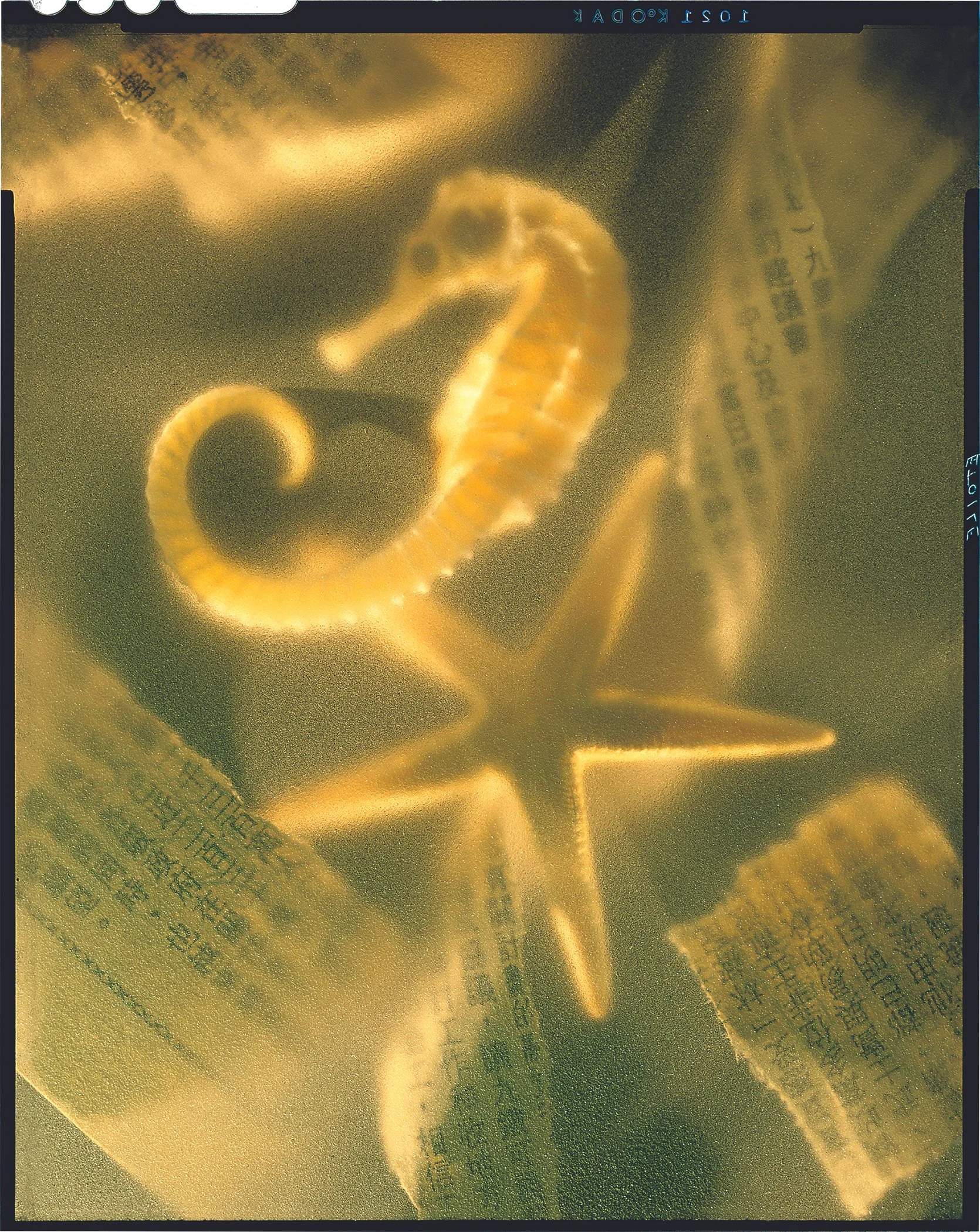
On another occasion, my father brought home an enormous tuna head, which he kept in the freezer while preparing several delicious meals and soups from it. I remember finding that head both terrifying and fascinating. There was something wonderfully strange, almost otherworldly, about it. Perhaps that’s one reason fish have occasionally found their way into my photographs. Those early experiences left me with a lasting fascination for nature, its extraordinary forms, textures, and sometimes rather strange inhabitants.
I’m also drawn to objects that have lived a previous life, with their imperfections, histories, and sometimes even the beauty of their decay. Mythology, human behaviour, and the mysteries of existence are other recurring sources of inspiration. Quite often, inspiration comes from making an unexpected connection between two things that seemingly have nothing to do with each other. That’s usually when my imagination starts working.”
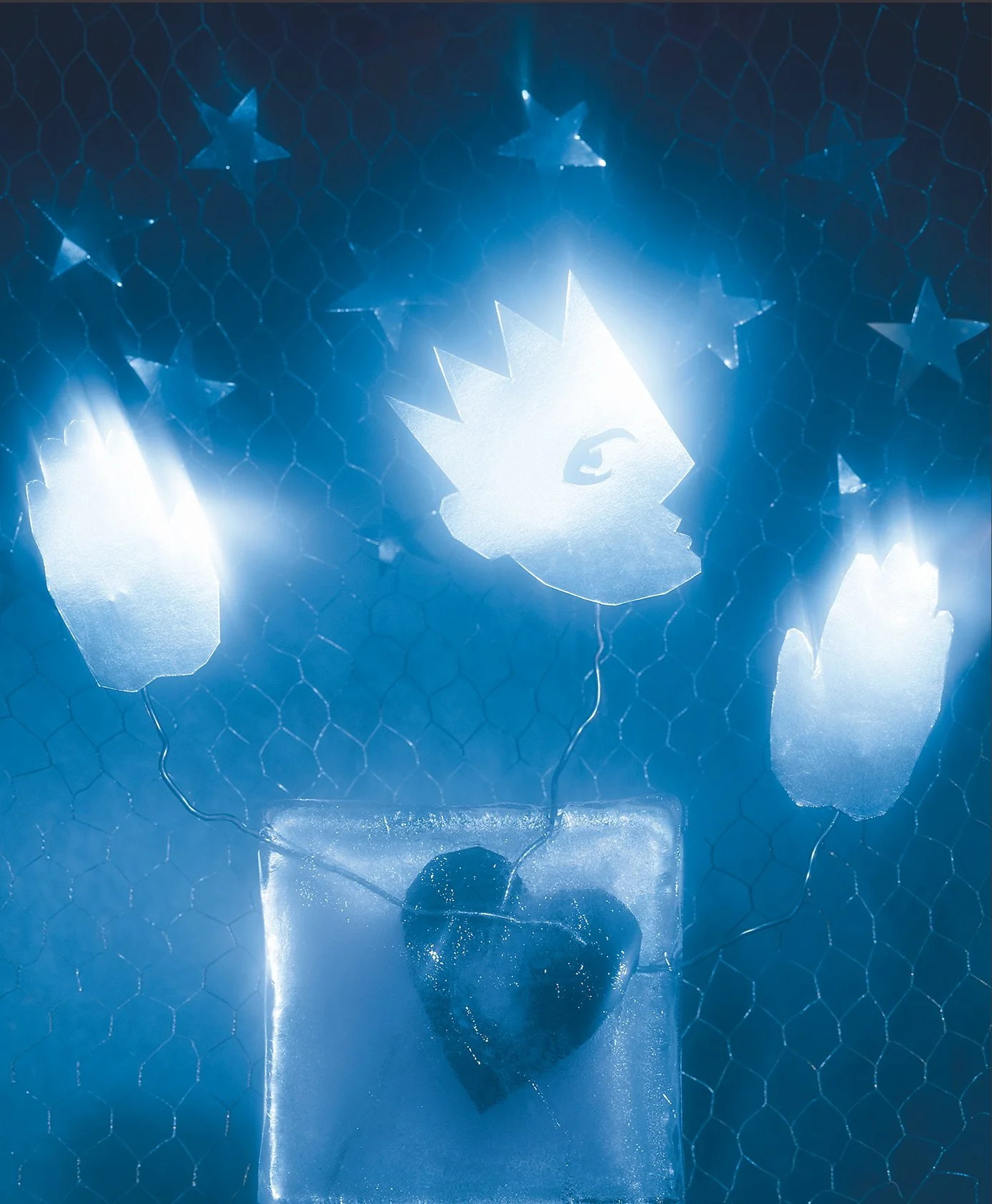
What themes do you pursue? Is there an underlying message in your work?
“I’m also interested in transformation, mythology, the subconscious, and our relationship with the world around us. Some of my images explore these ideas with a certain seriousness, while others contain an element of humour or absurdity. I don’t necessarily set out to explore a particular theme. More often, I follow an idea that intrigues me, and occasionally, underlying themes seem to reveal themselves along the way. Sometimes there’s a very deliberate message, and sometimes I’d rather leave that to the viewer. I enjoy creating images that invite people to look a little longer, perhaps question what they’re seeing, or discover an interpretation I hadn’t even considered. For me, an image doesn’t always need to provide an answer. Sometimes raising a question is far more interesting. I also believe that art can remind us of things we tend to overlook: the fragility of life, the passage of time, our connection to nature, and the strange beauty of being human. But I certainly don’t expect everyone to see what I see. In fact, I rather enjoy it when they don’t.”
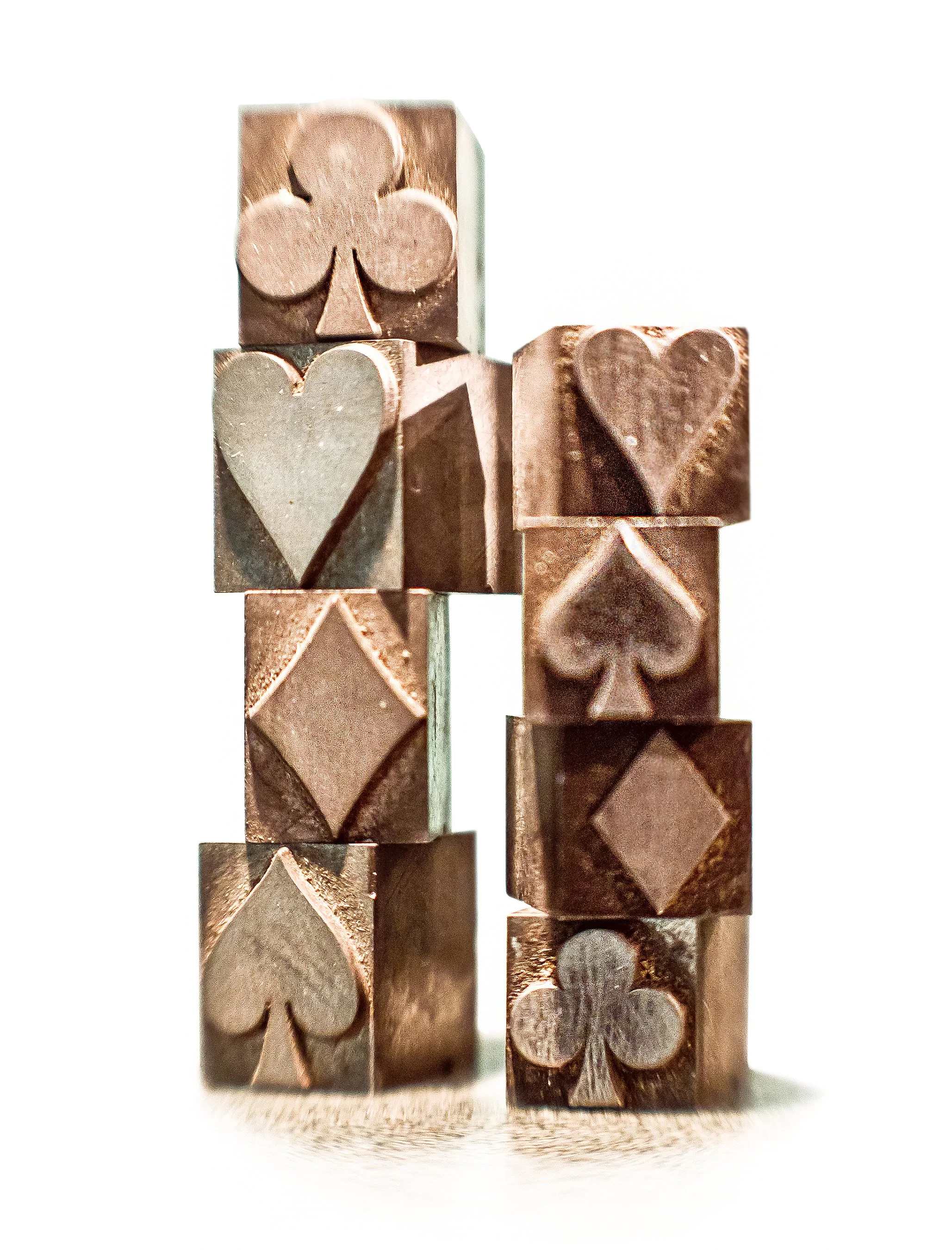
How would you describe your work?
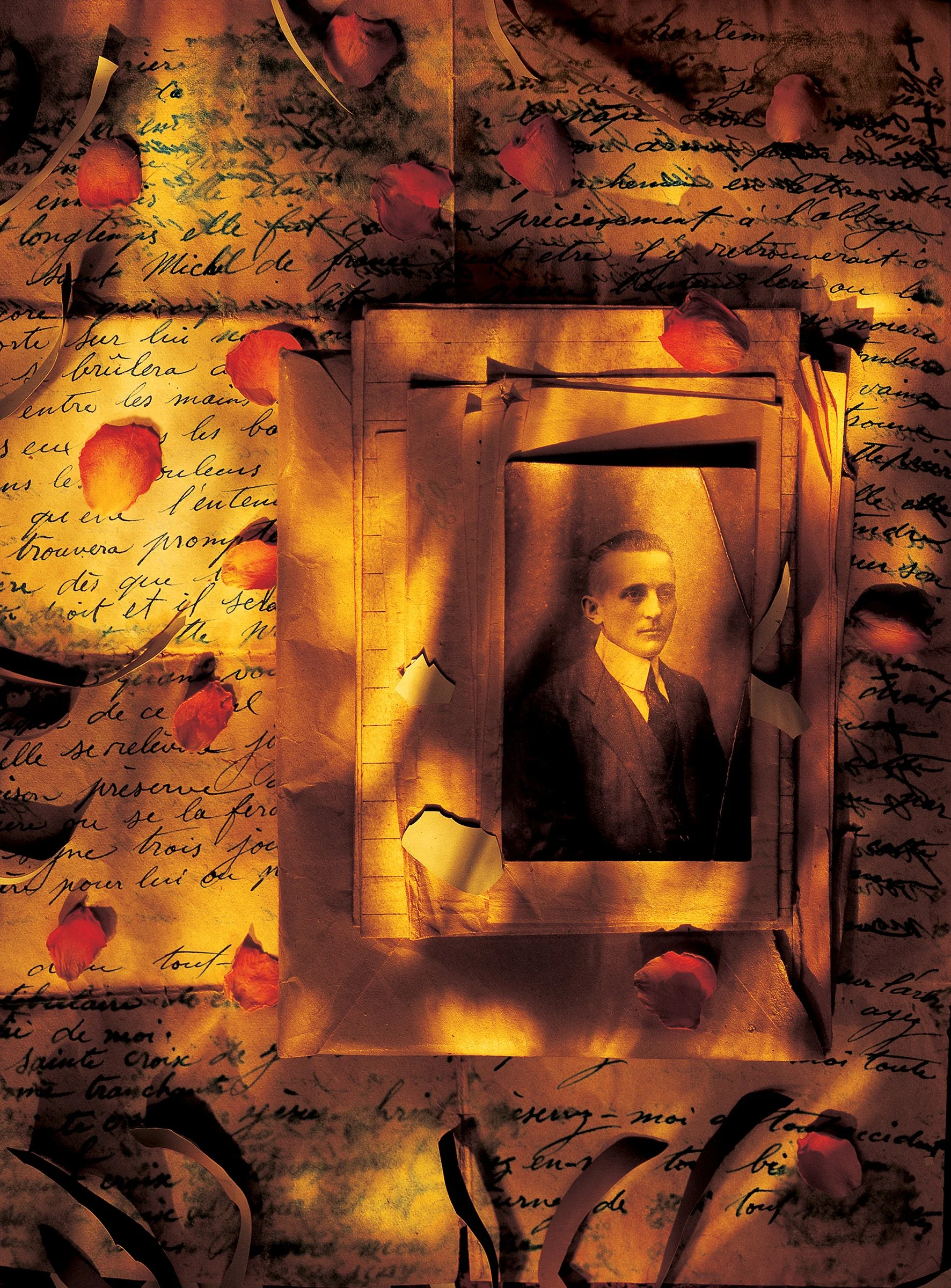
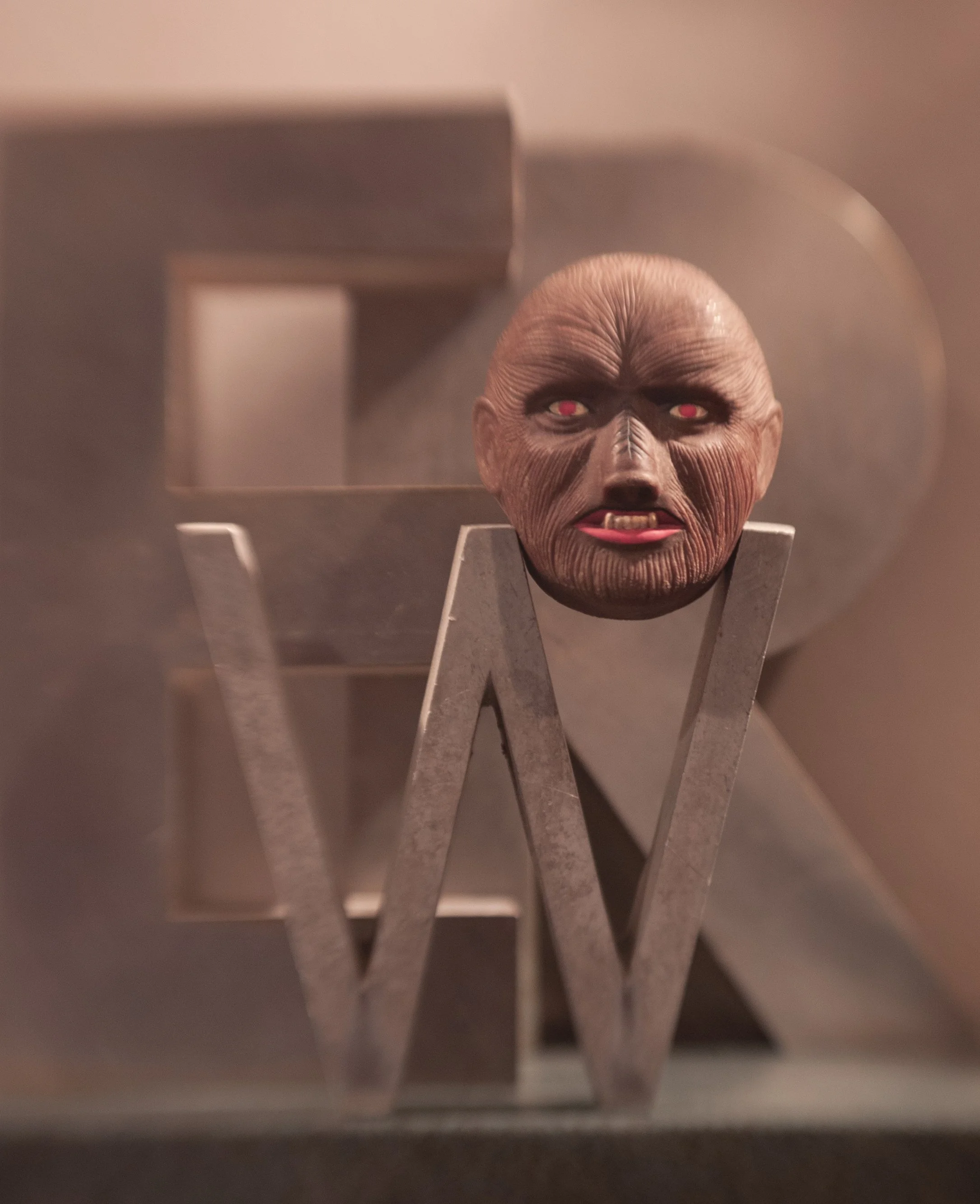
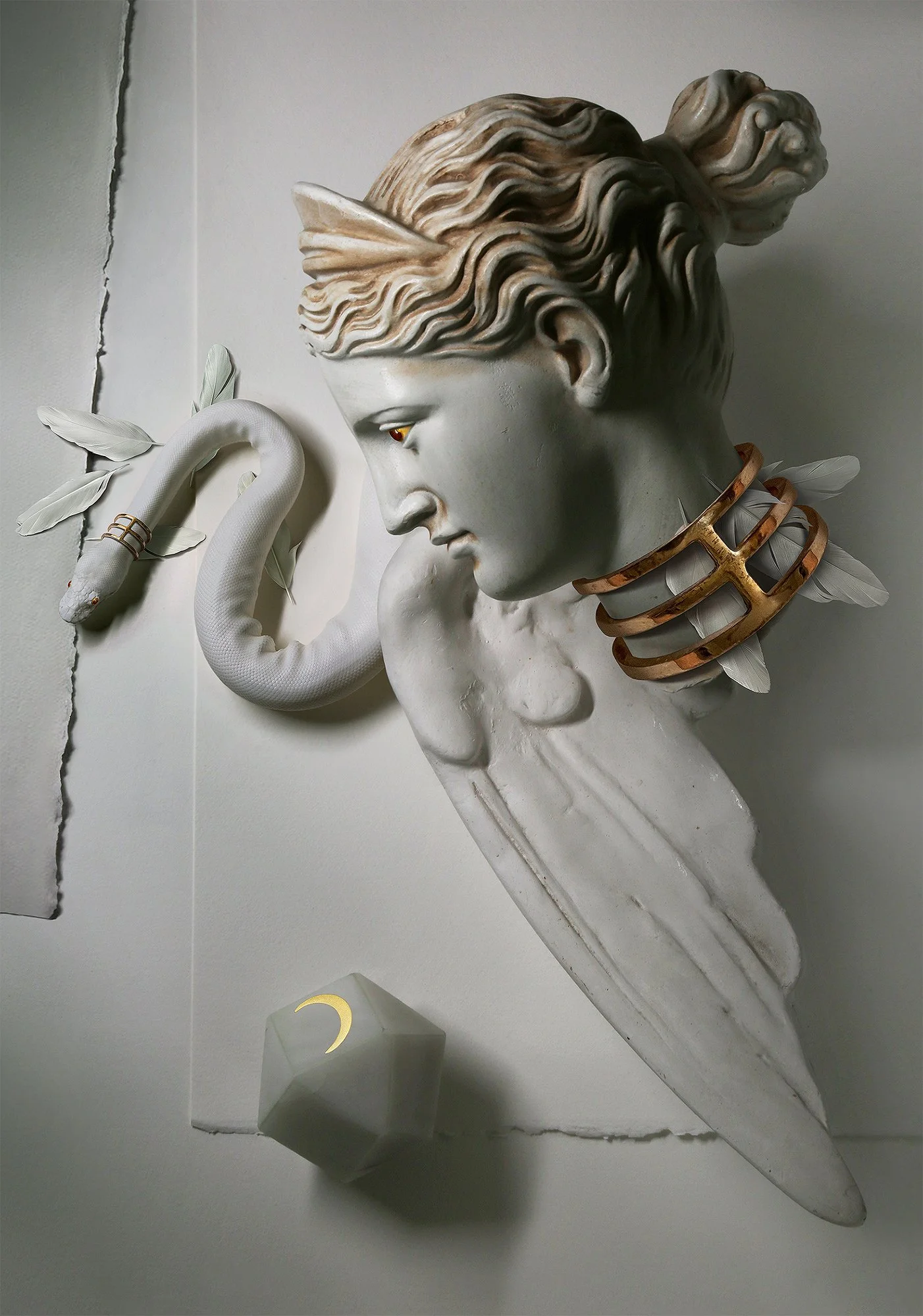
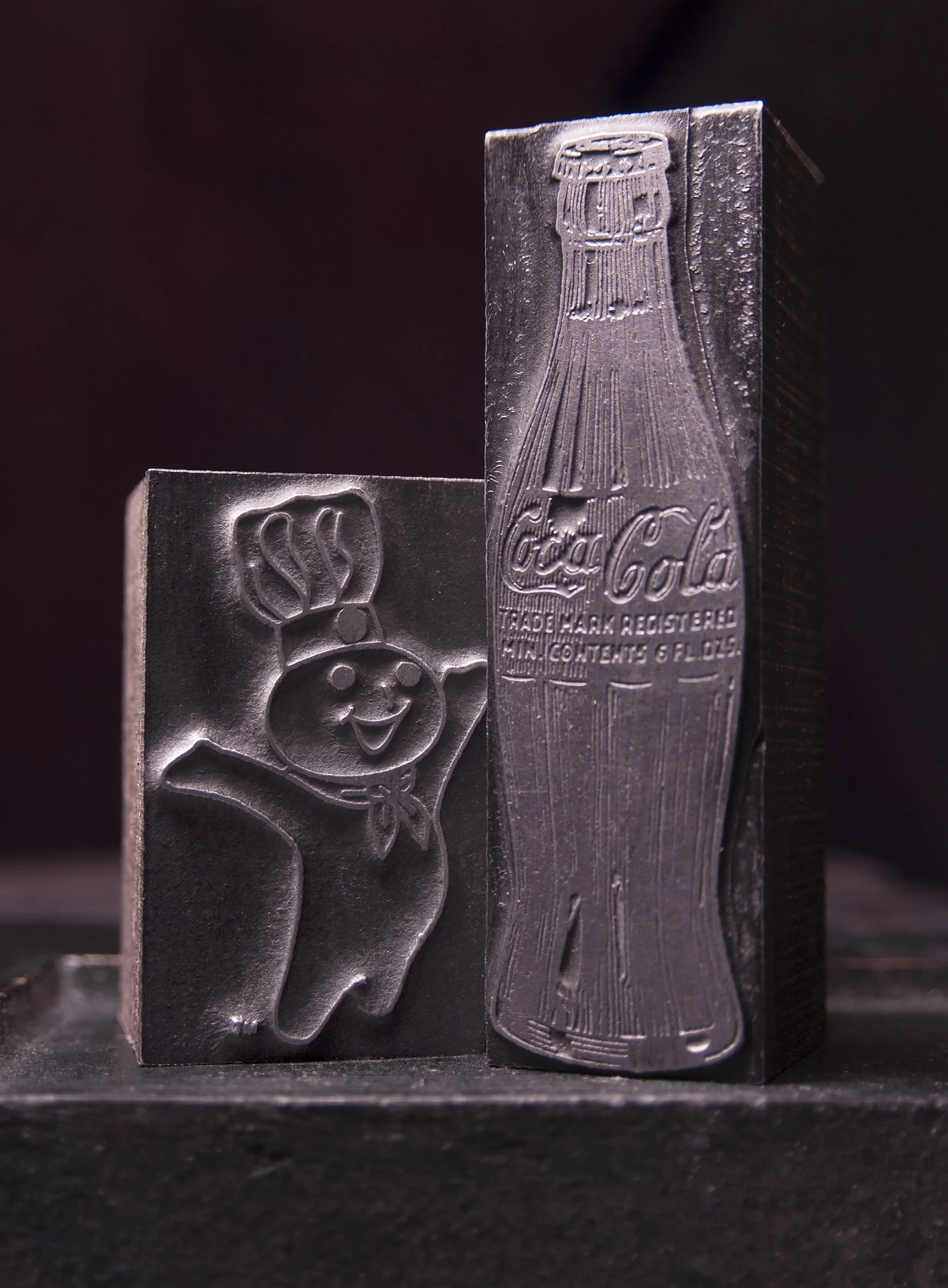
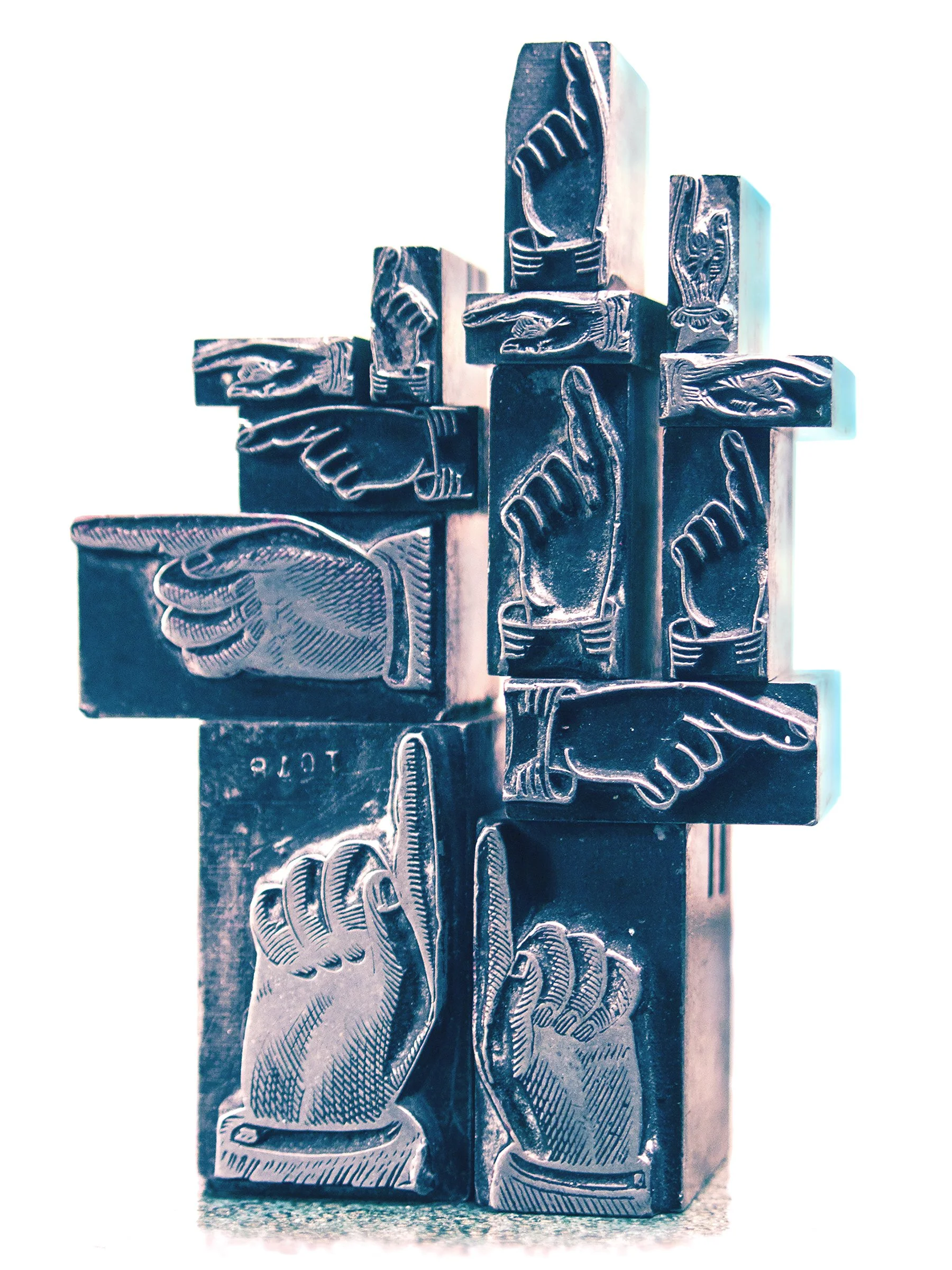
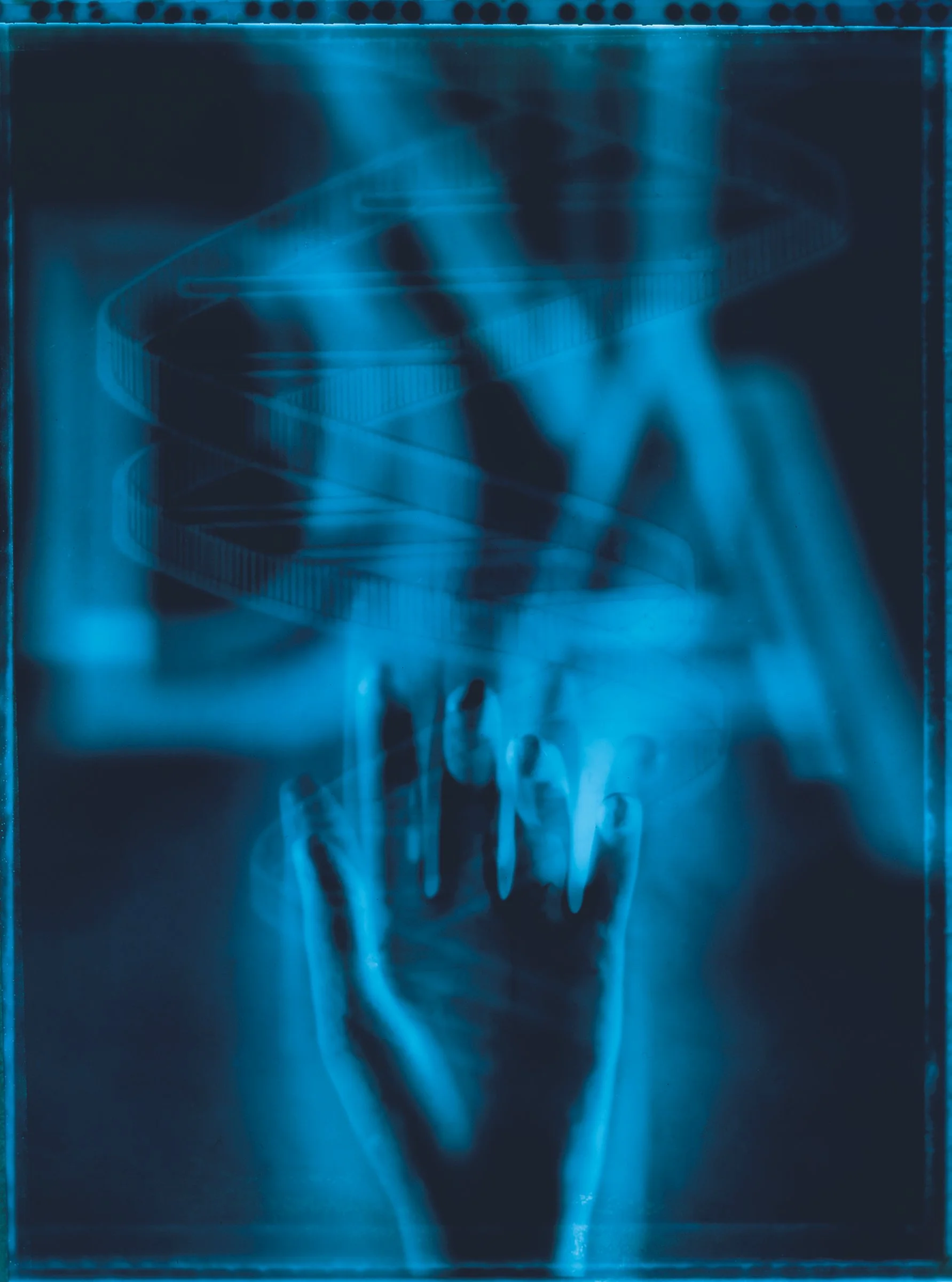
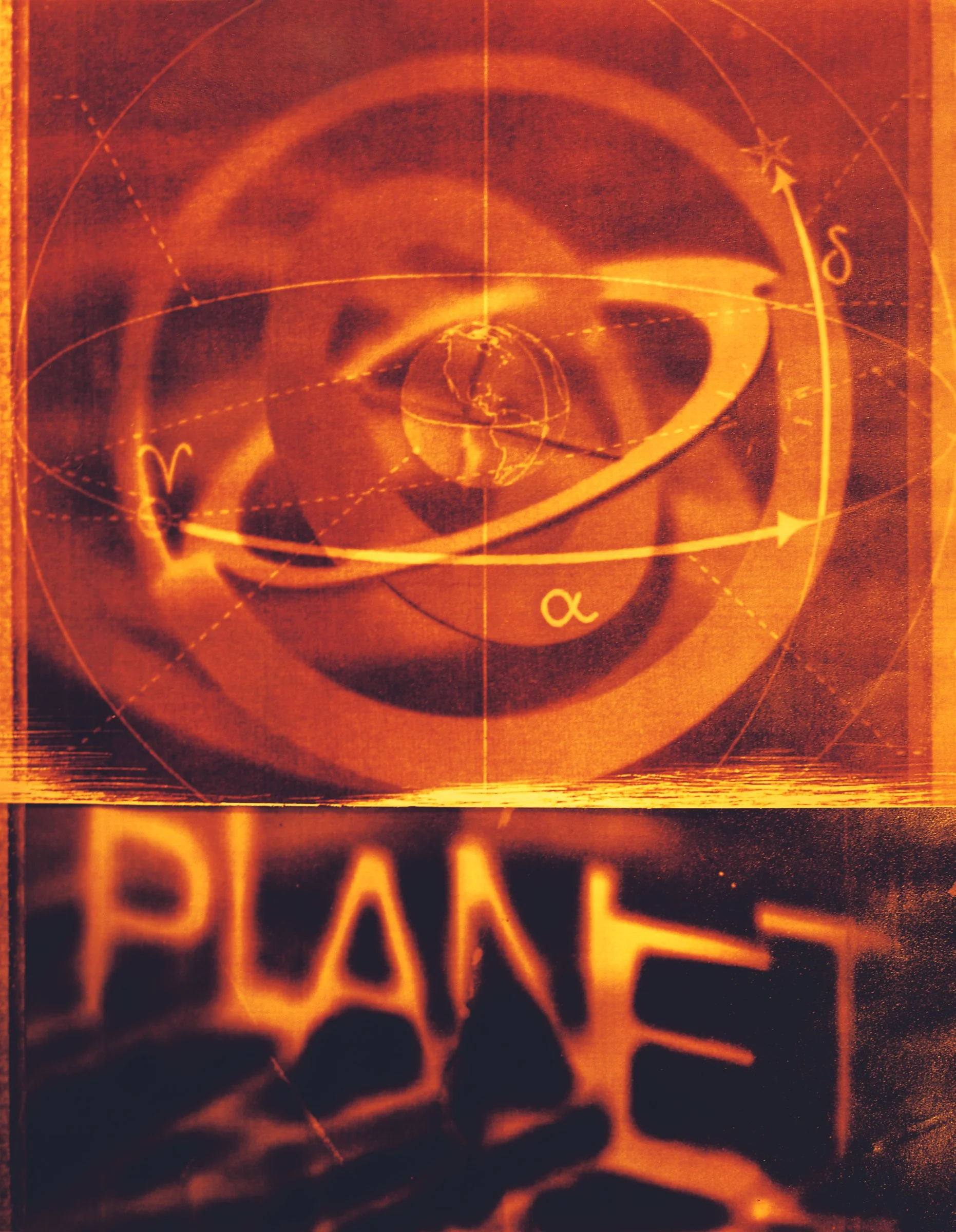
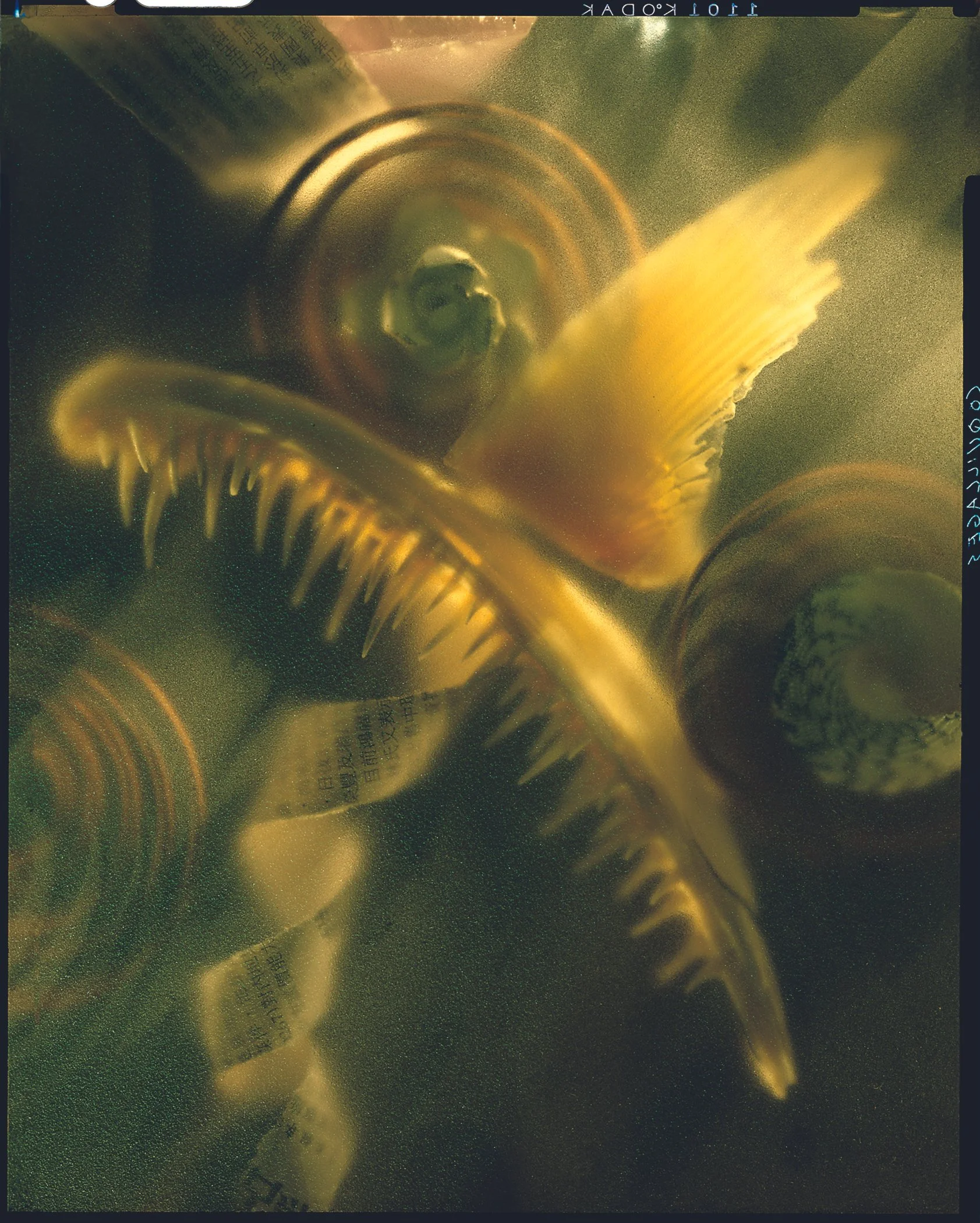
“I would describe it as conceptual still-life photography with strong influences from Surrealism and Dadaism. I bring together objects that would not ordinarily belong together, creating compositions that suggest a different reality or an unexpected narrative. There’s often a certain ambiguity in the images. Something may appear familiar at first, yet feel slightly out of place. Although the finished work can sometimes look like a digital montage, my compositions are generally constructed and photographed using real, physical objects. I enjoy the challenge of making something improbable exist in front of the camera. Composition, lighting, texture, and detail are extremely important to me, but ultimately, it’s the idea that gives the image its purpose.”
Which artists influence you most?
“I’ve always been drawn to the experimental spirit of Dadaism and Surrealism, particularly artists who challenged conventional ways of seeing and found unexpected relationships between seemingly unrelated objects. Marcel Duchamp and Max Ernst’s collages were early influences, as were Man Ray’s still lifes and rayographs, René Magritte’s visual paradoxes, and even the wonderfully imaginative films of Jean Cocteau. I’ve also been fascinated by Joseph Cornell’s assemblage boxes, Olivia Parker’s still-life photography, and the photographic experiments of Doug and Mike Starn, whose work resonated with my own explorations of cut-and-taped negatives and collage.The Bauhaus movement was another important influence, particularly Walter Gropius and László Moholy-Nagy, whose photograms, sculptures, and experimental approach to photography I greatly admire. What connects these artists for me is their curiosity and willingness to experiment. They demonstrated that an ordinary object, a photograph, or an unexpected combination of materials could become something entirely different when approached with imagination. I suppose that’s what has always interested me most: not simply what an object is, but what it might become.”
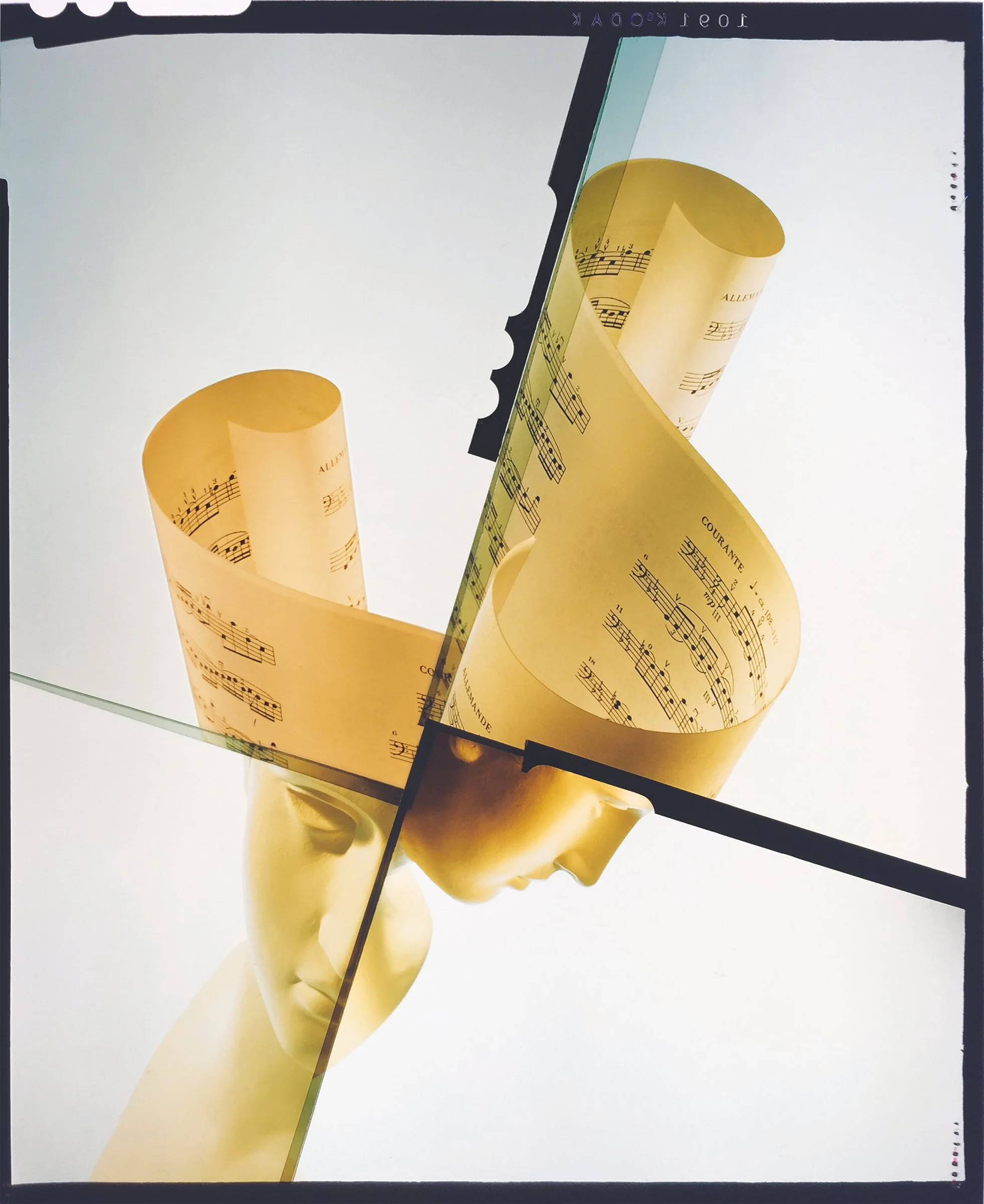
What is your creative process like?
“It’s a mixture of intuition, experimentation, and a fair amount of patience. An idea might begin with a single object that catches my attention. I collect interesting things, sometimes without knowing what I’ll eventually do with them. They can sit around for months, even years, before suddenly finding their place in a composition. Other times, I begin with a concept and search for the objects that might bring it to life. Once I have a direction, I start experimenting with arrangements, proportions, lighting, and the relationships between the different elements. I prefer creating my compositions physically, in front of the camera, rather than assembling them digitally afterward. Some of my earlier works involved cutting, taping, and rephotographing large-format film negatives. Today, I also work with digital cameras, but the hands-on approach remains very much part of my process. I’m quite meticulous about the final image, although I try to leave room for accidents and unexpected discoveries. Sometimes those accidents turn out to be the best part.”
What is an artist’s role in society and how do you see that evolving?
“I think artists have always played an important role in helping us see the world differently. Art can challenge ideas, preserve memories, question established beliefs, bring attention to difficult subjects, or simply offer a moment of beauty and reflection. But sometimes, art’s only purpose is to look really cool. And that’s perfectly fine with me. Not everything needs to be intellectualized or carry some profound underlying message. Sometimes we can simply appreciate something because we enjoy looking at it. I’ve often thought that if I can hang it on my wall and enjoy it, then, as far as I’m concerned, it’s art. With the extraordinary pace of technological change, particularly artificial intelligence, I think we’re entering a fascinating and somewhat uncertain period for the arts. The tools available to artists will continue to evolve, but I believe personal experience, imagination, curiosity, and individual perspective will remain essential. Technology can help us produce images, but what we choose to express through them is another matter entirely. Perhaps the artist’s role is not so much to provide answers as to keep our curiosity alive.”
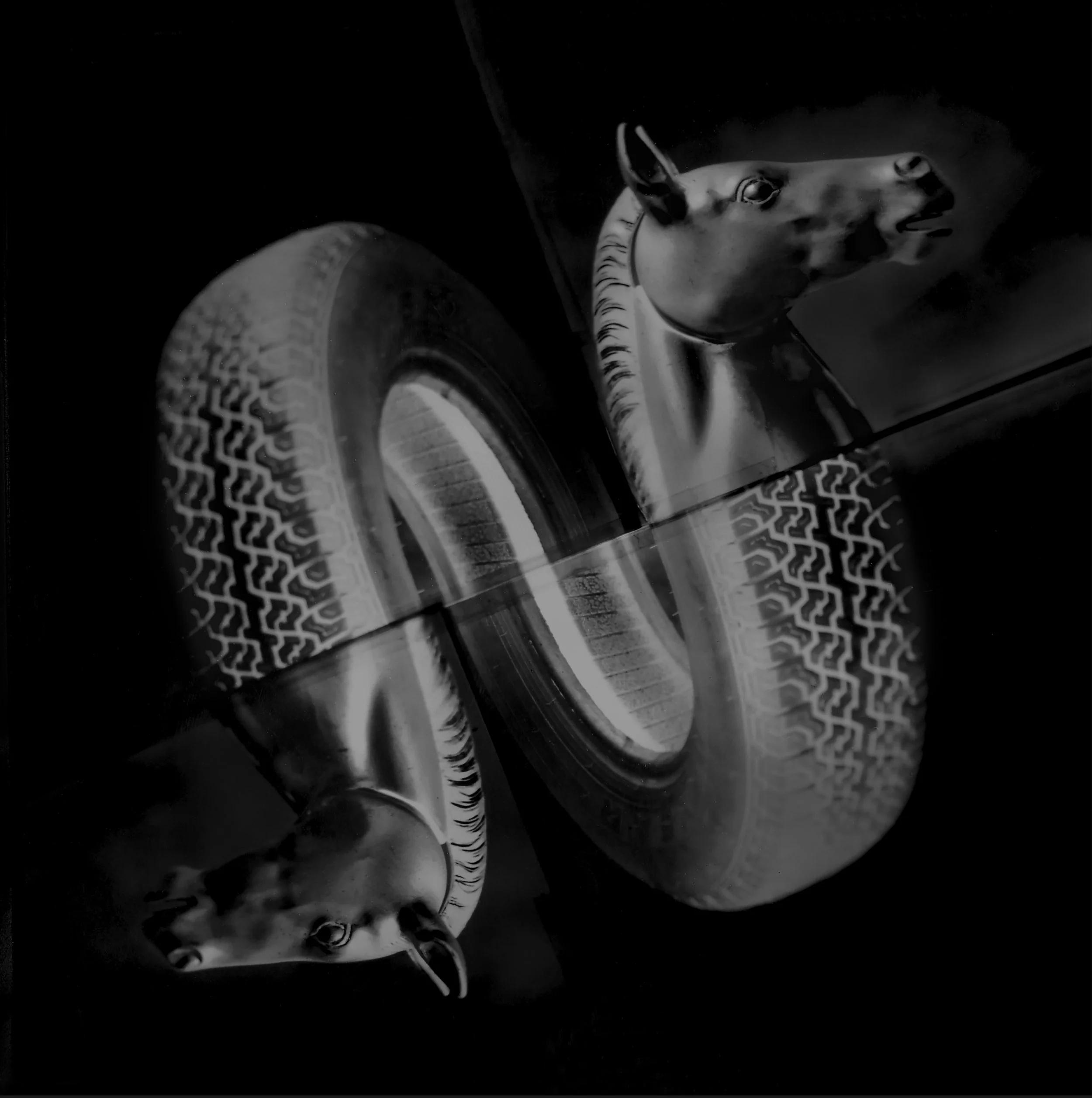
Have you had any noteworthy exhibitions you'd like to share?
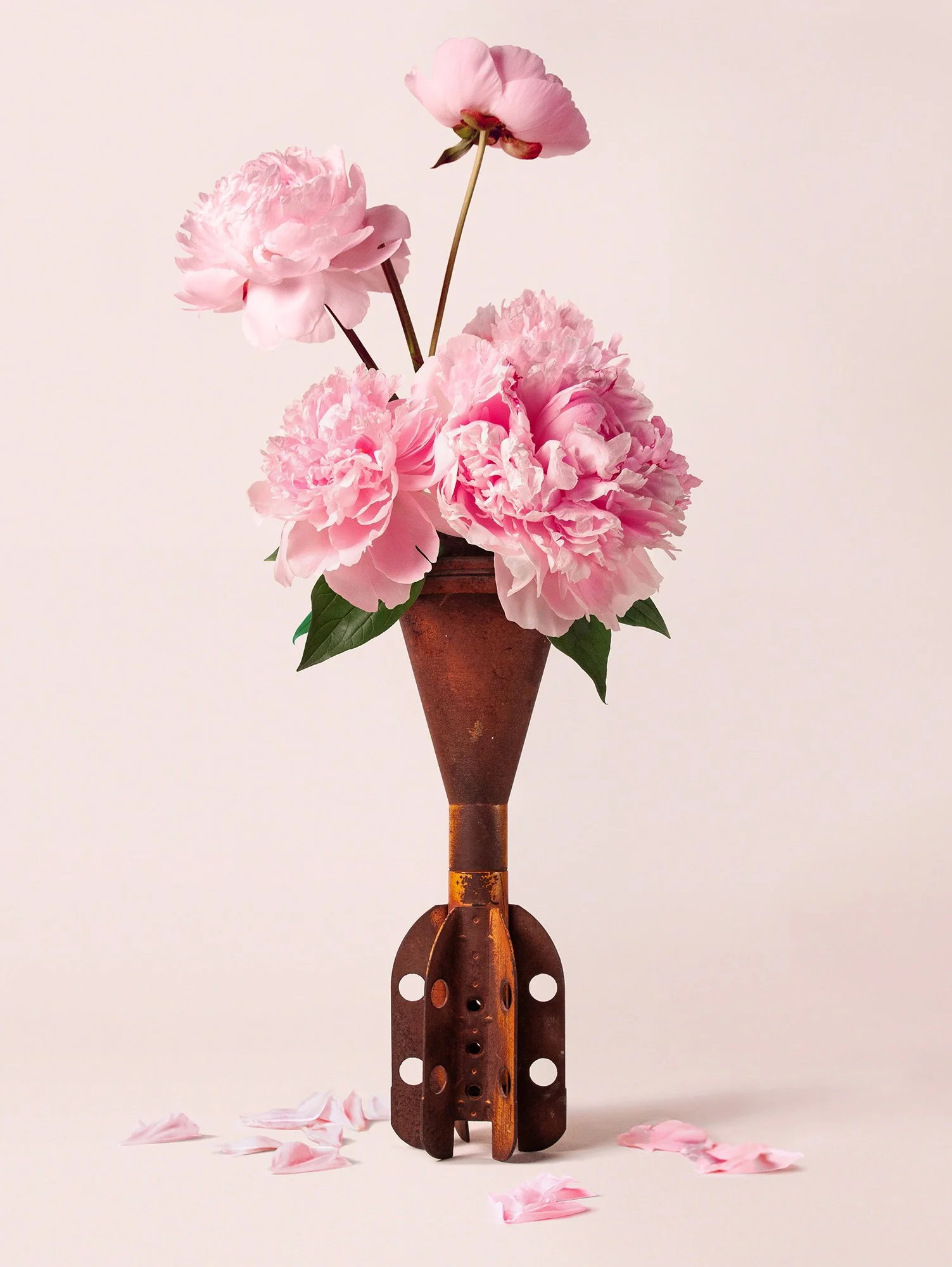
“My very first exhibition remains one of my fondest memories. I was just beginning to establish myself as a fine art photographer when a gallery contacted me after seeing my work published in a Québec magazine, following an award I had received. To my surprise, they invited me to exhibit alongside two remarkable Montréal photographers, Michel Pilon, who sadly passed away in 2024, and André Cornellier, an equally accomplished photographer and filmmaker. I was thrilled, and perhaps a little intimidated, to have my photographs hanging alongside the work of these two artists. I sold only three photographs during that exhibition, but frankly, I was just as excited about being in the same room as those two extraordinary artists. That experience meant a great deal to me, and I’ve never forgotten it. Since then, I’ve been fortunate to exhibit internationally, including in Montréal, Paris, Brussels, Dubai, and Switzerland. Some memorable presentations include a ten-year retrospective of my photography at Club Art Montréal in 1999, as well as more recent exhibitions during Art Basel Week in Switzerland, at Andakulova Gallery in Dubai, the Carrousel du Louvre in Paris, and ARTEXPO BRUXELLES. Over the years, my work has also received recognition through the International Photography Awards, the LUX Photography Awards (a now-discontinued competition established by Infopresse magazine to celebrate Québec’s photographic talent), Lens Culture, Applied Arts Magazine, the International Color Awards, and The Tokyo International Foto Awards. More recently, my Time for Peace poster was selected for the GRAPHIS Unmuted 100 collection as part of the 100 best in February 2026. And now, being selected as one of three winning artists in the international Artist Closeup competition, with Time for Peace appearing on a billboard in Times Square, New York City, is another wonderful and rather unexpected honour. It’s quite something to imagine an image created in the quiet of my studio suddenly finding itself surrounded by the extraordinary energy of Times Square.”
Website: oliviergobel.art
Instagram: @oliviergobel_art