Interview
Natalie Egger
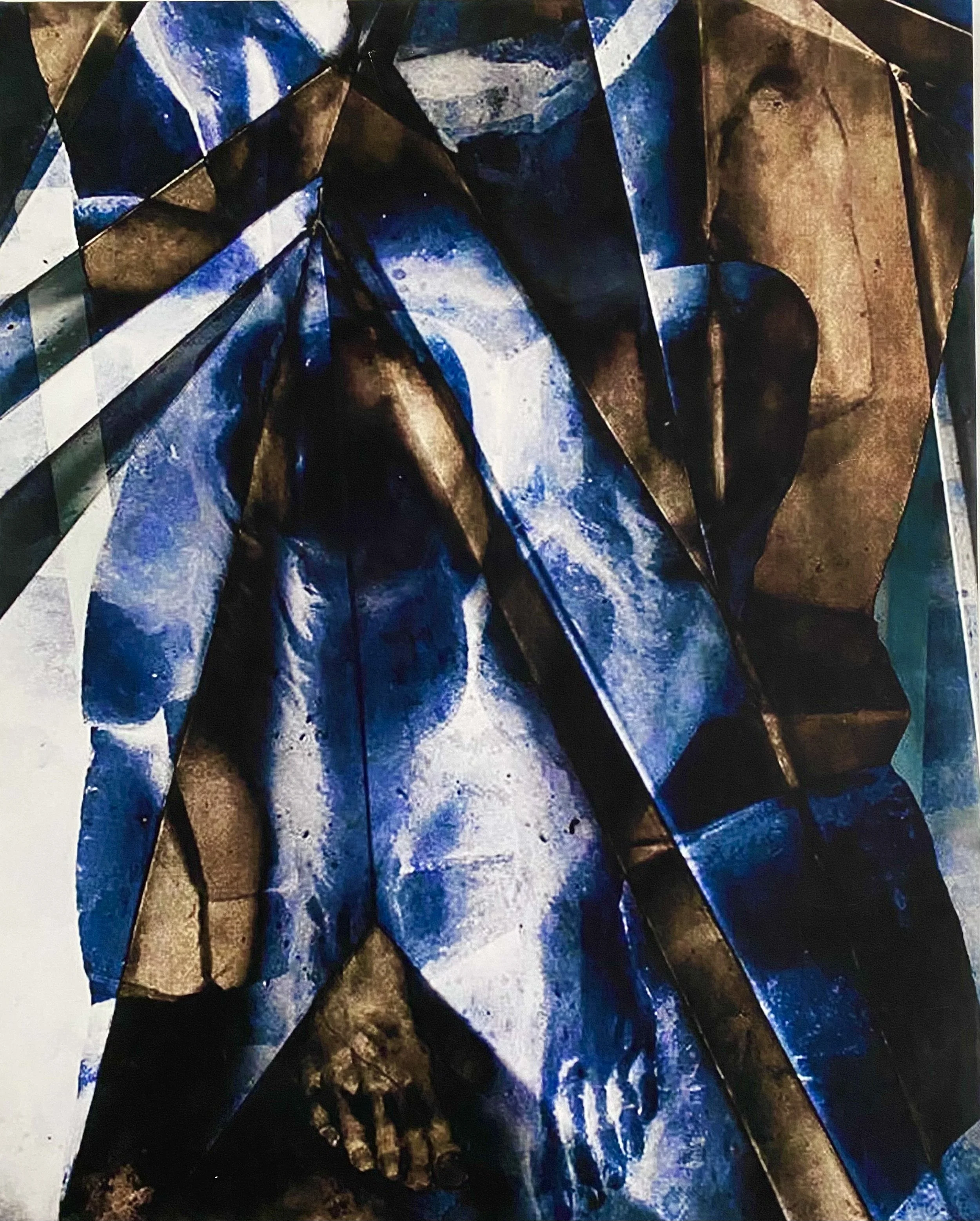
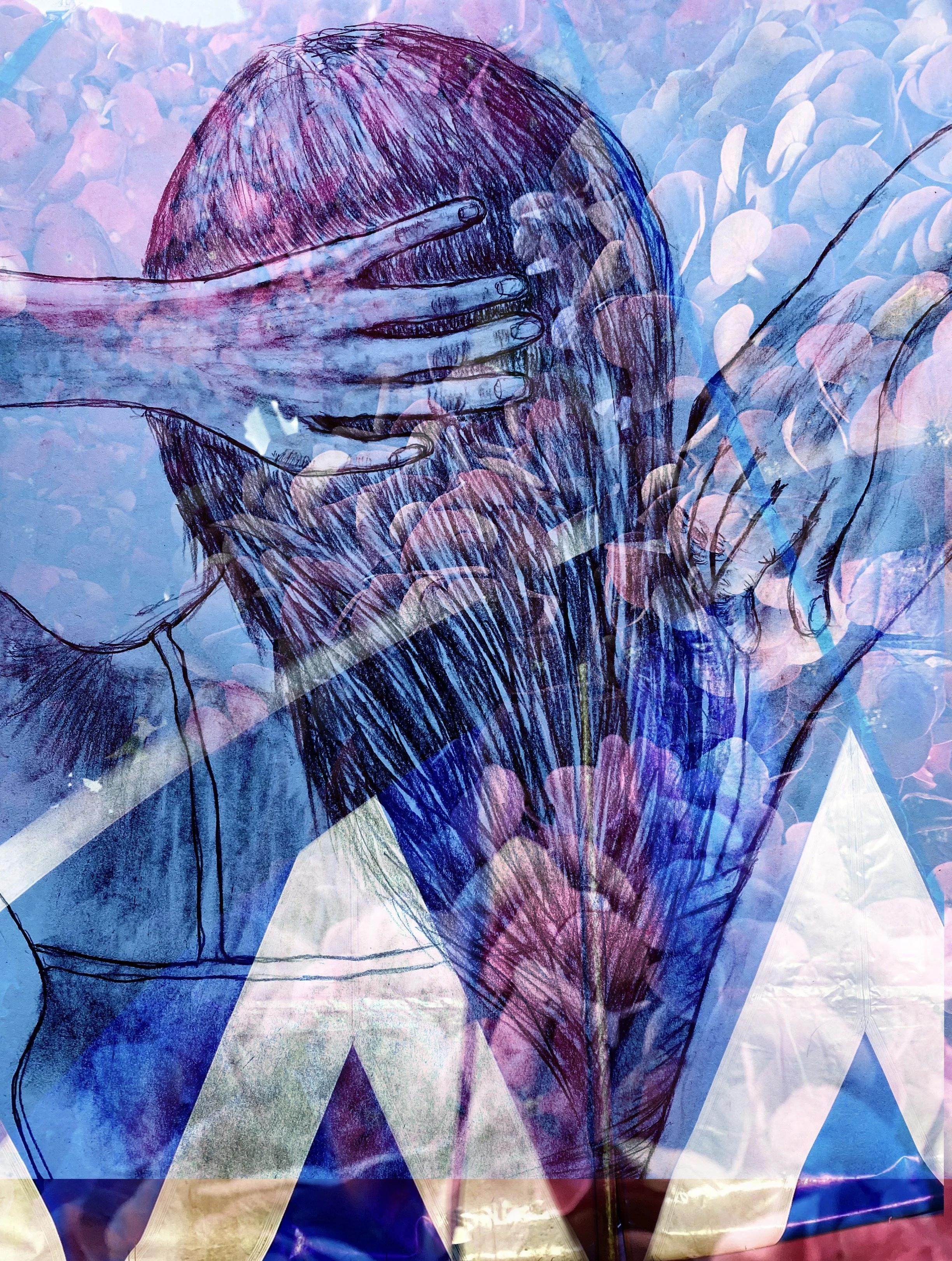
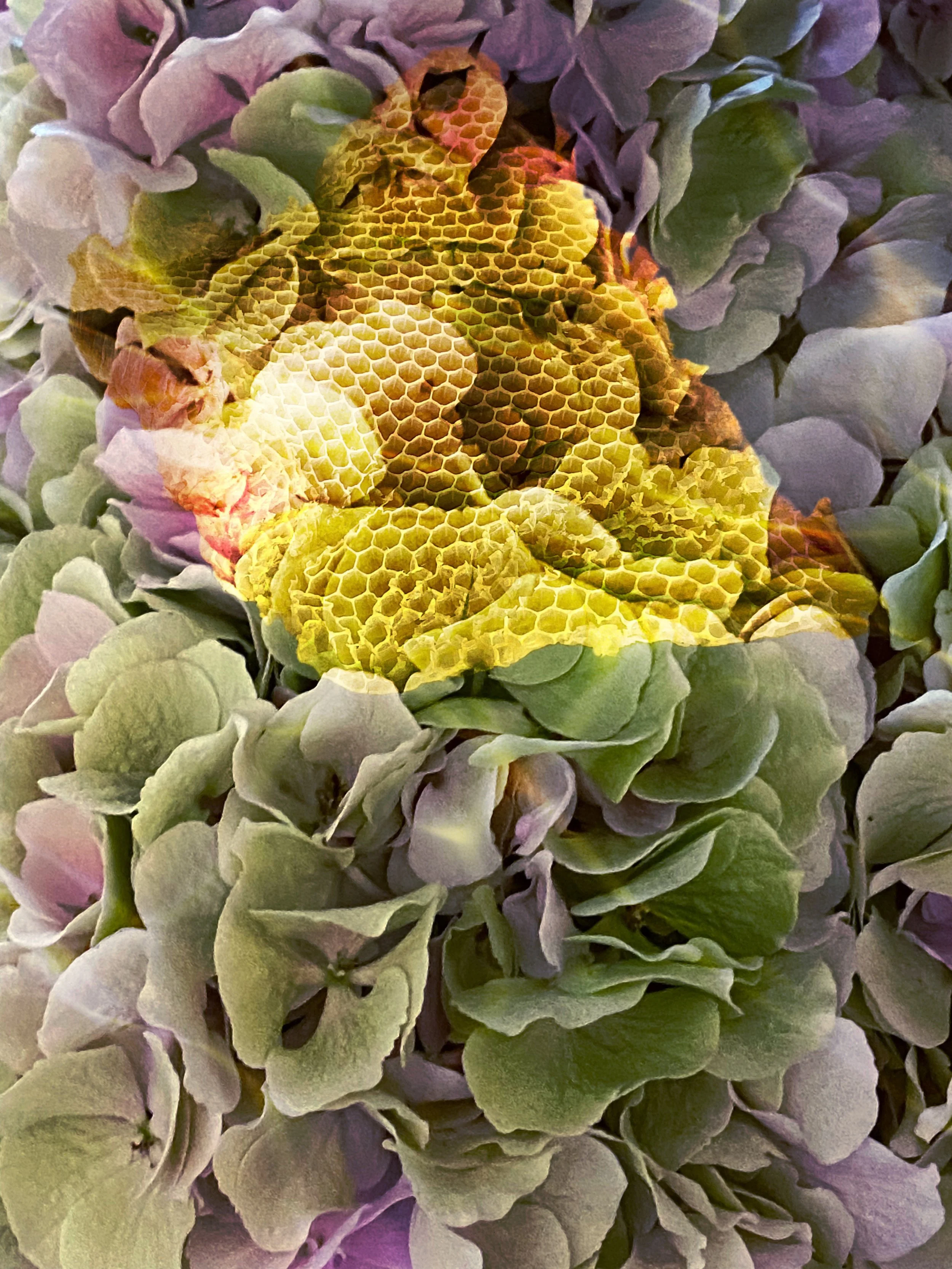
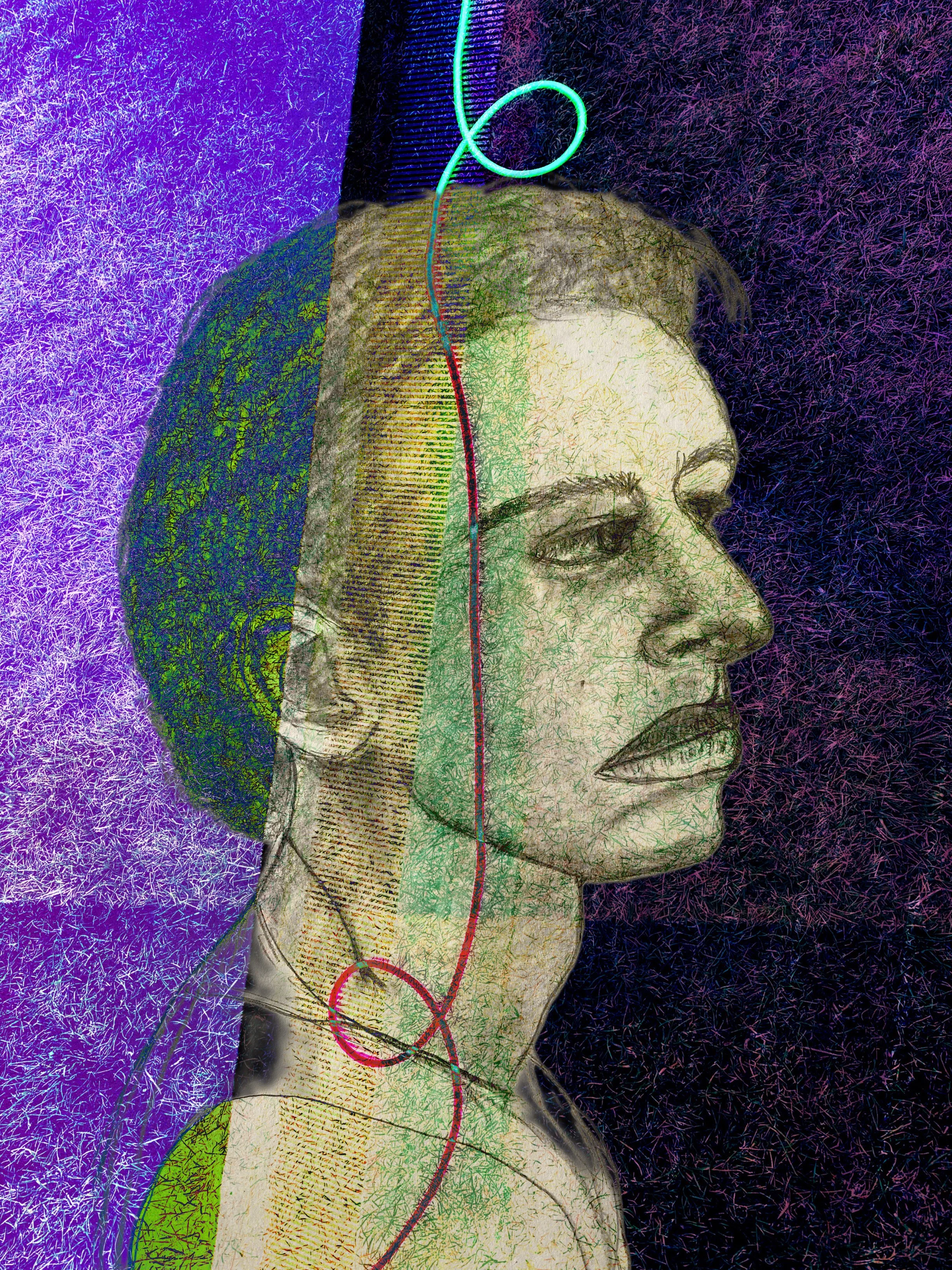
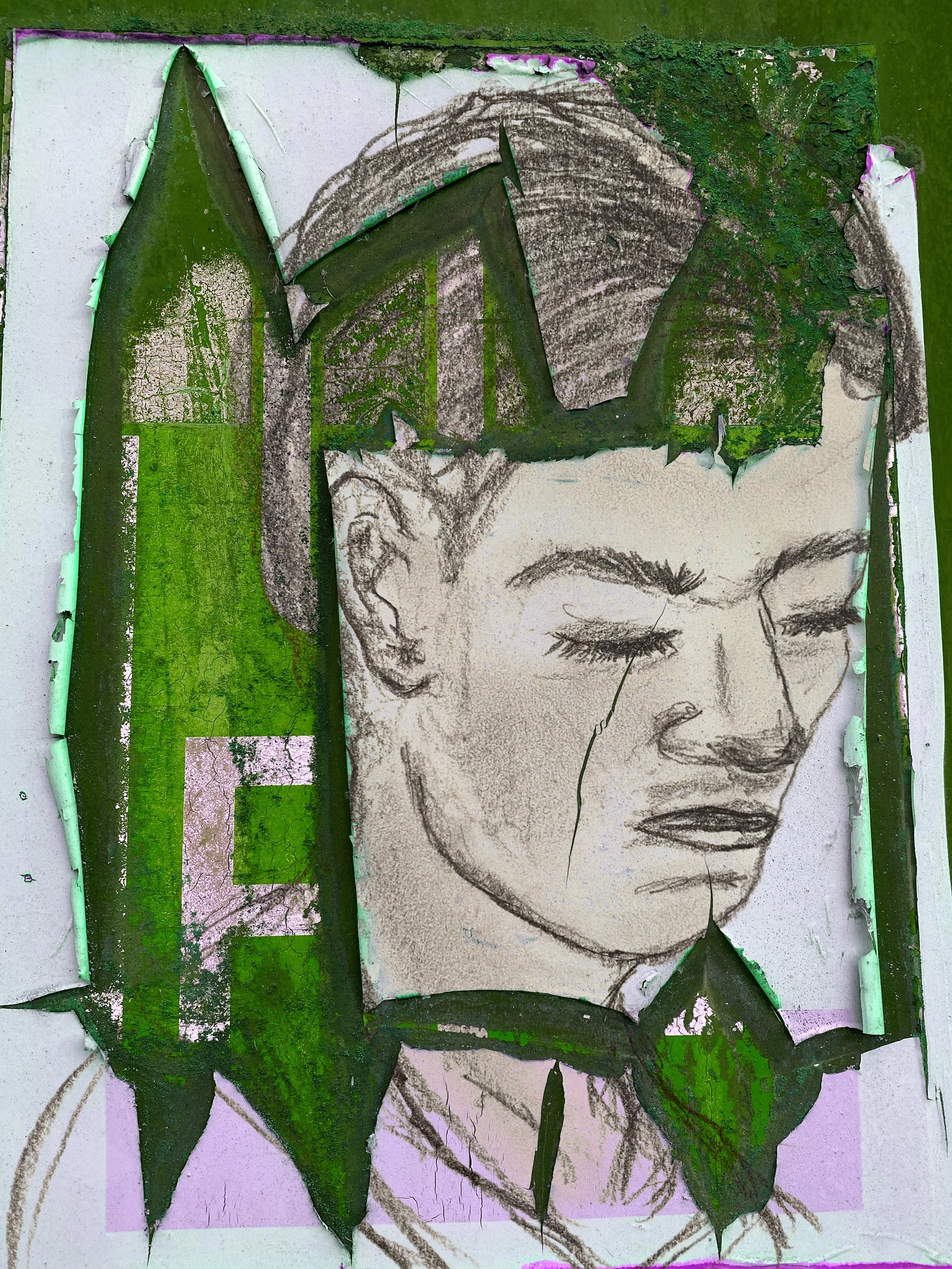
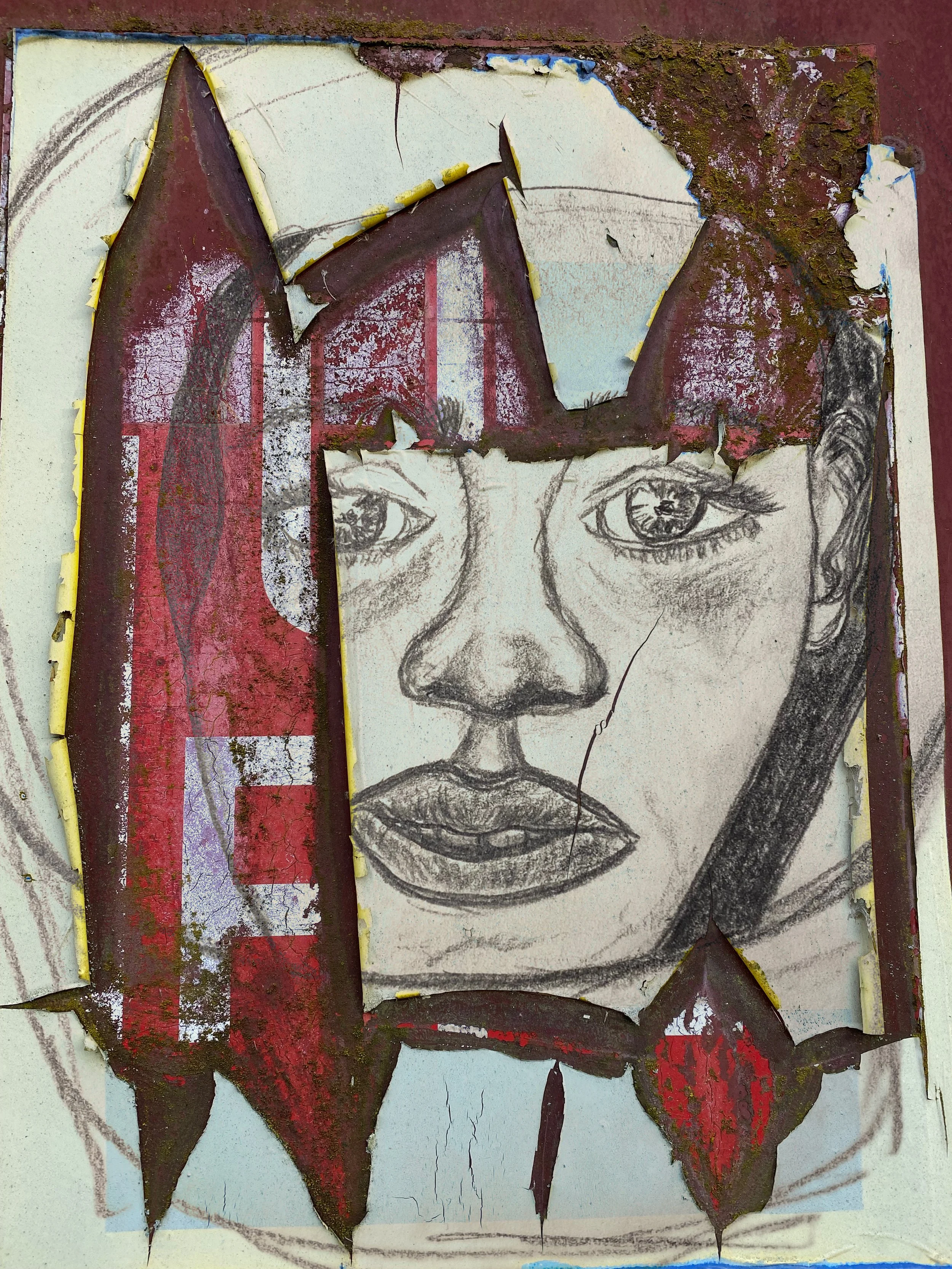
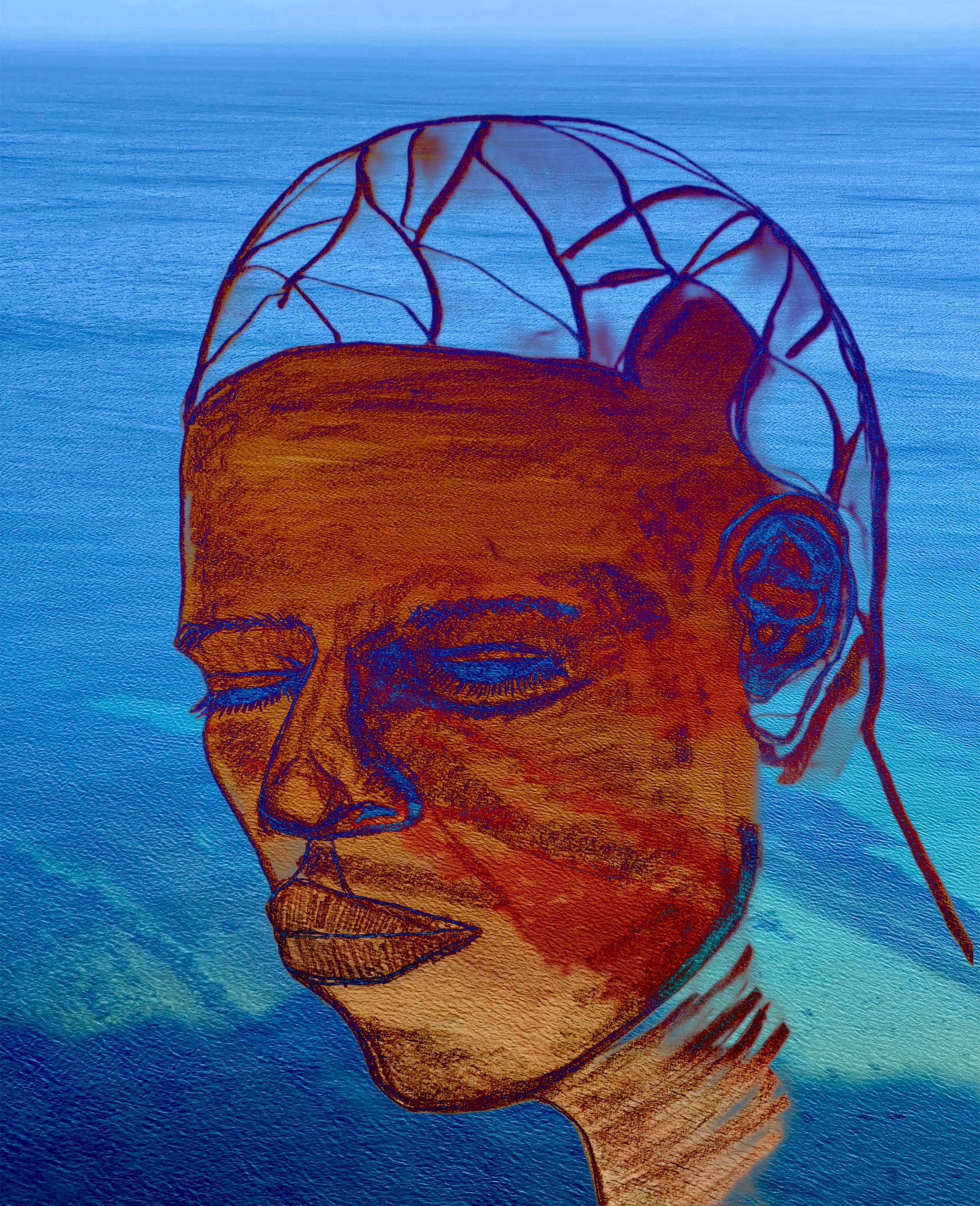
Natalie Egger, multi-award winning Austrian artist, graduated from the University for Applied Arts Vienna, is actively engaged in the fields of photography, digital art and visual arts. Her creative journey unfolds in the vibrant city of Vienna, where she resides and diligently hones her craft. Natalie has experimented with various artistic media, but two particular mediums hold her current fascination: photography and digital art on one hand, and acrylic painting (mostly on canvas) and pencil drawing on the other. In her digital art and photography, she captures close-ups of random subjects encountered during her urban explorations or travels. These serendipitous encounters become snapshots, which she later consciously deconstructs through the fusion of two to four photographs, often incorporating her pencil drawings. This transformative process yields entirely new digital creations, reimagining her original photographs in fresh and unexpected ways.
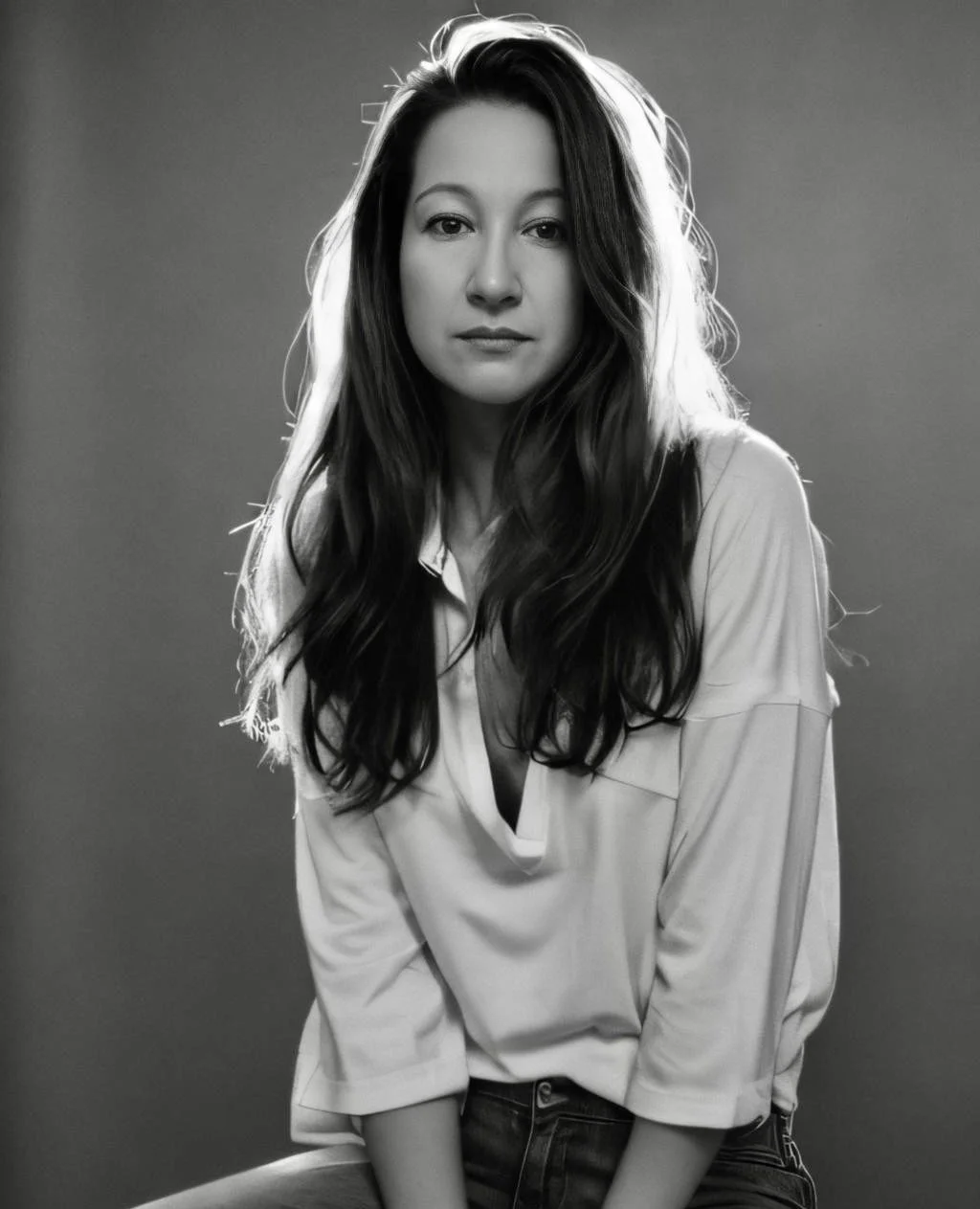
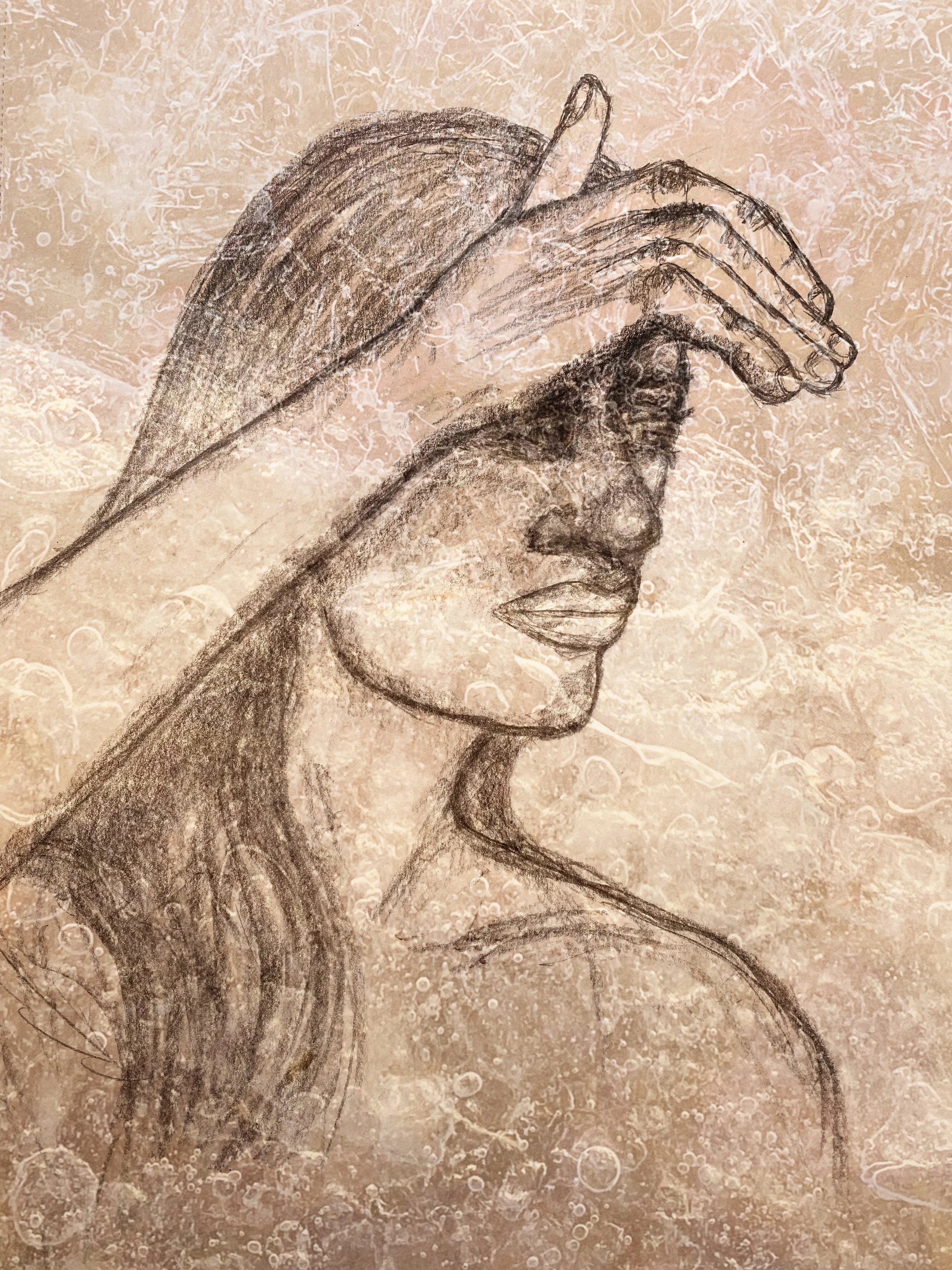
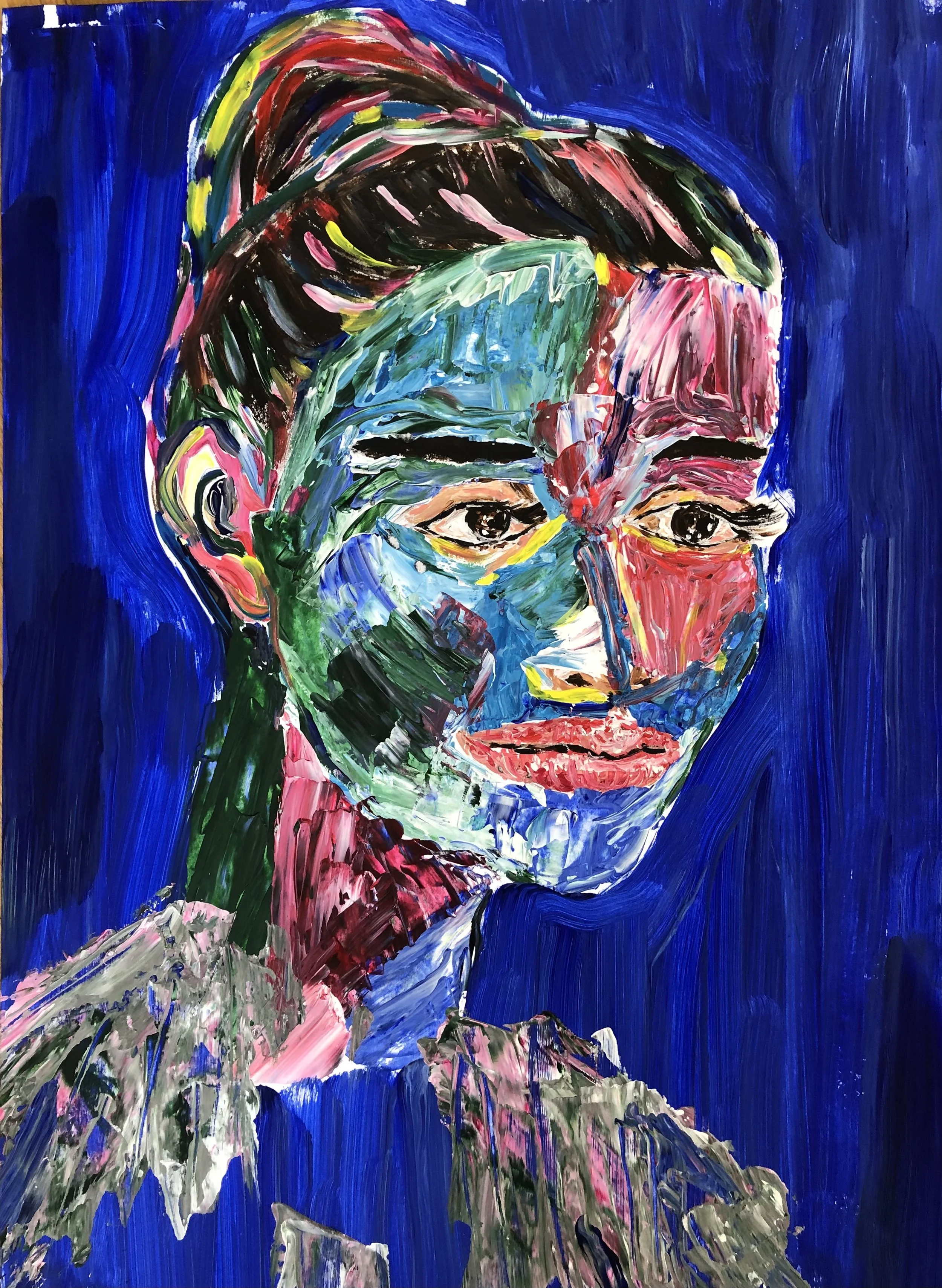
Natalie's acrylic paintings and pencil drawings reflect her deep fascination with the human face and body, as well as their myriad expressions. Her sources of inspiration include dance, performance theatre, and fashion. The artist has exhibited her work in several group exhibitions online, at museums, galleries and art fairs in Austria, Italy, Spain, France, Germany, UK, USA, China, Korea, Greece, Switzerland and Kazakhstan. Her artworks are featured in various art publications and can be admired in private collections in Europe and Asia. Her very first solo exhibition took place in London, UK in July 2024.
What is your background and how did you start your journey in the art world?
“I am a female artist and graduate of the University of Applied Arts in Vienna. My background is shaped by a strong connection to visual culture, digital expression, travel, urban life, and the quiet poetry of everyday surroundings. My journey into the art world began through a collaboration with a friend, Pete Moore, an Irish artist, who wrote poems and short texts. I started complementing his words with my digital artworks, creating visual responses to her poetry and prose. This collaboration opened a new creative path for me and helped me develop my own artistic language. My digital pieces are usually created by merging close-up photographs of random things I encounter during my travels or while strolling through the city. I am drawn to textures, fragments, surfaces, and overlooked details — elements that may seem ordinary at first glance, but can become something entirely new when transformed digitally. Through this process, I create images that exist somewhere between reality and imagination. For me, art is a way of collecting moments, emotions, and visual impressions, and turning them into poetic compositions that invite the viewer to look more closely.”
What does your work aim to say? Does it comment on any current social or political issues?
“My work aims to invite viewers to look more closely. Through my digital pieces, I create images that exist somewhere between reality and imagination. For me, art is a way of collecting moments, emotions, and visual impressions, and turning them into poetic compositions. While my work is not always directly political, it does quietly comment on the way we move through the world today. In a time when everything is fast, loud, and constantly changing, I am interested in slowing down and paying attention to the overlooked — small textures, fragments, surfaces, and details that often go unnoticed. In this sense, my work reflects on our relationship with urban spaces, travel, nature, memory, and perception. It asks how we see, what we ignore, and how ordinary things can be transformed when we give them time and attention. As a female artist, I am also interested in sensitivity, intuition, and the personal gaze as powerful ways of understanding the world.”
Do you plan your work in advance, or is it improvisation?
“My process is a mixture of observation, structure, and improvisation. When it comes to my paintings and pencil drawings, there is usually a model in front of me, so in that sense there is a clear starting point. I am fascinated by the human face and the human body, and in these works I often create realistic artworks based on what I see. However, I would not say that I plan my art completely in advance. Even when I work realistically, the process remains intuitive. The expression, the posture, the atmosphere, or even a small detail can influence the direction of the work. I respond to what happens in the moment. With my digital works, the process is even more experimental. I often begin with photographs, drawings, or paintings, and then allow the image to develop through layering, merging, and transformation. I enjoy not knowing exactly where the work will end. For me, this balance between control and spontaneity is an important part of the creative process.”
Are there any art world trends you are following?
“I do not follow any specific art world trends at the moment. My practice is guided more by intuition, experimentation, and personal observation than by current movements or fashionable directions. I am interested in developing my own visual language rather than adapting to a trend. At the same time, I do work with digital tools, and they play an important role in my process. I use them to merge my pencil drawings or paintings with my photographs, transforming them into something completely new. This allows me to bring together different layers of my practice — the handmade, the photographic, and the digital — into one visual composition.”
What process, materials and techniques do you use to create your artwork?
“I work with a variety of materials and techniques, depending on the artwork and the moment. In my drawings and paintings, I use pencil, charcoal, and acrylics. These traditional materials allow me to work directly, especially when I focus on the human face and body. I enjoy the physicality of drawing and painting — the line, the gesture, the texture, and the immediate contact with the surface. Photography is also an important part of my process. I take photos with my mobile phone, often during travels or city strolls, capturing close-up details, textures, fragments, and random things that catch my attention. These images then become material for my digital artworks. In the digital process, I merge photographs with my pencil drawings or paintings, transforming them into something completely new. I like the idea of bringing together the handmade, the photographic, and the digital in one composition. Process-wise, I would describe my approach as l’art pour l’art — art for art’s sake. I love not to overthink things during the creative process. I prefer to follow intuition, curiosity, and visual instinct, allowing the artwork to develop naturally rather than controlling every step in advance.”
What does your art mean to you?
“My art means comfort to me. It is a space where I can step away from my everyday professional life, where I constantly have to think, analyze, structure, and make decisions. Creating art gives me access to something completely different. It allows me to let go, to follow intuition, and to express myself without needing to explain or rationalize everything. In that sense, art is both a personal refuge and a form of freedom. It gives me balance. While my professional work requires precision and logic, my artistic practice allows emotion, instinct, and imagination to take the lead. Art is the place where I can breathe, reconnect with myself, and simply create.”
What’s your favourite artwork and why?
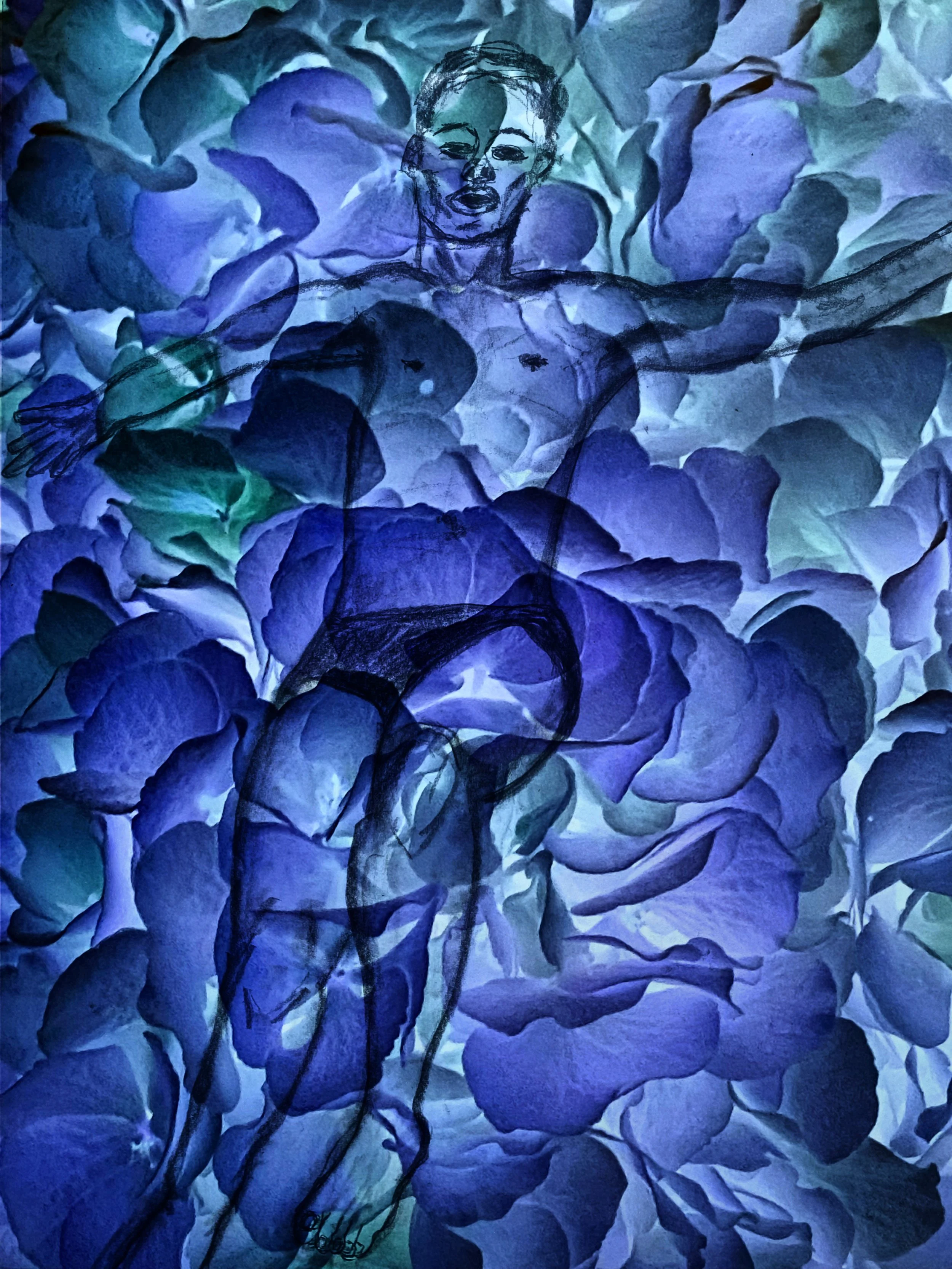
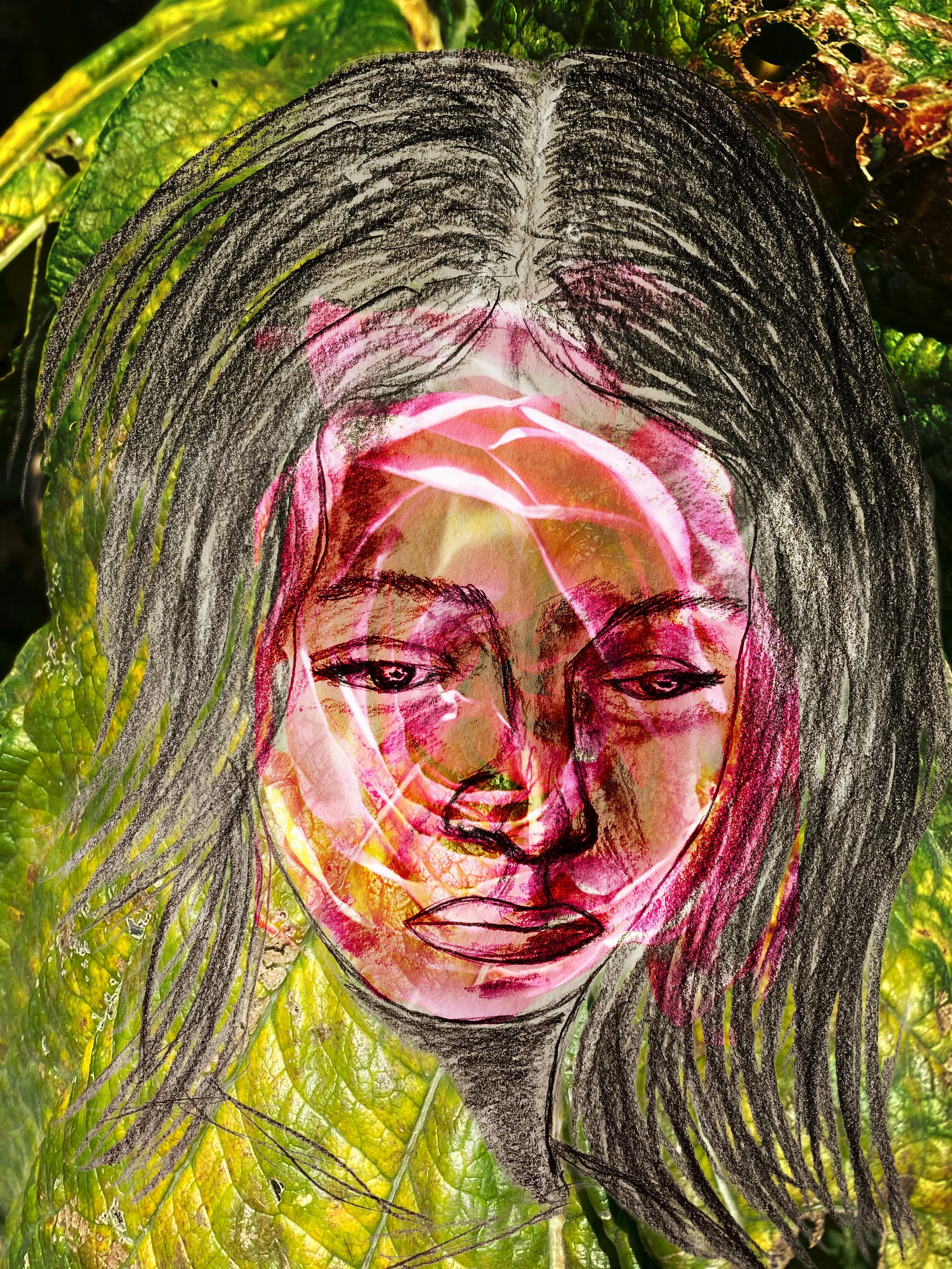
“I do not have one specific favourite artwork. In general, I am especially drawn to the works where I merge my abstract photographs of patterns and structures with my pencil drawings of the human face or the human body. These pieces feel very personal to me because they bring together two sides of my artistic practice: the realistic and the abstract, the observed and the imagined, the human and the almost accidental details I find around me. I like the tension that happens when a face or body meets a texture, a surface, or a pattern from everyday life. It creates something new and unexpected, while still keeping a connection to reality. For me, these works best express my interest in transformation, perception, and the beauty of overlooked details.”
Have you had any noteworthy exhibitions you'd like to share?
“There are a few exhibitions that are especially meaningful to me and that I would like to share. My first solo exhibition in London in summer 2024 was a very important milestone. It was the first time I presented my work in that way, and it gave me the opportunity to see my artistic practice in a broader context and to share it with a wider audience. Another noteworthy experience was participating in the XV Florence Biennale in October 2025. Being part of such an international art event was inspiring, as it allowed me to connect with artists from different backgrounds and to experience my work within a global artistic dialogue. I would also like to mention the Fusion Art Gallery group exhibition in Málaga, Spain, in April 2026. Group exhibitions are always interesting because they create a conversation between different artistic voices, and I find it inspiring to see how my work interacts with the works of other artists. Each of these exhibitions has been important in its own way and has encouraged me to continue developing my artistic language.”
Website: www.unisonart.space
Instagram: @unison1089