
Interview
Mohammad Ezzattalab
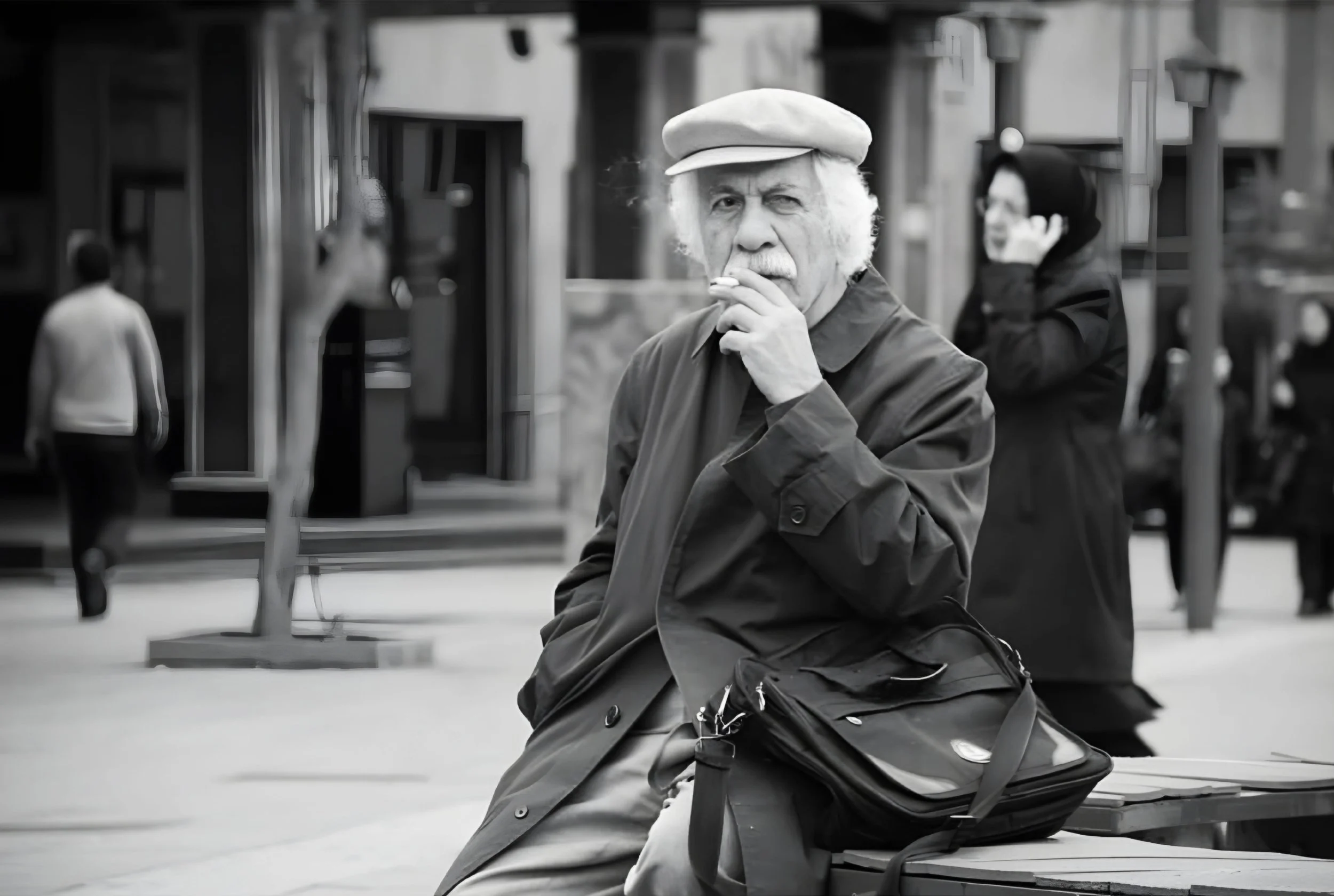
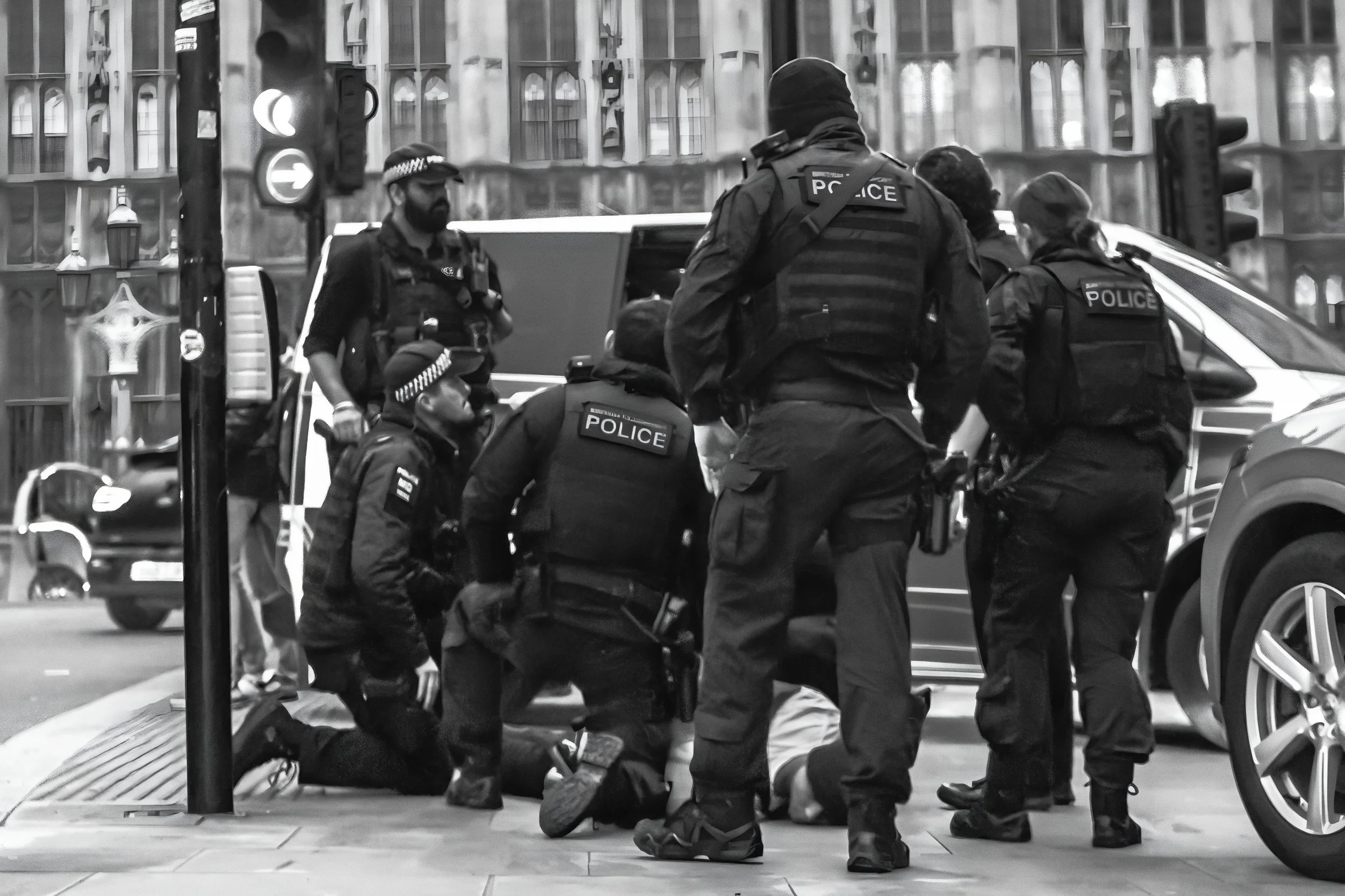
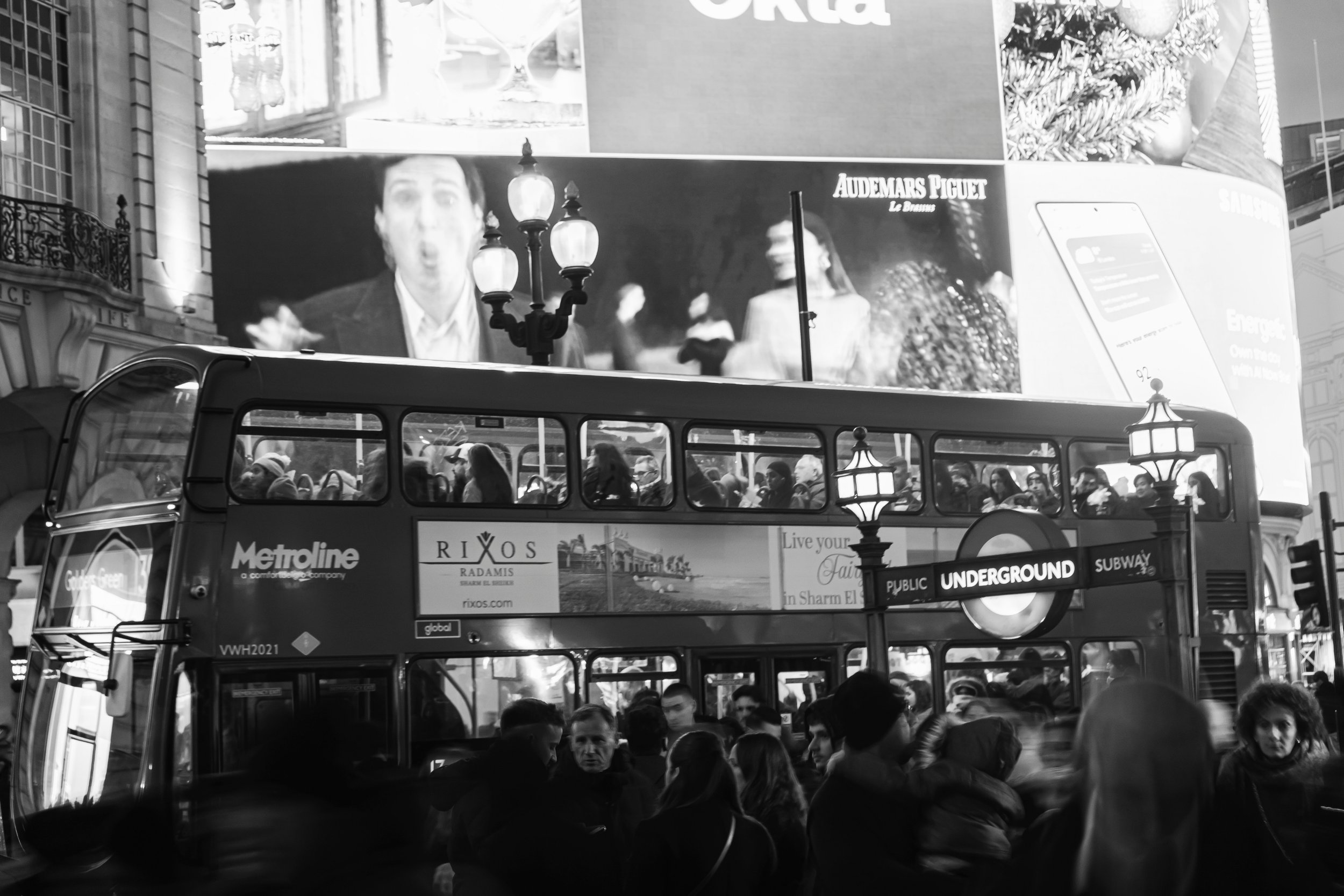
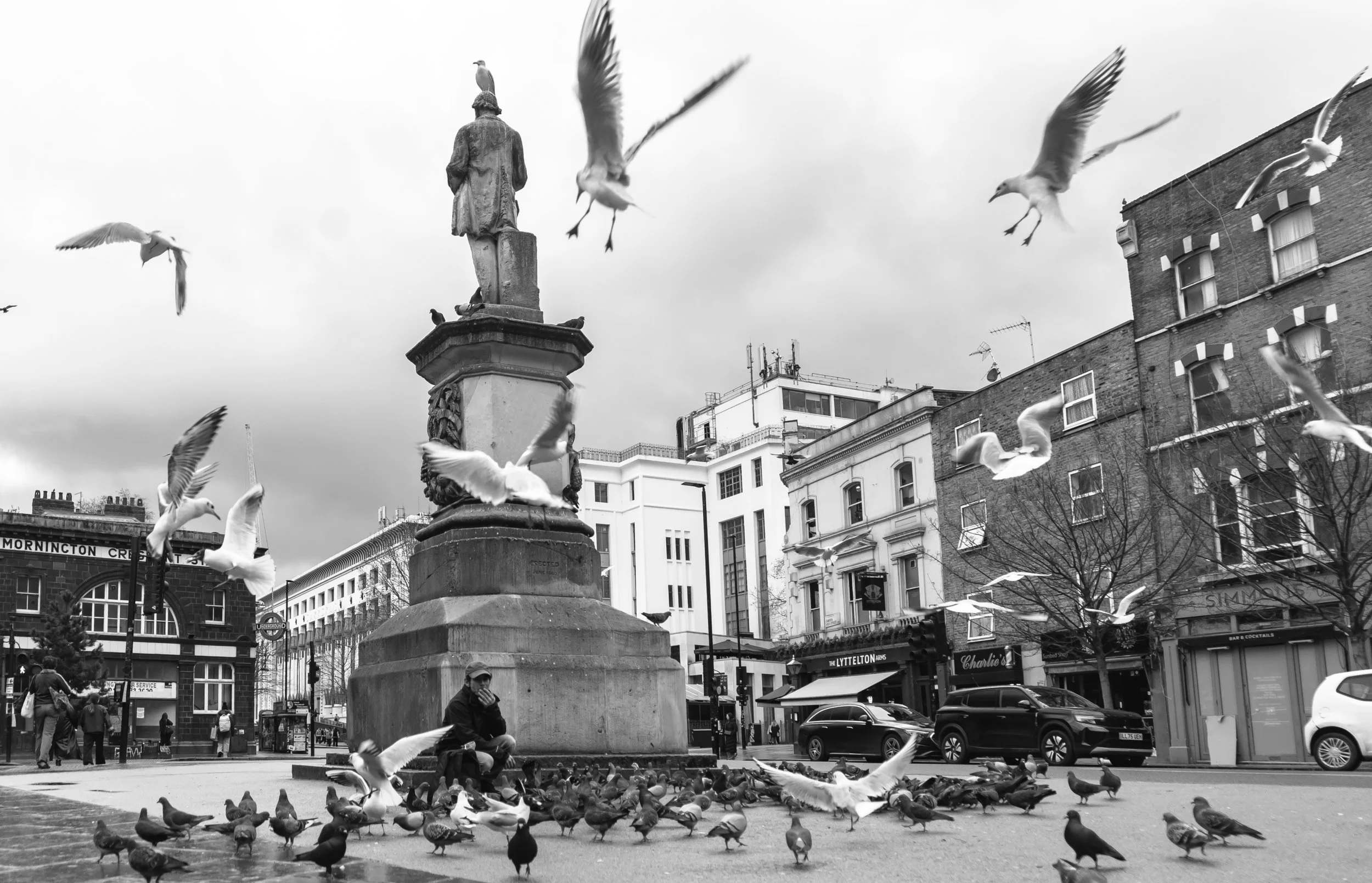
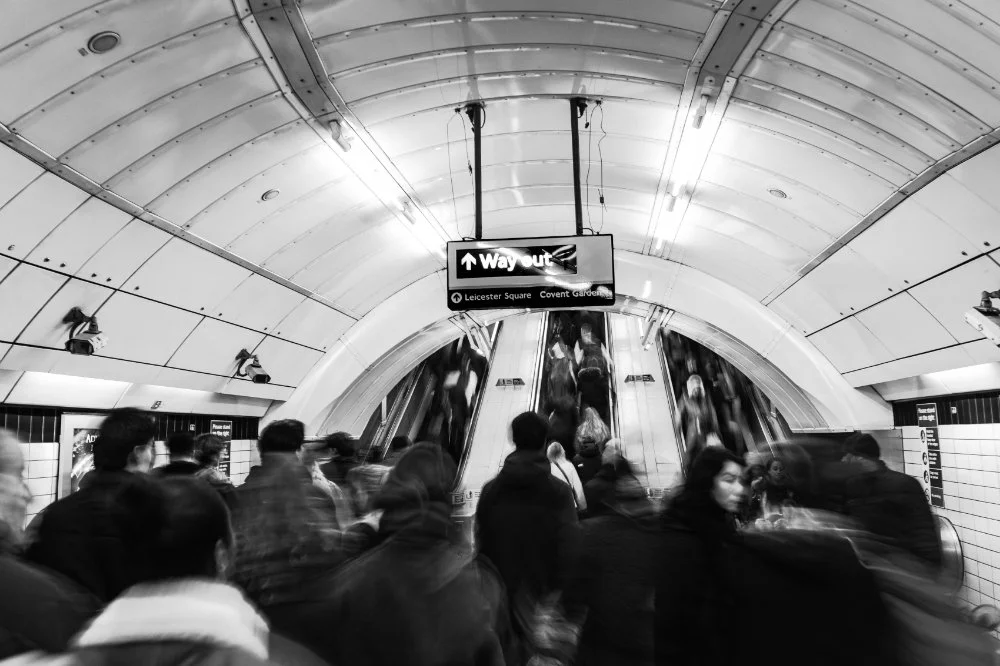
Mohammad Ezzattalab is a conceptual street photographer whose work explores identity, alienation, and the psychological dimensions of contemporary urban life. Working primarily within public spaces, Mohammad transforms everyday moments into cinematic visual metaphors. Through controlled composition, dramatic light, and atmospheric depth, his work navigates the tension between individual presence and societal structure. Positioned between documentary realism and conceptual narrative, the practice invites viewers to question perception and confront ambiguity.
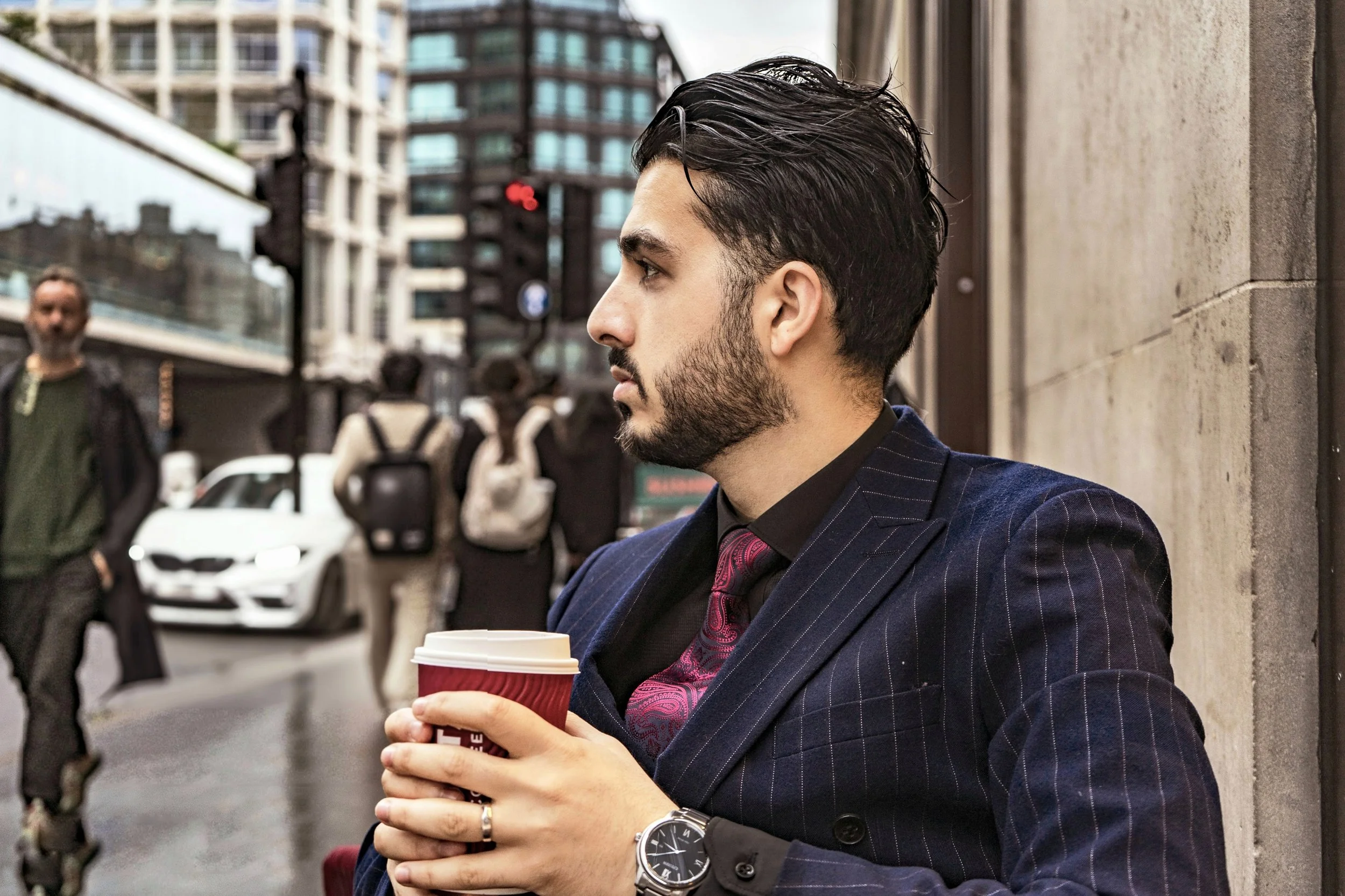
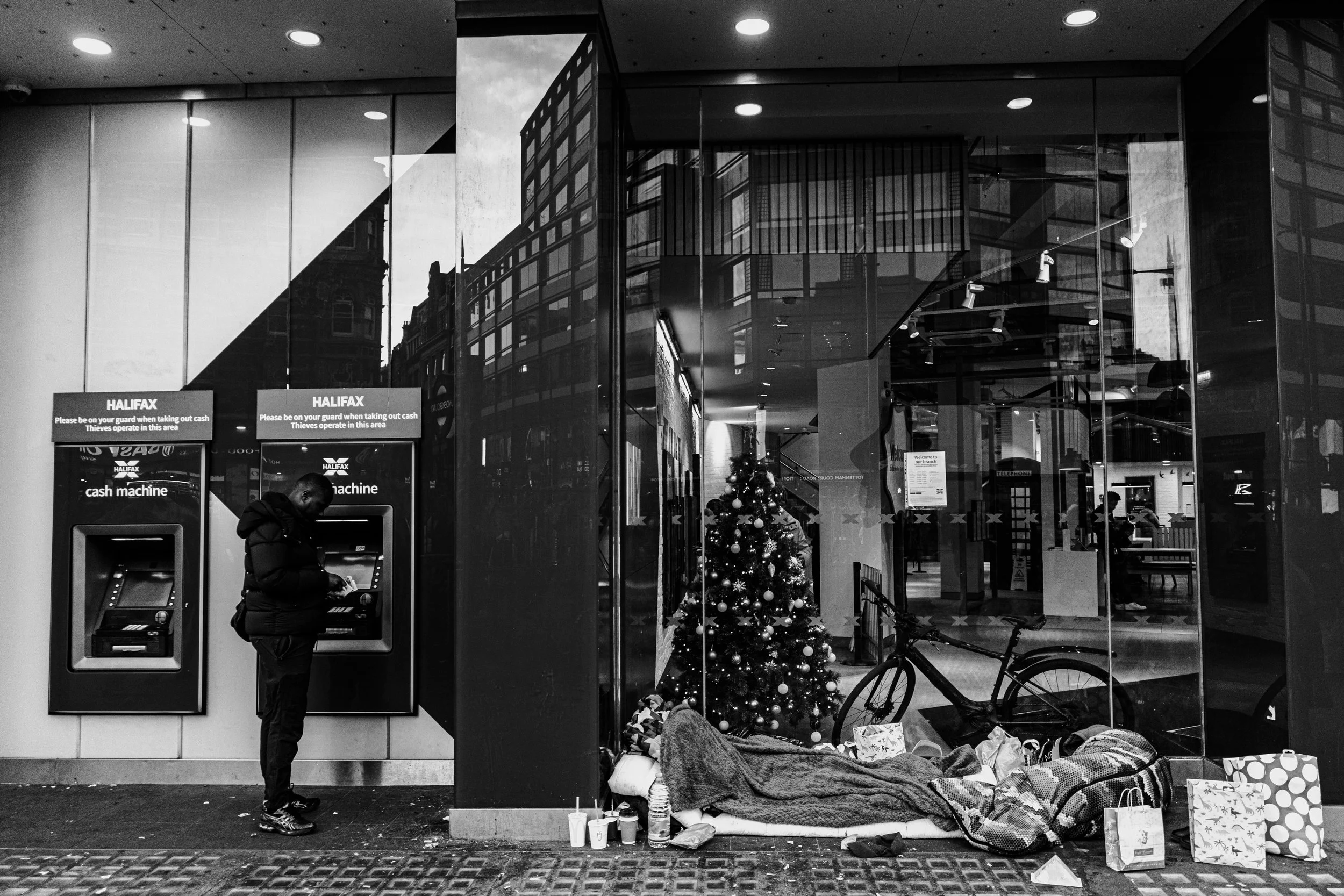
What is your background and how did you start your journey in the art world?
“I am a conceptual street photographer whose work operates at the intersection of social observation and psychological exploration. My journey into the art world did not begin with the intention of becoming an artist, but with an intense need to understand the human condition. The street became my studio — not because it was convenient, but because it was honest. Public spaces reveal truths that controlled environments often conceal. What began as documenting moments gradually transformed into constructing visual metaphors. Over time, my practice evolved from simply capturing reality to interpreting it — questioning it — and, in subtle ways, reconstructing it. Photography became my language for expressing what cannot easily be verbalized: isolation within crowds, silent tension, social fragmentation, and the unseen emotional architecture of urban life.”
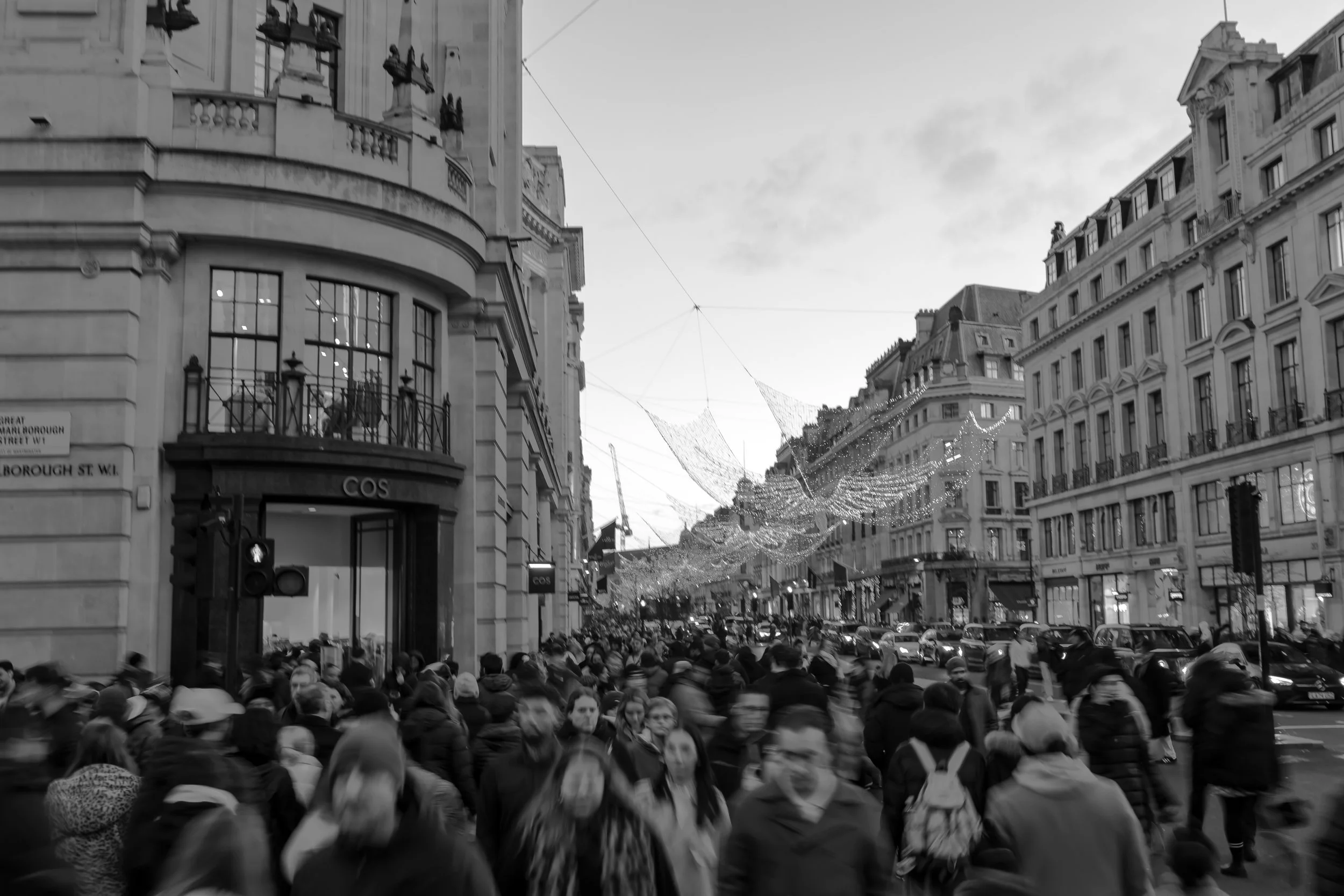
What inspires you?
“I am inspired by tension — psychological tension, social tension, visual tension. I am drawn to the contrast between presence and absence, light and shadow, visibility and invisibility. Urban environments inspire me deeply. Cities are layered spaces where vulnerability and performance coexist. I observe how individuals navigate systems, structures, and expectations. Cinema, philosophy, and human behavior strongly influence my perspective, particularly the idea that reality is often a constructed narrative. I do not search for beauty in the conventional sense; I search for meaning within discomfort.”
What themes do you pursue? Is there an underlying message in your work?
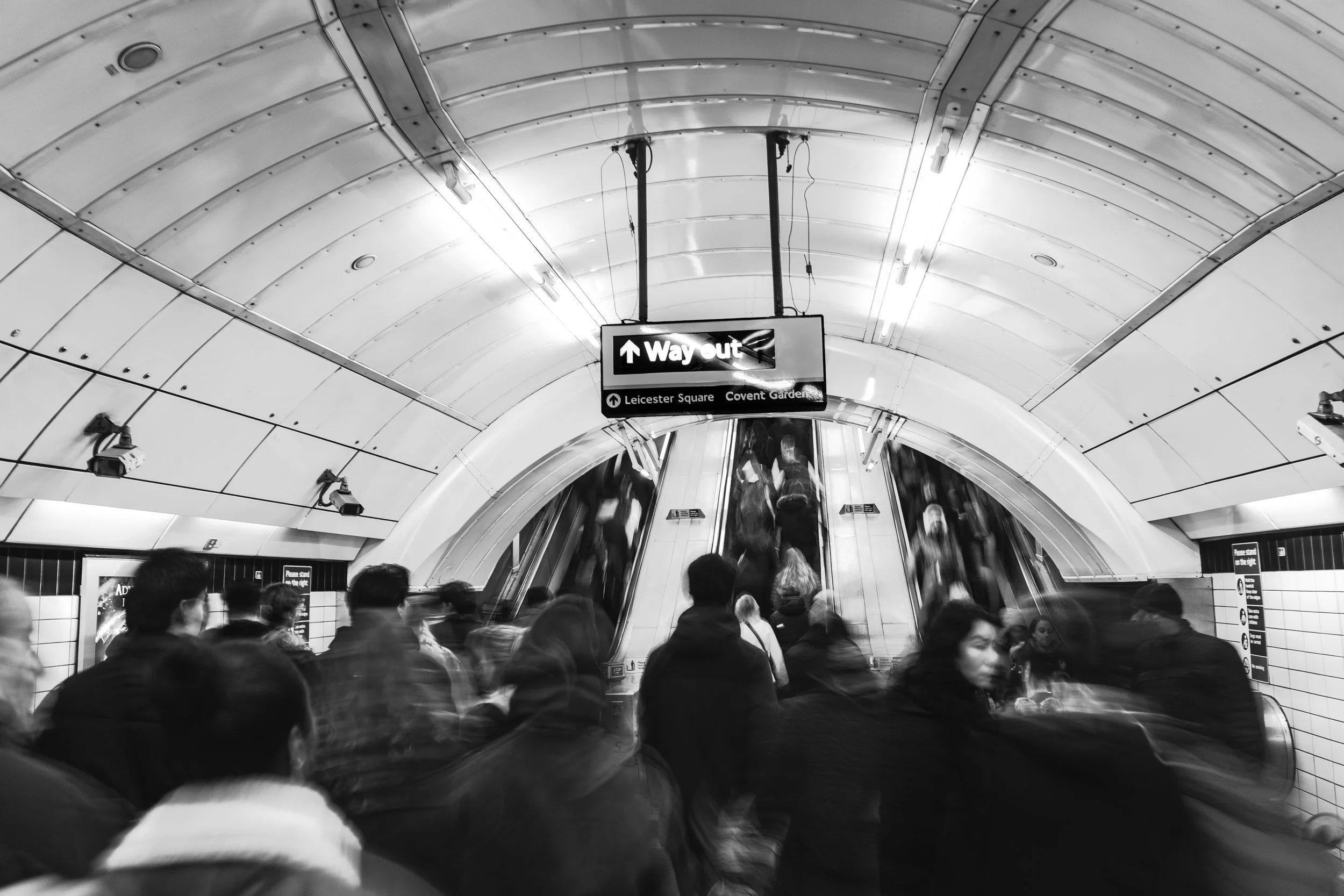
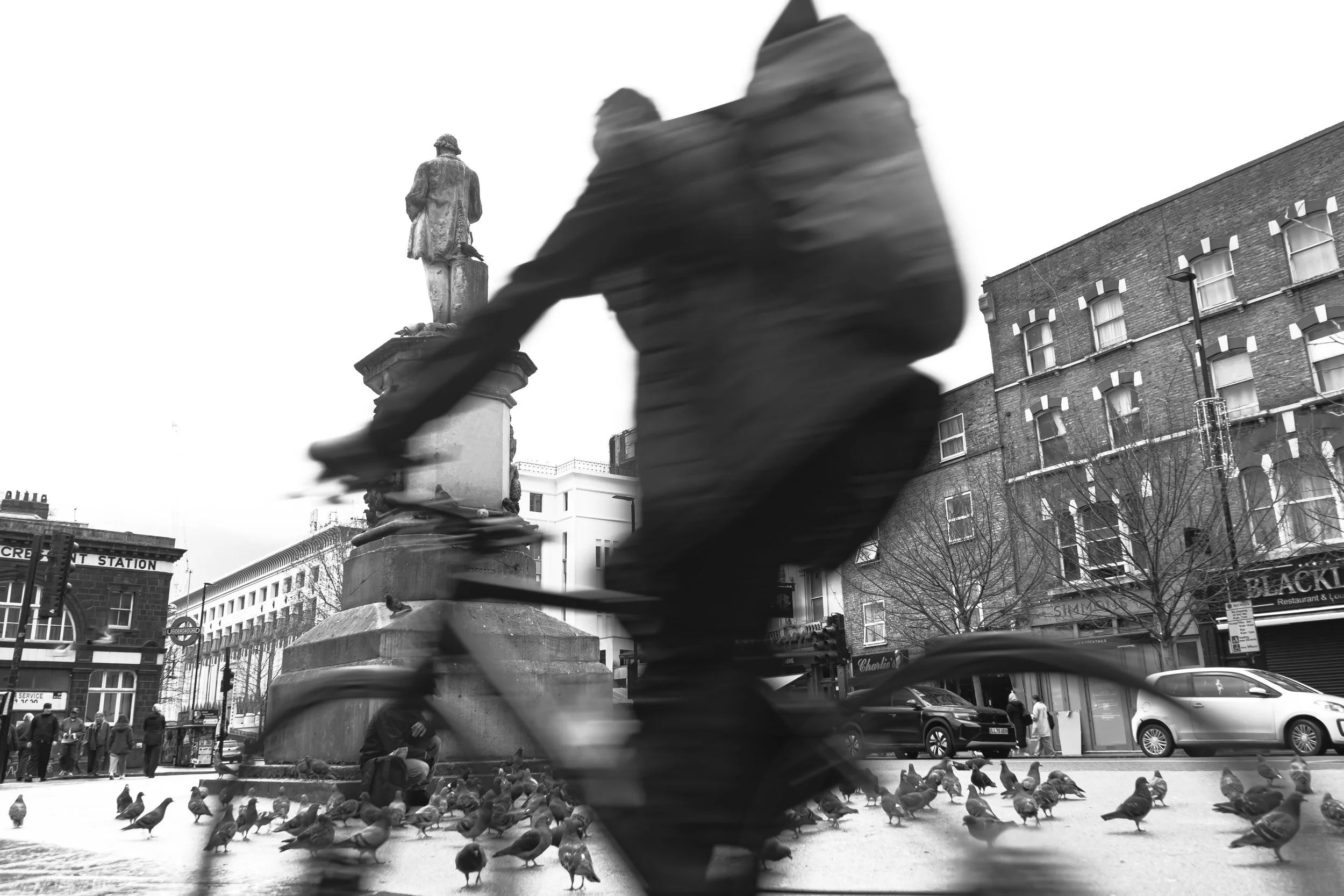
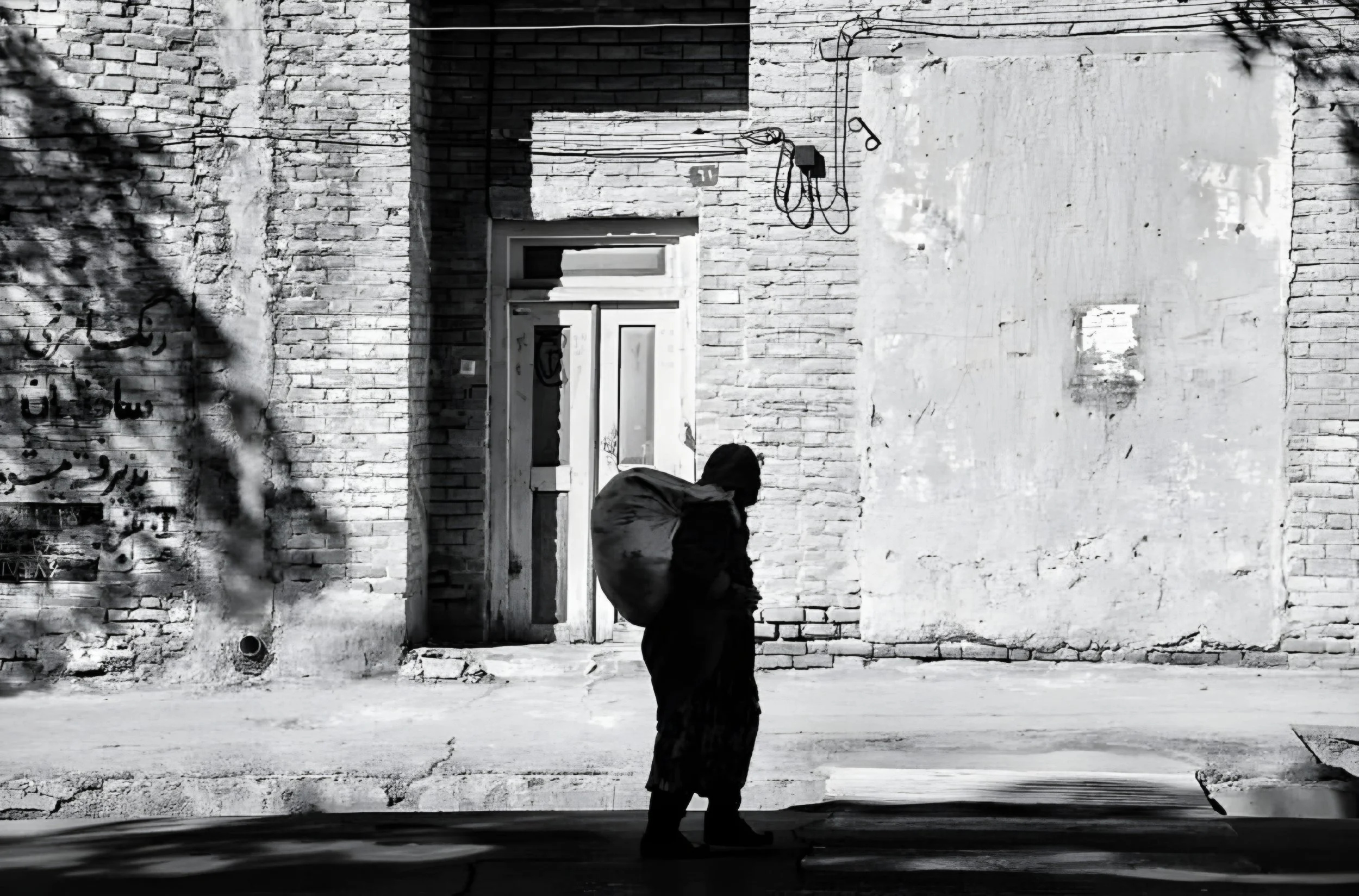
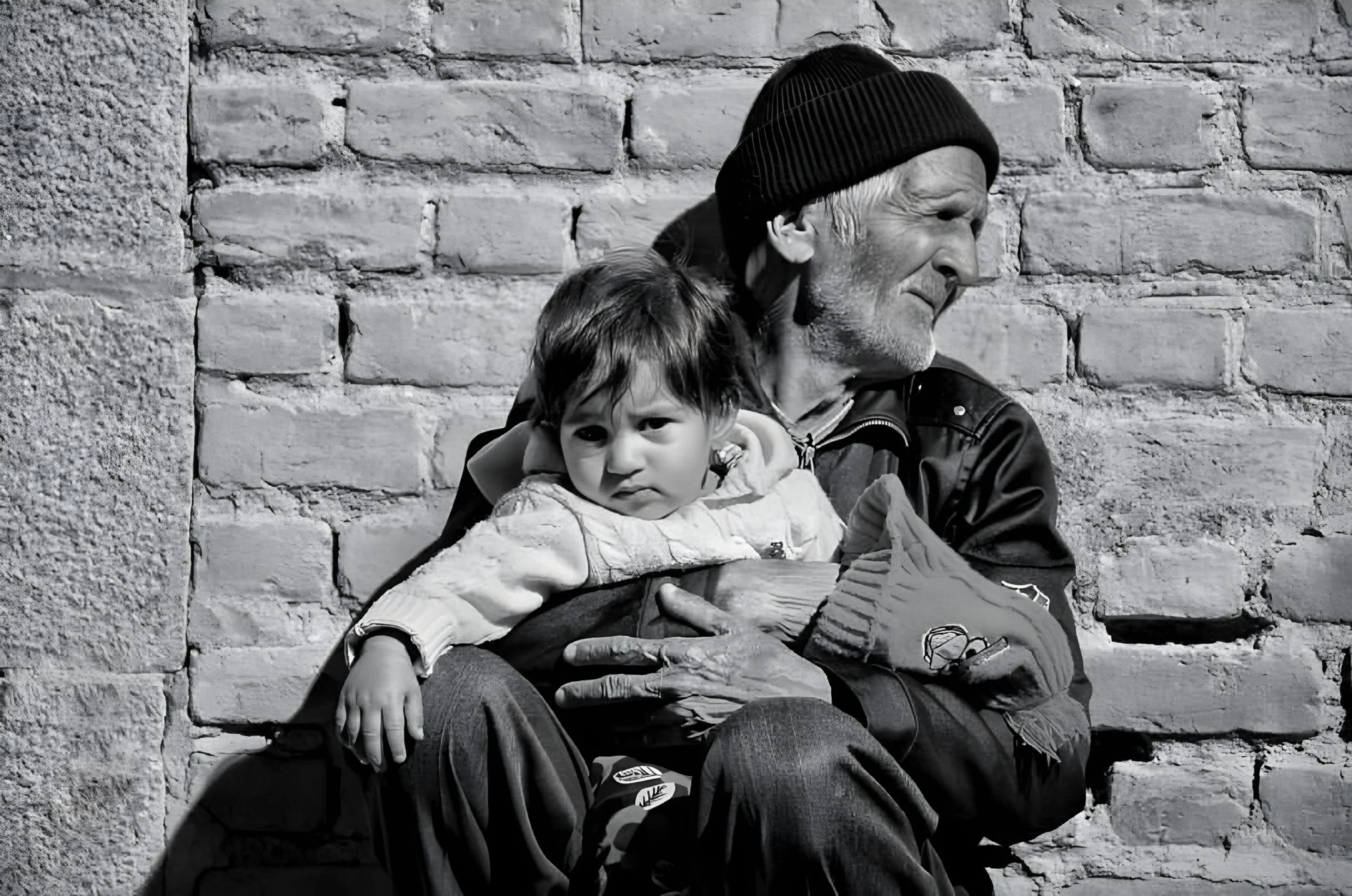
“My work revolves around themes of identity, alienation, surveillance, power dynamics, and the fragile relationship between the individual and society. There is often a sense of psychological isolation in my images - even when subjects are physically surrounded by others. I am interested in how modern urban life reshapes our sense of self. The underlying message is not direct or didactic. Instead, aim to create visual questions rather than visual answers. My images invite viewers to confront ambiguity and reflect on their own position within contemporary social structures.”
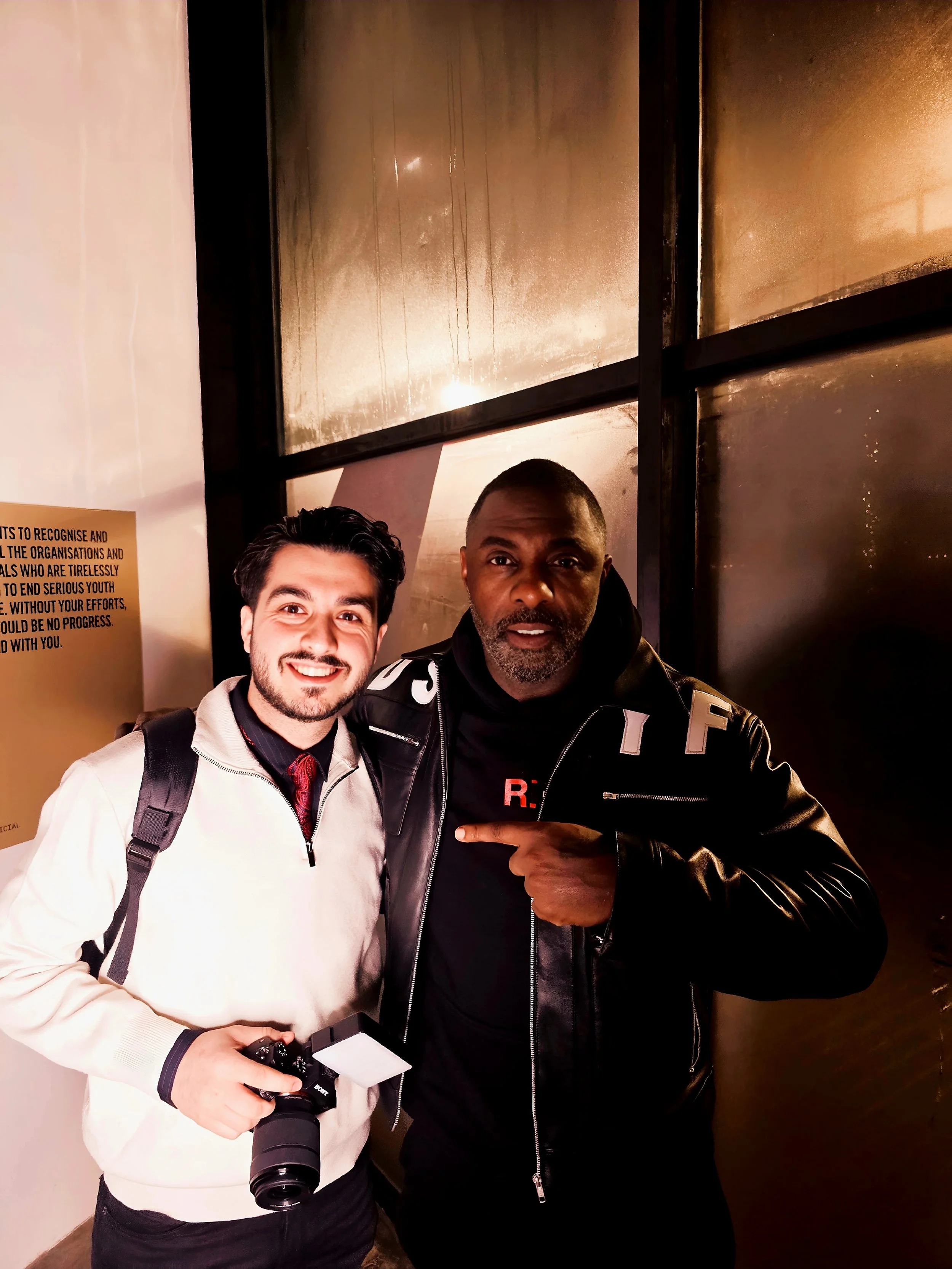
How would you describe your work?
“I would describe my work as conceptual, atmospheric, and socially introspective. It exists somewhere between documentary and constructed narrative. Dark tonal ranges, dramatic light, negative space, and deliberate composition are central to my visual language. Even when spontaneous, my images feel intentional - almost cinematic. I strive to create photographs that are not immediately consumed, but slowly decoded.”
Which artists influence you most?
“I am influenced by classic and contemporary street photographers who focus on human emotion and composition. I admire artists who are able to transform everyday life into powerful visual narratives. Cinema and visual storytelling also influence the way I frame and construct my images.”
What is your creative process like?
“My process begins with prolonged observation. I spend time immersing myself in environments, studying movement, light, and behavioral patterns. While street photography is often associated with spontaneity, my approach balances intuition with conceptual awareness. I may enter a space with an abstract idea — such as isolation, duality, or invisibility — and wait for reality to align with that concept. Post-production is minimal but intentional. I refine tonal contrasts and atmosphere to reinforce the emotional weight of the image. Editing, for me, is not correction — it is clarification of meaning.”
What is an artist’s role in society and how do you see that evolving?
“An artist’s role is not to decorate reality, but to interrogate it. In a time saturated with images, the responsibility of the artist is to restore depth — to resist superficial consumption and provoke reflection. Artists must question systems, expose emotional undercurrents, and reveal what society prefers to overlook. As technology accelerates visual production, authenticity and conceptual clarity become even more crucial. I believe the future of art belongs to those who offer perspective rather than repetition.”
Have you had any noteworthy exhibitions you'd like to share?
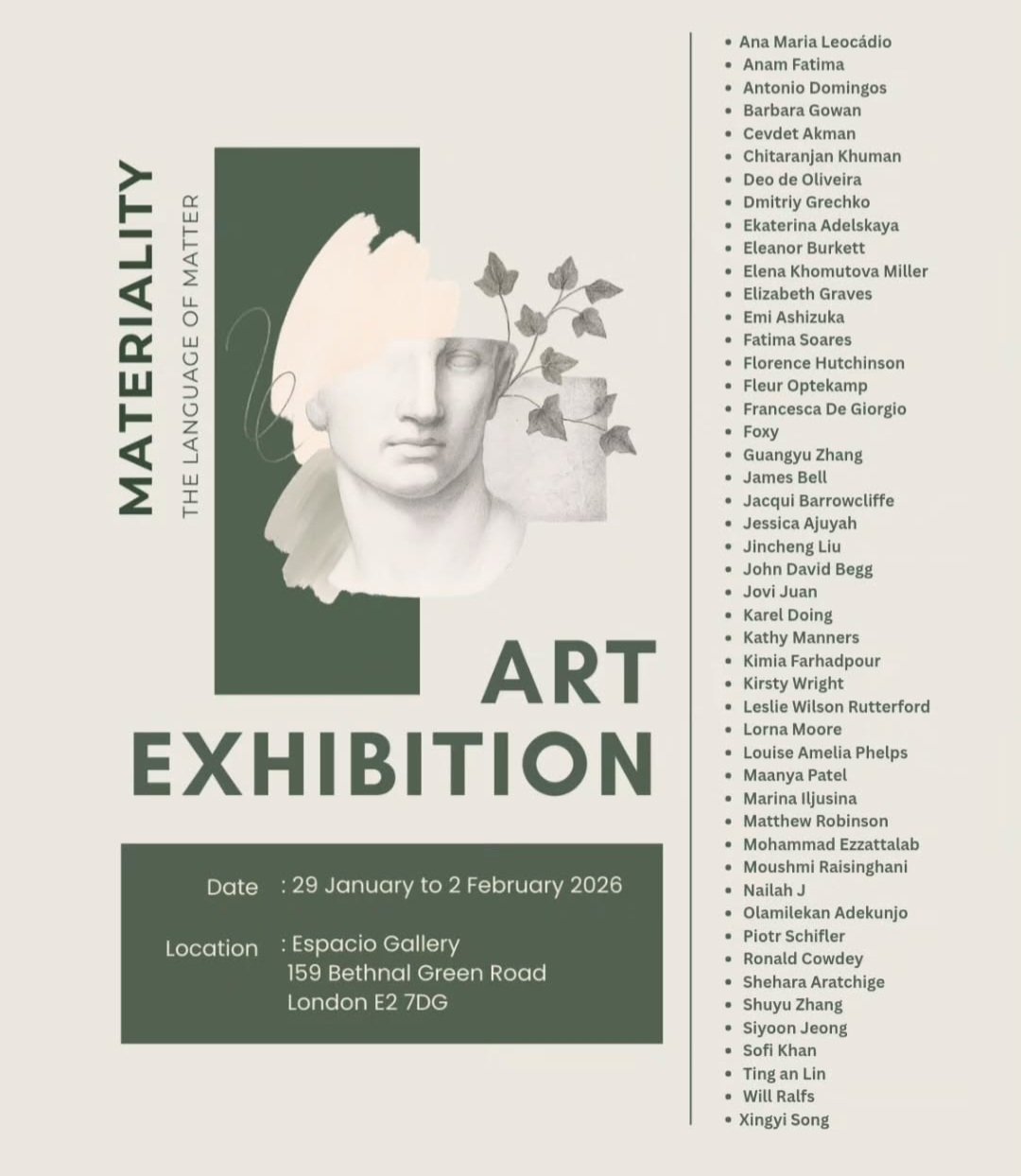
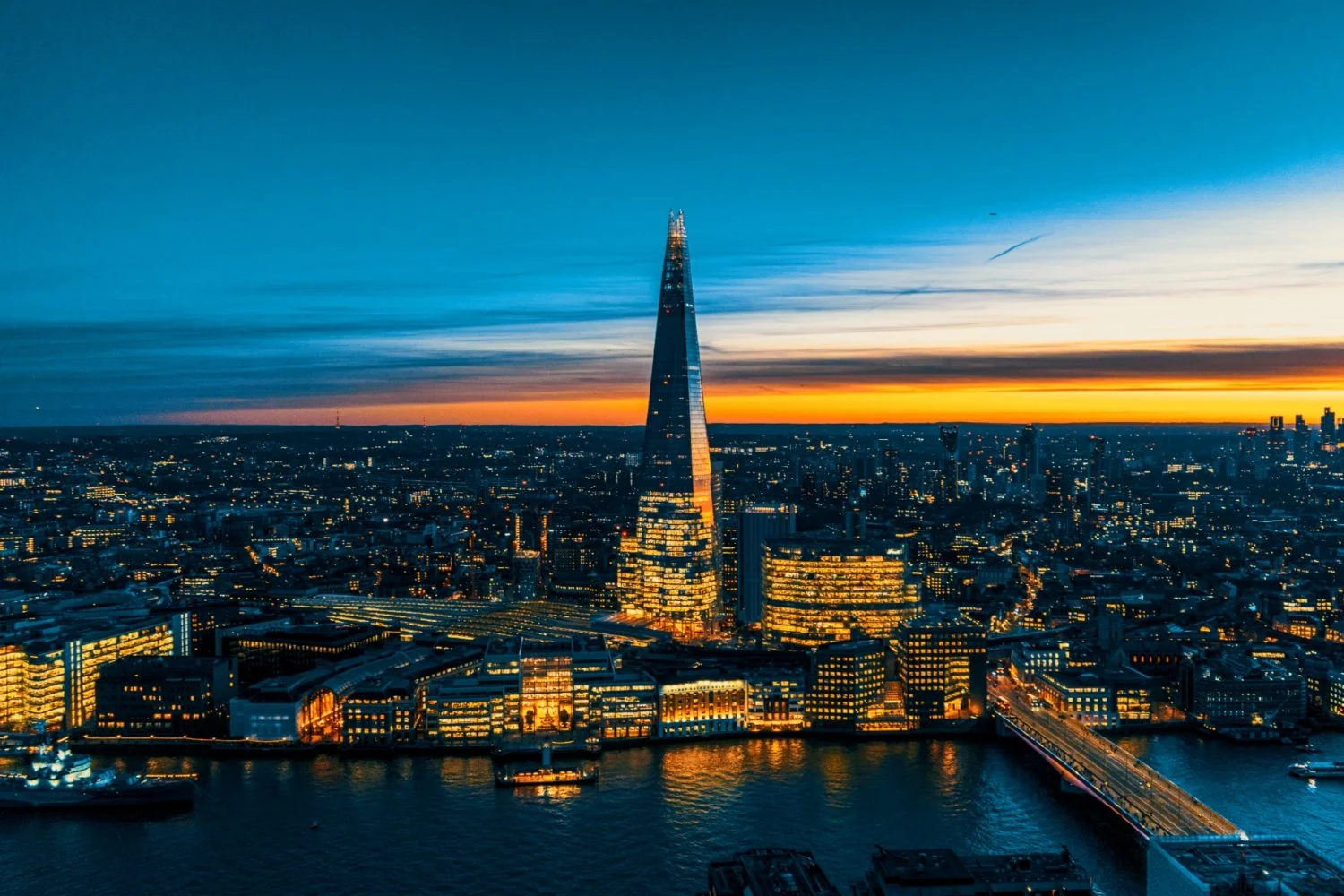
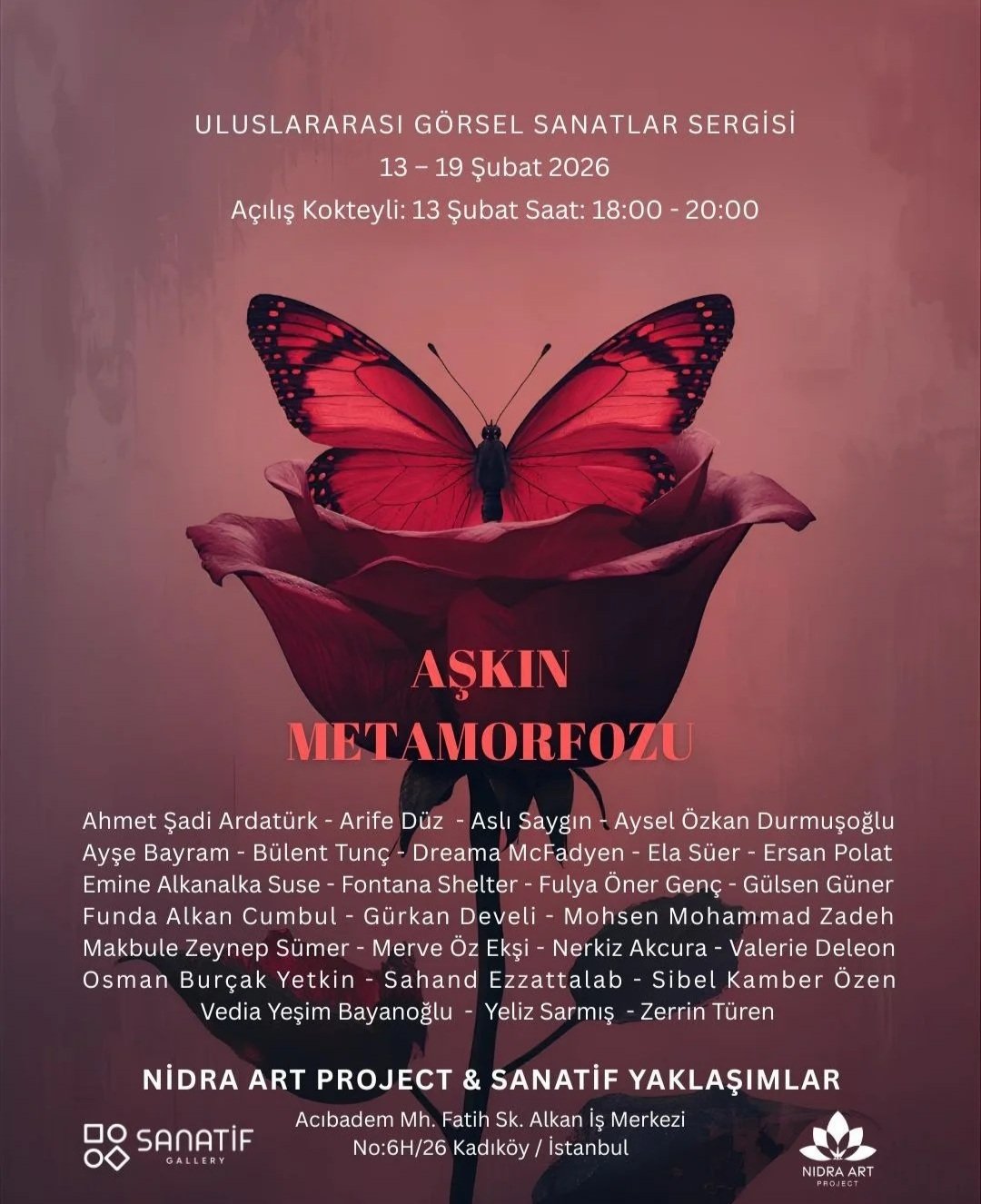
“I have participated in selected exhibitions on London ( materiality) and Istanbul (ask) and also collaborative showcases that centered around contemporary urban narratives and social commentary. These experiences allowed my work to enter dialogue with diverse audiences and critical spaces. Exhibiting my work has reinforced my belief that photography is not only about representation — it is about confrontation. The most meaningful responses to my work have come when viewers felt unsettled yet reflective.”
Website: Sahandphotography.com
Instagram: @Sa.uk__documentary