
Interview
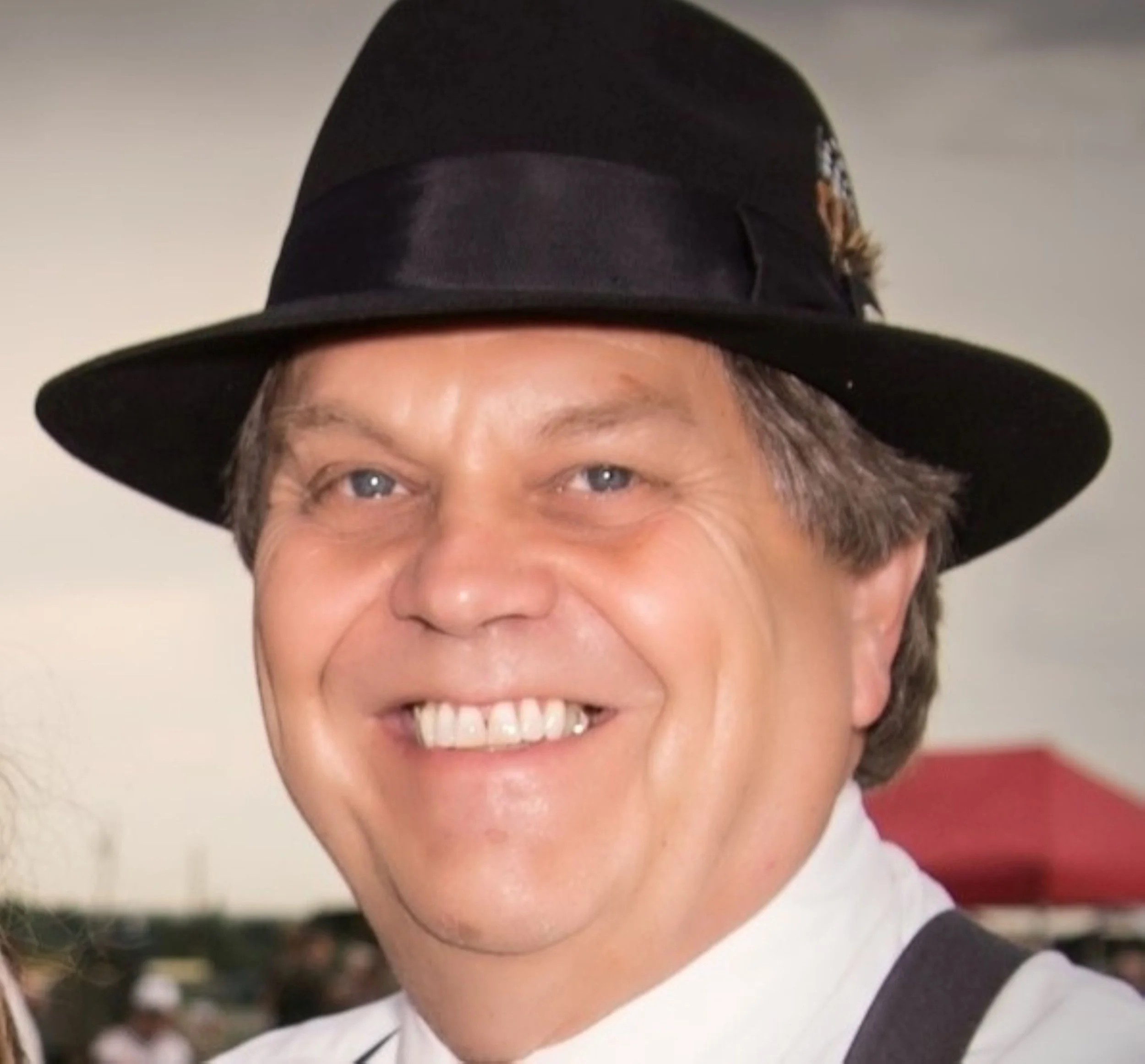
Michael Still
Michaela is a photographer and artist specializing in landscape and automotive imagery. In business since 1980, he brings a storyteller’s eye to every frame—capturing the character of places, machines, and moments with clarity and intention. Alongside his exhibited work, he offers commissioned location photography, creating custom visual narratives shaped to each client’s need
What is your background and how did you start your journey in the art world?
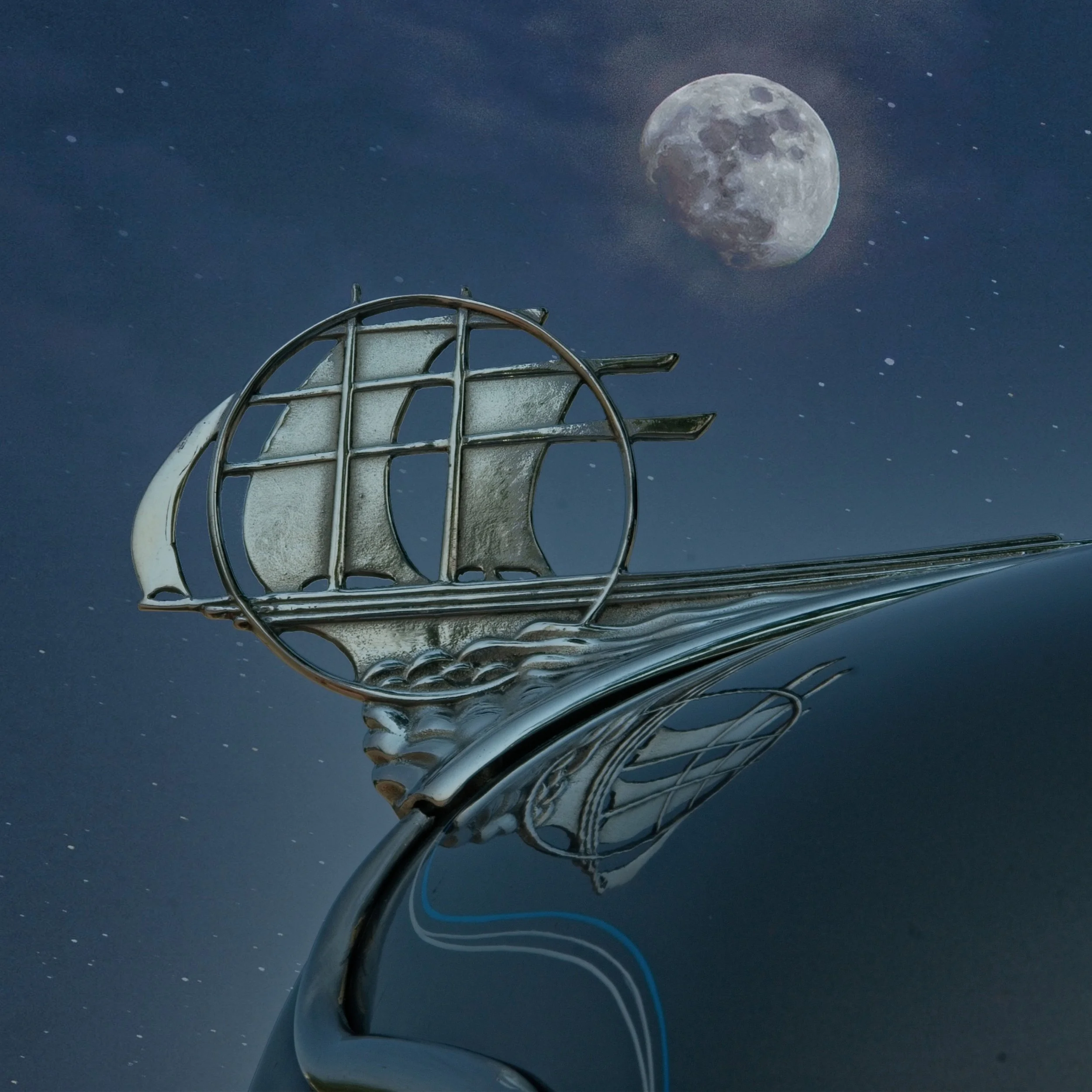
“I started with a Crayola on a kitchen wall. My art continued through school. An art teacher inspired me and opened me to art, art history, every type of media. I began to get paid for lettering cars and trucks, designing stage sets, designing posters, and even producing an lightshow. In the real world, I started working in marketing and sales. I traveled north America, Canada and Mexico. I was able to experience different cultures and art from my travels. I was still drawing and painting until I bought an Olympus OM10. This changed my world and help me develop my own vision and over time some advertising, and sports projects came to me. I was doing a lot of local photography. Around 1980, I was selling some images, so I began doing local festivals and shows. I happened to get a photo project from Texas to photograph a very rare automobile, more automotive work was coming and is still much of my work. Then came photoshop. That was a real change. I was able to make images that were in my mind with few limits. That’s where we are today.”
What inspires you?
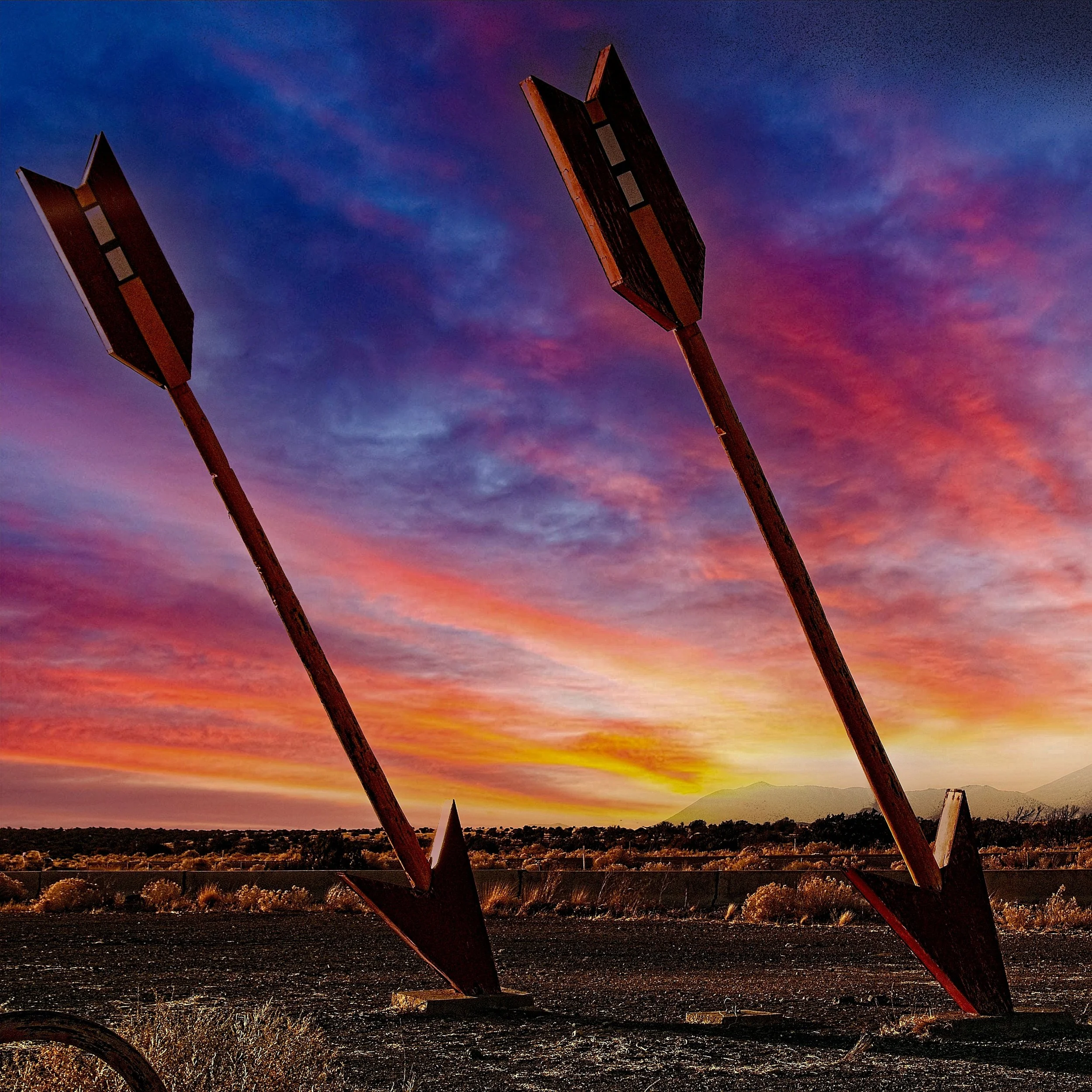
“Being born in the west, the big skies and landscape are endless. The scale of the west is amazing. We made two trips rafting the Grand Canyon and each one is are spiritual events. Scuba diving opened an incredible experience that is much like living in another world. I could go on about those inspiring places and people we have experienced.”
What themes do you pursue? Is there an underlying message in your work?
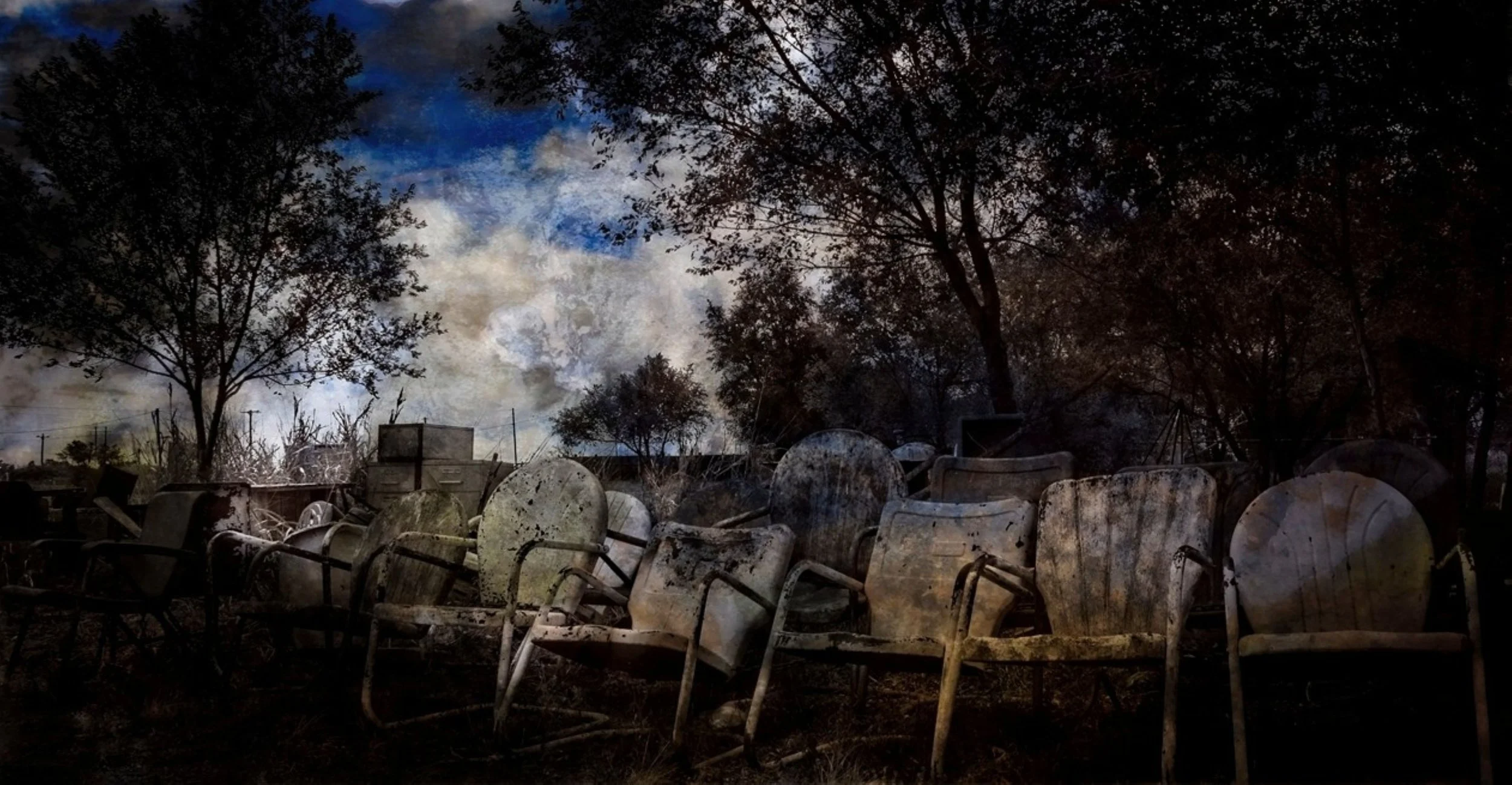
“The themes are driven by my natural curiosity. Most of my photos are of inanimate objects and places. I will see an abandoned car building, I wonder who owned it and what is the story? Ghosts of west Texas is an example. It's a uneven row of old metal chairs along the main street of a small town. I walked among them and wondered who sat there. I took time to sit in each chair and sense the people that used them. The light was not very good, but the connection to the past stories was the there. A four hundred mile drive gave me time to think about how to animate the scene. The editing got what I was after. It's still a favorite and I feel the connection.”
How would you describe your work?
“As I travel, I may spend time visiting locals and asking for memories. If I can get something from an owner. that is a help. So much of the finished work is a series of experiments to reach and communicate memory. It is a slowing down, taking fewer images and giving a lot of thought.”
Which artists influence you most?
“Ansel Adams, Georgia O Keefe, Van Gogh, Johm Fielder, Michael Turner, Manray, Diane Arbus, Walker Evans Edward Weston.”
What is your creative process like?
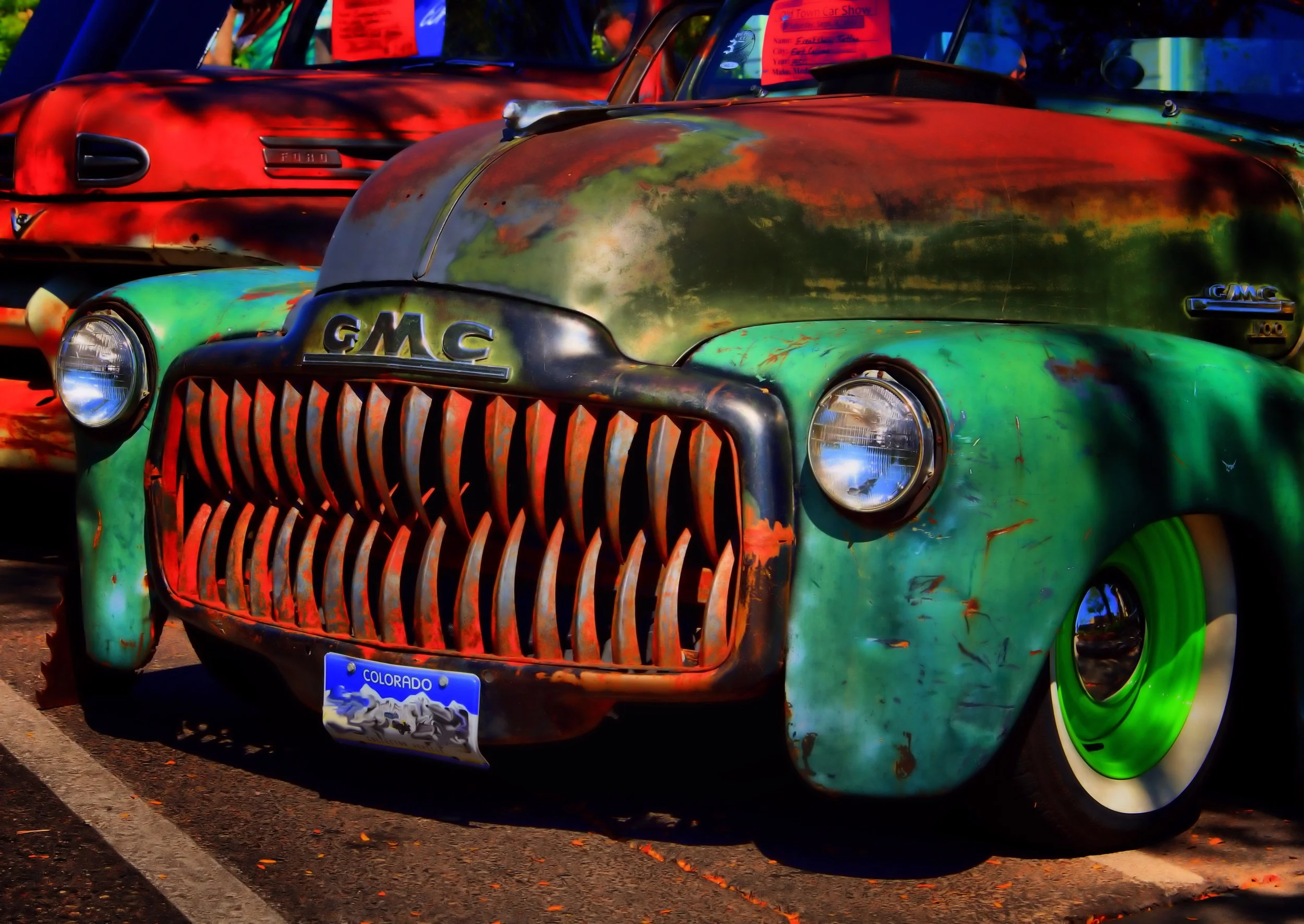
“It starts in the field traveling through small towns. I often grid the town looking for something I find interesting. The process is more of a feeling of a possible story. Sometimes not mush interessts me, but the memorble ones knock me out. A good example is Ghosts of West Texas. Its a row of old metal chairs in a rough row on Main street. They really had a pull on me. I spent time sitting in all of the chairs, imaging stories of this town. The time of the day wasn't the best to photograph. I left with pretty unexceptional images. I spent the next 400 miles trying to decide what to do. The studio gave me a chance to rework the image as if every one just left town. This is a rough process, but it is one of my favorites. I can still look at it and visit with the ghosts.”
What is an artist’s role in society and how do you see that evolving?
“Art has always anticipated what is coming next. As far as a role in society, it's important to be aware of the shifts occurring. I support a number causes important to me, Pollution, Indigenous people, and the disadvantaged members of our society. My advice is learn about the thing you care about, and translate it into action.”

Have you had any noteworthy exhibitions you'd like to share?
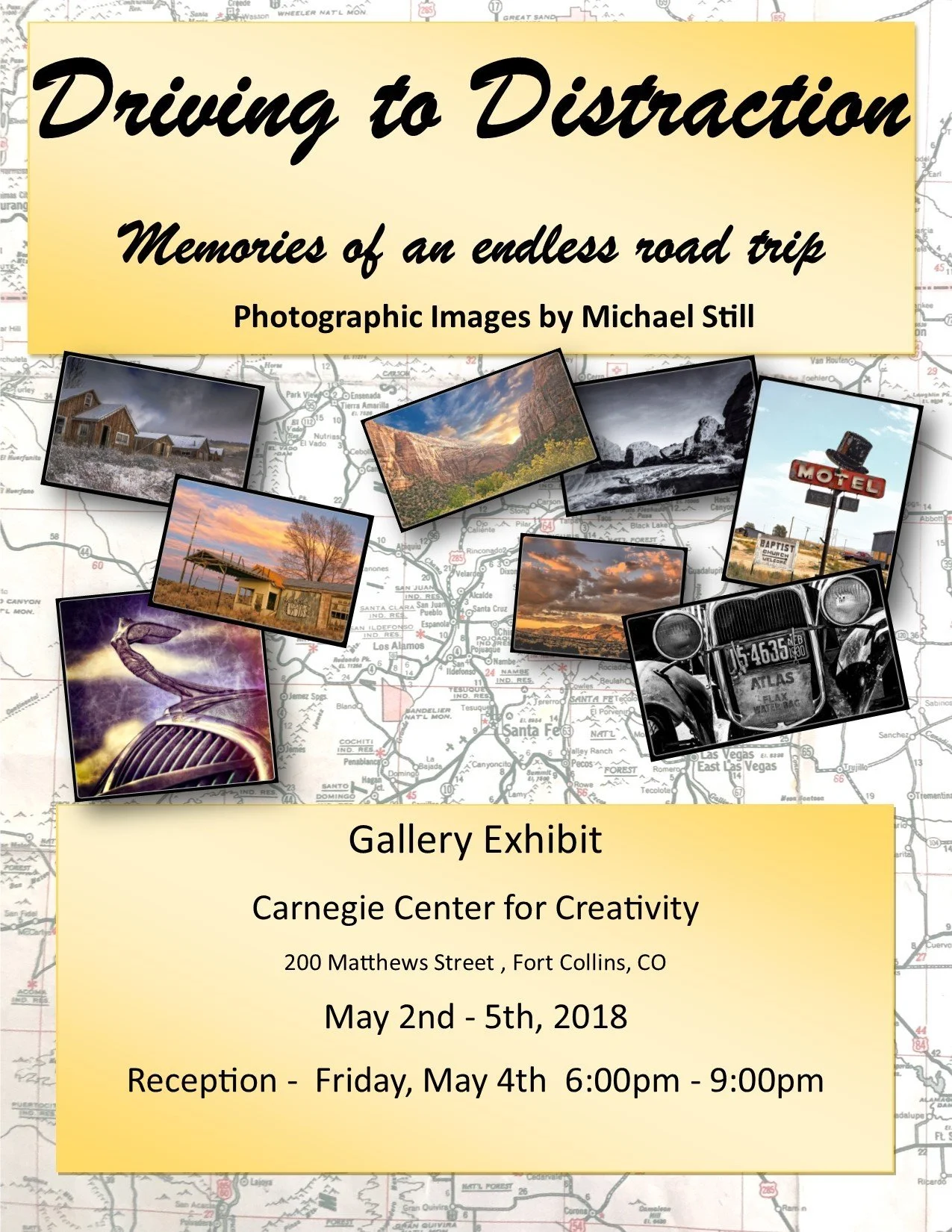
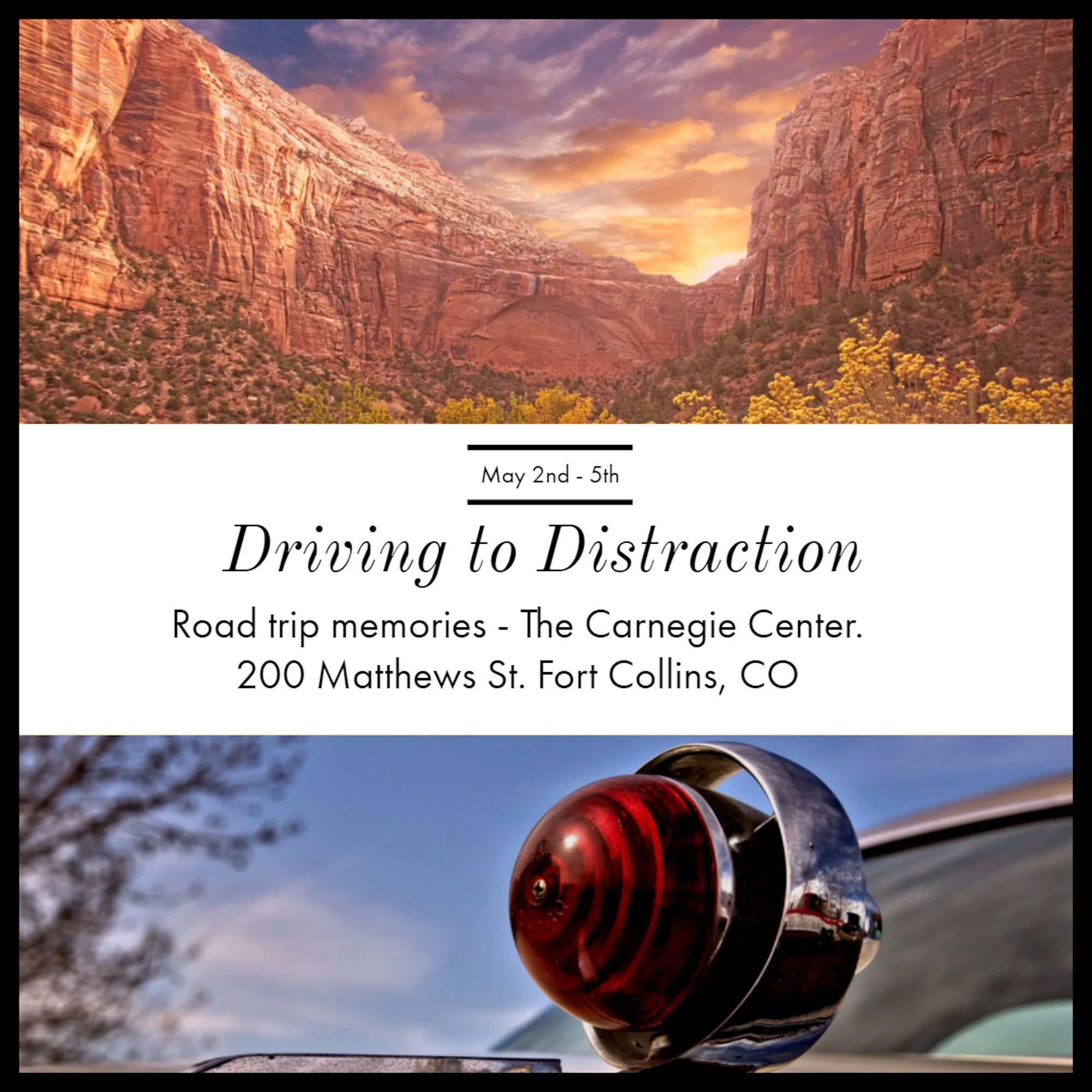
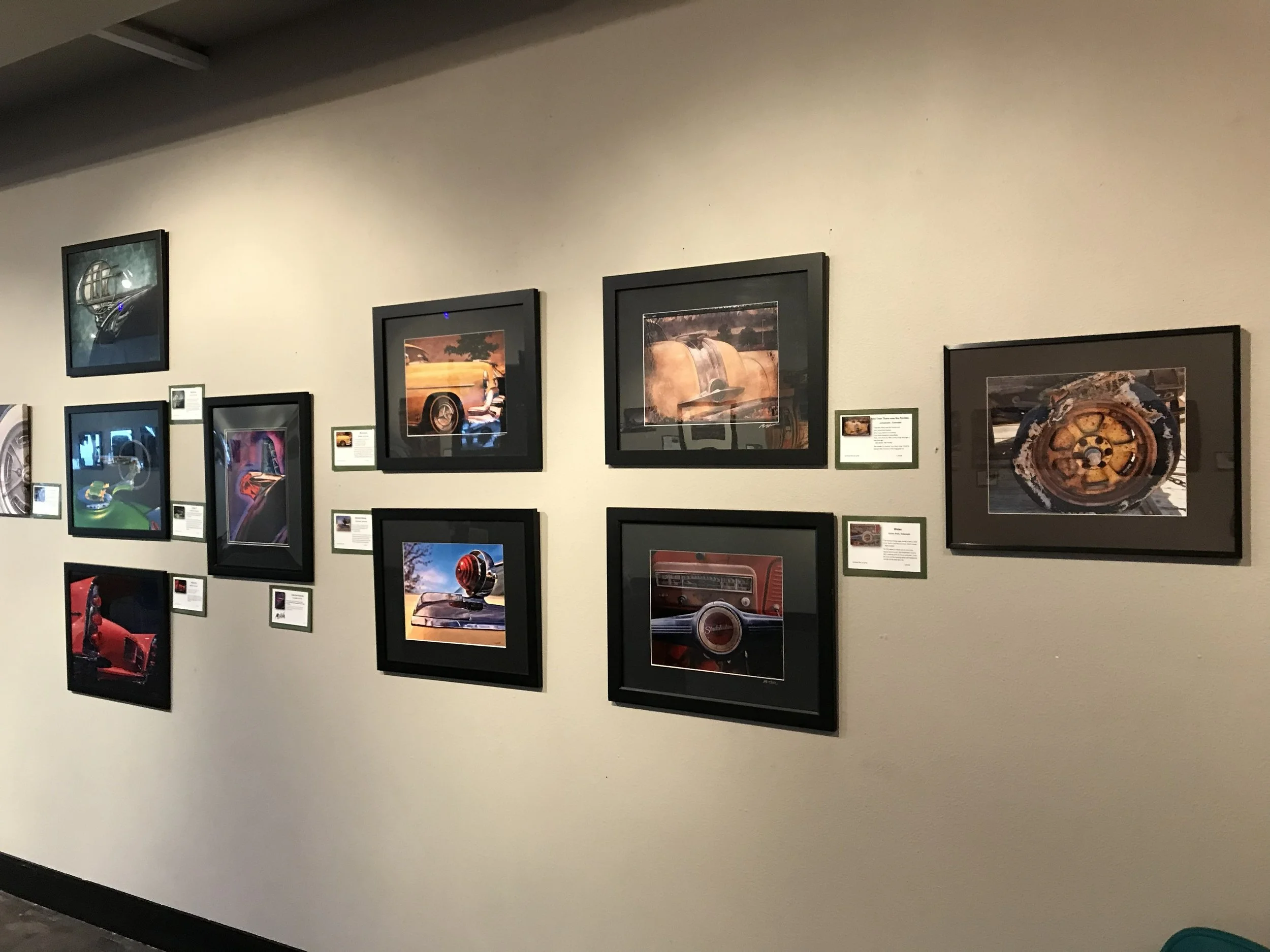
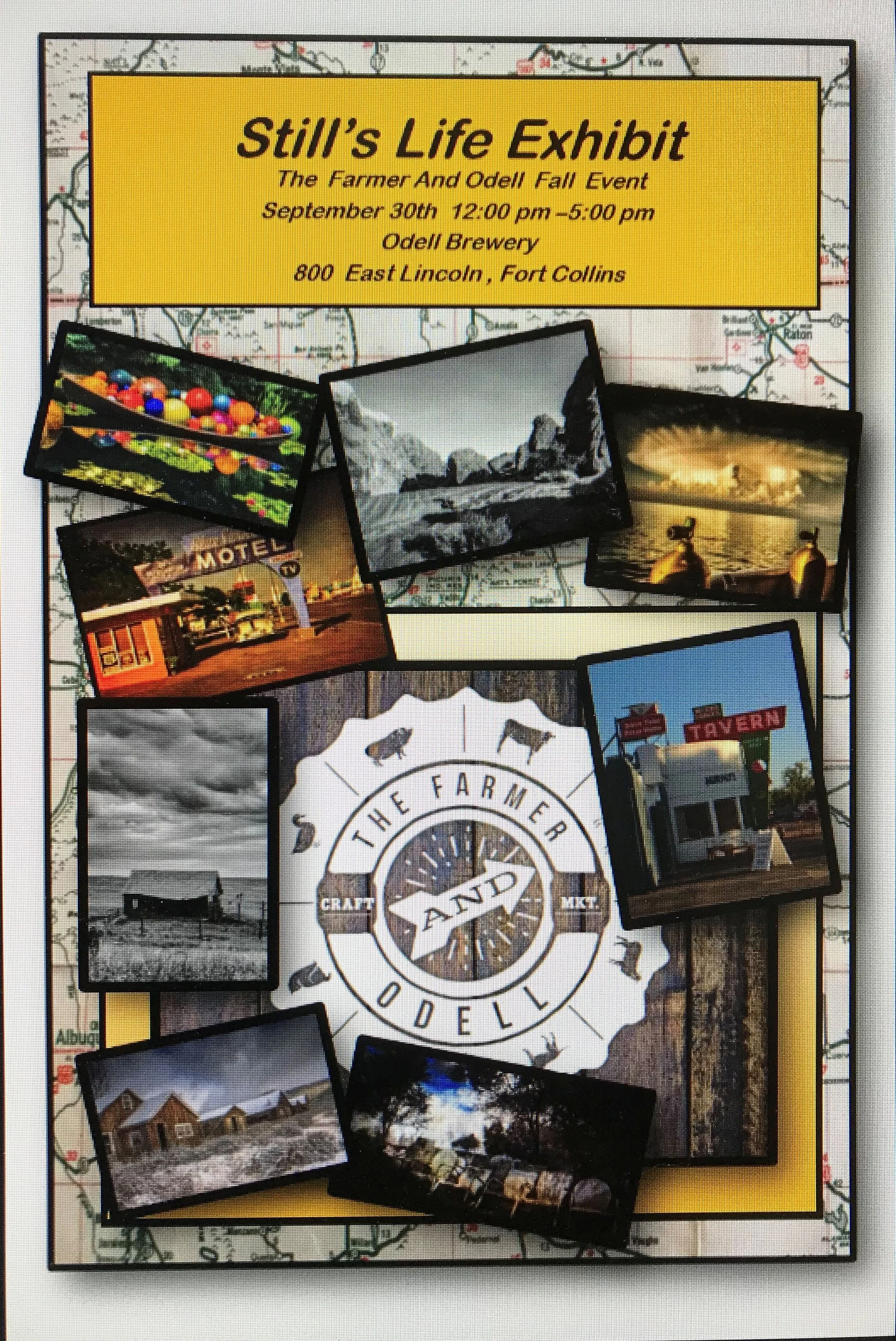
“I've had shows in Colorado and Utah. Usually it is a request from a local gallery or business. The LosAngeles Center for digital Art showed bit of my work I had a show at the Carnegie Creatve center in Fort Collins. I have work published in Bokeh magazine and work in Carte Postal, an issue of original postcard design.”