Interview
Michèle van de Roer
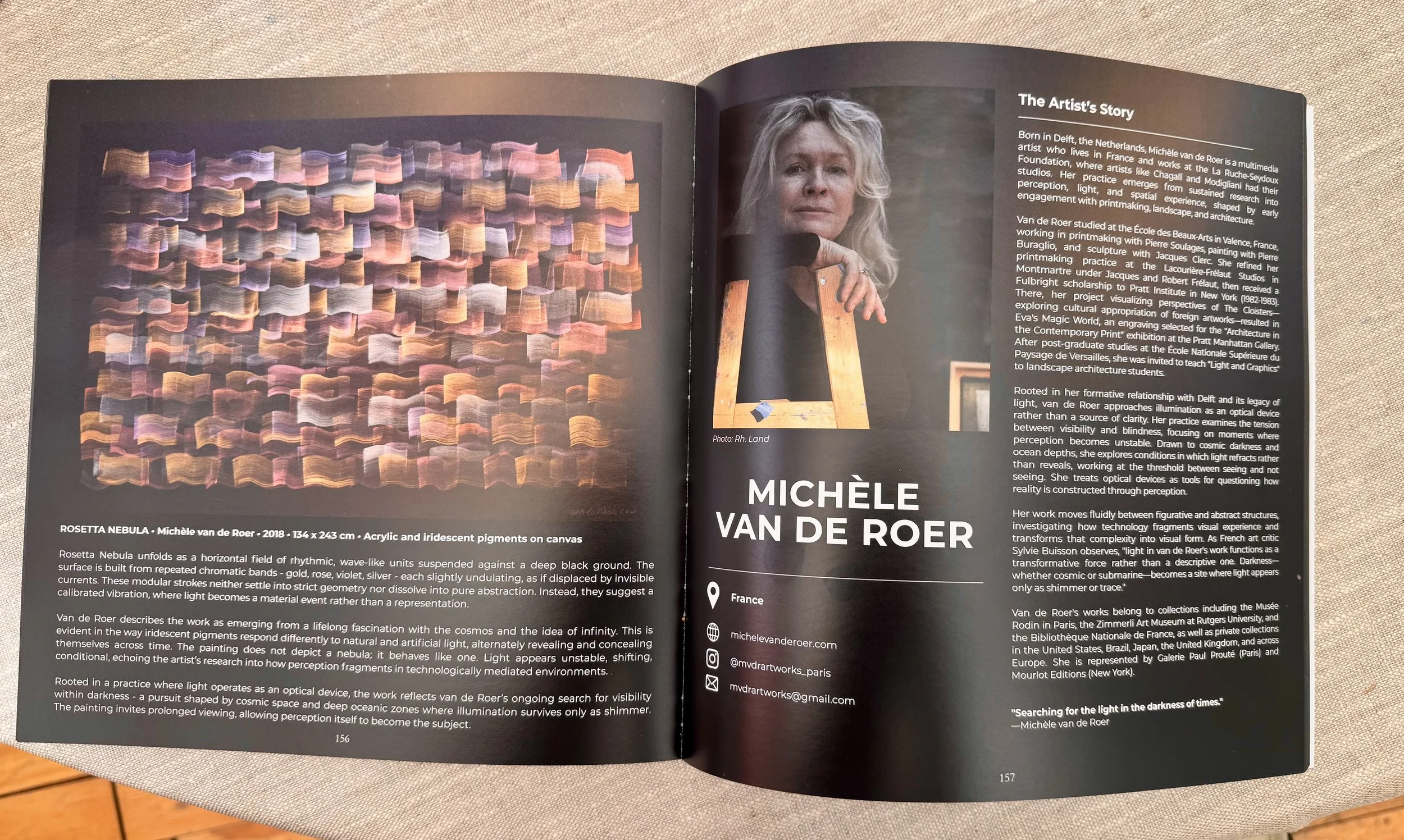
Born in Delft, the Netherlands, Michèle van de Roer is a multimedia artist living in France and working at the La Ruche- Seydoux Foundation art studios. Her practice is grounded in sustained research into perception, light, and spatial experience, developed through early engagement with printmaking, landscape, and architecture. Van de Roer studied at the École des Beaux-Arts in Valence, France, working in printmaking with Pierre Soulages, painting with Pierre Buraglio, and sculpture with Jacques Clerc. She further refined her printmaking practice at the Lacourière-Frélaut Printmaking Studios in Montmartre under the guidance of brothers Jacques and Robert Frélaut. A Fulbright scholarship brought her to Pratt Institute in New York (1982-1983), where her project visualizing perspectives of The Cloisters—exploring cultural appropriation of foreign artworks—resulted in Eva's Magic World, an engraving selected for the "Architecture in the Contemporary Print" exhibition at the Pratt Manhattan Gallery.
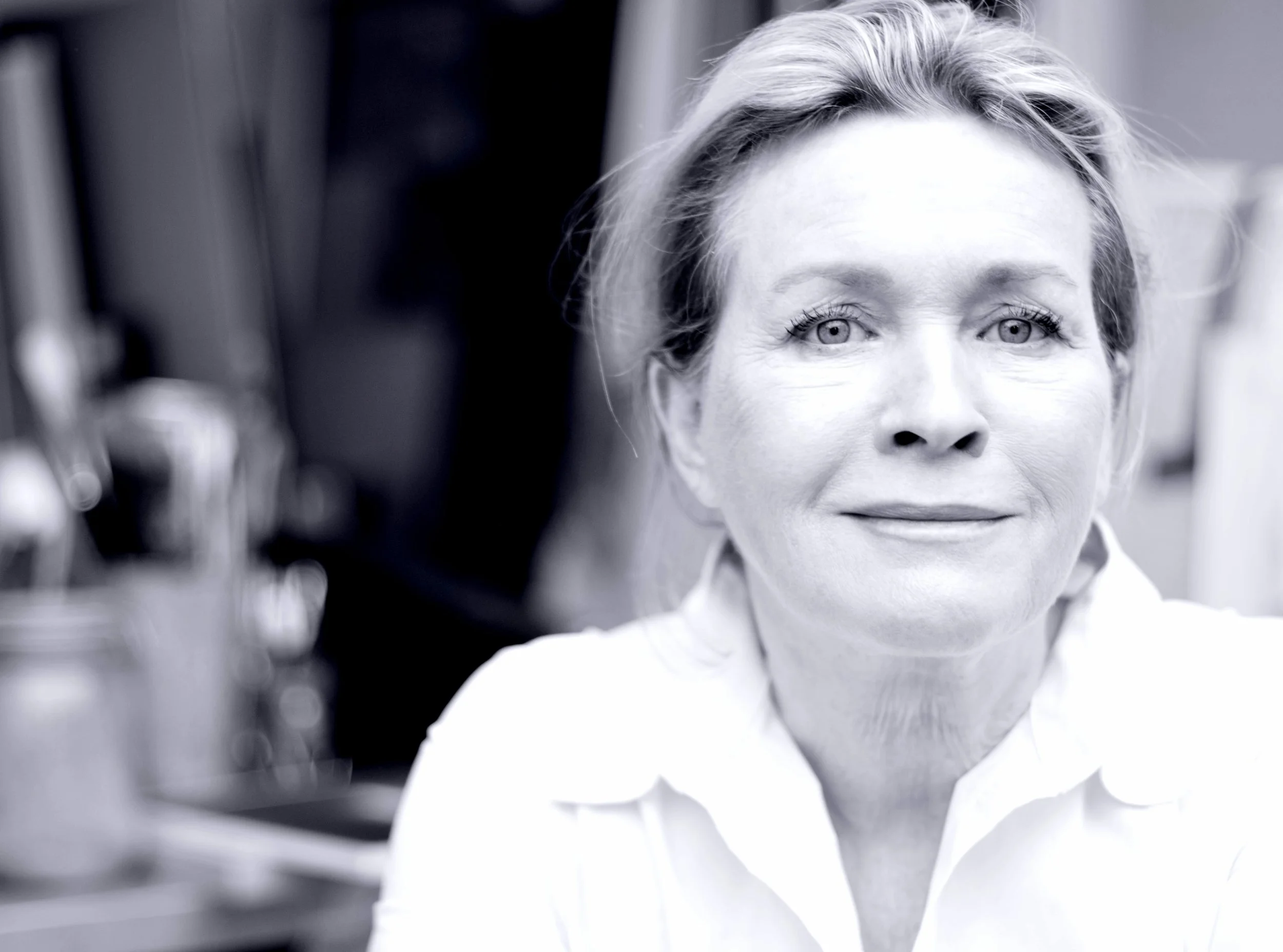
Picture taken by Rh.Land
After post-graduate studies at the École Nationale Supérieure du Paysage de Versailles, she was invited to teach "Light and Graphics" to landscape architecture students. Her work reflects on space and the perception of nature, moving fluidly between figurative and abstract structures. Across evolving series and media, she investigates how technologically mediated environments fragment visual experience, translating complexity into visual systems. Rooted in her formative relationship with Delft and its legacy of light, van de Roer approaches illumination as an optical device rather than a source of clarity. Her practice examines the tension between visibility and blindness, focusing on situations where perception becomes unstable. Drawn to cosmic darkness and ocean depths, she explores conditions in which light refracts rather than reveals. Working at the threshold between seeing and not seeing, she treats optical devices as tools for questioning how reality is constructed through perception. As French art critic Sylvie Buisson observes, “light in van de Roer's work functions as a transformative force rather than a descriptive one. Darkness—whether cosmic or submarine—becomes a site where light appears only as shimmer or trace.” Her works belong to public and private collections, including the Musée Rodin in Paris, the Zimmerli Art Museum Collection at Rutgers University, and the Bibliothèque Nationale de France, as well as private collections in the United States, Brazil, Japan, the United Kingdom, and across Europe. She is represented by Galerie Paul Prouté (Paris) and Mourlot Editions (New York).
“Searching for the light in the darkness of times.” —Michèle van de Roer

What is your background and how did you start your journey in the art world?
“I was born and grew up in an old house on a canal in Delft, Netherlands, with first visual souvenirs of seeing sunlight playing on the high ceiling in my toddler bedroom and seeing my father drawing at his desk as an architect. Besides I was fascinated by the moon and stars on this black velvet universe which I could watch sitting next to the big windows for hours at night. It might have initiated my wish as a 10-year-old to be an astronaut. My parents told me that when I was 4/5 years old, I was drawing perspectives already. I loved drawing and painting which never left me. Many years later after having obtained a Fulbright scholarship to New York, in visual arts, the shift was enormous and I realized there was ‘another’ world or planet, completely different than mine, which I discovered, and which transformed my life for always. In a way, I found the experience of watching the universe which seemed endless to me as a child, back in my travels and living in New York as if I got to taste quite another fragment from the universe.”

What inspires you?
“Everything which plays a role in the way we see things or perception shaped by our environment and by technology. The influence of light as when it’s dark we can’t see anymore. The world becomes like a black velvet blanket without sound. Light seems to bring sound as well for an unknown reason. I am influenced by nature and its underlying structures as they are fascinating to me but also by cultural appropriations as when traveling I discovered how many art works had been taken away (or sometimes stolen) from their original home places to be displayed somewhere else. I also wondered how much we are influenced by Old Masters or painters we like or dislike. And how much our work shows that heritage or the ‘stolen part’ of it.”
What themes do you pursue? Is there an underlying message in your work?
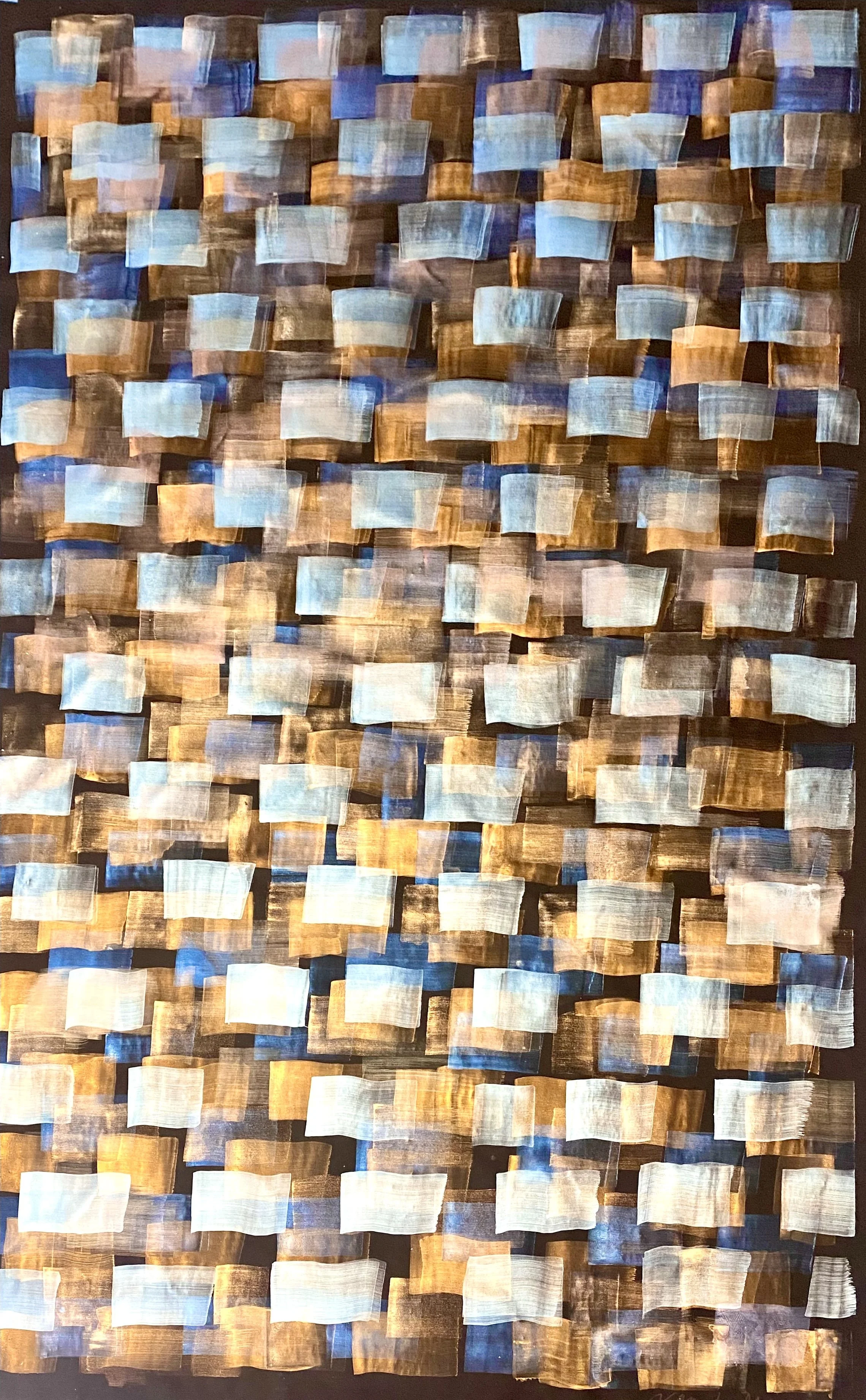
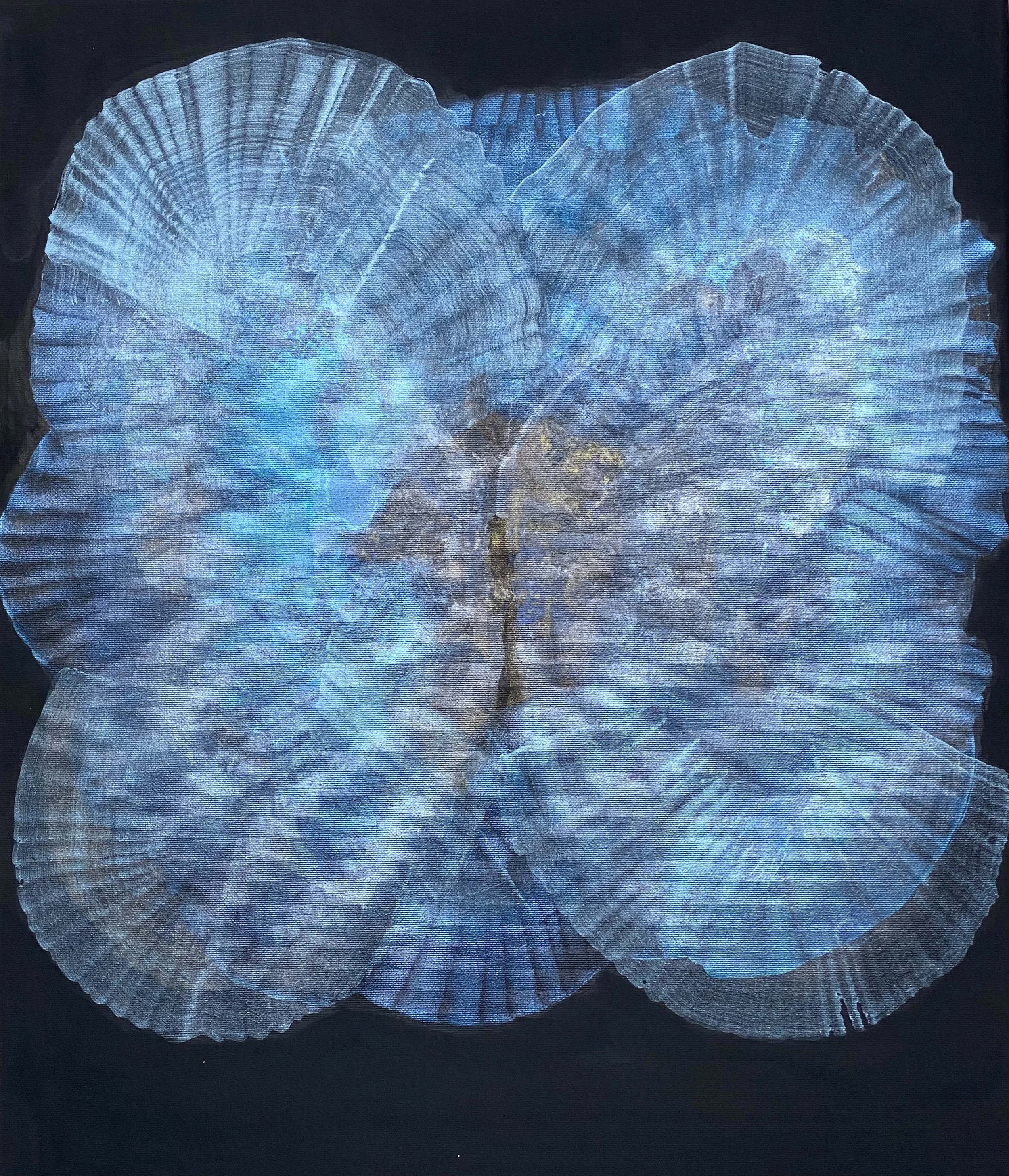
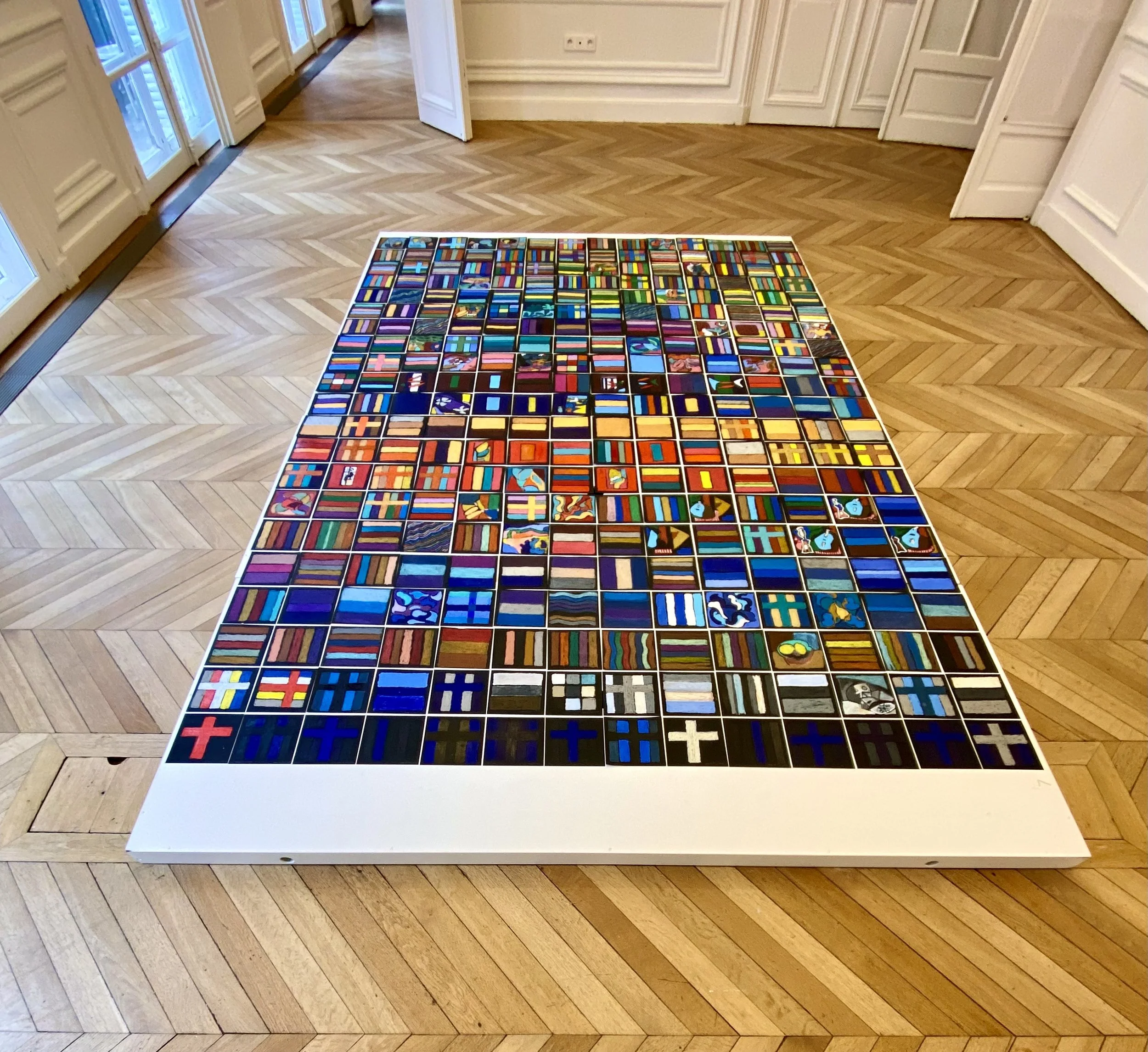
“My themes are often inspired by nature. It can be about sea anemones to tell the underlying story about the ocean’s pollution and how it affects life under seas and our lives. It can be about the universe where planets play around our earth or about another subject matter which keeps me busy which is cultural appropriation in any way. I can make figurative works as well as abstract ones. A theme which often recurs is called ‘The Infinite Plate’ which describes series in printmaking where I use one matrix and I print endless combinations with just one plate. To suggest that one could make eventually a whole artist life around one sole plate. Or when Covid was keeping us isolated, I painted one little work each day, same format, inspired by all the painters I liked. I took some of the fragments of their paintings I really liked and at the end I collected 365 works/days which became installed on a floor like a huge rug. It had become an enormous work at the end. The underlying message was: one can repeat working on a same small format every day for an endless period of time and watch it become an endless infinite work. But also the little bit of ‘stolen fragments from the Old Masters’ I was looking at in my art books every day.”

How would you describe your work?
“The production of a frantic passionate person who is always trying to reinvent herself. I would say that one can see very different series made over the years but even though they might seem very different from each other, at the end there is a link between them. But at first sight one could think: is this the same artist who made those different series? But when you look at Picasso he had such different works and periods that it’s amazing. We have much more oversight as Picasso is the past so you can look back on it. But when you are an artist today and changing styles, people are upset with that. But that does not bother me at all.”
Which artists influence you most?
“I think Johannes Vermeer, Pierre Soulages (for his black paintings and prints) Gerard Richter, Gauguin, Matisse, Degas (for his monotypes) Picasso, Odilon Redon, Hokusai among many more others.”

What is your creative process like?
“I have the chance of being able to live half the time in my studio which is a place that gives me inspiration, ideas, energy and well being because it’s peaceful. I often go to sleep in my loft bed above my art and get up at night to see what has to be done more. So I’m really involved with the creative process and most of the time the difficulty is is how and when to stop.”
What is an artist’s role in society and how do you see that evolving?
“I believe the artist ‘s role in society is of enormous importance. A society without art is a dead society. Art is part of the culture and if there is none, there will not be a heritage or survival. Artists are the barometer of what is going on in our society.”
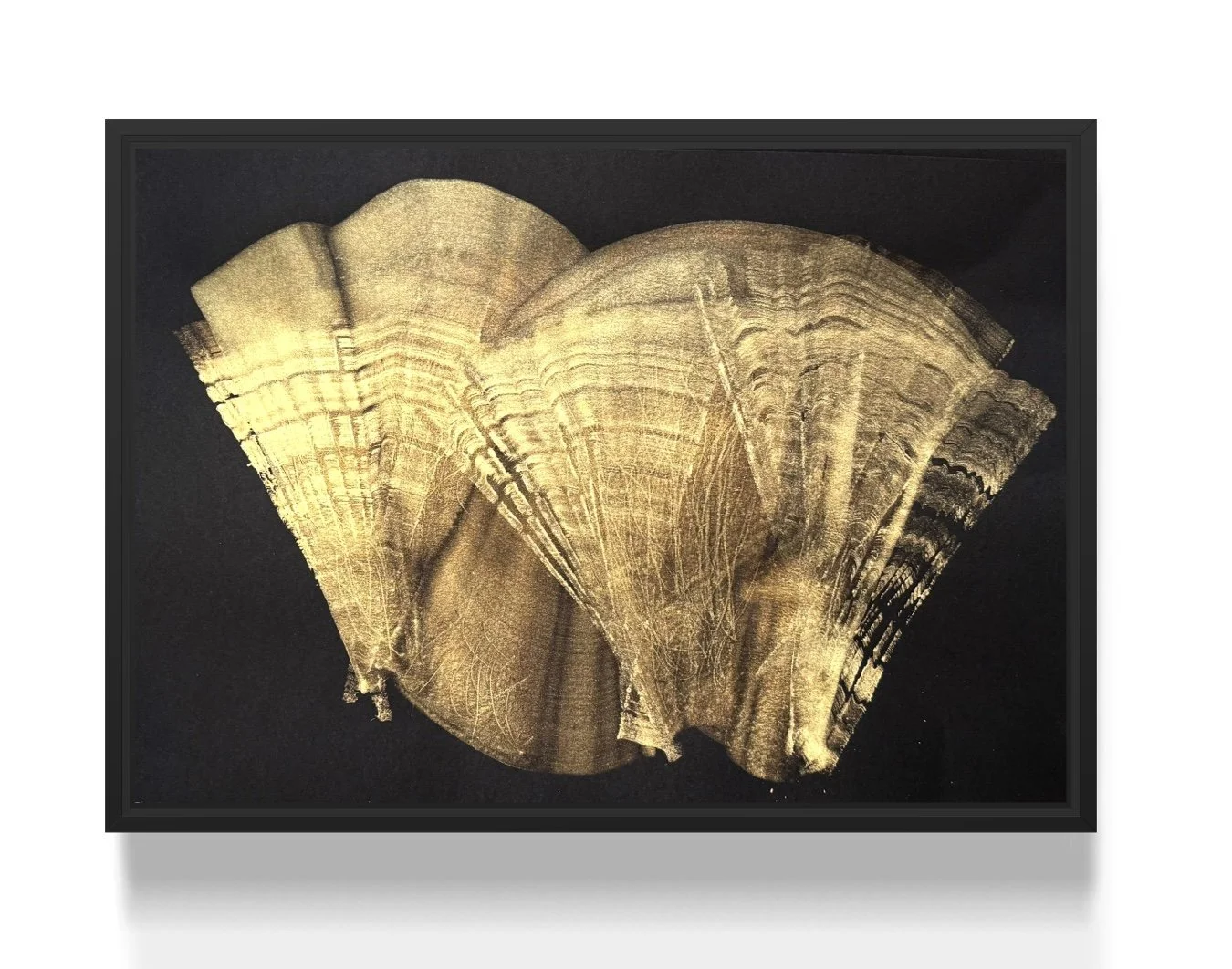
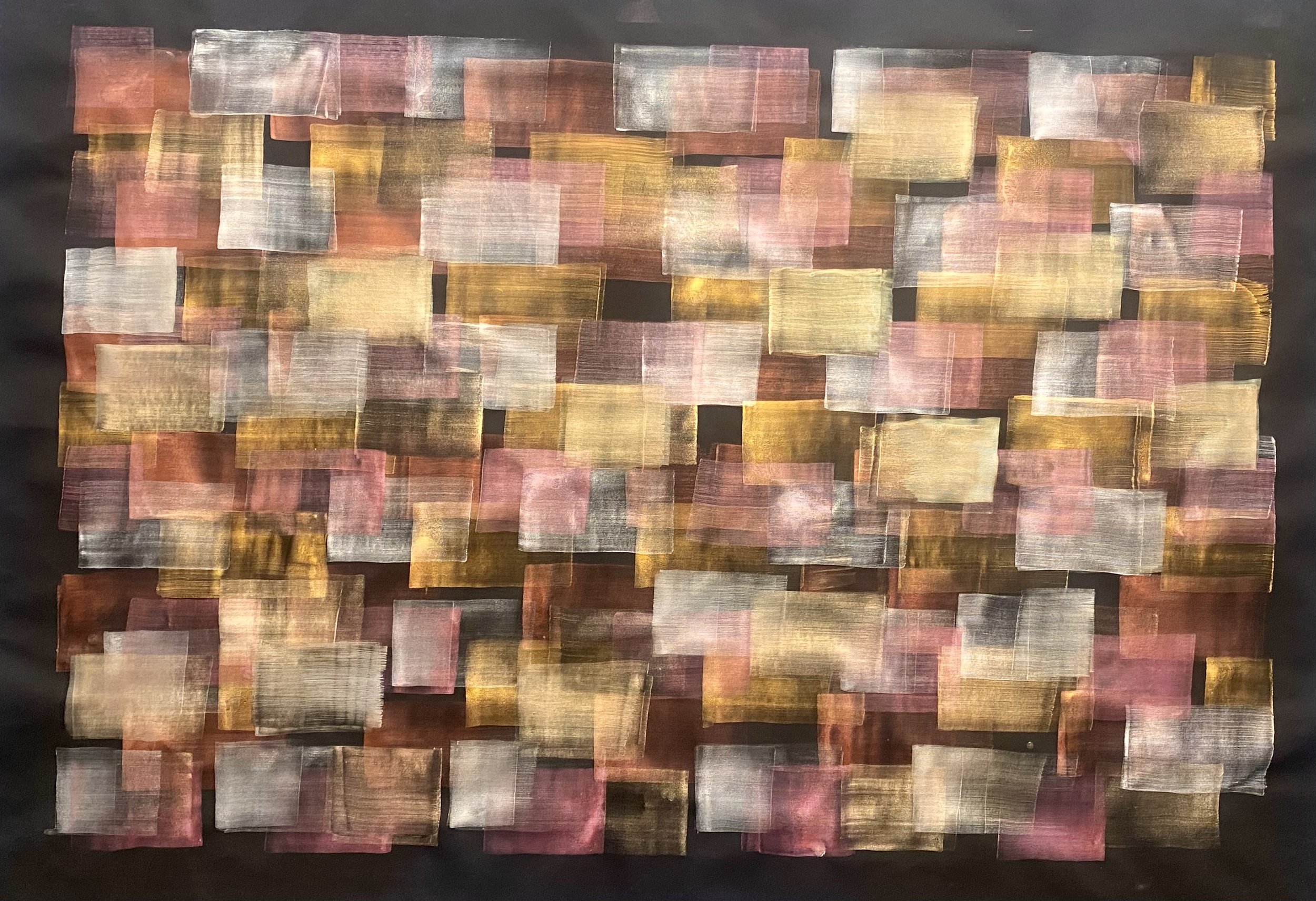

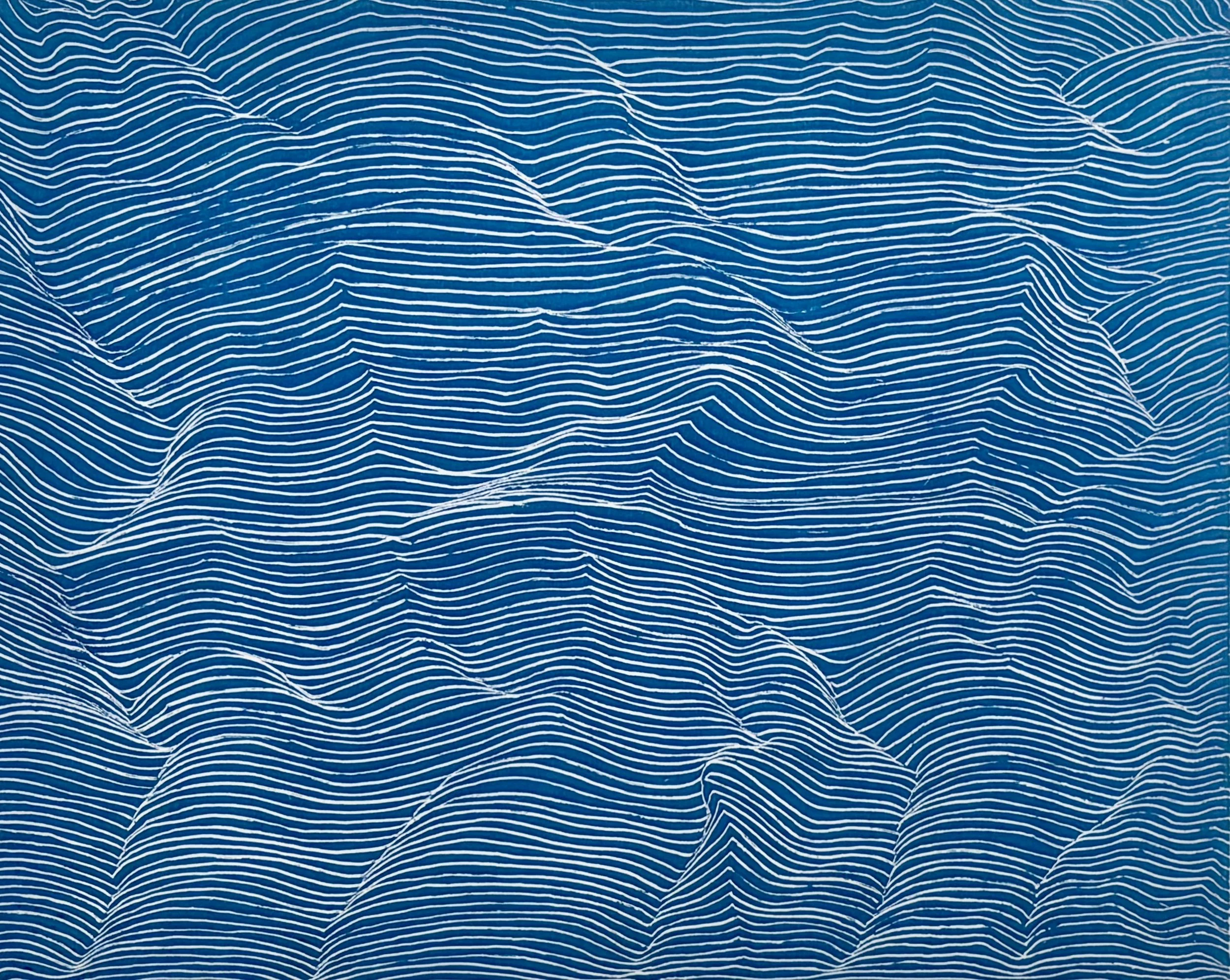
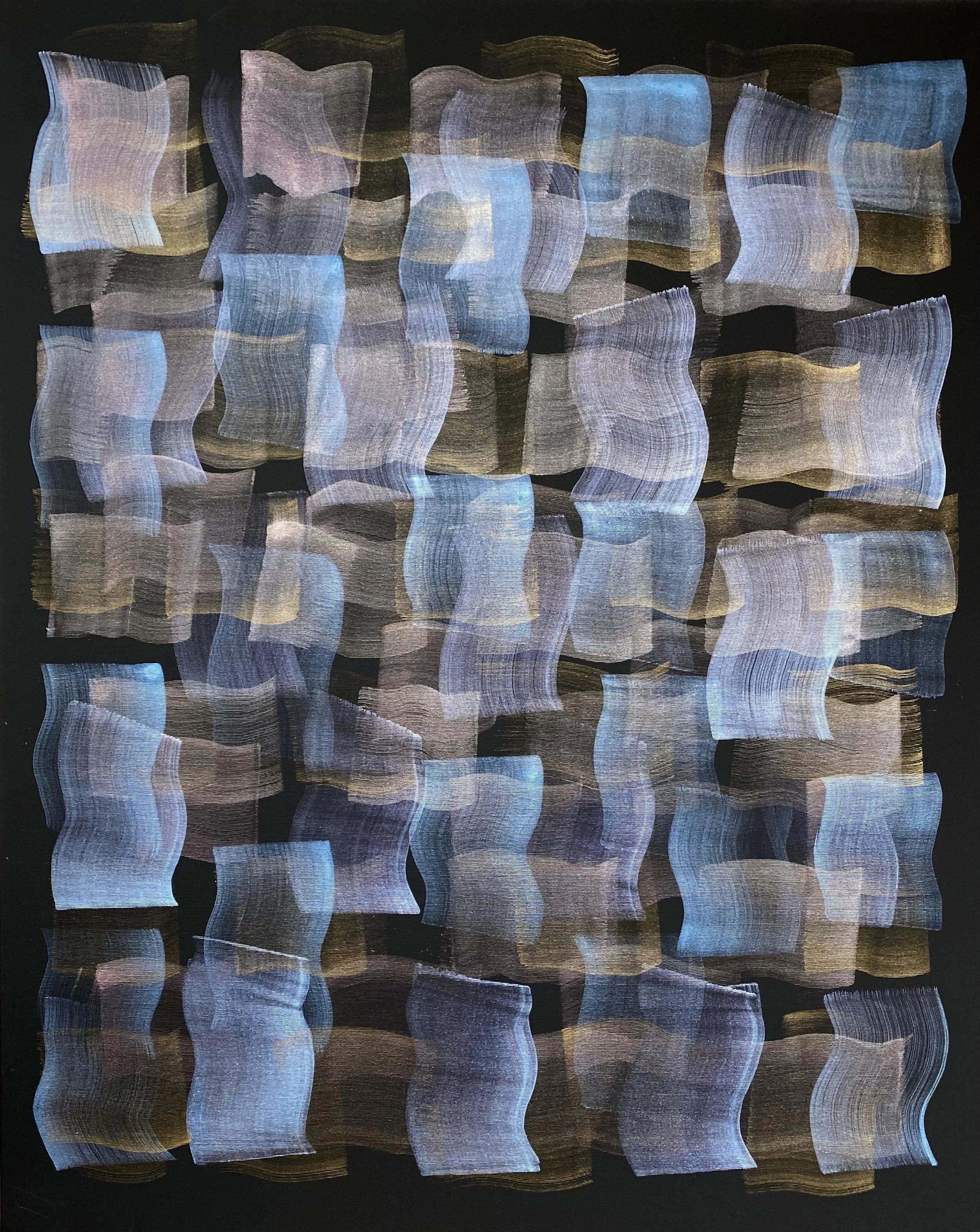
Have you had any noteworthy exhibitions you'd like to share?
“Let me start with one of my own ones in 2021 when the Dutch cultural Institute now called Atelier Néerlandais, reopened its doors in Paris after the long Covid pandemic. The outburst of creation was incredible and the works shown were very strong works. Other exhibitions I love are the Inhotim Sculpture park in Brasil which is one of the most fascinating open air museums I have been to or Voorlinden in the Netherlands or I can never get enough of the Louvre Museum or the Rodin Museum with their highlighted shows and permanent collections. The Rodin Museum in Paris bought a series of my works in the year 2000 which was sort of a real highlight for me, to be bought by a museum as well as the Zimmerli Art Museum Collection at Rutgers University in New Jersey who bought my work. An important exhibition was the solo show at Éric Mourlot gallery in New York in 2023. I also want to mention the Gallery Charlotte Norberg at the time as she closed in 2014, who took me to the art fair Drawing Now and threw a beautiful solo show in le Marais and the gallery Brun Leglise who unfortunately also closed in 2014. Today, the gallery Paul Proute located rue de Seine in Paris, represents me permanently and it’s a great gallery. And I really like Chantal Bamberger gallery in Strasbourg (she works together with Gallery Lelong in Paris) who shows my work from time to time. I just had a show in Tokyo last April at the Goto Gallery in Ginza which was a very interesting experience. And all the shows I had in the Foundation La Ruche-Seydoux which are all mémorable to me. Many more group shows but too many to mention them all!”
Website: michelevanderoer.com
Instagram: @mvdrartworks_paris
Other links: www.laruche-artistes.fr
Any queries can be made to: mvdrartworks@gmail.com