Interview
Marish Sarkisova
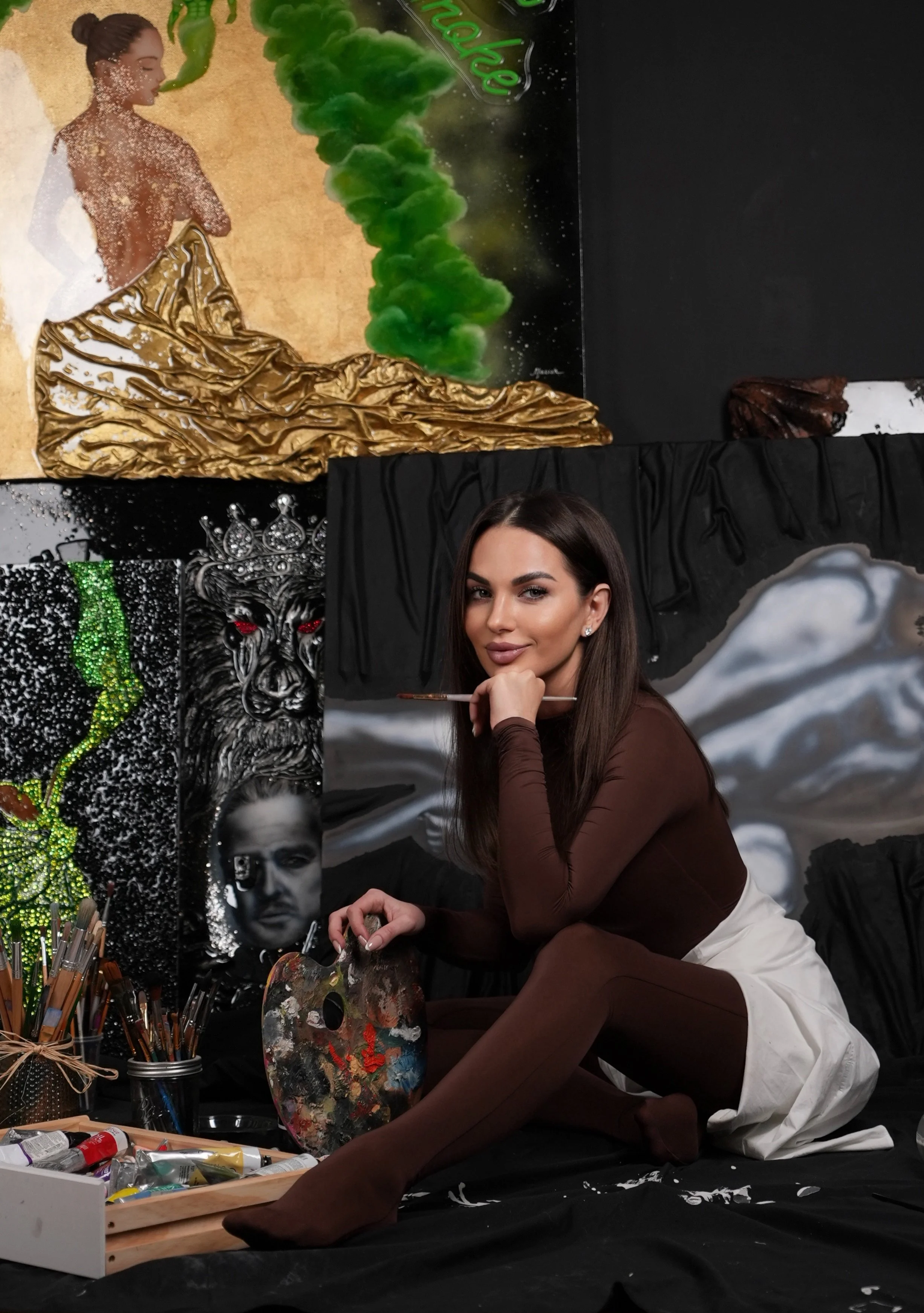
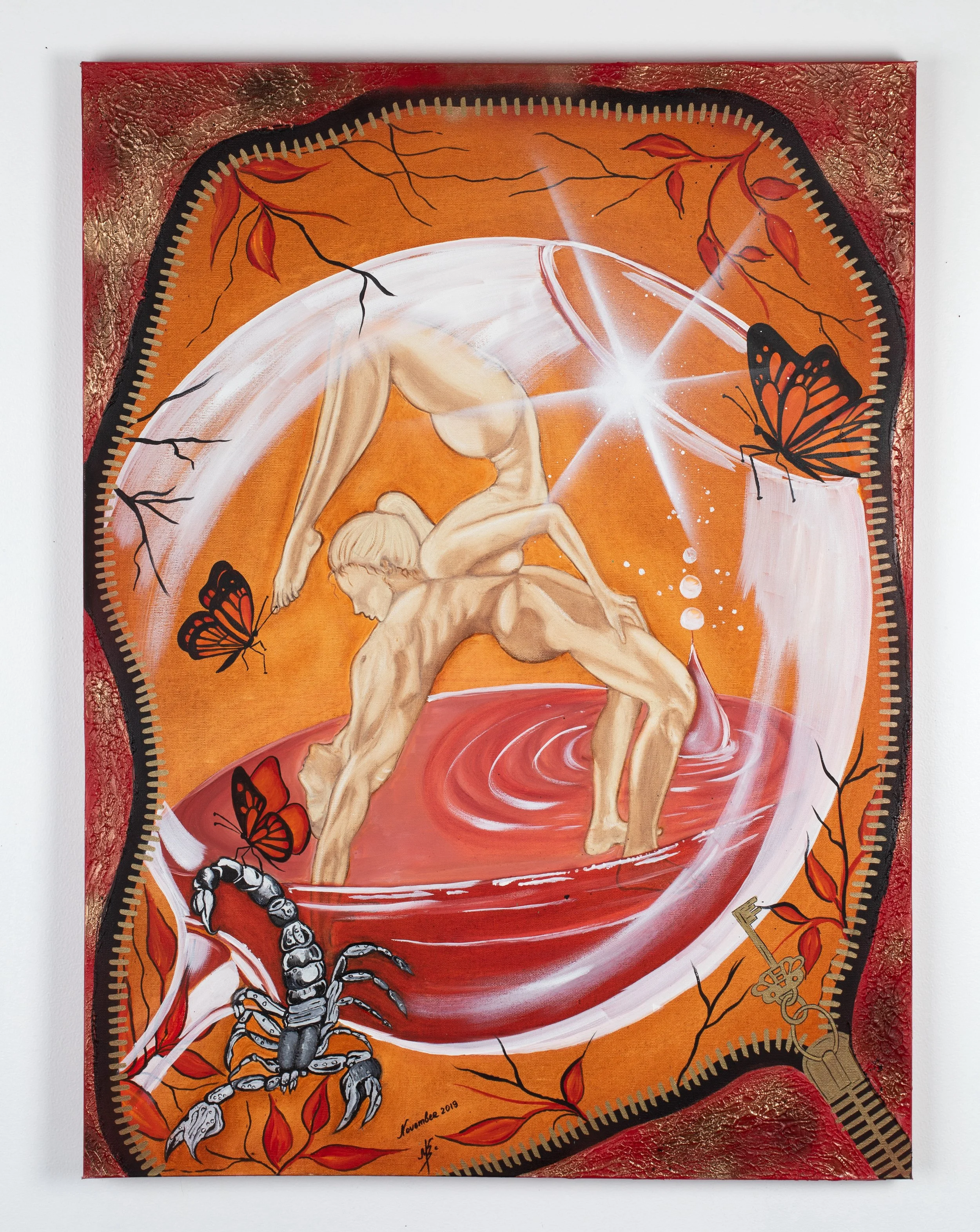
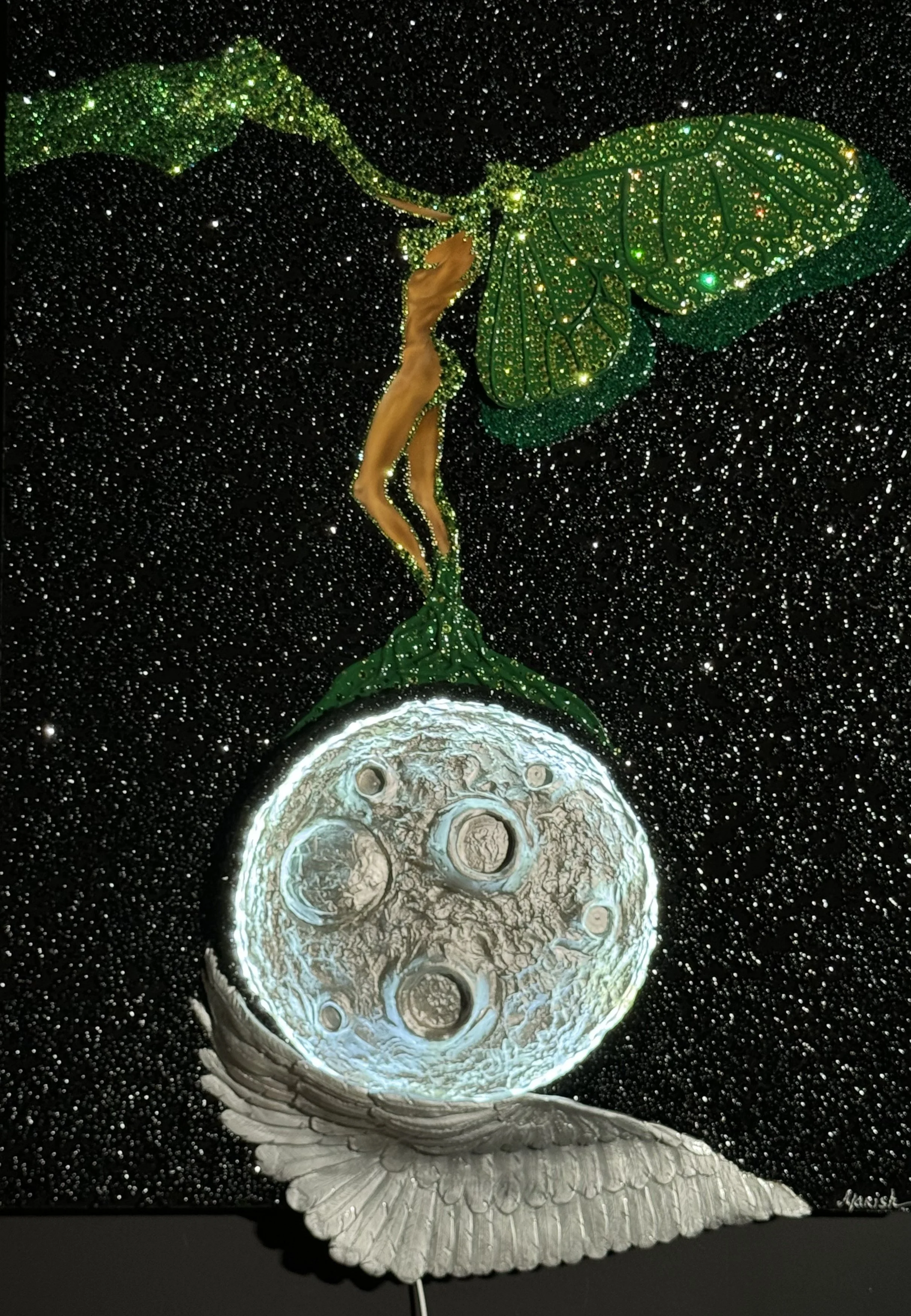
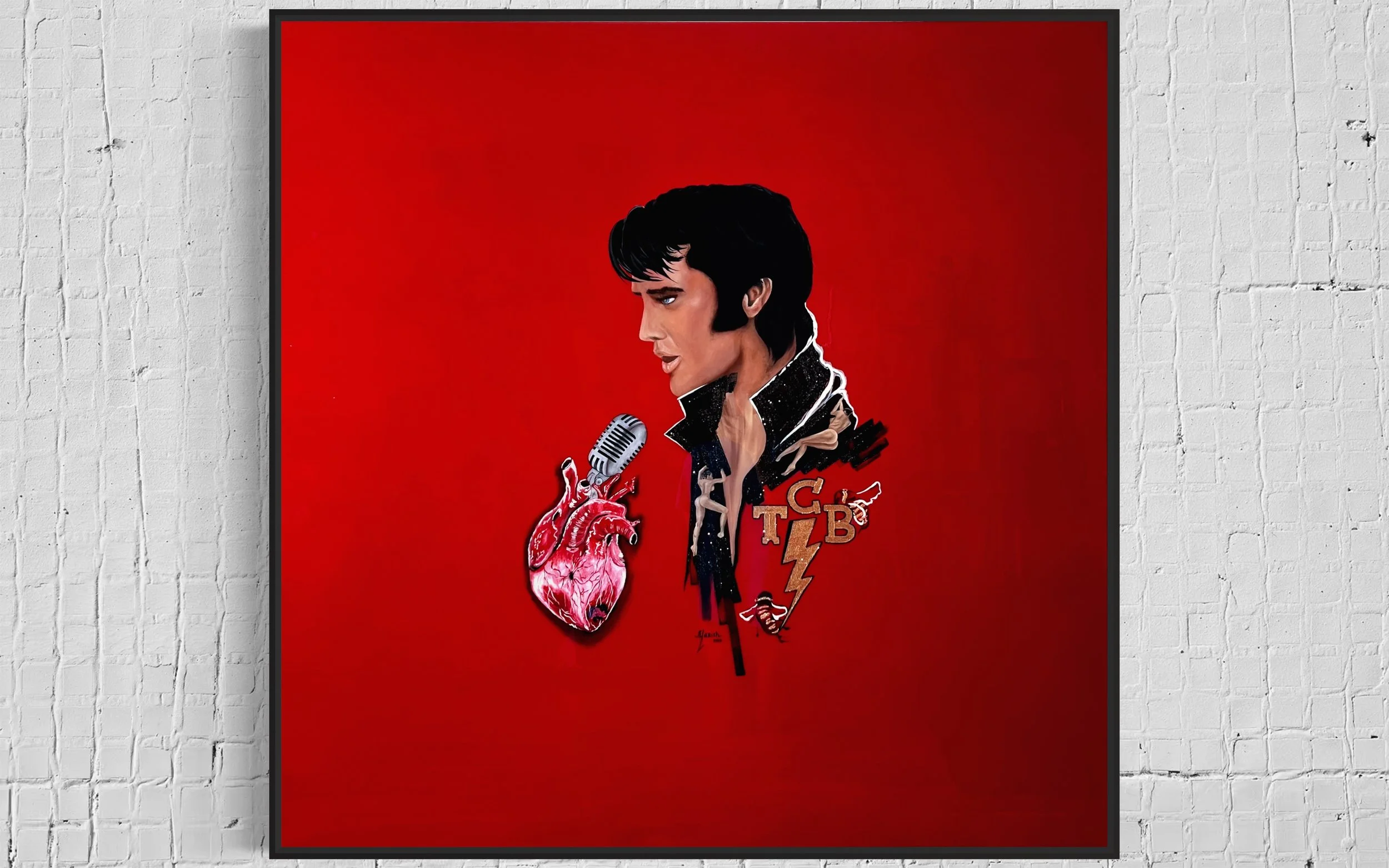
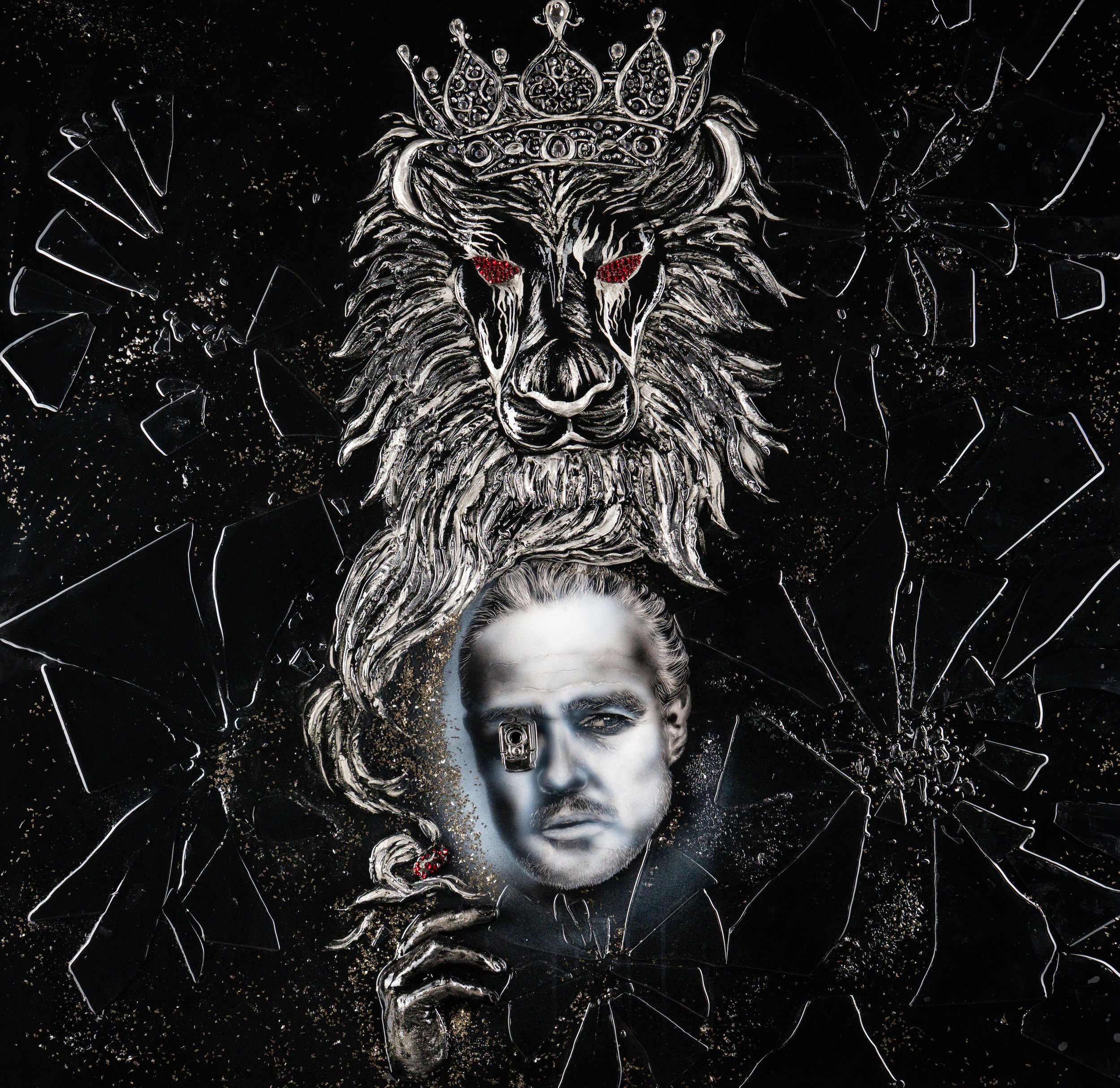
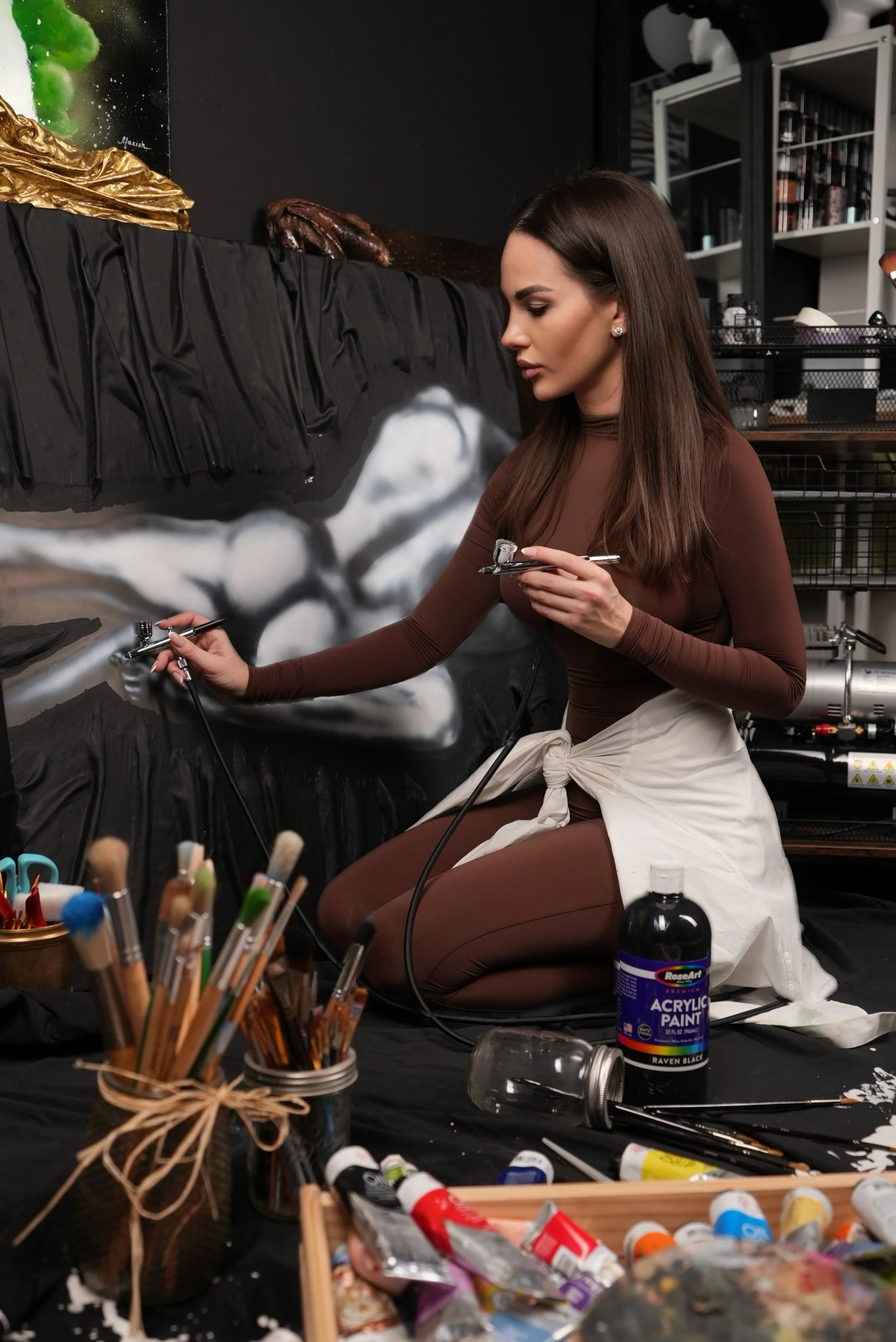
Marish is a New York–based visual artist known for her oil portraits that merge painting and sculpture through bas-relief and airbrush techniques. Her work explores themes of identity, emotion, and spiritual presence, blending traditional craftsmanship with contemporary aesthetics. Through combining textured surfaces, luminous gradients, and refined embellishments, Marish captures both the physical and psychological depth of her subjects. Each portrait becomes a study in individuality and inner narrative, reflecting her interest in human essence and the intersection of beauty, intimacy, and perception. Marish’s work bridges fine art and luxury design, positioning her among a new generation of artists redefining portraiture for contemporary collectors.
What is your background and how did you start your journey in the art world?
“My background is shaped by movement, resilience, and observation. I was born in Europe and raised in several countries before settling in New York, where I’ve lived for over 17 years. Constantly adapting to new cultures shaped how I see people, emotions, and identity. I began my art journey intuitively. Painting was not just a profession. It was a way to process my life and my experiences. I started with classical oil painting, studying form, anatomy, and light, and over time, as my inner world became more complex, my work evolved. Living in New York pushed me to think bigger and take risks. I began combining oil painting with bas-relief, sculptural elements, mirrors, crystals, and airbrush techniques to create works that are not just visual, but physical to the point of almost feeling alive. Today, my art focuses on the human soul: power and vulnerability, desire and restraint, beauty and darkness. I’m inspired by people, their stories, contradictions, and inner energy. My journey in art continues, driven by the need to translate that energy into form.”
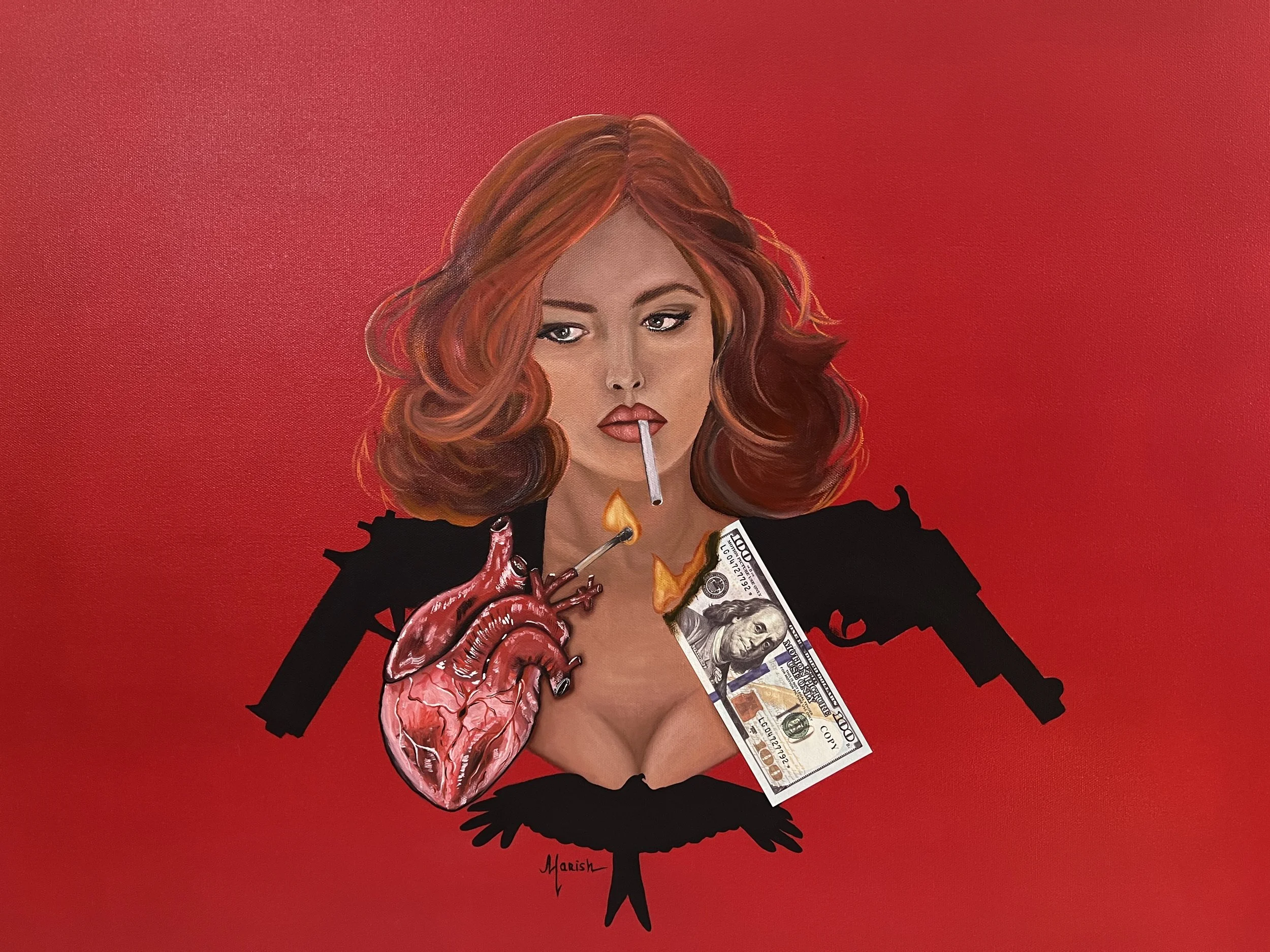
What inspires you?
“I’m inspired by people and real human experiences, especially the moments that change us forever. A few years ago, close friends of mine lost a baby early in pregnancy. Hearing their story moved me so deeply that I painted a piece from pure emotion, grief, and empathy. For years, they were unable to conceive, and when the painting finally found its home, I learned they were expecting a child. That experience reinforced my belief that art carries energy, absorbing and transforming emotions, and sometimes, even giving something back. Moments like this inspire me the most — when art becomes more than an image and turns into a vessel for memory, pain, hope, and transformation. I draw inspiration from human vulnerability and strength and strive to translate those invisible forces into something tangible that can be felt, not just seen.”
What themes do you pursue? Is there an underlying message in your work?
“The central themes in my work explore the human soul and its contradictions, power and vulnerability, desire and restraint, beauty and darkness. I’m interested in identity, inner conflict, transformation, and the emotional cost of ambition, love, and recognition. Beneath the luxurious or powerful surface of my imagery, there is always a psychological layer. My work reflects the idea that strength is never one-dimensional and that true power often coexists with fragility. I build these emotional layers physically through texture, bas-relief, and mixed media. At its core, my work is about honesty rather than perfection. It invites viewers to confront their own complexity and recognize the layered nature of being human.”
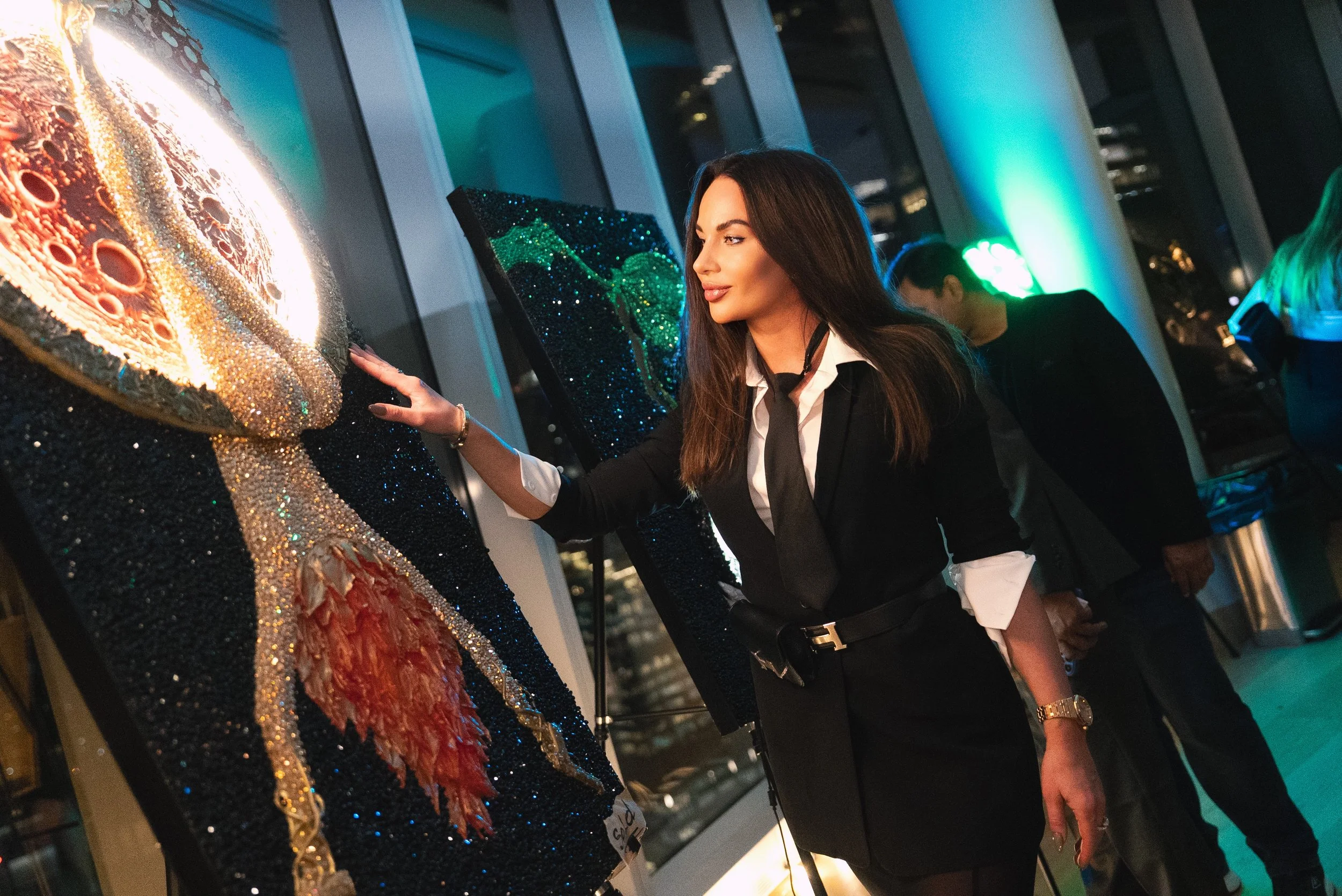
How would you describe your work?
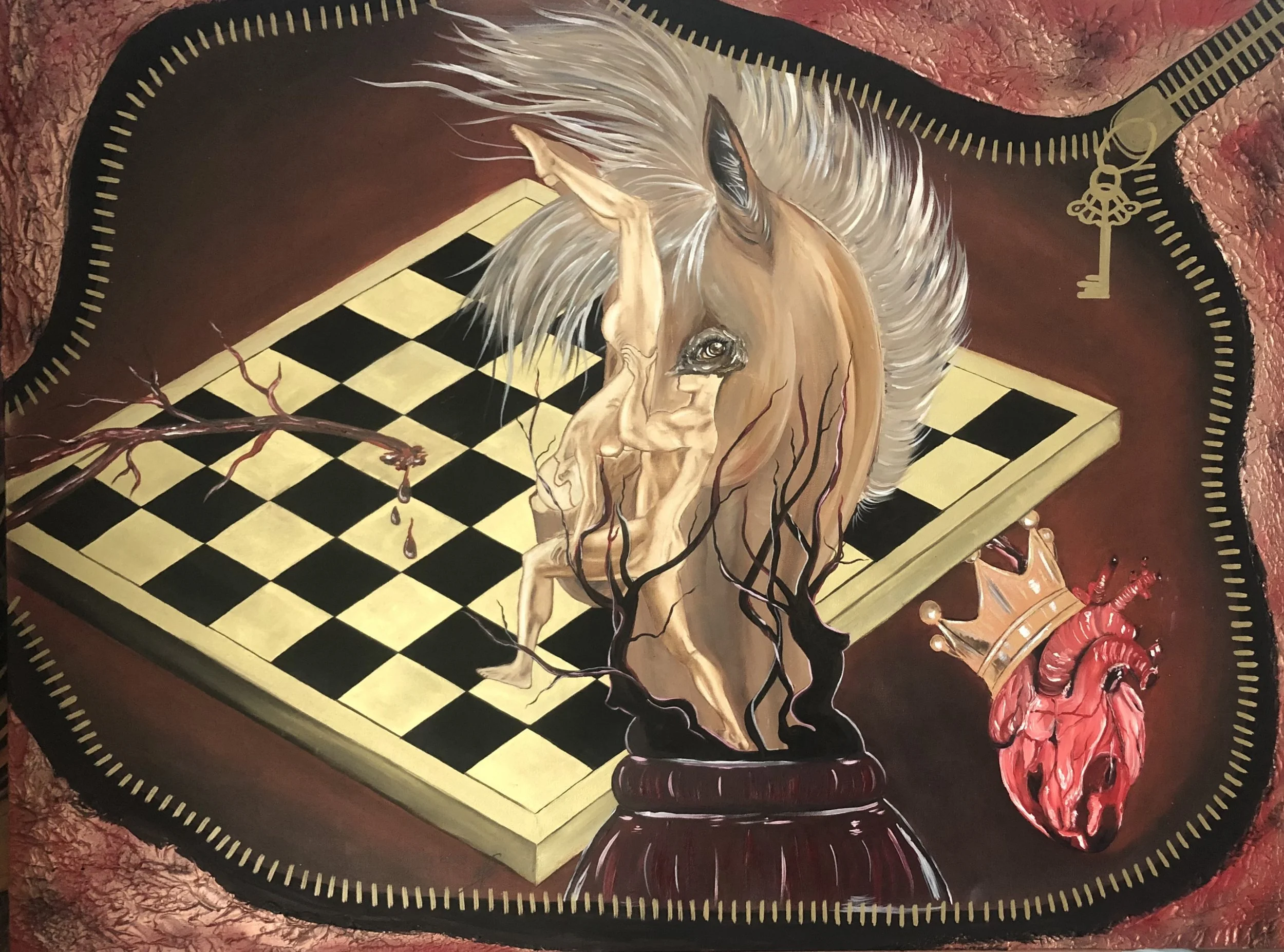
“I would describe my work as contemporary figurative art rooted in erotic surrealism, where realism, symbolism, and sculptural elements intersect. While portraiture is central to my practice, my focus is on psychological depth and emotional presence rather than physical likeness. My work explores desire, power, intimacy, and vulnerability as states of being, with eroticism expressed through energy, gaze, texture, and what is left unsaid. Technically, I combine oil painting, airbrush, and bas-relief, often incorporating mirrors and crystals to add physical and emotional depth. Visually bold and luxurious, the work ultimately speaks about fragility, inner conflict, and transformation, existing between painting and sculpture, realism and dream, and inviting an emotional response from the viewer.”
Which artists influence you most?
“I’m influenced by artists who explore the subconscious, human desire, and psychological tension rather than surface beauty. Salvador Dalí had a major impact on me early on, not just because of his surreal imagery, but because of his fearlessness in visualising the unconscious and turning inner worlds into powerful symbols. Frida Kahlo inspires me through her raw honesty. Her work shows how personal pain, identity, and the body can become a universal language without being softened or explained. Marina Abramović influenced the way I think about energy, endurance, and emotional presence. Her work taught me that art doesn’t have to be comfortable; it has to be truthful. I’m deeply inspired by people outside of art, by human stories, relationships, trauma, desire, power dynamics, and transformation. These lived experiences shape my work far more than any single artist, serving not as references to imitate, but as permission to go deeper, to stay honest, and to trust intensity as a form of beauty.”
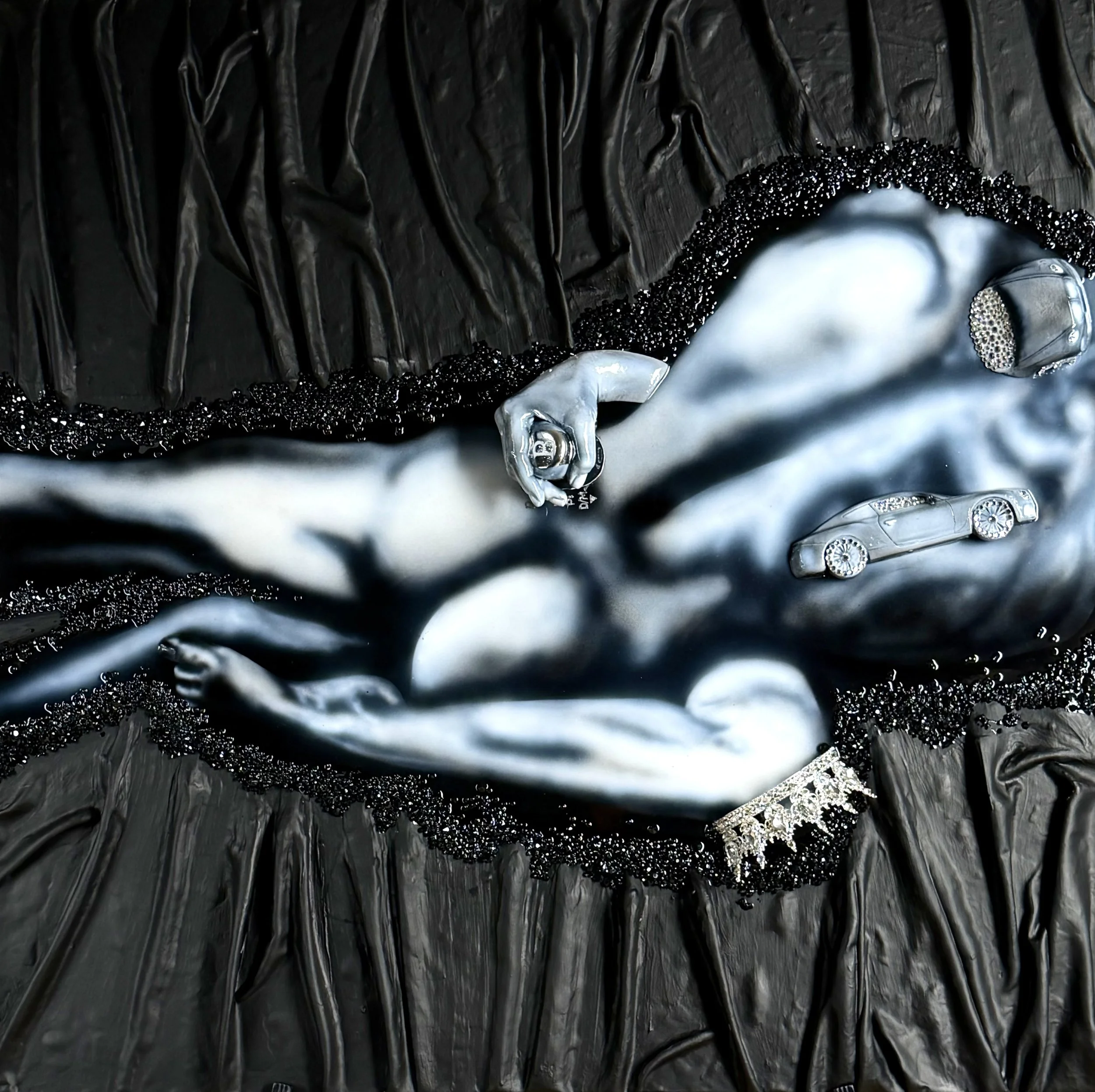
What is your creative process like?
“My creative process is intuitive and rooted in dialogue and experimentation. It usually begins with a person, a story, or an emotional impulse rather than a fixed concept, and it is often supported by reference photographs and a personal narrative. As the work develops, I allow it to evolve organically. I build each piece in layers, both emotionally and physically, constantly reassessing, adding, and refining. Nothing is rigid. The artwork reveals itself during the process. When the piece begins to speak back and everything aligns, it feels complete, not because it is perfect, but because it is honest.”
What is an artist’s role in society and how do you see that evolving?
“I believe an artist’s role is to reveal what often goes unnoticed and to give form to emotions and truths people feel but cannot always articulate. Art becomes both a mirror and a question. Today, that role is evolving from simply creating objects to creating emotional experiences. In a world overwhelmed by speed and information, art slows us down and invites reflection, discomfort, and sometimes healing. Artists also carry the energy of their time. Art absorbs fear, desire, trauma, and hope, preserving them beyond a single moment. As society becomes more digital and fragmented, the value of tactile and emotionally honest work will only grow. An artist’s responsibility is not to please or decorate, but to remain truthful, even when that truth is uncomfortable.”
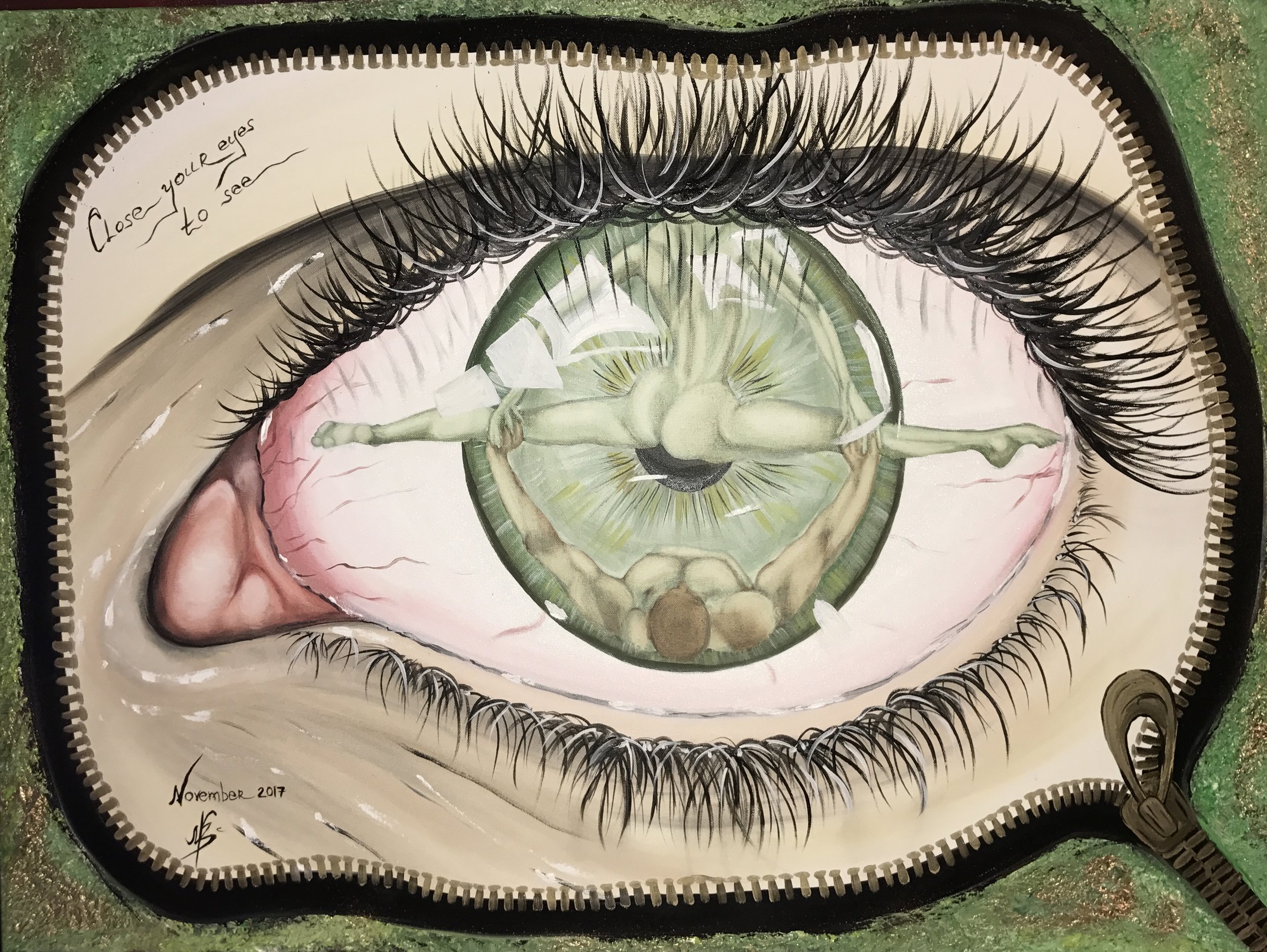
Have you had any noteworthy exhibitions you'd like to share?
“A particularly meaningful milestone in my career was my first solo exhibition, The Black Caviar, held in New York in autumn 2025. The show allowed me to present my work intimately, sharing my surreal visions of real worlds and the emotional narratives that define my practice. I have exhibited my work primarily in the United States, including multiple participations in Art Basel Miami (Spectrum) and Artexpo New York, where I presented my evolving body of work to collectors, curators, and the public. Art fairs are something I genuinely love. They create a unique environment where artists, collectors, curators, and organizers come together with a shared purpose. Despite the physical intensity, there is a strong sense of connection and collaboration — a collective effort to slow the pace of the world, communicate through art, and create space for reflection and appreciation of beauty.”