Interview
Marcy Stone
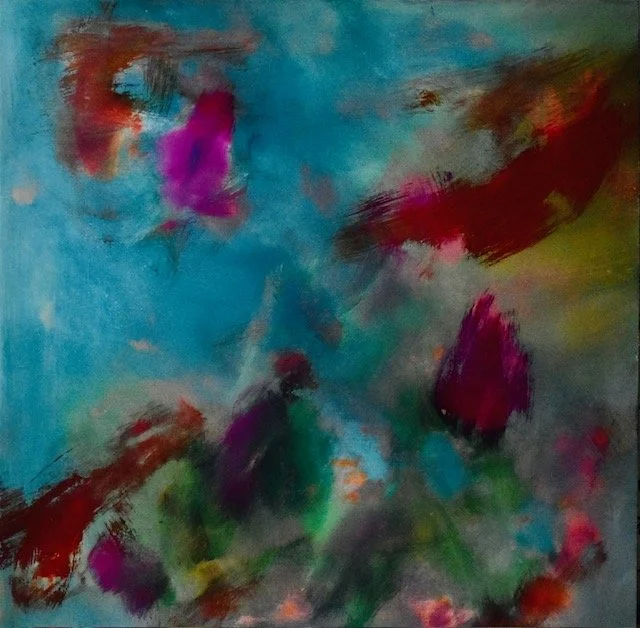
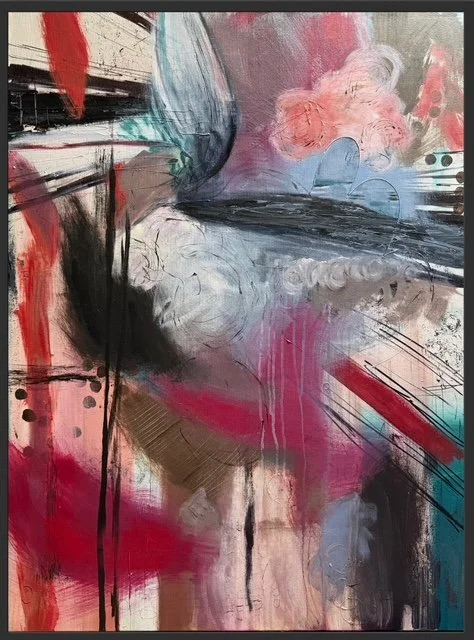
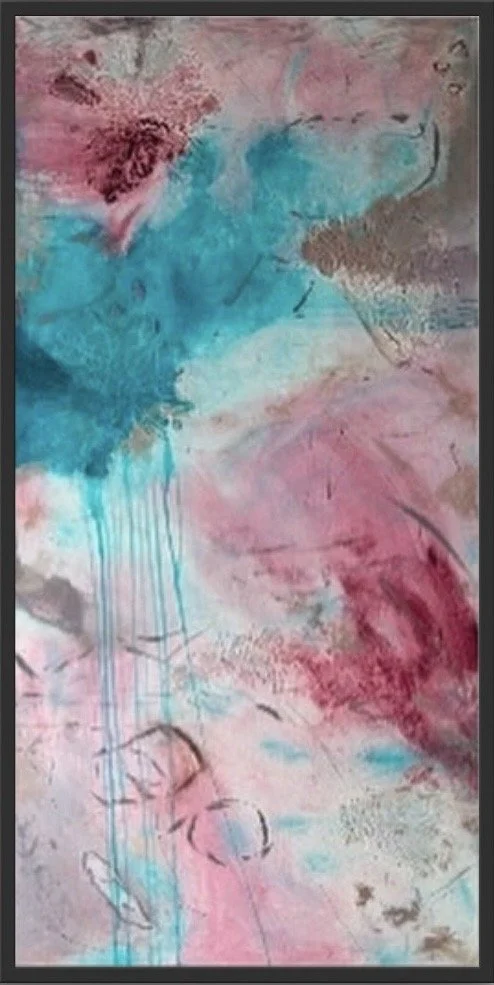
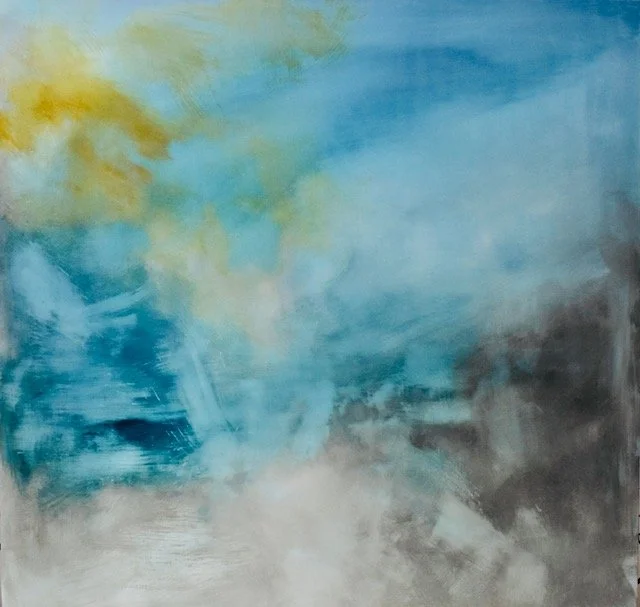
Marcy Stone is an abstract artist whose layered, intuitive works explore resilience, movement, and transformation. Guided by lived experience, her practice balances energy and stillness through translucent veils, texture, and gesture—inviting reflection rather than resolution. Stone’s artistic journey was profoundly shaped by personal loss, a life-altering moment that redirected her creative path. Rather than anchoring her work in grief, she focuses on what emerges after rupture: renewal, grace, and forward motion. Her paintings reflect an evolving language of becoming, where emotion is held quietly and meaning unfolds over time. Her work has been exhibited nationally, including the Spectrum Miami Art Show, and featured in a leading international arts and design publication.
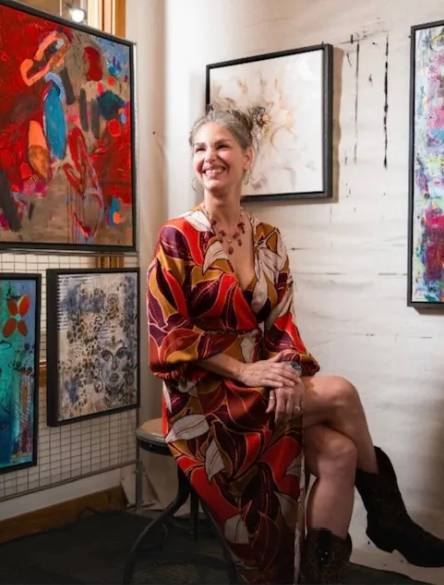
Collected for both private and professional spaces, Stone’s pieces are known for their emotional resonance paired with visual restraint. In addition to her studio practice, Stone is an author and speaker passionate about creativity as a pathway to healing. She also creates curated digital works available on Foundation, extending her artistic language into the digital space. Through all mediums, her vision remains consistent: to create work that honors complexity, invites pause, and offers a sense of grounded possibility.
What is your background and how did you start your journey in the art world?
“My background has been shaped by continual change, opportunity, calculated risk, and a deep capacity for love. Before fully stepping into the art world, I was a single mother, a partner in a boutique business advisory firm, and a creative woman drawn to beauty, growth, and meaningful experiences. My life was full and vibrant. My journey into creative expression first took shape through writing. After the loss of my daughter, Sydney, in December of 2016 on Christmas Eve, I wrote The Voice of an Angel as a way to process grief and give form to what could not yet be spoken. Writing became an early bridge—helping me navigate loss through reflection and meaning. Over time, that need to express what words could no longer hold led me to painting. Art emerged as a sanctuary and a language beyond explanation, allowing emotion to move through intuition, movement, and presence. As I continue to find my way, my work reflects a journey of transformation, resilience, and grace. I hope my art speaks what words cannot—the quiet power of becoming.”
What does your work aim to say? Does it comment on any current social or political issues?
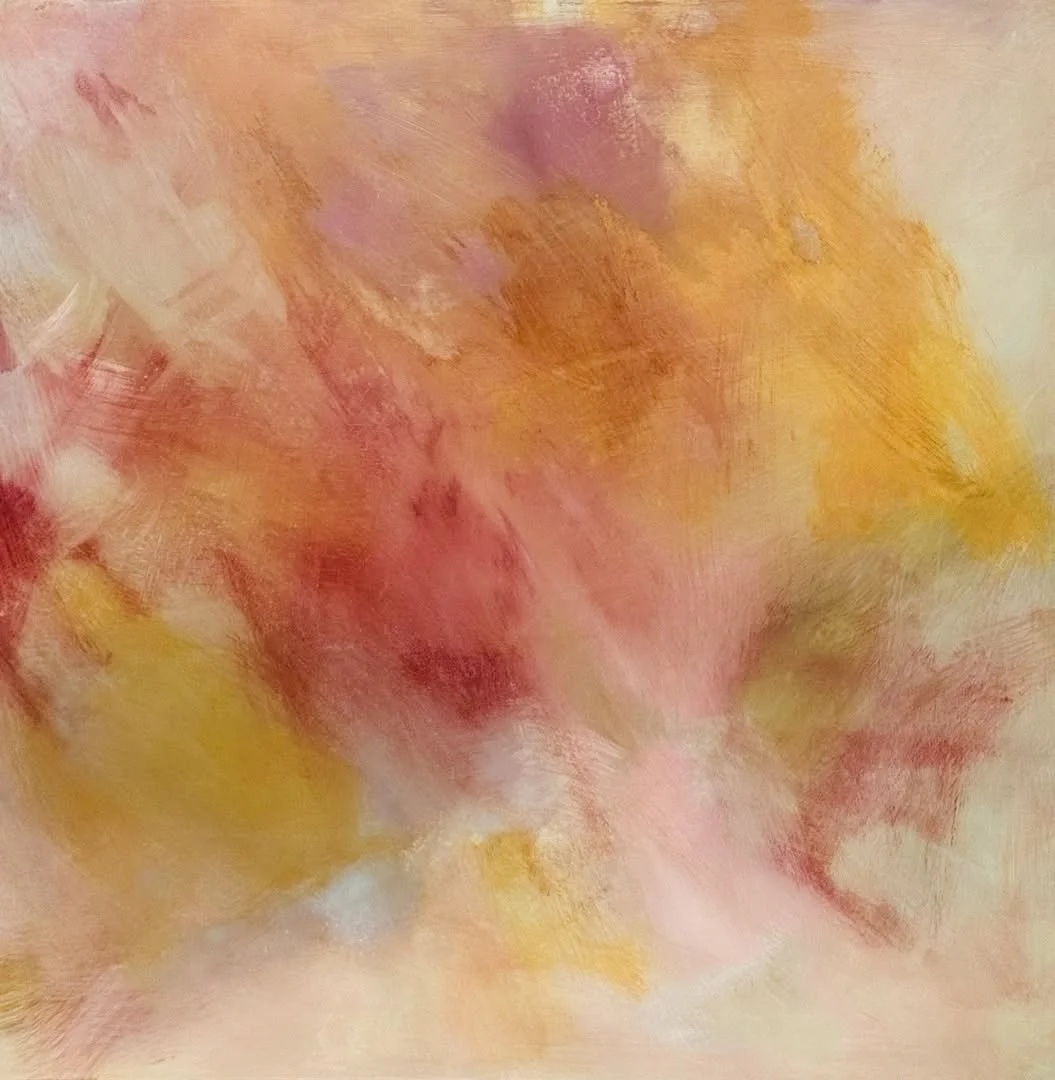
“My work aims to give form to what is often held silently—grief, love, transformation, and the emotional weight of being human. Losing my daughter was the most devastating moment of my life, and it changed everything. In that darkness, I discovered a raw emotional energy that needed somewhere to move. Art became that place. It wasn’t simply about painting; it became a language for emotions too complex for words. That experience reshaped my visual language. Color became more vivid, gesture more urgent, and the work took on a spiritual depth rooted in connection and presence. While the work emerges from loss, it is equally about the choice of what follows. Again and again, I choose love over bitterness, color over darkness, and openness over withdrawal. What viewers often describe as ‘soulful’ reflects that decision—to transform pain into something that carries light, movement, and meaning. Creating became a way not only to heal, but to respond to loss with intention rather than despair. While my work is not overtly political, it engages with human themes that feel especially relevant now—loss, resilience, compassion, and the search for meaning. In that sense, it exists alongside social conversations rather than commenting on them directly. I’m interested in creating space for reflection rather than reaction. Conceptually, I listen to what the work asks for. Some ideas call for form and presence, while others are best expressed through abstraction. When an experience feels internal or ineffable, abstraction allows color, texture, and movement to speak freely without explanation. The decisions are intuitive rather than intellectual. Some works ask to be witnessed; others simply want to be felt.”
Do you plan your work in advance, or is it improvisation?
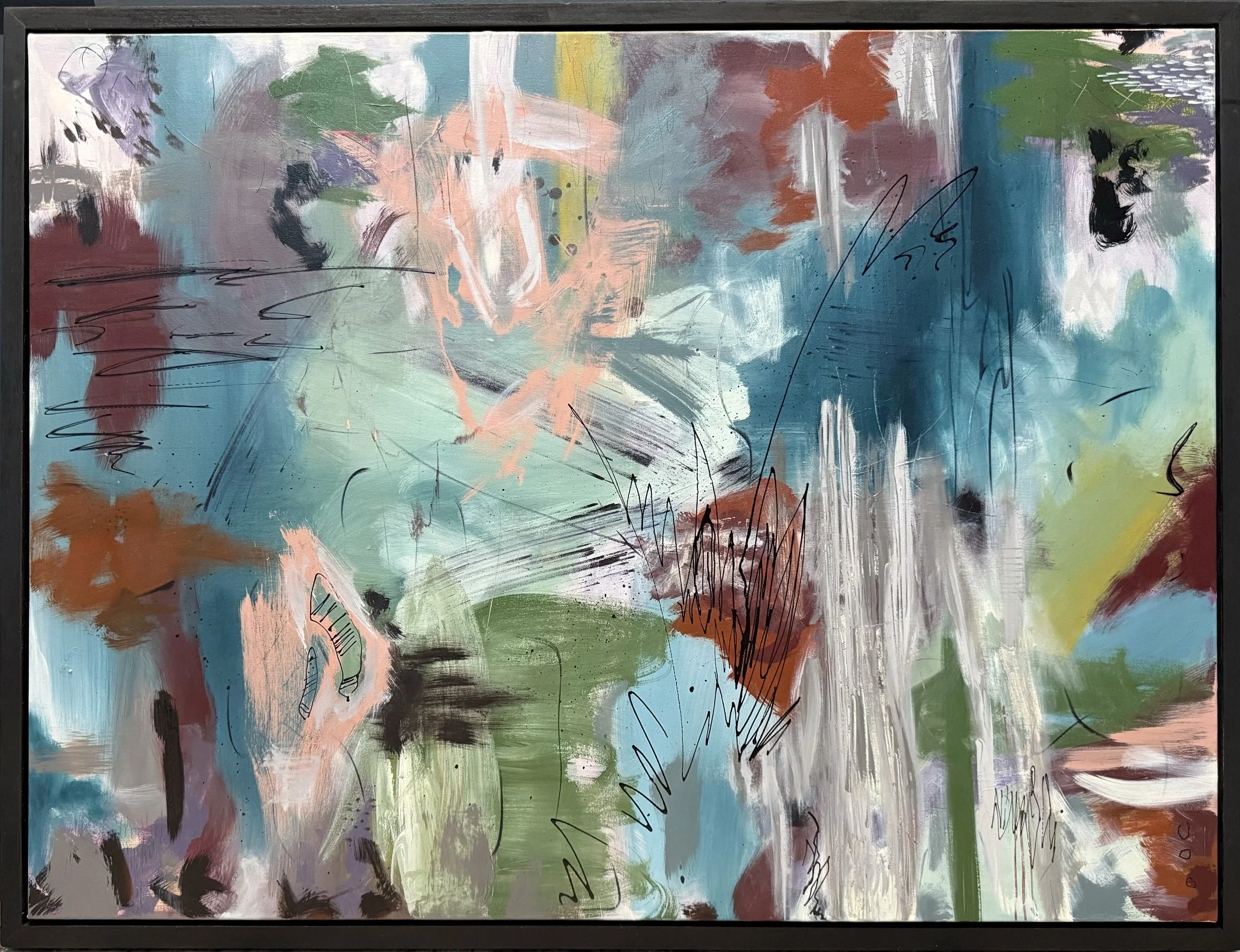
“I don’t plan my work in advance. Each piece begins as an improvisation, guided by intuition and response rather than a predetermined outcome. I work in layers, listening to what the painting needs as it unfolds. That process mirrors how life actually moves—through pauses, shifts, and moments of uncertainty, rather than straight lines. That approach matters to me because loss changed how I understand control. I’ve learned that meaning doesn’t come from forcing an outcome, but from staying present and attentive. Improvisation allows emotion to move through the work without being illustrated or explained. It’s a way of trusting the moment, letting the painting hold what can’t be planned, and honoring becoming over arrival.”
Are there any art world trends are you following?
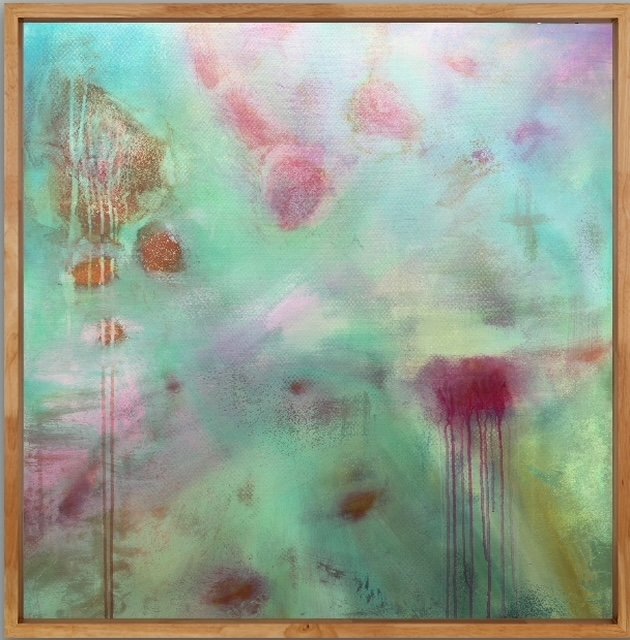
“The art world is increasingly valuing abstraction that carries emotional intelligence—work that feels lived-in, restrained, and quietly powerful rather than decorative or performative. In response to speed, spectacle, and overproduction, there is a renewed emphasis on slowness, intention, and depth. Collectors, galleries, and publications are gravitating toward work that invites pause, reveals itself gradually, and holds complexity without explanation. This shift favors practices rooted in presence, process, and authenticity over trend-driven aesthetics. These currents matter to my work because they mirror how and why I create. My practice is grounded in layered, intuitive abstraction that unfolds over time, shaped by lived experience and emotional restraint. I work deliberately, allowing meaning to emerge rather than be declared, and I value art that lives thoughtfully with the viewer. Following these shifts isn’t about adapting my work to the moment but recognizing that the broader art conversation is moving toward qualities—depth, reflection, and quiet strength—that have long been central to my practice.”
What process, materials and techniques do you use to create your artwork?
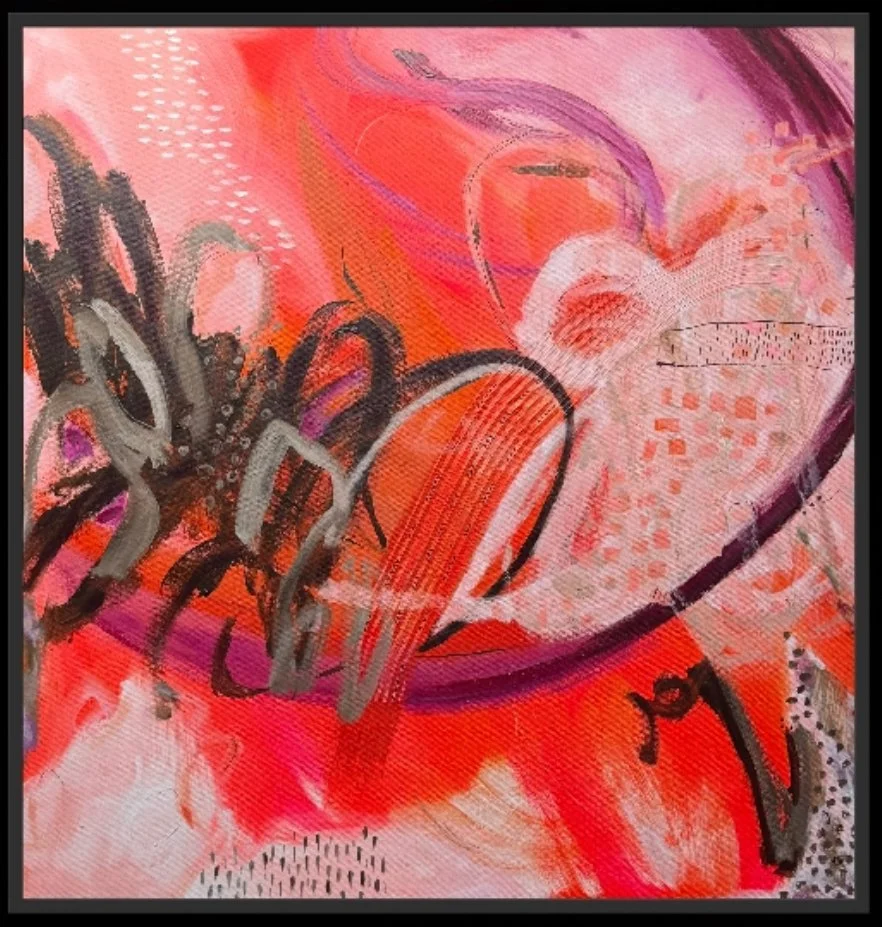
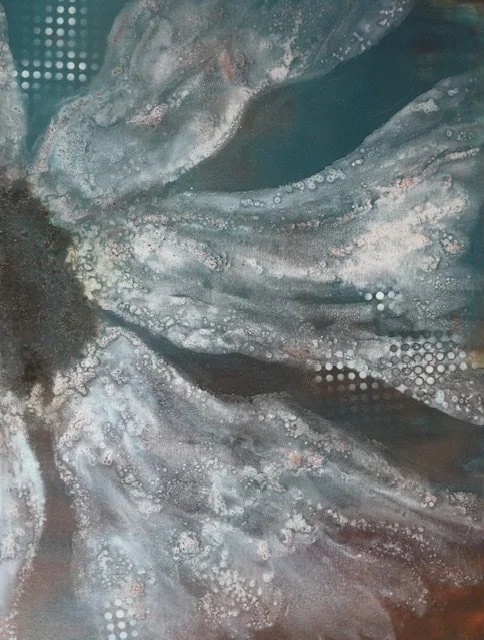
“My process is intuitive and improvisational, and it begins before I ever touch the surface. I take time to quiet myself through meditation, creating space to listen rather than plan. That pause helps me enter the work with openness and presence, without a fixed outcome in mind. From there, each piece unfolds through response. I work in layers, allowing color, texture, and gesture to accumulate and recede over time. I pay close attention to rhythm, balance, and what the painting is asking for in each moment, rather than imposing direction. Materially, I work primarily with acrylics and mixed media, drawn to their flexibility and immediacy. I use brushes, palette knives, and nontraditional tools to build depth and surface variation. Translucent veils sit alongside more physical marks, allowing earlier layers to remain visible and active. Technique for me is about restraint as much as action. I add, remove, scrape back, and soften edges, letting the work breathe. The goal isn’t resolution, but arrival—finding a point where the painting feels honest, balanced, and quietly alive. Ultimately, the process mirrors how I move through life: slowing down, listening deeply, and trusting that meaning emerges through attention rather than control.”
What does your art mean to you?
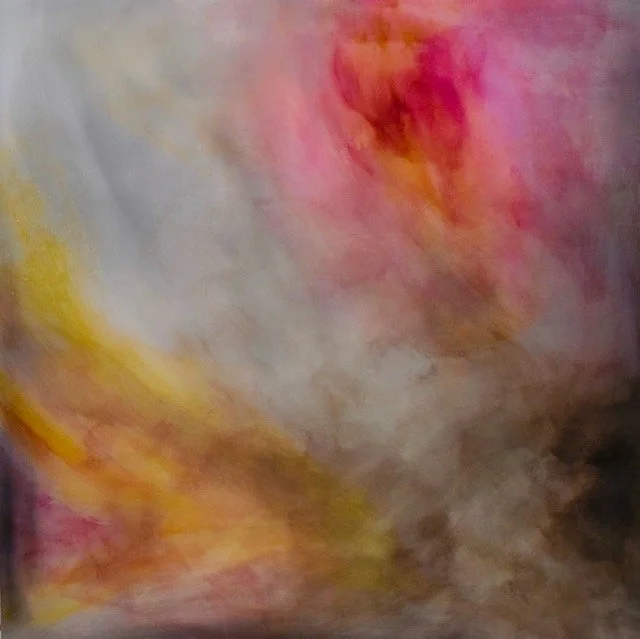
“My art is a place of listening and truth for me. It’s where I go to process what can’t be resolved with words—where experience, especially loss, can move without being explained. Painting became a way to stay present with what’s real, rather than trying to control or tidy it up. The work holds space for complexity—grief, resilience, movement, and grace—without forcing conclusions. It allows me to honor becoming over arrival, and to trust that meaning can emerge quietly, over time. In that sense, the art isn’t about depicting something; it’s about creating a place where feeling can exist safely and honestly. Ultimately, my art matters to me because it mirrors how I choose to live now: with attention, openness, and a willingness to stay with what is, rather than rush past it.”
What’s your favourite artwork and why?
“I don’t really have a single favorite work; I have favorites from different stages of my creative life. Each one reflects where I was at that moment—artistically and personally—and together they trace how my work has evolved. There’s a sense of pride in that progression, not just in terms of technique, but in how I’ve learned to hold complexity and find grace through grief. That said, if I pause and really consider the work that resonates most with me right now, I’m drawn to Freedom Follows Forgiveness. The piece carries a powerful message for me—one rooted in release, resilience, and choice. Every time I look at it, it reminds me of the emotional work behind the painting and the quiet liberation that comes from letting go. It continues to reveal something new, which feels reflective of where I am in my journey at this moment.”
Have you had any noteworthy exhibitions you'd like to share?
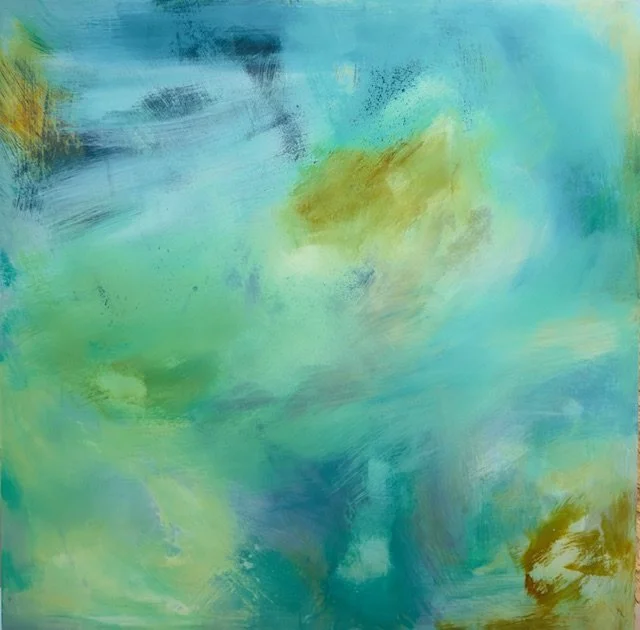
“Each exhibition has taught me something—what to do, what not to do, and, more importantly, what I see for myself as an artist. Showing work in different contexts has helped clarify not only how the work is received, but how I want it to live in the world. The Miami Art Show this past December was particularly meaningful. Beyond the exposure, it offered a rare opportunity to engage deeply with other artists, collectors, and viewers from many different walks of life. Those conversations—about process, intention, and how art resonates personally—were as impactful as the exhibition itself. Experiencing such a wide range of perspectives reinforced the universality of emotion and the power of abstraction to communicate across backgrounds. The show affirmed my desire to continue placing the work in environments that invite dialogue, connection, and thoughtful exchange, and it helped sharpen my vision for the kind of spaces and audiences I hope to engage moving forward.”
Website: www.marcystone.art
Instagram: @marcy_stone.art