Interview
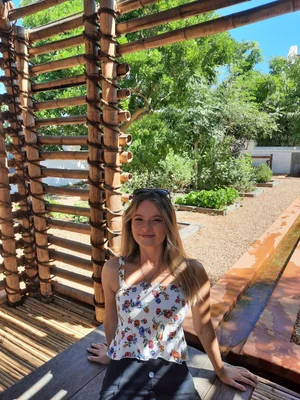
Kate Whiteman
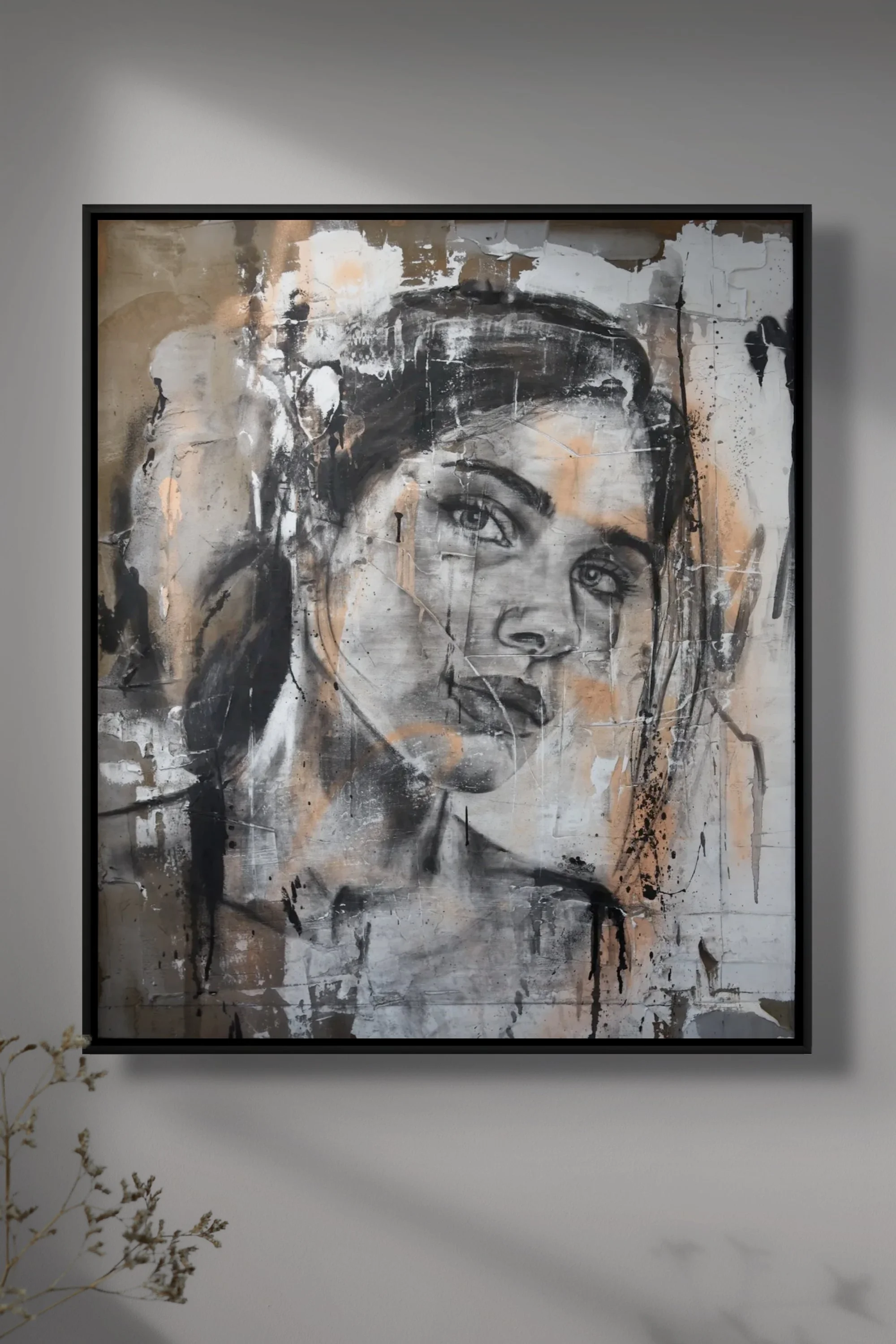
Kate Whiteman is a mixed-media figurative artist whose work explores the complexities of human experience, often focusing on the resilience of women and the ways institutions intersect with personal lives. Working across concrete, plaster, oil paint and spray paint, her practice embraces raw materials and physical processes such as sanding, scraping and layered mark making to create surfaces that carry their own history.
What is your background and how did you start your journey in the art world?
“It never really started — it’s just something I’ve always done. From trading with people to do their GCSE art exams when I was at school to studying Fine Art later on, making art has always been an integral part of who I am. It was never really a decision or a career path I consciously chose — it’s just always been what I do. I dabbled for a while in interior and kitchen design, but I always found myself coming back to hands-on creation.”
What inspires you?
“People inspire me — particularly the experiences of women and the moments where institutions or systems fail to support them, and how often that happens. I’m interested in the resilience that exists in those situations and the human stories behind them. I’m drawn to the real experiences of people who have felt unheard or overlooked. While that isn’t solely women, it’s often where I find myself most connected. Much of my work explores institutional failure and the ways those moments ripple out into individuals and communities. Alongside that, I’m very drawn to the physical process of making — mark making, working with raw materials, sanding concrete, scraping plaster back and pushing materials to see how far they can go.”
What themes do you pursue? Is there an underlying message in your work?
“Much of my work centres around people, particularly women and the quiet strength and complexity of their experiences. Recently the work has also been heavily influenced by my own experience with medical negligence within the NHS, which had devastating consequences for my son. Sadly, I know this isn’t an isolated situation, and reflecting on stories like this has shaped much of this body of work. I’m often drawn to the moments where institutions or systems fail the people they are meant to support — and how often that happens — and the way those failures ripple out into individuals and communities. Rather than illustrating specific events, I’m more interested in the human weight behind those experiences, resilience, vulnerability and the ways people continue to navigate systems that don’t always serve them well. For me it’s about acknowledging injustice, but doing it in a way that can still benefit the real people affected by it.”
How would you describe your work?
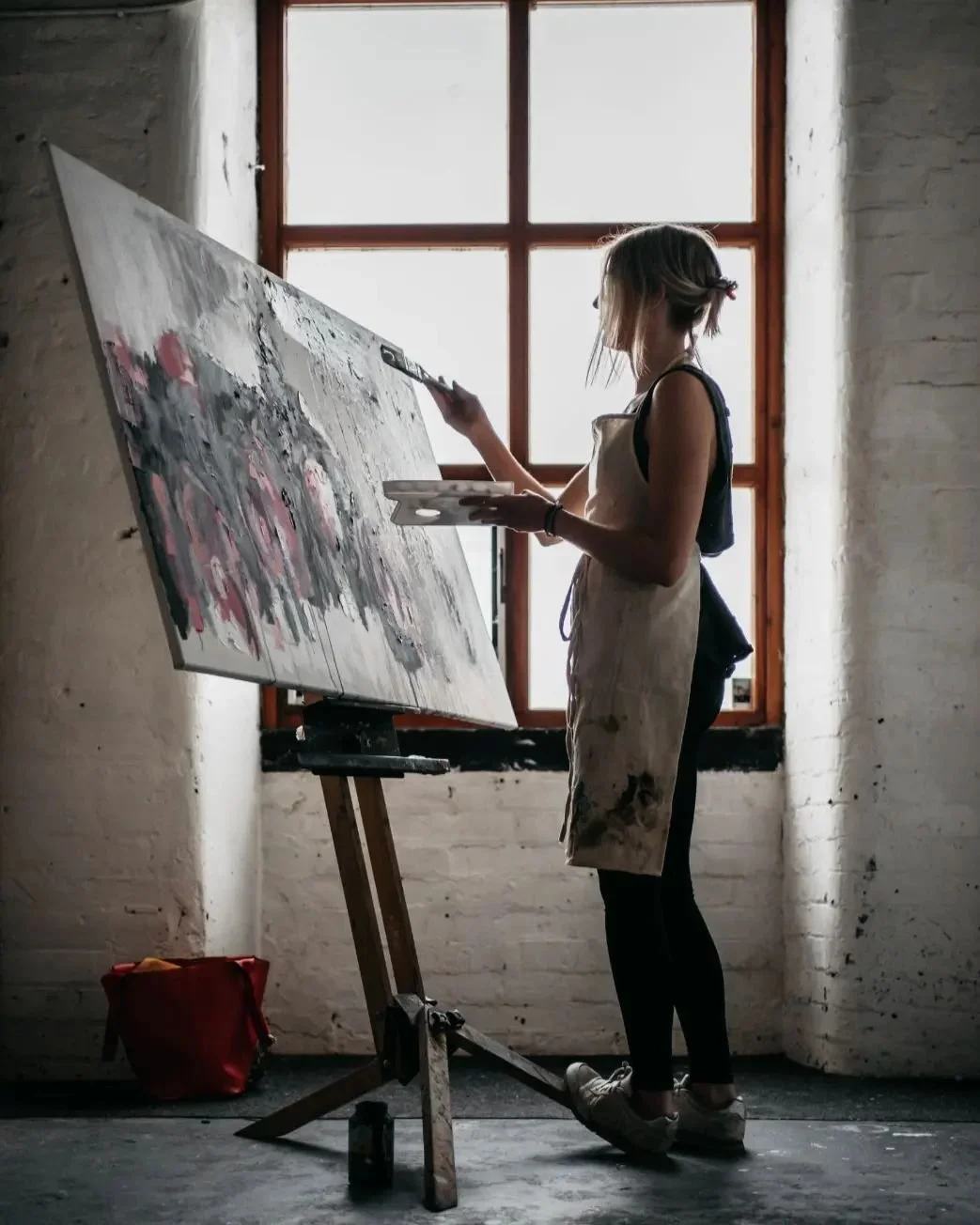
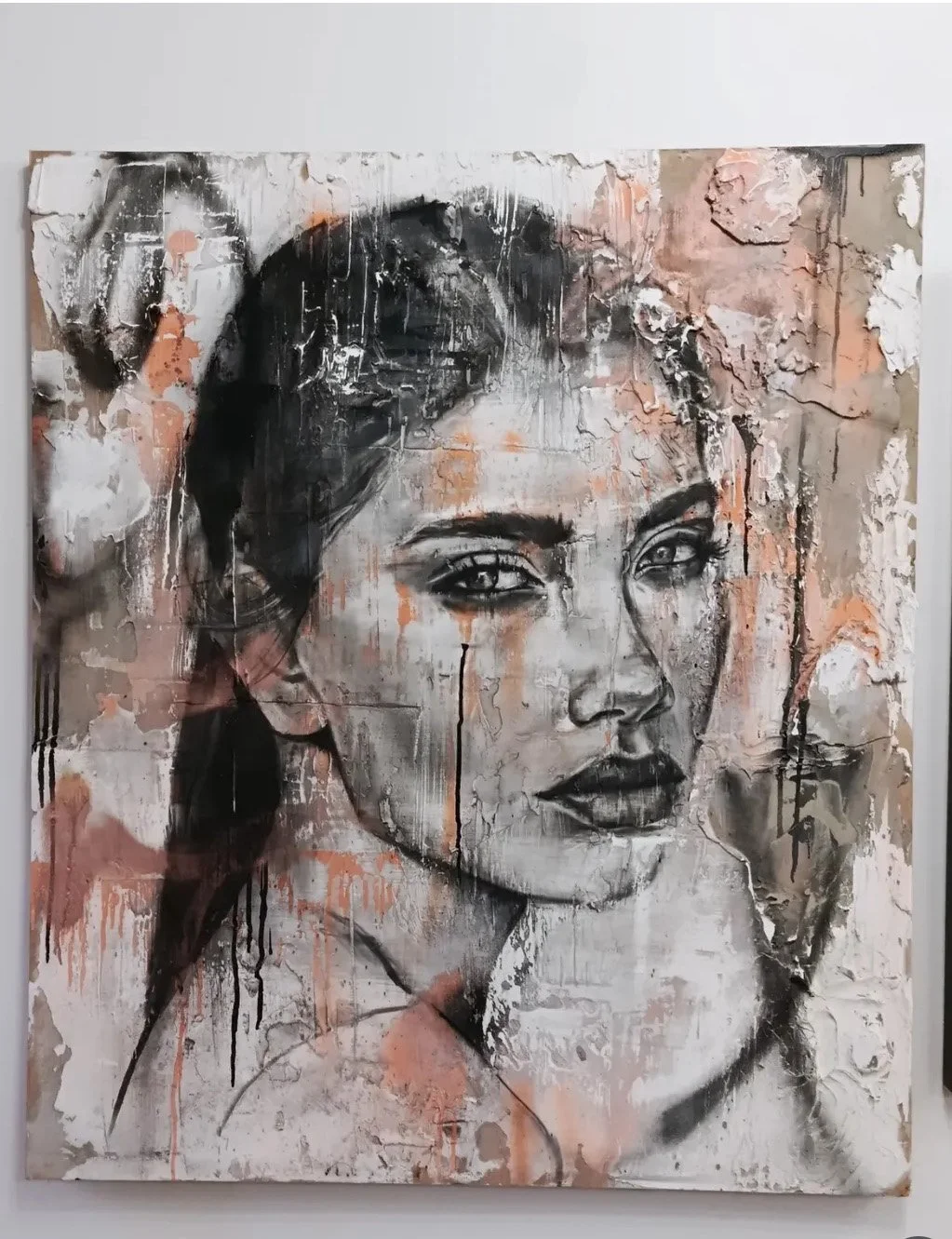
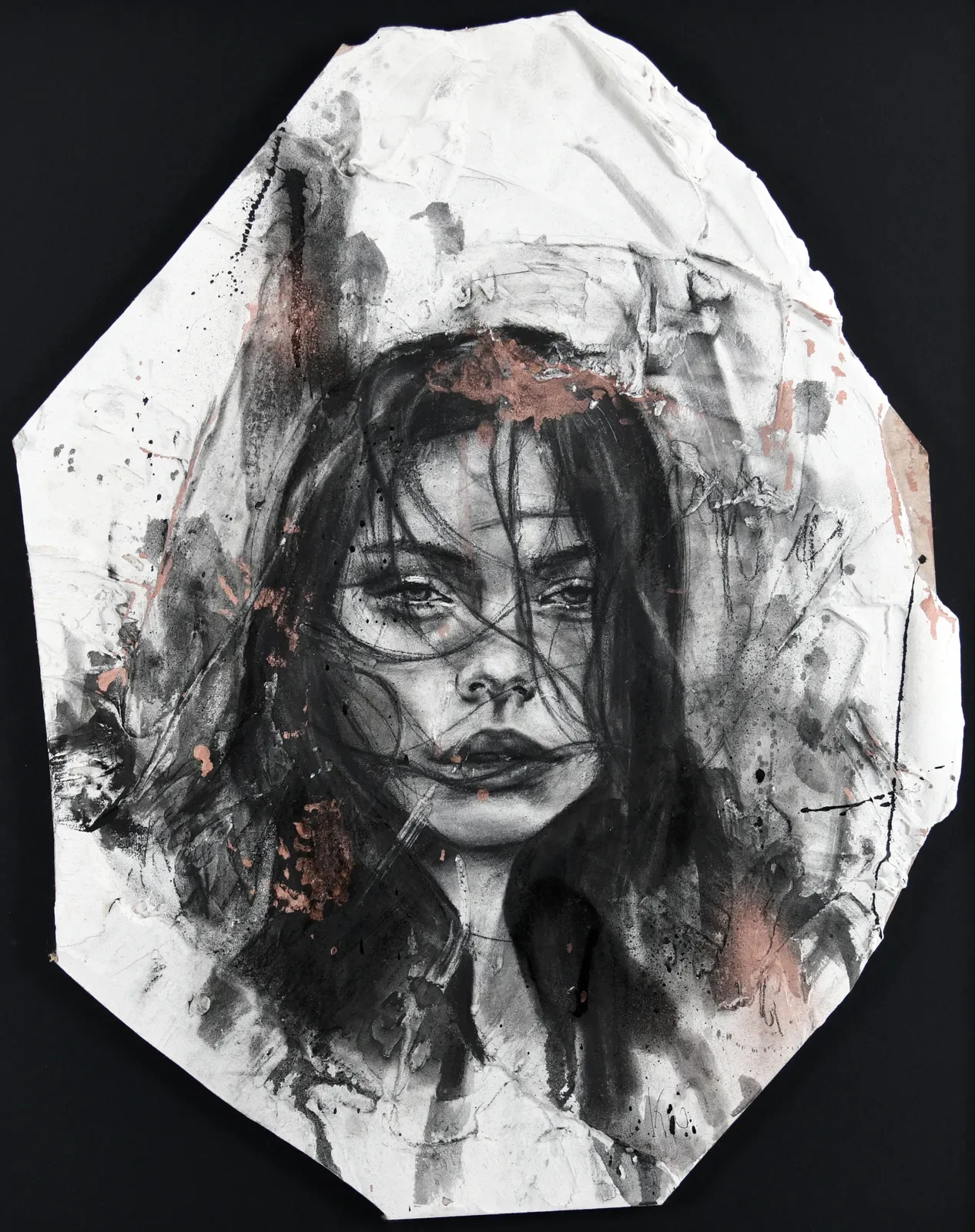
“My work is largely figurative and often centres around portraiture. I’m interested in capturing something slightly unresolved in the subject — a moment that feels human and complex rather than overly polished. The process itself is quite physical. I work with raw materials, sanding concrete, scraping plaster back and building up layers through mark making so the surface carries its own history. I’m drawn to pushing materials and seeing how far they can go while still holding the image together. The marks, textures and imperfections all become part of the work, reflecting the themes of resilience and the lived experiences behind the subjects.”
Which artists influence you most?
“I’m often drawn to artists who challenge systems or push the boundaries of what art can do, such as Santiago Sierra. I don’t necessarily agree with everything they do, but I find it interesting how they use the structures around art — labour, economics and institutions — as part of the work itself. From a drawing perspective I’ve always been drawn to the figurative sketches of Rembrandt. There’s a rawness and immediacy in the way he captures people with very few marks that really resonates with the way I approach mark making.”
What is your creative process like?
“My process usually begins with drawing. I spend time exploring the subject through loose sketches before moving into the surface itself. From there the work becomes quite physical. I work with raw materials, sanding concrete, scraping plaster back and building up layers through mark making, spray paint and oil paint so the surface carries its own history. I’m interested in pushing materials and seeing how far they can go while still holding the image together. I’m also drawn to the lack of control that comes with working this way. Allowing the materials to behave unpredictably often leads the work somewhere more honest than a fully planned image would.”
What is an artist’s role in society and how do you see that evolving?
“I think artists have always reflected the societies they live in, sometimes by challenging things, sometimes by documenting them, and sometimes simply by helping people pause and look at the world a little differently. The role of artists does seem to be evolving, with a growing push for artists to become more overtly political. Artists should be able to think freely, develop their work without pressure, and engage with society in ways that feel genuine to them.”
Have you had any noteworthy exhibitions you'd like to share?
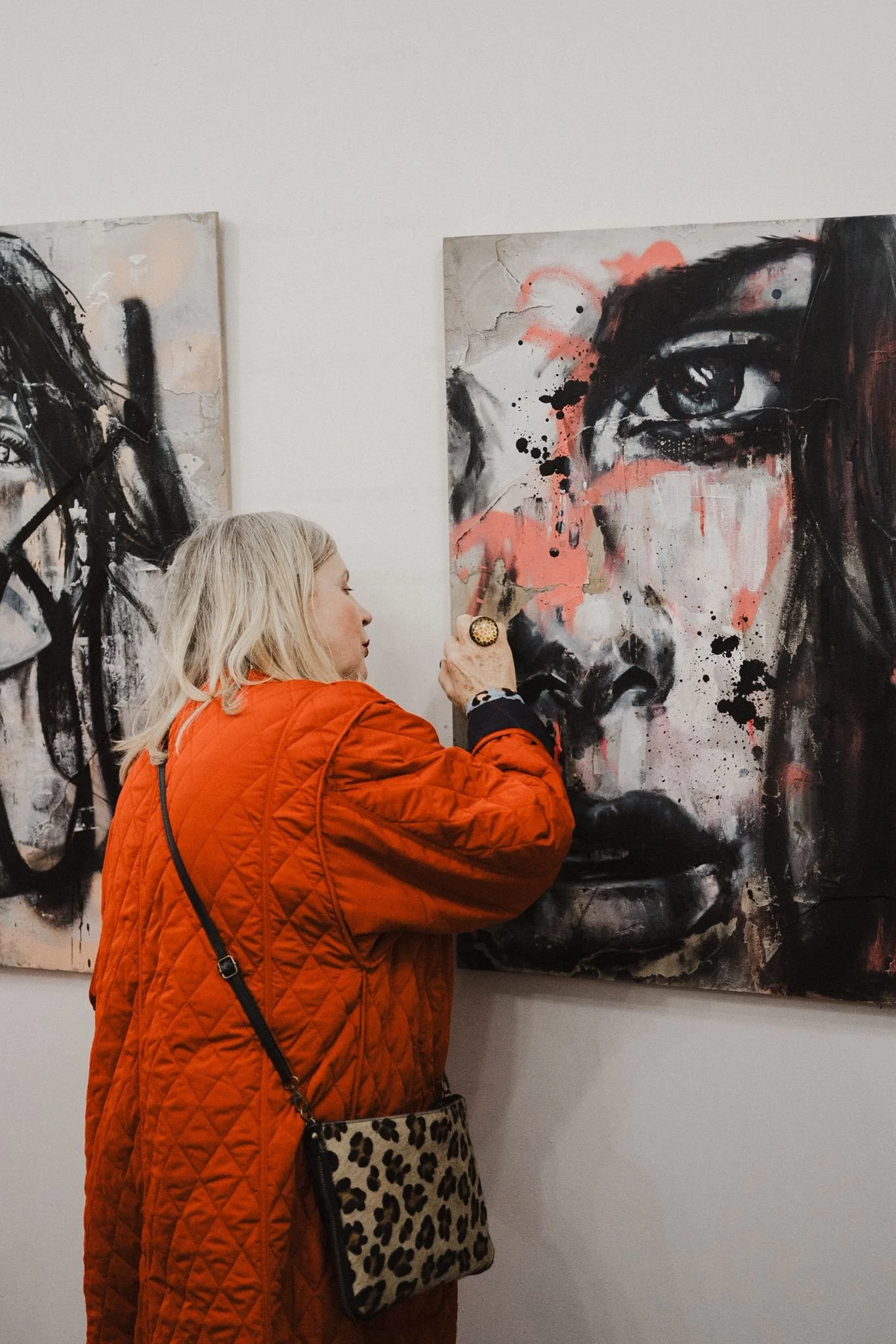
“Much of my work has developed through independent projects and studio practice rather than traditional group exhibitions. Recently my work has been shown through Gormleys Fine Art, which has been an exciting opportunity to bring the work to a wider audience.”
Website: www.katewhiteman.com
Instagram: @katewhitemanart