Interview
Jonathan Owens
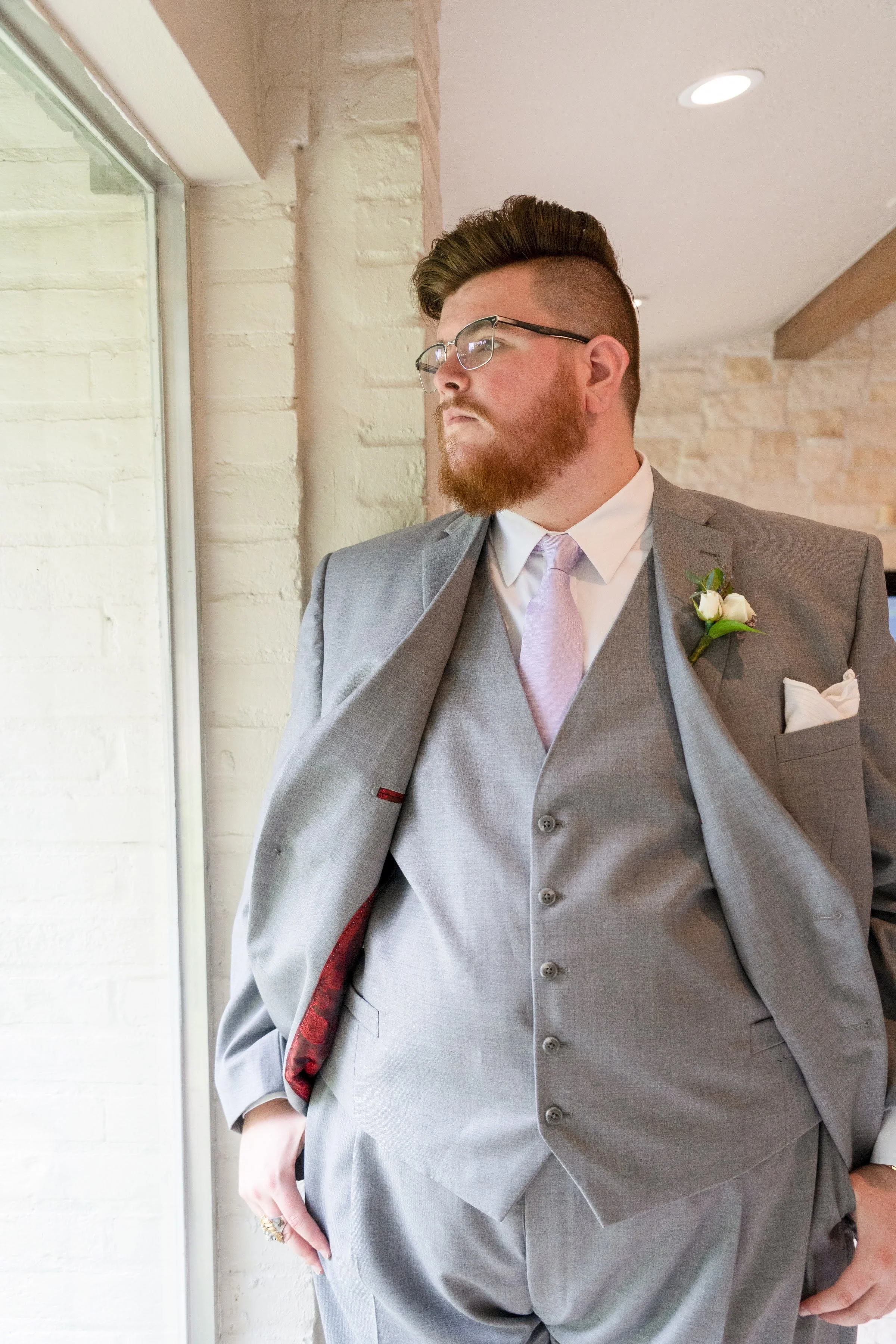
Jonathan Owens is a contemporary artist exploring the tension between surface reality and hidden truths. His work confronts environmental impact, psychological awareness, and unspoken social dynamics, using unsettling imagery to invite reflection on the world we create and the realities we ignore.
What is your background and how did you start your journey in the art world?
“My journey into art developed gradually through a lifelong interest in visual storytelling and human psychology. My path into art has been both personal and intellectual. I have always been drawn to creative expression, but I also work as an educator teaching literature and rhetoric, which has deeply influenced the way I think about storytelling and symbolism. Over time, painting became a way for me to explore ideas that are difficult to express purely through language. Where writing allows for analysis, visual art allows for experience. My work grew from that intersection of philosophy, psychology, and narrative. What began as personal exploration gradually developed into a body of work that examines the inner landscape of human consciousness.”
What does your work aim to say? Does it comment on any current social or political issues?
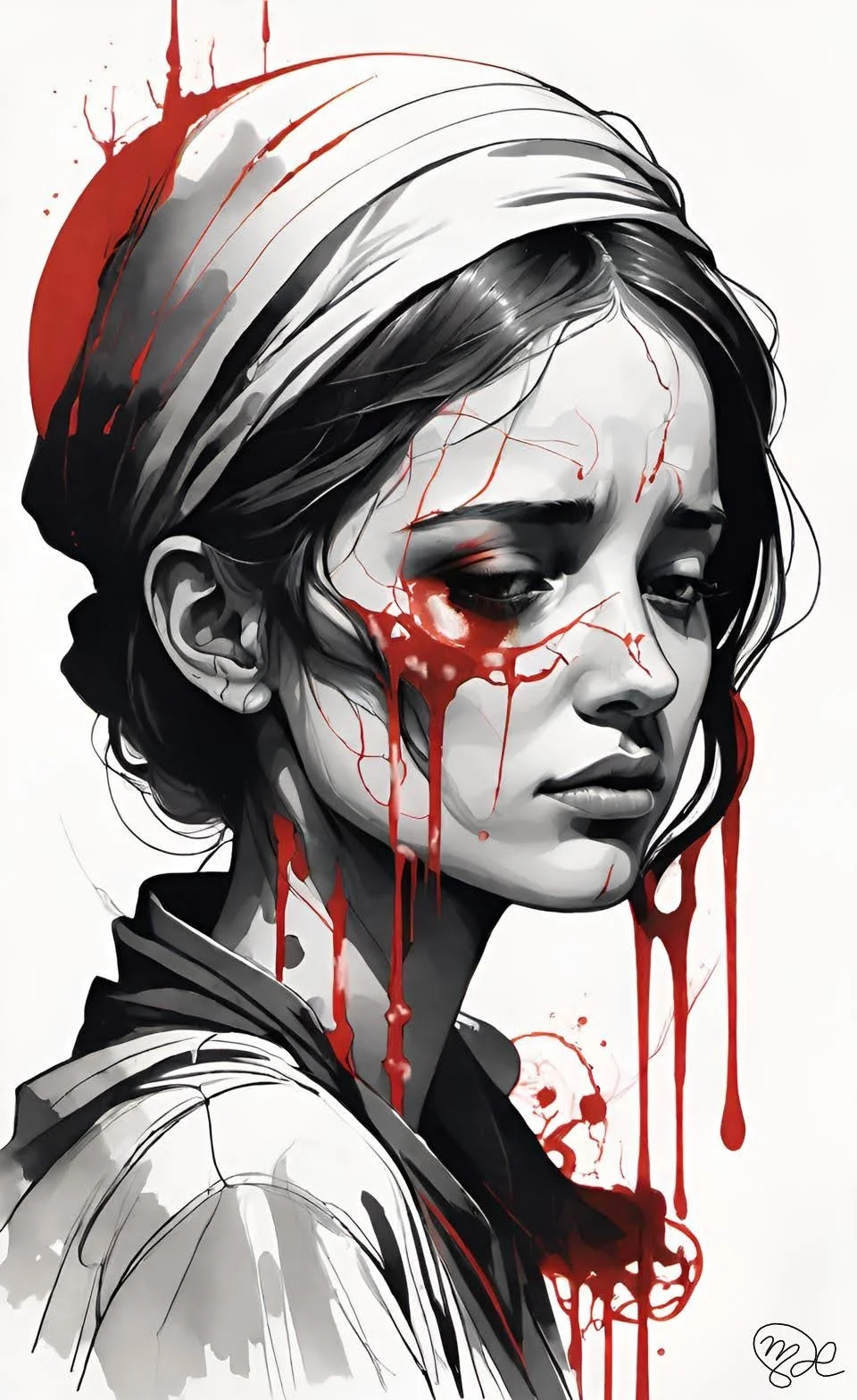
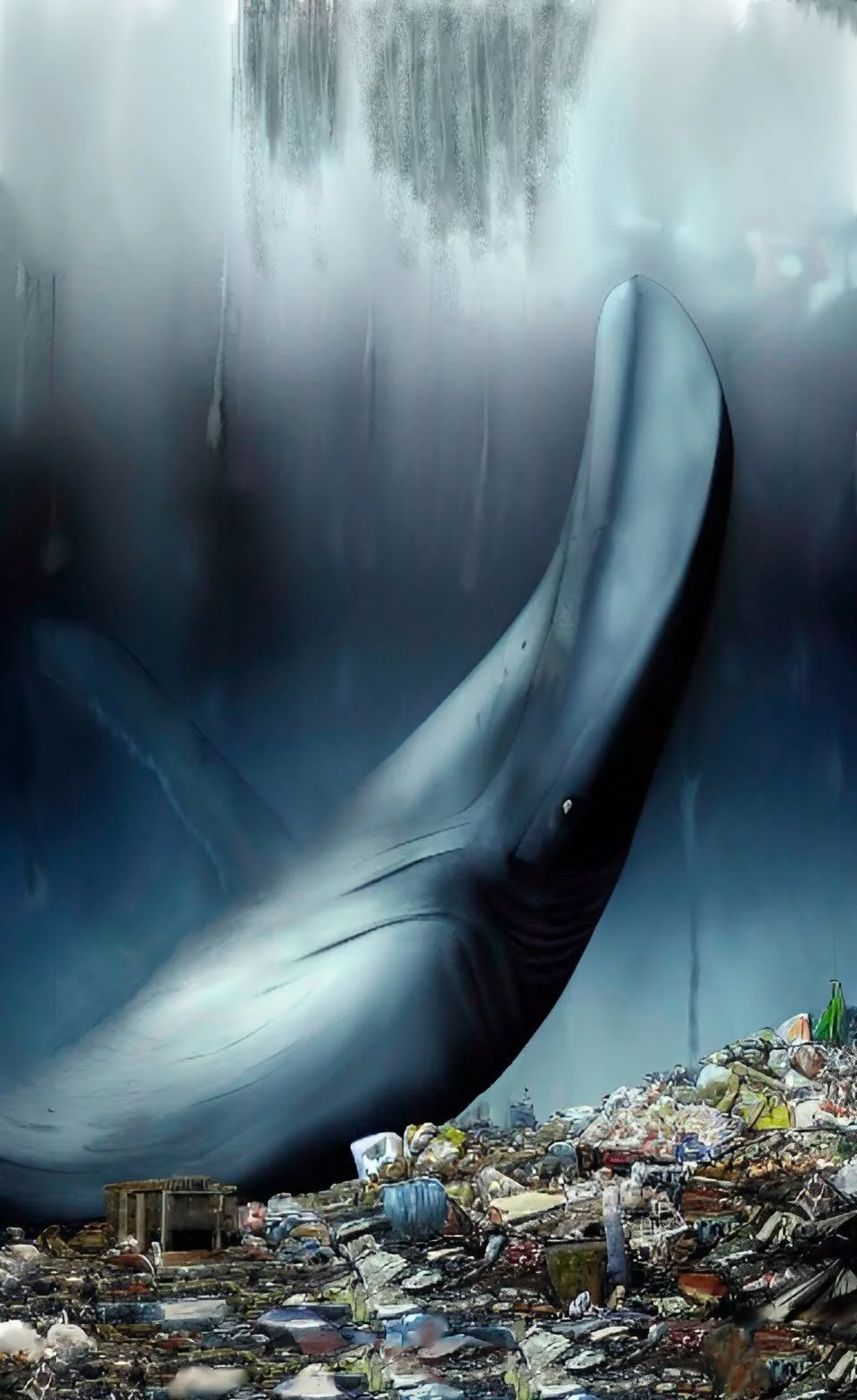
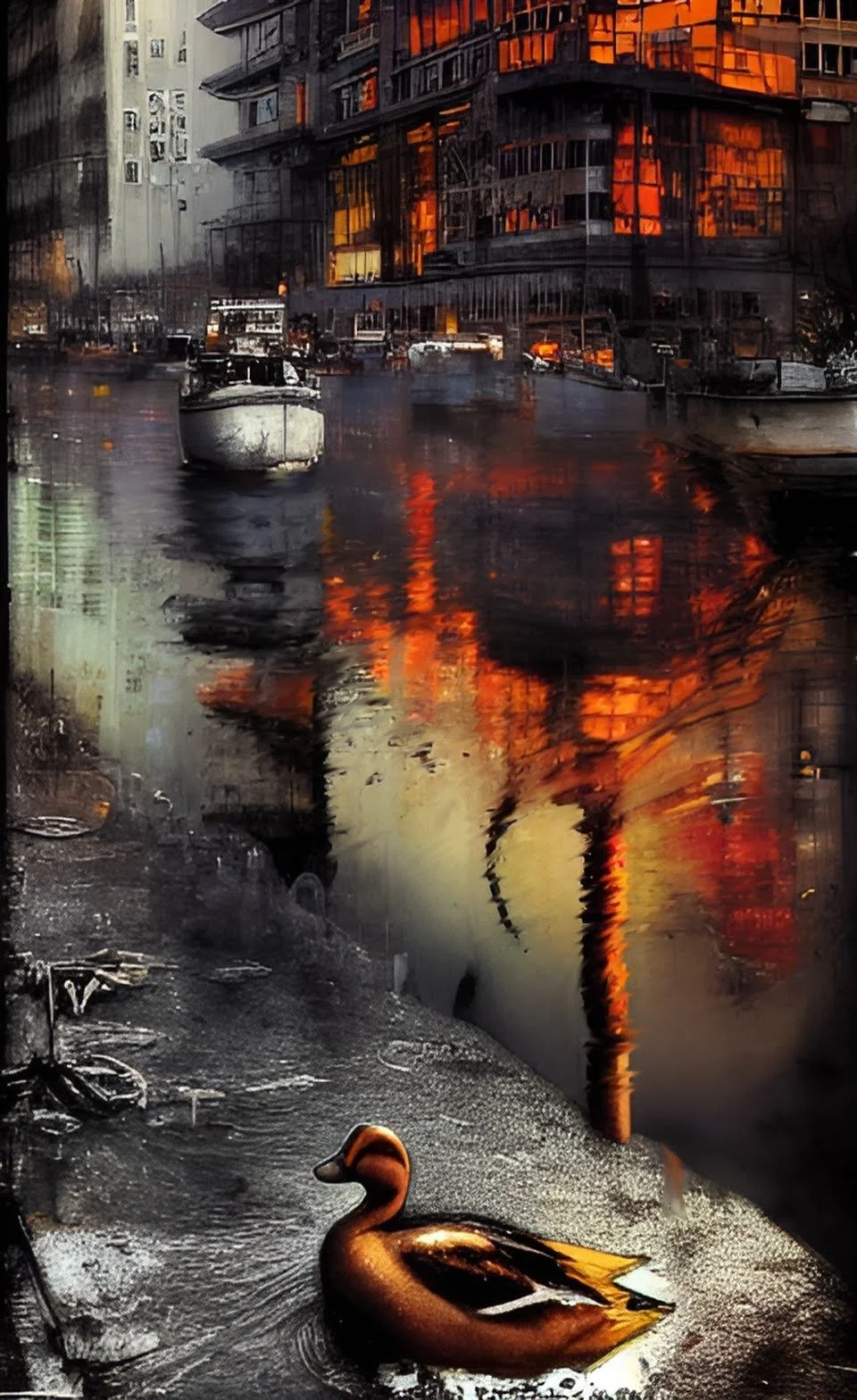
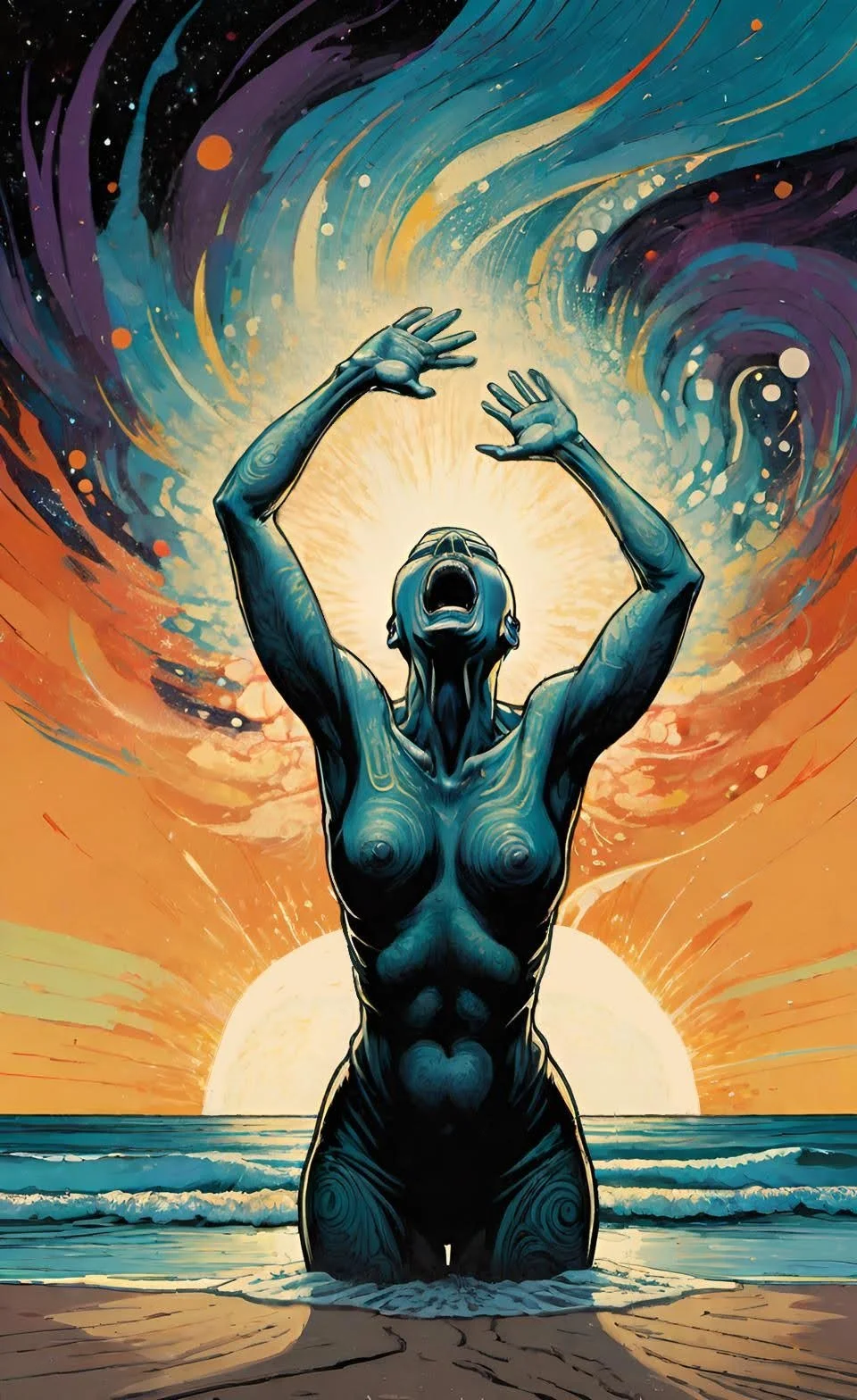
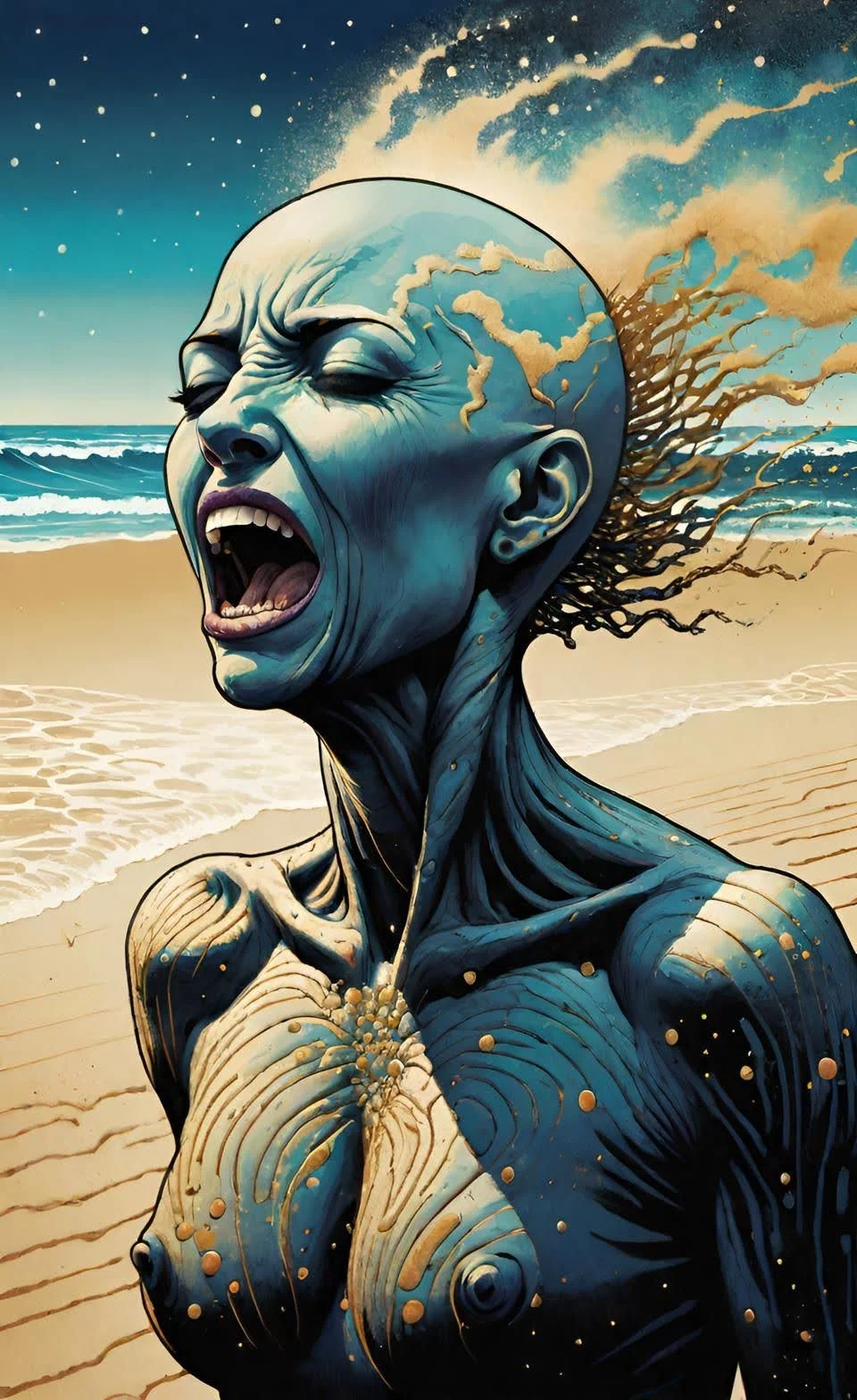
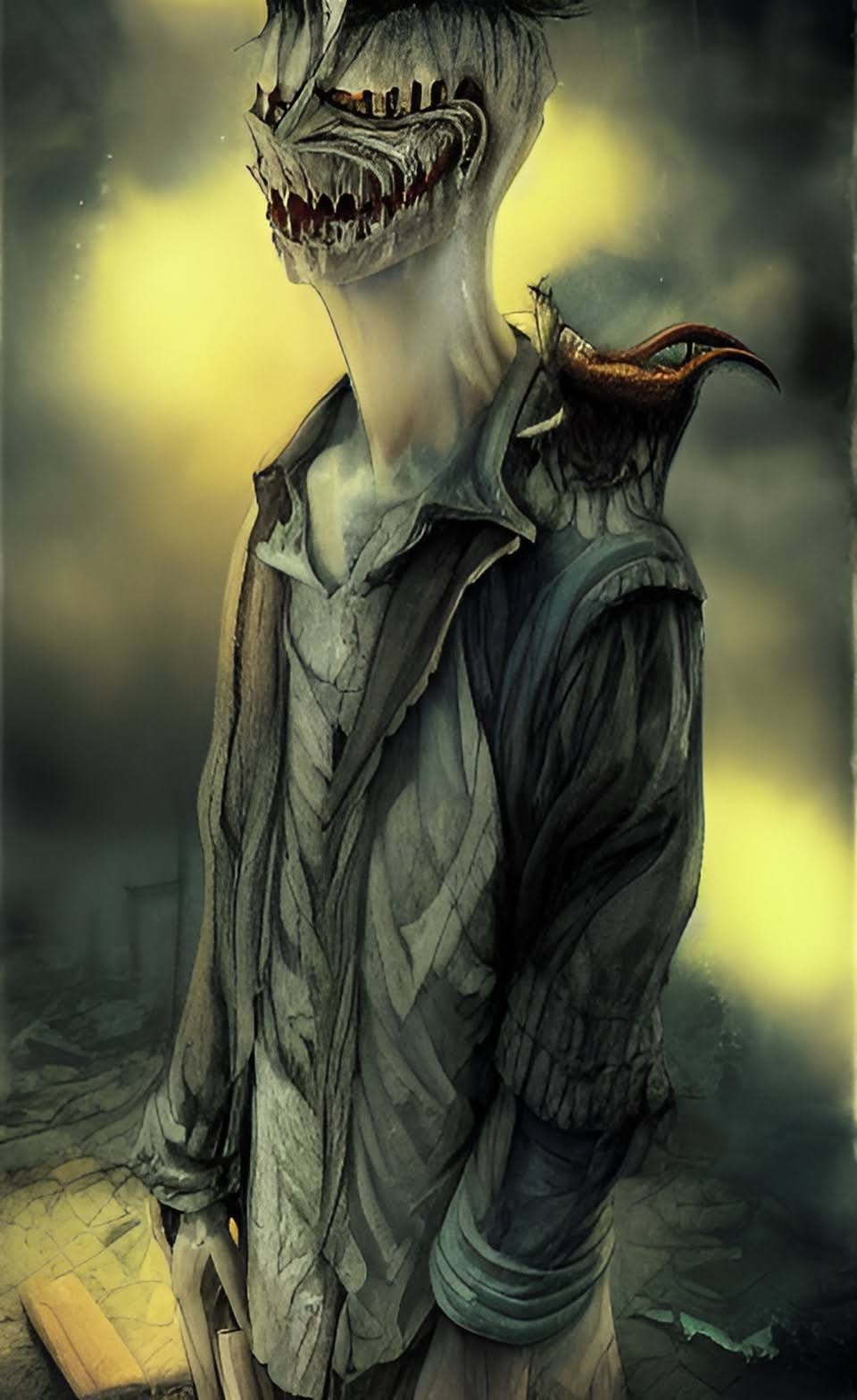
“Much of my work explores the tension between what people see on the surface and the deeper realities that exist beneath it. Some pieces focus on internal awareness and psychological transformation, while others confront broader social or environmental issues. For example, works like Excessive Consumption and The Water’s Fine examine humanity’s impact on the environment and our tendency to ignore the consequences of our actions until they become unavoidable. Other works such as A Mother’s Love and Your Father Is Home address quieter realities within human relationships; experiences that many people recognize but often leave unspoken because of social taboos. Across different themes, my work often invites viewers to pause and examine the things they instinctively know but may not consciously acknowledge.”
Do you plan your work in advance, or is it improvisation?
“It’s usually a combination of both. Sometimes a piece begins with a clear conceptual idea, but just as often it starts much more casually. I might doodle while sitting in a meeting or scribble something out of frustration or boredom, and suddenly an image appears within the lines that feels worth pursuing. Once that initial spark happens, the work becomes more intentional. I start refining the composition, thinking about symbolism, body language, and how the environment will support the emotional narrative of the piece. So the beginning can be very spontaneous, but the development of the image becomes much more deliberate.”
Are there any art world trends you are following?
“I’m interested in the growing intersection between traditional artistic ideas and contemporary digital tools. Digital painting and emerging technologies are expanding the ways artists can experiment with imagery, symbolism, and atmosphere while still drawing from long traditions of figurative and surrealist art. More broadly, I’m drawn to artists who treat imagery as a kind of philosophical language rather than simply visual decoration. Work that explores consciousness, identity, and symbolic meaning continues to resonate strongly with me. I’m less interested in trends themselves and more interested in artists who use their medium, whether traditional or digital, to investigate deeper questions about the human experience.”
What process, materials and techniques do you use to create your artwork?
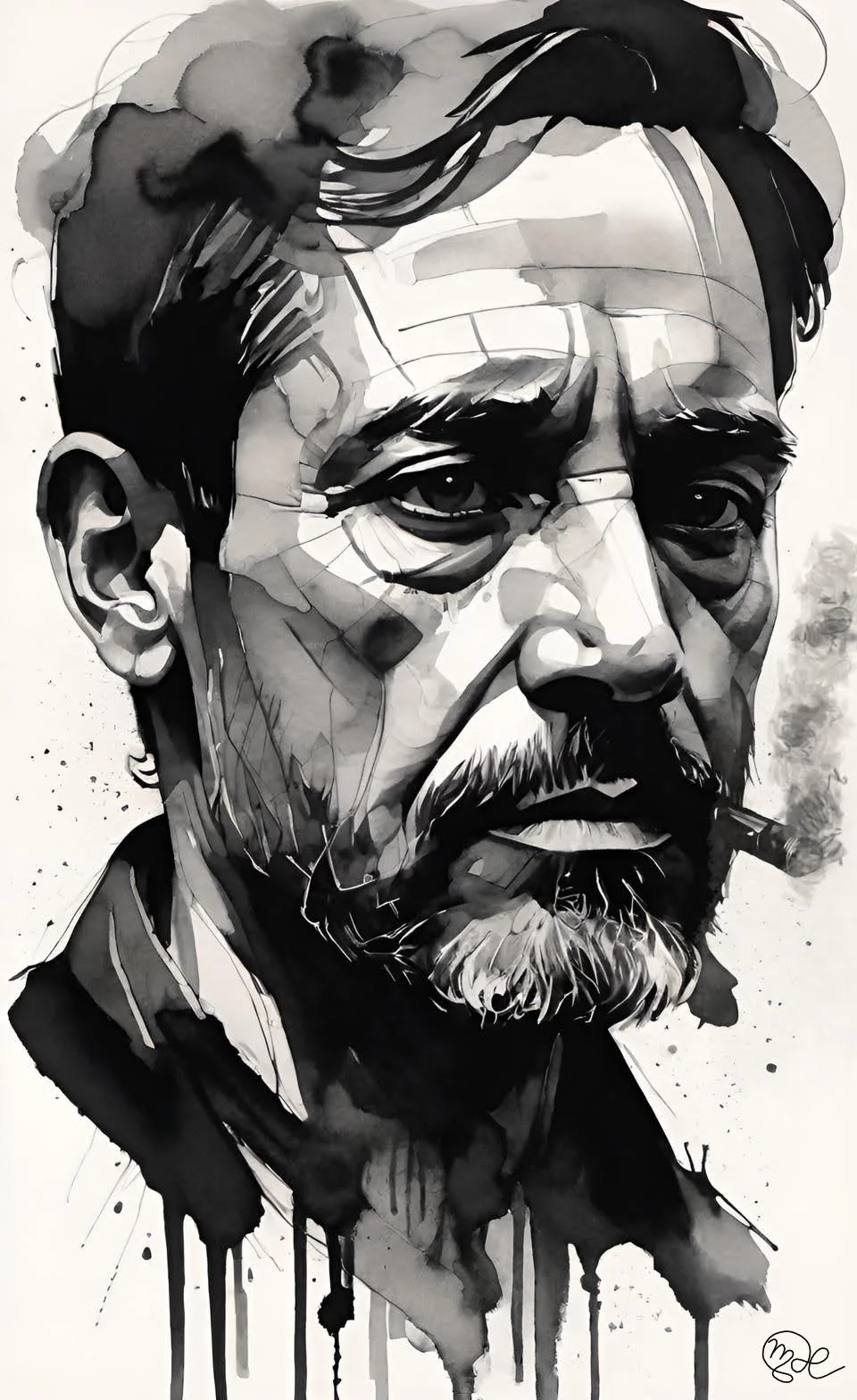
“My work is primarily developed through digital painting, which allows me to experiment with texture, lighting, and symbolic elements in flexible ways. However, most pieces actually begin with physical sketches and drafts. I often use pencils, acrylic paint, and markers to explore ideas, compositions, and gestures before moving into a digital environment. From there I build the image gradually, starting with the core composition, usually the figure and the surrounding environment, before layering in atmosphere, detail, and color. Because many of my pieces explore psychological themes, I pay close attention to body language and visual focal points. The environment, lighting, and symbolic elements are carefully developed to reinforce the emotional and conceptual narrative of the figure within the scene. I also occasionally embellish printed works by hand to introduce a physical element back into the final piece.”
What does your art mean to you?
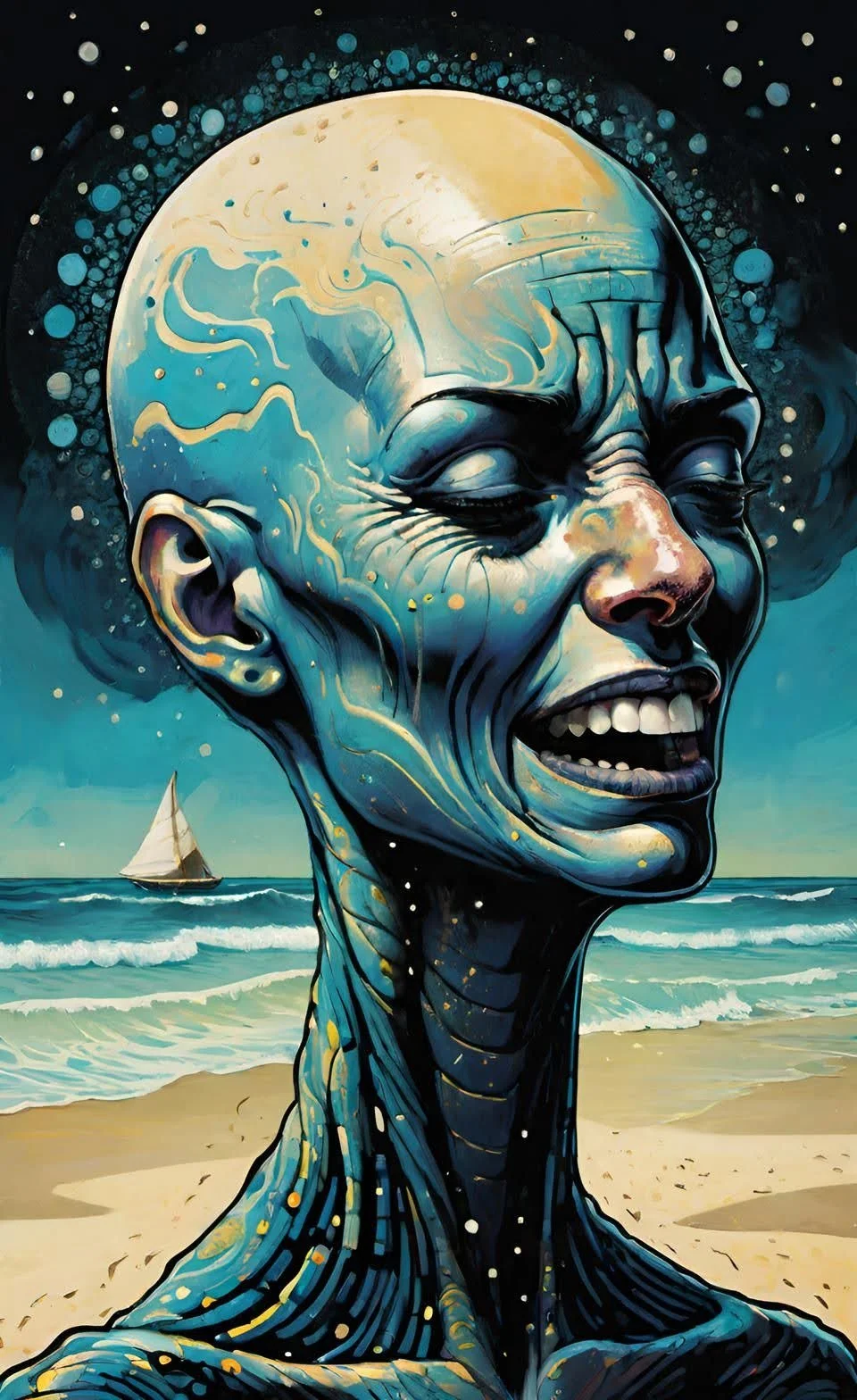
“For me, art is a way of exploring uncomfortable questions about the world and about human behavior. Many of my pieces begin with the idea that people often recognize certain truths internally but avoid confronting them directly. There is a natural human tendency toward what might be called ‘morbid curiosity,’ that same impulse that causes someone to slow down when passing an accident on the highway. That moment of curiosity becomes an entry point. The viewer is drawn in by something unusual or unsettling, but once they stop and look more closely, the goal is for them to recognize elements of their own experiences and environment reflected in the work. So to me, my art is meant for others to see what they know to be true in their own experience through the lens of my own eyes.”
What’s your favourite artwork and why?
“Many works have influenced the way I think about art, but I have always been particularly drawn to the work of Marina Abramović. Her performances confront the viewer with raw human presence and emotional intensity, often forcing both the artist and the audience to confront uncomfortable truths about vulnerability, endurance, and awareness. What I find compelling about her work is the way it strips away distraction and places the human experience itself at the center of the artwork. That willingness to confront difficult or uncomfortable realities resonates strongly with my own approach to art, where I often explore the tension between what people see on the surface and what exists beneath it.”
Website: fineartamerica.com/profiles/6-jonathan-owens
Instagram: @jonathan_owens_art
Brush Bio: brush.bio/jonathanowens