
Interview
Joan Cox
Joan Cox (born 1969) is a Baltimore-based artist whose vivid paintings and works on paper center the intimate lives of lesbian couples, challenging the erasure of queer women in art history. A recipient of the 2025 International Women United Art Prize (Second Place) and named among VAA Art 100's Top International Artists, Cox weaves personal narrative with cultural ritual in her evolving practice. Her recent solo exhibitions include "Sapphic Gaze" at IA&A Hillyer Gallery in Washington, DC, and "Side by Side" at Towson University Center for the Arts Gallery. Cox's work has garnered multiple first-place awards, including recognition at the 13th Annual Figurative Drawing and Painting Exhibition and the Unmasked Contemporary Portrait Exhibition. Her art has been featured in The Advocate and exhibited internationally, including shows in Mexico City and Austria. Through her practice, Cox constructs a visual archive that honors both contemporary queer relationships and ancestral memory. She earned a BFA from Towson University and an MFA from Massachusetts College of Art's program at the Fine Arts Work Center in Provincetown.
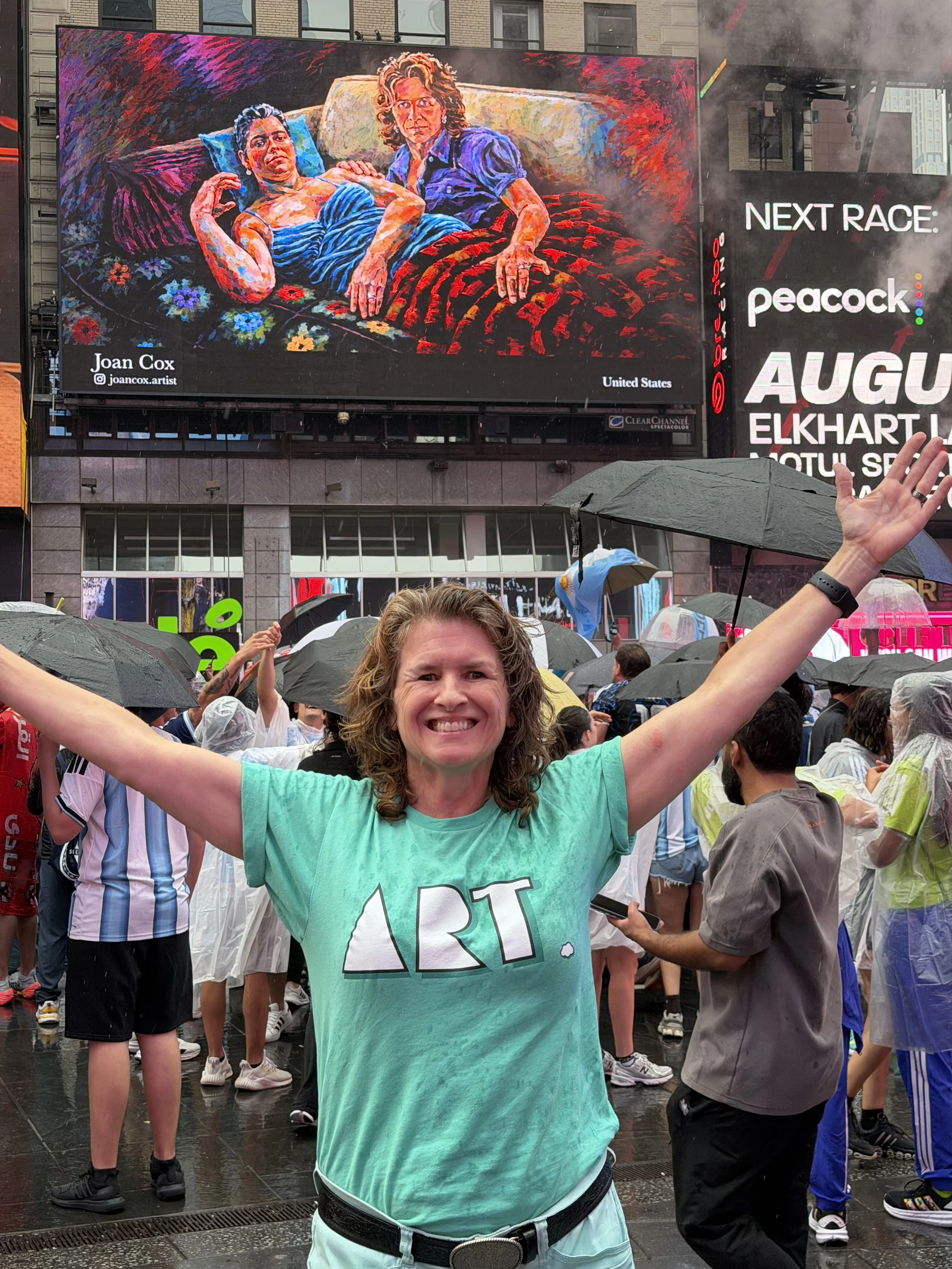
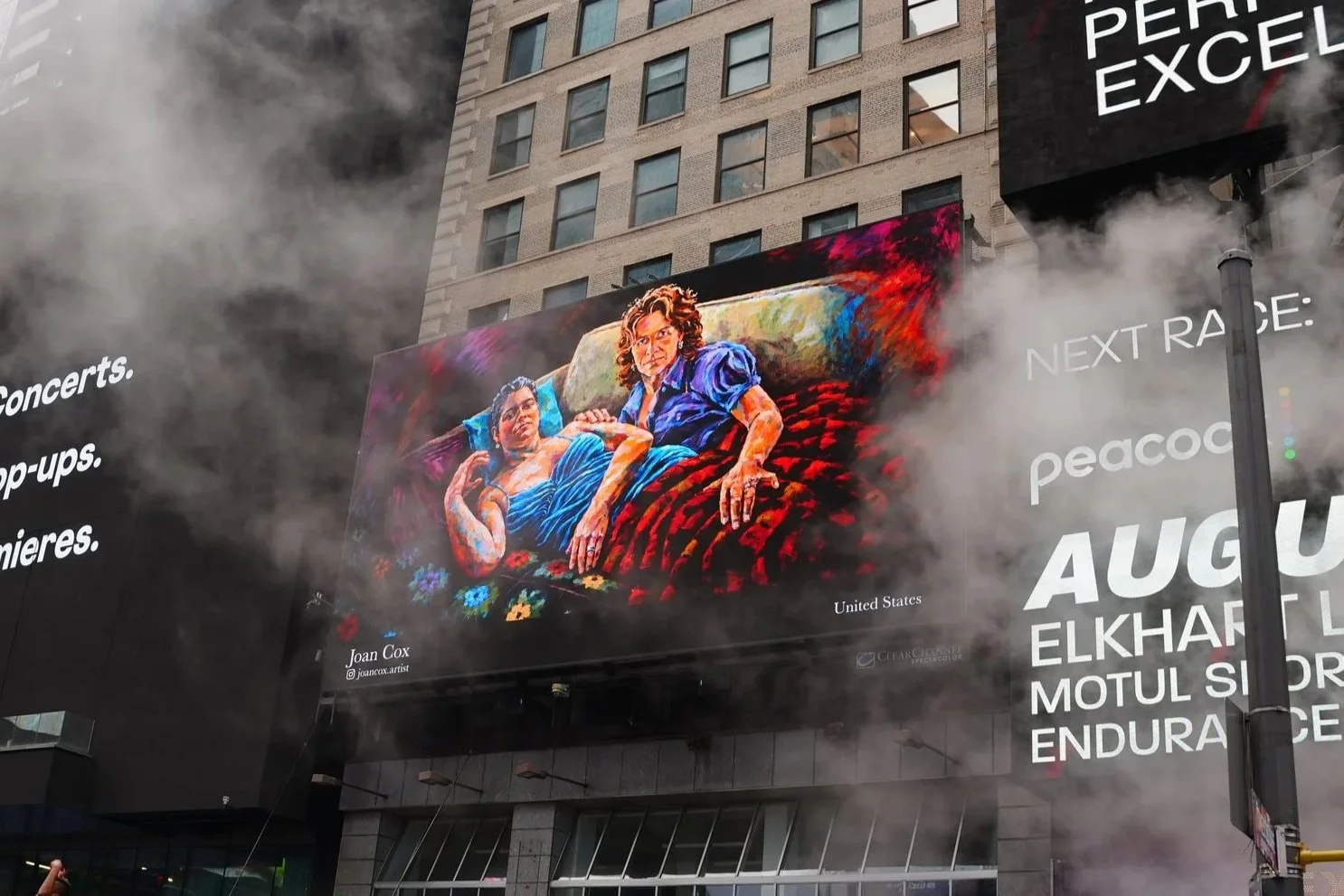
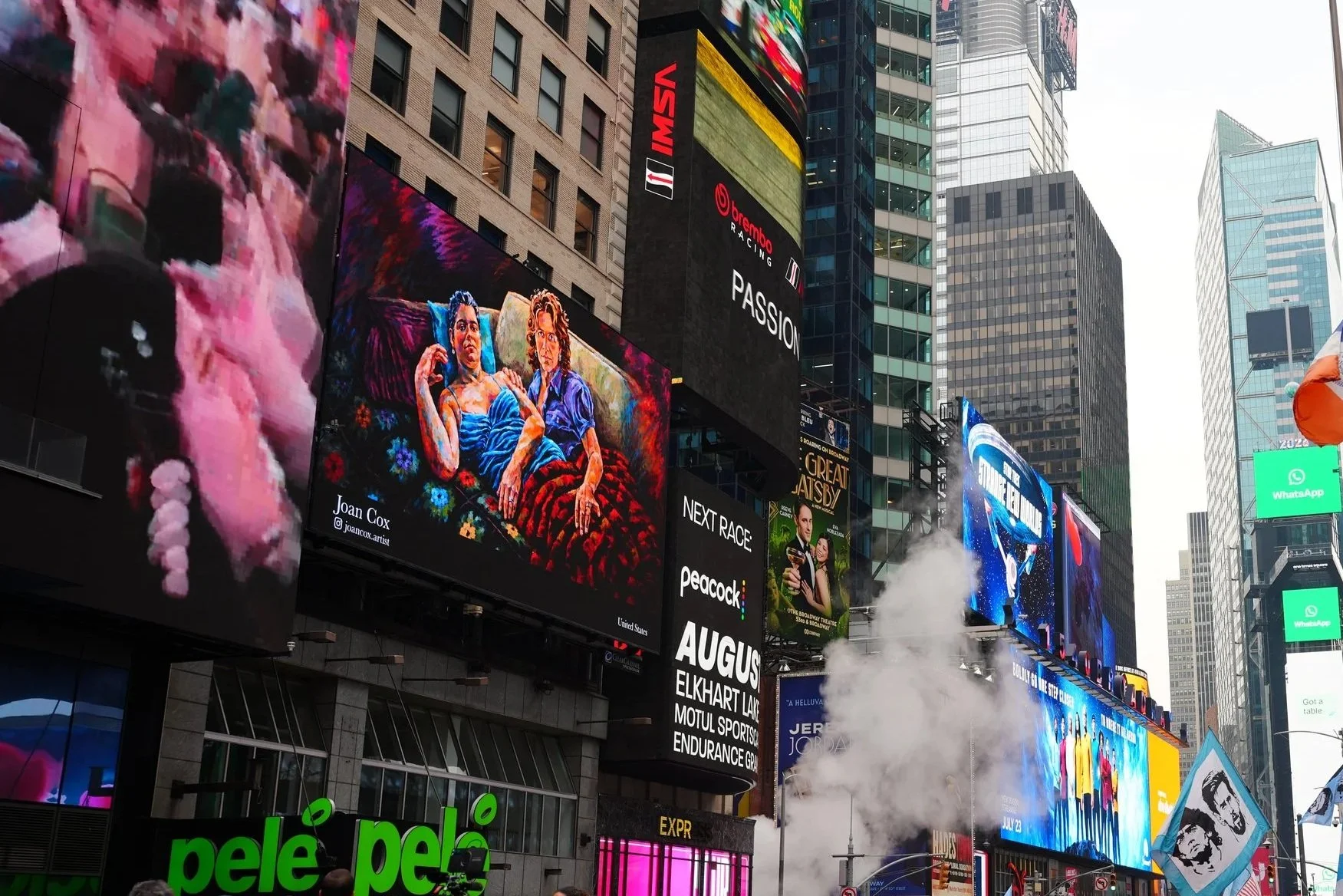
Joan’s work was featured in Times Square, New York as part of Artistcloseup’s international open call for visual artists.
What is your background and how did you start your journey in the art world?
“I’m a figurative painter, and I’ve always been in love with the power of color and the physical, expressive quality of brushstrokes on a canvas. I started drawing and painting when I was very young, and I knew early on that I wanted to be an artist. But the work I’m making now has come out of a much longer journey of self-discovery. I have both a BFA and an MFA in painting. I went back for my MFA about 20 years after my undergraduate degree, when I had more life experience and knew I had a story I wanted to tell. I didn’t want to go straight into graduate school after college, because I understood that I needed more perspective and maturity in order to make work that felt honest and meaningful.”
What inspires you?
“I’m inspired by love, longing, and the quiet power of ordinary intimacy. I’m especially moved by the way women care for each other, live with each other, and make a life together, often without that life being fully recognized or honored by the world around them. I’m also inspired by the women who came before me — in art, in life, in history — and by the idea that painting can be a way of bringing someone back into view. There’s something very moving to me about taking a familiar image and shifting it so that queer women are centered in it. That feels both personal and necessary.”
What themes do you pursue? Is there an underlying message in your work?
“I keep returning to lesbian intimacy, chosen family, visibility, and the emotional weight of being seen. So much of my work is about making space for women’s relationships in all their tenderness, complexity, and truth. I want the paintings to feel like they are holding something sacred. The message underneath it all is that our lives matter. Our love matters. Our stories belong in the visual record. I want the work to say that lesbian life is not marginal or secondary — it is rich, beautiful, complicated, and worthy of being witnessed.”
How would you describe your work?
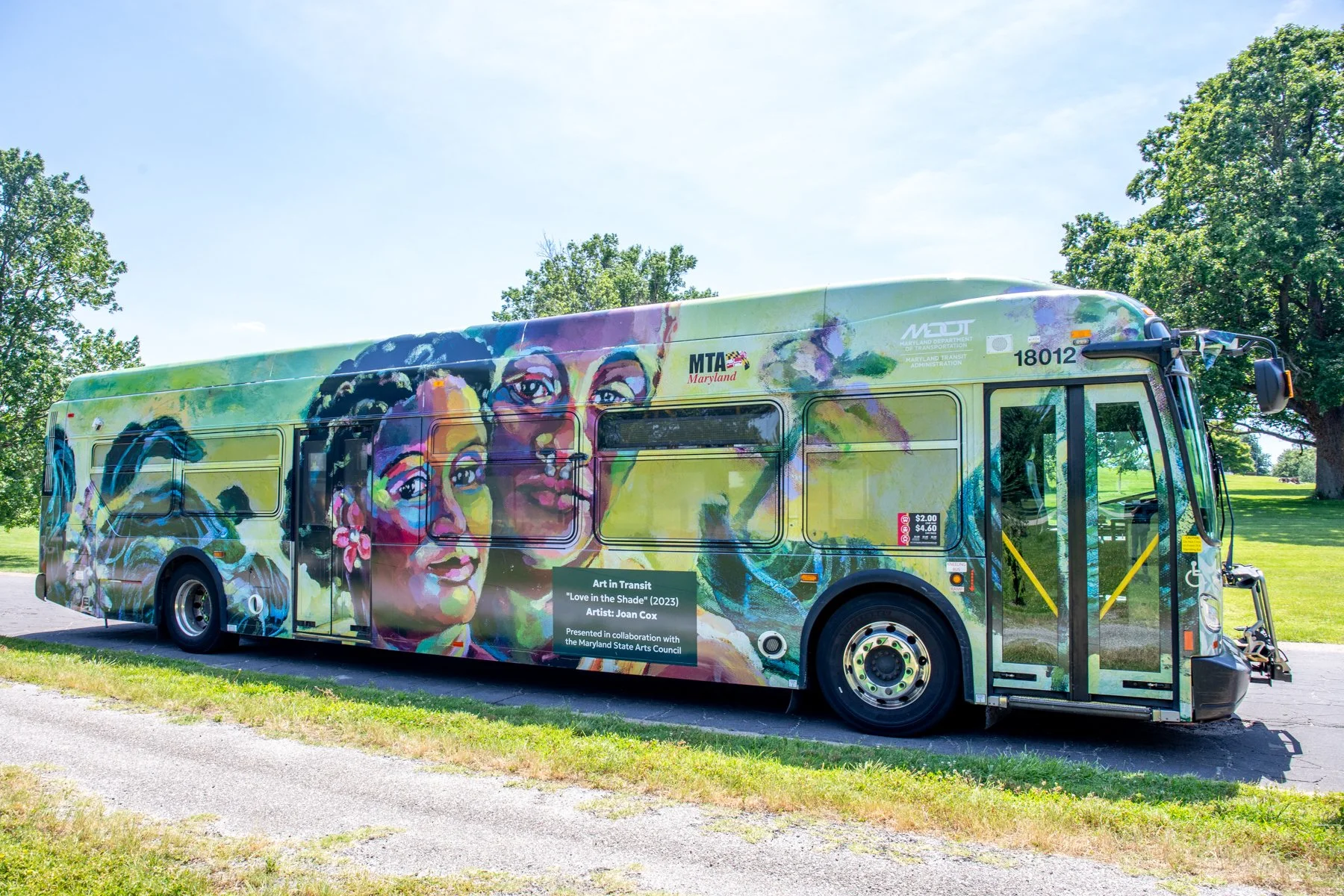
“I’d describe my work as figurative, narrative, and deeply personal. It comes from portraiture, but it also leans into symbolism, memory, and emotional atmosphere. I want the paintings to feel lush and alive, like they’re carrying more than just what you first see. Color is a huge part of that for me. So is brushwork, and the way a painting can hold both intimacy and tension at the same time. My work is about relationships, but also about presence — about what it means to really look at someone and to let them be fully seen.”
Which artists influence you most?
“Xenia Hausner has been a huge influence on my approach to painting figures. I first saw her work in person in Berlin about 25 years ago, then had the honor of studying with her in Austria for a summer workshop. Additionally, I admire the groundbreaking, story-telling work of Kerry James Marshall, Barkley Hendricks and Betye Saar, who I just learned passed away just shy of her 100th birthday.”
What is your creative process like?
“My process usually begins with a photograph, but I don’t think of that as the final image. It’s more like a starting place. I work from photographs of couples, often in posed compositions, and then I begin transforming them through paint, memory, and feeling. Sometimes I’m borrowing from art history too, or from an image I’ve carried with me for a long time. What matters most to me is that the painting becomes more than the source. I want it to hold emotion, symbolism, and the inner life of the people in it. The process is intuitive, but it’s also very intentional. I spend a lot of time listening to what the painting wants to become.”
What is an artist’s role in society and how do you see that evolving?
“I think artists have a role in helping people see what has been overlooked, denied, or pushed aside. We make visible the lives, feelings, and truths that are often left out of the official story. For me, that means making lesbian lives and queer love visible in a way that feels tender, honest, and human. I think that role is even more important now. We live in a time when so much is flattened or reduced, and I think artists can still offer depth, nuance, and empathy. We can create spaces where people feel seen, where history gets questioned, and where the full range of human experience is honored.”
Have you had any noteworthy exhibitions you'd like to share?
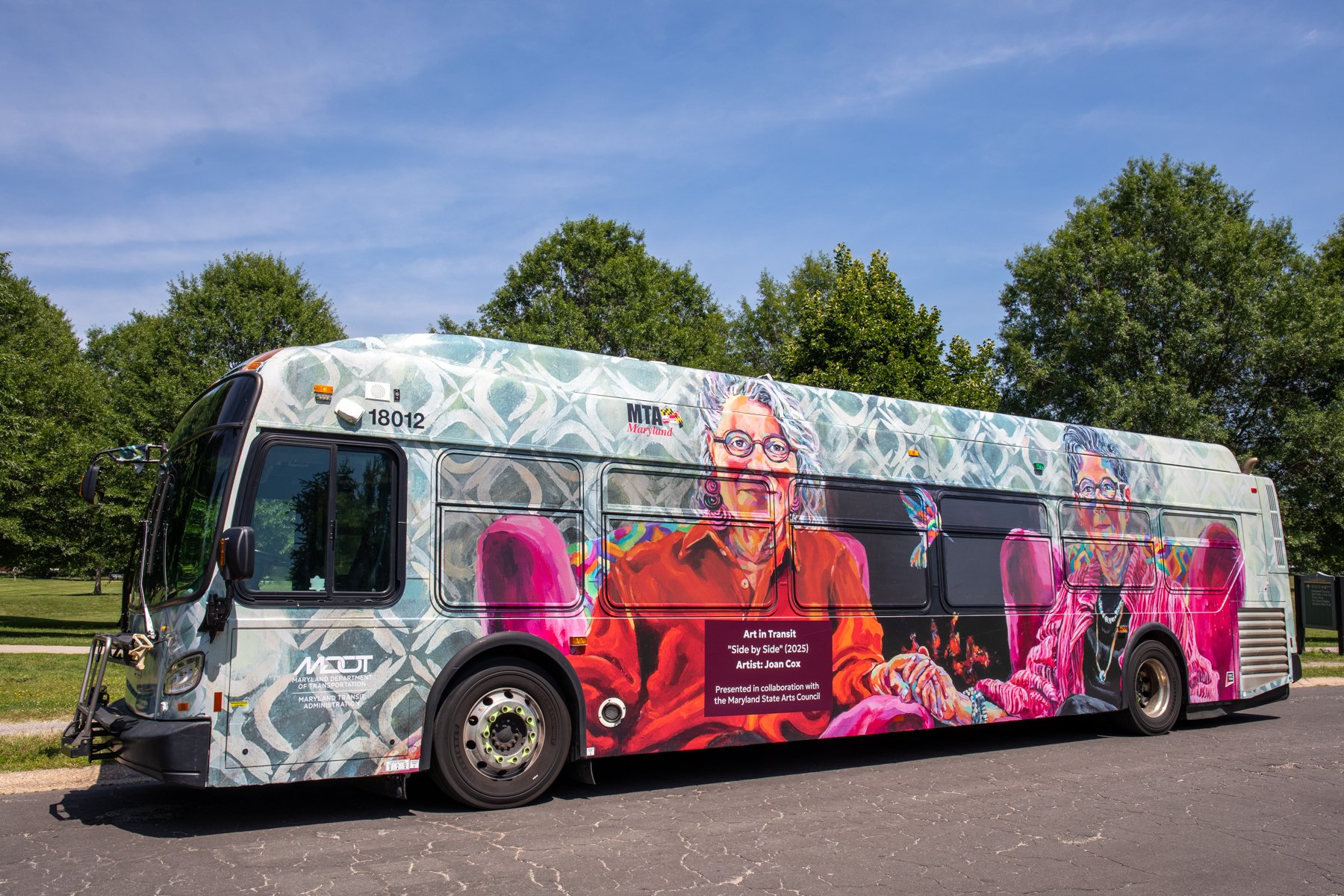
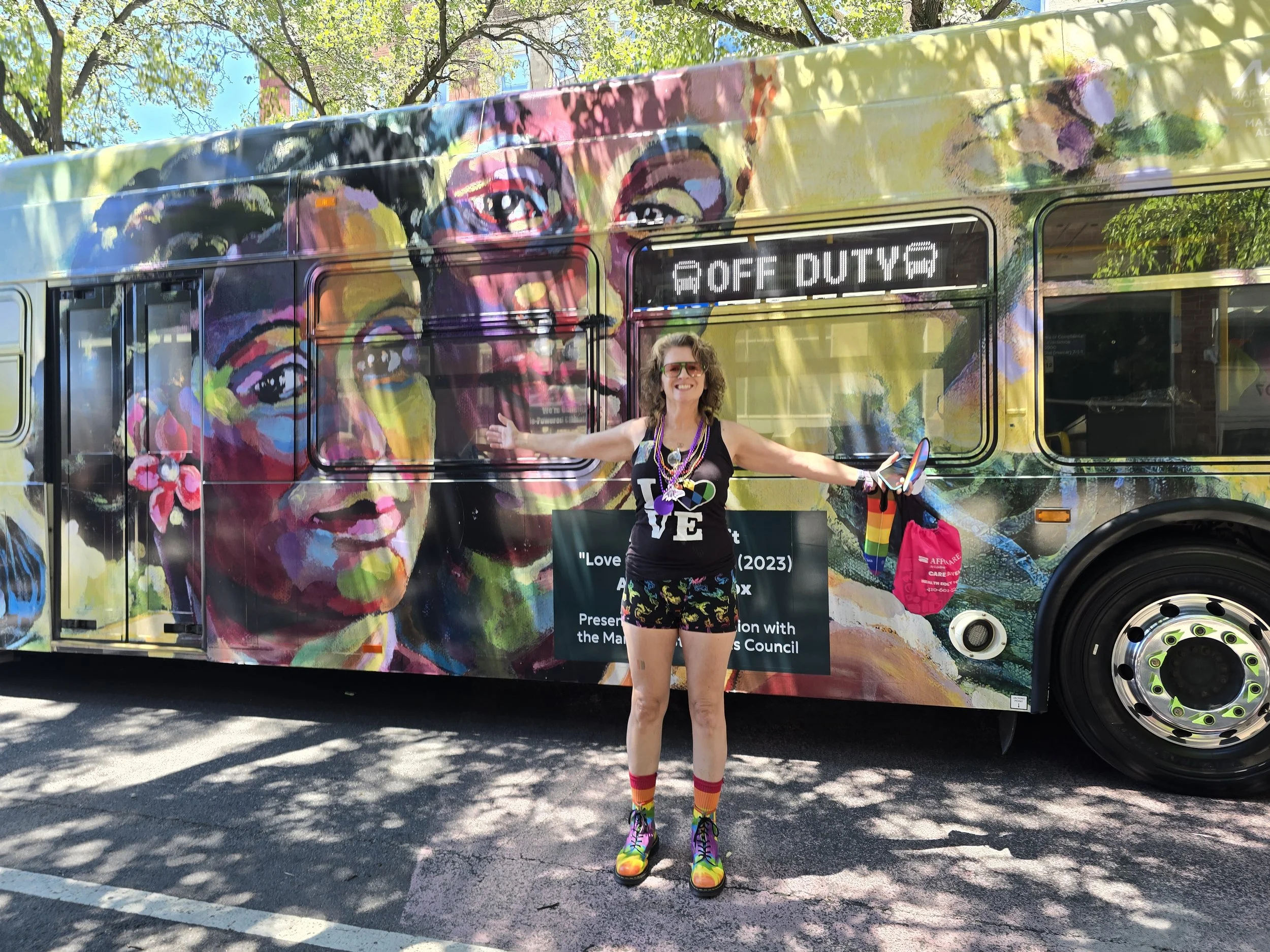
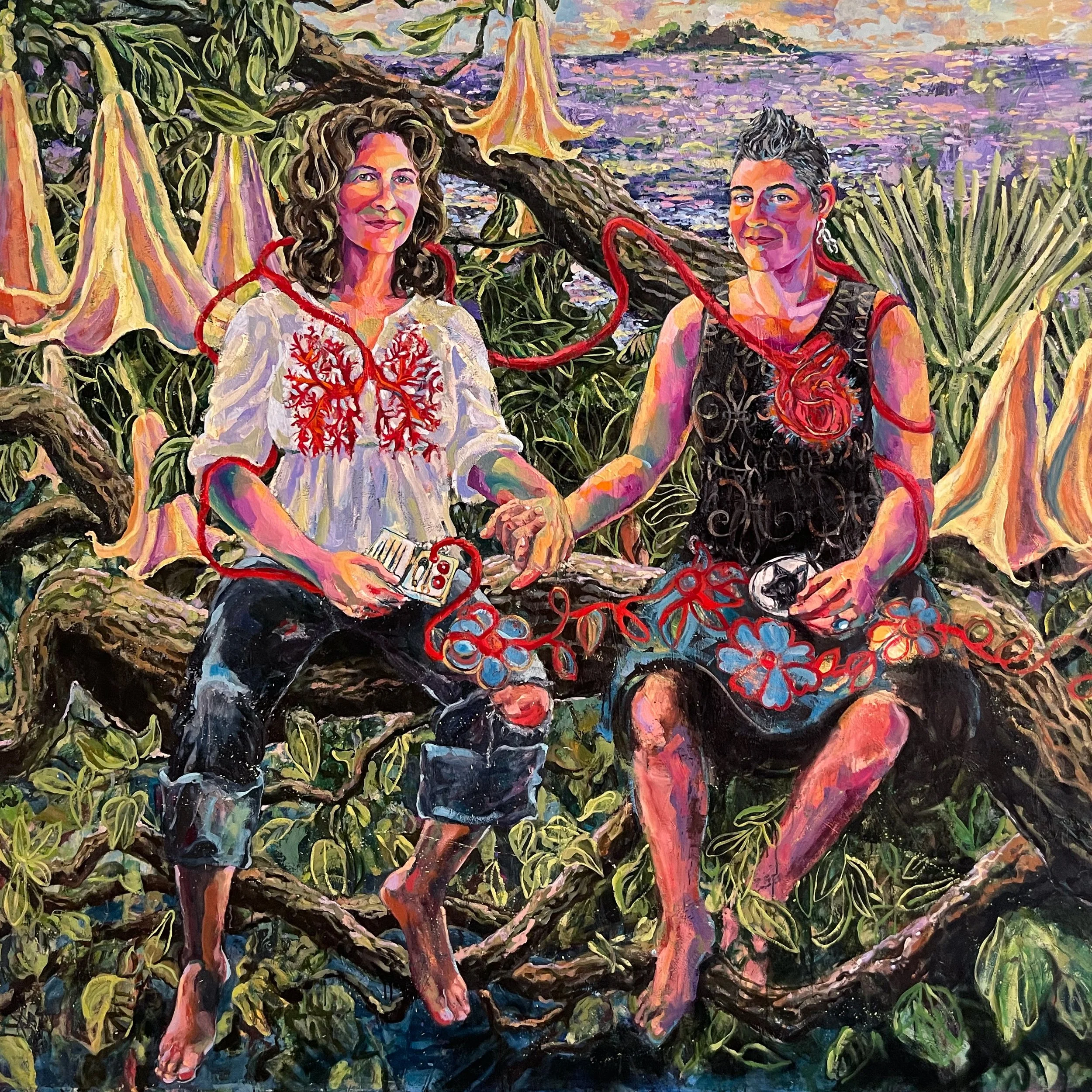
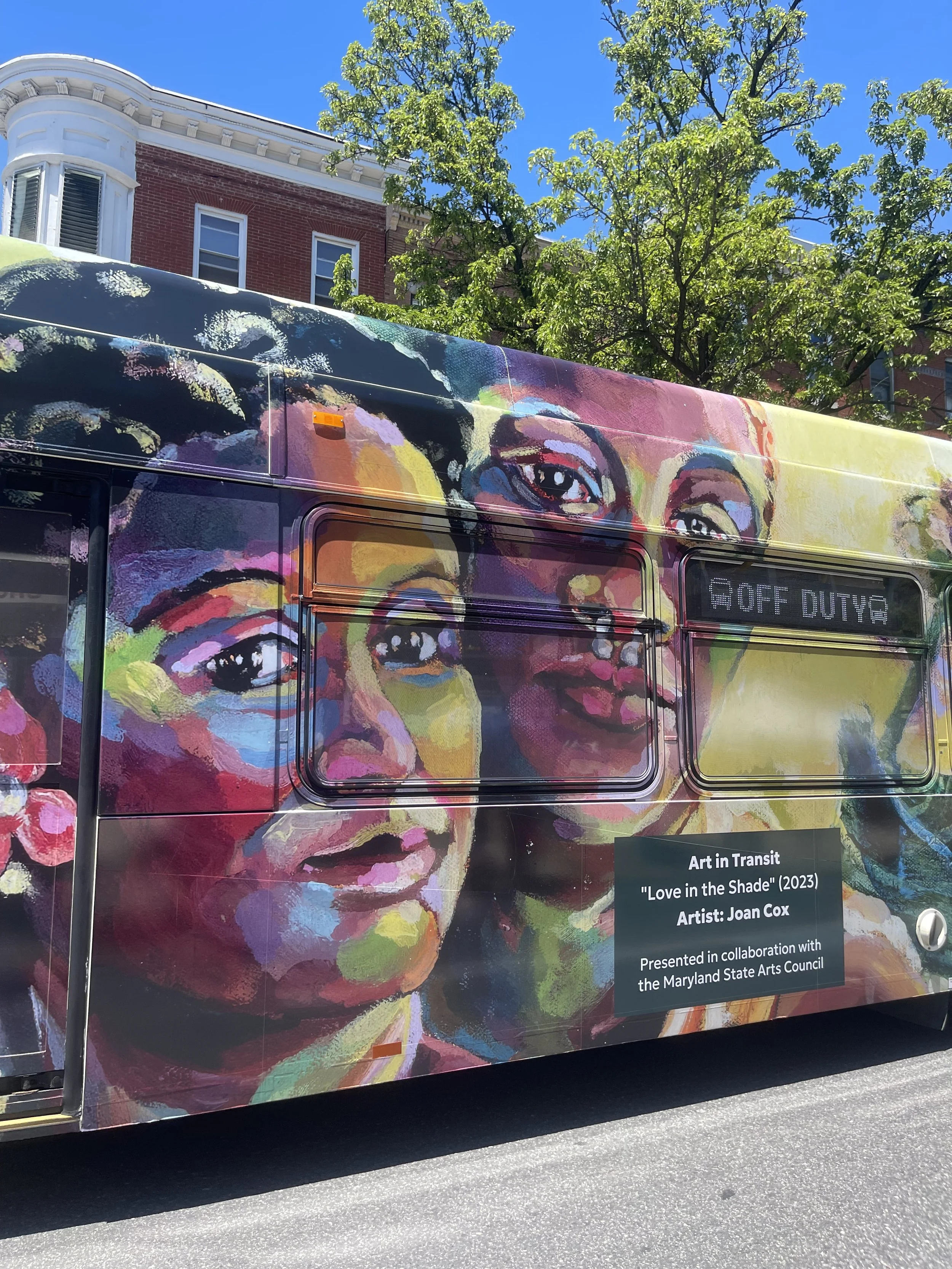
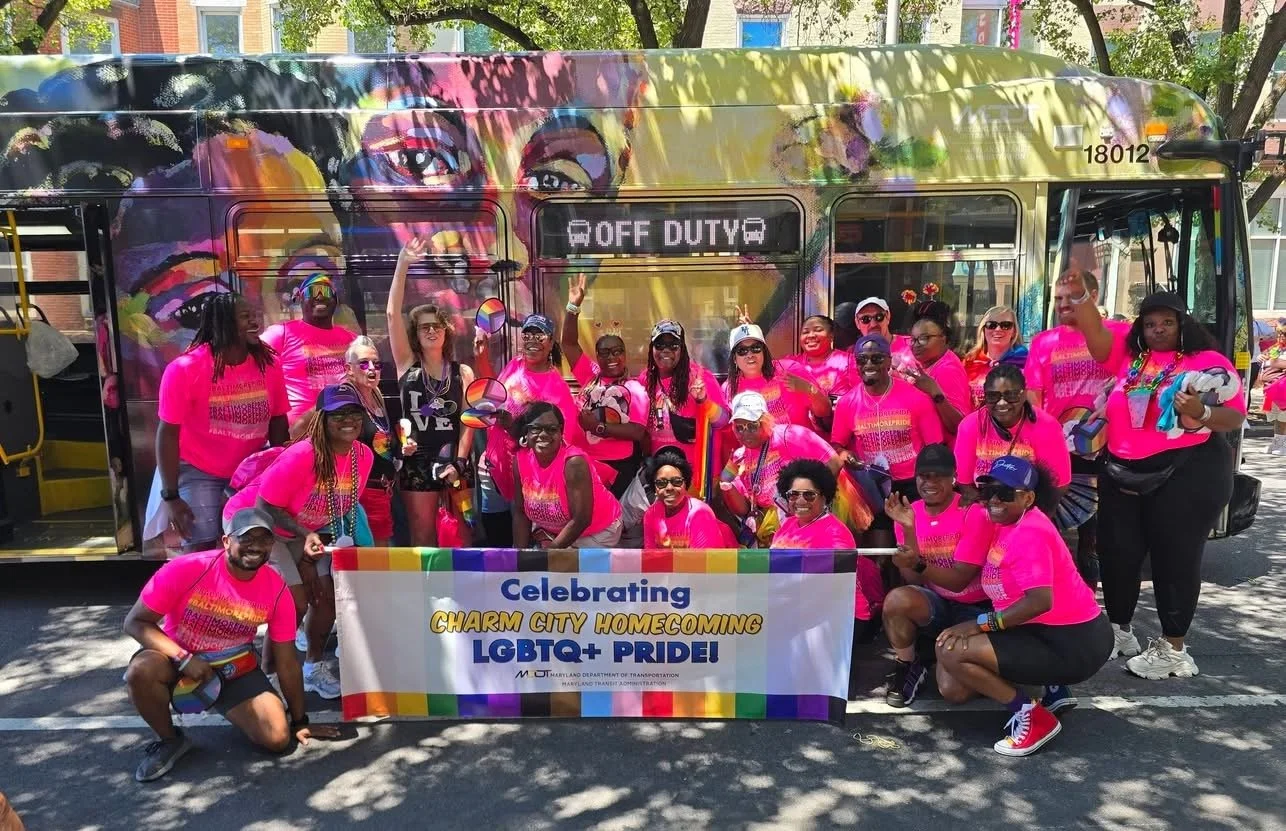
“I’m always grateful when the work reaches beyond the usual art audience. This summer, I’ve been fortunate to share my work with a wider public through a Baltimore City bus wrap celebrating Pride. It will be on the streets for at least a year, carrying a moving message of queer joy. Around the same time, I was selected for a Times Square billboard opportunity through Artist Closeup, and this summer has also included several gallery exhibitions in New York City and Mexico City. Public presentation matters deeply to me because part of what I’m trying to do is bring these images into shared space — to make them part of the larger conversation. When that happens, it feels like the work is doing exactly what it was meant to do.”